The urgency of preventing natural disasters
Disclaimer: this is an automated translation from Italian. Go to the original article.
13 October is the
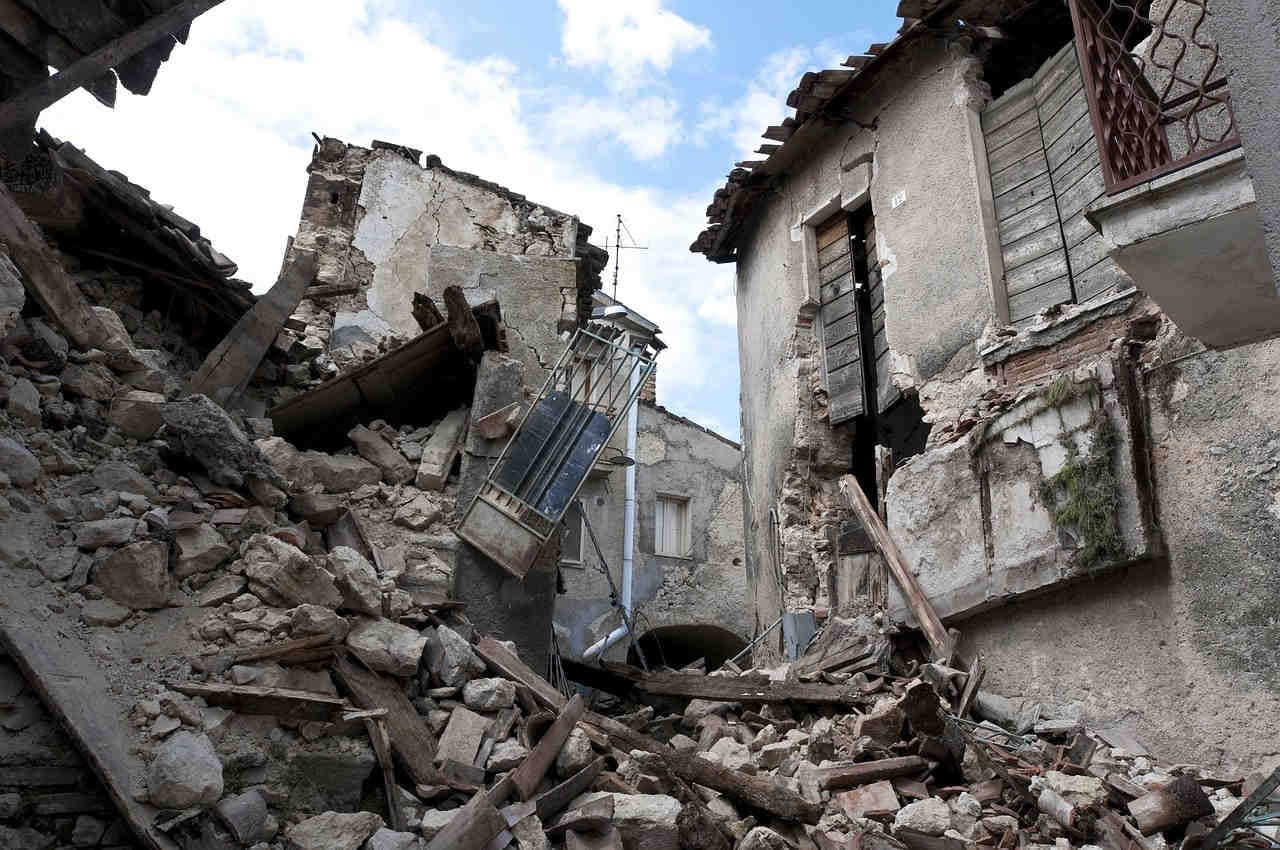
World Disaster Risk Reduction Day calls on governments, organisations and citizens to reflect on the increase in natural disasters and the urgency of taking concrete measures to prevent and mitigate the impact of extreme events. Find out more in this article.
Read the articleDisclaimer: this is an automated translation from Italian. Go to the original article.
13 October is the
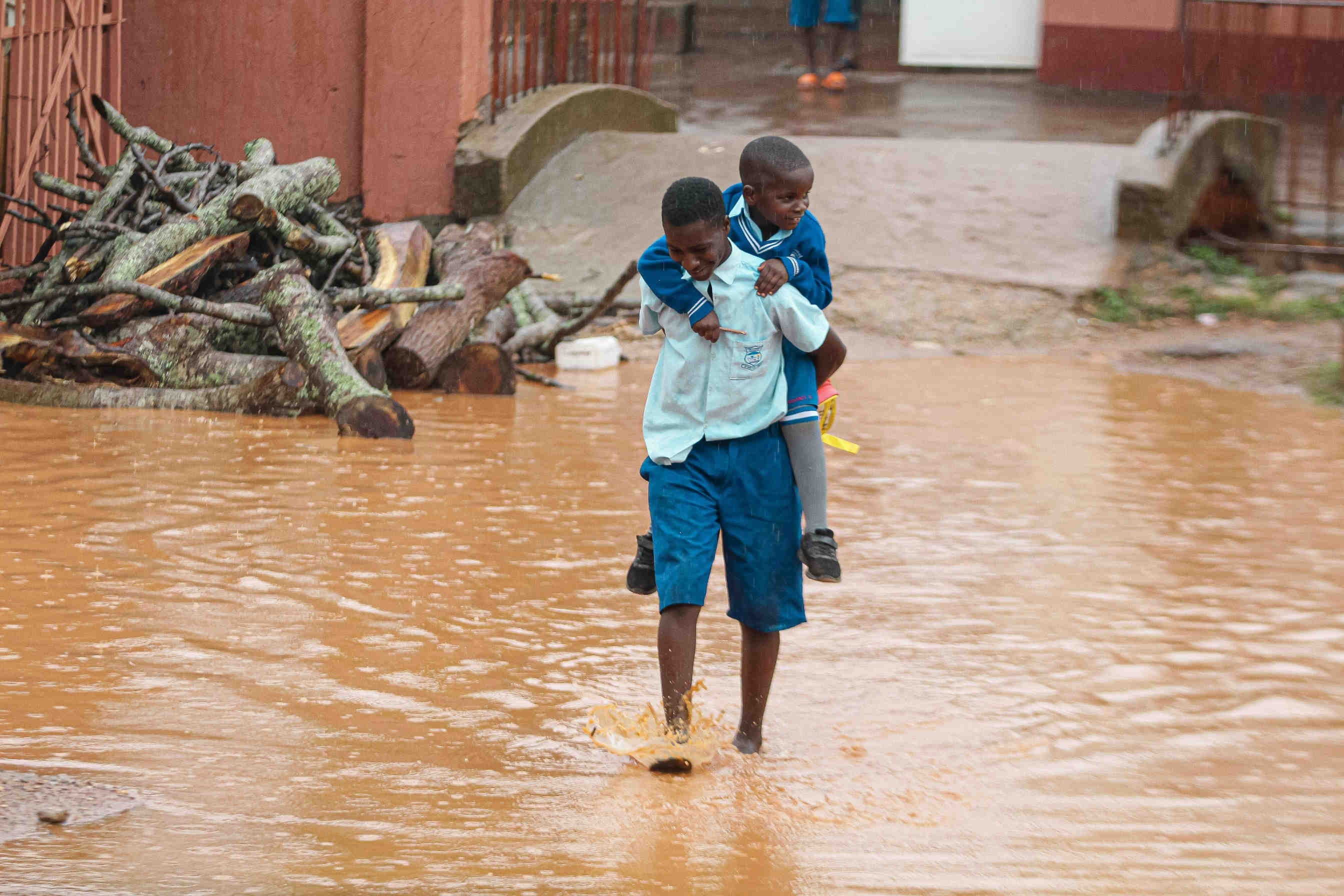
Children and young people are the most affected by natural disasters. Since 2000, more than 1 billion children have seen their lives disrupted by disasters, with more than 80,000 schools damaged or destroyed. For this reason, consistent with the goals of the Sendai Framework 2015-2030 - an international agreement aimed at significantly reducing human losses, economic damage and environmental impacts caused by natural disasters - it was decided to dedicate the theme of the Day 2024 to the youngest. There are two priority areas of intervention:
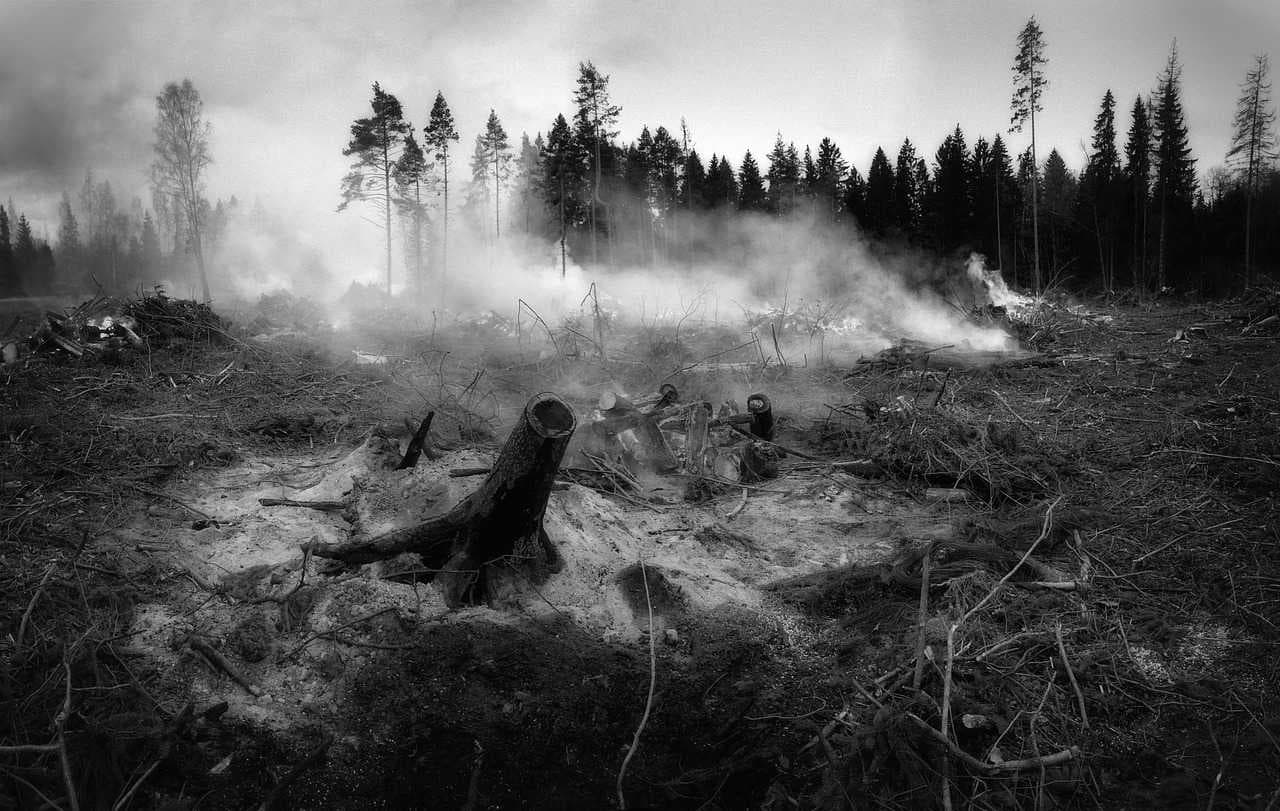

Floods, fires, droughts, storms and heat waves are just some of the extreme phenomena directly related to climate change and will become more and more persistent in the coming years. According to UNICEF, around one billion children worldwide are at extremely high risk from natural disasters, including those fuelled by the climate crisis. Not only that, according to UNICEF's report "Children displaced in a changing climate" climate-related disasters have caused
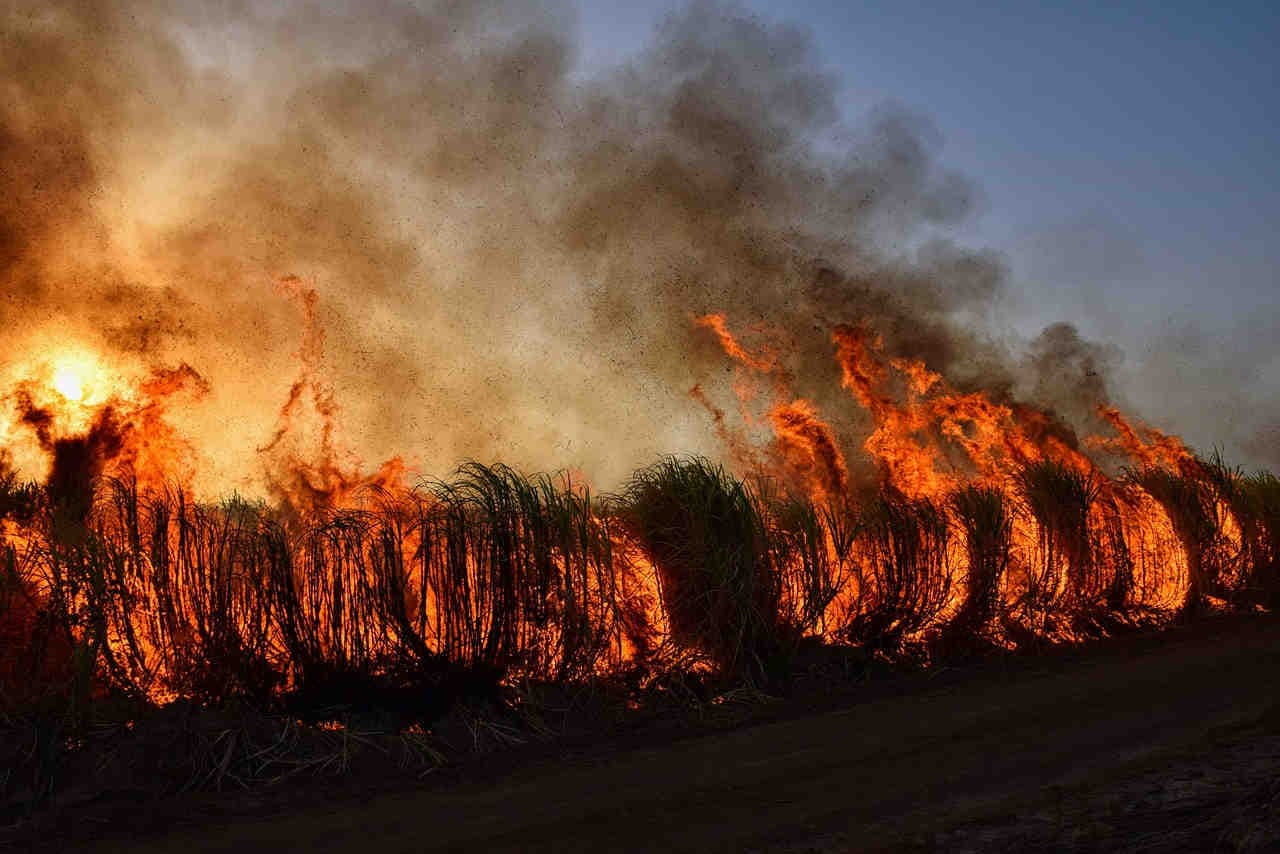
In the face of this urgency, the commitment of governments, as urged by IDDRR and UNICEF, is to
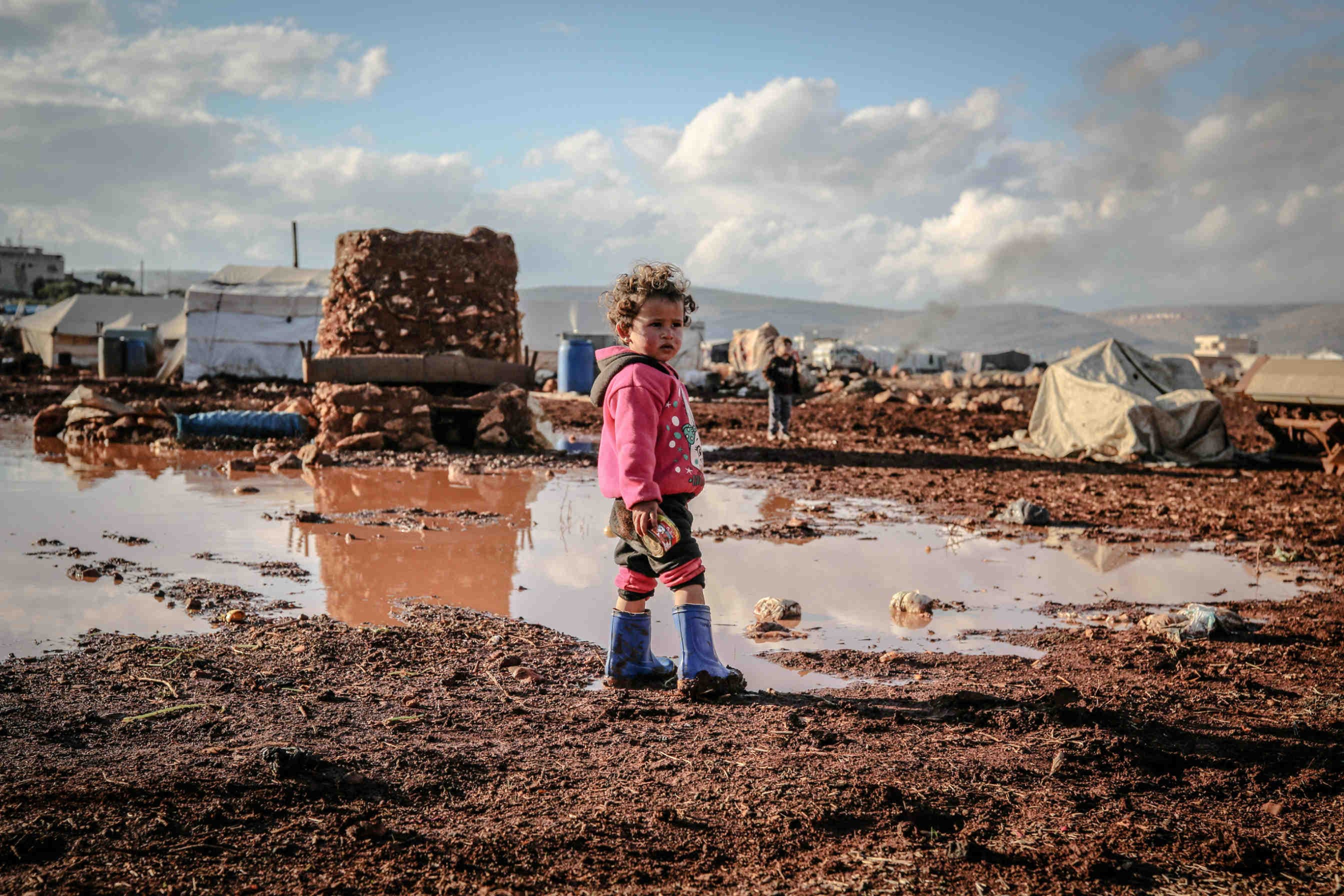

Italy, like other countries in the Mediterranean basin, is increasingly experiencing the force and impact of natural disasters, particularly extreme weather phenomena. According to data ISPRA, Italy is also one of the countries most exposed to hydrogeological instability, with almost 94% of municipalities at risk from landslides, floods and coastal erosion. A dramatic example that plagued our country was the flood that hit the Romagna region in the spring of 2023, causing 20,000 displaced persons and 17 deaths, and followed by another flood, of lesser magnitude, in September 2024. These events - intensified by climate change - highlight the growing vulnerability of our territory, aggravated, according to experts, by cementification, poor maintenance of embankments and watercourses, and poor management of public land.
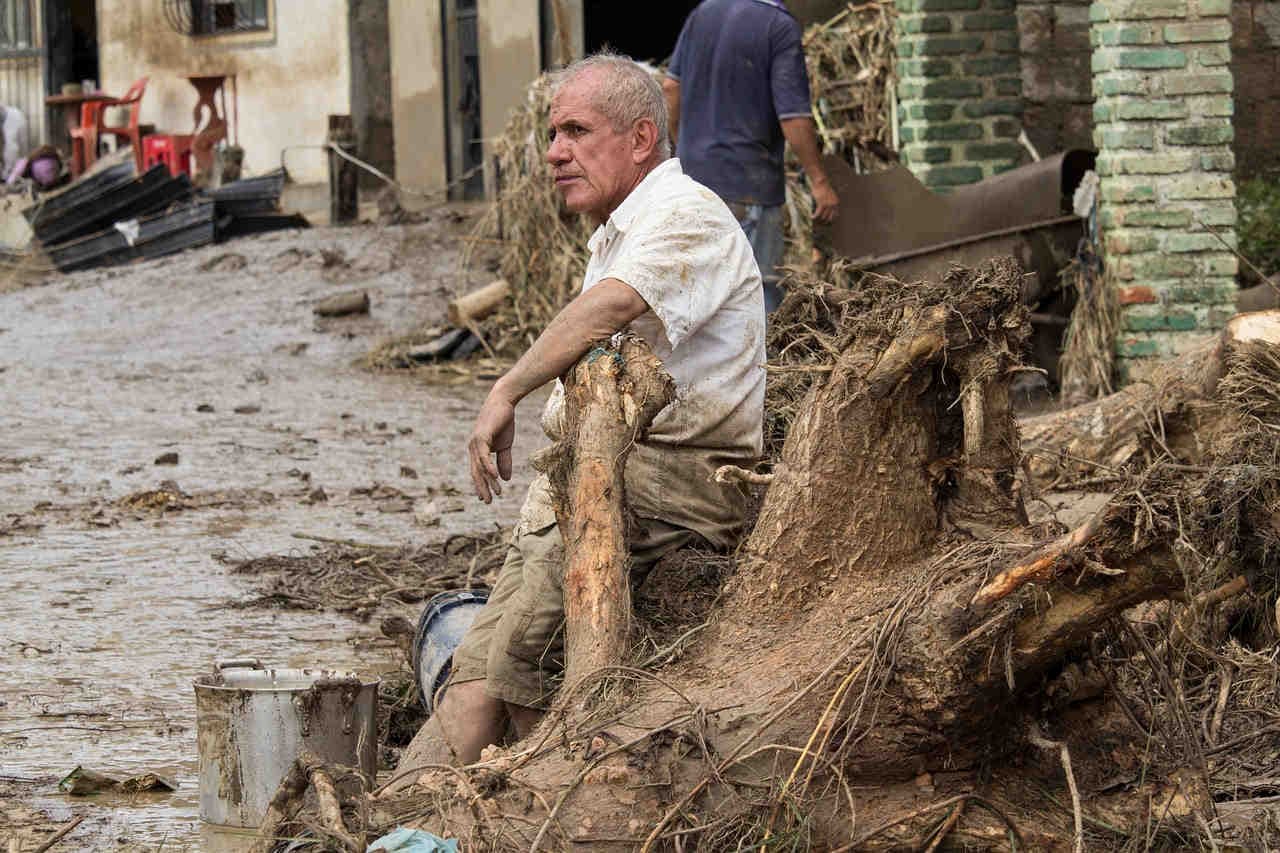

In Italy, children and adolescents are the group most vulnerable to the effects of natural disasters, also due to the disruption of basic services. According to UNICEF's Climate Risk Index for Children (CCRI), our country is in fact at high risk for exposure to climatic and environmental hazards, shocks and stresses. For this reason, it is important for the adoption of a National Climate Change Adaptation Plan that pays attention to crucial areas for children and empowers the youngest to take action through structural education on climate change and the environment, including disaster risk reduction. Although they are the least responsible, it is in fact
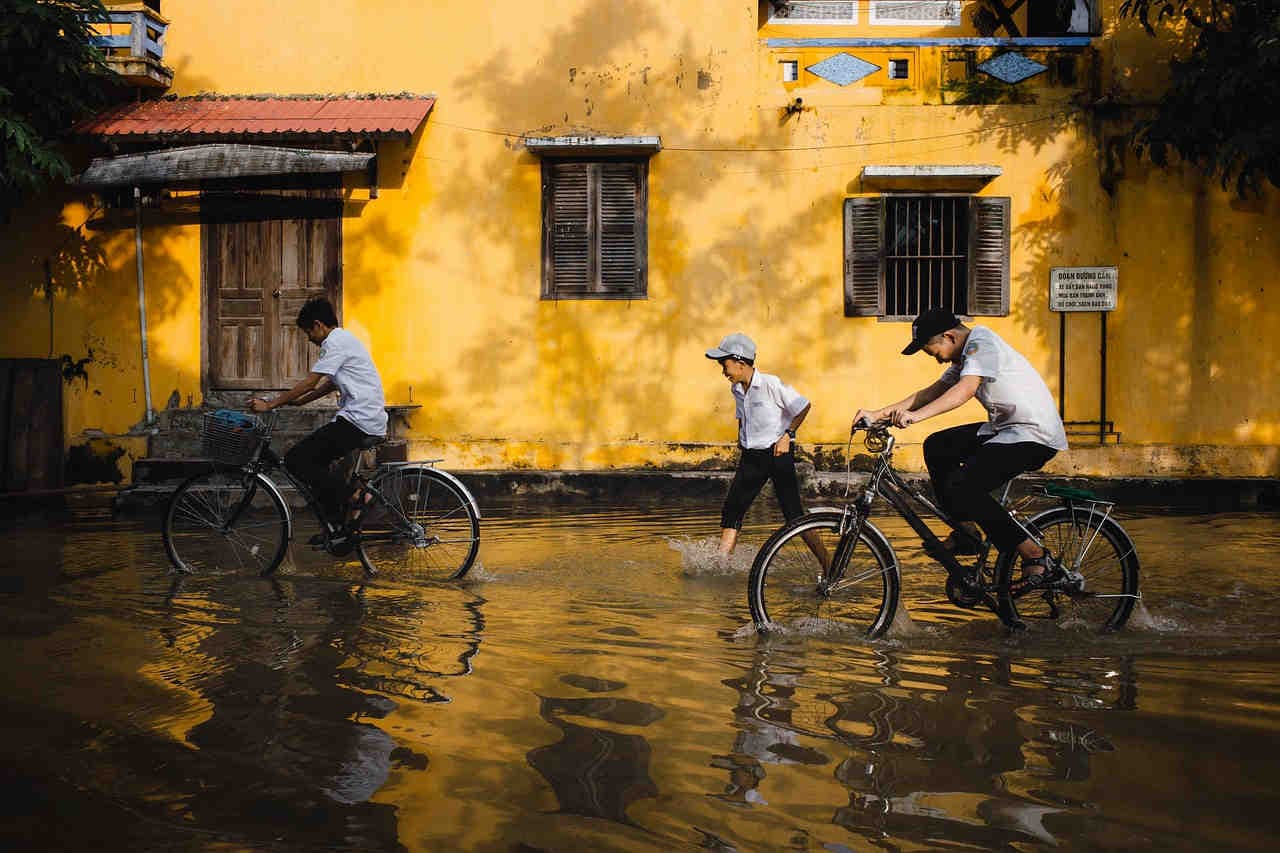
Technology can also help protect future generations and mitigate the risks of climate change. In fact, 3Bee has launched the most comprehensive and innovative digital platform that allows companies, municipalities and natural parks to identify and close the gaps on nature, climate and biodiversity by quickly and easily monitoring four risk indices. Among the various parameters monitored, the
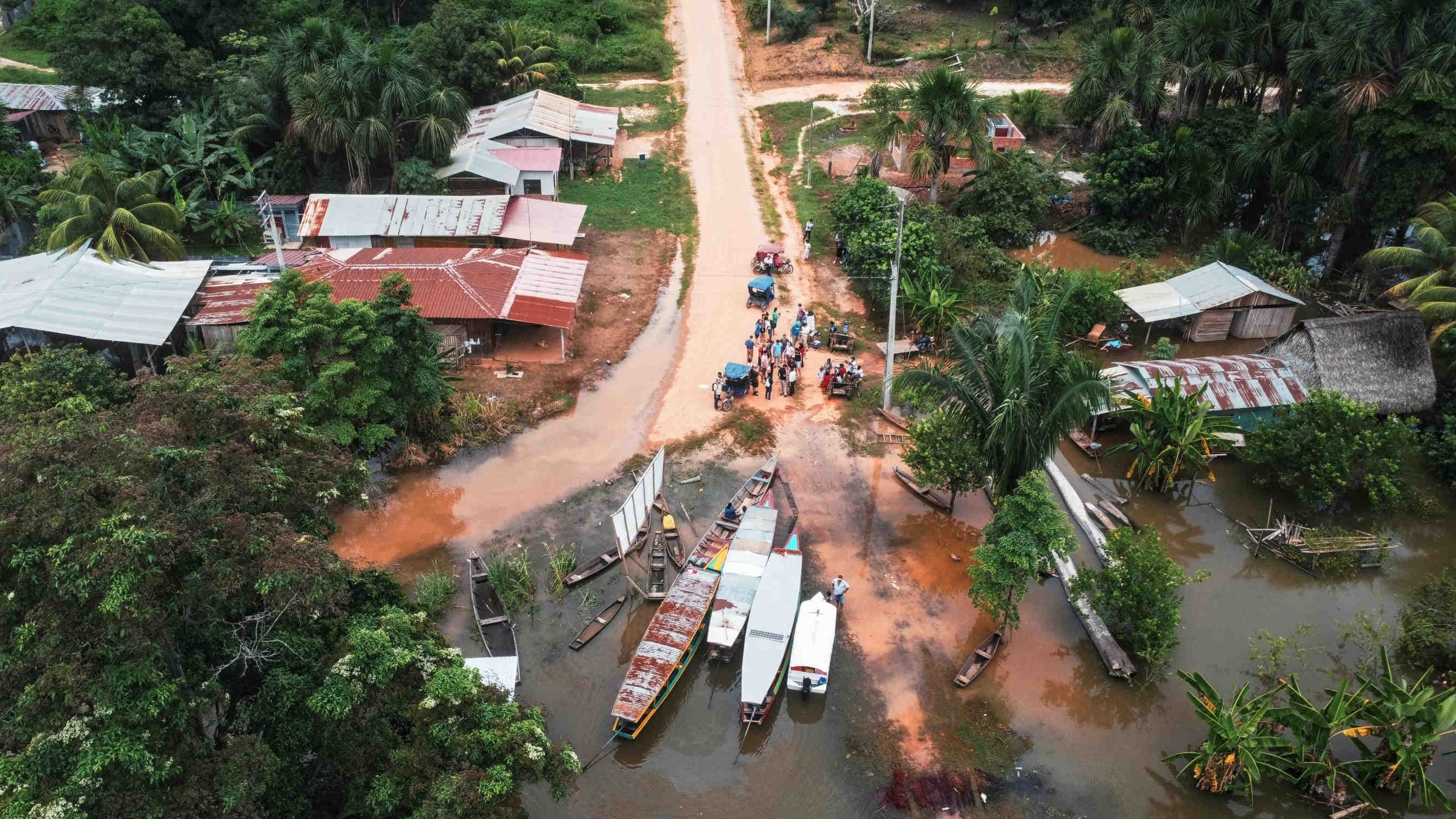

Do you have any doubts or other curiosities about this article? Here you will find some insights