A Day to Reflect on Natural Disasters
    UrgencyGenerationsChildren and climateEducation

    A Day to Reflect on Natural Disasters

    World Disaster Risk Reduction Day calls on governments, organisations and citizens to reflect on the increase in natural disasters and the urgency of taking concrete measures to prevent and mitigate the impact of extreme events. Find out more in this article.

    Read the article
    10/10/2024Of 3Bee, Chiara Pertile
    225 Views
    10/10/2024Of 3Bee, Chiara Pertile
    225 Views

    The urgency of preventing natural disasters

    Disclaimer: this is an automated translation from Italian. Go to the original article.

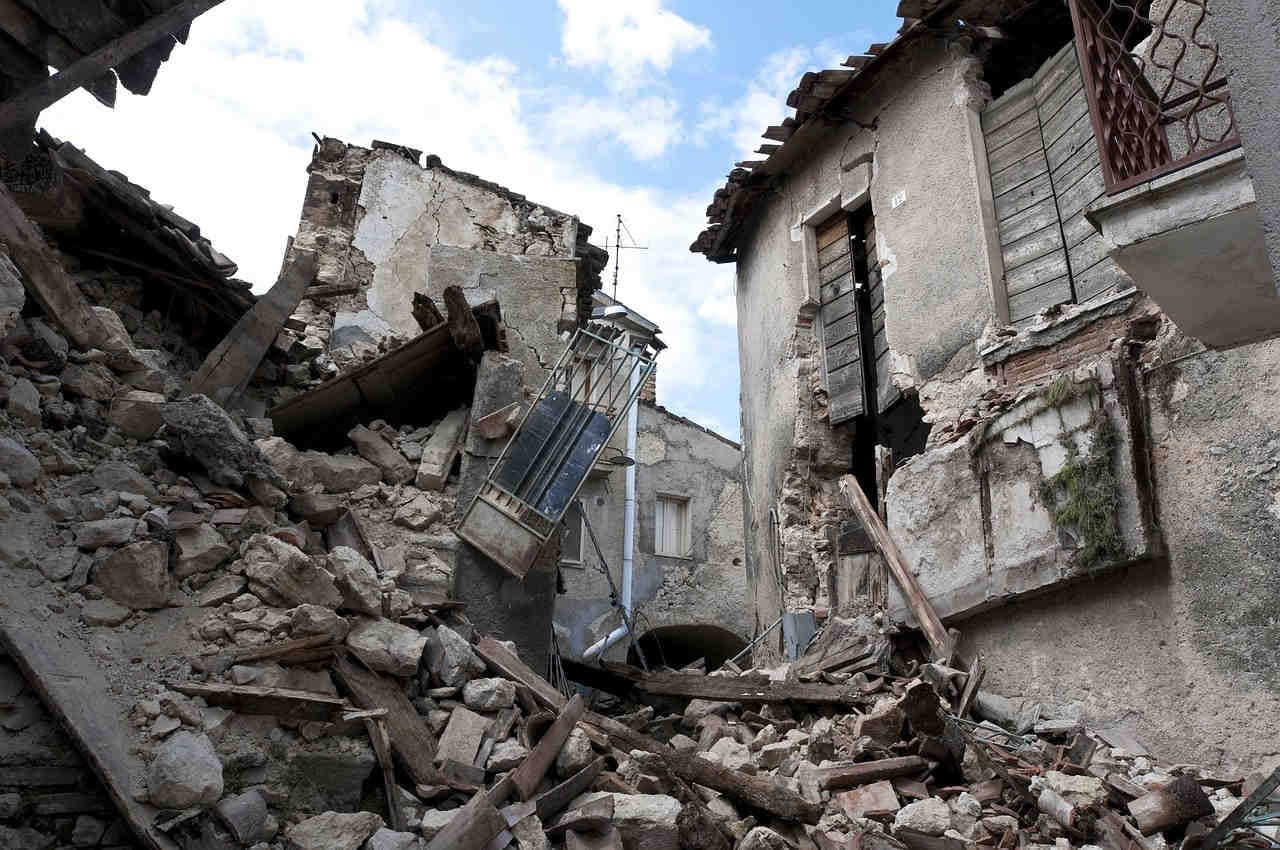
    13 October is the International Day for Natural Disaster Risk Reduction (IDDRR), established by the United Nations in 1989 with the aim of raising awareness among governments, organisations and citizens about the importance of preventing and managing risks related to events such as earthquakes, floods, hurricanes and fires. Over the past two decades, there has in fact been a sharp increase in these events, largely linked to climate change. According to the UNDRR, the United Nations Office for Disaster Risk Reduction, between 2000 and 2019 more than 7,300 disasters have occurred, killing 1.23 million people, affecting 4.2 billion individuals and generating $2.97 trillion in economic losses. These alarming figures underline the urgency of promoting a global risk reduction-orie
    terremoto

    Empowering the next generation for a better future

    Children and young people are the most affected by natural disasters. Since 2000, more than 1 billion children have seen their lives disrupted by disasters, with more than 80,000 schools damaged or destroyed. For this reason, consistent with the goals of the Sendai Framework 2015-2030 - an international agreement aimed at significantly reducing human losses, economic damage and environmental impacts caused by natural disasters - it was decided to dedicate the theme of the Day 2024 to the youngest. There are two priority areas of intervention: ensuring safe, resilient and integrated schools in early warning systems, and providing children with targeted education that prepares them to understand and respond to disaster risks. Protecting the youngest through appropriate education is the first step to building more resilient communities and mitigating the devastating effects of natural disasters.
    incendio
    XNatura

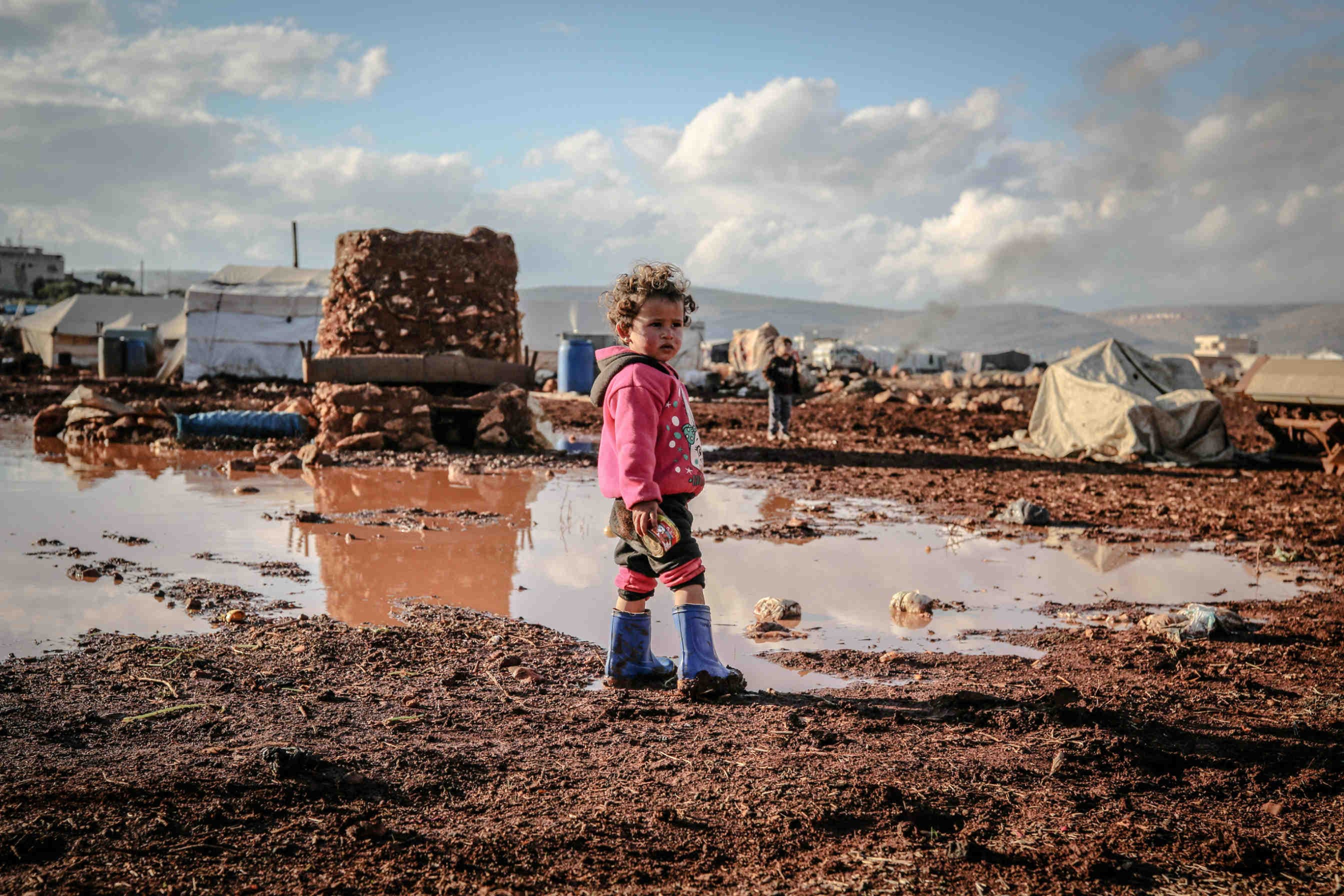
    Climate change is a threat to children

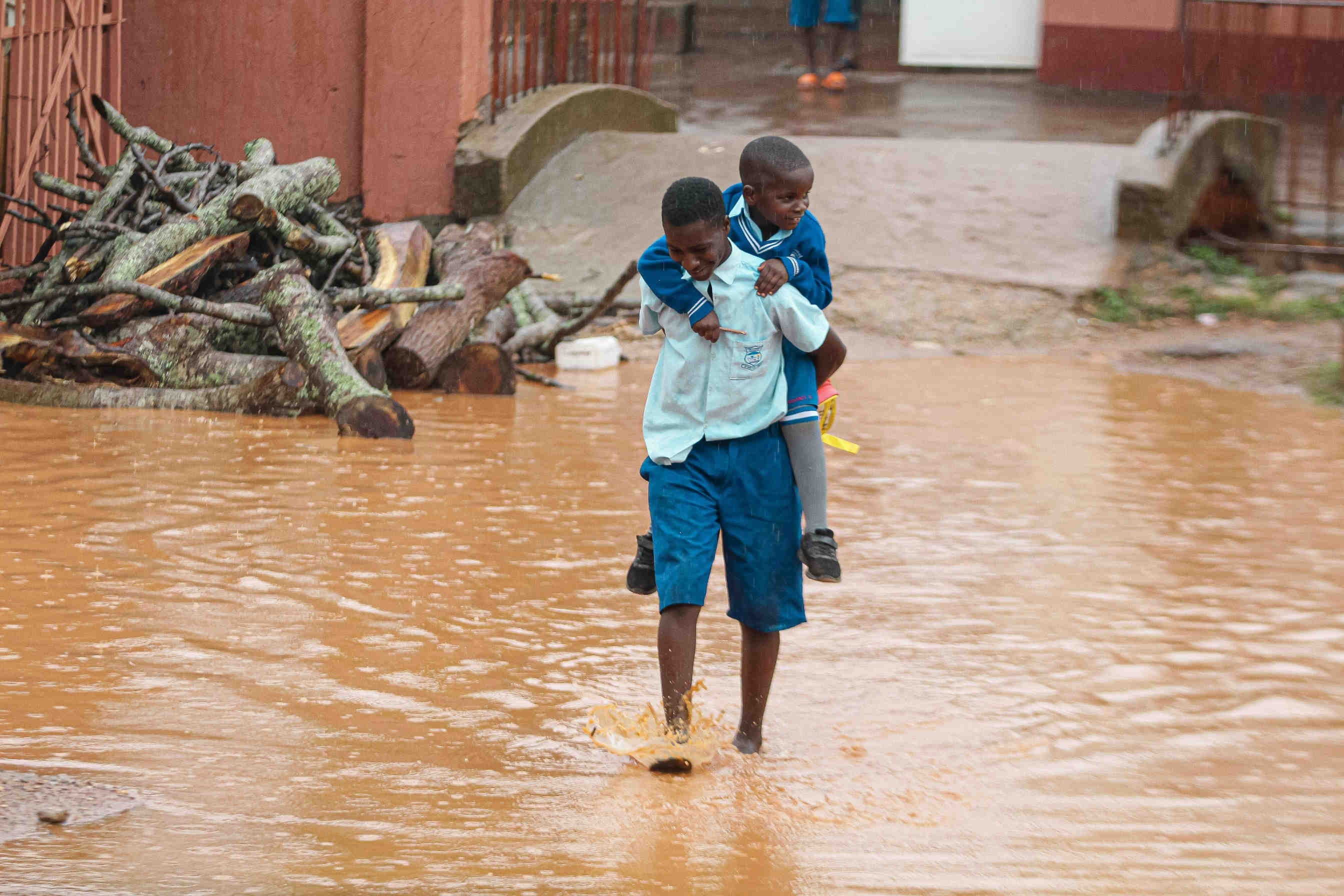
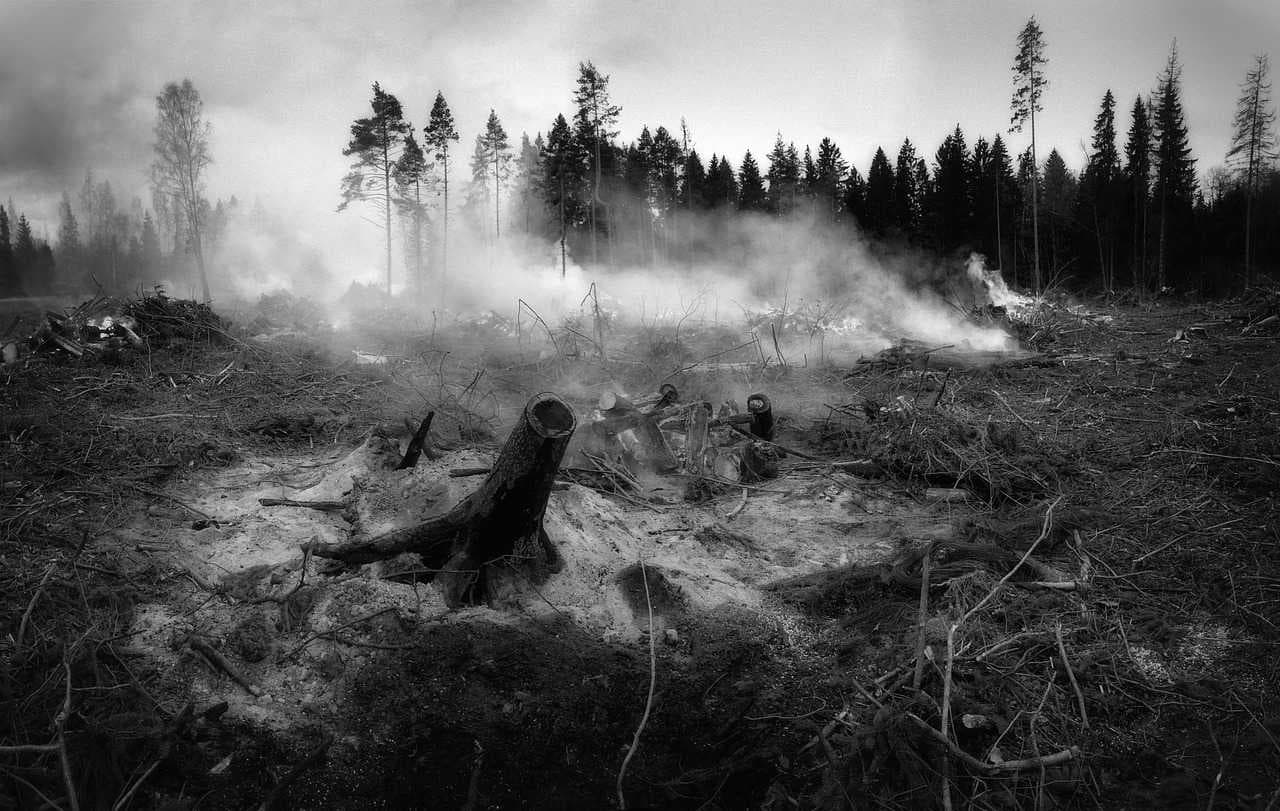
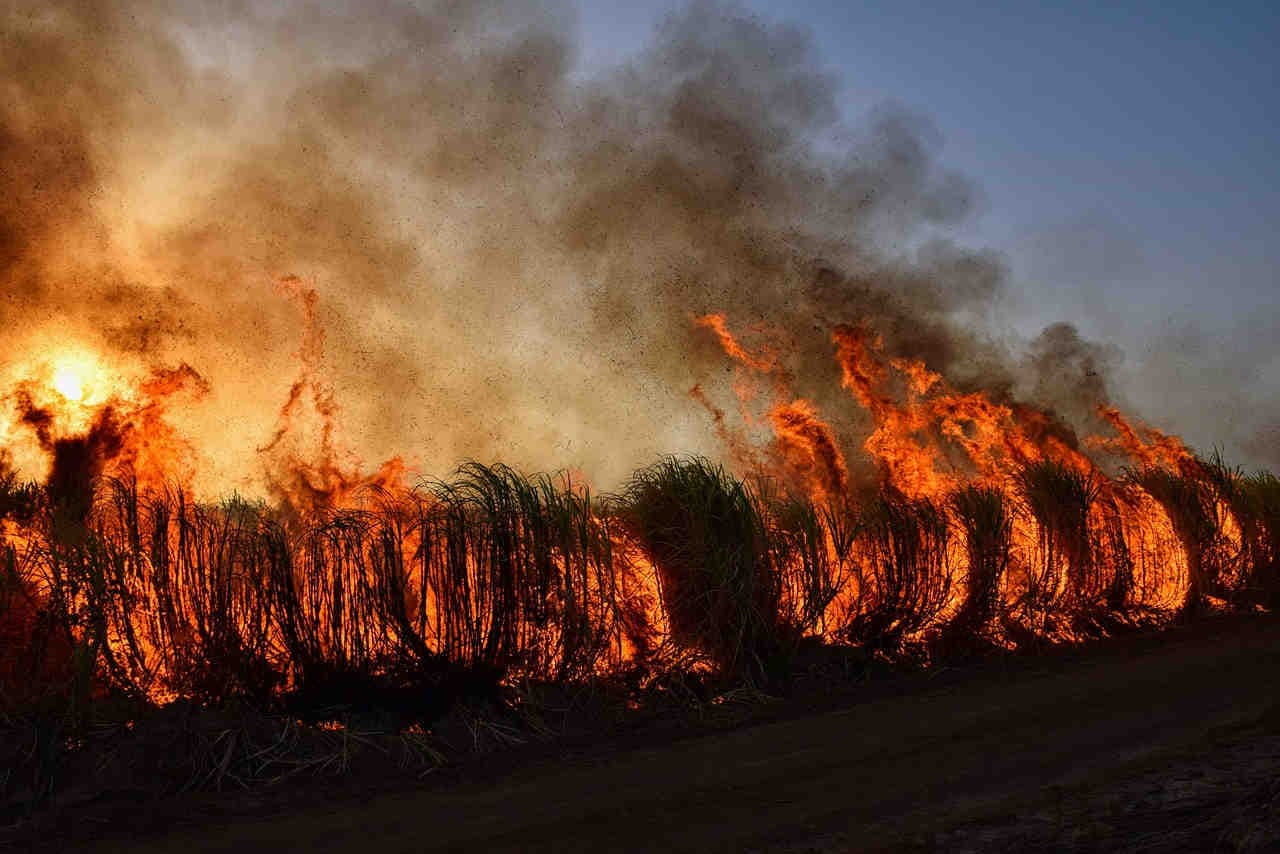
    Floods, fires, droughts, storms and heat waves are just some of the extreme phenomena directly related to climate change and will become more and more persistent in the coming years. According to UNICEF, around one billion children worldwide are at extremely high risk from natural disasters, including those fuelled by the climate crisis. Not only that, according to UNICEF's report "Children displaced in a changing climate" climate-related disasters have caused 43.1 million children to be internally displaced in 44 countries from 2016 to 2021, particularly in China and the Philippines. This is an exorbitant number: 20000 displaced children per day. A figure that, according to the report, is destined to grow: thanks to the disaster displacement risk model developed by the Internal Displacement Monitoring Centre, it is predicted, for example, that with current climatic conditions river floods could displace almost 96 million children in the next 30 years.
    Incendio foresta

    Protecting and preparing children for natural disasters

    In the face of this urgency, the commitment of governments, as urged by IDDRR and UNICEF, is to protect and educate children. Young people have the right to be safe in their schools, which must be resilient to disasters and integrated into early warning systems. Age-appropriate education must be provided to help them understand risks and prepare them to act promptly in an emergency. Supporting and adopting the Comprehensive School Safety Framework 2022-2030, promoted by UNESCO and UNICEF, is essential to protect the youngest children from the impacts of climate change, ensuring that critical services for children are inclusive and responsive to crises. Furthermore, educating children means empowering them in their future choices. As UNDRR Director Paola Albrito says: "Decisions made today will shape the events of tomorrow. We owe it to future generations to empower them to reduce the risks of disasters'.
    bambini e clima crisi
    XNatura

    Italy and natural disasters

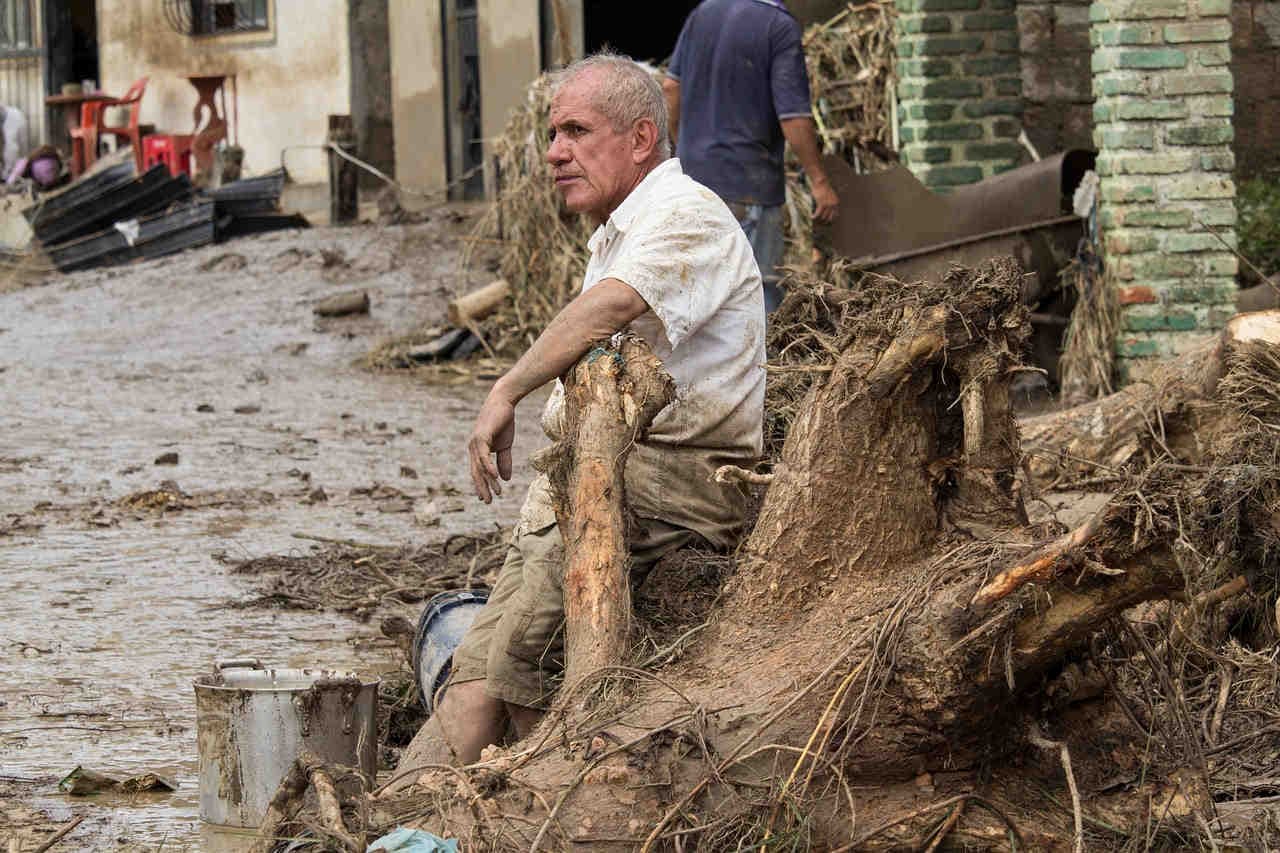
    Italy, like other countries in the Mediterranean basin, is increasingly experiencing the force and impact of natural disasters, particularly extreme weather phenomena. According to data ISPRA, Italy is also one of the countries most exposed to hydrogeological instability, with almost 94% of municipalities at risk from landslides, floods and coastal erosion. A dramatic example that plagued our country was the flood that hit the Romagna region in the spring of 2023, causing 20,000 displaced persons and 17 deaths, and followed by another flood, of lesser magnitude, in September 2024. These events - intensified by climate change - highlight the growing vulnerability of our territory, aggravated, according to experts, by cementification, poor maintenance of embankments and watercourses, and poor management of public land.
    uomo inondazioni
    3Bee

    Italian children at risk of natural disasters

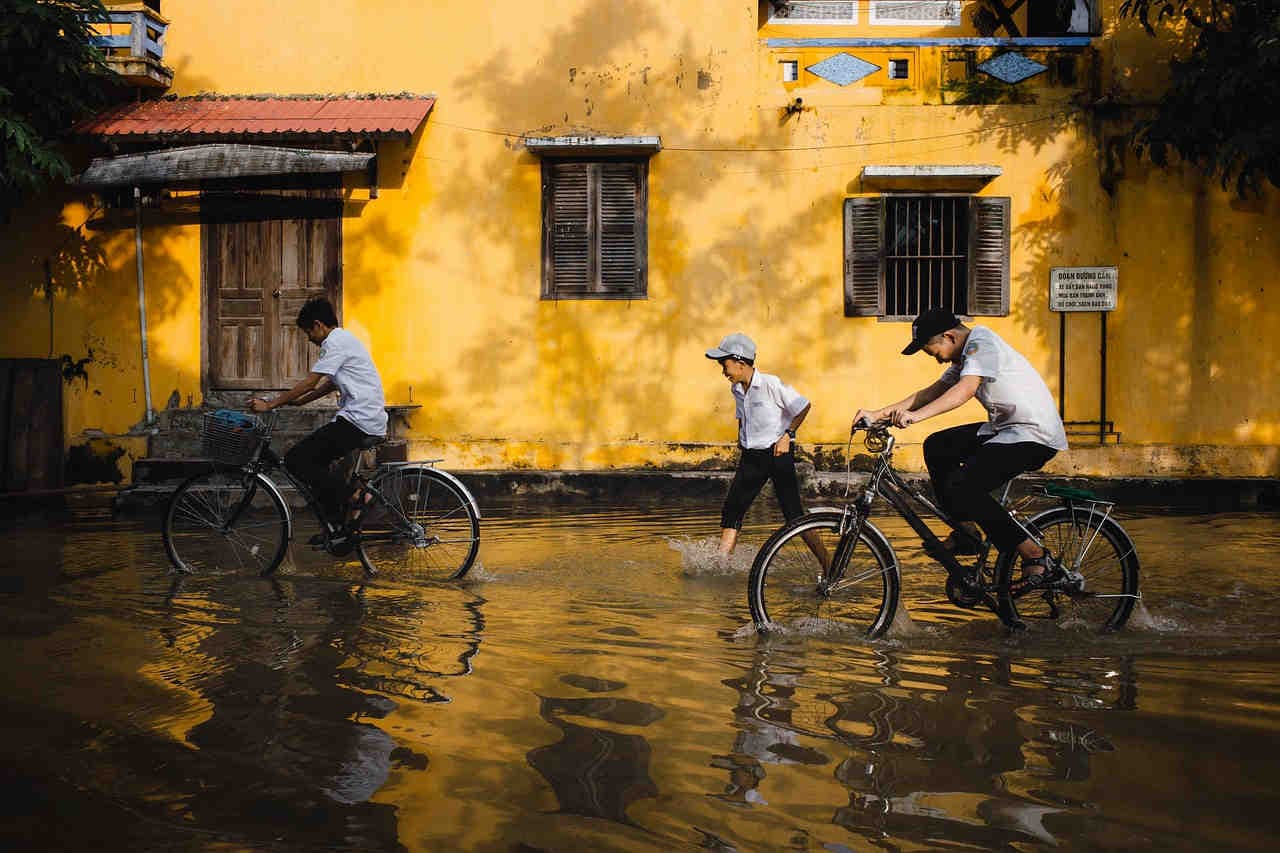
    In Italy, children and adolescents are the group most vulnerable to the effects of natural disasters, also due to the disruption of basic services. According to UNICEF's Climate Risk Index for Children (CCRI), our country is in fact at high risk for exposure to climatic and environmental hazards, shocks and stresses. For this reason, it is important for the adoption of a National Climate Change Adaptation Plan that pays attention to crucial areas for children and empowers the youngest to take action through structural education on climate change and the environment, including disaster risk reduction. Although they are the least responsible, it is in fact young people who will suffer the most lasting effects of environmental disasters and climate change, making decisive action to reverse the course urgent.
    pioggia e inondazione

    The 3Bee platform and biodiversity monitoring

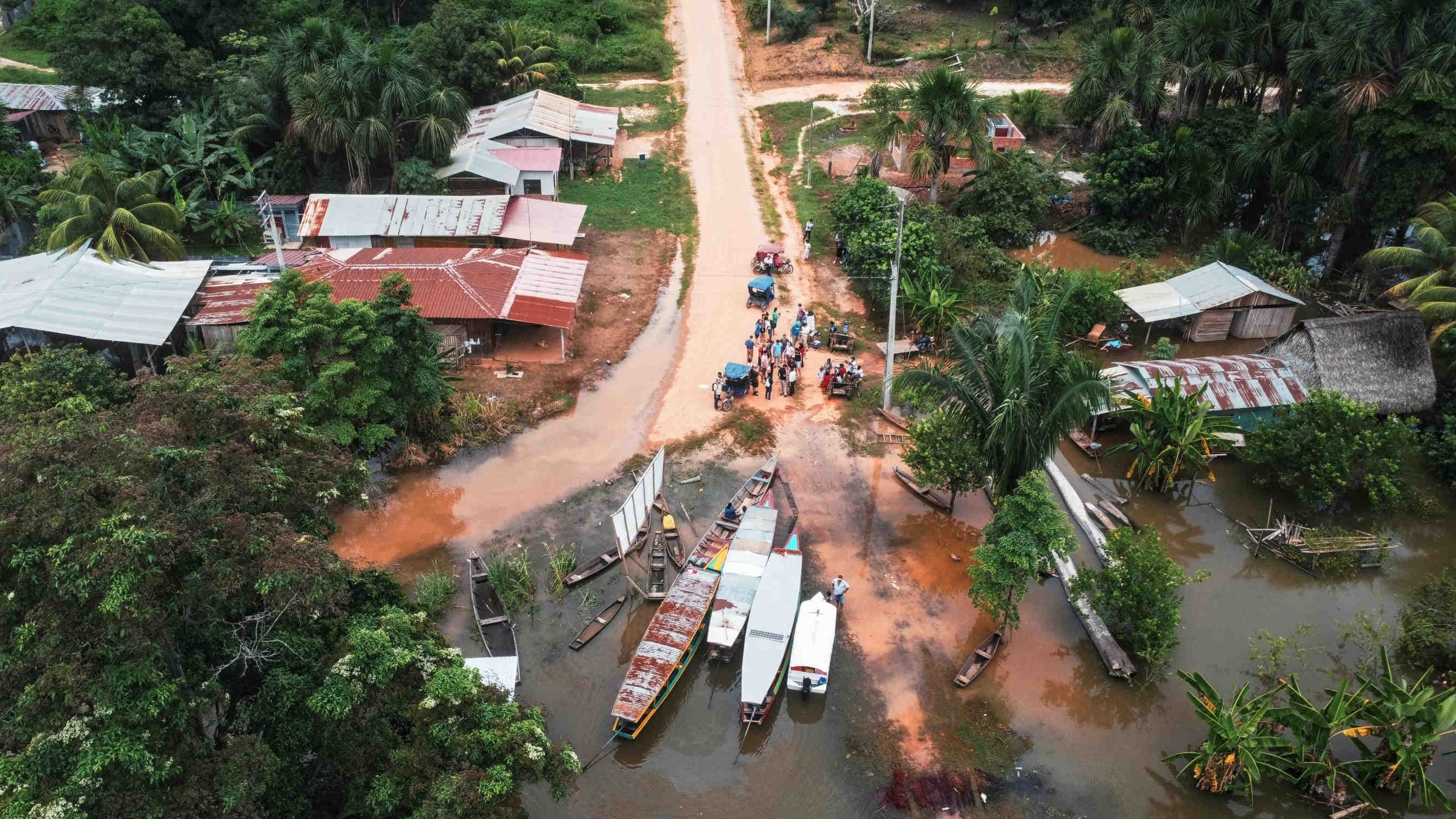
    Technology can also help protect future generations and mitigate the risks of climate change. In fact, 3Bee has launched the most comprehensive and innovative digital platform that allows companies, municipalities and natural parks to identify and close the gaps on nature, climate and biodiversity by quickly and easily monitoring four risk indices. Among the various parameters monitored, the Nature Impact Risk plays a central role, as it measures the resilience of companies and municipalities to climate change and natural adversities. This tool is crucial for identifying the most vulnerable areas and planning targeted interventions that can reduce the damage caused by natural disasters. The application of such digital technologies to monitor biodiversity and predict possible damage caused by natural events is a crucial step towards building a more sustainable and resilient future.
    Pioggia e disastri
    10/10/2024Of 3Bee, Chiara Pertile
    225 Views
    Newsletter
    newsletter
    Subscribe to the Blog about bees and biodiversity

    Frequently Asked Questions

    Do you have any doubts or other curiosities about this article? Here you will find some insights