The Impact of Species Loss on Ecosystems Is Greater Than Expected
    ExtinctionEcologyFunctionsKauaʻi ʻōʻō

    The Impact of Species Loss on Ecosystems Is Greater Than Expected

    A recent study reveals that the human-caused extinction of hundreds of bird species over the last 130,000 years has had a huge impact on the environment. In the face of today's great loss of biodiversity caused by human activities, there is an urgent need to reverse this trend.

    Read the article
    20/10/2024Of 3Bee, Chiara Pertile
    372 Views
    20/10/2024Of 3Bee, Chiara Pertile
    372 Views

    The Anthropogenic Impact on Species Extinction

    Disclaimer: this is an automated translation from Italian. Go to the original article.

    According to the new report by the WWF "Living Planet", the average size of wildlife populations has plummeted by 73% over the past 50 years (1970-2020). This dramatic decline is attributable to several factors, many of them indirectly linked to human activities: the destruction and fragmentation of habitats, over-exploitation of natural resources, climate change, pollution, the spread of invasive species and new pathogens. This is nothing new: for millennia, human aactivity has caused a global erosion of species richness, but the consequences of past extinctions on other dimensions of biodiversity - such as functional and phylogenetic diversity - remain unclear.

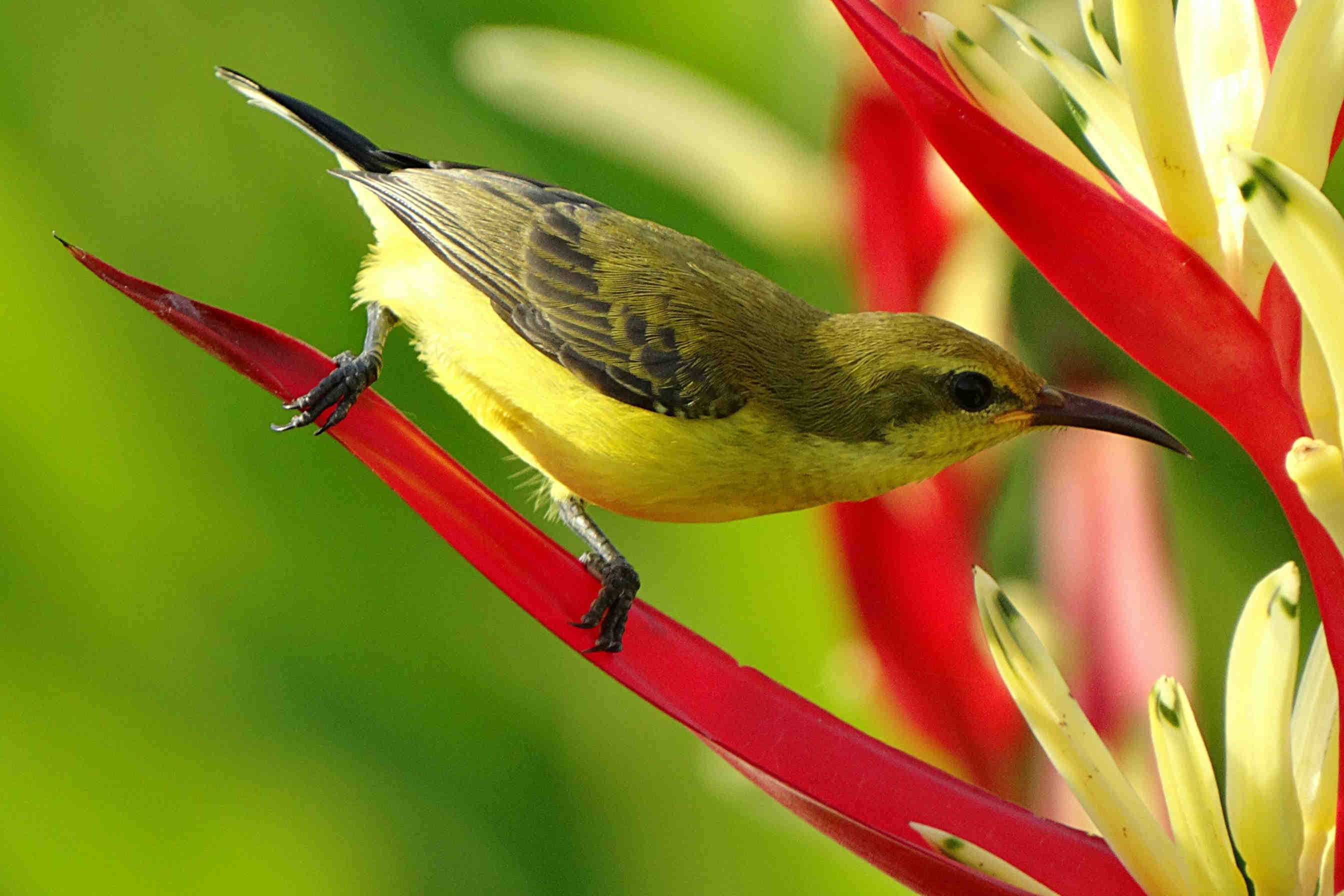
    uccello giallo

    Species Loss and Its Ecological Impact

    A recent study by the University of Birmingham published in Science and entitled "The global loss of avian function and phylogenetic diversity from anthropogenic extinction" used a large dataset to analyse, not only the number of human-caused extinctions, but their ecological consequences. Over the past 130,000 years, since the Upper Pleistocene, human activities such as hunting, habitat destruction and the introduction of invasive species have in fact led to the extinction of more than 600 species of birds and the consequent loss of some 3 billion years of evolutionary history. According to the study, when a species becomes extinct, not only does it lose its phylogenetic uniqueness, but its ecological functionality, with devastating cascading consequences on our entire planet. Of all the different habitats, islands are also the most fragile precisely because of the delicate balance between the environment and endemic species.

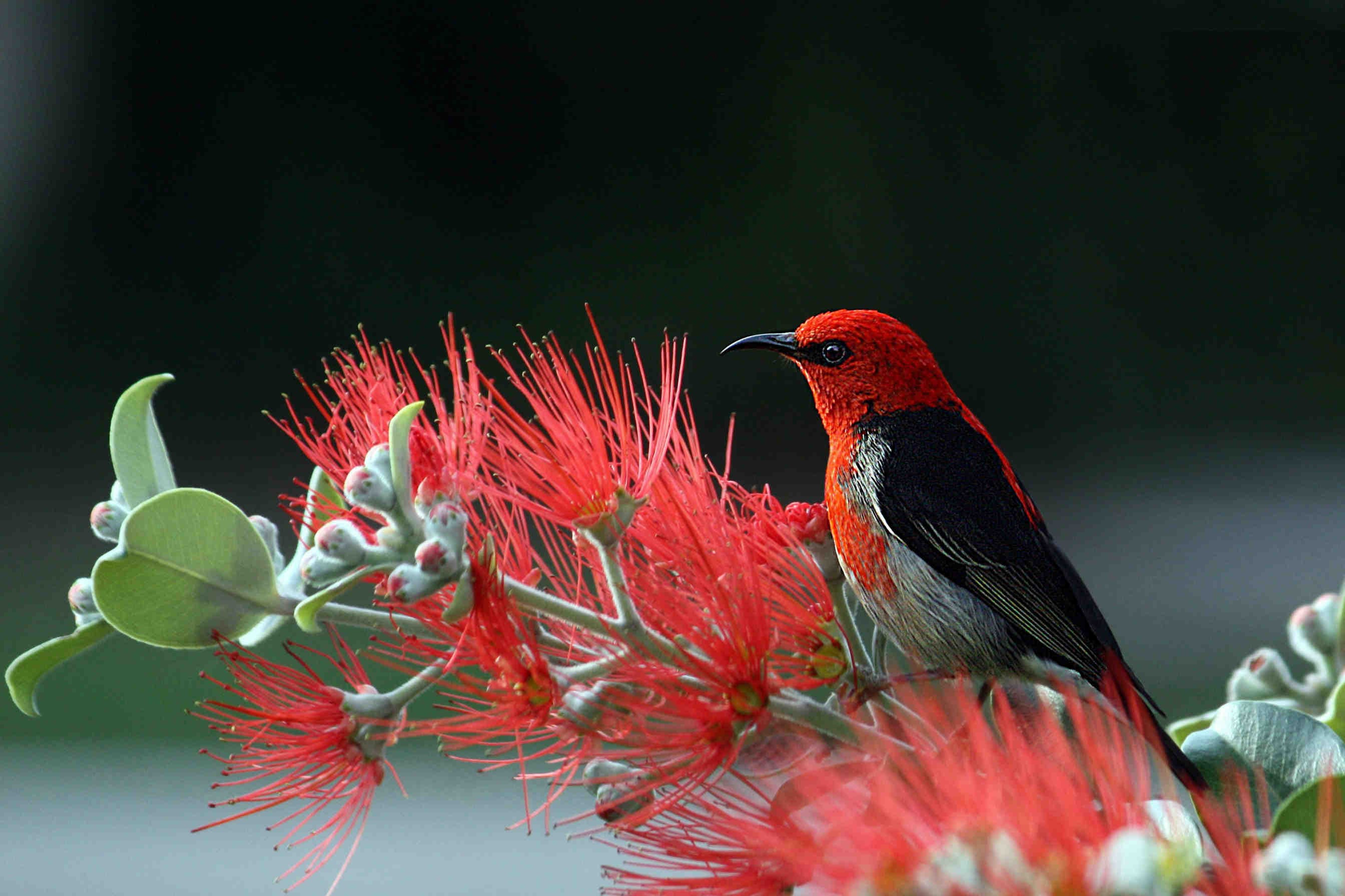
    uccello tropicale
    XNatura

    Lost ecological functions

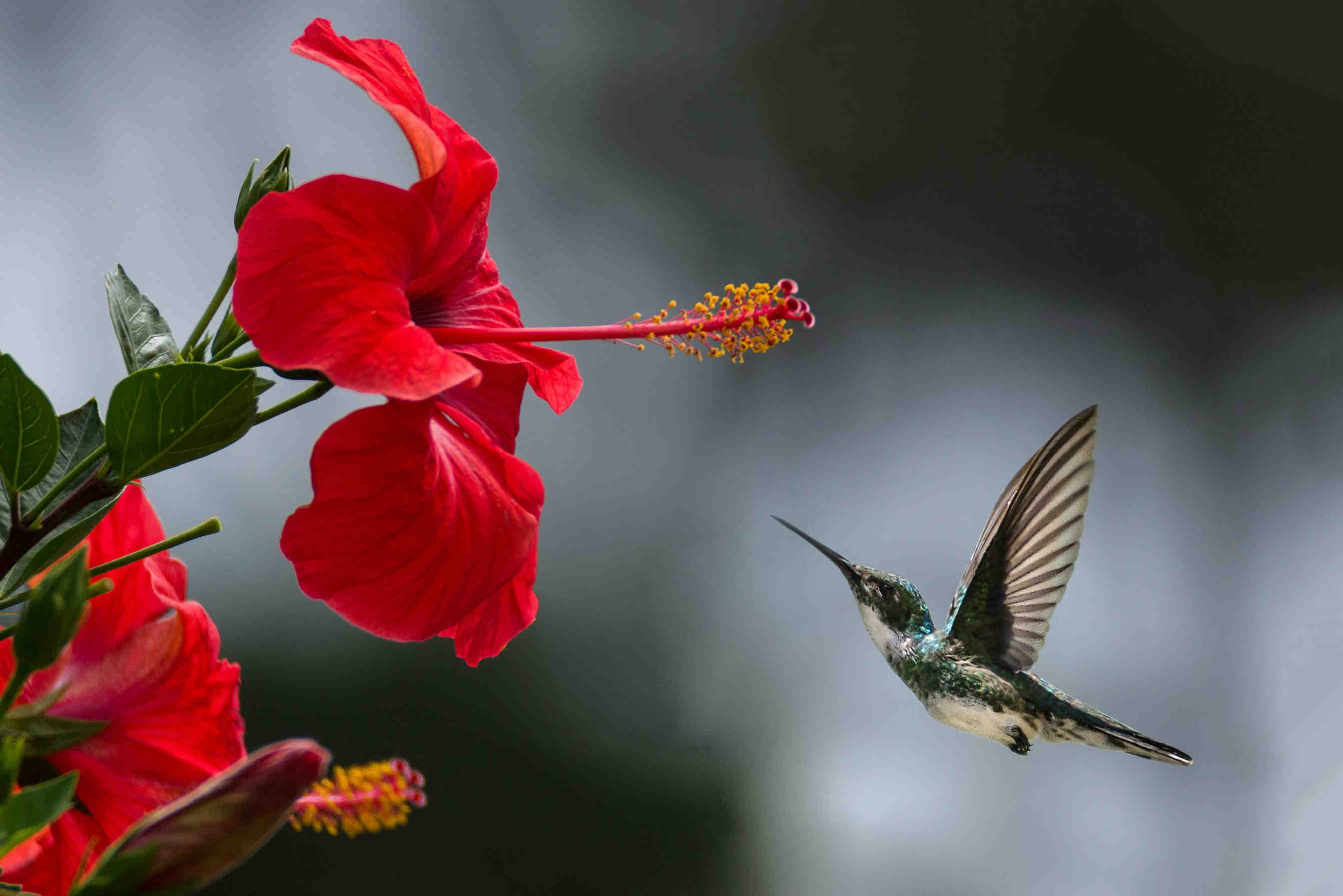
    According to Dr Matthews, lead author of the research, it is crucial to understand that each species plays a specific function within ecosystems, contributing to their balance. For example, frugivorous birds, by consuming fruits and moving from one area to another, play a key role in seed dispersal, facilitating the regeneration of forests and other natural habitats. Similarly, many birds feed on insects, helping to keep populations of pests that could damage crops and plants under control. Necrophagous birds, such as vultures, are essential for cleaning up the environment from animal carcasses, while species such as hummingbirds play a vital role as pollinators. Qwhen one of these species becomes extinct, its ecological function disappears with it: according to the study, extinction birds have seen7% of their global functional contribution reduced, a much higher figure than expected.

    colibrì impollinazione fiore

    The Extinction of the Kauaʻi ʻōʻō and Island Vulnerability

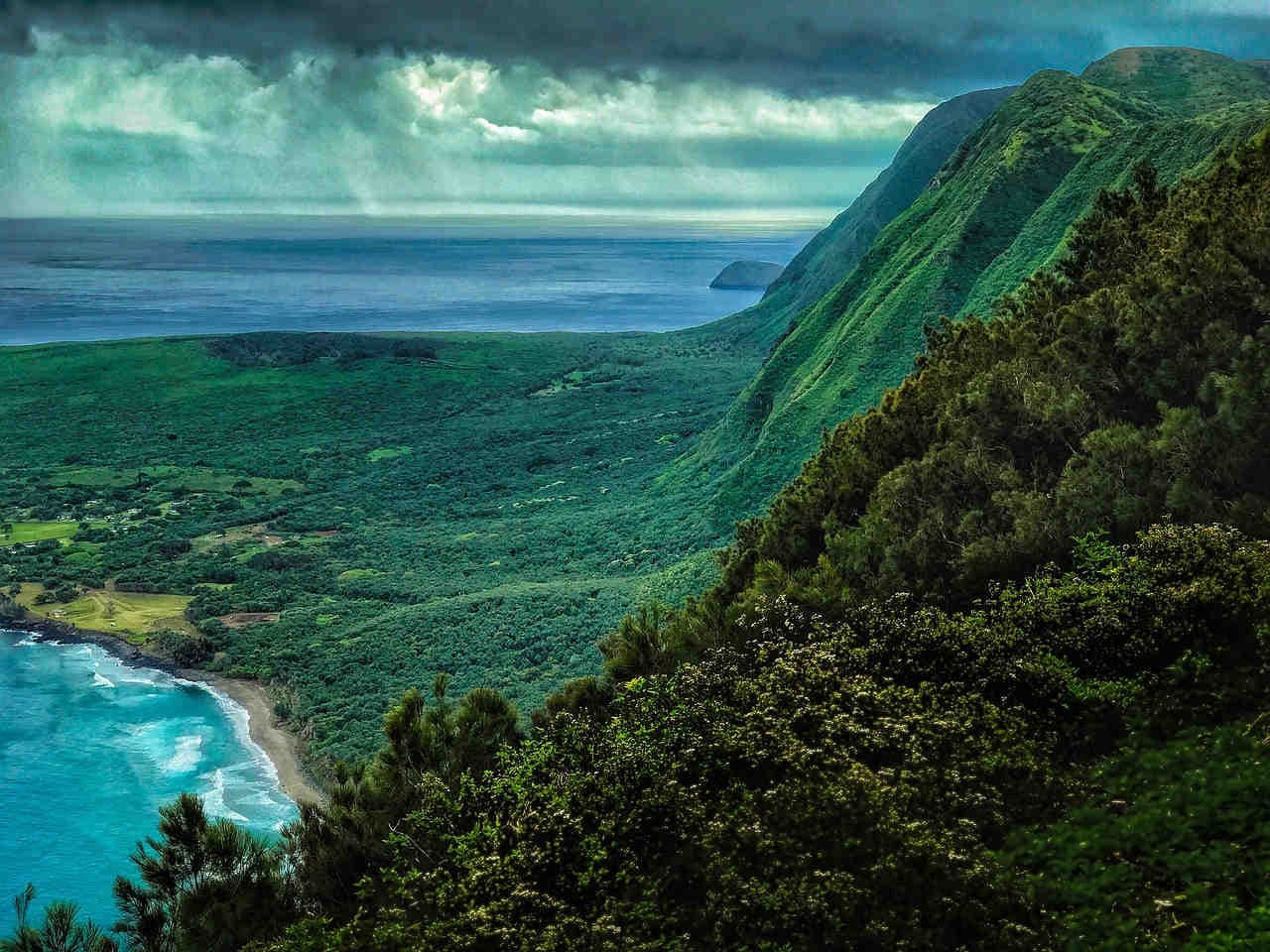
    For the islands' habitat, the loss of endemic species is even more catastrophic. A recent case in point is the extinction of the Kauaʻi ʻōʻō (Moho braccatus), a Hawaiian songbird declared extinct in 2023. Famous for its song, last recorded in 1987, the Kauaʻi ʻōʻō fed on a variety of arthropods, snails, 'ōlapa fruits (Cheirodendron spp.) and nectar from 'ōhi'a flowers (Metrosideros polymorpha). Its disappearance could further aggravate the situation of an ecosystem already compromised by the presence of invasive species, pollution and climate change. The islands, due to their endemic nature, are particularly vulnerable to allochthonous species, and the loss of a single species can trigger a cascade of devastating effects on the entire ecological balance, compromising entire ecological networks.

    hawaii
    XNatura

    The Case of the Dodo

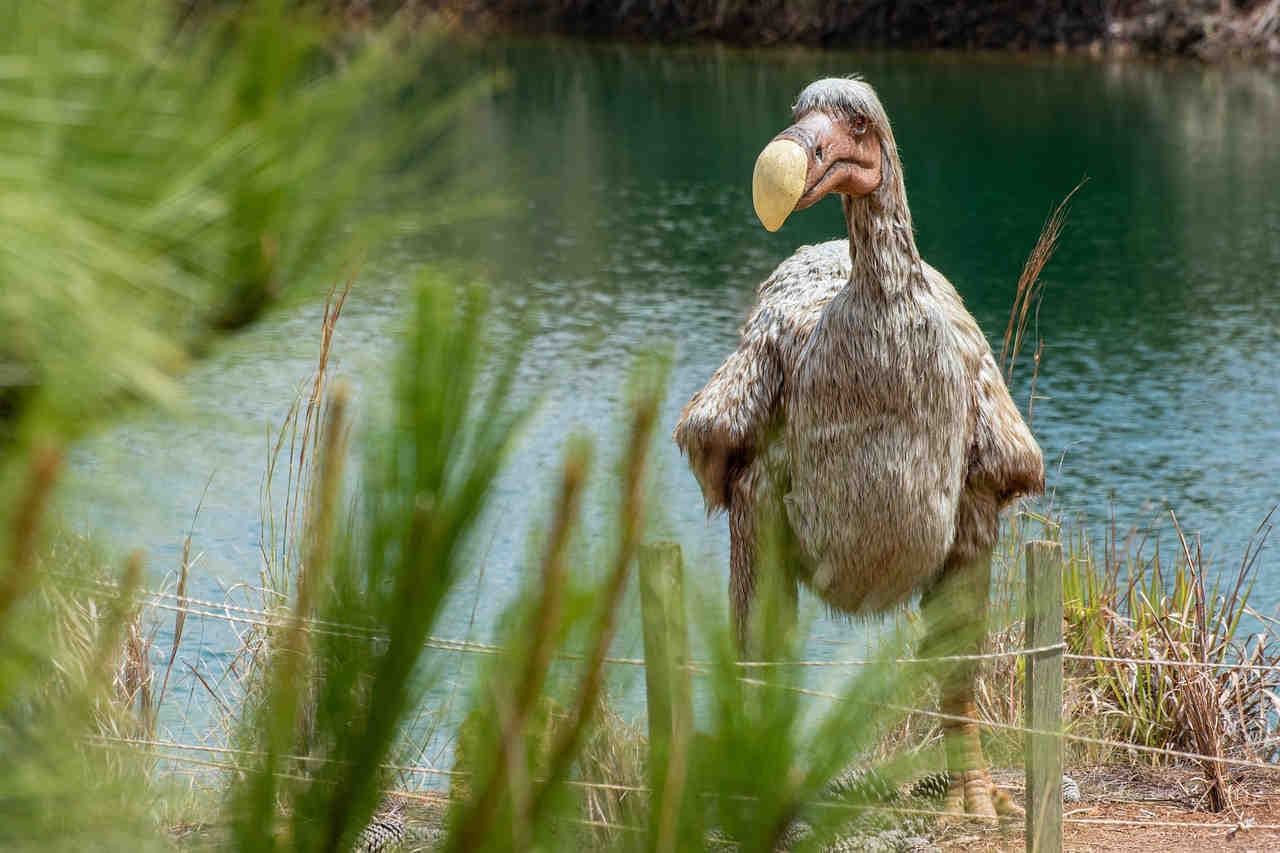
    Another possible emblematic example is that of the dodo (Raphus cucullatus), which disappeared in the 17th century. This large flightless bird, once an exclusive inhabitant of Mauritius, has become a symbol of the irreversible damage that human activity can inflict on island ecosystems. Intensive hunting, habitat destruction and the introduction of invasive species such as rats and dogs led to the rapid decline of the dodo, which had not developed defences against introduced predators. According to a past article, published in Science and much discussed, its extinction has had profound ecological consequences, including compromising the reproduction of a local plant of the Sapotaceae family, the Calvaria Major, because its seeds apparently needed to pass through the dodo's digestive tract to overcome its dormant state.

    dodo specie estinta
    3Bee

    A Glimpse into the Future

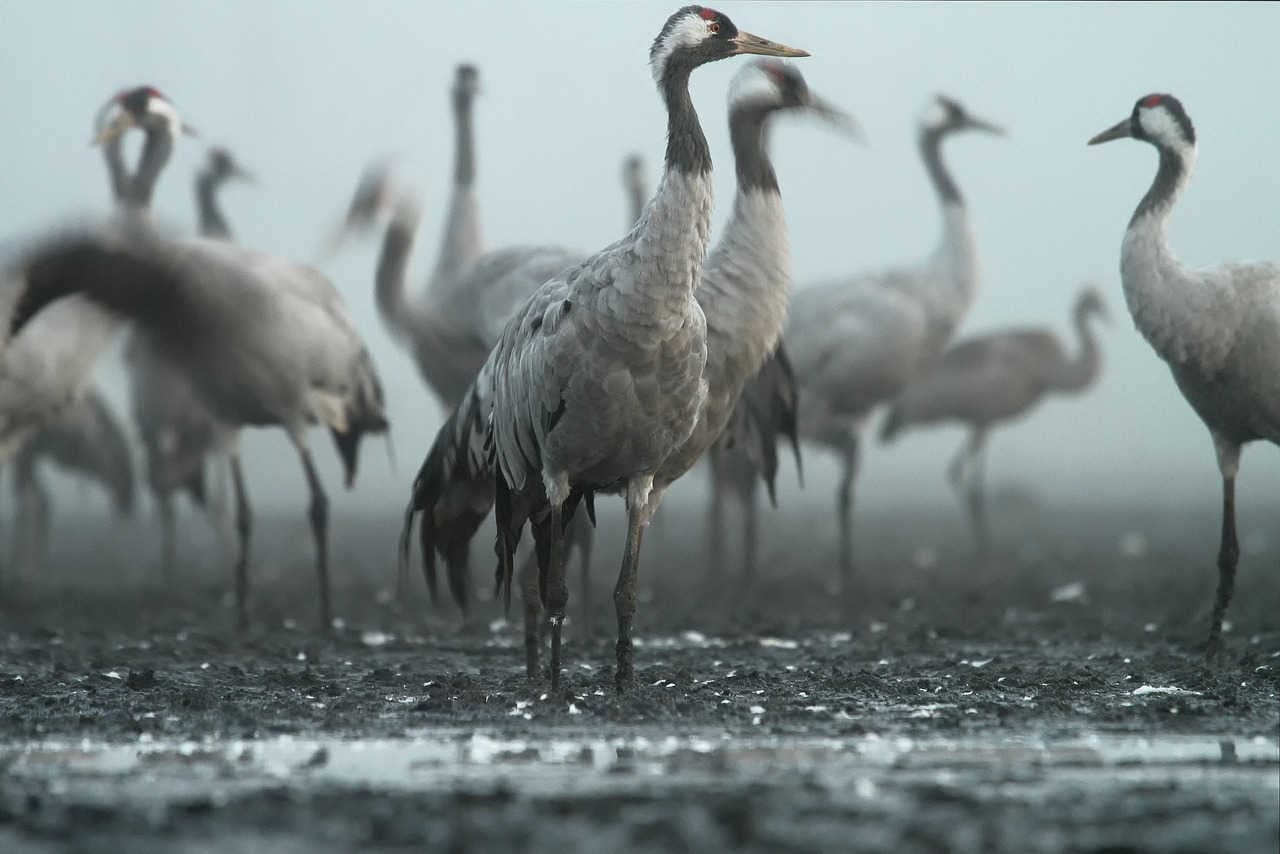
    Matthew concludes with an alarming message: 'These results remind us that the current extinction crisis is not just about species numbers. By identifying declines in the functional and phylogenetic diversity of birds caused by humans, our results highlight the urgency of understanding and predicting the impact of past extinctions on ecosystems, in order to prepare for the magnitude of future loss, estimated at around 1,000 species over the next two centuries'. This awareness is essential for setting effective goals in global conservation strategies, as well as in ecosystem restoration efforts. The protection of biodiversity requires global actions, aimed not only at the conservation of species, but also at the protection of the ecological roles they play. Only through targeted actions, combined with the knowledge of ecological networks, will it be possible to prevent further disasters and mitigate the risks of biodiversity loss.

    gru gruppo
    20/10/2024Of 3Bee, Chiara Pertile
    372 Views
    Newsletter
    newsletter
    Subscribe to the Blog about bees and biodiversity

    Frequently Asked Questions

    Do you have any doubts or other curiosities about this article? Here you will find some insights