Heterostyly: co-evolution between plants and pollinators
    Co-evolutionheterostylyHeterostylyStudio

    Heterostyly: co-evolution between plants and pollinators

    Darwin had hypothesised that heterostyly had evolved to ensure cross-pollination by involving certain body parts of the pollinators. Today, a team of researchers has conducted a study on this subject, showing that indeed Darwin's hunch was correct.

    Read the article
    23/04/2024Of 3Bee, Alessia Mircoli
    985 Views
    23/04/2024Of 3Bee, Alessia Mircoli
    985 Views

    Plants and pollinators: an interweaving of adaptations

    The relationship between plants and pollinators is a story of coevolution, in which both have adapted over time to maximise each other's survival and reproductive success. plants develop a variety of strategies to attract pollinators, such as producing nectar, bright colours and inviting scents. On the other hand, pollinators, such as bees, butterflies and birds and many others, have evolved specific adaptations to collect pollen and transfer it from one flower to another. This continuous interaction selects features that optimise the effectiveness of pollination, leading to a close interdependence between plants and pollinators. Among the various adaptations is heterostyly. Let us take a closer look at what it is.
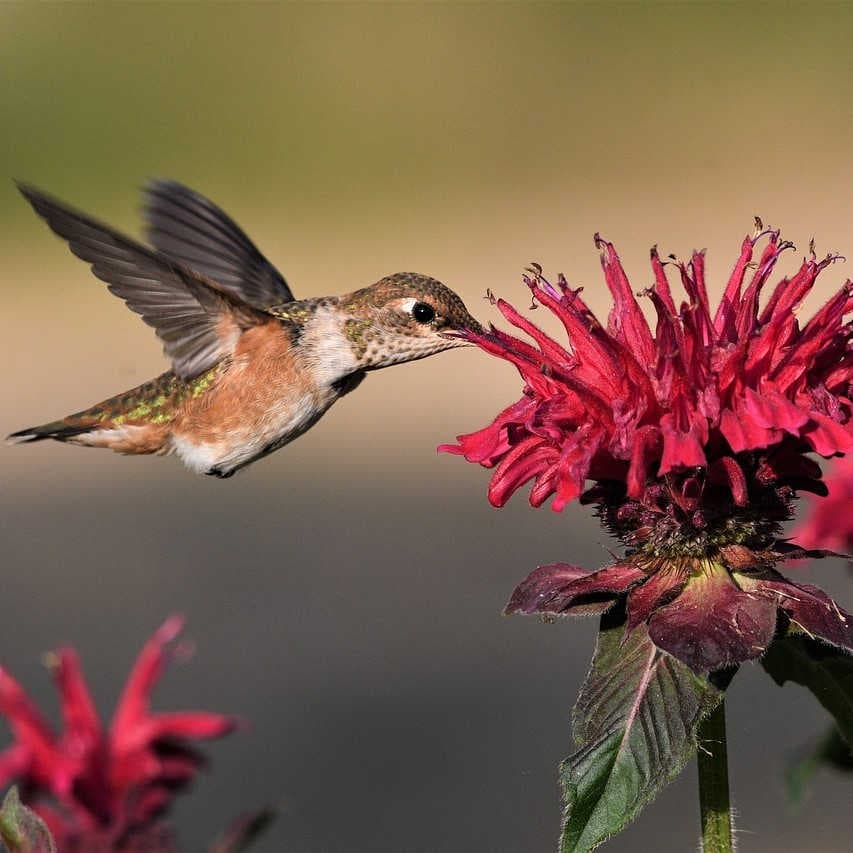
    colibrì vicino fiore

    What is heterostyly?

    Plants, like animals, have undergone an evolutionary process over time to adapt to the environment and ensure their survival. This has led to the development of specific mechanisms to favour effective pollination. One interesting strategy is heterostyly, which involves the presence of 2 or 3 types of flowers, called morphotypes, within a population, which differ in the length of their reproductive structures. According to Darwin, its utility lies in promoting cross-pollination, where pollen is transported from one flower to another of two different plants, but of the same species. This technique favours the maintenance of genetic variability, which is essential because it offers greater adaptability and survival.
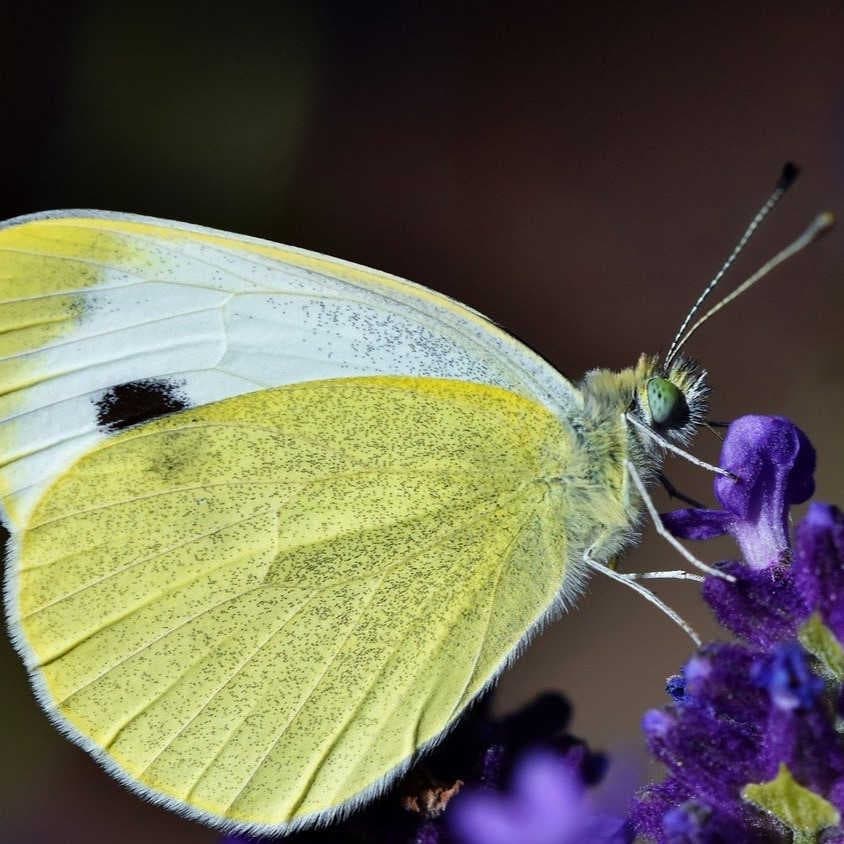
    farfalla gialla
    XNatura

    Why is it so special?

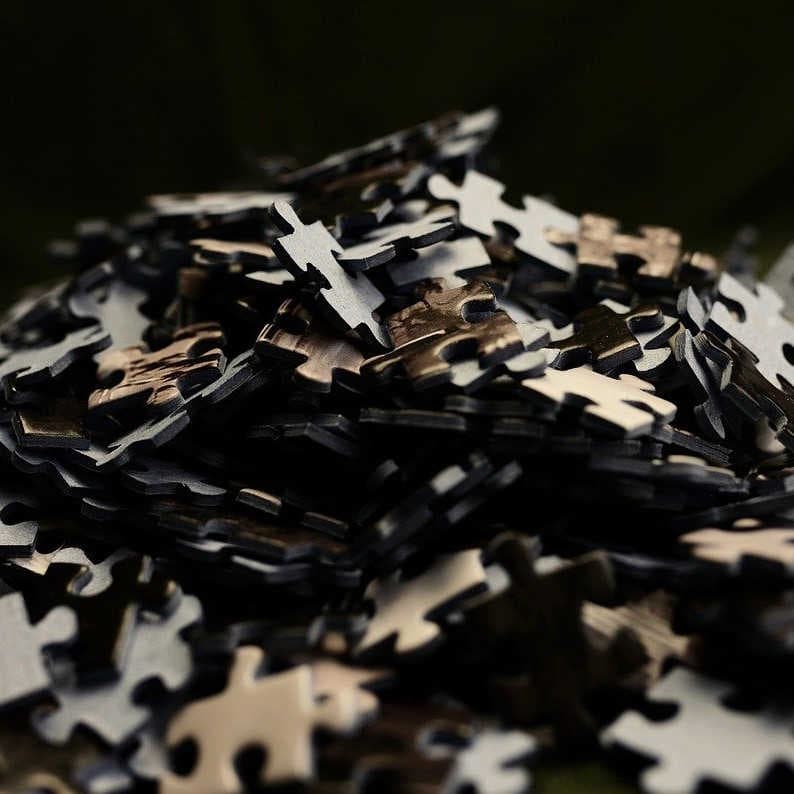
    Heterostile taxa are typically characterised by the presence of actinomorphic flowers with few stamens and a floral tube with nectar hidden at the base. This suggests a certain level of specialisation for pollination mediated by certain animals. Based on this floral archetype, Darwin hypothesised that heterostyly involves certain areas of the pollinating insect's body for the transfer of pollen. We can imagine the whole thing as a kind of jigsaw puzzle where the pollinator's body and the different floral traits fit together perfectly, ensuring the accurate deposit and transfer of pollen.

    puzzle

    The study

    To test the pollination accuracy hypothesis and better understand the macroevolutionary patterns of heterostyly, a team of researchers from the Department of Botany at the University of Seville's Faculty of Biology, in collaboration with other researchers from four different countries, conducted a study on this subject, the results of which were published in Nature Communications. Using an extensive dataset including information on floral morphology, pollination system and phylogenetic data at the angiosperm level, they examined the presence of heterostyly in all angiosperm genera. The research involved collecting over 10,000 data on floral morphology and pollinators in many species, both heterostyles and non-heterostyles. The aim was to determine whether the evolution of heterostyly shows correlations with specific floral characteristics and pollinator adaptations that favour a specific pollination.

    dati
    XNatura

    The results of the study

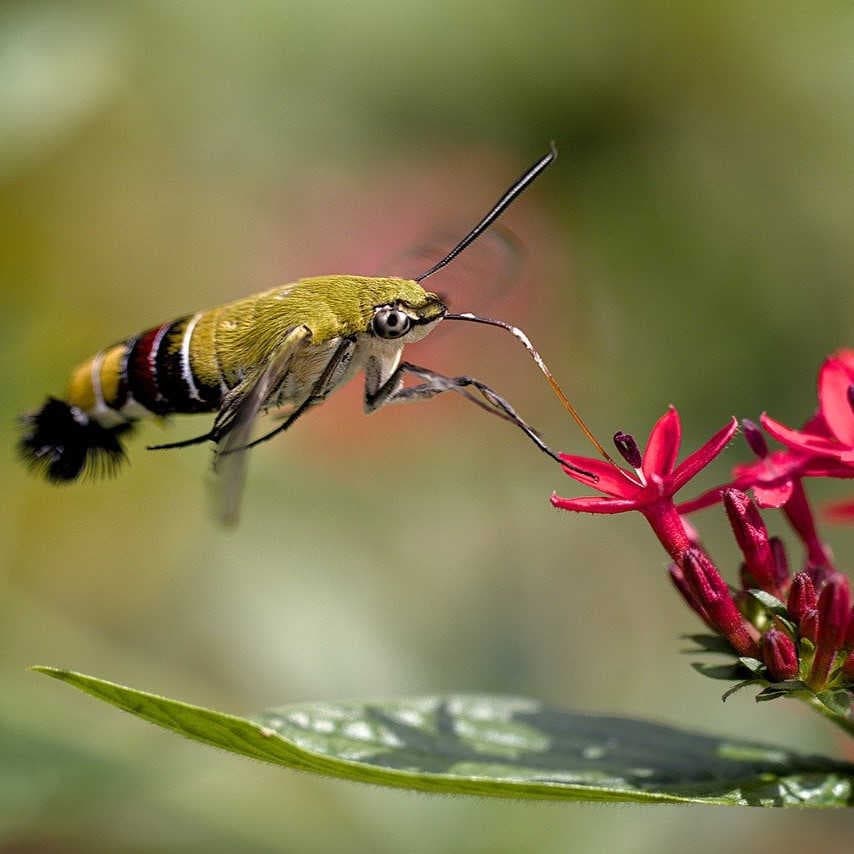
    In recent decades, a significant increase has been observed in the number of genera and families of angiosperms exhibiting heterostyly characteristics. This study documented a significant increase from 164 genera in 24 families in the previous analysis to 247 genera in 34 families. Analysing the correlations between heterostyly, floral traits and pollinators, the researchers found that this trait evolves mainly in floral lines characterised by a narrow floral tube associated with pollinators with long proboscises, such as butterflies and phalenes. These results confirm Darwin's hypothesis that heterostyly evolved to facilitate the accurate transport of pollen from one flower to another. However, although insects with long proboscises are considered the main agents of this pollination, it appears that insects with short proboscises may also play a significant role in some plants.

    falena
    3Bee

    Future Objectives

    Heterostyly has been used as a model for studies on the evolution of flowers since Darwin, but such an ambitious study on a macroevolutionary scale has never been undertaken before. The research team argues that future research efforts should focus on a deeper understanding of this topic without neglecting other reproductive strategies and characteristics of plants, such as self-incompatibility and dioecious reproduction. Insights such as these allow for a better understanding of how vegetals have evolved and what relationships have been established with all the different types of pollinators over time.

    futuro

    Not only insects are pollinators

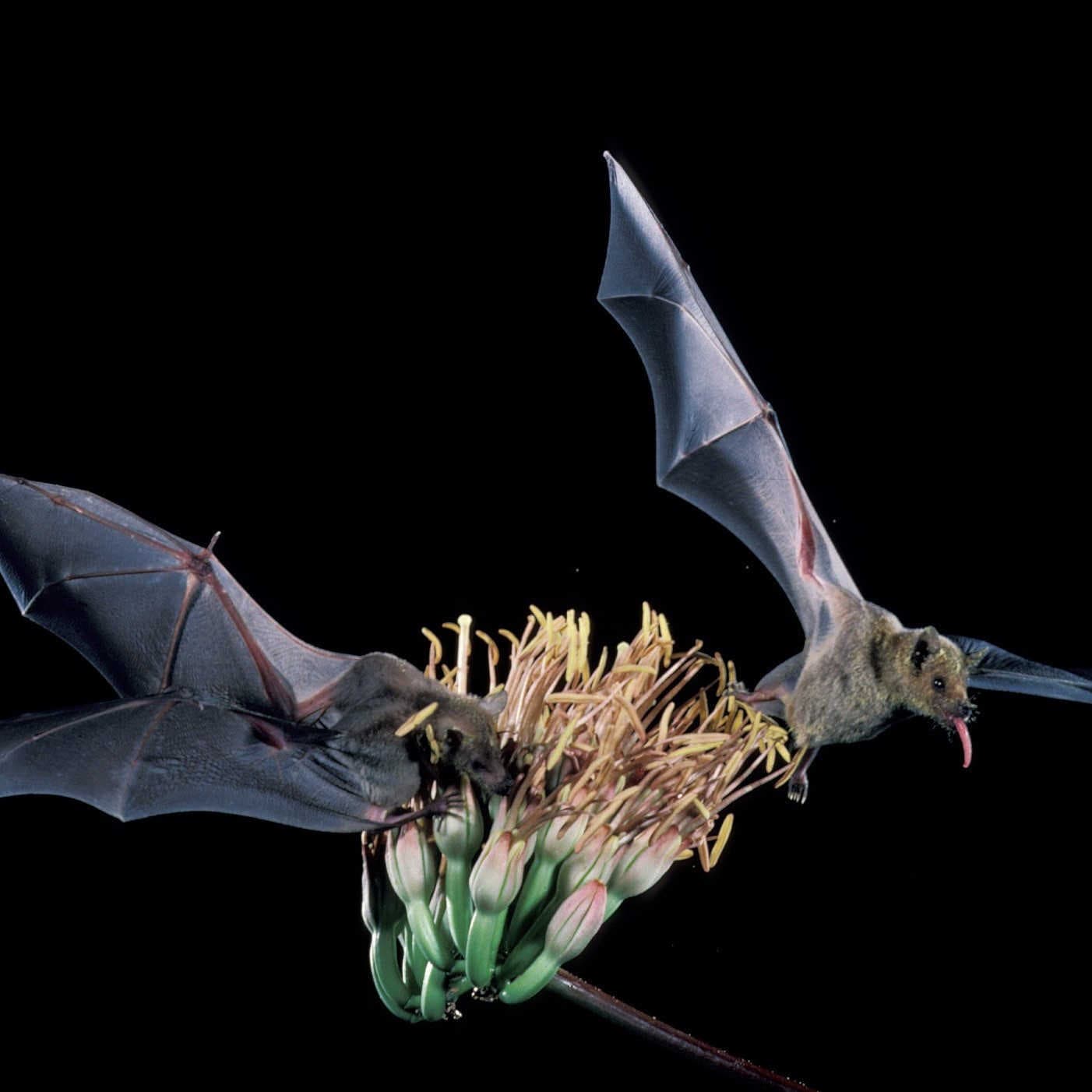
    Besides heterostyly, there are many other types of adaptations and strategies that plants and pollinators have co-evolved to take advantage of each other. Among the most conspicuous flowers are those of orchids of the genus Ophrys. These have the particularity of resembling the females of pollinating insects and even emit pheromones to entice the males of that species to approach. This is true sexual deception. It must also be borne in mind that insects are not the only existing pollinators. This category also includes, for example, bats and hummingbirds. The former feed on nectar and therefore visit the flowers of certain plants that open at night. Hummingbirds, on the other hand, have the ability to remain stationary in flight by hovering almost motionless in the air. In this way they are able to feed on nectar.

    pipistrello impollinatore

    Climate change and pollinators

    climate change poses a significant threat to pollinators and plants, as it can alter the availability of food resources and, in some cases, even modify the physiology and morphology of insects. For example, for some pollinators, above-average high temperatures speed up the development of larvae. This could lead to the premature exit of adults from the nest at a time when they cannot find anything to feed on, leading them, inevitably, to death. Not to mention the chemical pollutants that nullify the insects' ability to perceive the smells of flowers, which prevents them from detecting them and proceeding with pollination. Clearly, the situation is tragic and solutions must be found as soon as possible. This is why we need to promote projects that support these species, such as the Biodiversity Oases of 3Bee that help maintain pollinator populations by providing them with nutritional resources.

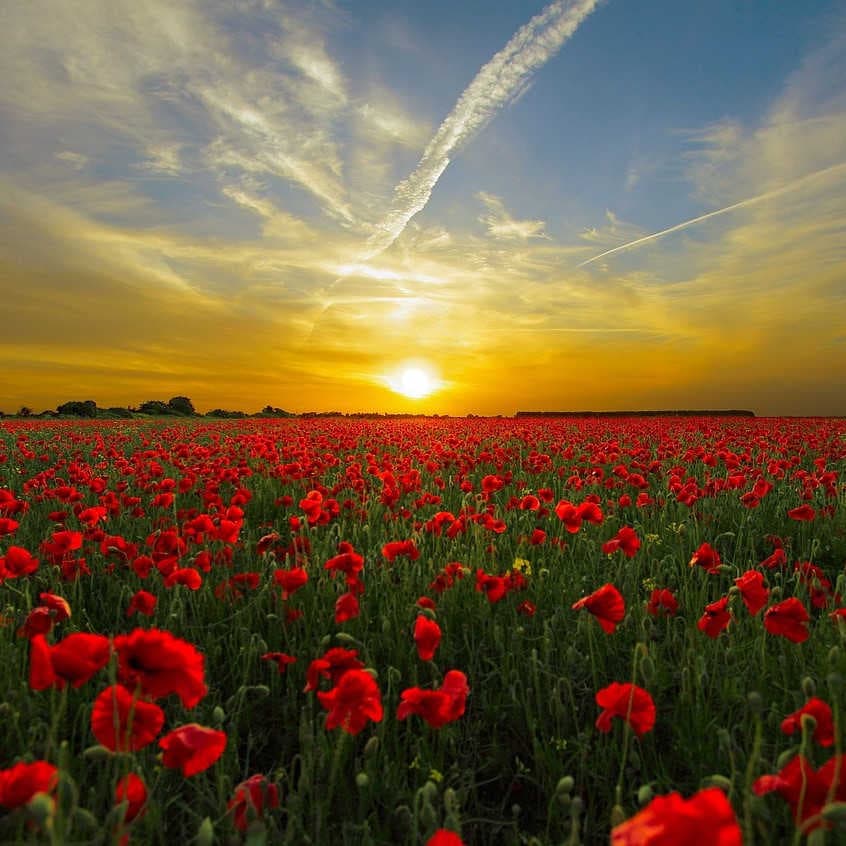
    prato fiorito

    Co-evolution between plants and pollinators

    In response to the challenges posed by the climate changes, plants and pollinators may be forced to evolve faster to survive and thrive. This evolution could manifest itself through changes inphenotypic traits, such as earlier flowering or modification of pollination strategies. Demonstrating this, a study points out that the spring advancement observed in plants is also occurring with insects, which have brought forward their period of activity. Moreover, new associations between plants and pollinators may emerge in response to species loss or expansion of geographic areas. Understanding these evolutionary dynamics is crucial to predicting and mitigating the impacts of climate change on the ecosystem.

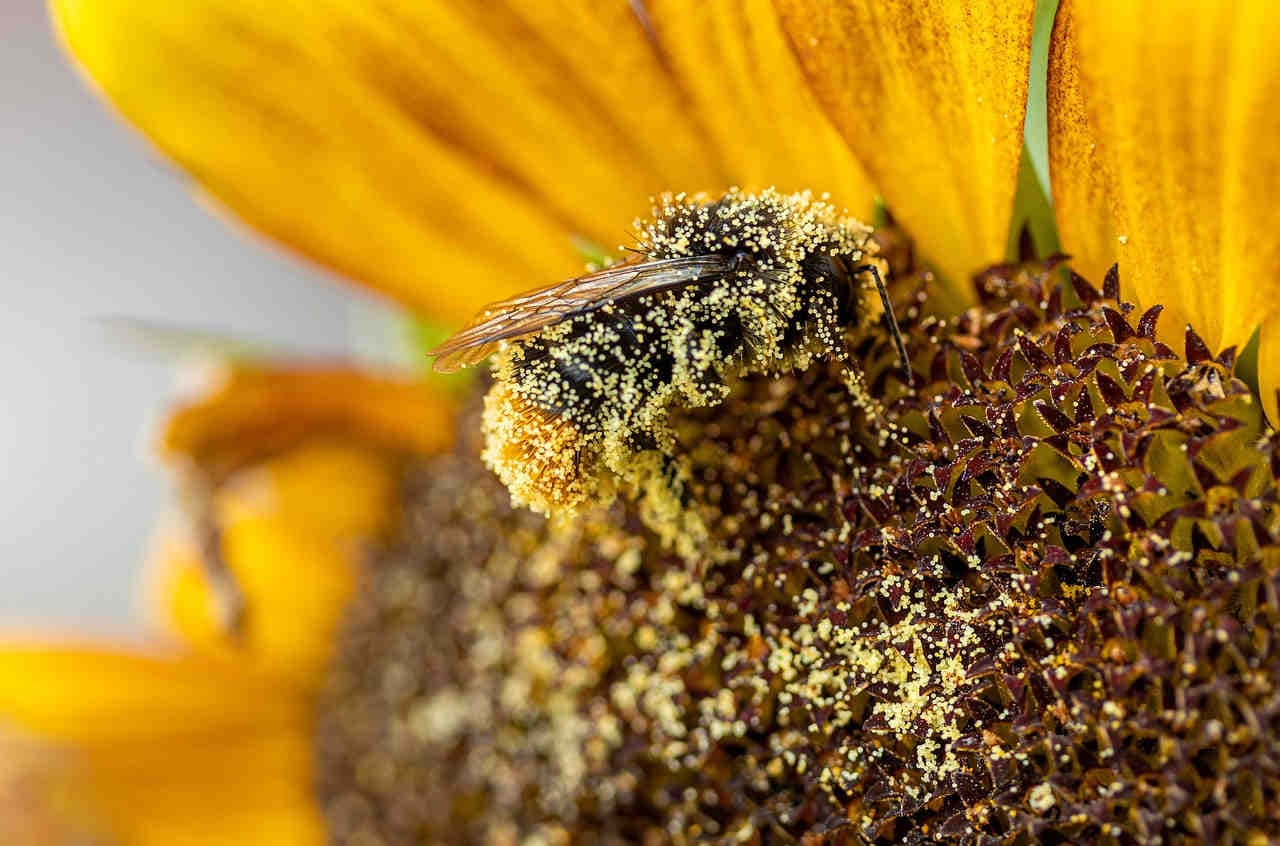
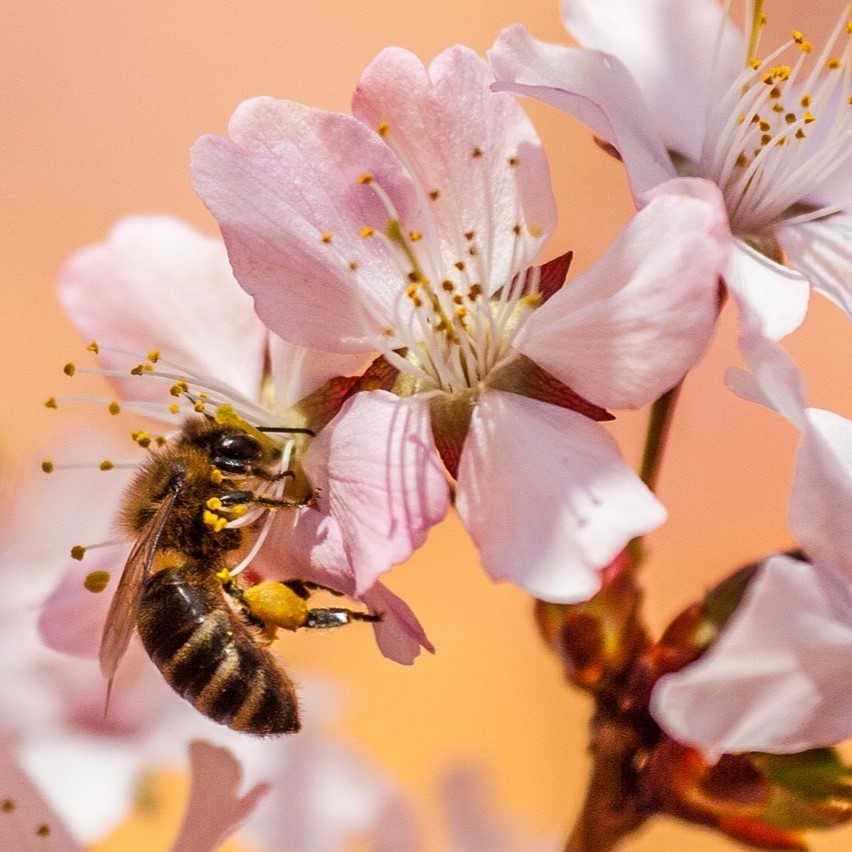
    ape su fiore

    Conservation of pollinators and plants

    The conservation of pollinators and plants has become a global priority, given the importance of these organisms for biodiversity and human well-being. Initiatives such as creating ecological corridors, protecting natural habitats and reducing the use of harmful pesticides are crucial to preserve pollinator populations and ensure their survival. At the same time, it is essential to promote plant diversity and ensure effective protection of plants necessary to provide continuous food resources for pollinators. Only through concerted efforts and international cooperation can we preserve the rich interconnection between plants and pollinators and ensure their survival.
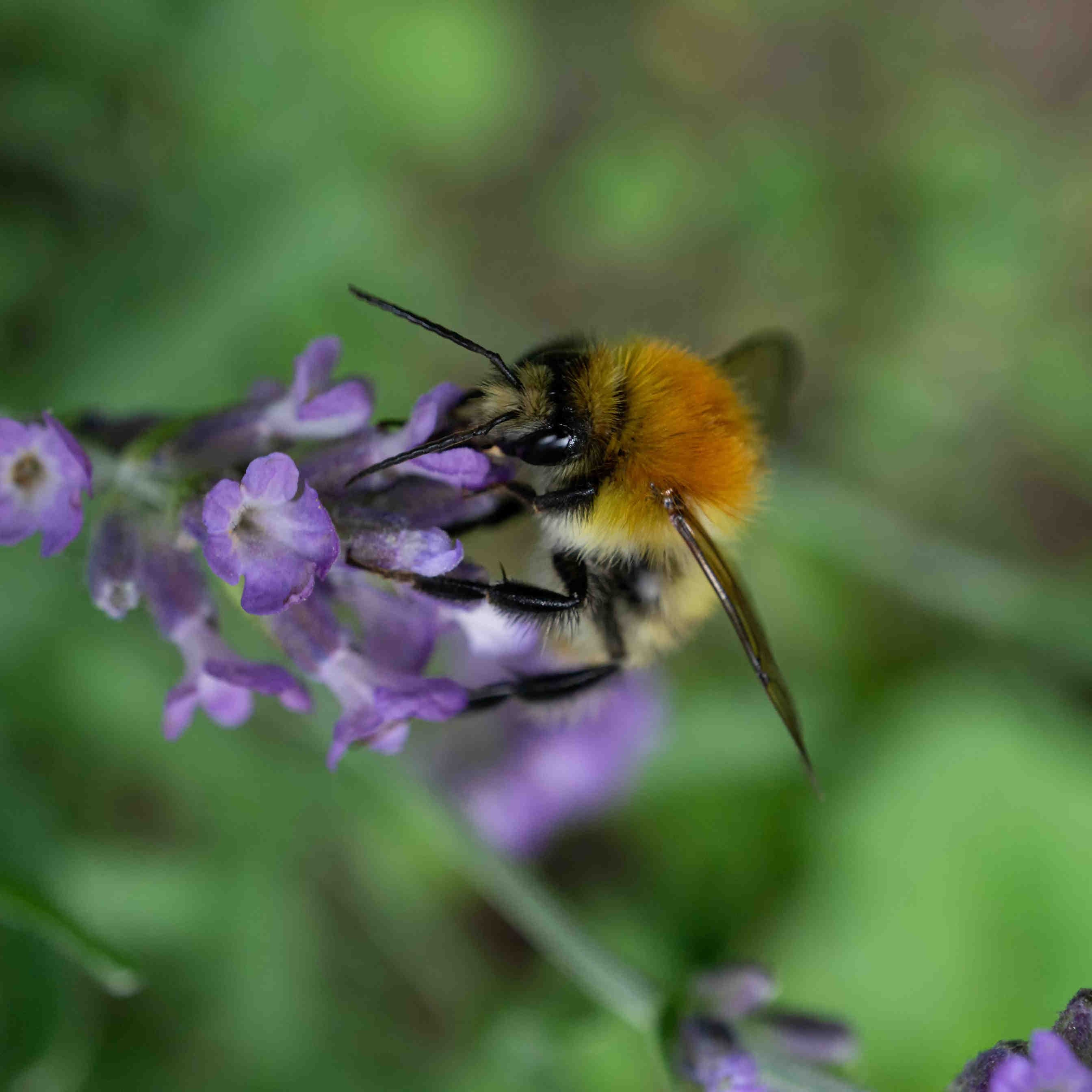
    impollinazione

    3Bee: technology for biodiversity

    3Bee is the naturetech company developing technologies for the monitoring, protection and regeneration of biodiversity. Starting with the bee, a fundamental bio-indicator, 3Bee collects and interprets environmental data through innovative proprietary systems to monitor the health of pollinators and their connection with ecosystems.
    - Want to find out how monitor the biodiversity of your production site through technology? Go to the innovative XNatura biodiversity monitoring protocol.
    - Do you want to learn about the main solutions and innovative ESG training programmes for your business? Discover the 3Bee Edu programme.
    - Want to learn more about the creation of Europe's largest ecological corridor for pollinators? Go to the Oases of Biodiversity.
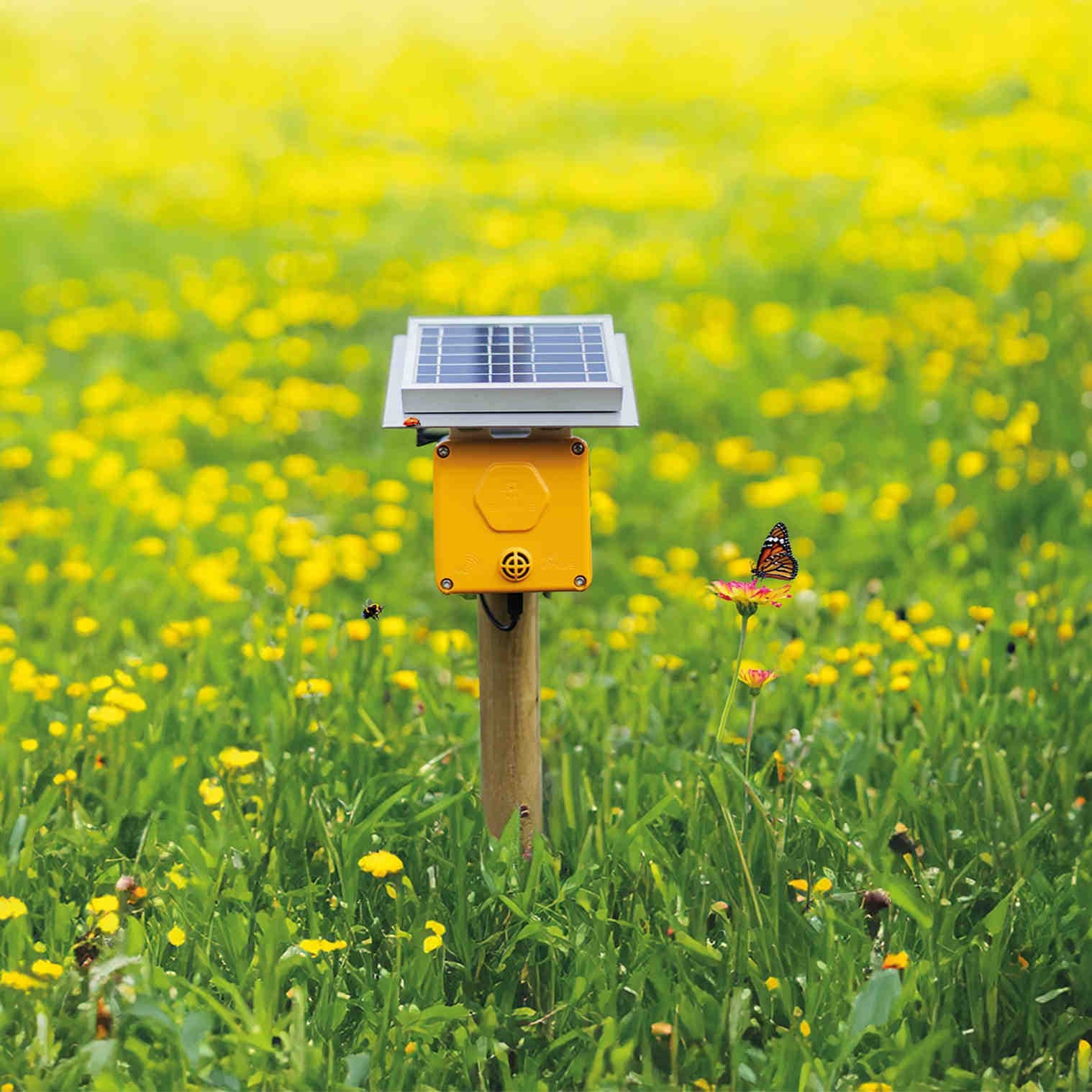
    Spectrum tecnologia 3Bee
    23/04/2024Of 3Bee, Alessia Mircoli
    985 Views
    Newsletter
    newsletter
    Subscribe to the Blog about bees and biodiversity

    Frequently Asked Questions

    Do you have any doubts or other curiosities about this article? Here you will find some insights