How to obtain ESG environmental certifications step by step
    CertificationESGSustainabilityRating ESG

    How to obtain ESG environmental certifications step by step

    ESG pathway for companies: benefits, operational steps and standards to know. A clear guide to obtaining ESG certification, improving reputation and competitiveness, and effectively communicating a commitment to sustainability.

    Read the article
    27/05/2025Of 3Bee, Angelina Tortora
    426 Views
    27/05/2025Of 3Bee, Angelina Tortora
    426 Views

    ESG certifications: growth leverage for your business

    In the current context, sustainability is no longer just an ethical option, but a strategic pillar for companies. The ESG (Environmental, Social, Governance) certifications are essential tools to attest, with verifiable data, an organisation's concrete commitment to responsible practices. They increase transparency, improve access to credit, attract investors and strengthen competitive positioning. Obtaining ESG certification implies adhering to recognised standards at international level, with a rigorous control system. The advantage is threefold: reputational, operational and economic. Certified companies demonstrate regulatory compliance, reduce environmental risks and present themselves as reliable partners in an increasingly sustainability-oriented market. In this scenario, ESG certification is an indispensable lever for building trust and generating lasting value.
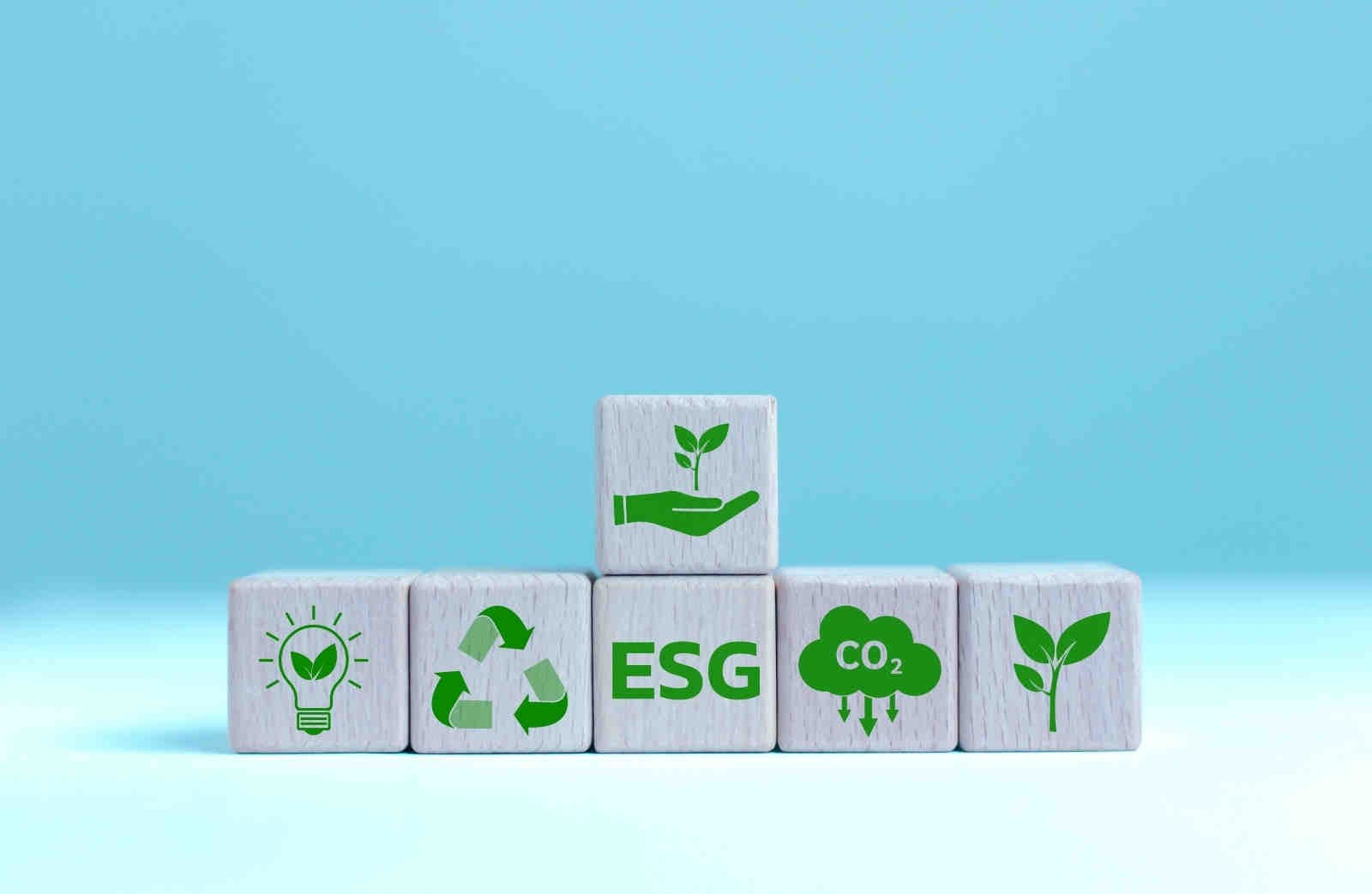
    Certificazioni ESG: leva di crescita per la tua impresa

    What a full ESG certification evaluates

    An ESG certification examinesthree pillars. On the environmental pillar it measures emissions, resource consumption, waste management and biodiversity protection; on the social pillar it checks wage fairness, diversity, worker safety and impact on communities; for the governance pillar it checks transparency, ethics and control structure. Standards such as GRI, SASB or ESRS define comparable metrics across sectors, ensuring consistency in sustainability reporting. An independent body evaluates the documentation, conducts targeted audits and issues the certificate, certifying the reliability of the company along the supply chain. The result? A tangible competitive advantage: the company communicates concrete commitment, reduces the risk of greenwashing and strengthens its positioning.

    ISO 14064: misurare e rendicontare le emissioni di gas serra
    XNatura

    Concrete advantages of obtaining ESG certification

    Embarking on an ESG certification path brings immediate and lasting benefits. Corporate image improves, customer and community trust grows, and doors open to green bonds and subsidised financing. Banks and investors reward those who reduce environmental impact and manage social and governance risks correctly, offering better credit terms. On the operational side, energy efficiency and waste reduction generate real savings, while tax incentives lower the net cost of interventions. Aligning with ESG standards meets the reporting requirements of the CSRD, protects reputations and increases corporate resilience in a rapidly changing regulatory environment.

    ISO 14067

    Certification, ESG ratings and initiatives: differences

    There arethree concepts in corporate sustainability that should not be confused. ESG certifications are official certificates issued by third-party bodies that verify compliance with standards such as ISO 14064 or ESRS. The rating ESG award comparative performance scores but are not equivalent to a certificate. Voluntary initiatives, such as UN Global Compact, Science-Based Targets or Race to Zero, offer public engagement without certification. Knowing the differences helps to build a balanced ESG plan: certification ensures compliance, rating promotes competitive transparency, joining initiatives enhances international reputation. Each company must know how to choose the most coherent combination with respect to its objectives, the industry it belongs to and the interlocutors it addresses.

    ISO 14068
    XNatura

    The key steps for obtaining ESG certification

    Obtaining ESG certification is a complex process that starts with internal analysis. Initially, the company must familiarise itself with reference standards (such as GRI, SASB, ESRS) and assess its level of compliance. This phase includes ESG audit, risk analysis, supply chain mapping and assessment of environmental and social impacts. Next, an improvement plan is defined with measurable objectives, KPIs and tools to monitor progress. It is essential to document each intervention, update internal policies and train staff. The final stage is the intervention of the certifying body, which verifies the consistency between statements and actions taken. Once the audit is passed, the certification is issued, which is valid for a limited time and requires periodic updates. For companies subject to the CSRD, it is essential to adopt the ESRS standards, in particular E1 for climate and E4 for biodiversity.

    EMAS
    3Bee

    Who issues ESG certification and the main standards

    ESG certifications are issued by accredited bodies such as Bureau Veritas, DNV or SGS. Popular schemes include ISO 14064 for quantifying emissions, ISO 14067 for product carbon footprint, ISO 14068 for climate neutrality and ISO 14021 for environmental declarations. Ratings such as EcoVadis and CDP offer useful benchmarks but are no substitute for certification. In parallel, programmes such as the UN Global Compact or Race to Zero guide companies along globally recognised sustainability paths, complementing formal standards with public commitments that enhance credibility and visibility in international markets.

    Ecolabel UE

    After ESG certification: monitoring and transparency

    ESG certification is a turning point, but not the end of the road. Once obtained, the company must be committed to continually maintaining compliance, through regulatory updates, regular audits and a robust governance system. It is crucial to publish the results achieved, through sustainability reports or reporting in accordance with the standards GRI or ESRS. Transparency is a key element in establishing the trust of investors, customers and institutions. Moreover, virtuous companies participate in global initiatives, effectively communicate their ESG choices and constantly update their corporate policies to meet new challenges. In a context where sustainability has become a selection criterion for stakeholders, maintaining certification means remaining competitive, resilient and credible. Integrating ESG principles into corporate strategy in addition to compliance emphasises responsible leadership.

    Dopo la certificazione ESG: monitoraggio e trasparenza

    3Bee's expansion into international markets

    This article has been realised within the project "Biodiversity services EU expansion" (CUP: E43D22000480009) in the framework of the Lombardy Region's call for tenders "PR FESR 2021-2027 - LINEA INTERNAZIONALIZZAZIONE 21-27", aimed at supporting the internationalisation of Italian companies. 3Bee is the naturetech company that develops innovative technologies for monitoring, protecting and regenerating biodiversity, supporting companies in defining customised climate strategies based on the analysis of their impacts and dependencies on nature. With an established portfolio in Italy, Germany and France and prominent partnerships, 3Bee continues its expansion into international markets to create real impact through technology.

    27/05/2025Of 3Bee, Angelina Tortora
    426 Views
    Newsletter
    newsletter
    Subscribe to the Blog about bees and biodiversity

    Frequently Asked Questions

    Do you have any doubts or other curiosities about this article? Here you will find some insights