Earwigs: 5 things you need to know about these insects
    EarwigsEcological roleReproductionMyths

    Earwigs: 5 things you need to know about these insects

    Earwigs, whose scientific name is Forficula auricularia, are insects that play a key role in ecosystems. Despite their frightening appearance, they are harmless and useful for pest control. Here are the 5 things to know about these luciferous insects.

    Read the article
    11/09/2024Of 3Bee, Lisa Santillo
    2634 Views
    11/09/2024Of 3Bee, Lisa Santillo
    2634 Views

    Earwigs: lucifuge insects crucial to ecosystems

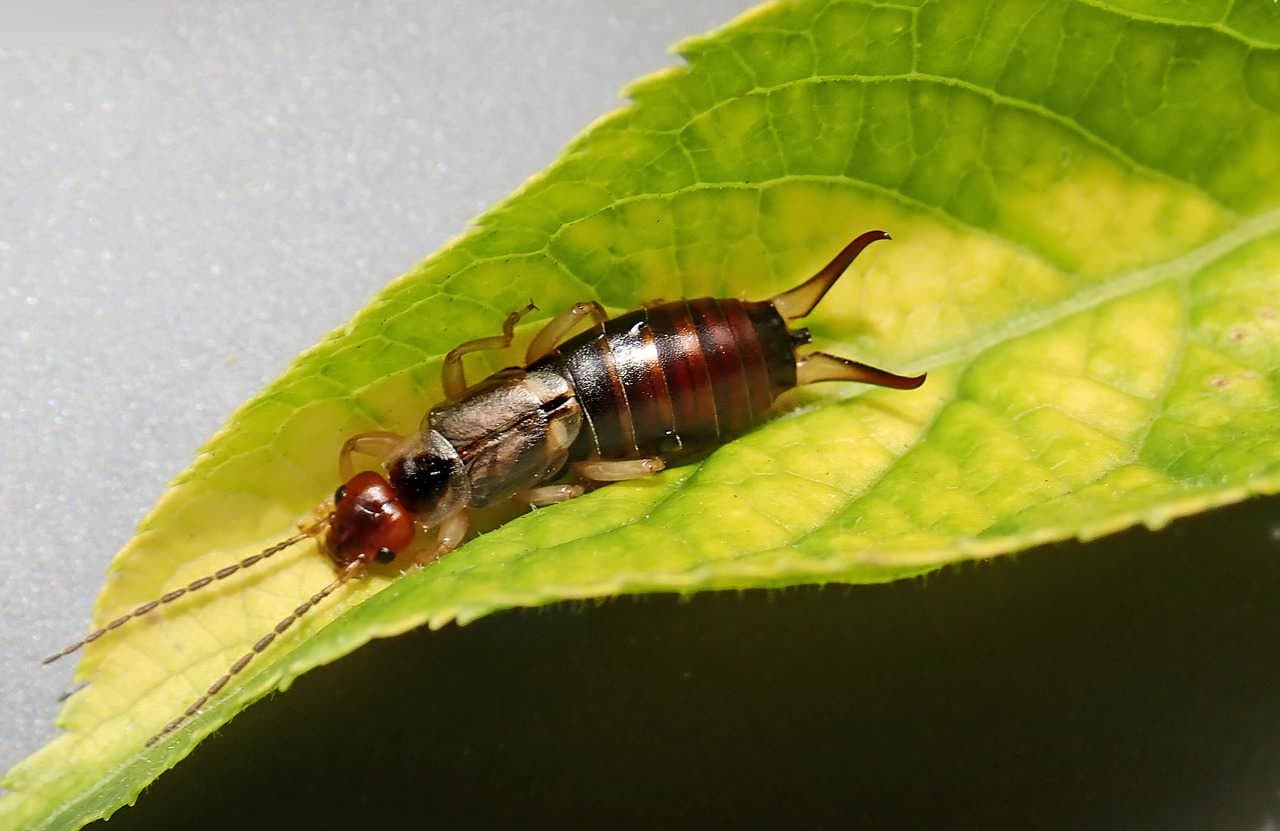
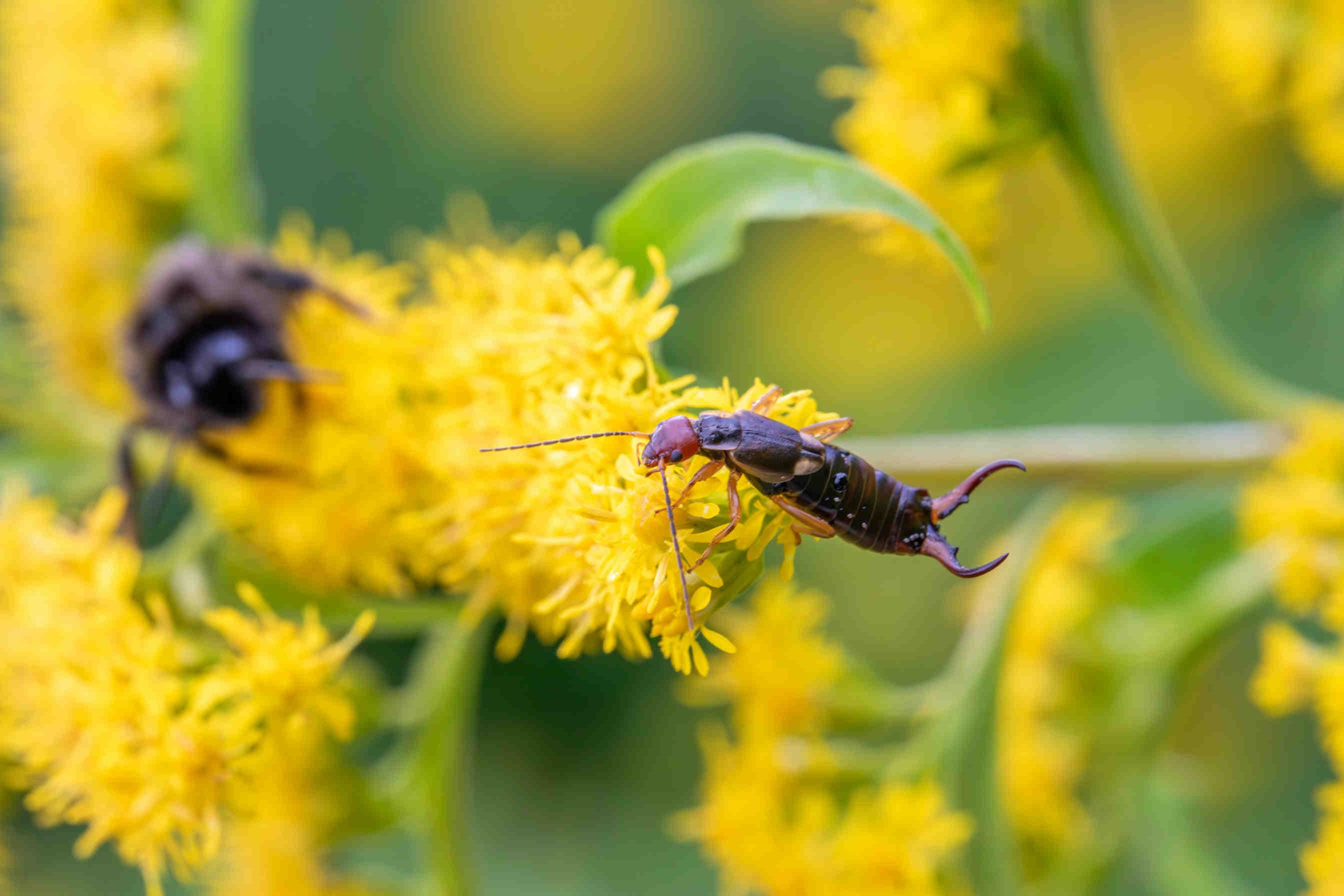
    The Forficula auricularia, better known as the earwig, belongs to the order Dermatteria and is an insect that is easily recognisable by its pincers, or earwigs, located at the end of its abdomen. Earwigs are luciferous insects, which means they cannot tolerate light: they hide during the day to avoid sunlight and emerge at dusk to feed. This insect feeds mainly on plant material, but can also prey on small insects such as aphids, thus contributing to the natural control of plant pests. Although their appearance may be frightening, earwigs are not dangerous to humans, and in fact play an important role in the balance of the ecosystem.
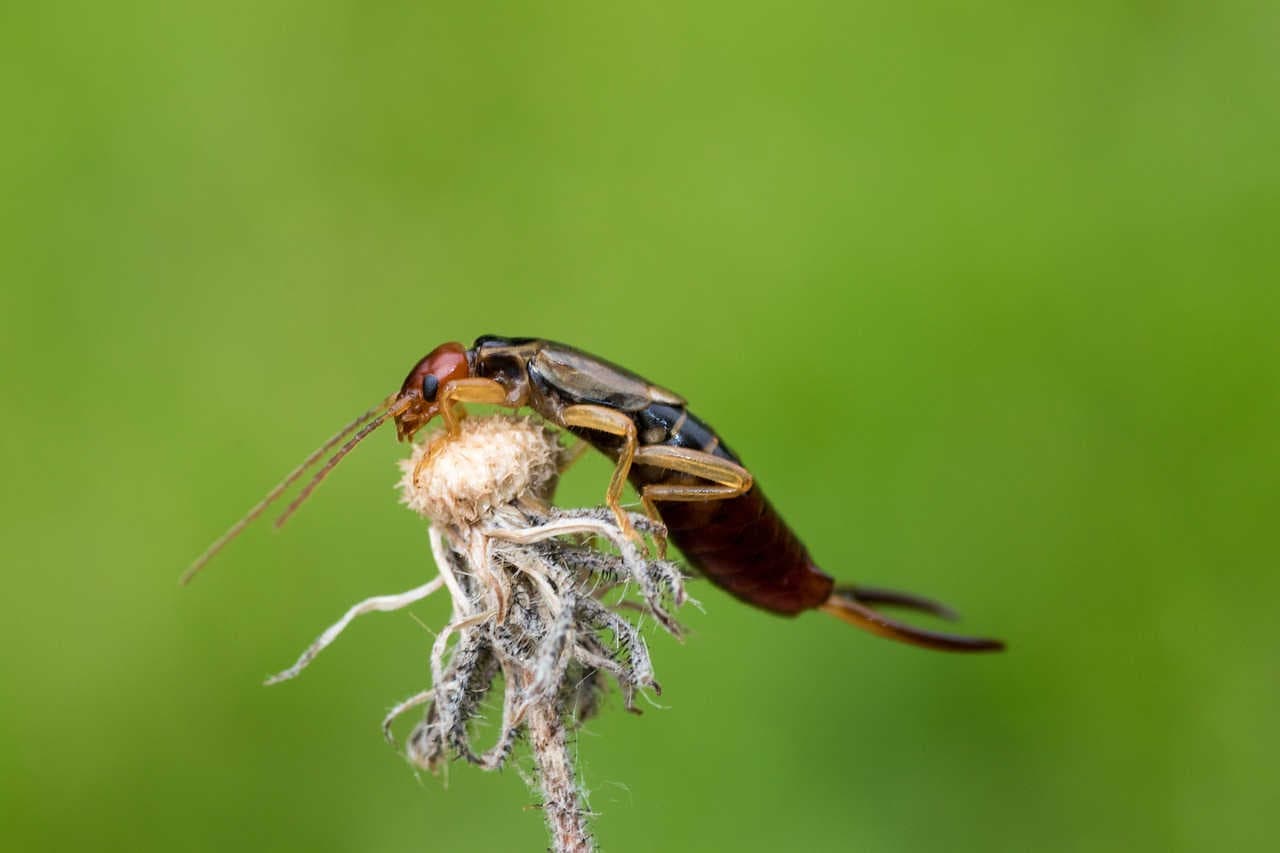
    Forficula auricularia

    The ecological role of earwigs

    Earwigs play a key role as decomposers and predators in many environments. These omnivorous insects feed on plants, fungi and small insects, but are also known to consume decaying organic matter. This behaviour makes them useful in natural ecosystems and gardens, healping to clean up and control of pest populations. In agriculture, earwigs can be a valuable resource for the biological control of pests such as aphids. However, if their population grows unchecked, they can become harmful to crops, especially if they attack shoots and flowers.

    forbicina insetto
    XNatura

    The reproductive cycle of earwigs

    Unlike many other insects, earwigs show amazing parental care. After mating, usually in autumn, the female digs a burrow in the ground and lays 30 to 55 eggs. The mothers care for the eggs, protecting them from predators and adverse weather conditions until they hatch. This behaviour is quite rare in the world of insects, which tend to abandon their eggs without taking care of them, as in this case. In addition, the females of this species also continue to care for the young until they are 2 months old, when they become independent. The nymphs are then fed by their mother during the first stage of life, but in the second stage they become independent in their search for food.
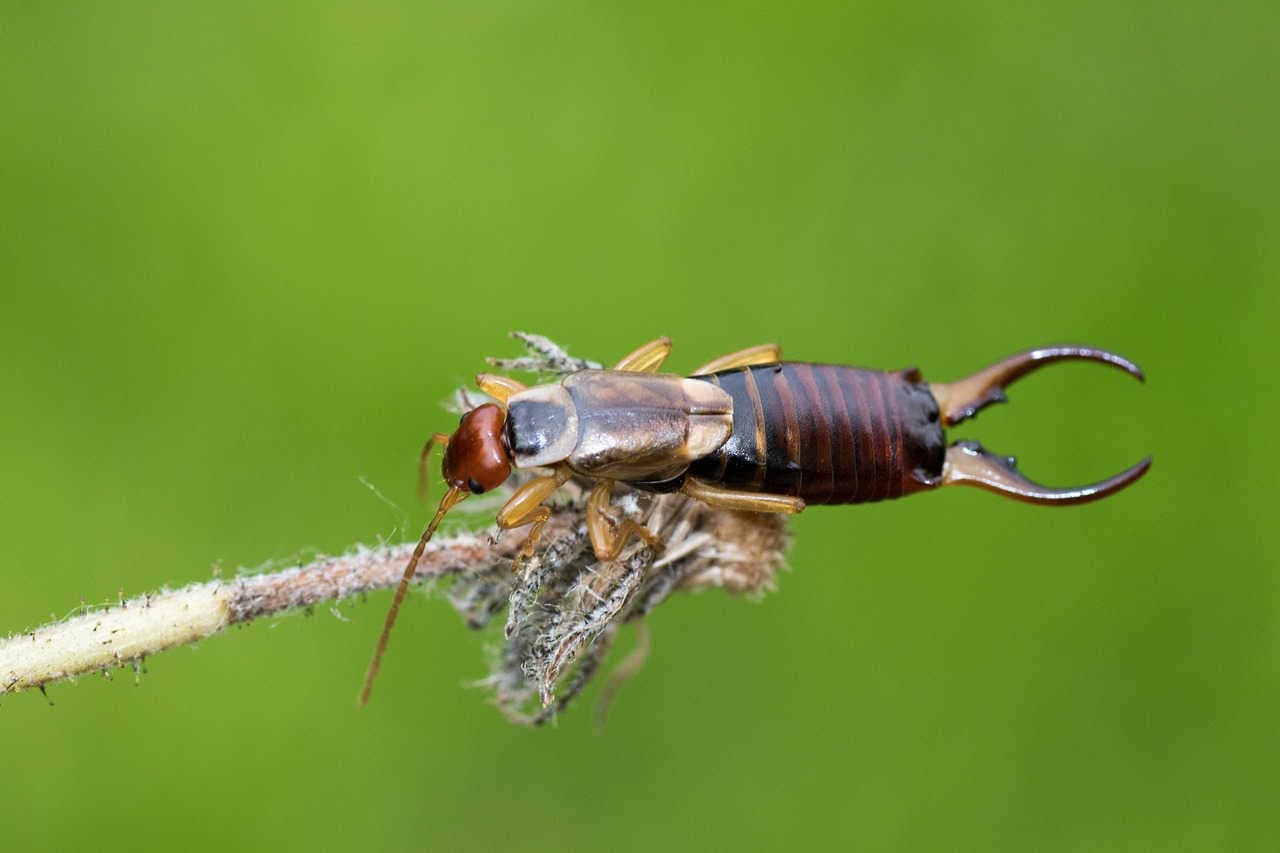
    insetto forficula auricularia

    Earwigs: myths and misconceptions

    There are many popular myths and legends about earwigs, many of which are untrue. Probably the most common is that these insects enter human ears to lay eggs, hence the scientific name Forficula auricularia. This is a myth: earwigs have no interest in human ears and are therefore not to be considered dangerous. Another common myth is that their pincers can inflict painful bites. Although earwigs can use their pincers to defend themselves, their 'pinches' are generally harmless and do not inject any toxins. As we have seen, these insects are beneficial to the environment and often help to control other insect species that can be indirectly harmful to humans by attacking certain agricultural crops.
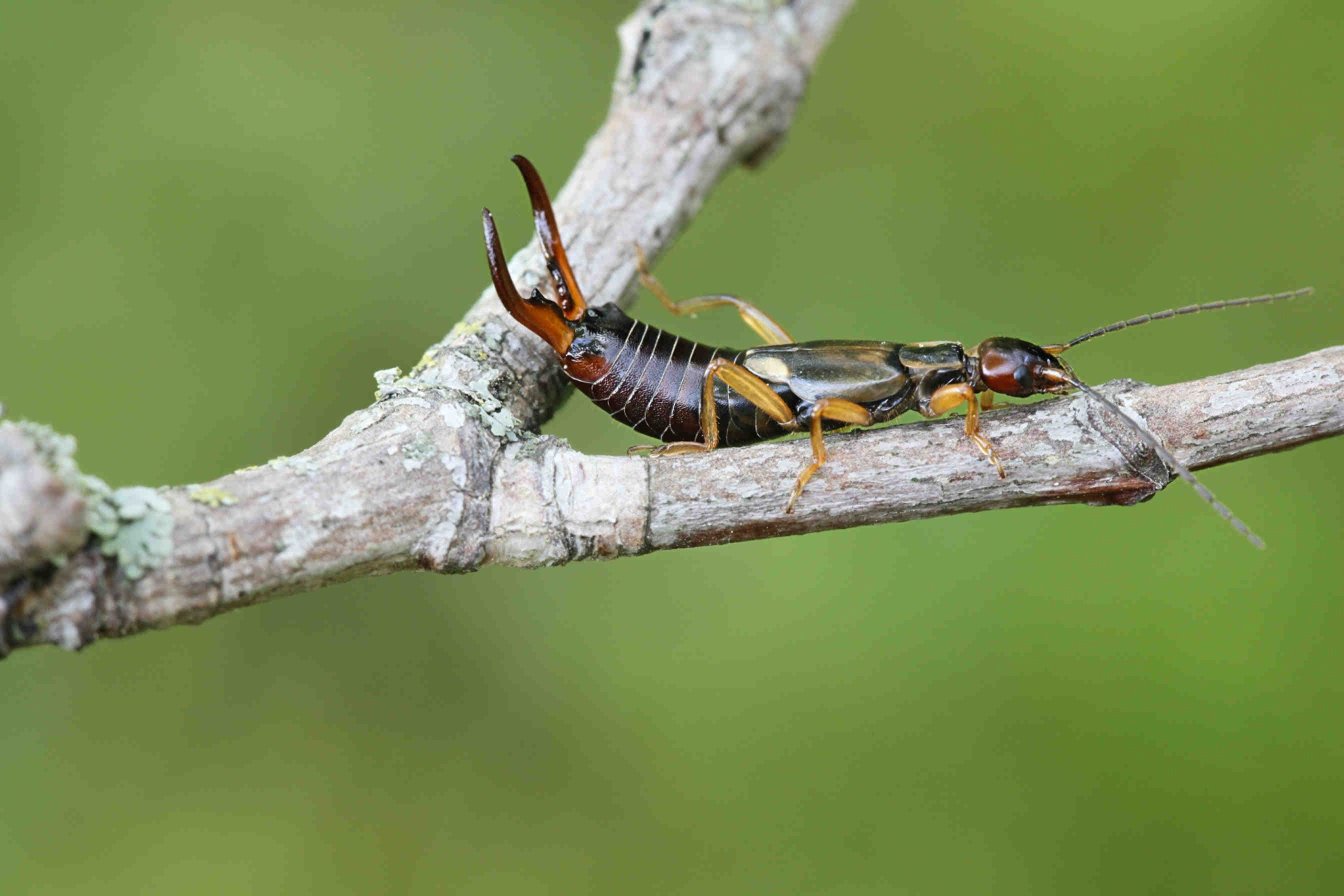
    forbicine
    XNatura

    Hairpins: some curiosities

    One of the most surprising curiosities about earwigs has emerged from a study published in Zoological Journal in 2020, which revealed that there are at least 4 cryptic species under the name Forficula auricularia, which are morphologically indistinguishable but identifiable by mitochondrial DNA analysis and geographical distribution. This genetic study has thus shown that F. auricularia is part of a complex of four apparently almost identical species: F. aeolica, F. mediterranea and F. dentata. Another curiosity concerns the way in which earwigs communicate, mainly through chemical stimuli. During the breeding season, adults release pheromones to locate potential mates. These chemical signals are picked up by checeptors on the antennae. Earwigs also have compound eyes and hairs on their antennae that provide important tactile information.

    3Bee
    11/09/2024Of 3Bee, Lisa Santillo
    2634 Views
    Newsletter
    newsletter
    Subscribe to the Blog about bees and biodiversity

    Frequently Asked Questions

    Do you have any doubts or other curiosities about this article? Here you will find some insights