Lonely Bee Houses: <clr>Discover Polly House</clr>.
    Bug HotelOsmia RufaMyPollySuolo

    Lonely Bee Houses: Discover Polly House.

    Creating a bee-proof environment is becoming increasingly difficult. However, implementing small measures can be a great help for pollinating insects. Not only can you plant bee-saving flowers, but you can also host a home for solitary bees and wild pollinators.

    Read the article
    07/10/2021Of 3Bee, Elena Fraccaro
    2704 Views
    07/10/2021Of 3Bee, Elena Fraccaro
    2704 Views

    Pollinating Insect Shelter or Bug Hotel

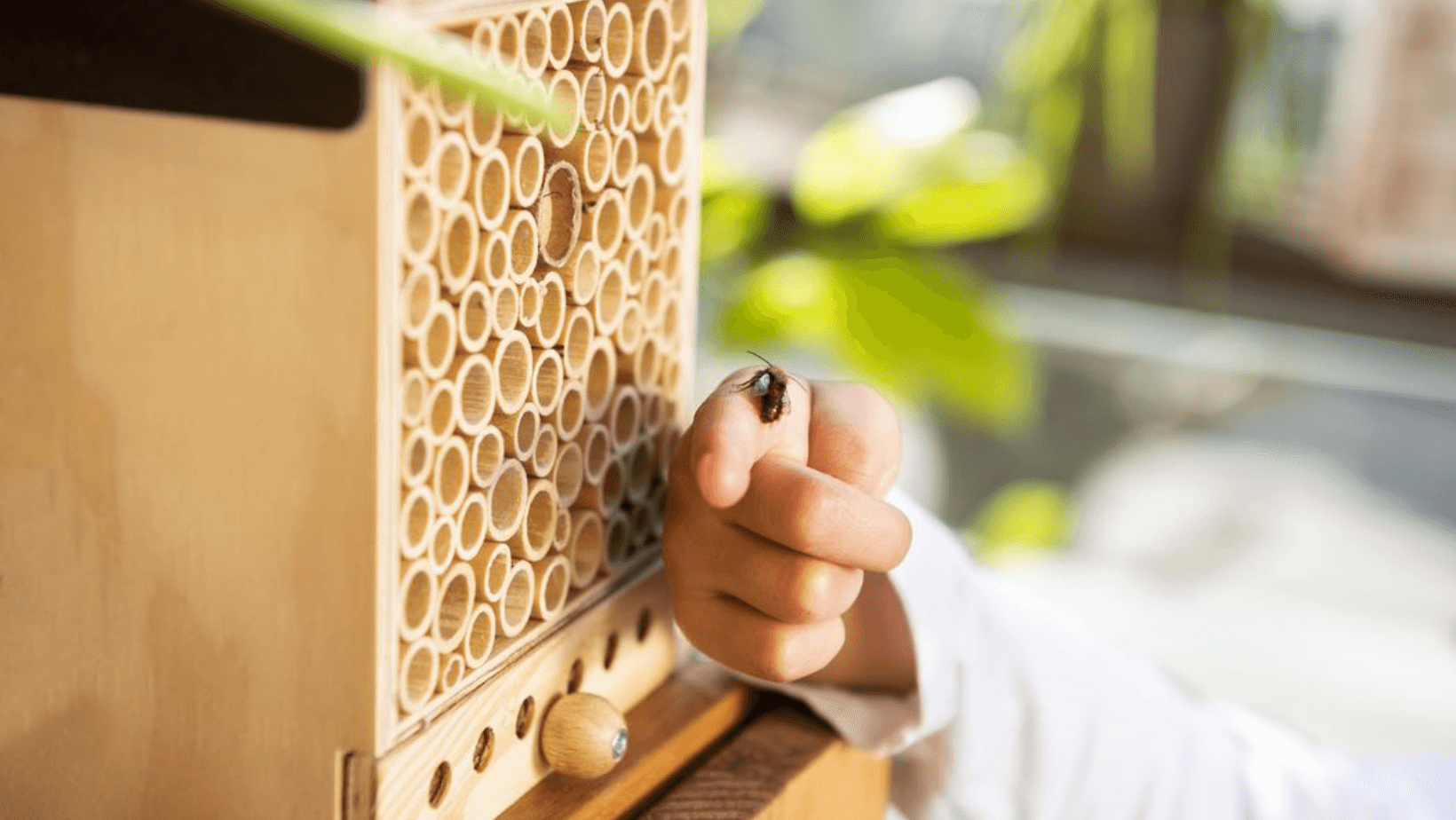
    Creating a refuge for these insects is very important. These pollinator houses, also called BUg Hotels, have different characteristics depending on the insect species they house. The house must be well designed, placed in a dry place, sheltered from wind and water stagnation and exposed to the sun. Among the preferred natural materials for their construction is wood. However, we can also come across terracotta, plastic and PVC pipe constructions. The most important aspect is the depth of the structure. For proper egg development and good shelter from external weather, the optimal depth is 12 to 20 mm. In order for bees to be able to lay their eggs inside the hut, it is necessary to create real 'living quarters'. In fact, solitary bee houses are equipped with many hollow elements.
    Pollinating Insect Shelter or Bug Hotel

    Polly House, the lonely bee house

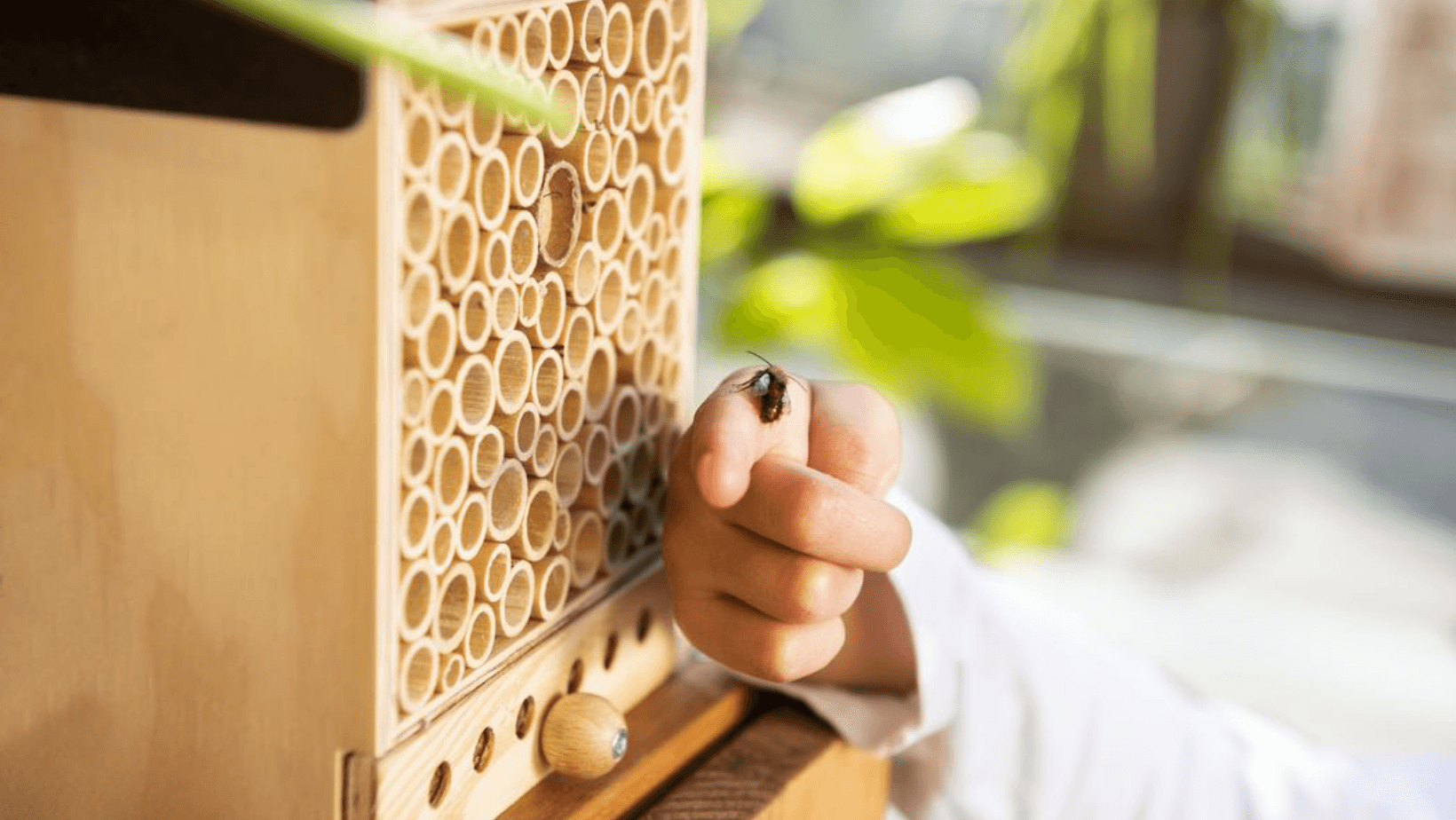
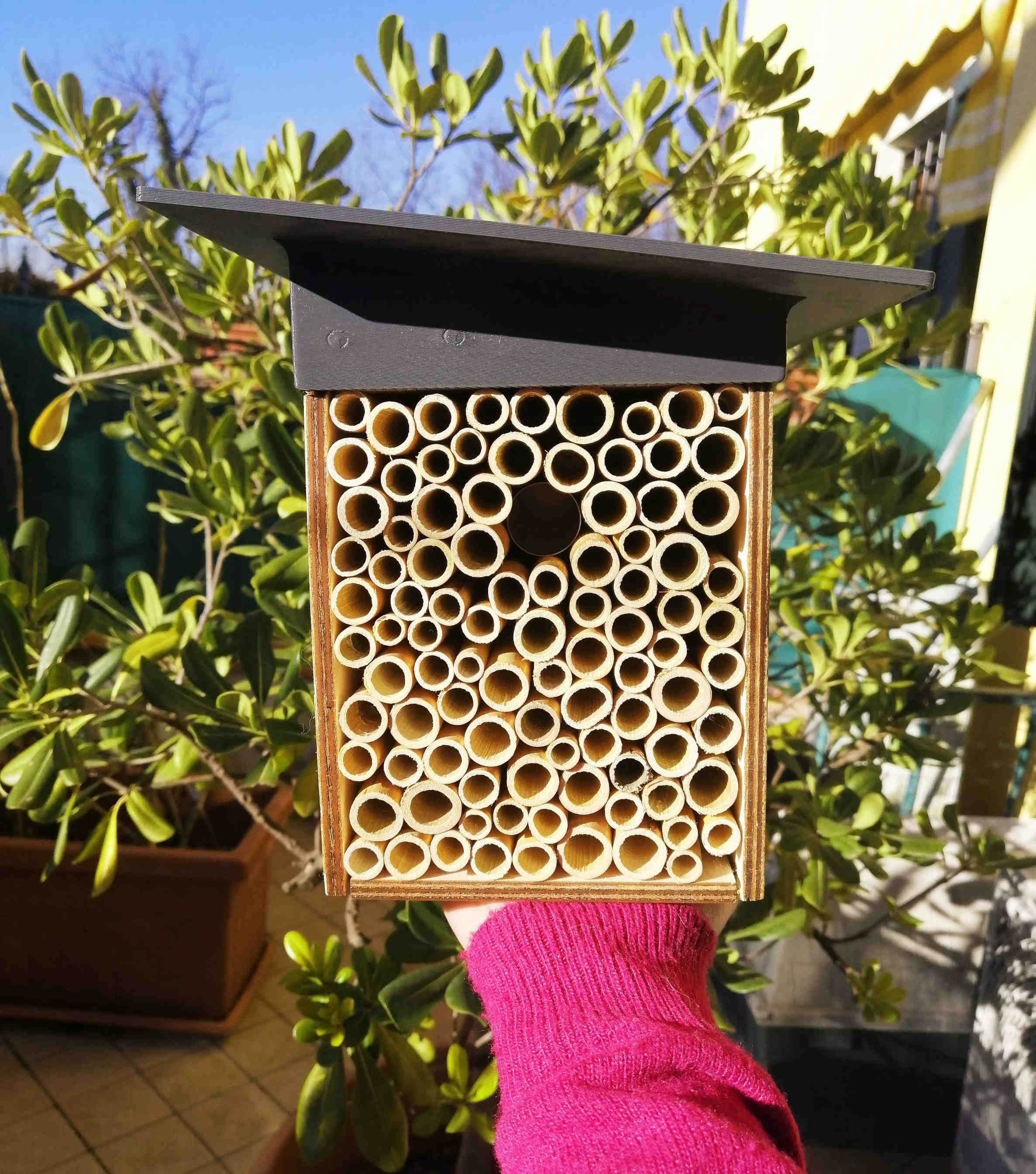
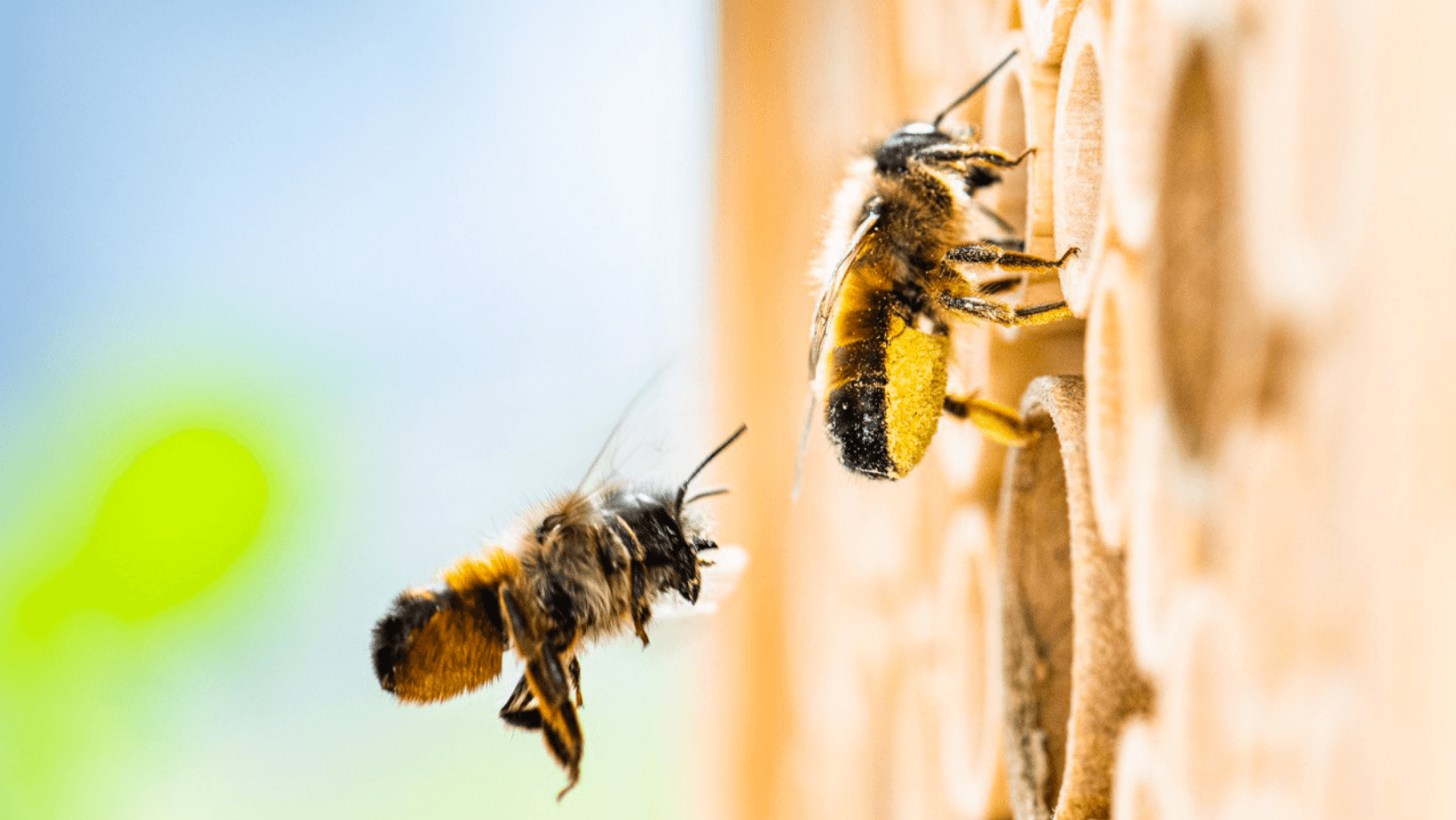
    3Bee has launched its little house, Polly House, dedicated to one pollinator in particular: the Osmia Rufa. The Osmia Rufa is an apoid of the family Megachilidae. It measures between 10 and 12 mm and has a reddish-brown back, covered with black hairs all over the abdomen. Male specimens have whitish hairs on the head and thorax, while in females these hairs are dark. The Osmia Rufa is widespread throughout Europe. Their cocoons hatch in April, giving birth to the next generation of wild bees. After mating, they collect pollen and nectar. These are used to divide the individual brood cells and provide nourishment for the larvae. Once the eggs are laid, the Osmias seal the entrance to the nest with a clay plug. The life cycle of the Osmia is annual. After birth, they can live from 4 to 6 weeks.

    Polly House, the lonely bee house
    XNatura

    The wild bee house: osmias

    With MyPolly you will receive Osmia Rufa cocoons and the house to house them directly to your home. The Osmia house is entirely built of wood, with bamboo canes to fill the interior space and house the new eggs. You can place the Polly House by following the guidelines for correct positioning: at least 1 metre above the ground, in a sunny spot, facing south and sheltered from the wind. The Osmias, once born, will fly from flower to flower to collect nectar and pollen, thus contributing to the pollination of the surrounding vegetation. They will then colonise the Polly House to give birth to the next generation of solitary bees. Since it is an insect house, it may happen that it is inhabited by other species of solitary bees.

    The wild bee house: osmias

    Soil quality monitoring

    But not only that, Polly is a symbol for pesticide analysis and allows soil quality monitoring. Simply collect and send us a sample of soil collected directly from your Polly. We take it upon ourselves to have it analysed to verify that the soil in the area where you live is free of pesticides or other harmful substances. The challenge for the coming years and decades is to prevent pollution from killing the planet. Soil quality is its ability to maintain its functionality to support biological productivity, to maintain ecosystem quality and to promote healthy plants and animals. For more information visit the site.

    Soil quality monitoring
    XNatura

    Air quality monitoring

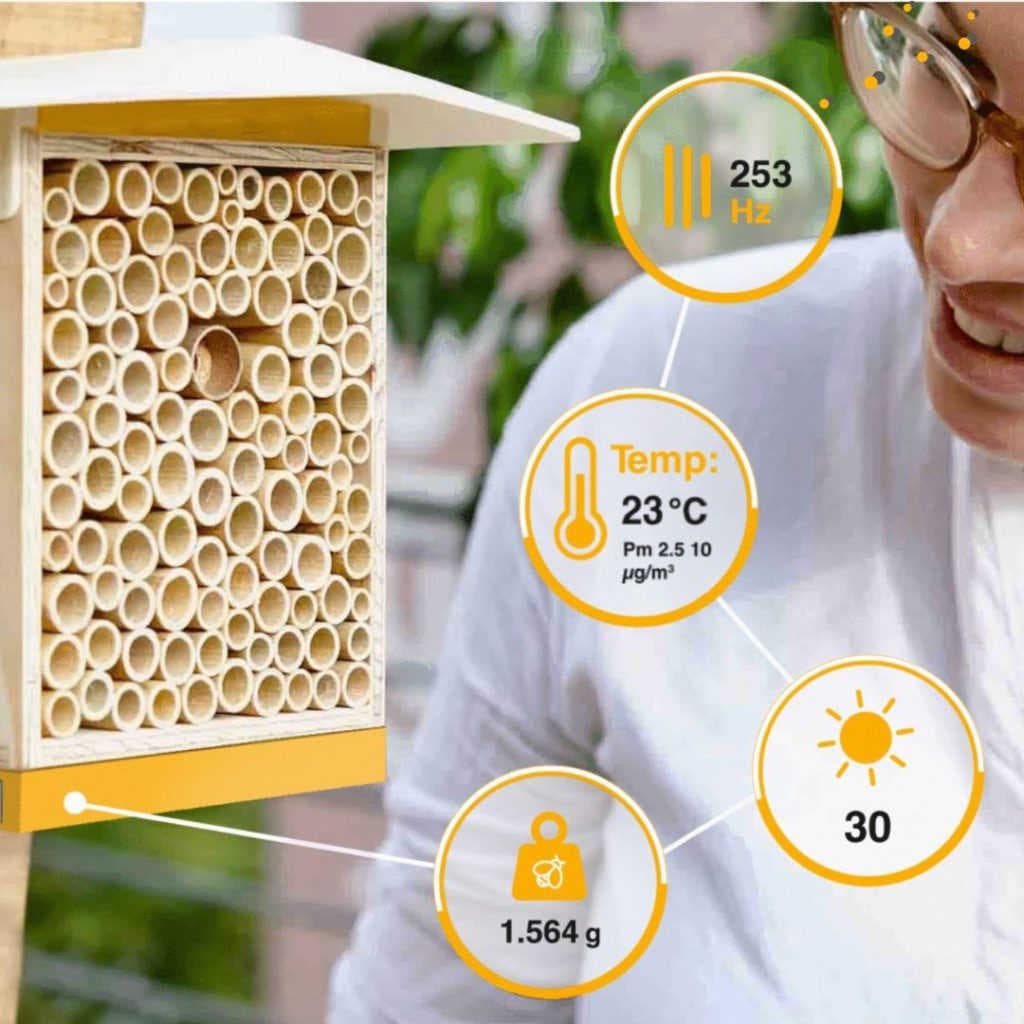
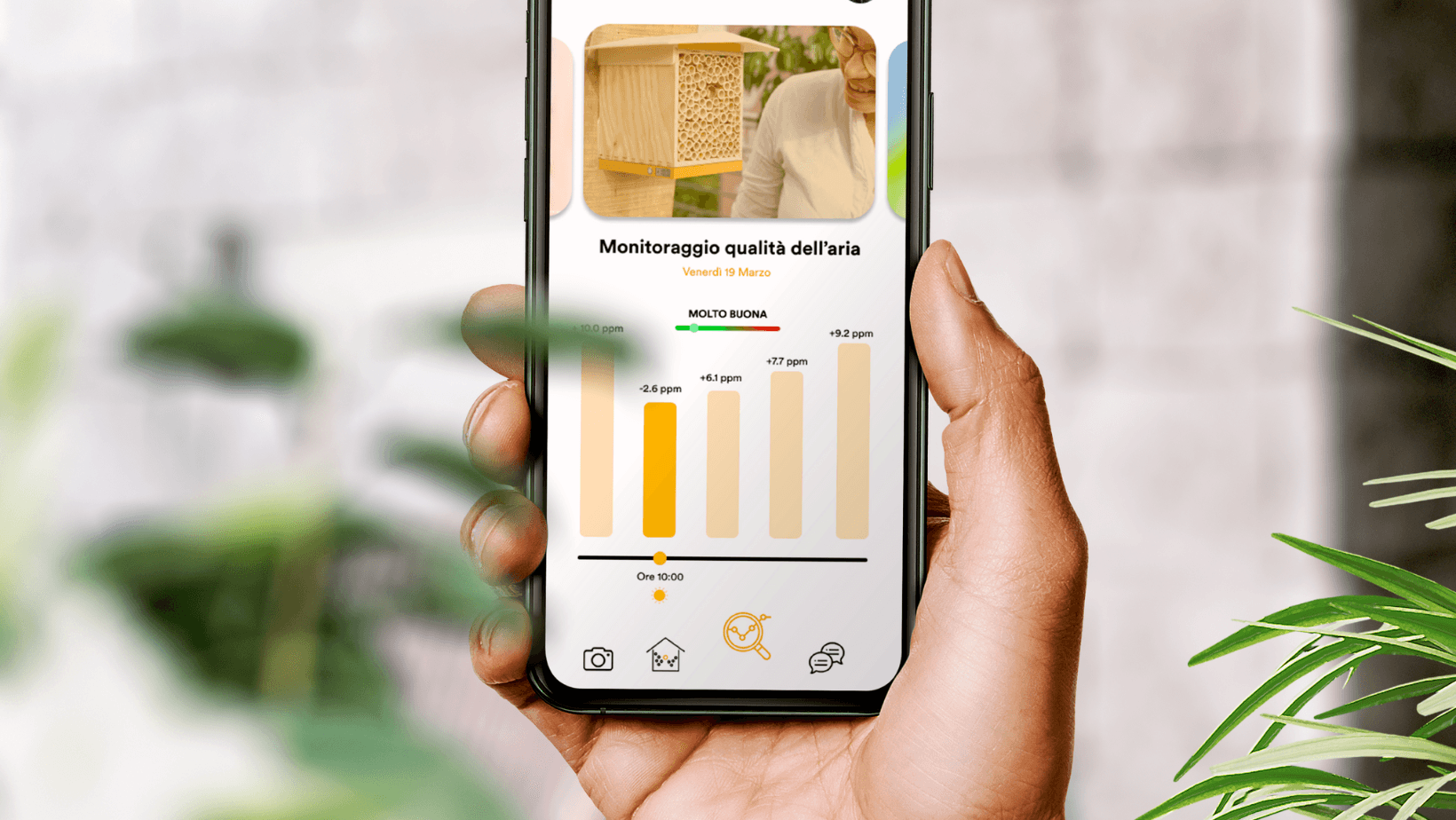
    An electronic nose that can check air quality! With Polly X upgrade you can know if the air you breathe every day is healthy, through air quality monitoring. Every 2 hours the parameters that determine the air quality in your garden and the area where you live will be recorded. Directly from your smartphone you can check the parameters and visualise the state of the air you breathe every day. Not only honey bees, but also solitary and wild bees. A concrete help for pollinating insects, which are essential for the biodiversity that surrounds us. Find out more about the home for solitary bees and host them in your garden.

    Air quality monitoring
    3Bee

    Polly and her bee house is social/environmental impact

    Polly is sustainability, biodiversity, but it is also strong social commitment. Polly, like other projects developed by 3Bee, has two fundamental cornerstones: creating environmental and social impact. It is not just a simple wooden house or a simple beehive for bees, but a project with a strong social involvement: the PollyHouse is assembled and finished by the young people of the social cooperative Andirivieni, together we managed to employ 6 people with disabilities. When you buy Polly and her sustainable house, you are doing a concrete action towards bees, helping them to repopulate the species and supporting a far-reaching social project.

    Polly and her bee house is social/environmental impact
    07/10/2021Of 3Bee, Elena Fraccaro
    2704 Views
    Newsletter
    newsletter
    Subscribe to the Blog about bees and biodiversity