A new manifesto for animal consciousness
Disclaimer: this is an automated translation from Italian. Go to the original article.
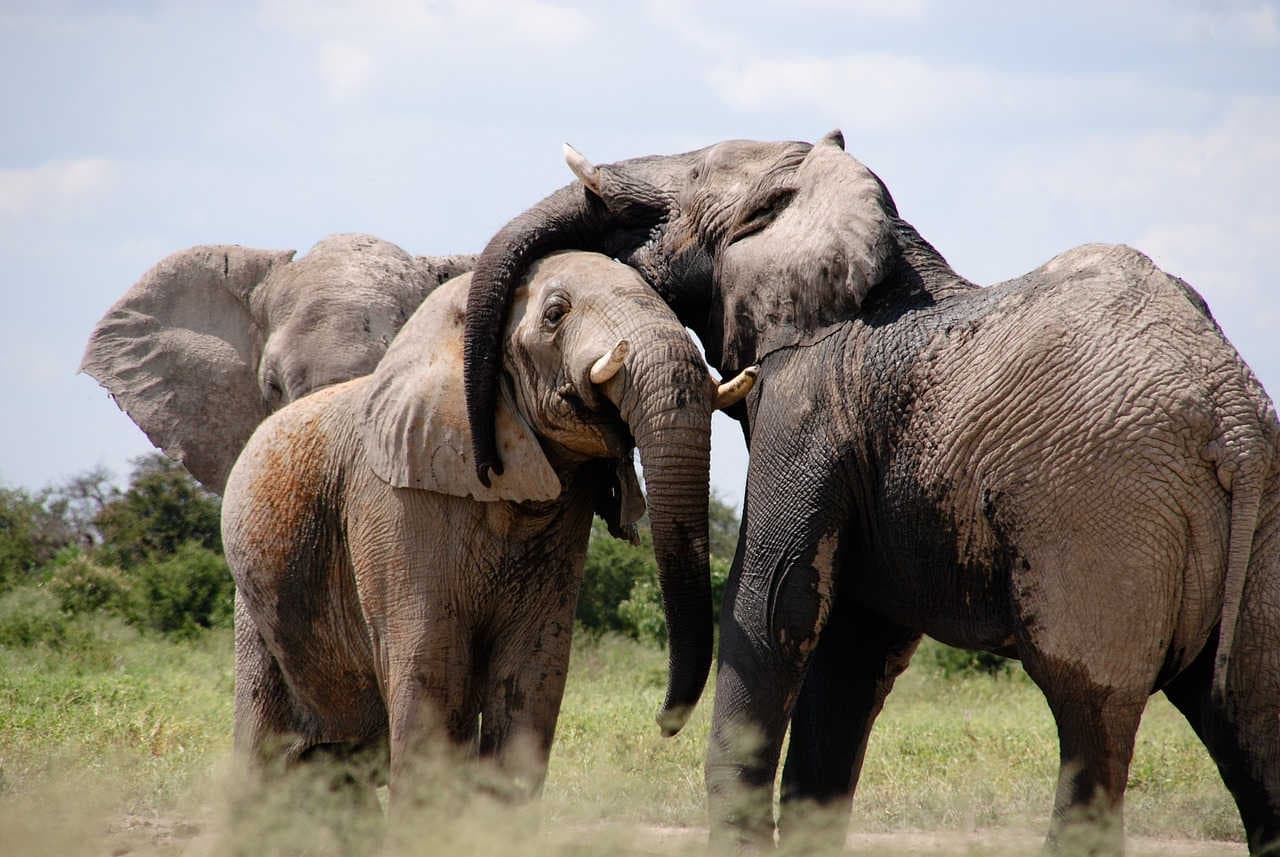
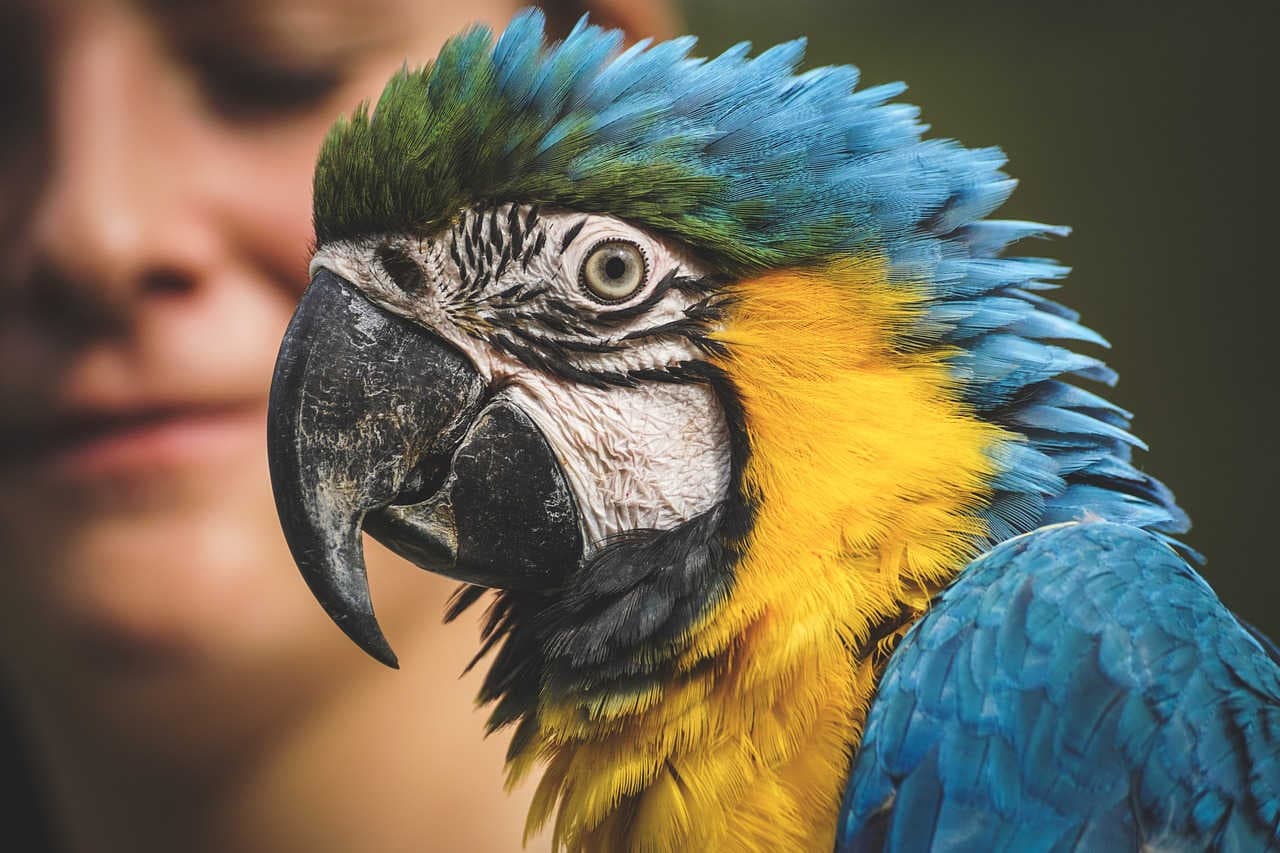
The scientific discoveries of recent years prompted hundreds of scientists and philosophers to sign the New York Declaration on Animal Consciousness last April, highlighting the urgency of supporting research in this field of study and discussing our relationship with animals.
Read the articleDisclaimer: this is an automated translation from Italian. Go to the original article.
Studying conscious experiences in the animal world is not an easy task: the statement warns of some methodological errors one might encounter. Firstly, the very

Such subjective experiences require more than just the ability to react to stimuli:
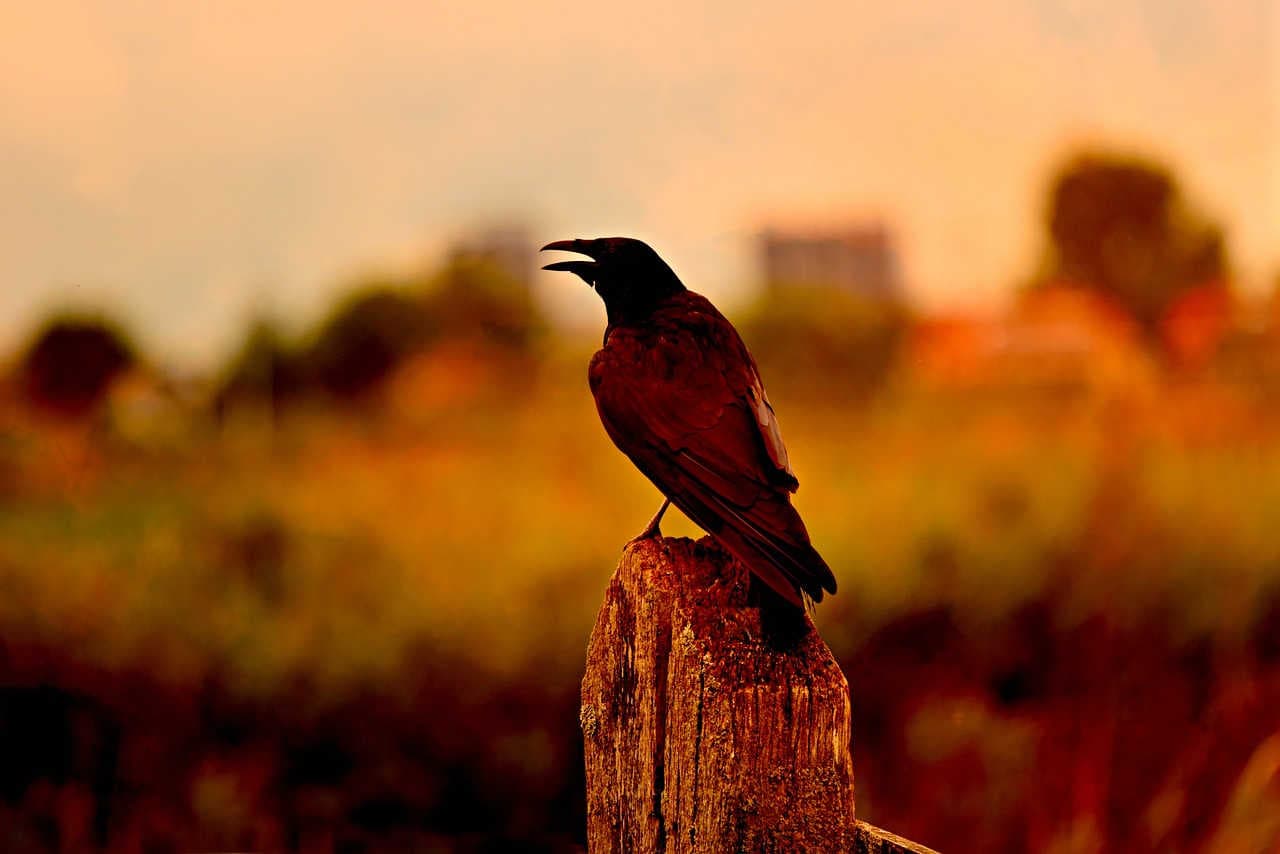
Several scientific findings confirm the presence of consciousness in mammals and birds. Of great significance is a 2020 study by Science on the

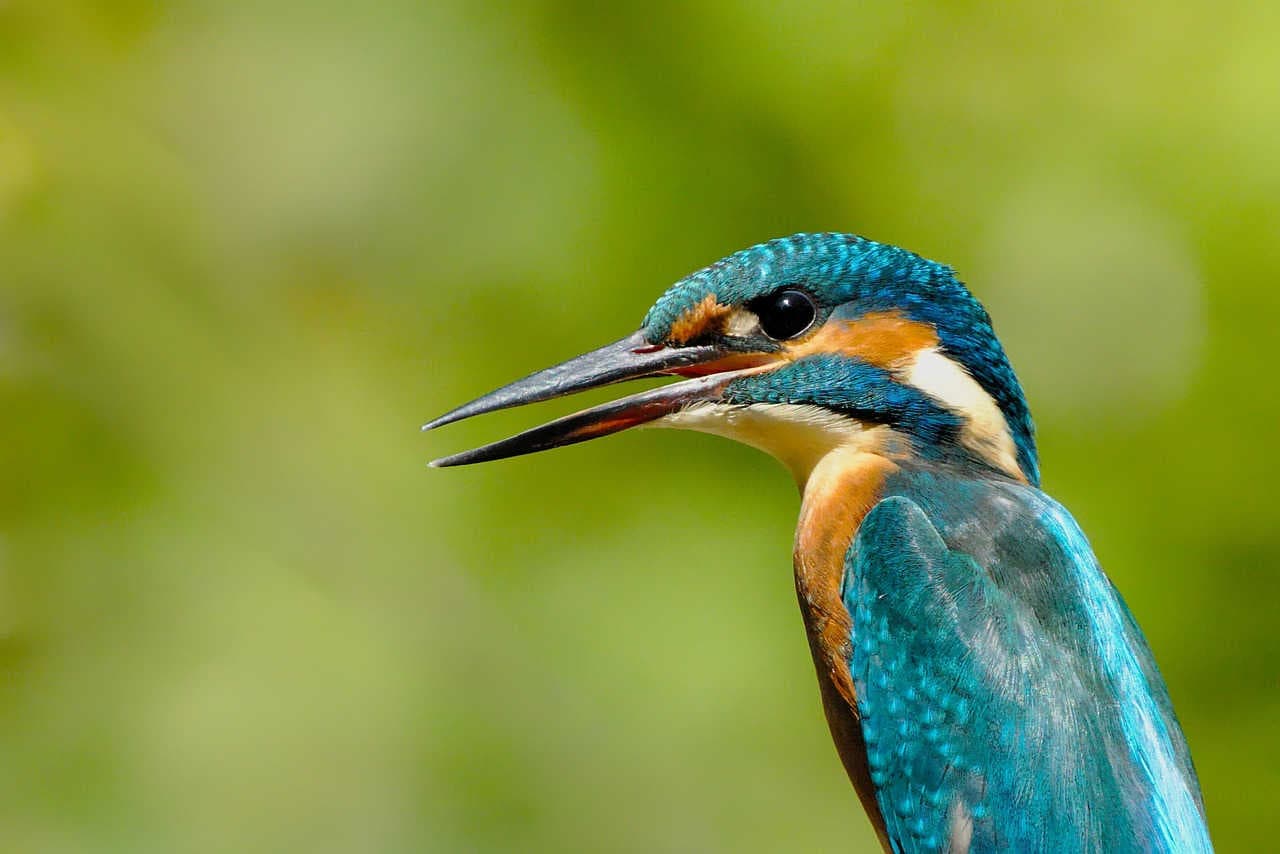
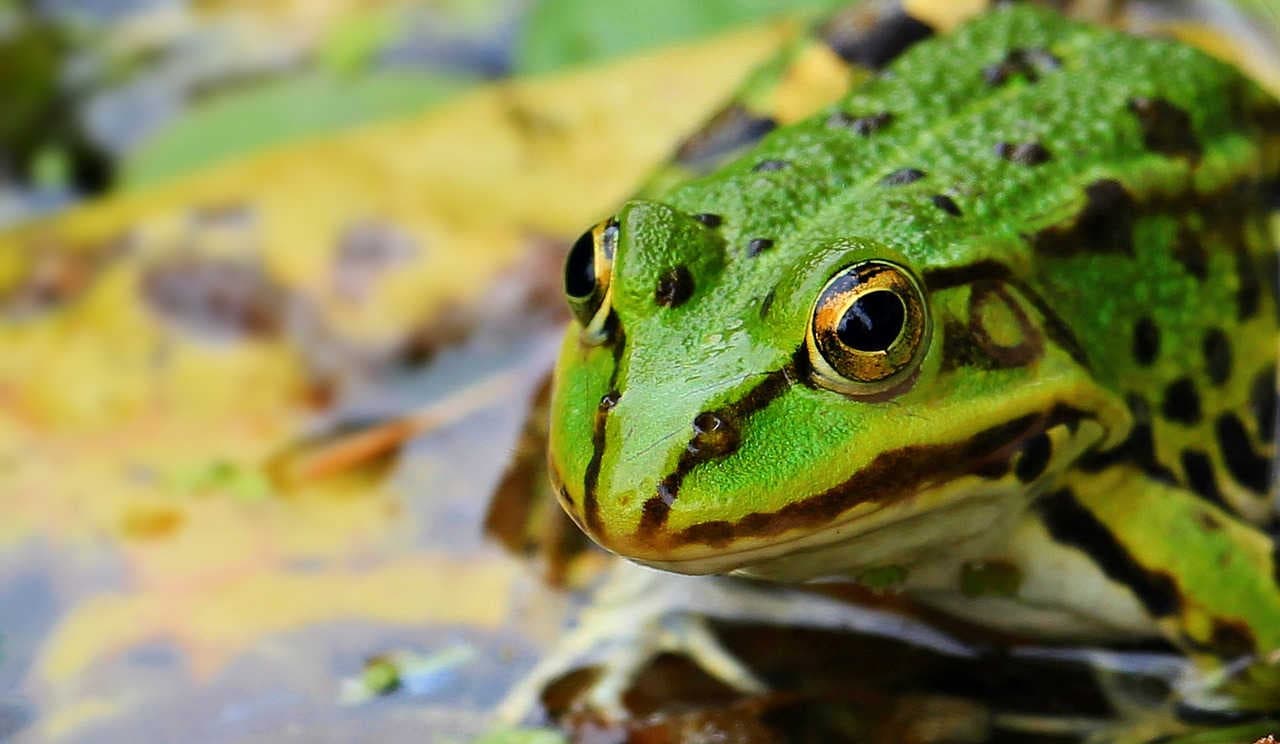
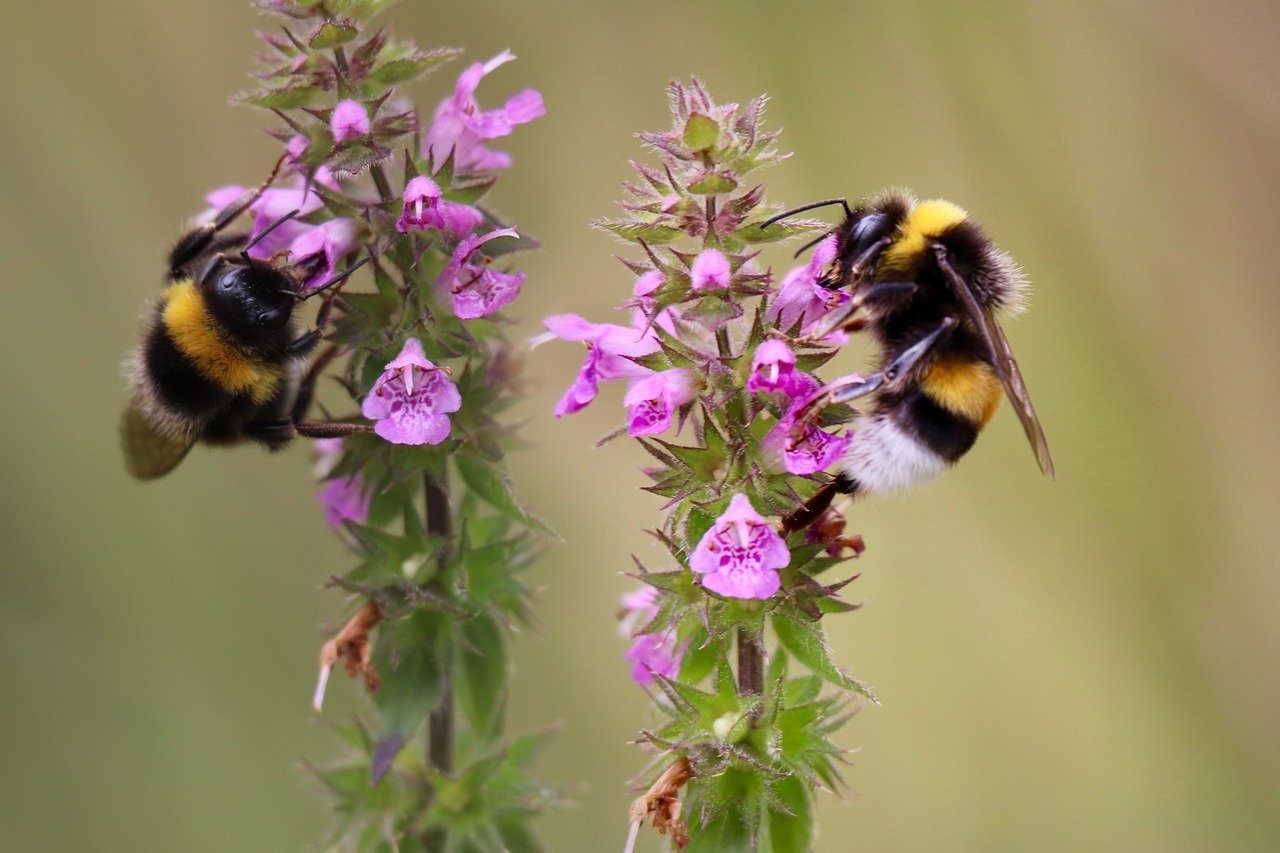
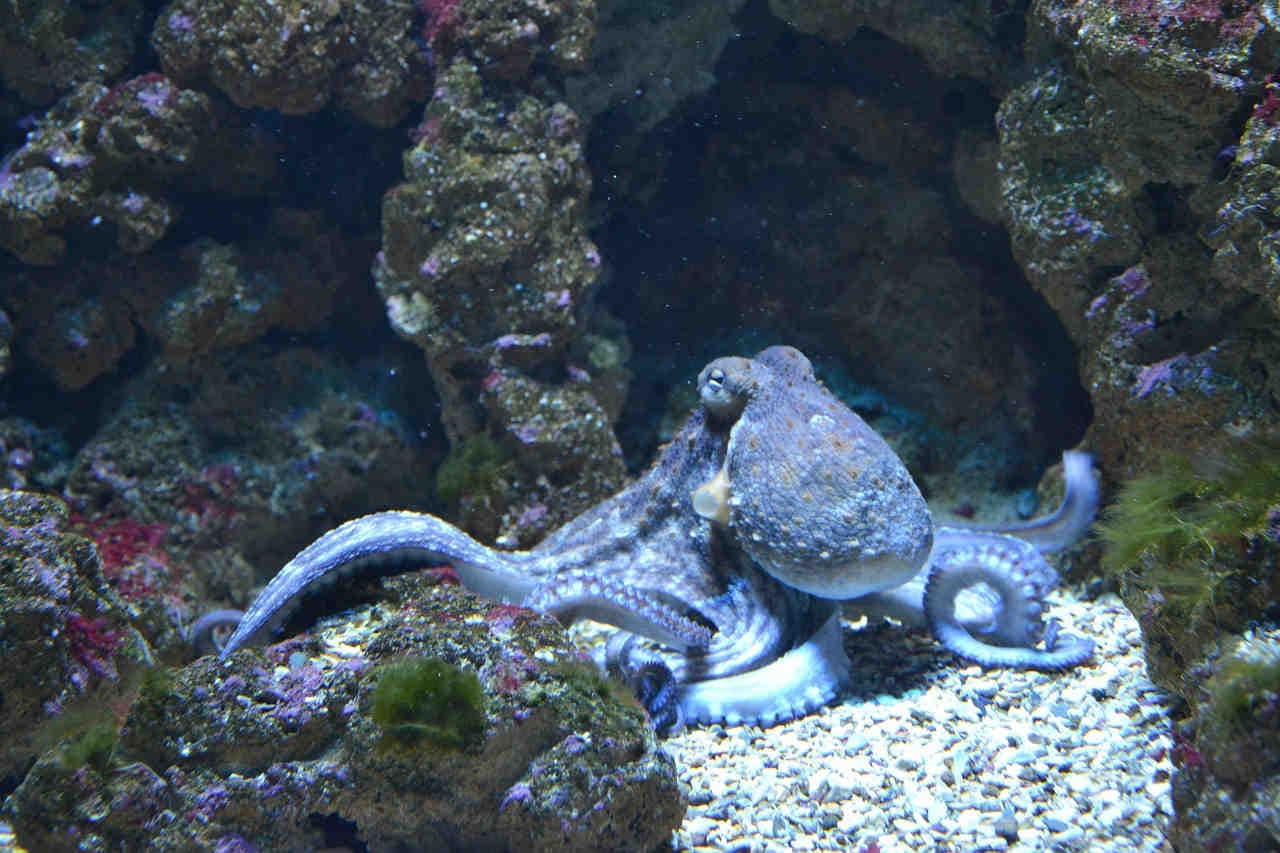
In addition to mammals and birds, new studies suggest the possibility of conscious experiences in reptiles, fish, amphibians and invertebrates such as cephalopods, crustaceans and insects. Behaviours of curiosity have been observed in turtles, zebra fish and bees. Again, the couple seem to have memories of past events and the freshwater shrimp experience 'anxiety-like' feelings. Further research reveals that some invertebrates, such as the polps, exhibit game-like behaviours. Recent discoveries on bumblebees reveal the incredible behavioural universe of these animals: in addition to learning by observing their peers and exhibiting certain behaviourscooperative, they also seem to manifest playing attitudes. The presence of such behavioural variety and complexity in animals so distant from the human species presents a challenge for future research.

The path to the discovery of animal consciousness is still a long one, and although uncertainties about the nature of consciousness remain, it is important to continue along this path with rigour and systematicity. The
The

Do you have any doubts or other curiosities about this article? Here you will find some insights