What is the 'New York Declaration on Animal Consciousness'?
    DeclarationConsciousnessExperienceThe study

    What is the 'New York Declaration on Animal Consciousness'?

    The scientific discoveries of recent years prompted hundreds of scientists and philosophers to sign the New York Declaration on Animal Consciousness last April, highlighting the urgency of supporting research in this field of study and discussing our relationship with animals.

    Read the article
    27/09/2024Of 3Bee, Chiara Pertile
    967 Views
    27/09/2024Of 3Bee, Chiara Pertile
    967 Views

    A new manifesto for animal consciousness

    Disclaimer: this is an automated translation from Italian. Go to the original article.
    Consciousness does not appear to be a human prerogative, as scientific discoveries over the past decade have shown. Indeed, several studies confirm the presence of conscious experiences in mammals and birds, while others suggest the realistic possibility that other vertebrates, such as reptiles, amphibians and fish, as well as many invertebrates, including cephalopods, molluscs and insects, may also experience some form of consciousness. If this is true, it is irresponsible to ignore such studies when making political decisions on animal welfare. Stating this are Kristin Andrews, Jonathan Birch, Jeff Sebo and Toni Sims, initiators of the New York Declaration on Animal Consciousness, presented on 19 April 2024. A manifesto that immediately gathered great support and now includes a coalition of 480 scientists and philosophers, including Peter Singer, David Chalmers and the Italian neuro

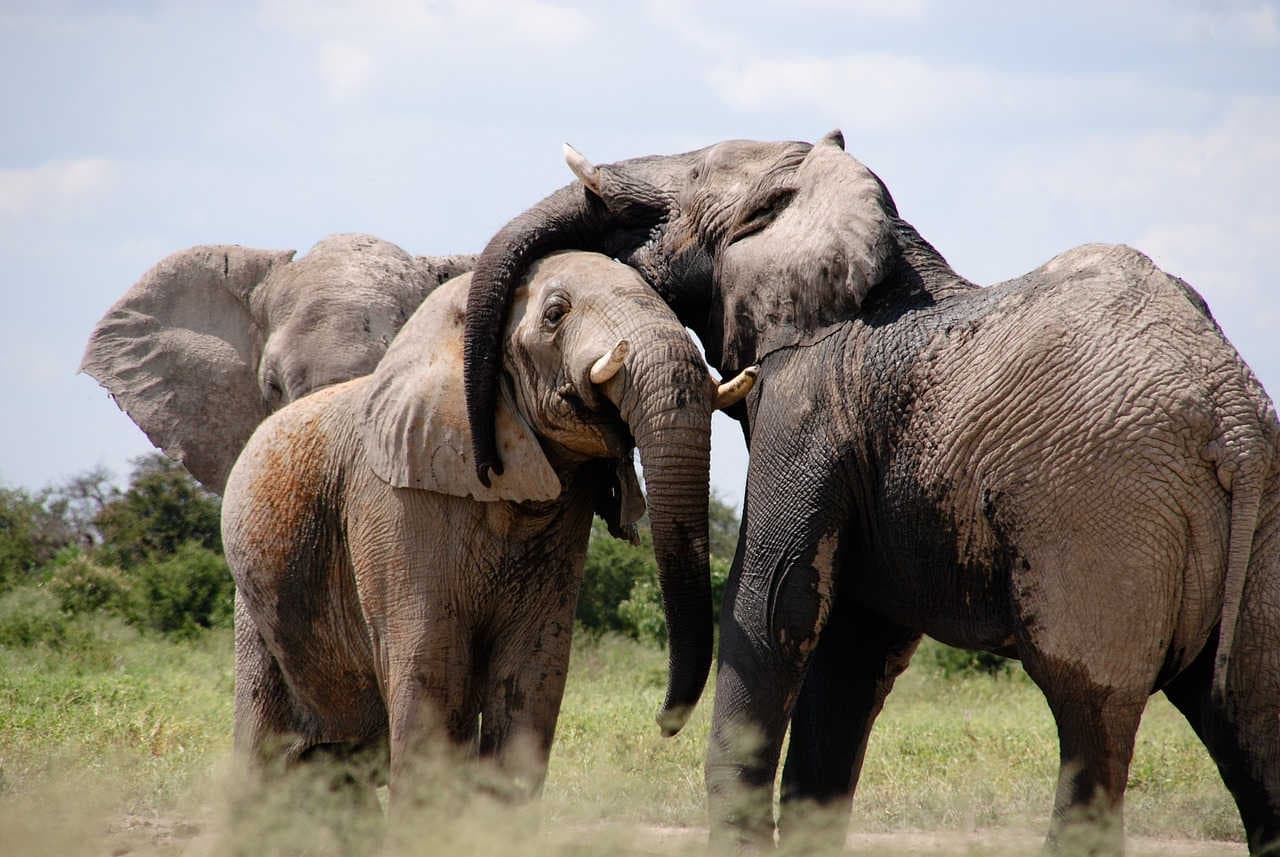
    elefanti socialità

    Studying consciousness in the animal world

    Studying conscious experiences in the animal world is not an easy task: the statement warns of some methodological errors one might encounter. Firstly, the very definition of consciousness requires clarification: it could be interpreted as awareness of the external world, of the self, or awareness of consciousness itself. In this context, the statement emphasises the importance of the definition of consciousness as 'phenomenal', i.e. the idea that animals can have subjective experiences, which include both sensory experiences (of taste, sight, smell, etc.) and experiences of pleasantness or unpleasantness, such as pleasure, pain or fear.
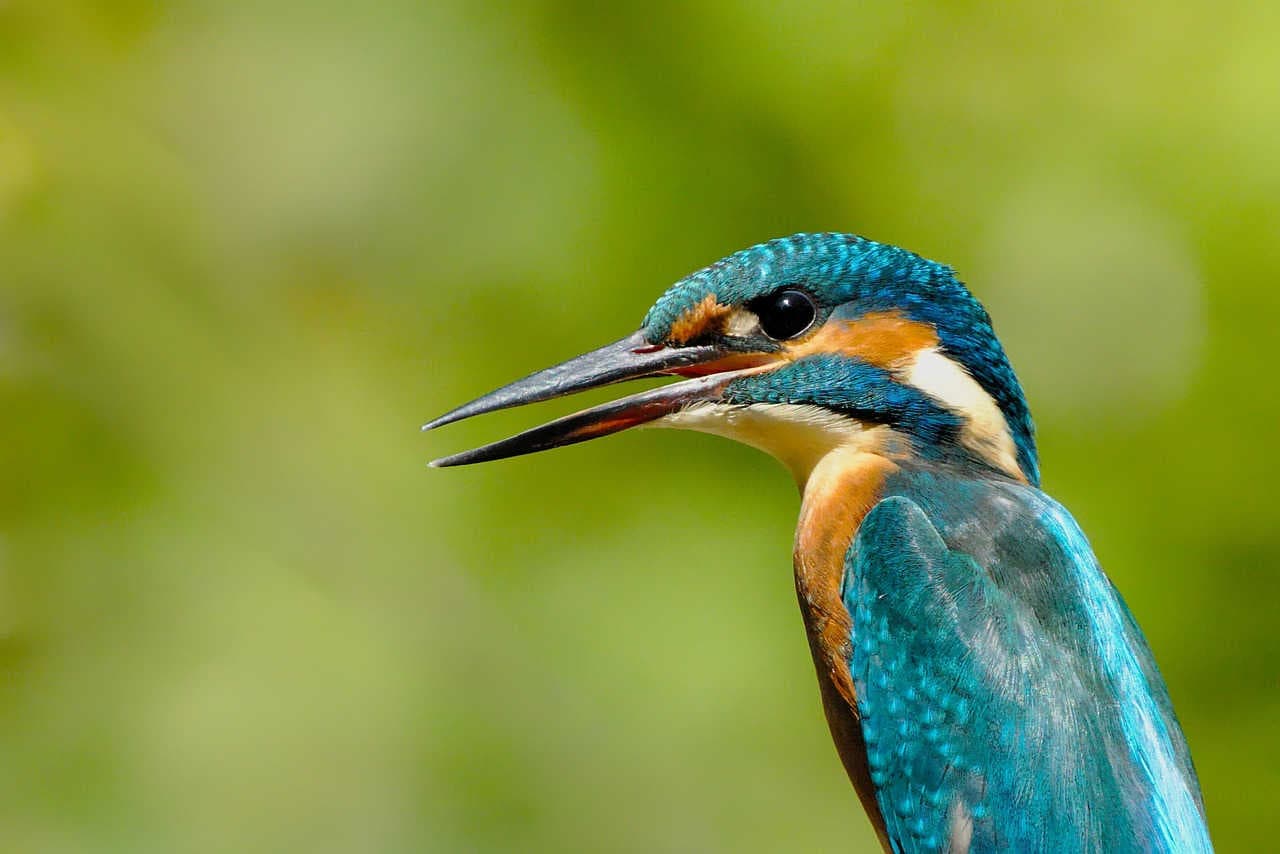
    Martin pescatore
    XNatura

    New perspectives on subjective experiences

    Such subjective experiences require more than just the ability to react to stimuli: phenomenal consciousness is a sensory and/or emotional experience. To varying degrees, it may also involve the ability to perceive one's senses clearly, assess what is pleasurable or unpleasant for oneself, assemble and connect various present sensory information, store it and link it to past sensory information, address it to the future, and have a certain feeling of individuality. Although not comparable to human cognitive activities, behaviours such as learning, memory, planning, problem-solving and self-awareness also deserve to be investigated by science today as signs of consciousness in non-human animals.
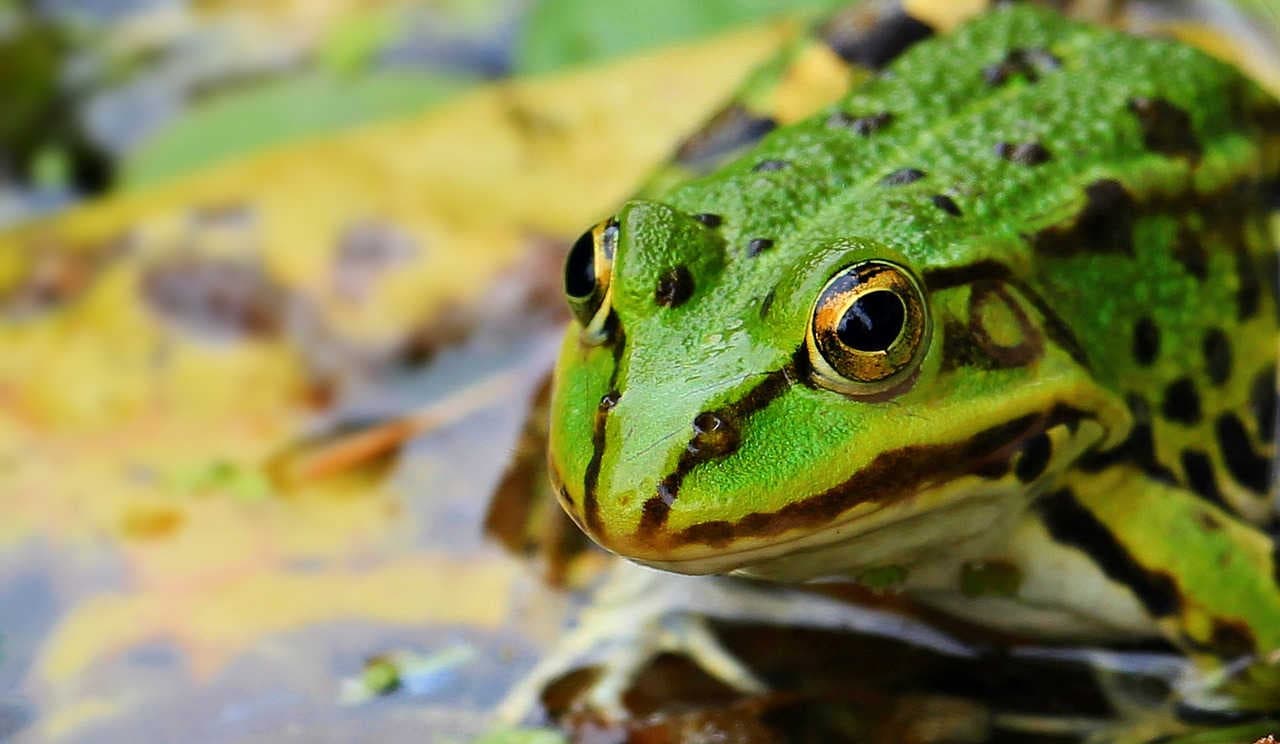
    rana su acqua

    Crows consciously rework what they see

    Several scientific findings confirm the presence of consciousness in mammals and birds. Of great significance is a 2020 study by Science on the ability to transmit information in crows. In the experiment, Andreas Nieder and his collaborators had trained some crows to report their visual experiences to trainers via head gestures. The crows were subjected to three different stimuli: one very bright, one dim and one null, and were subsequently able to communicate the perceived stimulus to the trainers, albeit with a margin of error. By monitoring their brain activity, the researchers found that neuronal activity in the NCL, an area of the birds' brain related to cognition, was activated when the crows had to report the information to the trainer, regardless of whether the stimulus was present or not, suggesting the presence of a subjective, reprocessed visual experience in these animals.
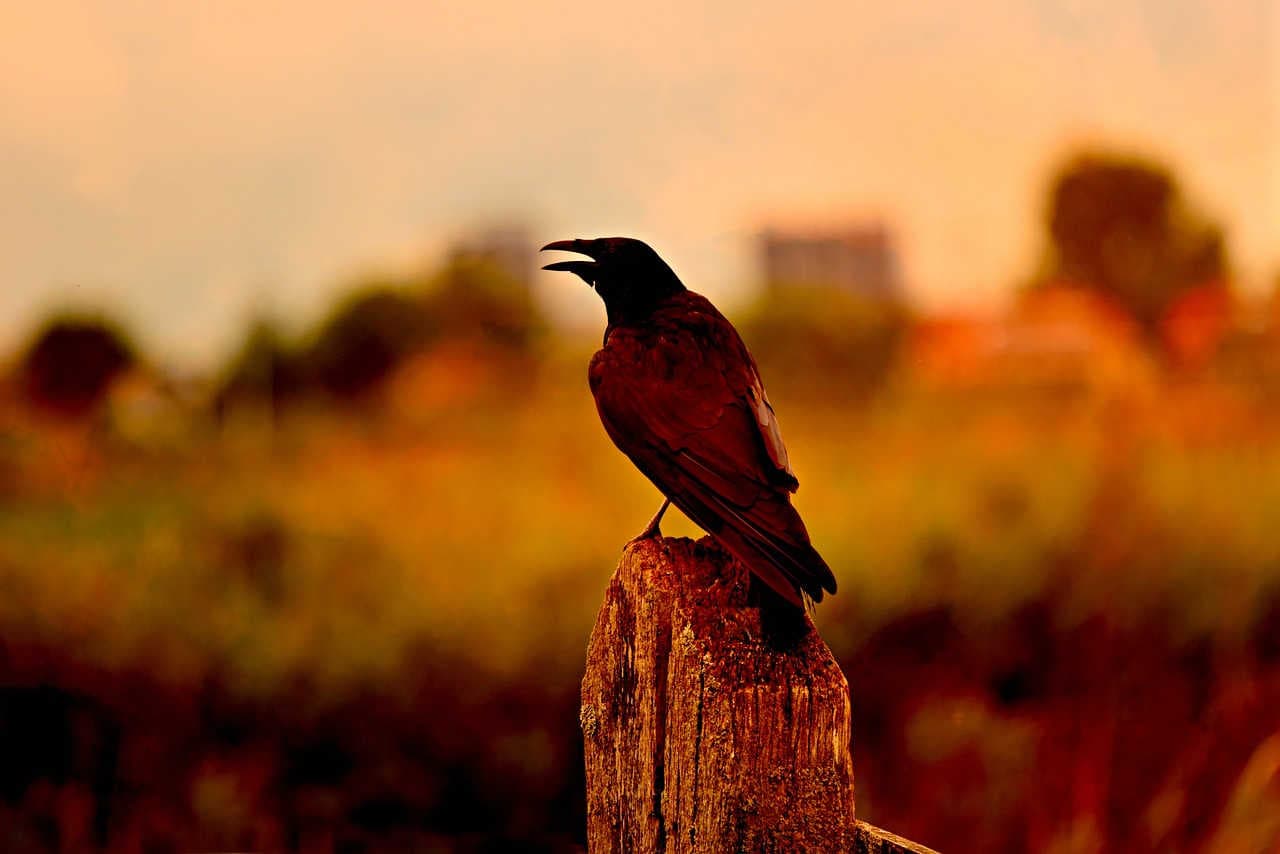
    corvo tramonto
    XNatura

    Consciousness in the invertebrate world

    In addition to mammals and birds, new studies suggest the possibility of conscious experiences in reptiles, fish, amphibians and invertebrates such as cephalopods, crustaceans and insects. Behaviours of curiosity have been observed in turtles, zebra fish and bees. Again, the couple seem to have memories of past events and the freshwater shrimp experience 'anxiety-like' feelings. Further research reveals that some invertebrates, such as the polps, exhibit game-like behaviours. Recent discoveries on bumblebees reveal the incredible behavioural universe of these animals: in addition to learning by observing their peers and exhibiting certain behaviourscooperative, they also seem to manifest playing attitudes. The presence of such behavioural variety and complexity in animals so distant from the human species presents a challenge for future research.
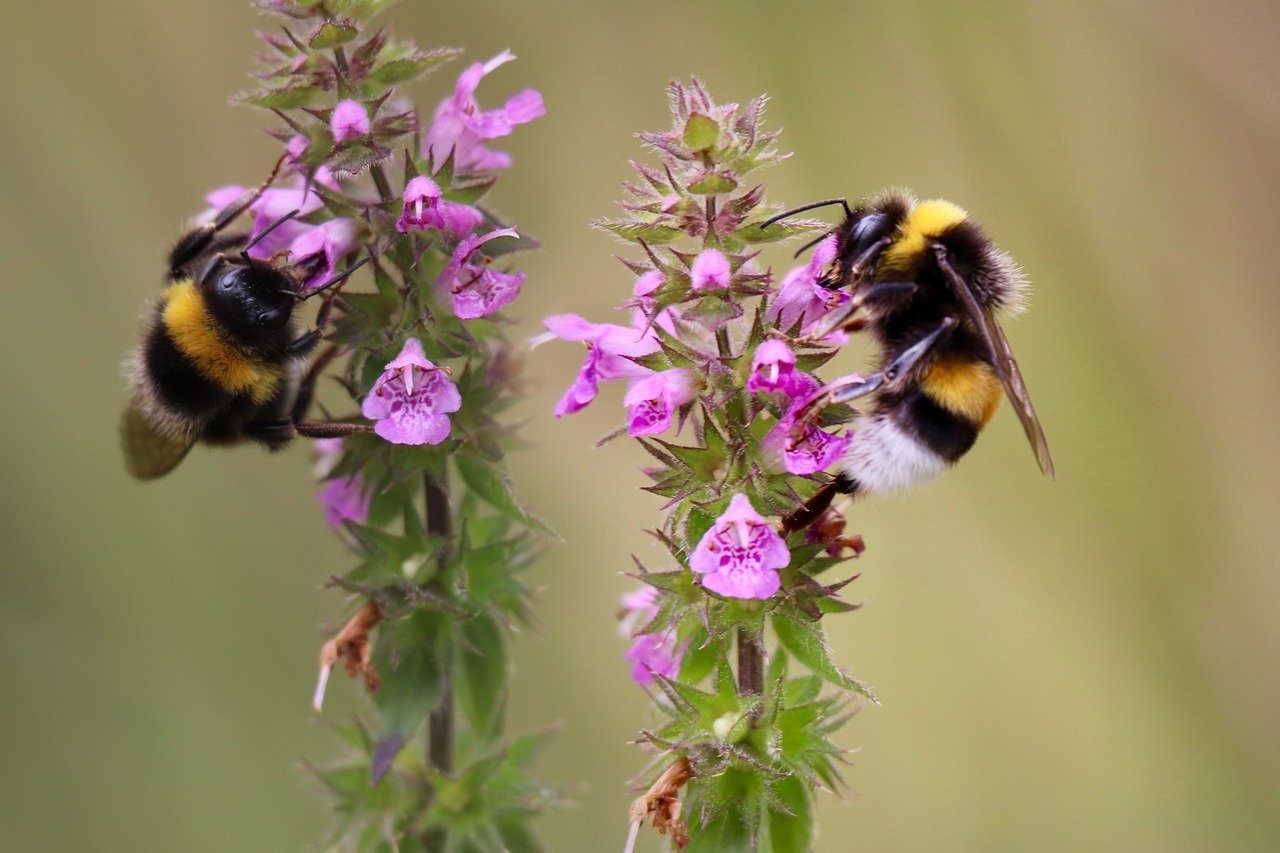
    bombi gioco
    3Bee

    Rethinking animal welfare

    The path to the discovery of animal consciousness is still a long one, and although uncertainties about the nature of consciousness remain, it is important to continue along this path with rigour and systematicity. The New York Declaration is an important step in encouraging further, more conscious research to consolidate a new science of animal consciousness. If the first objective of the declaration is indeed to support and encourage scientific studies in this field, it also intends to show the political and ethical value. Its second objective is to question the issue of animal welfare considering the new scientific evidence: if there is a real possibility that an animal is conscious, this possibility indeed deserves consideration and political action. A recent and pragmatic example is the letter by some of the signatories published on 15 August in Science against octopus farming.
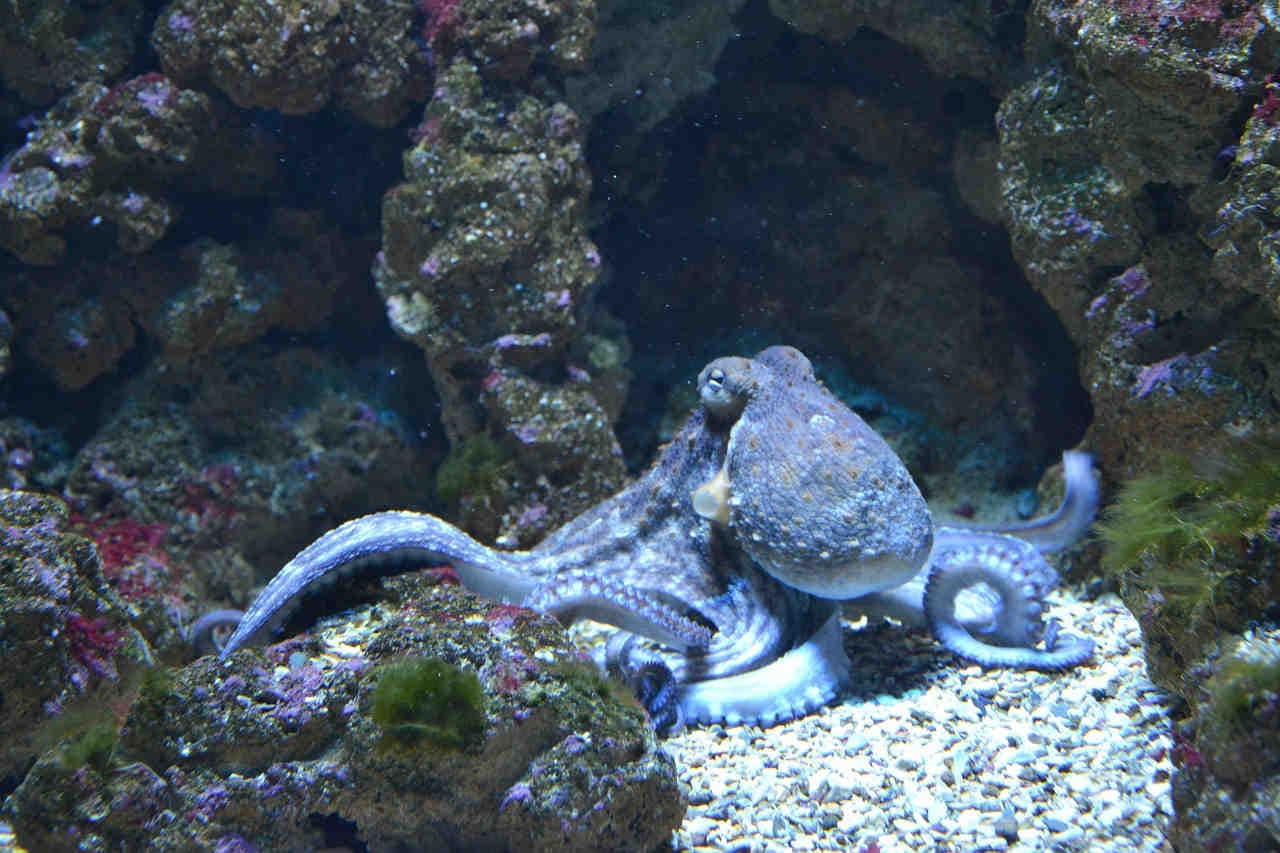
    polpo allevamenti

    A new ethical look at animal consciousness

    The New York Declaration on Animal Consciousness represents a crucial step towards a deeper understanding of the cognitive capacities of animals and their welfare. Recognising that consciousness is not exclusive to human beings requires us to rethink our political and ethical choices, supporting new research for greater protection of non-human living beings. In addition to stepping up efforts to defend biodiversity, the recognition of consciousness in animals paves the way for a review of existing animal protection regulations, promoting stricter laws against cruelty and exploitation and fostering a more responsible ethical approach towards all forms of life.

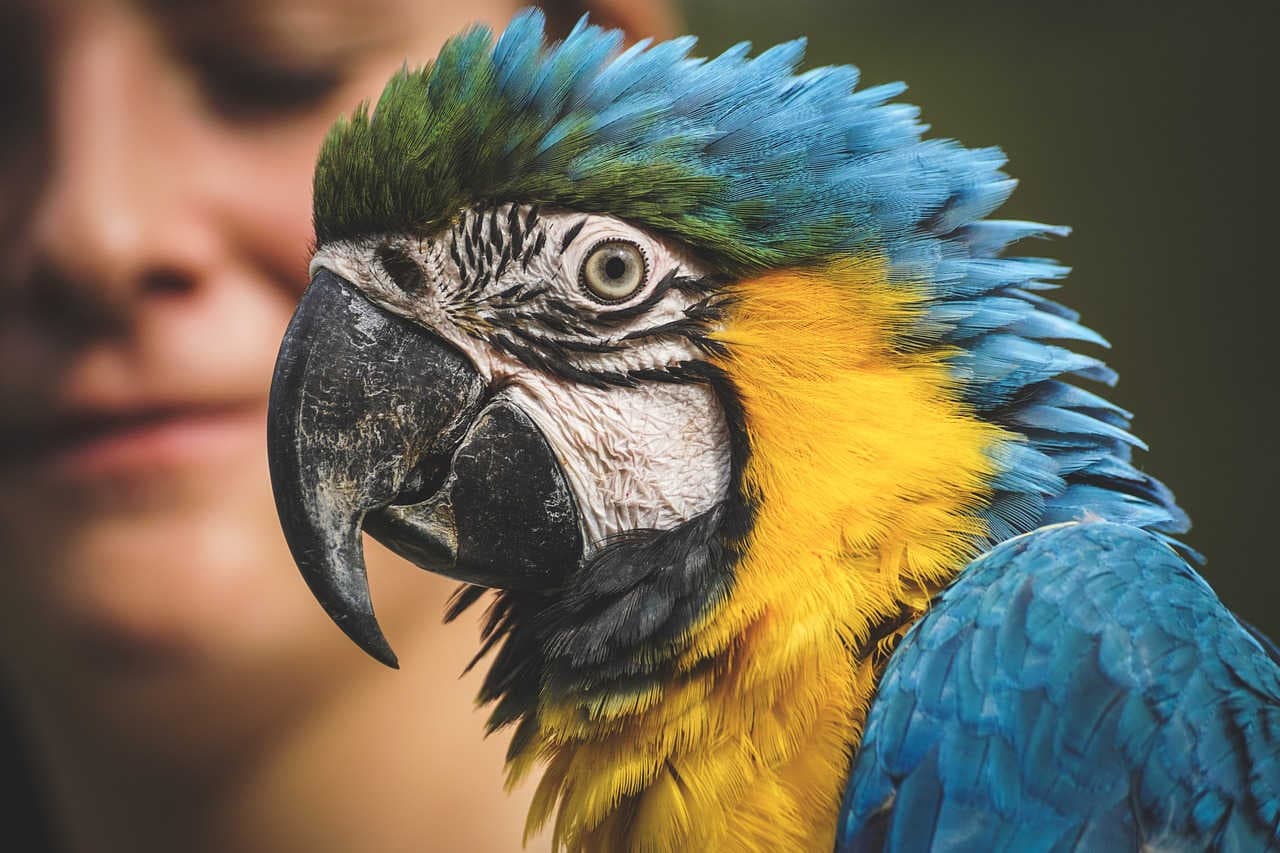
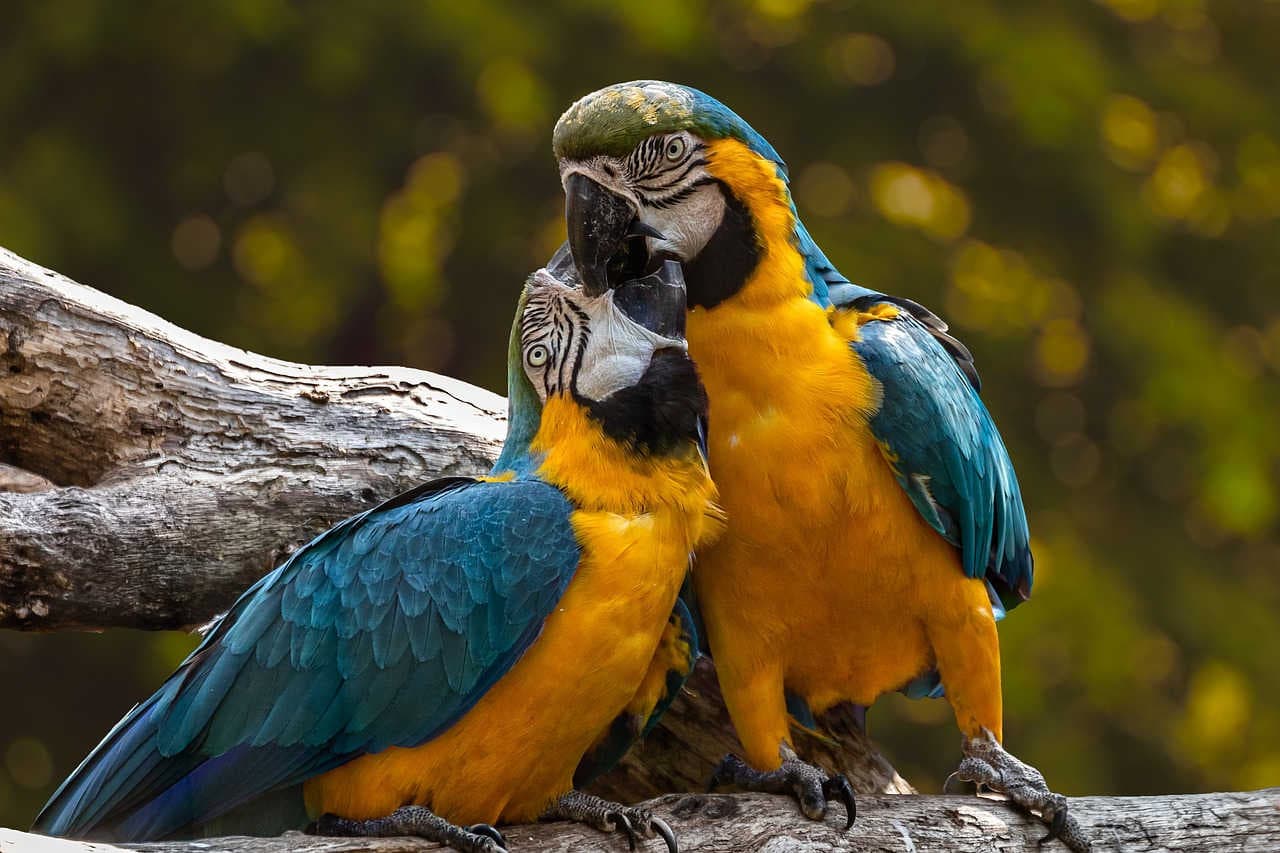
    ara pappagalli
    27/09/2024Of 3Bee, Chiara Pertile
    967 Views
    Newsletter
    newsletter
    Subscribe to the Blog about bees and biodiversity

    Frequently Asked Questions

    Do you have any doubts or other curiosities about this article? Here you will find some insights