Dandelion: benefits, legends and why it is an ally of biodiversity
    DandelionPropertiesPiscialettoSymbology

    Dandelion: benefits, legends and why it is an ally of biodiversity

    Learn about the dandelion (Taraxacum officinale), a perennial plant crucial to biodiversity. Learn about its medicinal and ecological properties, essential role for pollinators and resilience symbolism. Also discover how you can contribute to biodiversity mapping with Biodiversa.

    Read the article
    10/07/2025Of 3Bee, 3Bee
    263 Views
    10/07/2025Of 3Bee, 3Bee
    263 Views

    Dandelion or dandelion: are they the same thing?

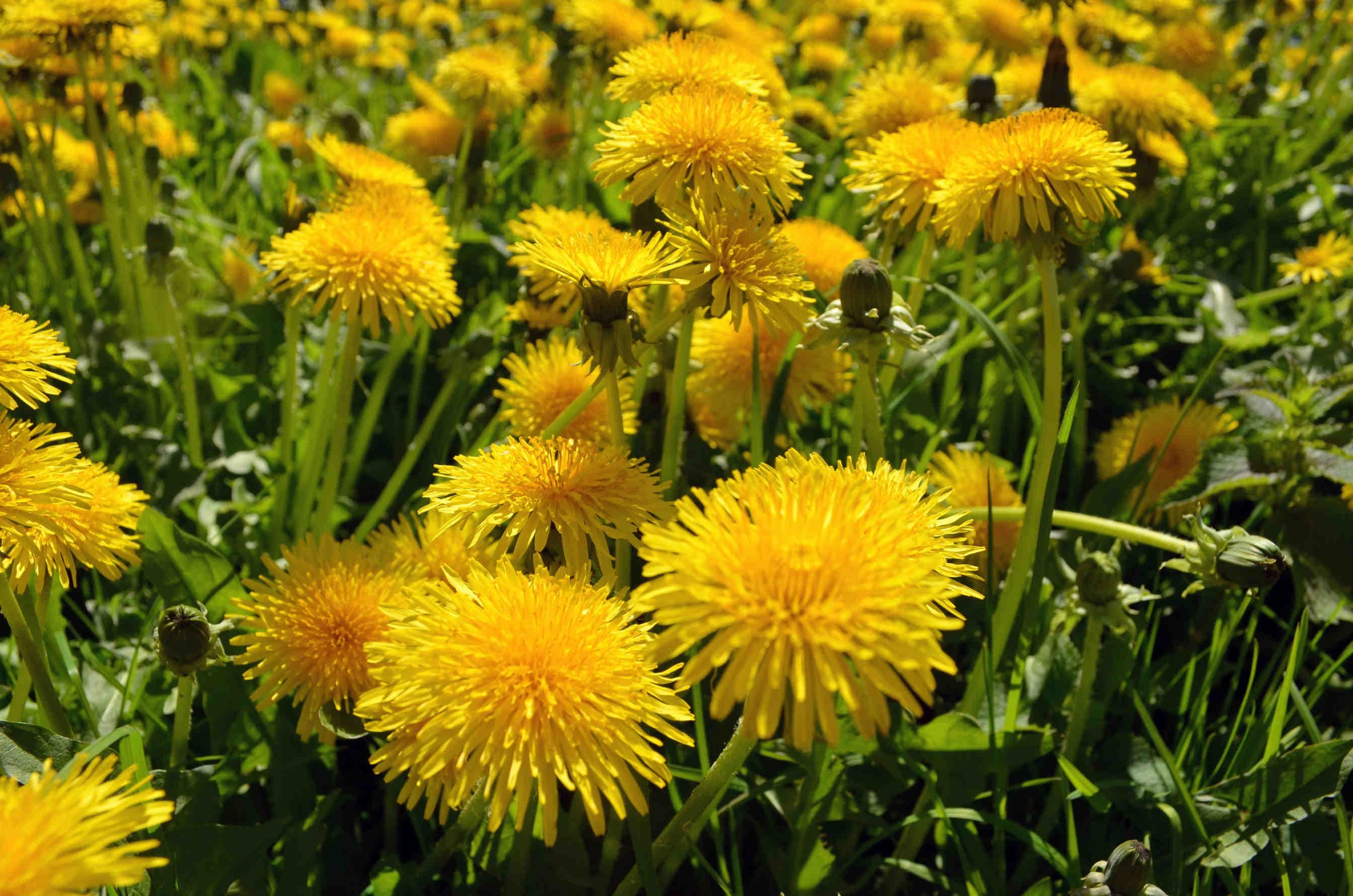
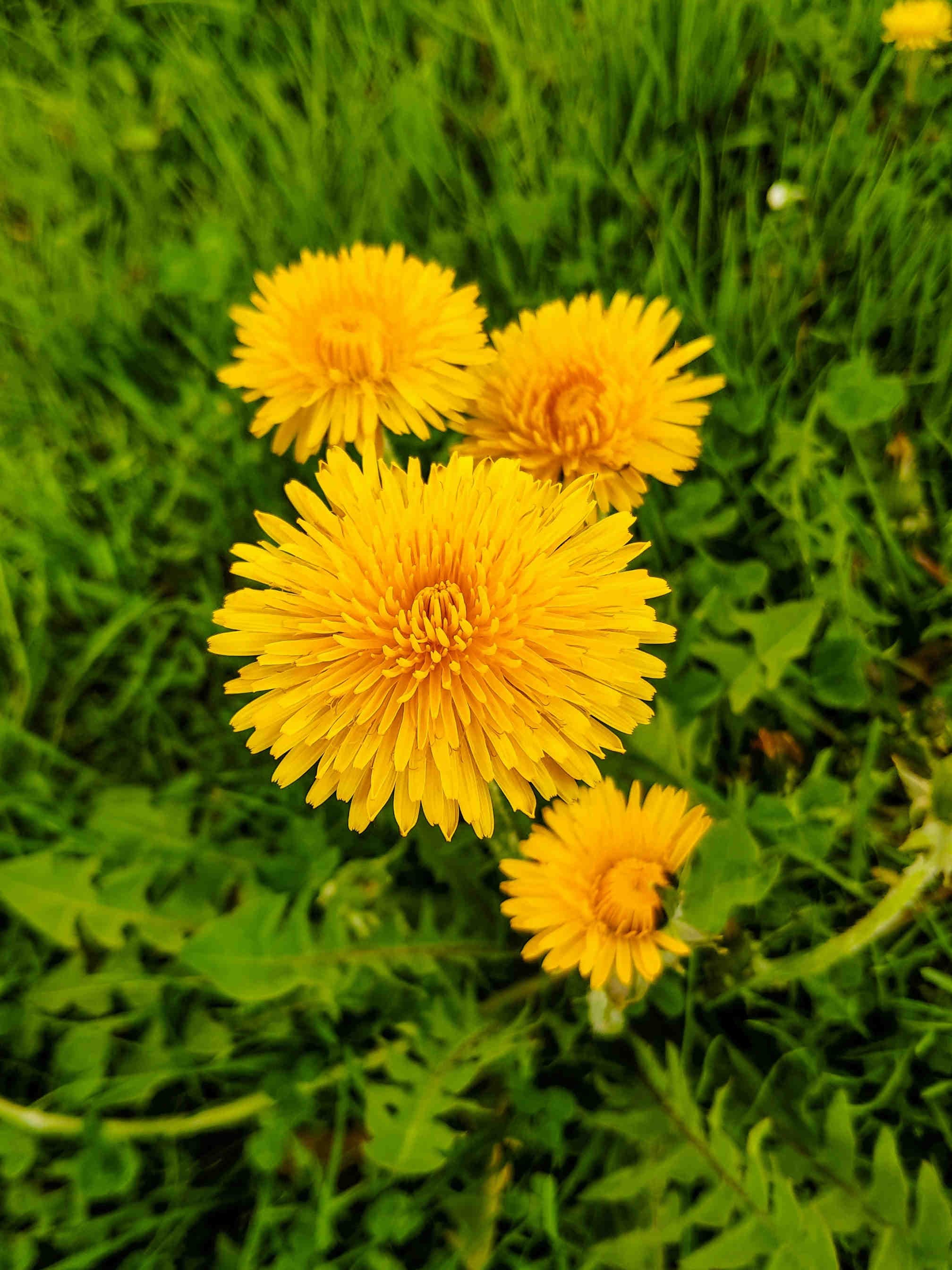
    Many people ask: what is the difference between dandelion and dandelion? Actually, they are the same plant, whose scientific name is Taraxacum officinale. The term 'dandelion' comes from the jagged shape of its leaves, which resemble the sharp teeth of the feline. It is a perennial herbaceous plant belonging to the Asteraceae family, which is widespread in lawns, roadsides and even in cracks in pavements. A bright yellow inflorescence, which then turns into the famous 'dandelion'. But the dandelion is not only beautiful to look at: it is among the first flowers to bloom in spring, and is essential for bees, bumblebees and other pollinating insects. In a world struggling to protect its ecosystems, this plant is a valuable and resilient ally.

    3bee-blog-dente-di-leone-o-tarassaco-sono-la-stessa-cosa

    What is dandelion really good for?

    The dandelion is often cited for its officinal properties: the root is rich in a compound called inulin, the leaves are known for their diuretic effect and the flower has been used in folk medicine for digestive and depurative purposes. However, it is important to emphasise that this information is for information purposes and should in no way replace the advice of a health professional. Taking dandelion infusions or extracts may not be suitable for everyone: those suffering from kidney disease, allergies or taking medication should avoid using them without medical advice. For nature lovers, its greatest value remains its ecological value: dandelion is a vital food resource for insects at a time of year when nectar is still scarce.

    3bee-blog-a-cosa-serve-davvero-il-dente-di-leone
    XNatura

    Why is it called a weenie?

    The nickname 'piscialetto', widespread in many Italian regions, derives from the powerful diuretic reputation this plant has earned over the centuries. The popular name is linked to its traditional use, but today it is important to distinguish between popular belief and scientifically based claims. In fact, the dandelion has many wild names: dandelion, dandelion mouth, mad chicory, dandelion. All these terms tell of an ancient cultural relationship between man and the environment. At a time when we are rediscovering the value of wild species, the dandelion represents a living memory of traditions, dialects and biodiversity.

    3bee-blog-perché-si-chiama-piscialetto

    What does the dandelion symbolise?

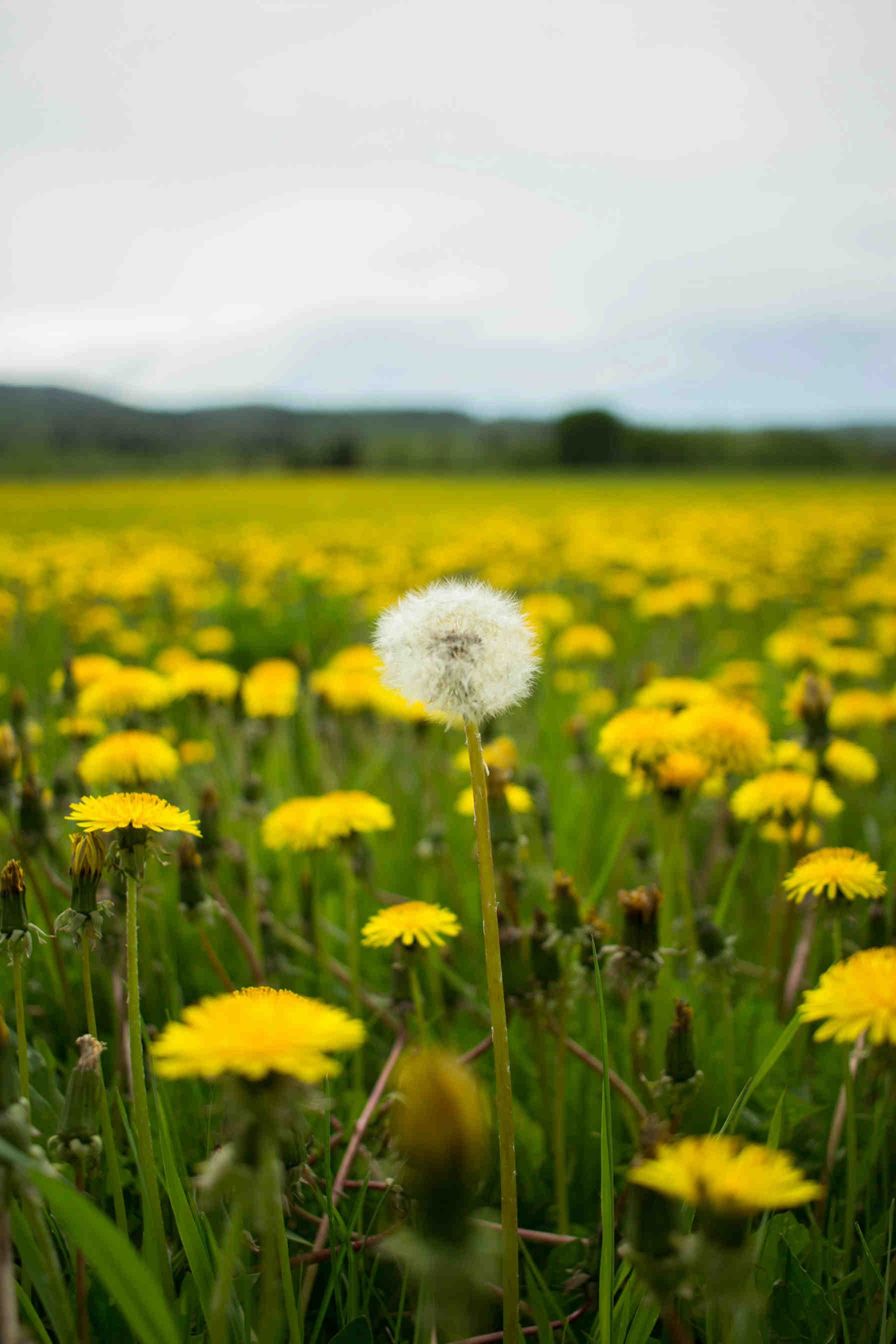
    The dandelion is a symbol of resilience and freedom. Its blowing in the wind has always been associated with the idea of desire, lightness, rebirth. But its symbolism is intertwined with a concrete ecological function: thanks to its seeds carried by the wind, the plant colonises difficult spaces, resisting mowing and concrete. This makes it a spontaneous indicator of urban biodiversity, able to survive where other plants fail. Its flower, on the other hand, is one of the major sources of early nourishment for pollinators, which is why it should always be allowed to grow free in lawns, even in company or school lawns.

    3bee-blog-cosa-simboleggia-il-dente-di-leone
    XNatura

    Discover the dandelion with Biodiversa

    Have you ever tried to observe how many insects visit a single dandelion flower in a few minutes? With the free Biodiversa app, you can do so in a fun and useful way. Every photo you upload, every mission you complete, contributes to a collective mapping of real biodiversity in Italy and Europe. Recognise, photograph and catalogue wild plants such as the dandelion, and discover their role in local habitats. Contribute to science, play as a team and climb the rankings of the most active observers.

    3bee-blog-app-biodiversa
    3Bee
    10/07/2025Of 3Bee, 3Bee
    263 Views
    Newsletter
    newsletter
    Subscribe to the Blog about bees and biodiversity

    Frequently Asked Questions

    Do you have any doubts or other curiosities about this article? Here you will find some insights