Climate change in France: +4°C increase
    PNACC-32023ClimaNational Plan

    Climate change in France: +4°C increase

    2023 was the second warmest year recorded in France since 1900, with an average temperature of 14.4°C. In this context, the 'Third National Climate Change Adaptation Plan' will be activated by summer 2024. Read more about the plan's measures in this article.

    Read the article
    01/02/2024Of 3Bee, Elena Fraccaro
    2585 Views
    01/02/2024Of 3Bee, Elena Fraccaro
    2585 Views

    France and climate: PNACC-3 coming soon

    On 23 January, at the Muséum Nationale d'Histoire Naturelle in Paris, the French Minister of Ecological Transition Christophe Béchu, officially announced the arrival of the 'Third National Climate Change Adaptation Plan' (PNACC-3). The plan will be activated before the beginning of summer and comprises some fifty measures, which aim to counteract the effects of climate change, which are increasingly negatively affecting the French territory, ecosystems and society in general. France is currently unable to adapt to global warming, which is why concrete and urgent action is needed.

    cambiamento climatico

    2023: the hottest year ever recorded, even in France

    2023 was the second hottest year recorded in France since 1900, with an average temperature of 14.4°C. A good +1.4°C compared to the average temperatures calculated in the years between 1991 and 2020. Last year, temperatures reached extremely high levels around the world, as evidenced by the Copernicus Climate Change Service (C3S), which monitored a number of climate indicators during 2023, showing that 2023 was the hottest year ever recorded in the world, far exceeding 2016. For the first time, every day of the year reached a temperature at least one degree above pre-industrial times. Last year, in fact, France was characterised by mild weather in both autumn and winter, when an anomalous 'winter heat wave' was recorded: proof that France, as well as many other EU countries, is experiencing a major acceleration of global warming.

    riscaldamento globale
    XNatura

    France at +4°C: what to expect?

    The future of France in terms of climate is as follows: +2 degrees are expected in 2030, +2.7 degrees in 2050 and +4 degrees in 2100. According to Ecological Transition Minister Christophe Béchu we must focus on adaptation and 'overcome the denial phase'. The same Ministry of Ecological Transition released a map showing temperature trends in France and comparing current temperatures with those in other cities around the world. It is predicted that by 2100 Lille will have the same climate as Bilbao and Toulouse will have that of Valencia, Spain. Increasingly frequent and intense heat waves will occur. The drought will also worsen, with very low river levels and water shortages, not to mention the consequences for agriculture and biodiversity. Snowfall will be drastically reduced in spring, both in the Pyrenees and the Alps. Finally, the risk of flooding will increase.

    effetti cambiamento climatico

    What the National Climate Plan in France envisages

    In light of these predictions, France is working on PNACC-3, the national climate change adaptation plan. The Minister of Ecological Transition announced that the plan will be published by the summer, after being submitted for public consultation. It will include sections on the economy, agriculture, infrastructure, the environment, but also health, on which the effects of climate change strongly impact. There will be various changes of a regulatory nature, covering aspects such as the adaptation of working conditions to extreme heat, or the adaptation of water and energy networks, offices, schools, houses (and others) to high temperatures, with the aim that these continue to function efficiently. A plan based on adaptation, to protect people and society, protect the environment and biodiversity, but also make the economy more resilient.

    PNACC-3
    XNatura

    3Bee oases to combat climate change

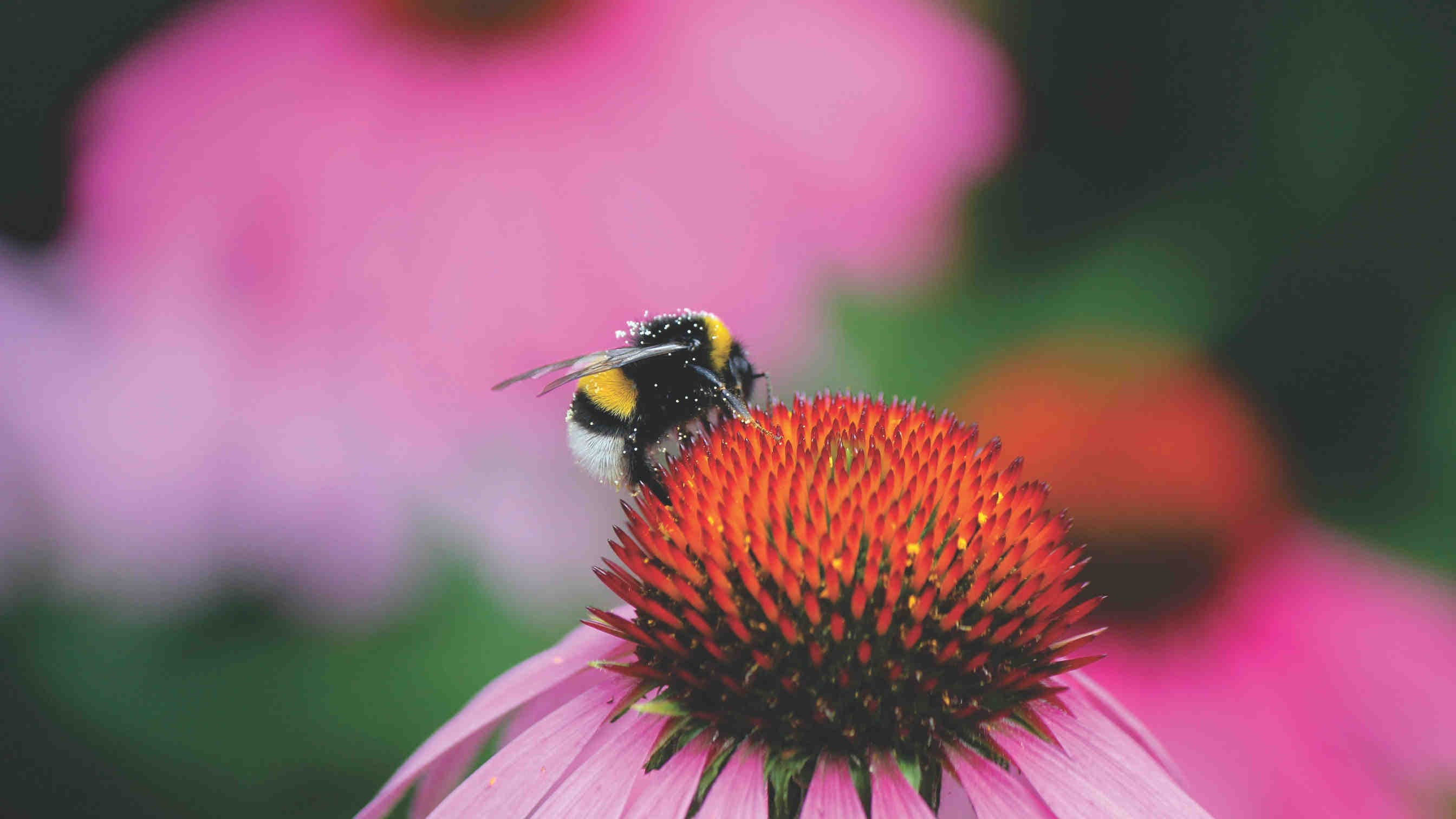
    The effects of climate change negatively impact biodiversity and the pollinating insects, such as bees, bumblebees and butterflies. These insects are crucial: without them, many plants would lose the valuable pollination service that is essential for their reproduction. The interruption of this union would result in a serious loss of biodiversity at multiple levels that would affect plants, pollinators and all organisms connected to the entire trophic chain. For this reason, it is crucial to promote projects such as the Biodiversity Oases of 3Bee, which help maintain pollinator populations by providing them with nutritional resources. Places where technology and nature come together, to monitor the health of the area. Another positive effect is the mitigation of climate change: in the city, having more greenery helps to reduce heat islands, reducing peak temperatures and making the air cleaner. Want to know more?

    bombo
    3Bee
    01/02/2024Of 3Bee, Elena Fraccaro
    2585 Views
    Newsletter
    newsletter
    Subscribe to the Blog about bees and biodiversity

    Frequently Asked Questions

    Do you have any doubts or other curiosities about this article? Here you will find some insights