Which plants to use
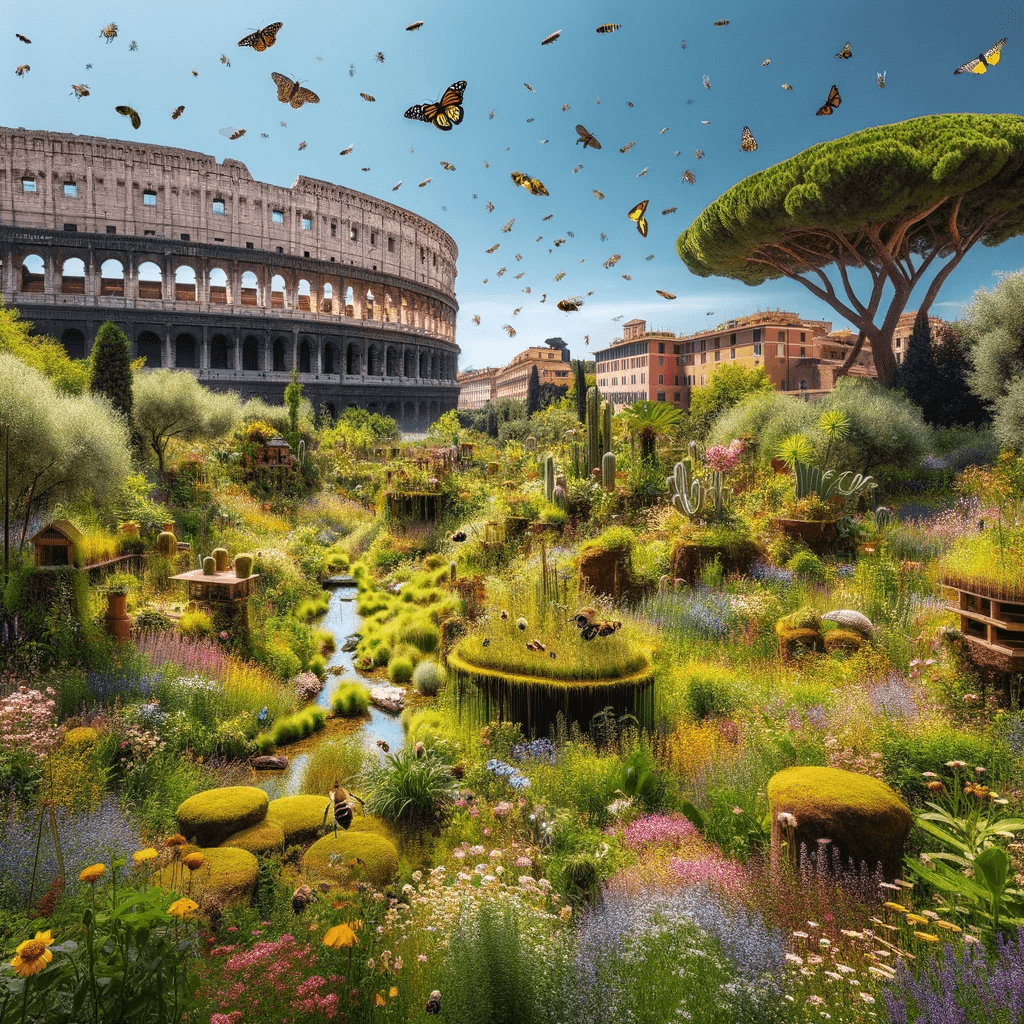
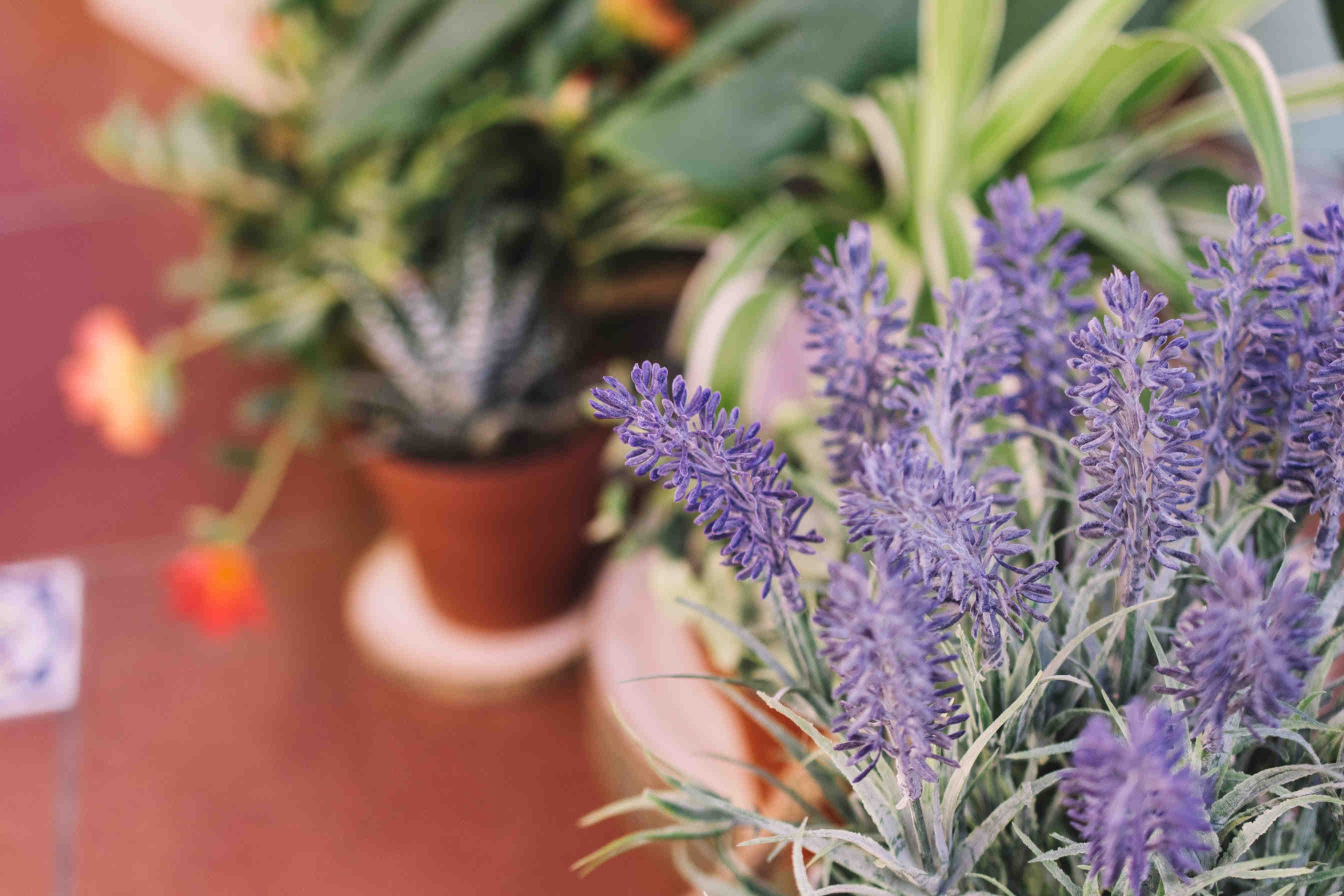
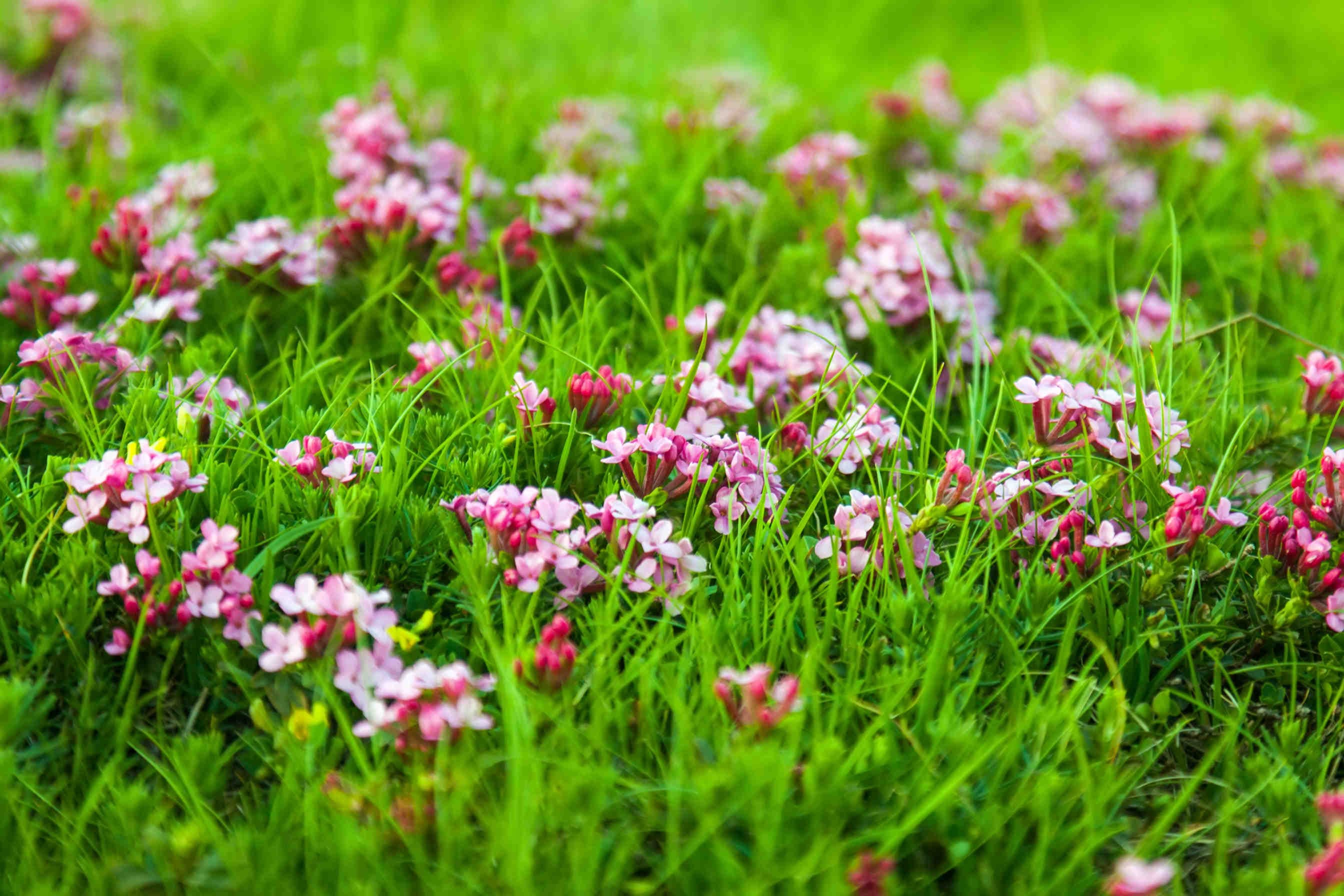
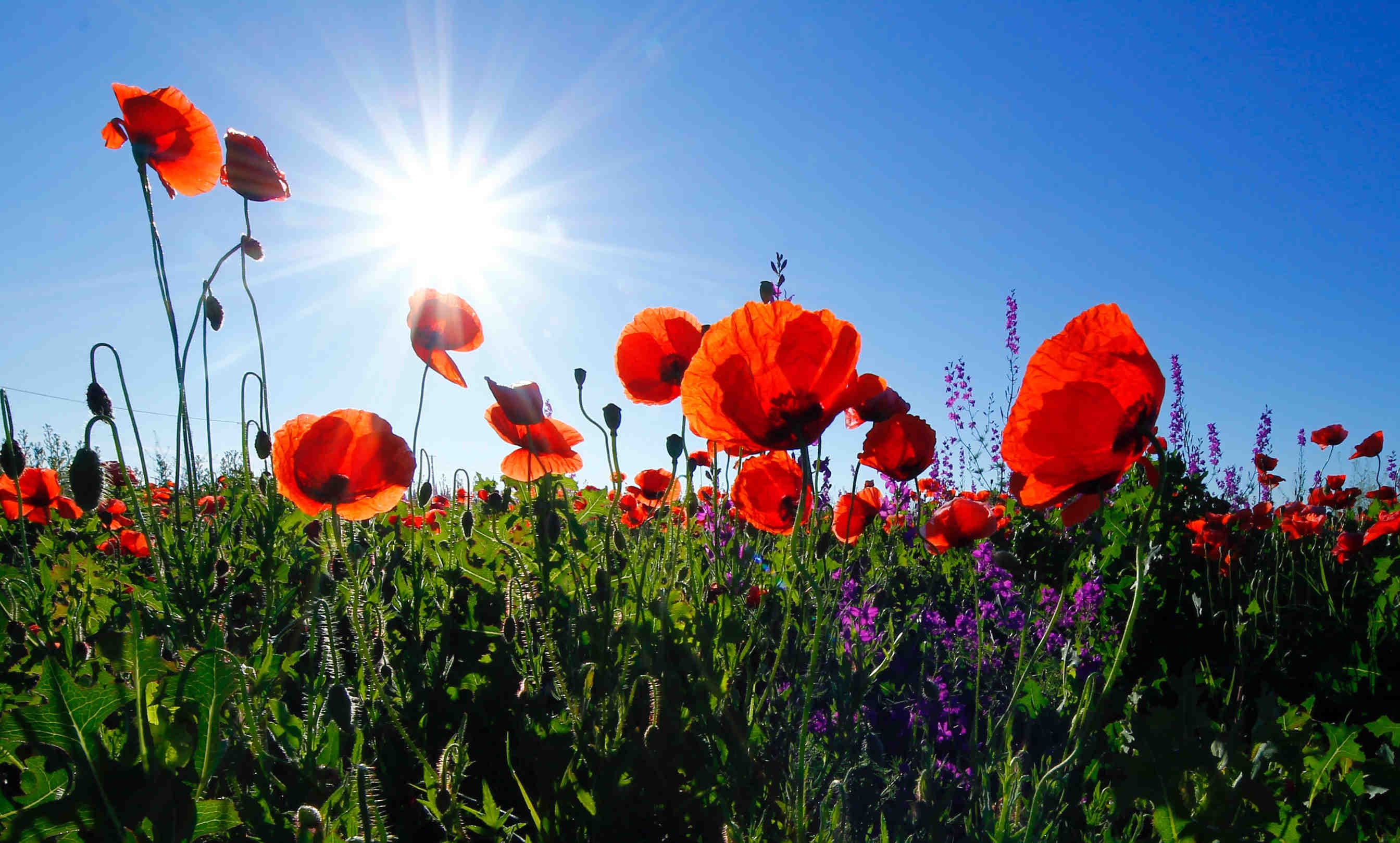
The plants to be preferred are those nectariferous/polliniferous, i.e., able to produce a high quantity of nectar and pollen, essential food for adults and larvae. Here we can employ annual or perennial herbaceous plants, such as poppies, climbers, such as ivy, arbustives, such as rosemary, and large trees such as chestnut. The important thing is diversification: having flowers of different colours, sizes and shapes to allow all pollinators to feed. In fact, many wild bees are specialists, that is, they are only able to feed on one or limited species of plants. Ensuring that everyone has the opportunity to find nourishing resources is therefore crucial to avoid the extinction of certain species. Another aspect to evaluate is the flowering period. Some pollinators are active as early as March, while others are only active in late summer. It is therefore important to plant plants with scalar flowering that alternate during the various periods of the year.