The three levels of biodiversity
Disclaimer: this is an automated translation from Italian. Go to the original article.
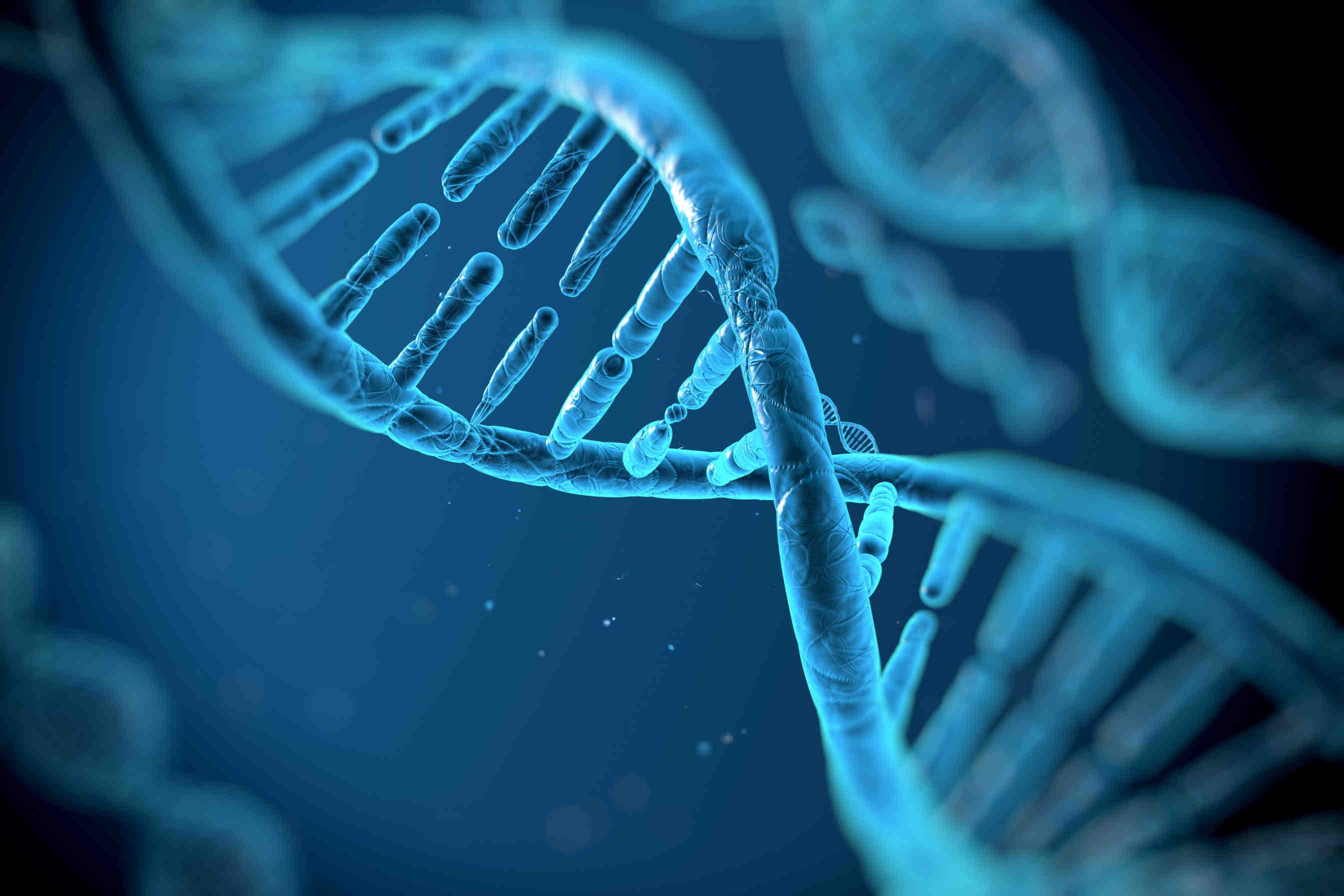
Genetic diversity is a key concept that expresses the variety of genes within a population or species. Learn why it is essential for the survival of species, what the consequences of its lack are and what strategies exist to conserve genetic diversity.
Read the articleDisclaimer: this is an automated translation from Italian. Go to the original article.
The genetic diversity can be defined as the variety of

Genetic
The genetic variability of individual species is as important as the diversity of species within an ecosystem and allows populations to adapt to environmental changes. To understand this better, we must remember that
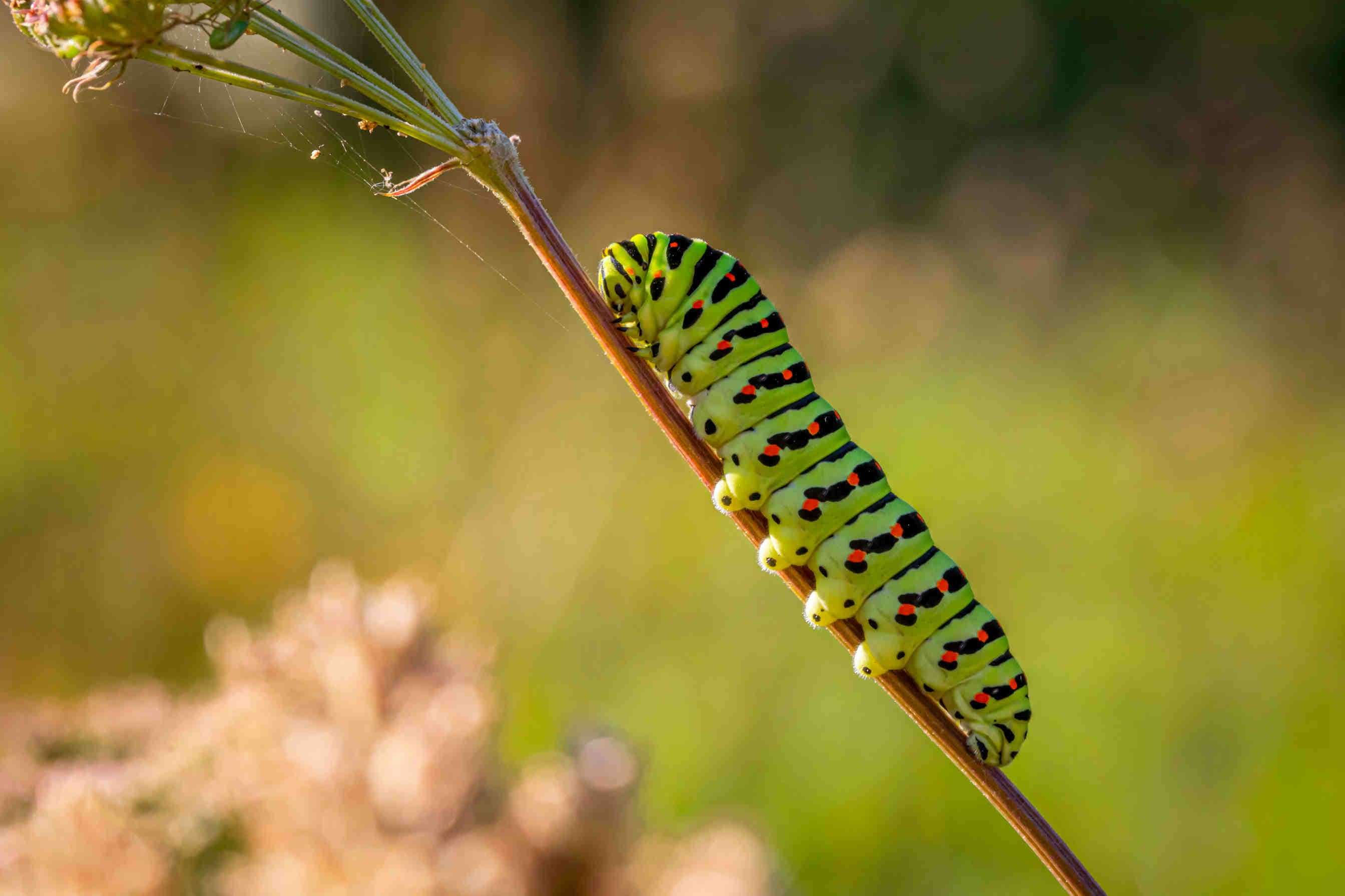

Without


A well-known example is the development of pesticide resistance in insect populations. When only a few individuals possess genetic variants that confer resistance, these survive pesticide use and reproduce, leading to a resistant population. The bottleneck effect is another example of loss of genetic diversity, occurring in Lord Howe's stick insect populations (which we discussed here), a relative of the leaf insects whose natural reduction in numbers has drastically limited their genetic variability, compromising their adaptability and thus necessitating special strategies to enable their survival and repopulation. Very small populations are more vulnerable to genetic drift, which reduces the survivability of the population or the species as a whole.
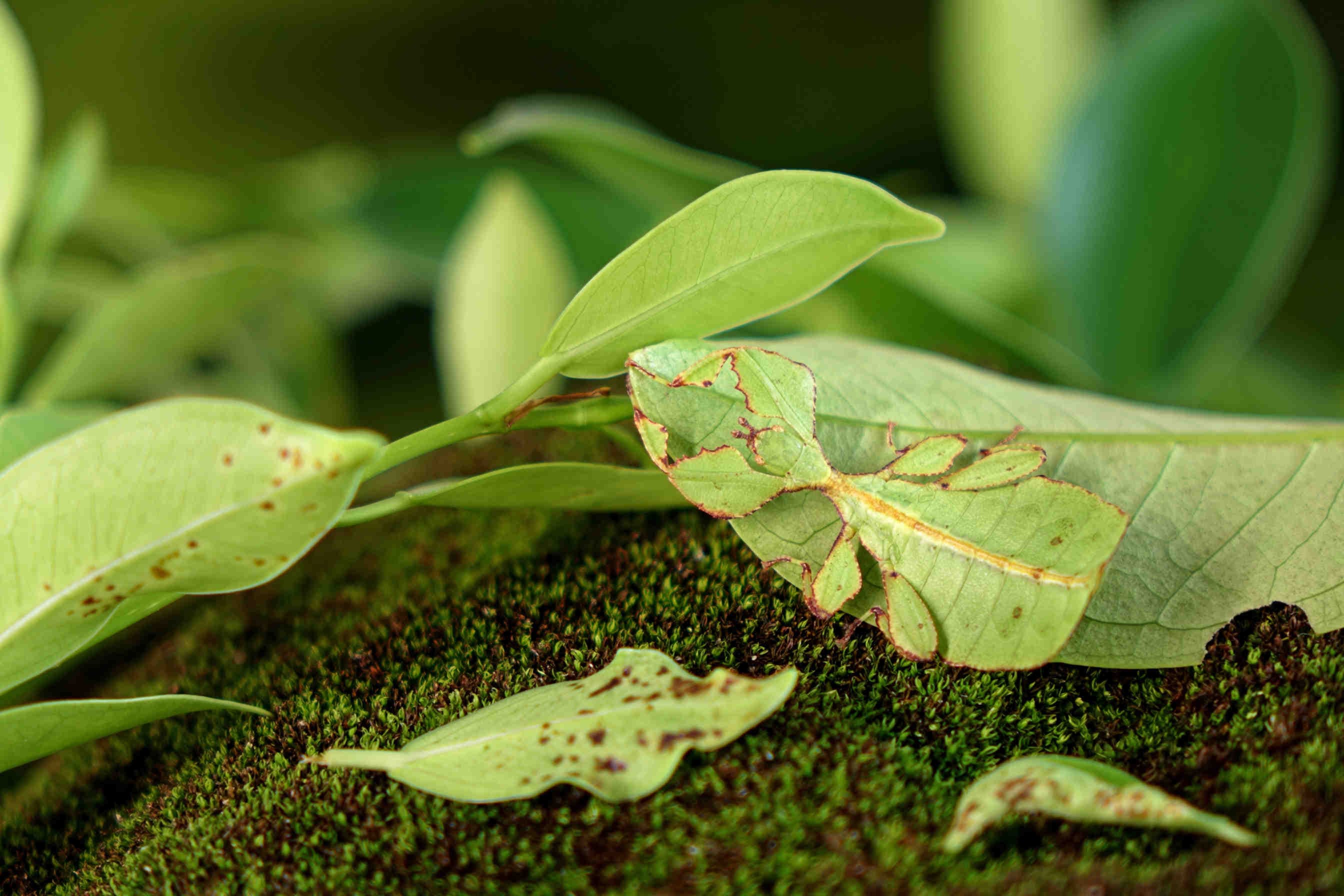
The genetic drift occurs when, in a small population, the frequency of certain
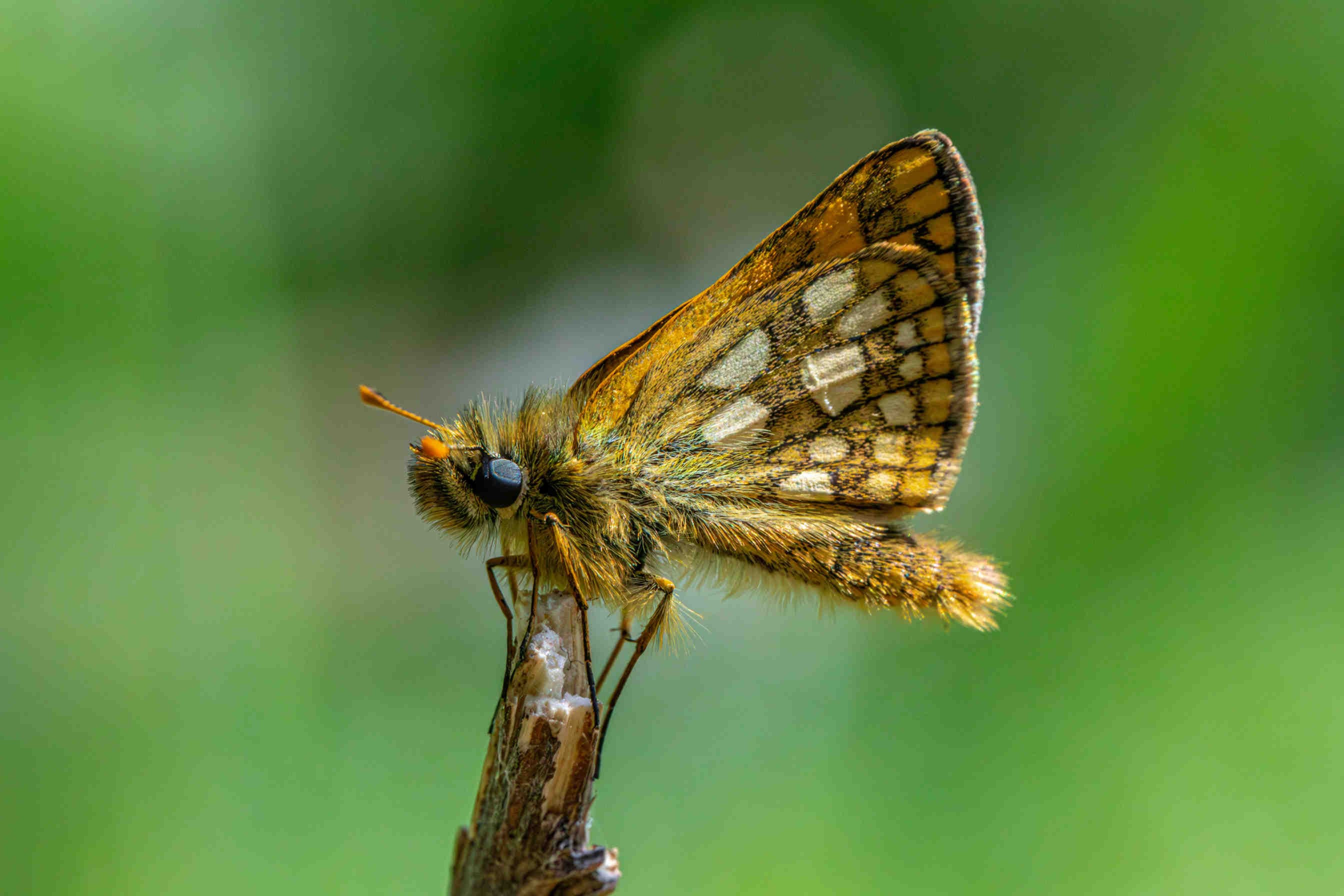
The conservation of genetic diversity requires
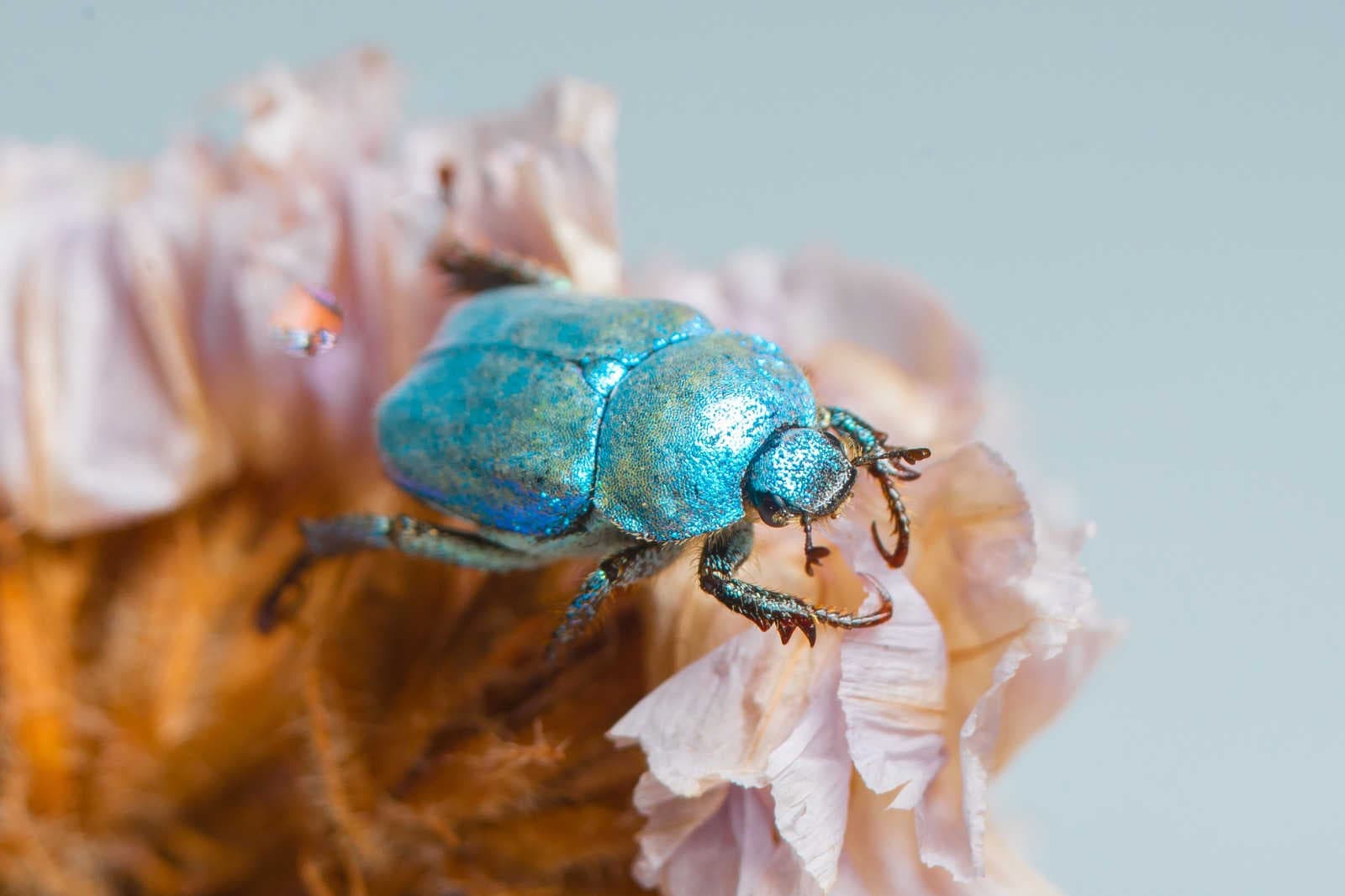
Genetic

Do you have any doubts or other curiosities about this article? Here you will find some insights