Biodiversity loss: the global analysis on the impact of human activities
    BiodiversityLossImplicationsHuman impact

    Biodiversity loss: the global analysis on the impact of human activities

    A global analysis has highlighted how human activities are causing a drastic loss of biodiversity in all ecosystems of the planet. The result underscores the urgency of adopting concrete measures to protect life on Earth. Find out more in this article.

    Read the article
    28/03/2025Of 3Bee, Angelina Tortora
    215 Views
    28/03/2025Of 3Bee, Angelina Tortora
    215 Views

    Biodiversity loss: study on human impact

    Disclaimer: this is an automated translation from Italian. Go to the original article.

    Humans are the main drivers of global biodiversity loss, according to a synthesis of over 2,000 studies. The research, conducted by experts from the Swiss Federal Institute of Aquatic Science and Technology (Eawag) and the University of Zurich, leaves little doubt about the devastating effects of human activities on Earth. The study published in Nature, which analyzed nearly 100,000 sites worldwide, found that human actions have had “unprecedented effects on biodiversity”. Florian Altermatt, a professor of aquatic ecology at the University of Zurich and head of Eawag, stated: “This is one of the most comprehensive syntheses ever conducted on the impacts of humans on global biodiversity".
    Perdita di biodiversità: studio su scala globale

    The main causes of biodiversity loss

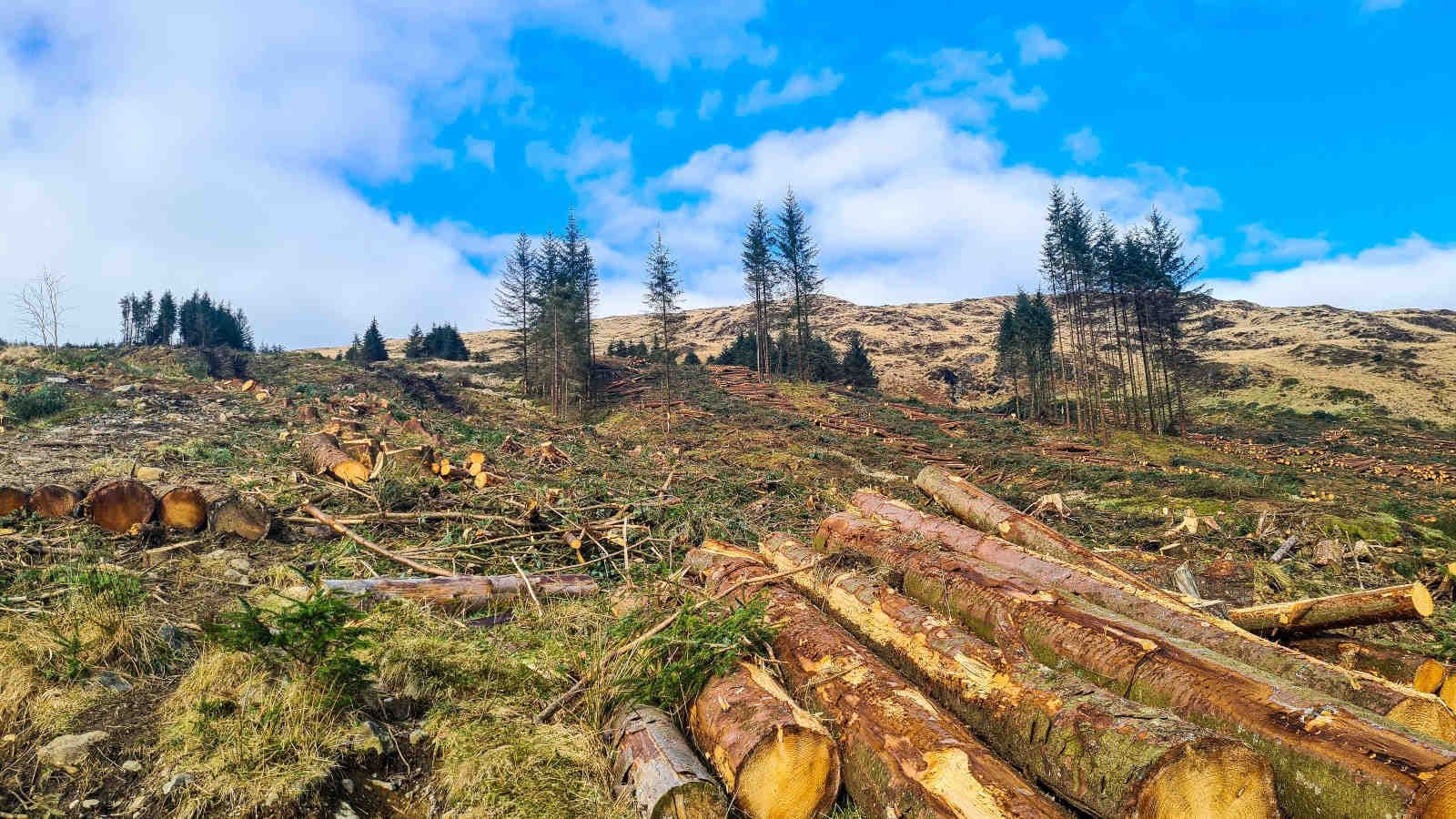
    The main causes of biodiversity loss include habitat alteration, resource exploitation, climate change, the introduction of invasive species, and pollution. In particular, the use of pesticides and fertilizers in agriculture has had significant negative effects on biodiversity. Among the most affected groups are reptiles, amphibians, and mammals, whose decline is particularly marked. These findings highlight the urgent need to implement effective conservation strategies. To preserve global biodiversity, it is necessary to protect and restore natural habitats, regulate the use of chemicals in agriculture, and identify ways to address the causes of climate change.

    Le principali cause della perdita di biodiversità
    XNatura

    Loss of biodiversity: economic and social implications

    The study examined five factors of decline: direct exploitation of resources (e.g. fishing, hunting), climate change, habitat changes, pollution and invasive species. Furthermore, it showed that all five factors have had a strong impact on biodiversity at a global level, in all ecosystems and groups of organisms. The loss of biodiversity is not only an environmental issue but also has economic and social implications. Healthy ecosystems provide essential services, like water purification, pollination, and climate regulation. Their degradation can thus negatively affect agriculture, food security, and human health.

    Implicazioni economiche e sociali

    Loss of biodiversity and human impact: causes and effects

    Despite the overall impact of human activity on biodiversity being negative, some uncertainties remain. For example, the effect of human activities on fauna varies by geographic area, as does the degree to which biodiversity is homogenized. Before this study, such a comprehensive synthesis work had never been attempted, gathering and analyzing global research on human impact on all groups of organisms. François Keck, one of the study's authors, emphasized that it is not only the number of species that is decreasing, but also the composition of biological communities. In some mountainous areas, for instance, specialized high-altitude plants are being replaced by species typical of lower altitudes, a phenomenon known as the "elevator to extinction". In this case, diversity decreases even while the total number of species remains unchanged, as high-altitude plants have no other habitats to adapt to.

    Perdita di biodiversità e impatto umano
    XNatura

    A turning point in biodiversity conservation

    This study marks a fundamental turning point: for the first time, an attempt has been made on such a large scale to combine the results of thousands of global studies in order to fully understand the impact of human activities on every group of organisms. The analysis serves as a crucial reference for developing more effective conservation strategies capable of addressing one of the most urgent environmental challenges of our time. Furthermore, it highlights the profound and widespread influence of human activities on terrestrial biodiversity. It is essential that governments, the scientific community, and civil society unite efforts to develop and implement policies aimed at the protection of our planet's biological wealth, thus ensuring a sustainable future for the new generations.

    Un appello in tutela di biodiversità per il futuro
    3Bee

    3Bee's expansion into international markets

    This article was created as part of the "Biodiversity services EU expansion" project (CUP: E43D22000480009) under the call of Regione Lombardia "PR FESR 2021-2027 – LINEA INTERNAZIONALIZZAZIONE 21-27", aimed at supporting the internationalization of Italian companies. 3Bee is the naturetech company that develops innovative technologies for monitoring, protecting, and regenerating biodiversity, supporting companies in defining customized climate strategies based on the analysis of their impacts and dependencies on nature. With a consolidated portfolio in Italy, Germany, and France and significant partnerships, 3Bee continues its expansion in international markets to create a concrete impact through technology.

    28/03/2025Of 3Bee, Angelina Tortora
    215 Views
    Newsletter
    newsletter
    Subscribe to the Blog about bees and biodiversity

    Frequently Asked Questions

    Do you have any doubts or other curiosities about this article? Here you will find some insights