Vermocane: the sea worm that threatens our seas
    VermocaneInvasionPower supplyReproduction

    Vermocane: the sea worm that threatens our seas

    The vermocane is a species that has become invasive and is threatening the biodiversity of the Mediterranean Sea. The proliferation of specimens in the seas of southern Italy is one of the impacts of the climate crisis on the marine ecosystem. Find out more in this article.

    Read the article
    03/06/2024Of 3Bee, Lisa Santillo
    2899 Views
    03/06/2024Of 3Bee, Lisa Santillo
    2899 Views

    Vermocane: characteristics, spread and risks to humans

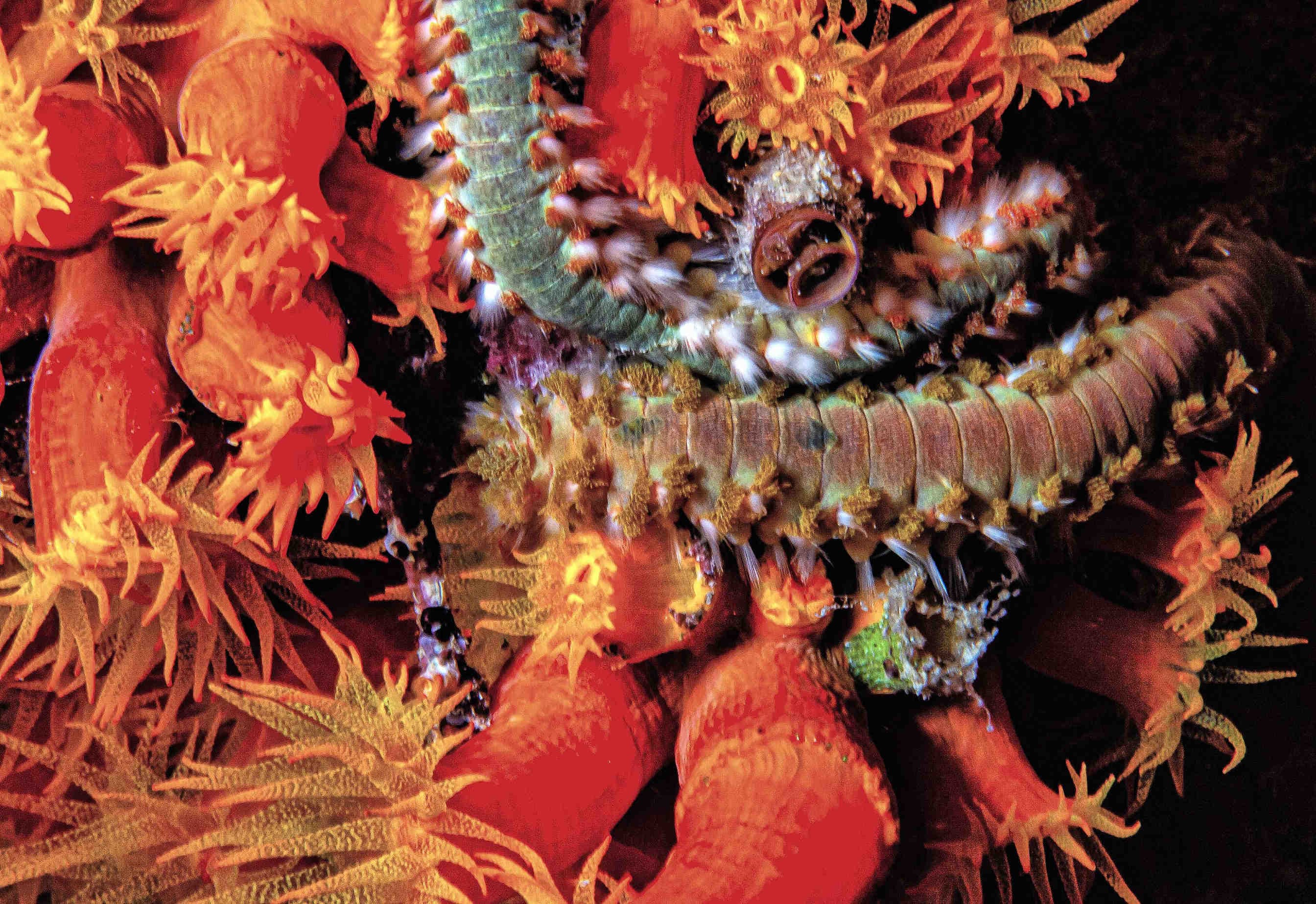
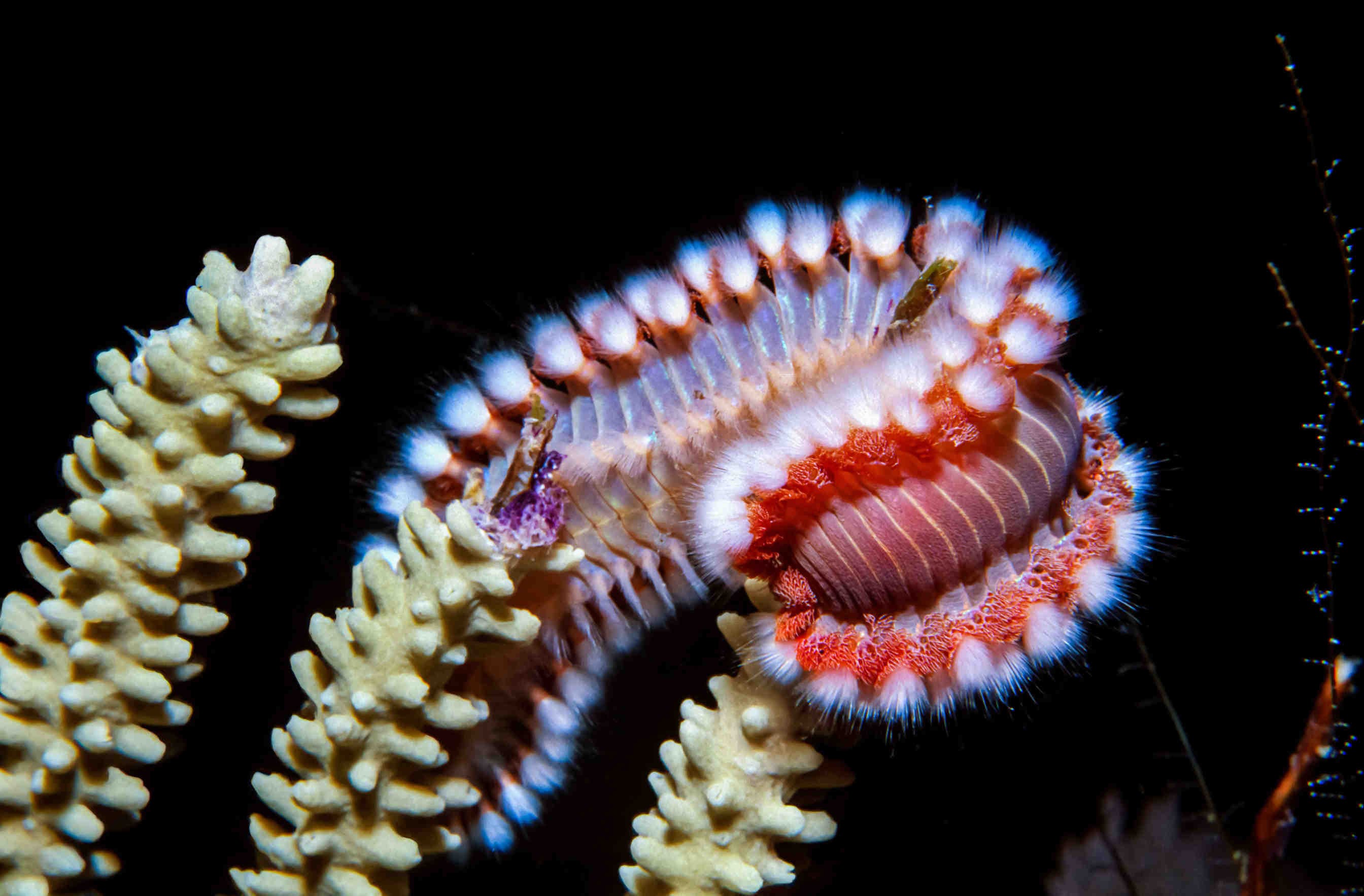
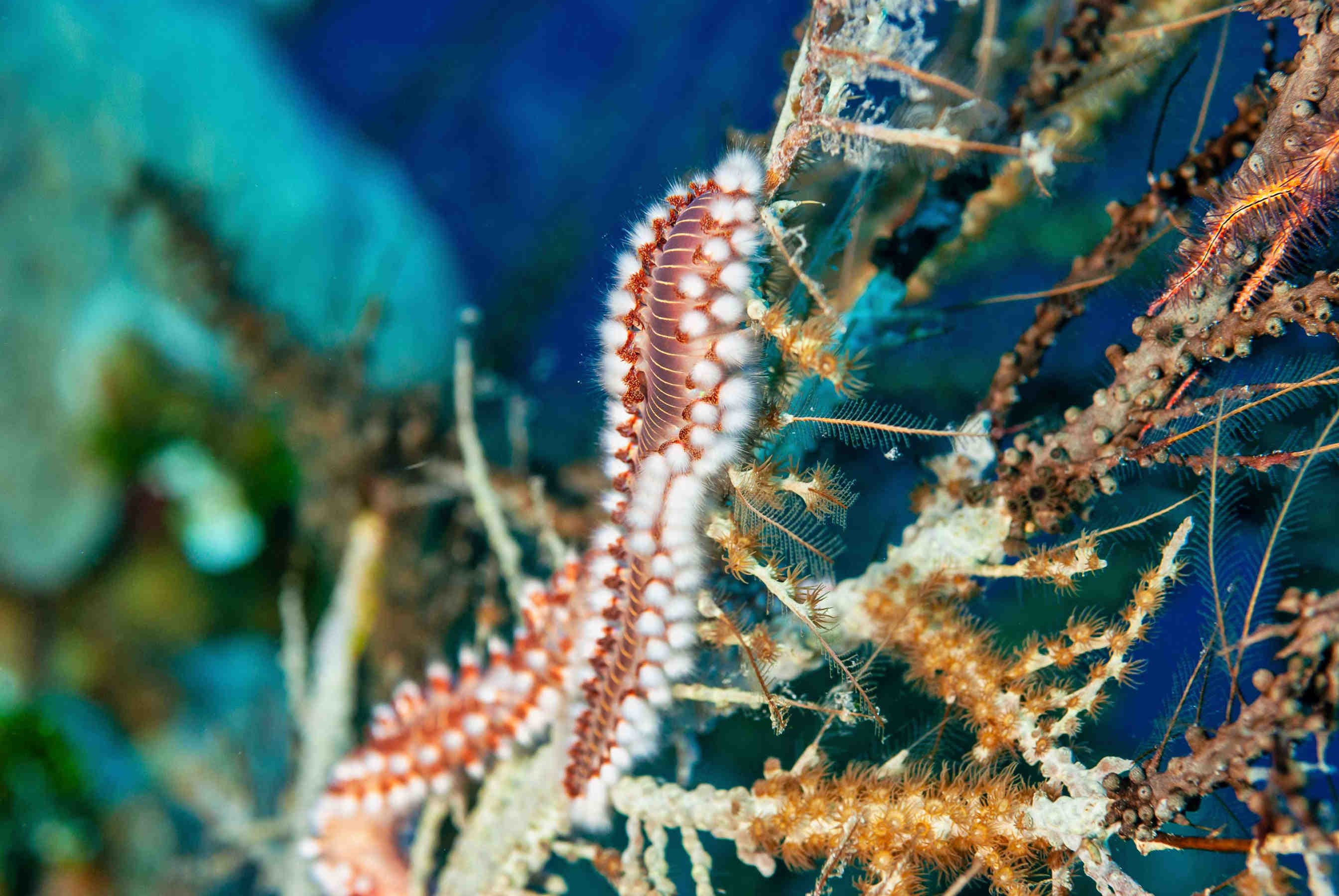
    As per the definition of the National Institute of Oceanography and Experimental Geophysics, "the Hermodice carunculata, commonly known as worm or fireworm, is a marine worm, more precisely a polychaete. It is a carnivorous species, mainly found on rocky seabeds but can also be found on sand and in Posidonia oceanica meadows." With an average length of between 20 and 30 centimetres and eye-catching bright colours, the worm-like specimens have bodies covered in bristles that contain urticant toxins. If touched by humans, therefore, they can cause burning, irritation, oedema and numbness. This species appeared around 1800 in the Gulf of Catania and has therefore long been present in the Mediterranean Sea, but in recent times, probably due to the warming of the waters, the number of worm-eels is increasing considerably.
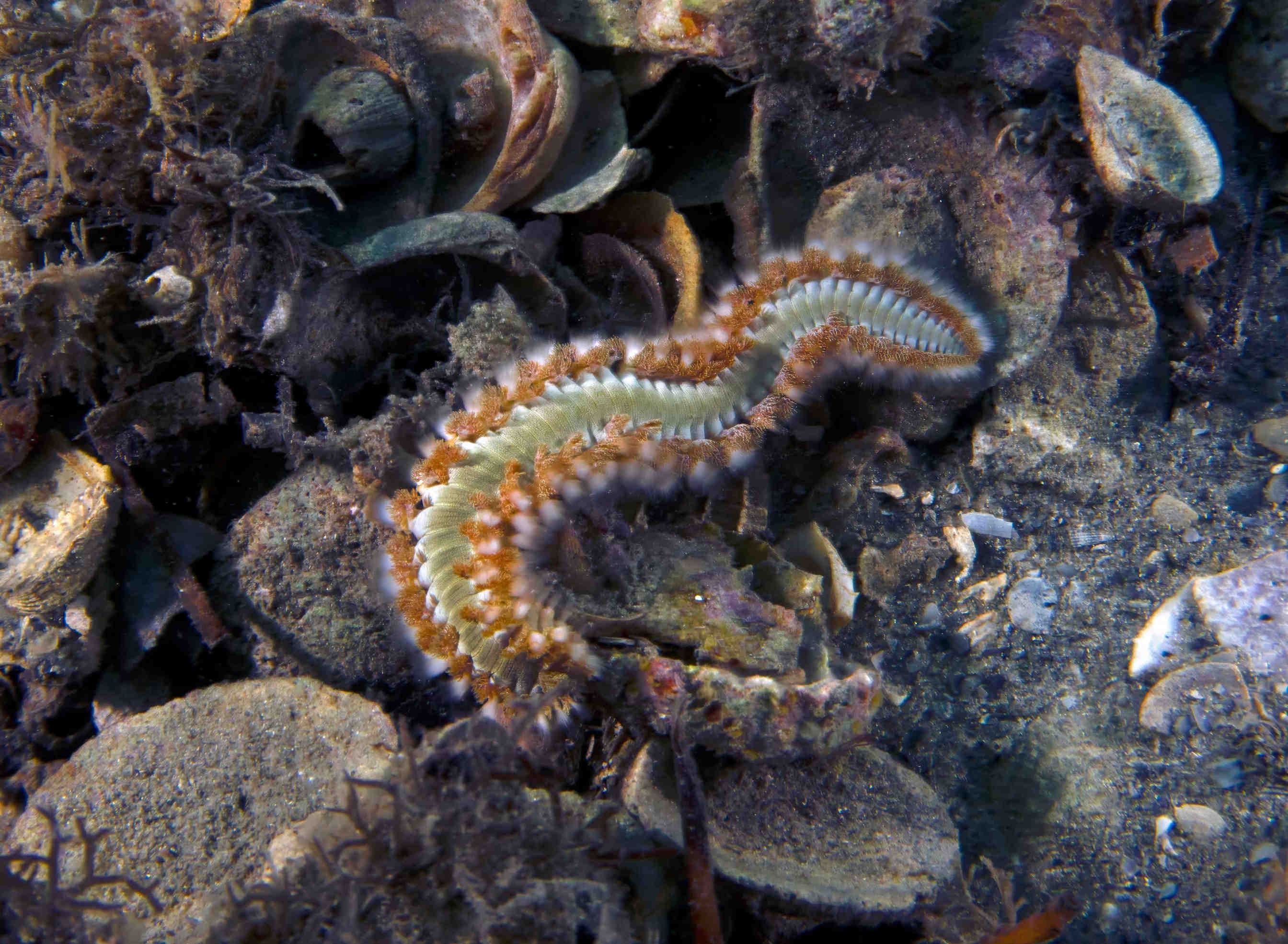
    Hermocide carunculata

    Worm invasion in the Mediterranean Sea

    The increase in specimens of the vermocane in the Mediterranean Sea has earned them the title of an invasive species: this is causing quite a few problems, especially in fisheries. The invasive behaviour assumed by the worm in the waters of Sicily, Calabria, Apulia and Campania leads to specimens getting stuck in fishermen's nets and fishing gear more and more frequently. A real threat to fishing: the vermocane worms not only get entangled in the nets, but also devour all the fish caught between the meshes, entering through the eyes and burrowing inside the fish's body. Their presence has also recently been detected on reefs and on shore, alarming bathers in tourist resorts in southern Italy. The continued expansion of this species will cause different environmental changes, with major consequences that could potentially also affect biodiversity.

    vermocane
    XNatura

    Vermocane: feeding and mating

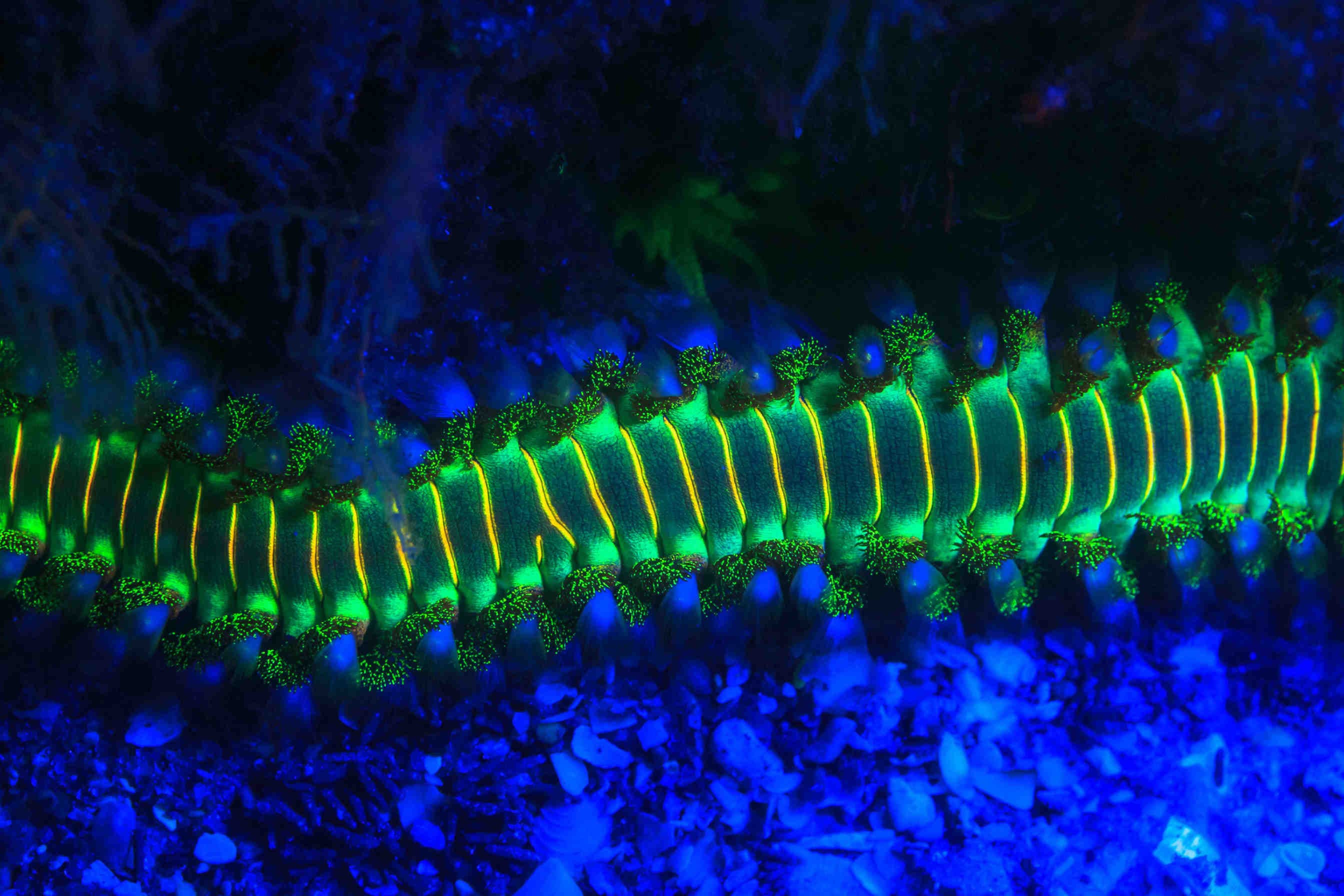
    Vermin are voracious predators that feed on corals, anemones and small crustaceans. Specifically, they tend to ingest corals starting from the apical part, removing the coral tissue directly from the calcareous skeletal structure. They usually spend five to ten minutes on the apex of each coral branch: after the feast, the 'preyed branches' are easily visible due to the characteristic white colour of the calcareous structure alone, which unfortunately indicates the death of the coral. The Hermodice carunculata, if bred in captivity, can also feed on squid, clams, shrimps, krill and mussels, which underlines its voracity. Another curiosity about vermocane worms is their pairing: when specimens come to the surface to mate, the females emit a greenish phosphorescent glow, which attracts the males, who emit a peculiar flashing light at the same time.

    vermocane alimentazione

    The reproduction of the worm

    The reproduction of the vermocane is not only sexual, but also asexual. In the latter case, reproduction occurs by fragmentation and regeneration: if the worm is cut into two parts, each of these is able to reconstruct the missing segments. The ability to regenerate the posterior part of the body in vermocanes has been demonstrated through a series of studies, while the ability to regenerate the apical anterior part, which also includes the mouth, is still the subject of study and research and therefore not certain to date. Interesting in this process is the colour of the regenerated part: the lack of pigments most often signals that the regeneration process of the vermocane has taken place.

    Riproduzione vermocane
    XNatura

    Biodiversity: how to combat invasive species

    In order to counter critical events such as the proliferation of invasive species, the identification and implementation of policies to prevent, monitor and cope with these phenomena are of paramount importance. It is precisely the process of monitoring that is crucial, and where it succeeds in being capillary and timely, policies can be adopted for the preservation and creation of natural ecosystems. The latter play a particularly crucial role and, thanks to their high biodiversity, they act not only as a direct embankment, but also as a valuable biological reservoir that can be drawn upon to increase the chances of success against the spread of these pests. 3Bee, with the Oasis of Biodiversity project, aims precisely at this by recreating native habitats for all native organisms to thrive, with a special focus on pollinating insects. Want to help us monitor, protect and regenerate biodiversity?
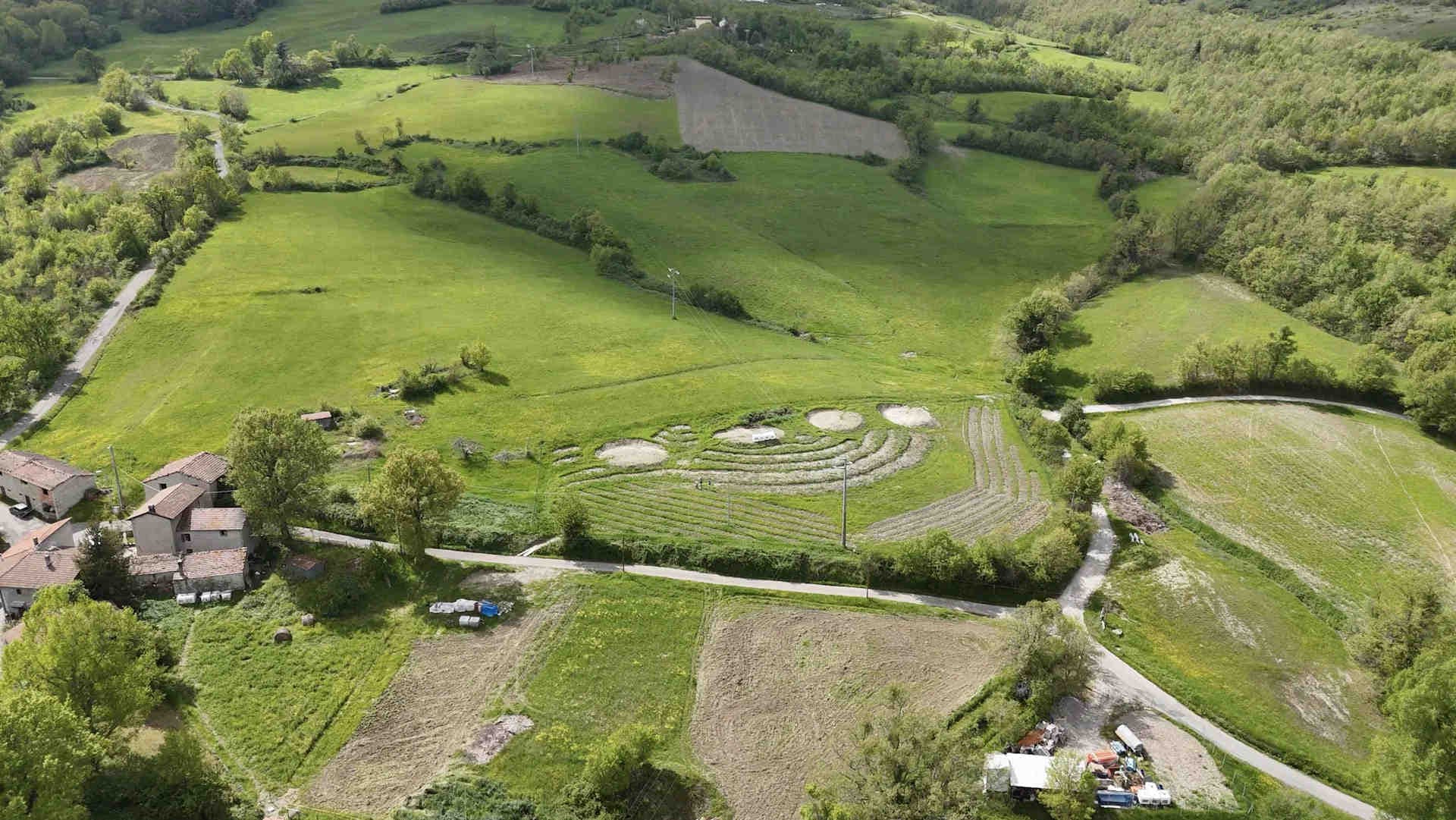
    Oasi 3Bee
    3Bee
    03/06/2024Of 3Bee, Lisa Santillo
    2899 Views
    Newsletter
    newsletter
    Subscribe to the Blog about bees and biodiversity

    Frequently Asked Questions

    Do you have any doubts or other curiosities about this article? Here you will find some insights