World Habitat Day 2024
    HabitatDirectiveHistoryDay 2024

    World Habitat Day 2024

    World Habitat Day 2024 highlights the importance of engaging young people in building sustainable and resilient cities, where biodiversity and technology play a key role. Read more about 3Bee's commitment to World Habitat Day in this article.

    Read the article
    25/09/2024Of 3Bee, Lisa Santillo
    571 Views
    25/09/2024Of 3Bee, Lisa Santillo
    571 Views

    Definition of habitat

    Disclaimer: this is an automated translation from Italian. Go to the original article.

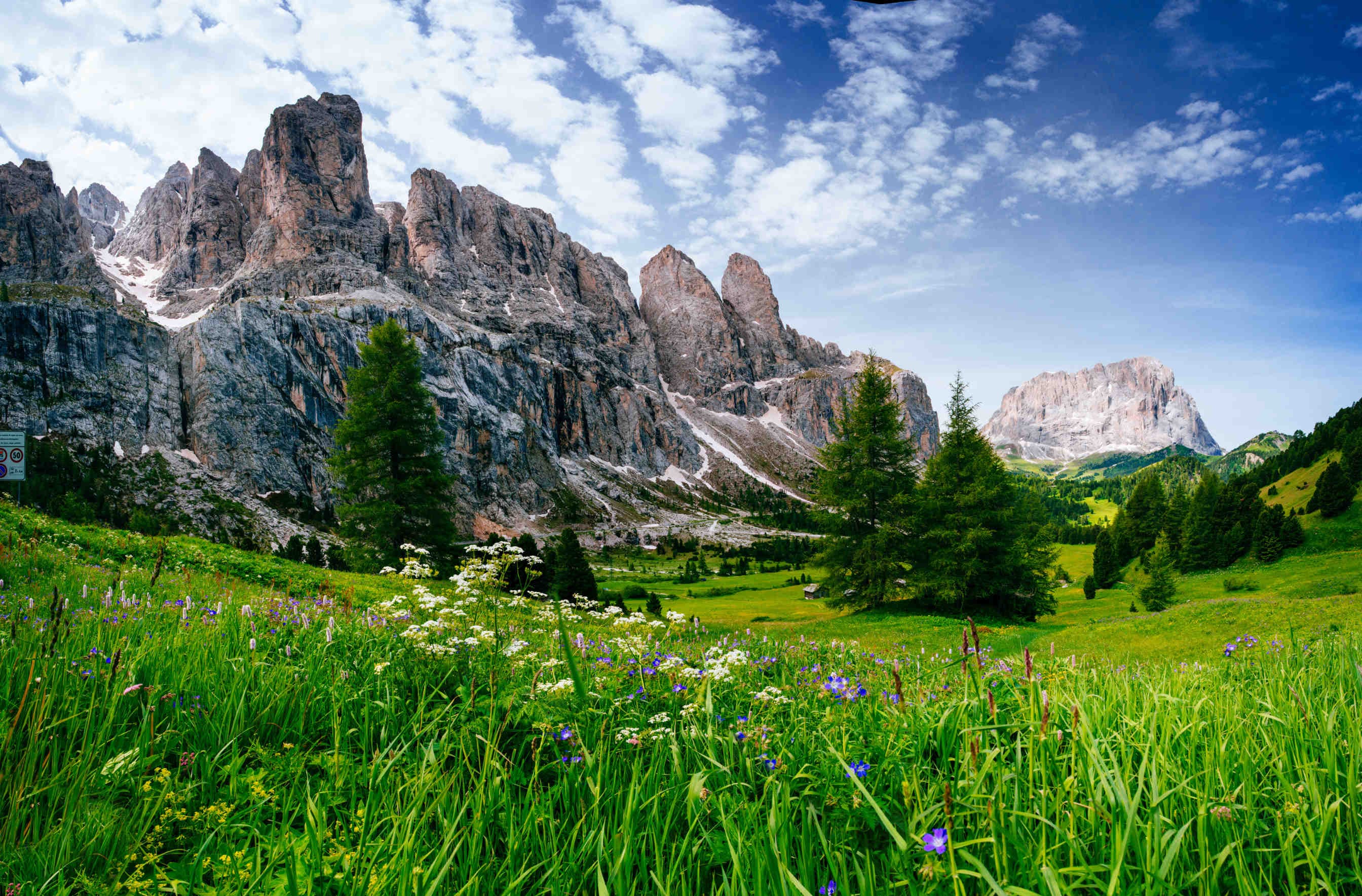
    A habitat is the set of environmental and biological conditions that allow a species or group of species to survive, develop and reproduce. The definition of habitat goes beyond the concept of a simple physical environment to include the interactions between organisms and their ecological context. According to the International Union for Conservation of Nature (IUCN), the destruction or fragmentation of habitats represents a major threat to global biodiversity. Habitat protection is essential not only for the conservation of species but also for ensuring the resilience of ecosystems in the face of climate change, as emphasised by the Convention on Biological Diversity (CBD).
    habitat

    What is the Habitats Directive?

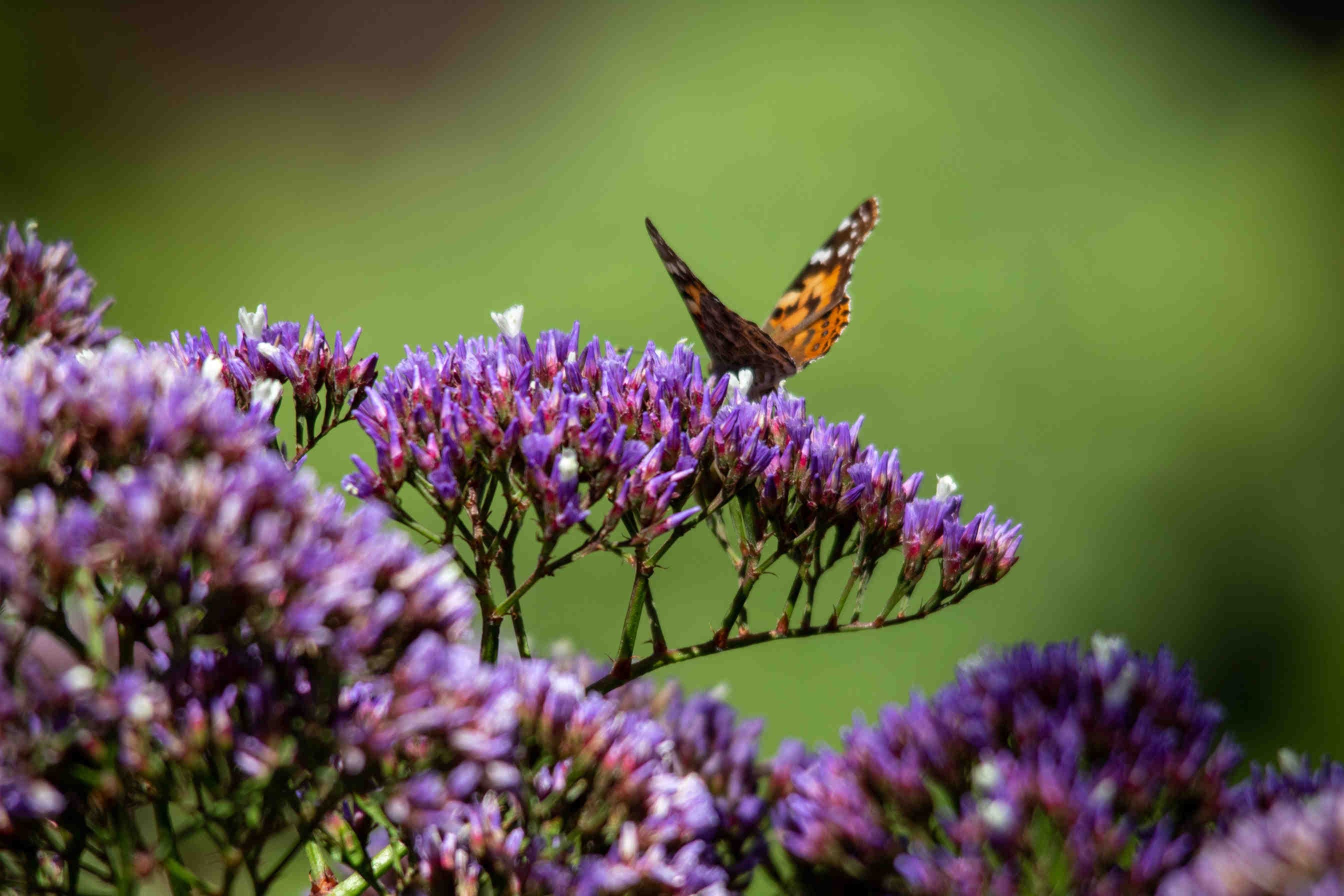
    As stated by ISPRA, "in 1992, more than 30 years ago, the European Union adopted the Habitats Directive for the conservation of Europe's natural heritage, thus initiating a new approach to nature conservation". In fact, the Habitats Directive was created to protect the areas where endangered species or so-called "flagship species" grow and multiply, i.e. a species chosen as a symbol of an environmental problem and often as a way to protect entire natural ecosystems. Today, thanks to the Habitats Directive, Europe protects 233 habitat types and 1389 animal and plant species, with the exception of birds for which there is a specific directive, the 1979 Birds Directive.
    farfalla fiore
    XNatura

    History of World Habitat Day

    Established by the United Nations in 1985, World Habitat Day was created to raise awareness of the importance of building sustainable and resilient cities. Celebrated annually on the first Monday in October, the day encourages reflection on urban living conditions and the challenges posed by global urbanisation. With the urban population expected to increase by some 2.5 billion by 2050, the need for sustainable urban policies is becoming increasingly urgent. According to the United Nations, more than one billion people live in slums or precarious housing, highlighting the urgency of ensuring equitable access to adequate infrastructure, services and housing. World Habitat Day is an opportunity to discuss innovative solutions to create more inclusive and resilient cities that can adapt to global changes.
    biodiversità

    Habitat Day 2024: Young People and Resilient Cities

    The theme for World Habitat Day 2024 is "Engaging youth to create a better urban future". This theme focuses on the rapid global urbanisation and the importance of involving the younger generation in urban planning, especially in developing countries such as Africa and Asia. The aim is to provide young people with the tools and opportunities to actively participate in decision-making processes so that they can actively contribute to the creation of more sustainable and resilient cities. The theme chosen for World Habitat Day 2024 also highlights the importance of local leadership and participatory processes to ensure a more inclusive and sustainable future in cities.
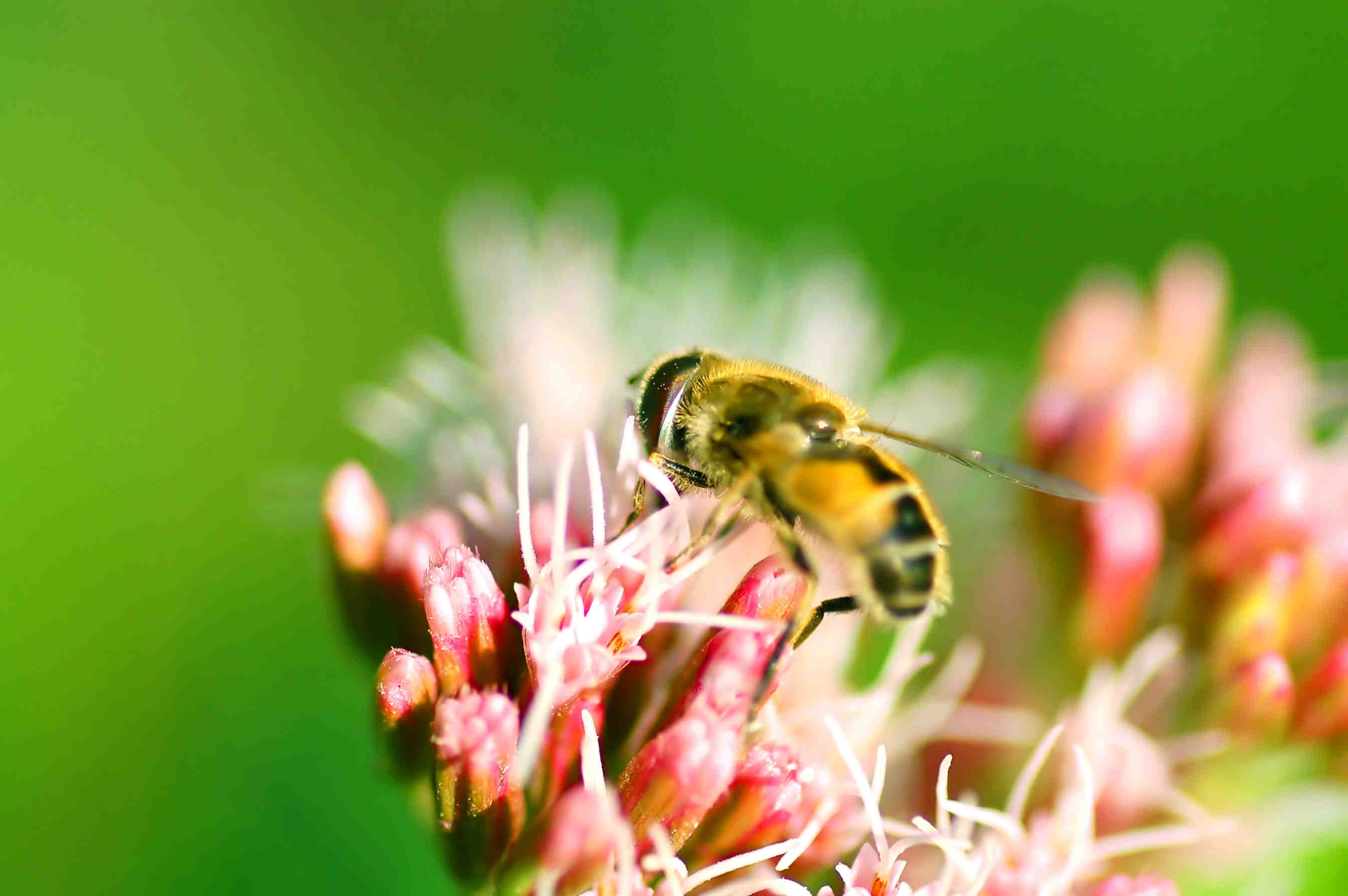
    fiore impollinatore
    XNatura

    3Bee's commitment to World Habitat Day

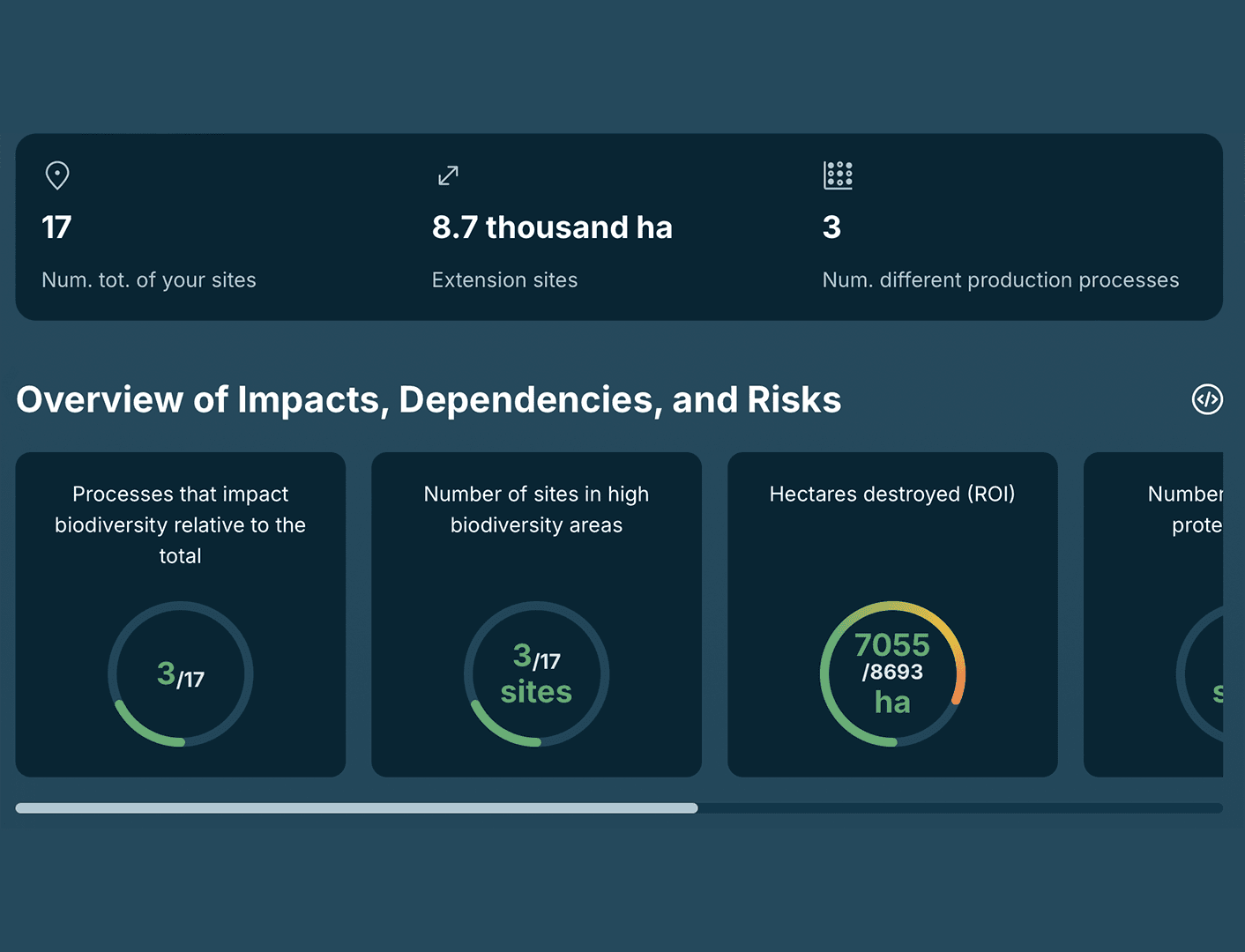
    On the occasion of the World Habitat Day, 3Bee launches the most comprehensive and innovative digital platform that allows to identify and close the nature, climate and biodiversity gaps of companies, municipalities and natural parks, by quickly and easily monitoring four key risk indices. An integrated and scientifically validated solution, compliant with international standards, that enables the identification of a true climate and biodiversity strategy based on identified impacts and dependencies on directly affected ecosystem services. he 3Bee platform uses advanced technologies that combine satellite data, field technology and public databases. After an initial assessment phase, a Biodiversity Strategist, a technical member of the 3Bee team who is trained to guide partners in defining a tailor-made biodiversity restoration and conservation strategy, takes over.

    3Bee Platform
    3Bee
    25/09/2024Of 3Bee, Lisa Santillo
    571 Views
    Newsletter
    newsletter
    Subscribe to the Blog about bees and biodiversity

    Frequently Asked Questions

    Do you have any doubts or other curiosities about this article? Here you will find some insights