Wild Lime: characteristics, benefits and curiosities
    LindenVegetative phasesLeavesLaying

    Wild Lime: characteristics, benefits and curiosities

    The Wild Lime, known scientifically as Tilia cordata, is a tree species known for its ornamental beauty and numerous environmental benefits. Discover in this article all the characteristics and curiosities of this tree.

    Read the article
    24/07/2024Of 3Bee, Lisa Santillo
    686 Views
    24/07/2024Of 3Bee, Lisa Santillo
    686 Views

    Wild lime: characteristics and spread

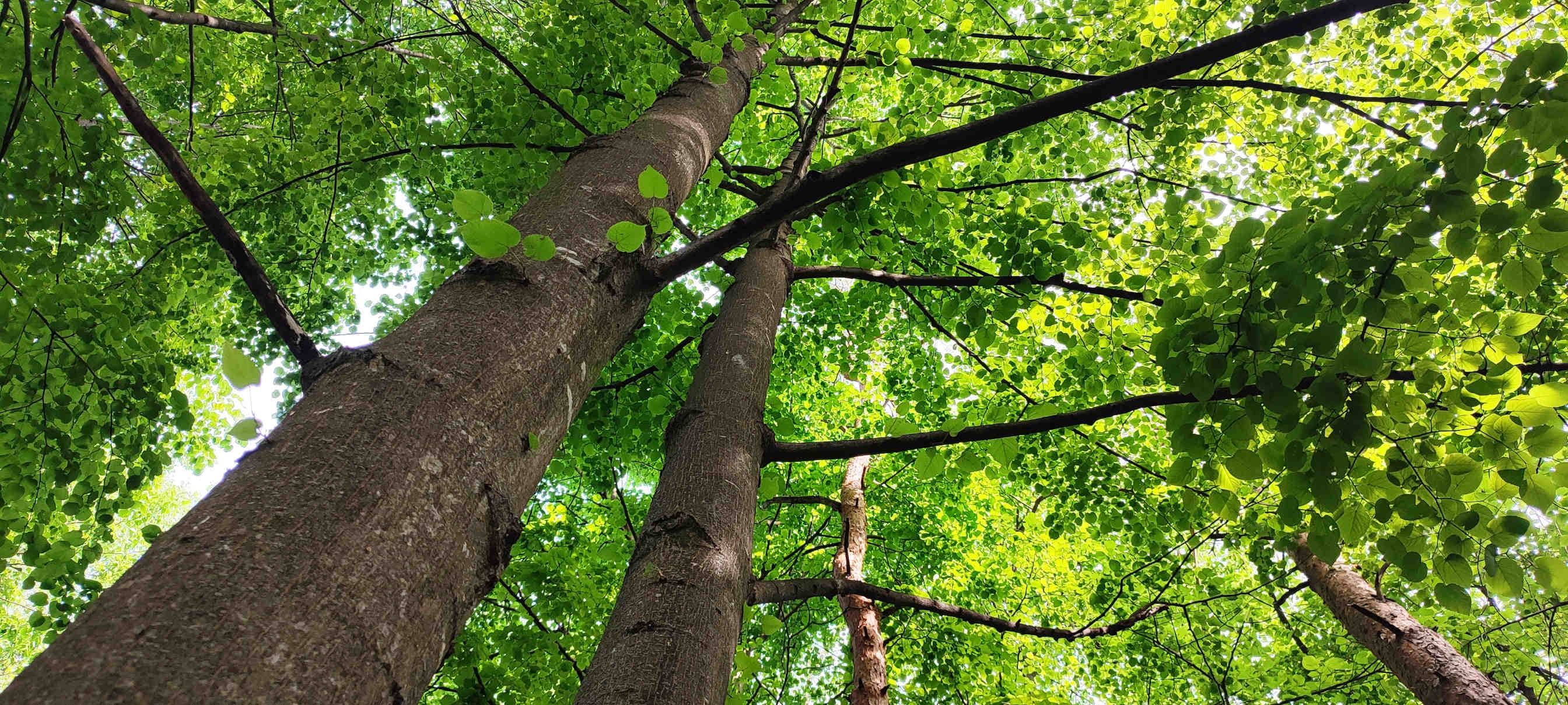
    The Wild Lime (Tilia cordata) is a tree species widespread throughout Europe, prized for its majesty and ornamental value. This tree can reach a height of 25 metres, with a dense crown that provides ample shade, ideal for gardens and city parks. The wild linden is found not only in central Europe, but also in northern and western regions, as far as Scandinavia, and in parts of western Asia. In Italy, it is common in the northern and central regions, while it is less frequent in the south and on the islands. In addition to its beauty, the wild linden provides important ecosystem services. Indeed, its broad leaves and scented flowers also help create an ideal habitat for insects and birds. In urban environments, linden helps improve air quality and reduce pollution, thanks to its ability to filter dust particles and absorb pollutant gases.
    dettaglio tiglio

    Vegetative stages of the wild lime tree

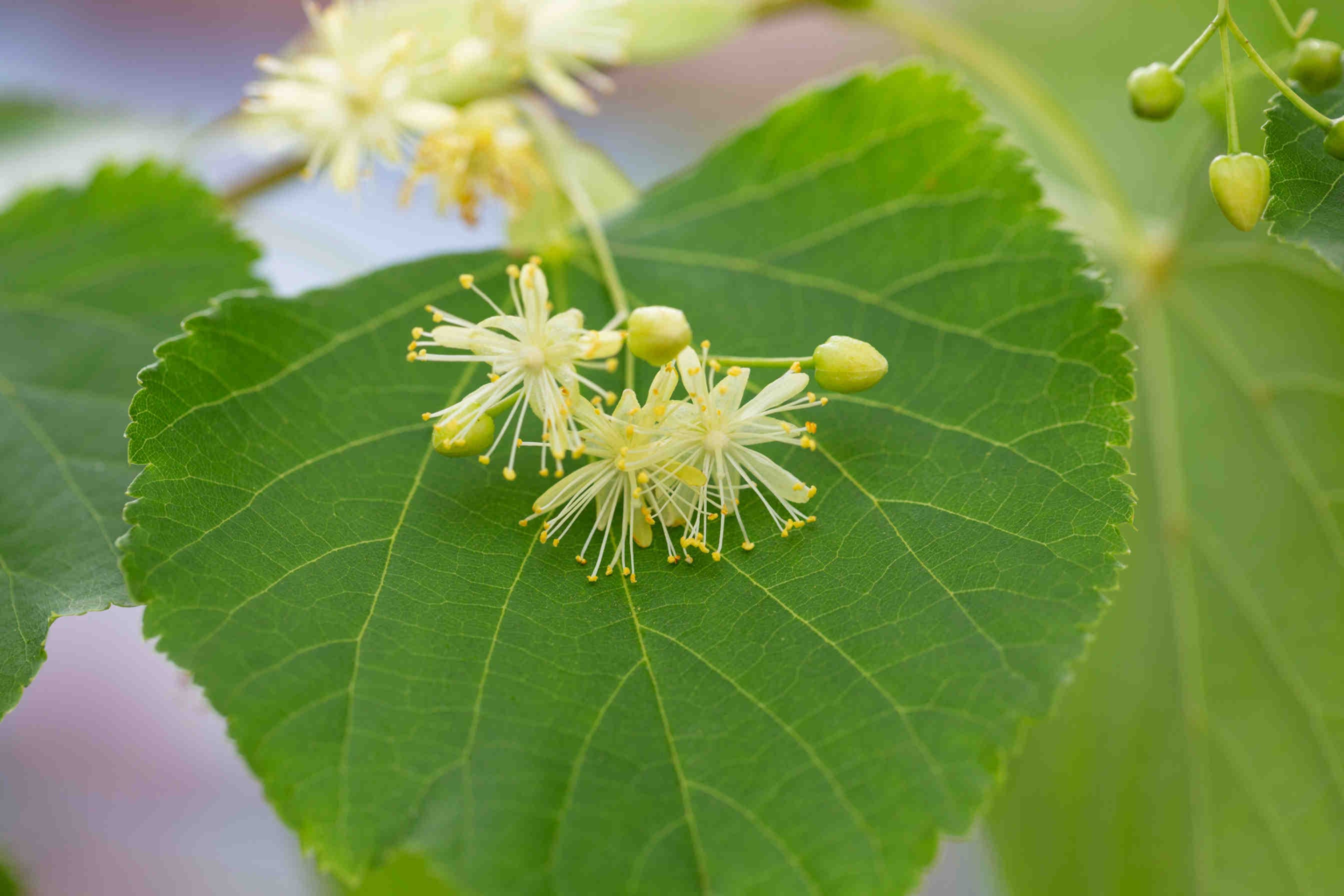
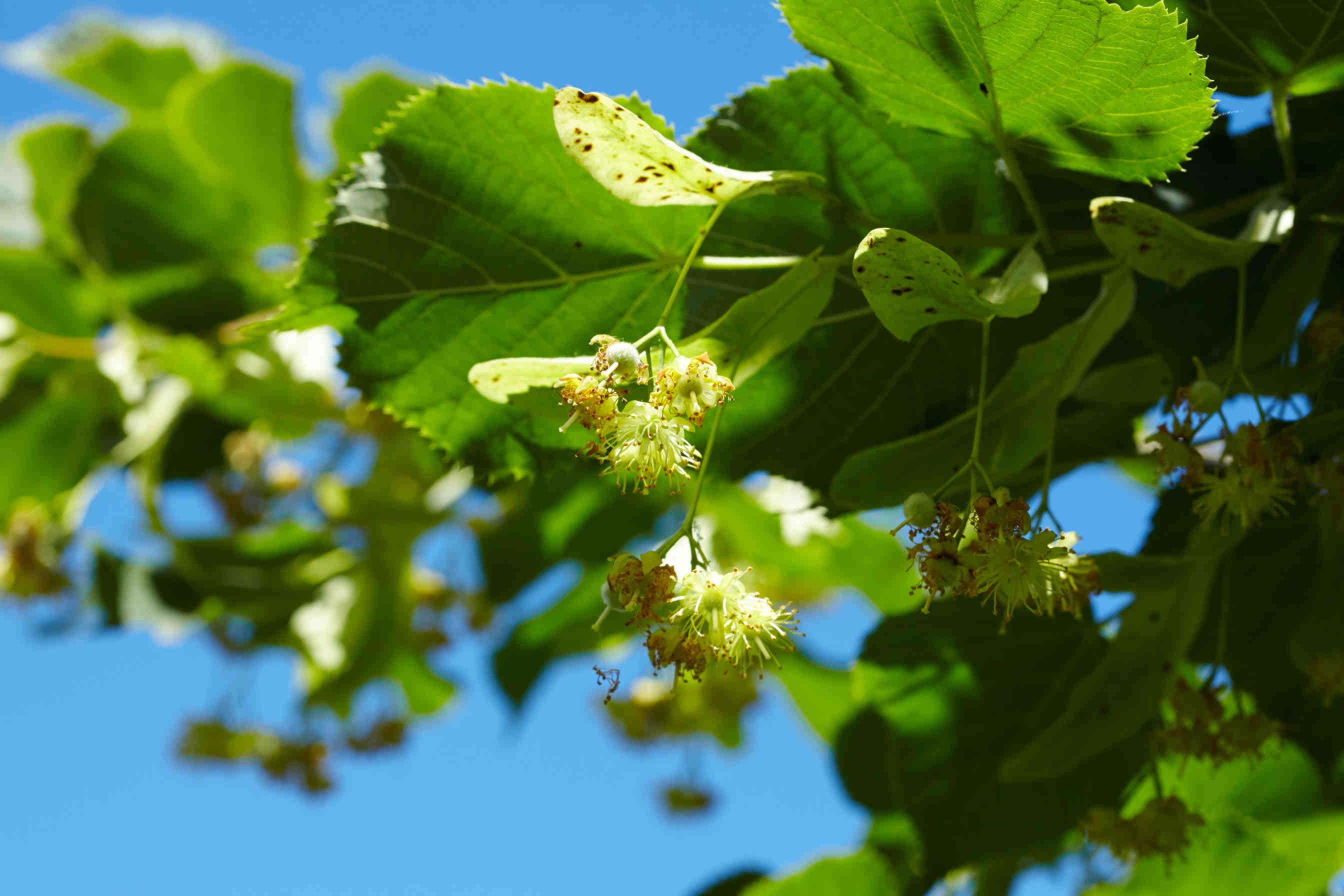
    The life cycle of the wild linden starts with the blossoming in late spring, between May and June. During this period, the tree is adorned with small white bell-shaped flowers, which tend to turn yellow as the flowering progresses. These flowers play a crucial function in the local ecosystem, attracting numerous pollinators. After flowering, the lime tree enters a vigorous growth phase, developing wide heart-shaped leaves. These light green leaves are essential for photosynthesis, providing the energy needed for the tree's growth and survival. The linden tree is known for its longevity and resistance, allowing it to thrive in a variety of habitats and climatic conditions.
    tiglio foglie fiori
    XNatura

    Lime leaves and ecological functions

    The leaves of the wild linden tree are easily recognisable by their heart shape and the serrated margin. Light green in colour, these leaves perform important ecological functions. As we have seen, their large surface area contributes to air purification and oxygen production. In addition, they provide shade and habitat for numerous insects and birds. During autumn, leaves fall and decompose rapidly, enriching the soil with essential nutrients and improving soil fertility. This cyclical process of growth and decomposition makes the lime tree a key element in the health of the ecosystems in which it occurs.

    foglia

    Wild lime: anecdotes and legends

    The Latin epithet 'cordata', meaning 'relating to the heart', refers to the characteristic heart shape of the leaves of the wild linden tree. In Greek mythology, the linden tree is linked to the story of the nymph Filira, daughter of Oceanus, who had a son with Kronos: the centaur Chiron. Frightened by her son's appearance, Philira asked her father to transform her, and so she was mutated into a linden tree. This mythological tale adds an aura of mystery and fascination to the linden tree, showing how this species has influenced human culture through the centuries. The shape of the leaves has also been symbolically associated with the heart, representing love and affection in various cultural traditions.

    ninfa
    XNatura

    Environmental benefits of wild lime

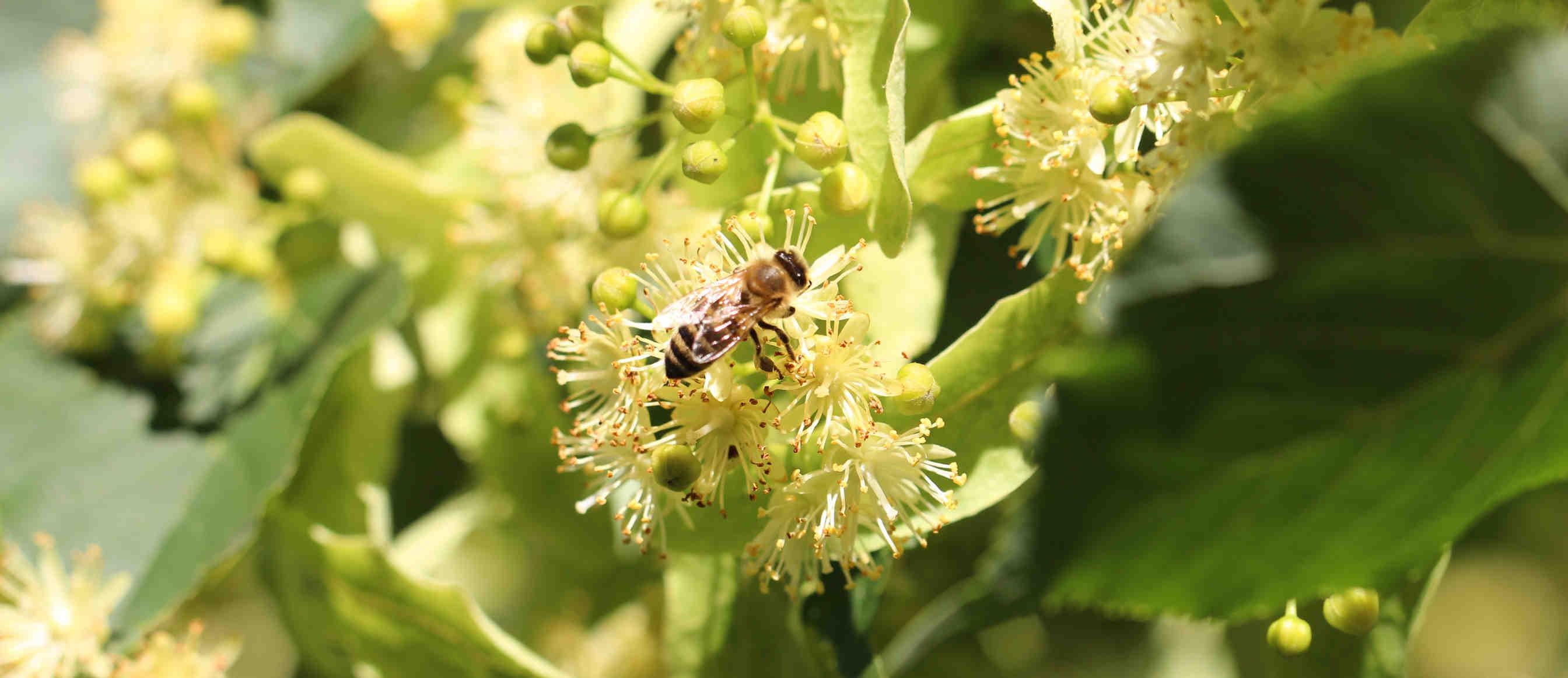
    The wild lily is prized for its ornamental beauty and the numerous environmental benefits associated with it. It is often planted in urban areas to improve air quality and create green spaces that promote the psychological and physical well-being of people. Its ability to absorb air pollutants and provide shade makes it ideal for cities seeking to mitigate the effects of pollution and climate change. In addition, the linden tree is used in reforestation and environmental redevelopment projects due to its resilience and ability to adapt to different climatic and soil conditions. The wild linden tree also promotes biodiversity thanks to its flowers that attract pollinators such as bees, flyflies and beetles. Its branching structure provides refuge for birds and small mammals, while the bark can host lichens and fungi, further increasing the biological diversity of the surrounding area.

    tiglio impollinatore
    3Bee

    Biodiversa: the 3Bee game app to monitor biodiversity

    Biodiversa is the free game app for biodiversity monitoring and ecosystem protection that allows users to easily 'collect' and identify plants and flowers encountered during an outdoor walk. An ambitious citizen science project that aims to create a cooperative archive dedicated to flora (and in a second phase fauna) in Europe, involving player users with challenges to catalogue species, some of which are rare or endangered. Available for iOS and Android, Biodiversa has a dynamic similar to that of some well-known free-to-play video games that encourage moving and travelling in the real world to 'collect' characters. In fact, the app made by 3Bee offers a gaming experience in which plants are all to be 'collected' and identified in order to collect experience points, level up and climb the leaderboard.

    biodiversa app
    24/07/2024Of 3Bee, Lisa Santillo
    686 Views
    Newsletter
    newsletter
    Subscribe to the Blog about bees and biodiversity

    Frequently Asked Questions

    Do you have any doubts or other curiosities about this article? Here you will find some insights