What is the sunfish: the bony fish that suffers from loneliness
    Ocean SunfishMola molaJapanLoneliness

    What is the sunfish: the bony fish that suffers from loneliness

    Recently, the temporary closure of an aquarium in Japan brought a sunfish into a state of 'loneliness.' Discover in this article what happened and the biological and ecological characteristics of the largest bony fish in the world.

    Read the article
    29/01/2025Of 3Bee, Lara Vivarelli
    1987 Views
    29/01/2025Of 3Bee, Lara Vivarelli
    1987 Views

    What is the ocean sunfish?

    Disclaimer: this is an automated translation from Italian. Go to the original article.

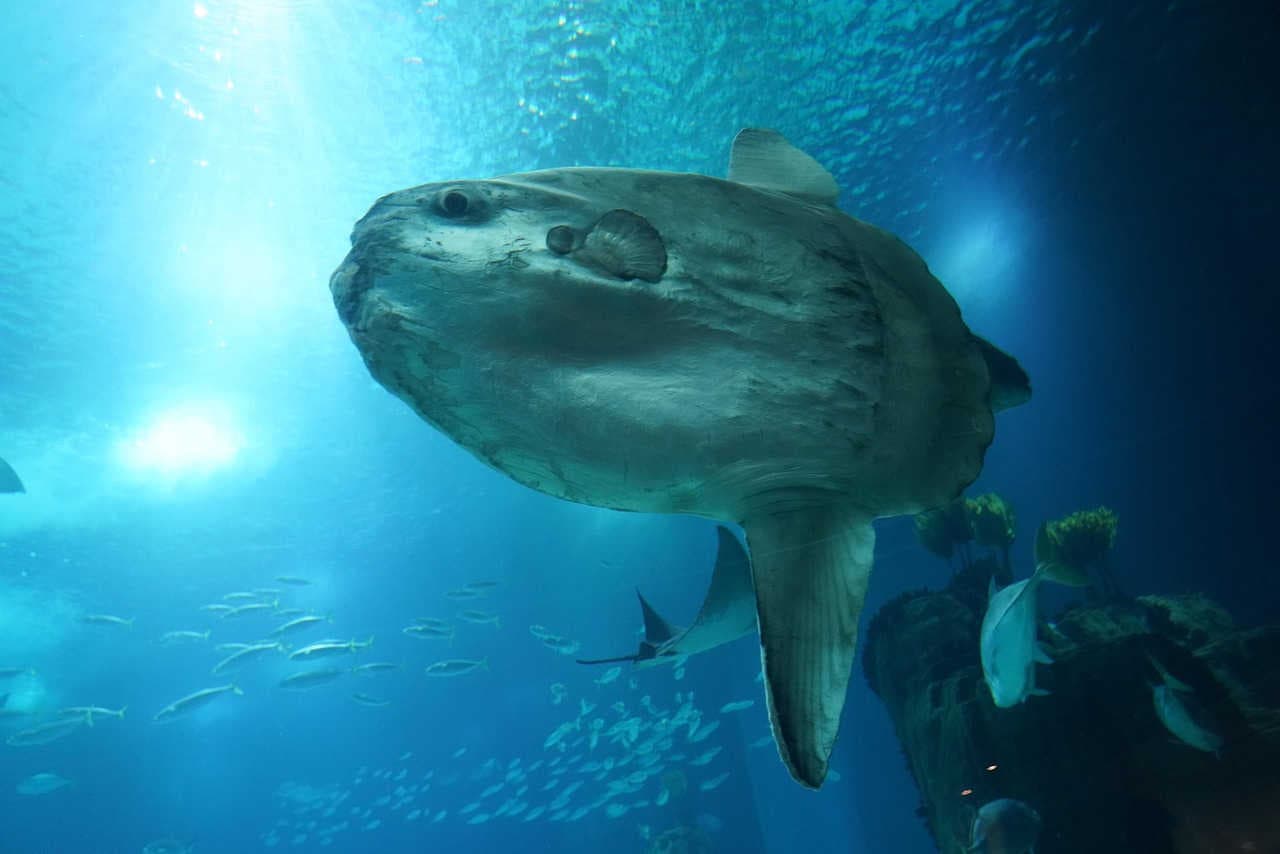
    The ocean sunfish, scientifically known as Mola mola, holds the title of the largest bony fish in the world. It reaches extraordinary sizes: it can exceed 3 meters in length and 4 meters in height, with a weight of about 2 tons. These incredible sizes are achieved in surprising times; in just 15 months, a captive ocean sunfish managed to gain as much as 400 kg, or about 0.82 kg per day. Furthermore, the ocean sunfish is a particularly long-lived species, with specimens that can live over a hundred years. Although not very well known, the Mola mola belongs to a fascinating family of fish: the Molidae family, within the Tetraodontiformes order, which also includes pufferfish, boxfishes, and triggerfish. Sunfish are widespread in all temperate and tropical regions of the world, with a particular preference for coastal waters, including the Mediterranean.
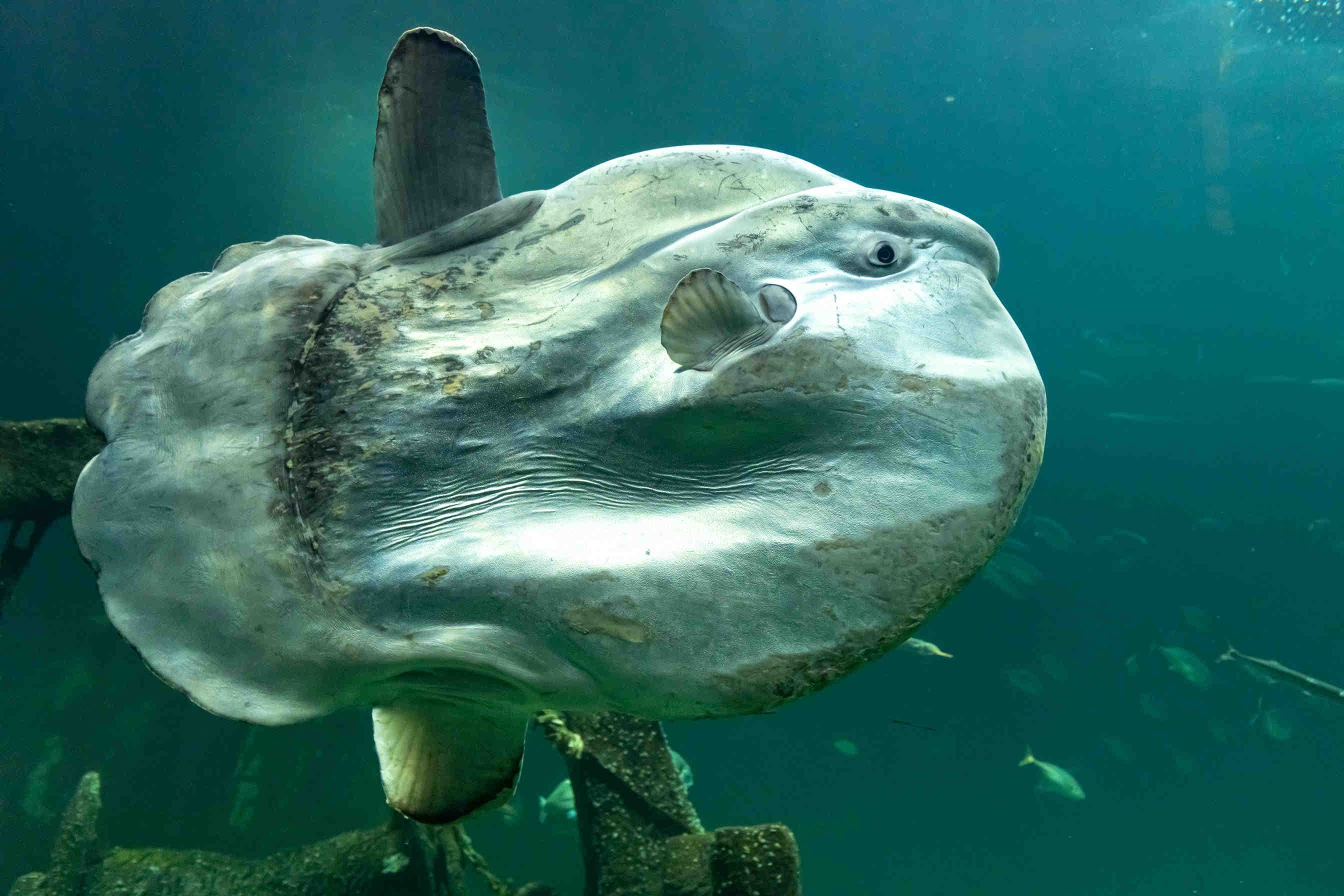
    pesce luna mola mola

    Why is the Mola mola called a moonfish?

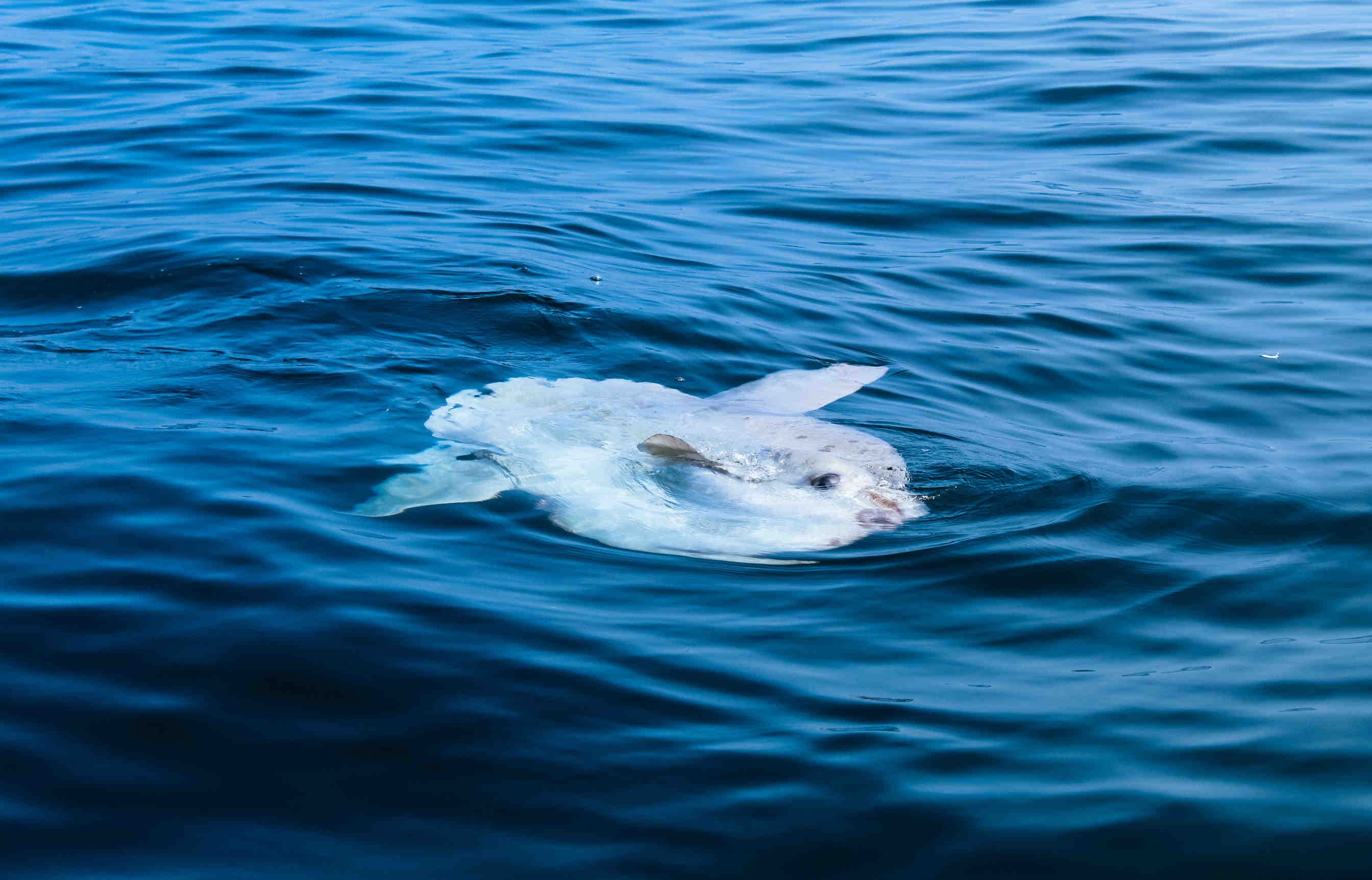
    The name Mola mola may sound curious, but it has a very specific meaning: it derives from Latin and means "millstone", chosen to evoke theround and flattened shape of the bodyof this animal. In Italian, the common name "moonfish" also refers to the distinctive silhouette of the species. The English, on the other hand, call it "ocean sunfish", a name that draws inspiration from one of its strangest habits: floating on the surface with one side of its body exposed to the sun to warm itself. It is indeed quite common to see these fish near the surface while basking in the sun to increase their body temperature after performing deep dives, which can reach 600 meters.

    pesce luna ocean sunfish mola mola
    XNatura

    What happened at the Kaikyokan Aquarium in Japan?

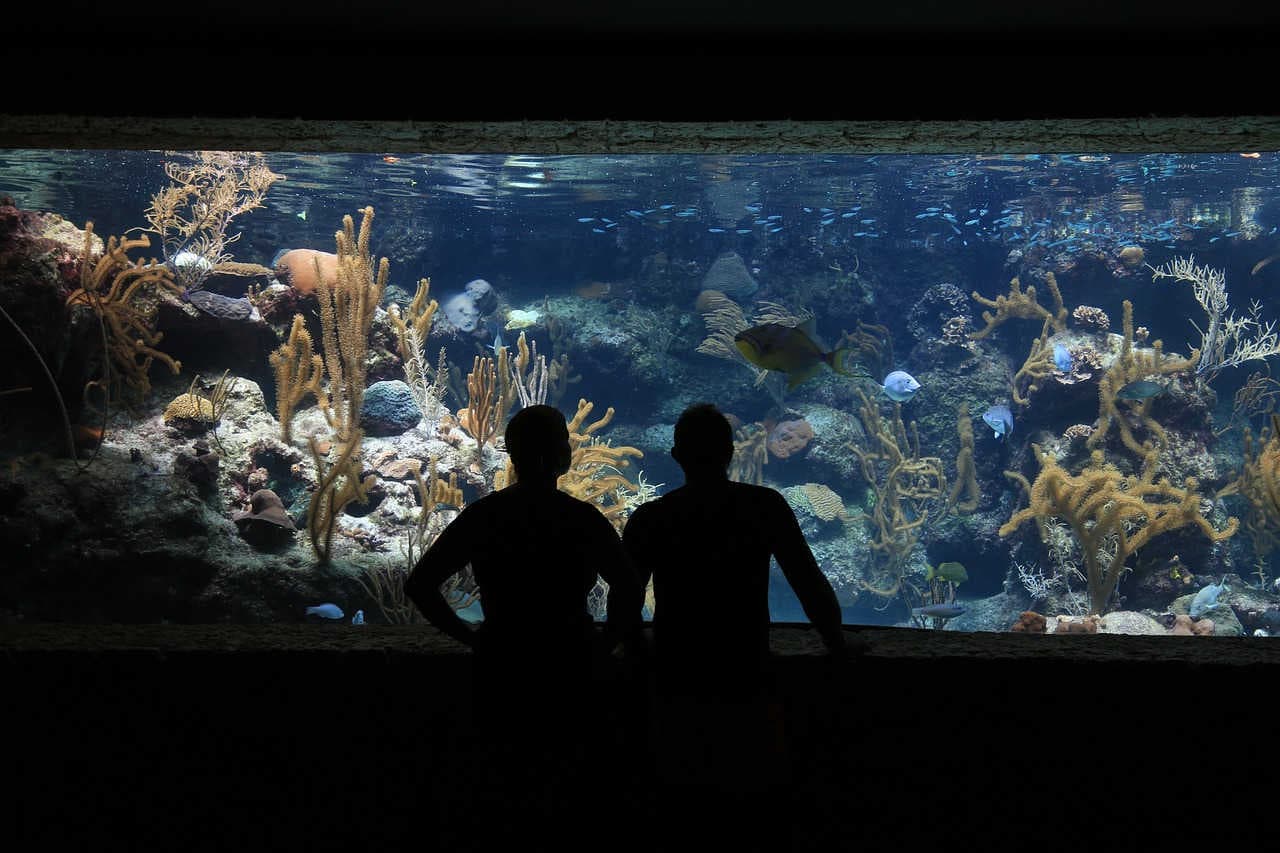
    Recent news comes from the Kaikyokan Aquarium in Shimonoseki, Japan, regarding an anomalous behavior of a sunfish specimen during the closure of the aquarium to the public. The aquarium suspended visits for renovation work at the beginning of December and will only reopen in the summer. Shortly after the closure, the sunfish started showing a reduced appetite, as if it were in a state of loneliness. Deprived of human presence and surrounded only by the vibrations and noises caused by the work, the animal seemed to exhibit a "sad" behavior. Initially, the aquarium operators thought that these signs of distress might be related to an infection or a digestive problem.

    acquario

    Does the sunfish suffer from loneliness?

    A staff member at the Japanese aquarium, recalling how the sunfish used to approach visitors with curiosity, hypothesized that it might suffer from loneliness. Although the idea seemed implausible, an unusual solution was nonetheless proposed and subsequently put into practice: placing giant photos of people and face images in front of the sunfish tank. Incredibly, by the next day, the animal resumed eating jellyfish and showed signs of increased vitality. Probably, the environmental change had a positive impact on its mood.
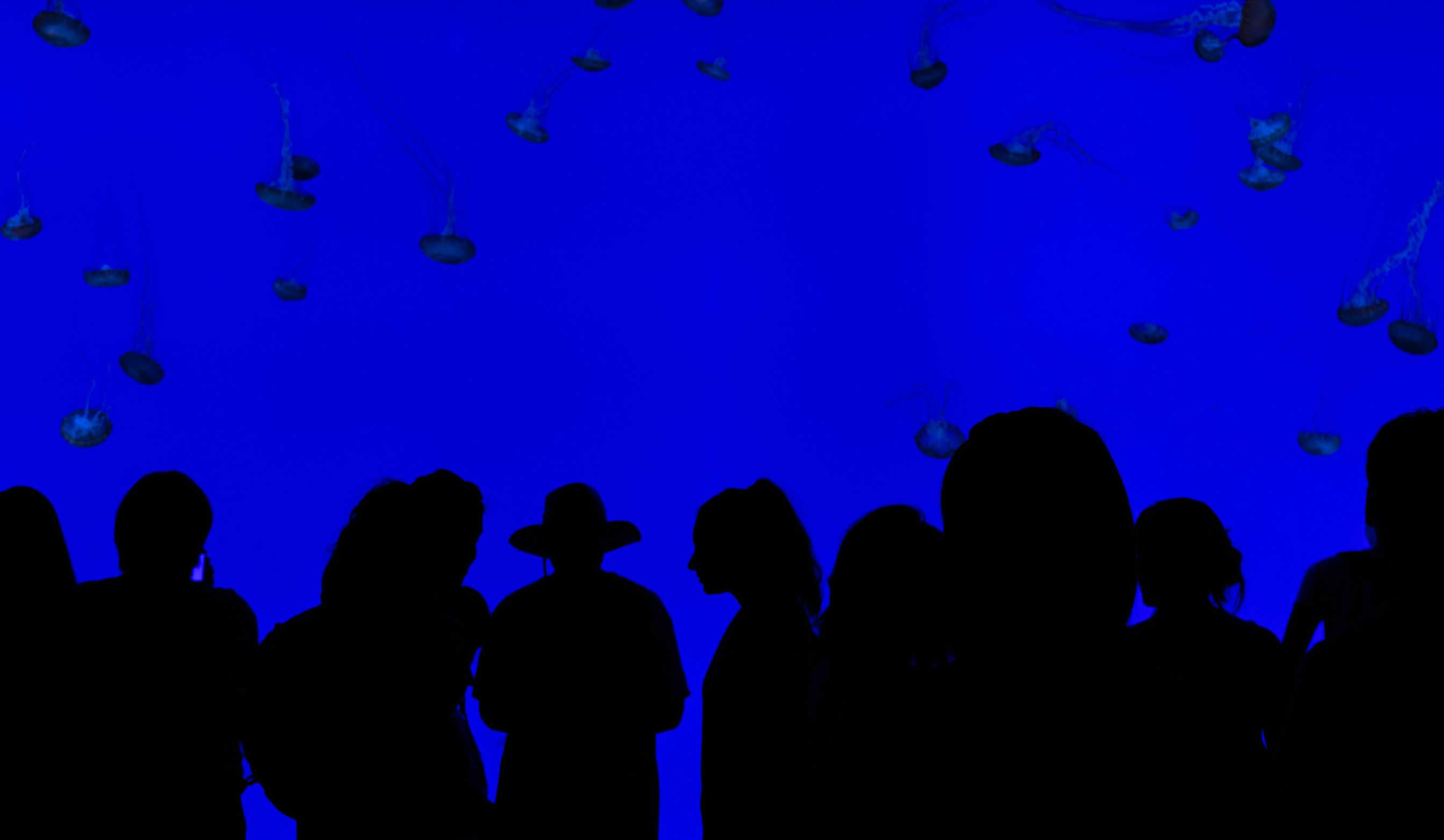

    acquario gigantografie
    XNatura

    What are the anatomical peculiarities of the sunfish?

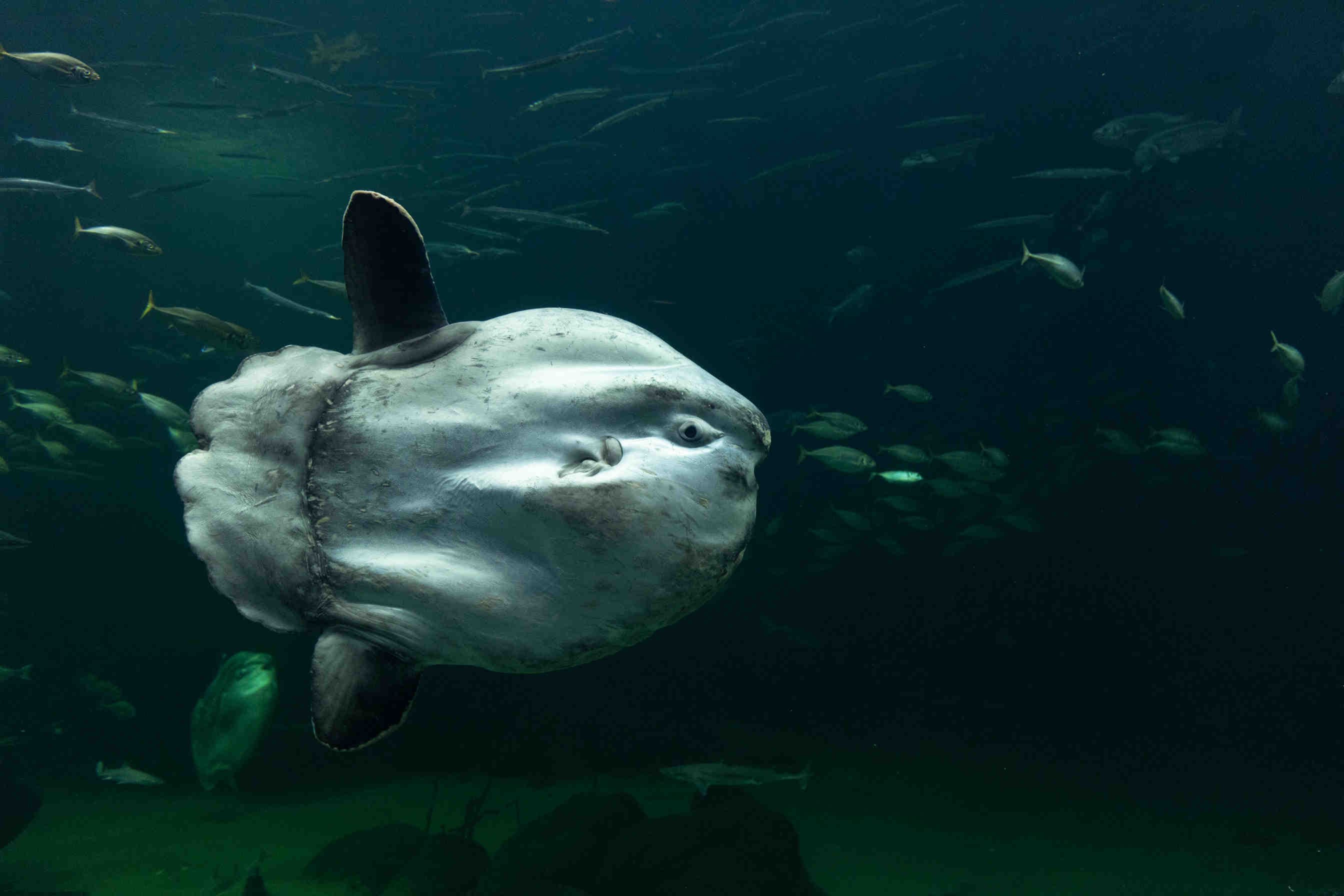
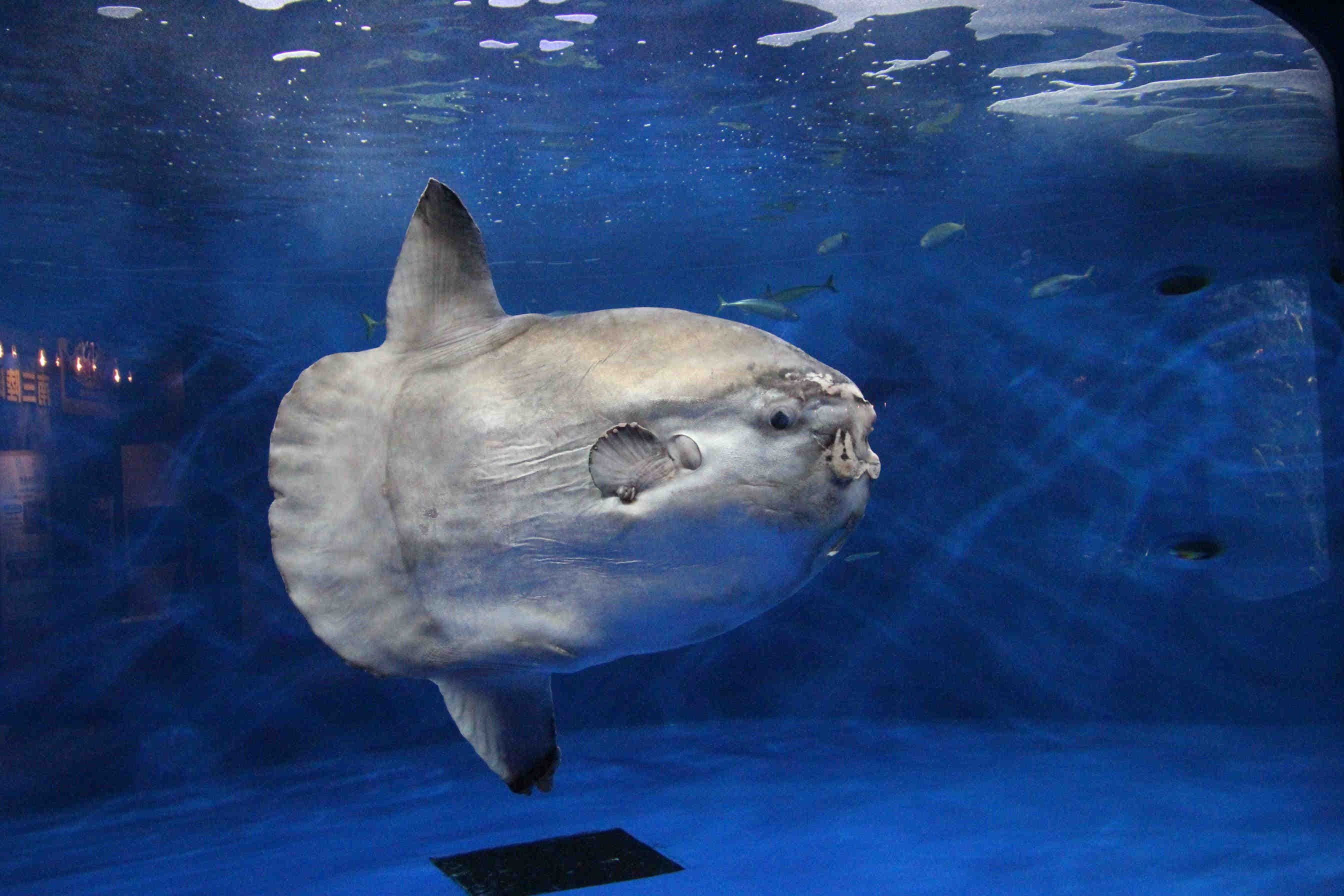
    The shape of the sunfish is unique due to the degeneration of the spinal column. Viewed from the side, it appears circular and flattened with four fins: two small pectoral fins and two large dorsal and ventral fins. During development, it loses its tail and replaces it with a rigid fan-shaped fin, called the clavus, which acts as a rudder. As a juvenile, the Mola mola resembles a pufferfish fry but as it grows, it reabsorbs the tail and adopts the bizarre shape typical of adulthood. Unlike other fish, it does not have a swim bladder; instead, it has a gelatinous layer under the skin, which provides neutral buoyancy at any depth. This layer also functions as an exoskeleton, supporting muscles and cartilage and reducing energy consumption. The snout, more elongated in males, has a small mouth with a beak, as in all tetraodontiformes, and large eyes set deep into the body.
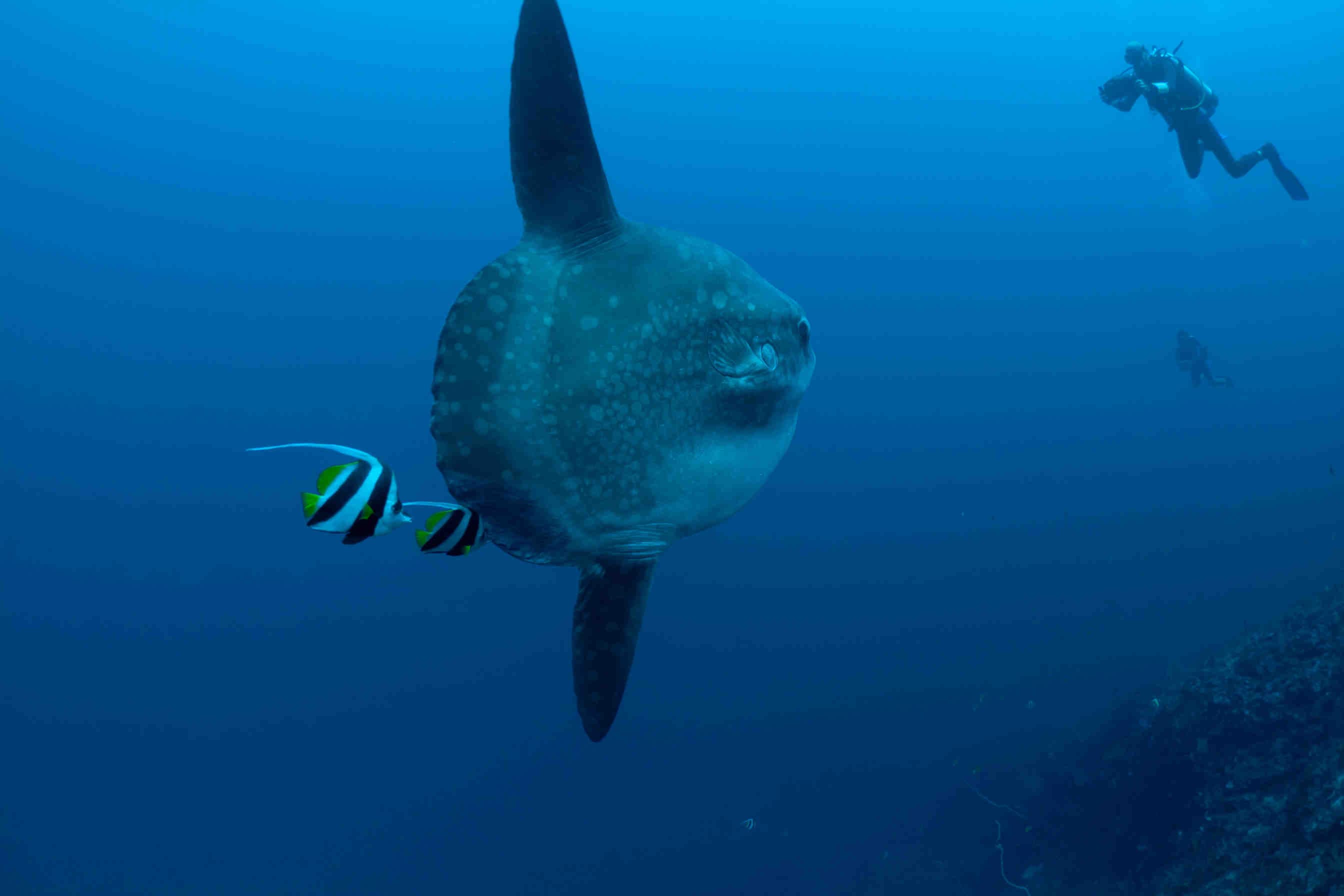
    caratteristiche peculiarità anatomiche pesce luna mola mola
    3Bee

    How does the sunfish move?

    The sunfish swims in a unique way thanks to its particular anatomy, simultaneously beating its dorsal and anal fins, generating a thrust similar to that of a pair of wings. The loss of the caudal fin and lateral muscles has led to the muscle development of vertical fins, which it moves in a synchronized manner, creating a slow motion similar to an "underwater flight". This movement allows it to move actively and directionally, both horizontally and vertically, with high mechanical efficiency, especially at high speeds. The pectoral fins, small and fan-shaped, have a stabilizing function. When approaching the surface, the sunfish can either have only its dorsal fin emerge or lie on its side, allowing itself to be carried by the current. Although it is not a fast swimmer, it can cover long distances, about 20 km per day.
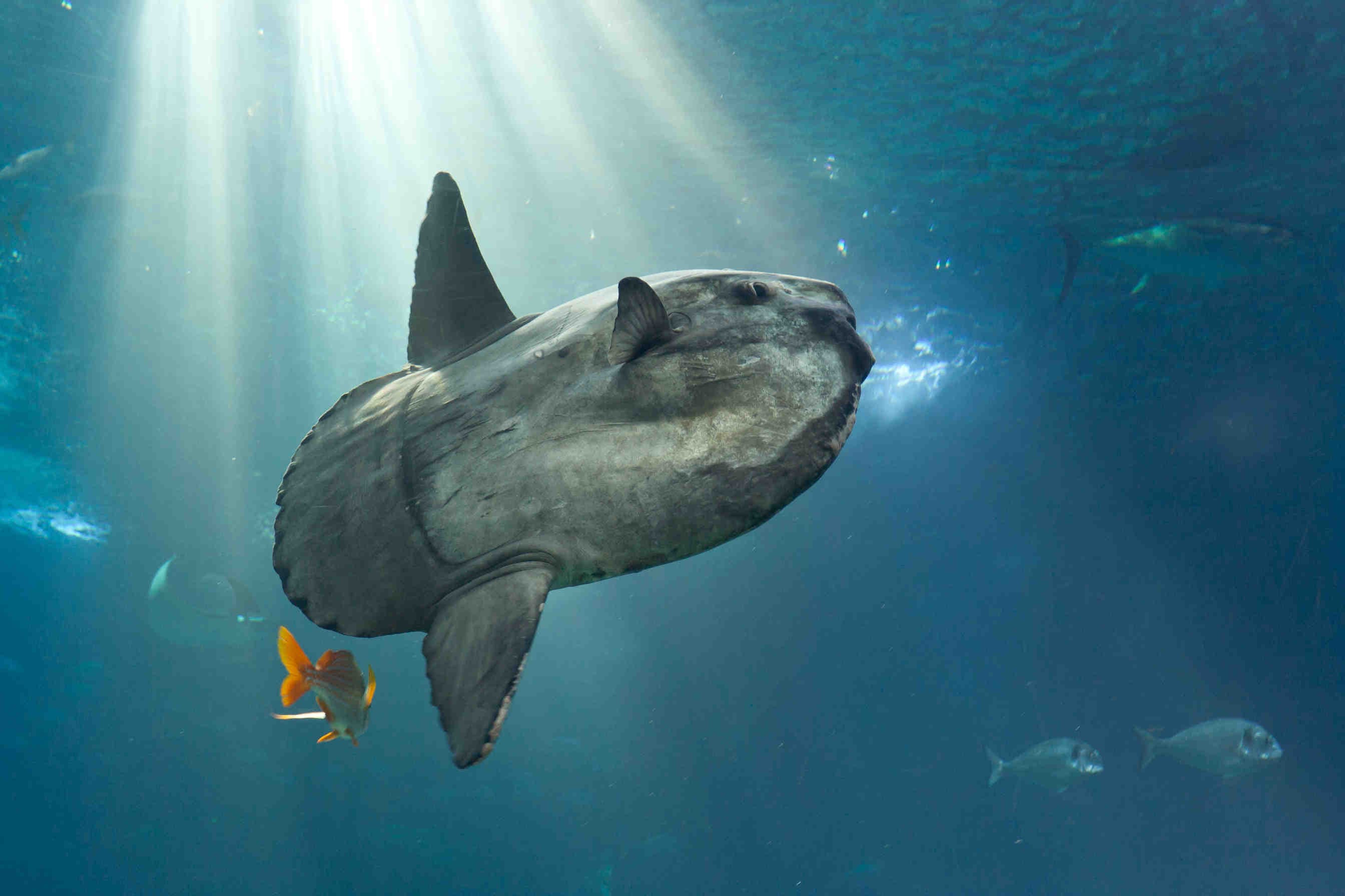
    movimento pesce luna

    How do parasites affect the life of the ocean sunfish?

    The skin of the ocean sunfish is leathery and rough due to its small spines, and can reach a thickness of over ten centimeters. Many parasites live on it, which the fish rids itself of by surfacing to warm itself, allowing fish and seabirds to "clean it". These parasites can also emit a bioluminescence that lights up the Mola mola at night. The variety of parasites it hosts is astonishing: as many as 54 different species have been identified, mostly belonging to Platyhelminthes, Crustaceans, Nematodes, and Protozoa.

    esposizione al sole pelle parassitismo pesce luna mola mola

    What do we know about sunfish reproduction?

    The reproductive biology of the sunfish is still little known, with many gaps regarding the reproductive age, breeding zones, and the way they are reached. It is believed that the breeding season occurs between August and October, but this can vary greatly depending on the geographic area. A certain fact is that the sunfish holds a record even in reproduction: it is the most prolific vertebrate, with a female capable of producing up to 300 million eggs in her lifetime and laying up to 1.5 million eggs in a single deposit. The eggs hatch into 25 mm larvae, which will grow to become 3-meter adults undergoing two subsequent metamorphoses.
    riproduzione pesce luna mola mola

    What are the main threats to the sunfish?

    The main threat to the sunfish is bycatch, or the accidental capture during fishing operations. Although the Mola mola is not a fish of commercial importance, the non-selective use of certain fishing techniques, such as trawling, gillnets, and longlines, causes the death of many specimens every year. In addition, plastic poses another danger to this species, as it may be mistaken for prey and ingested, as happens to sea turtles. The species is classified as vulnerable according to the IUCN (International Union for Conservation of Nature).

    bycatch minaccia mola mola e plastica
    29/01/2025Of 3Bee, Lara Vivarelli
    1987 Views
    Newsletter
    newsletter
    Subscribe to the Blog about bees and biodiversity

    Frequently Asked Questions

    Do you have any doubts or other curiosities about this article? Here you will find some insights