What is a wetland?
The
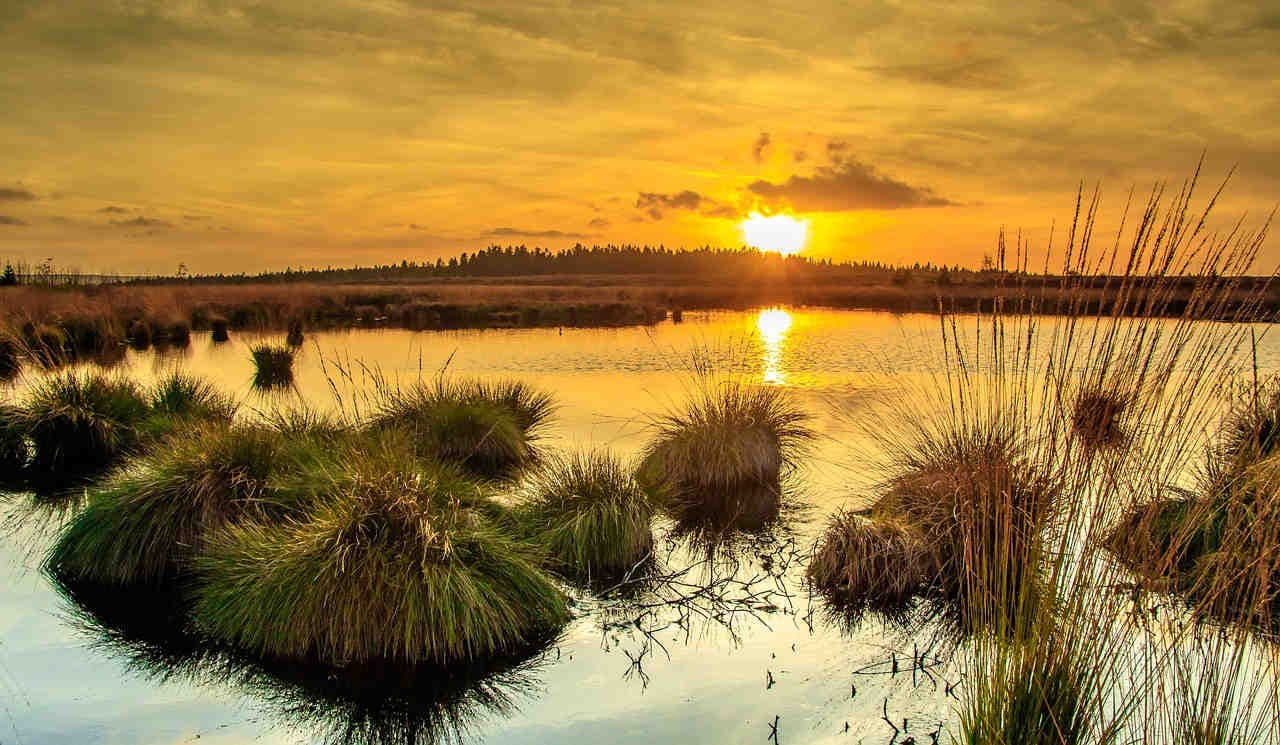
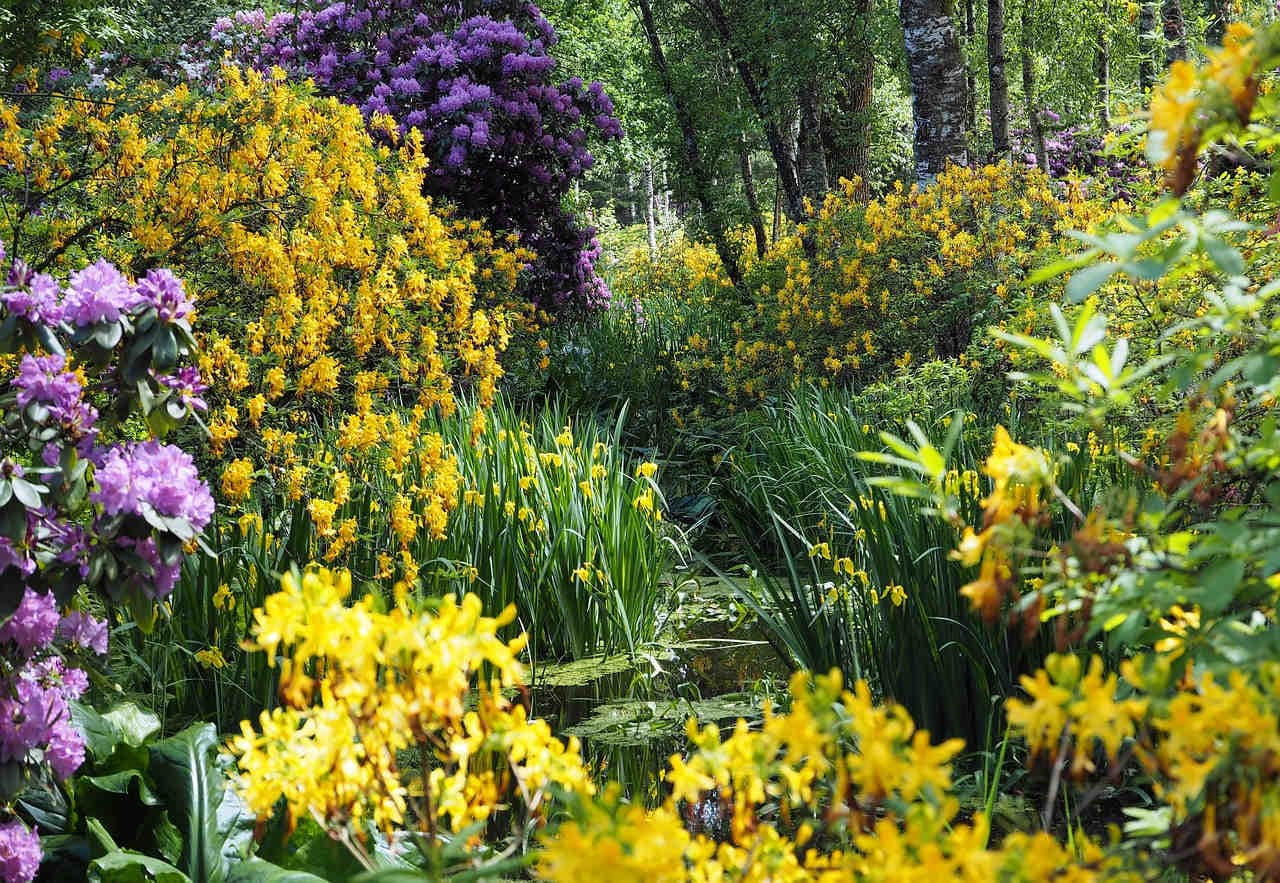
World Wetlands Day was held on 2 February 2024. This annual event highlights the ecological services provided by the many areas concerned. But what does the term mean? What are the benefits for biodiversity? Find the answers in this article.
Read the articleThe
On 2 February 1971, the Convention on Wetlands was signed in Ramsar, Iran. Today bringing together 172 signatory states, its mission is "The conservation and wise use of


80% of the surface of wetlands disappeared during the last millennium. A study carried out in France on 223 wetland sites concluded, in 2020, that each site studied was under pressure from an average of 14 different types of human activity. On the podium of the anthropogenic activities most harmful to wetlands are, firstly, soil artificialisation due to increasing urbanisation, secondly, the consequences of intensive farming (soil drainage, pollution and pesticide residues), and thirdly, the deliberate or accidental introduction of
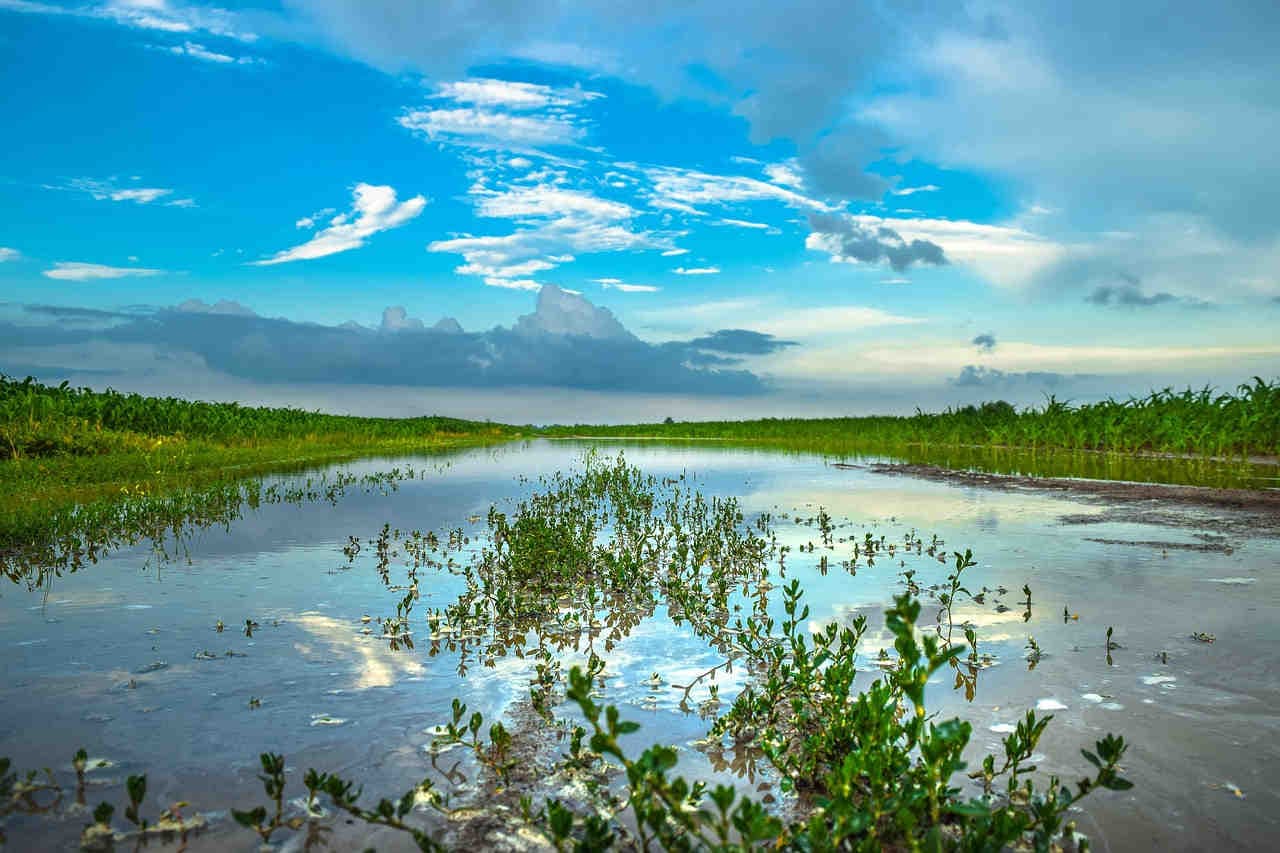
Wetlands provide many ecological and hydraulic services. They act as veritable sponges, releasing water as well as absorbing it. If properly managed, they can contain water from excessive rainfall, limiting the risk of flooding in urban areas. Conversely, they release water into the water tables in the event of

In addition to
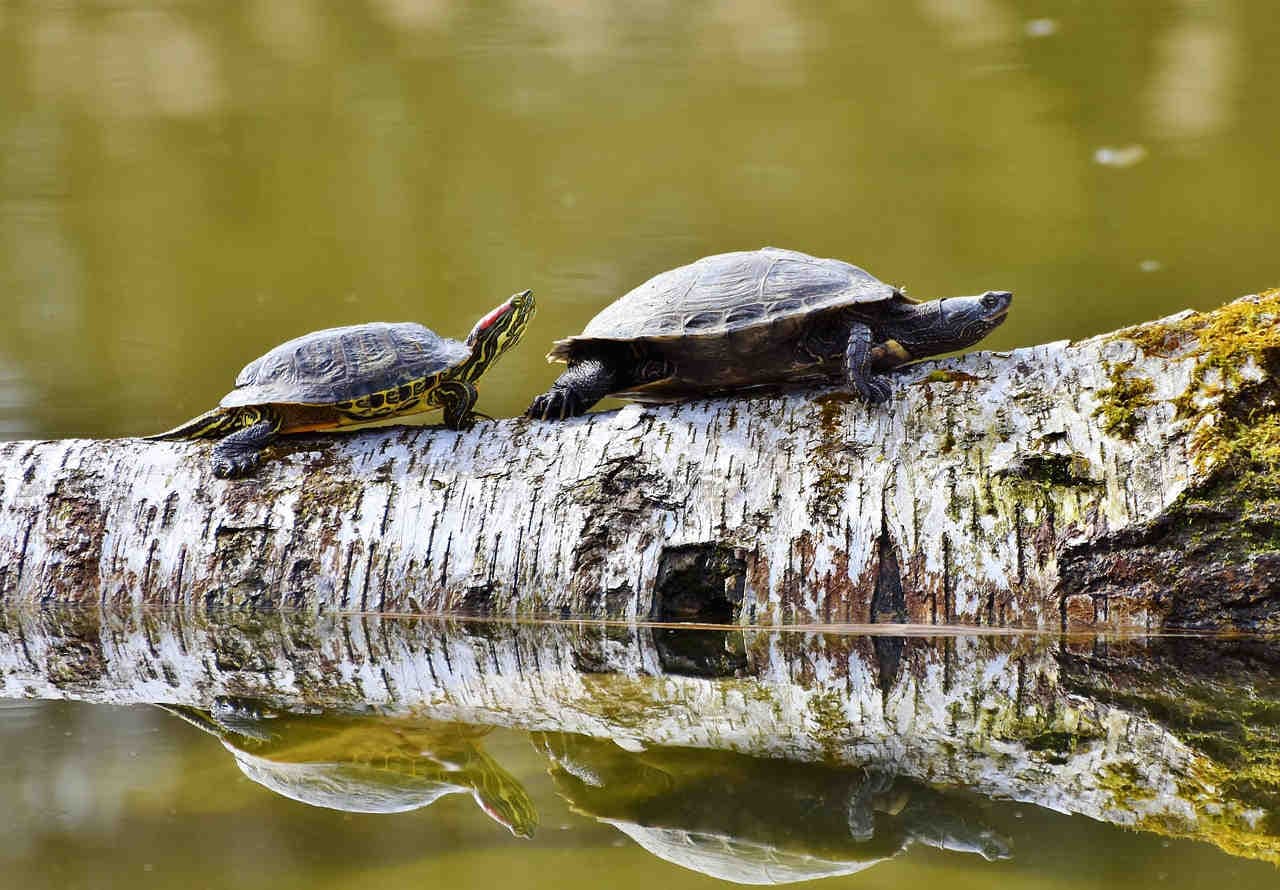

Wetlands are home to original and specific biodiversity. Although they cover only 6% of the Earth's surface, they are home to 40% of all plant and animal species. Each type of wetland has a unique and varied biodiversity, determined by factors such as climate, location, size, water quality and nutrient availability. For example, the diversity of bird species is closely linked to the surface area of the
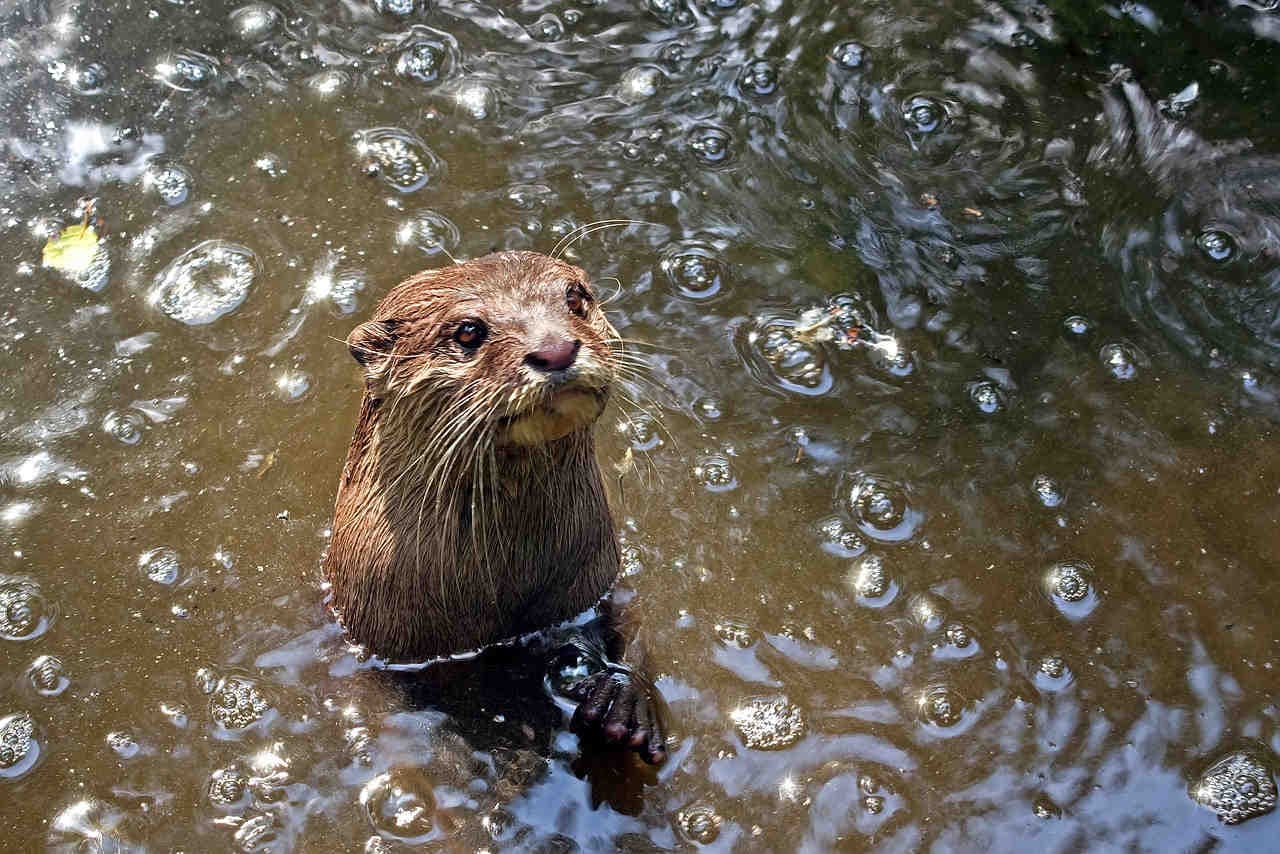
Wetland conditions can be difficult for some
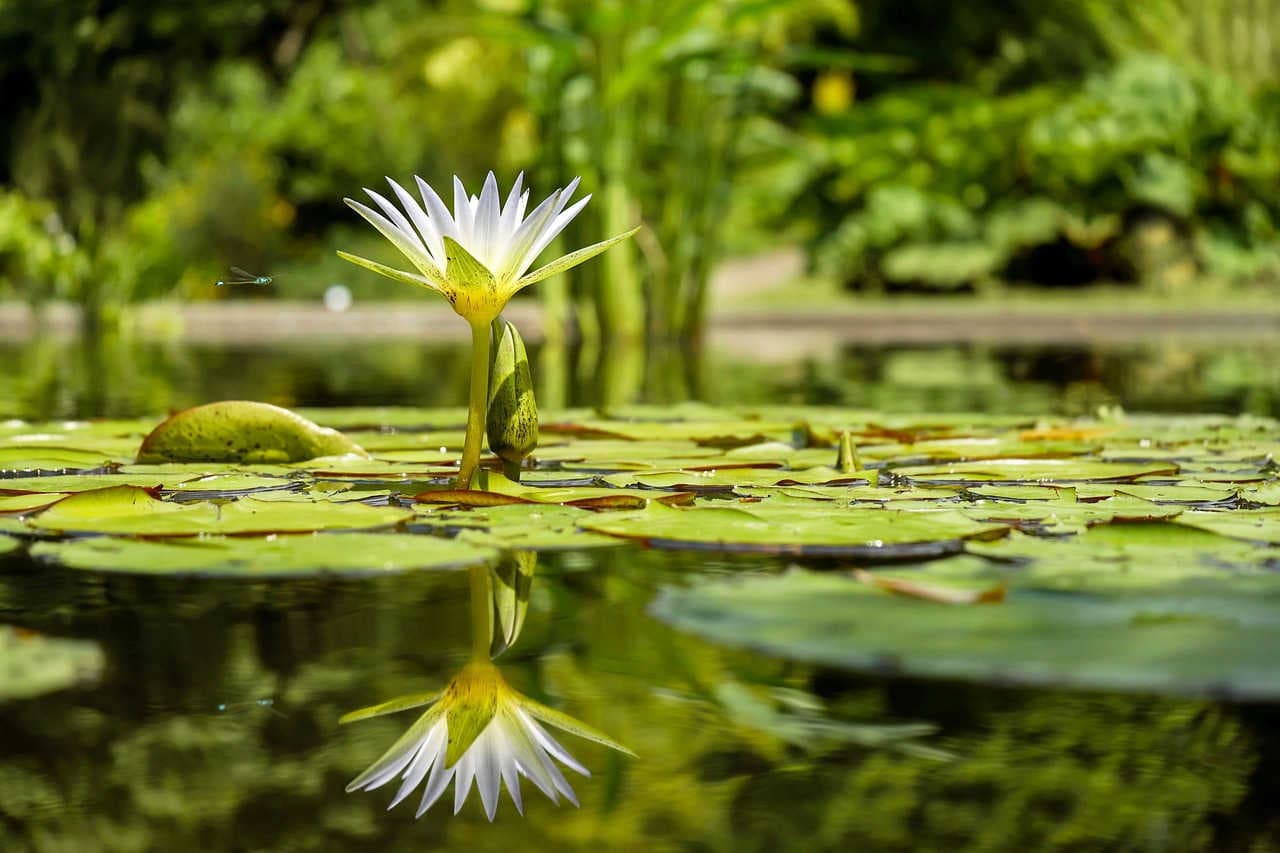
Among the
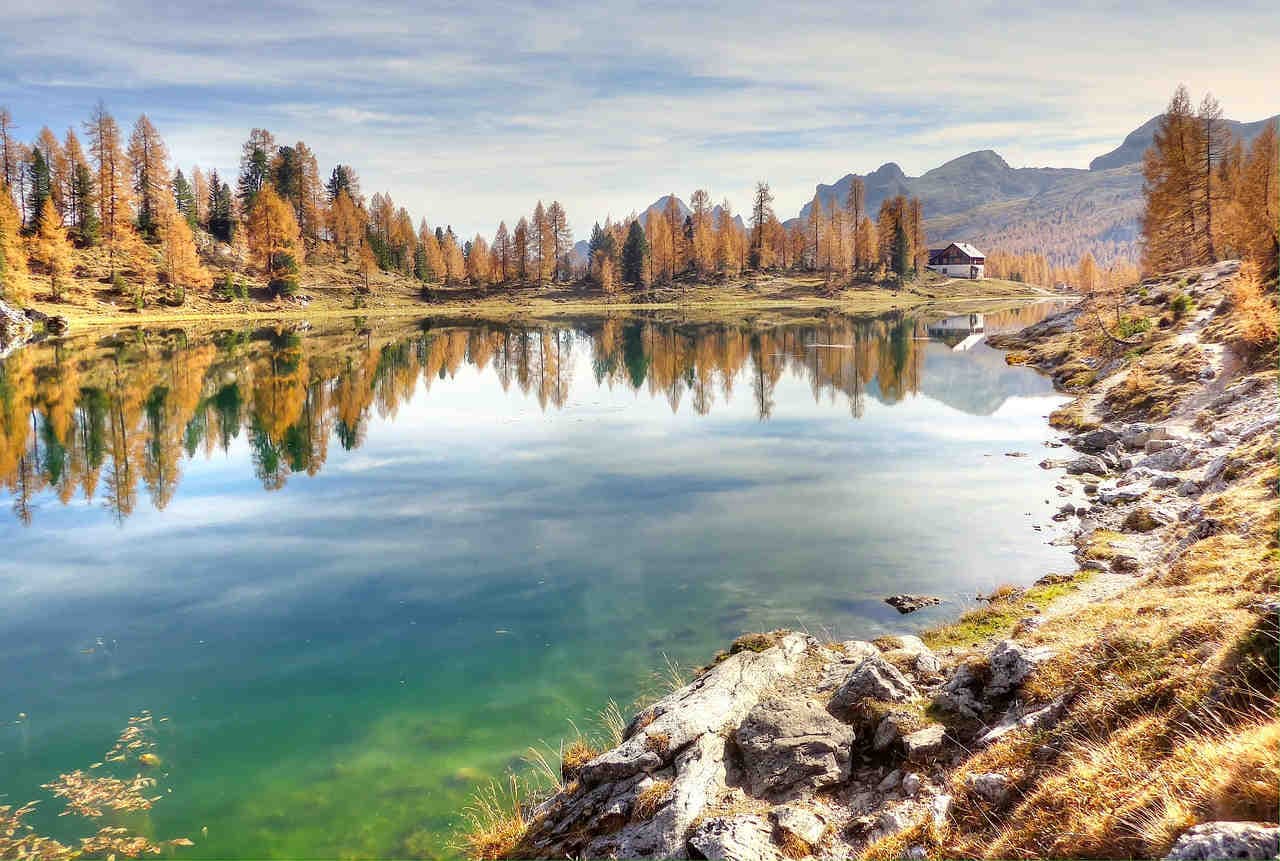
The
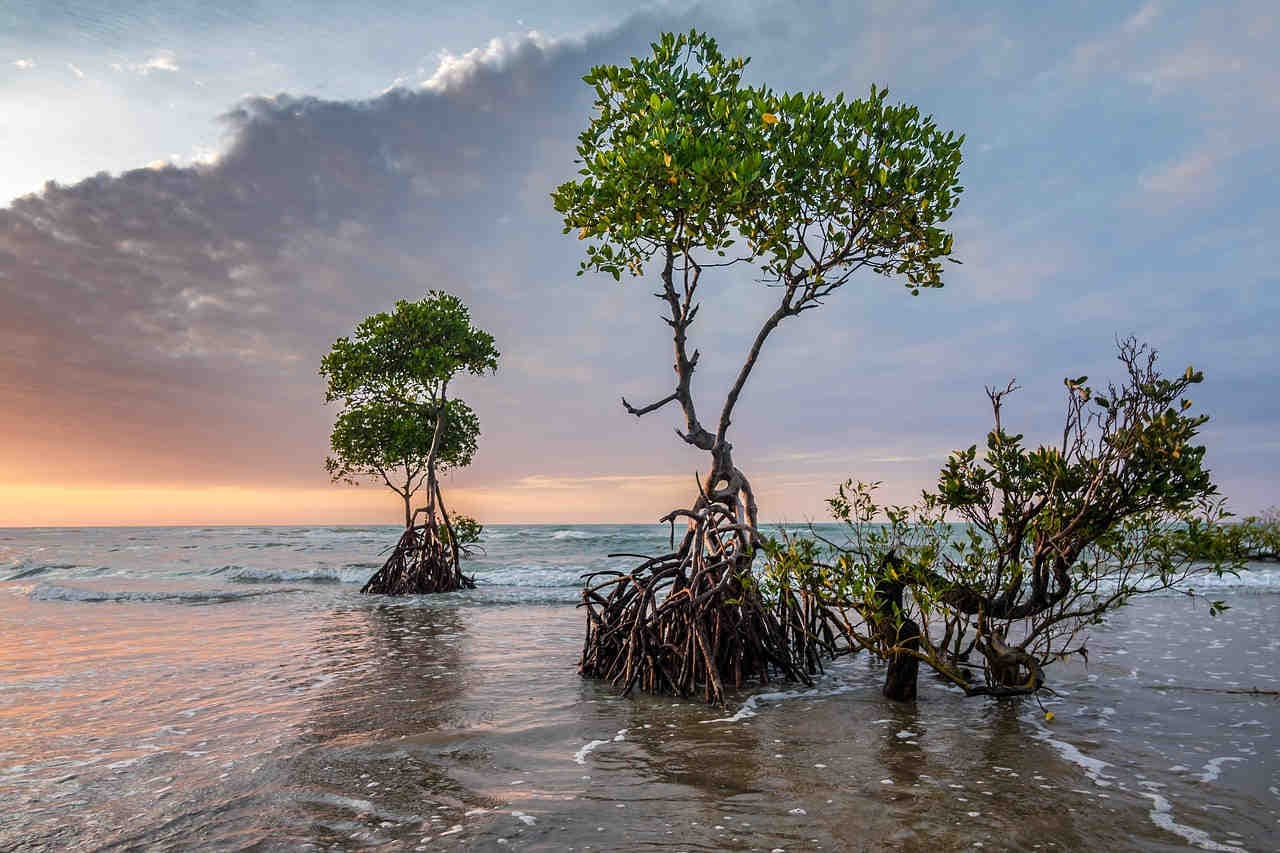
The creation of
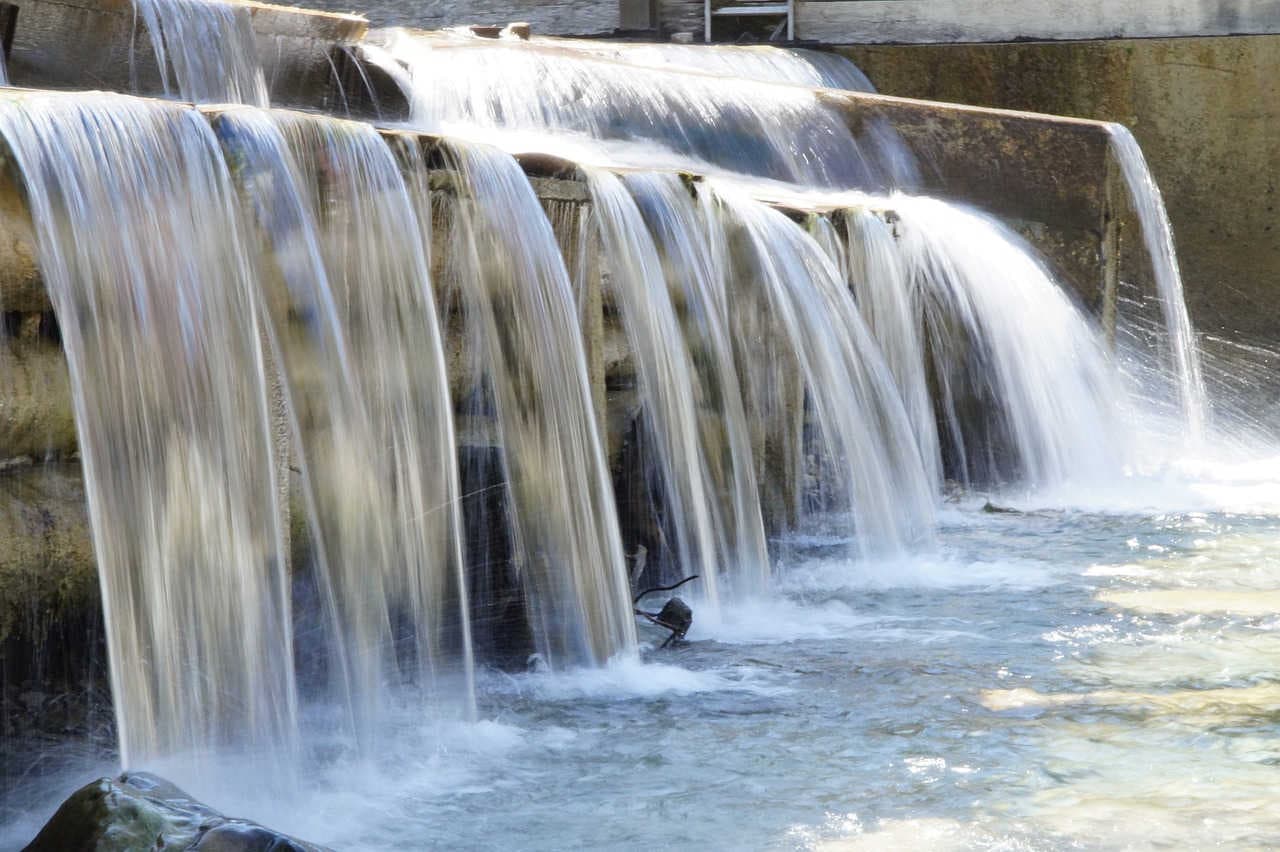
According to the


Do you have any doubts or other curiosities about this article? Here you will find some insights