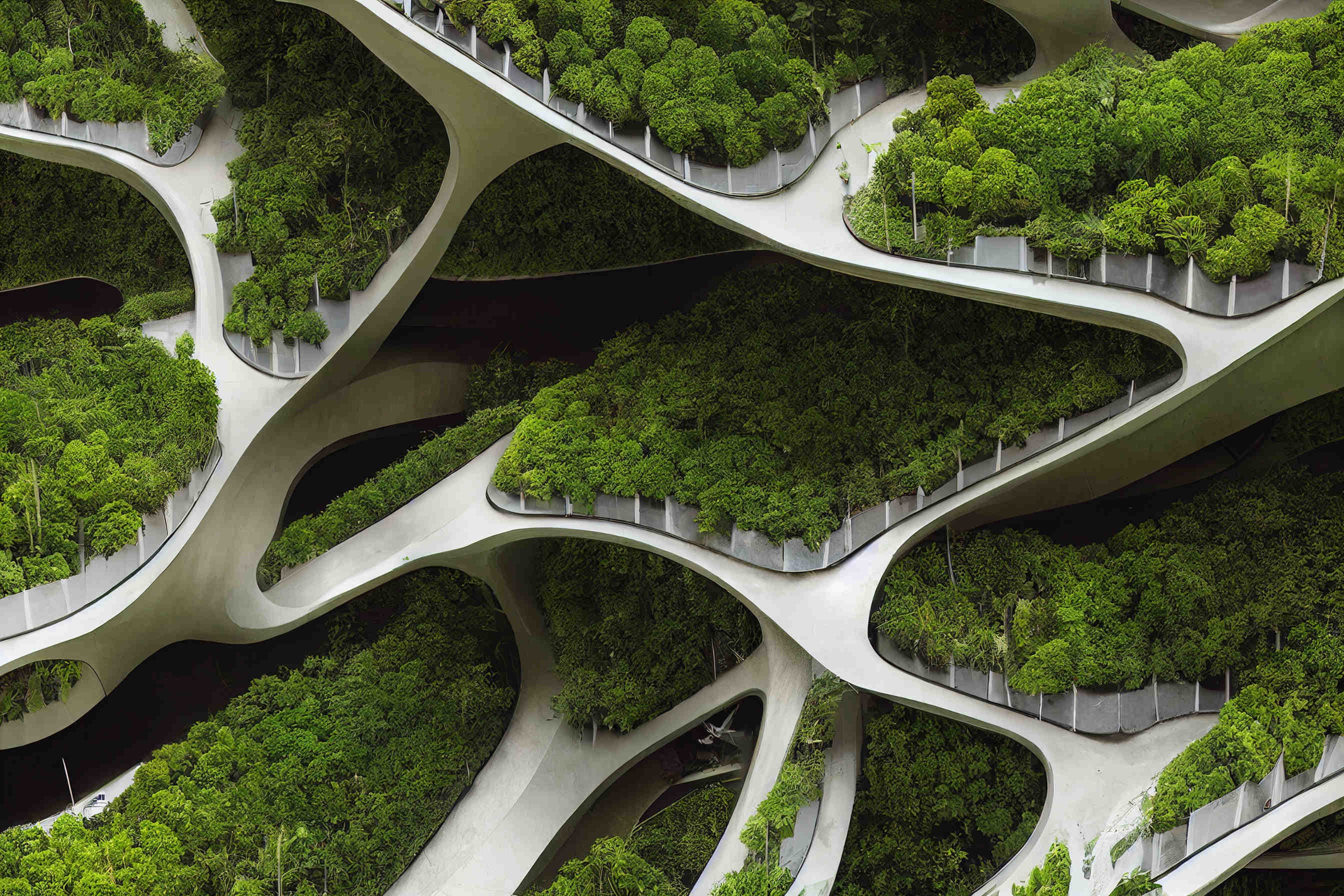
Tree Day 2023: the importance of trees in the city
    OriginiCitiesUrban greenBiodiversity

    Tree Day 2023: the importance of trees in the city

    Tree Day 2023 celebrates the vital role of trees, also in cities. In this article, we explore the importance of trees for the urban ecosystem, the benefits for biodiversity and innovative initiatives such as 3Bee's Biodiversity Oases for a greener, biodiverse future.

    Read the article
    21/11/2023Of 3Bee, Elena Fraccaro
    516 Views
    21/11/2023Of 3Bee, Elena Fraccaro
    516 Views

    Tree Day: meaning and origins

    Like every year, 21 November is celebrated on 21 November as the Tree Day: trees play a fundamental role in our ecosystem, both in terms of climate resilience and the life cycle and survival of species. But what are the origins of this anniversary? The custom of organising a tree-planting celebration was spread by the Greeks and the ancient Oriental peoples. The Romans also attached great importance to trees: forests were protected and preserved for religious reasons and were often consecrated to the worship of deities of the time. Some time later, in 1872, the Governor of Nebraska created Arbor Day: one day a year dedicated entirely to the planting of trees. From here, the occasion spread throughout Europe, eventually reaching Italy: the first Tree Day was celebrated in our country in 1898.
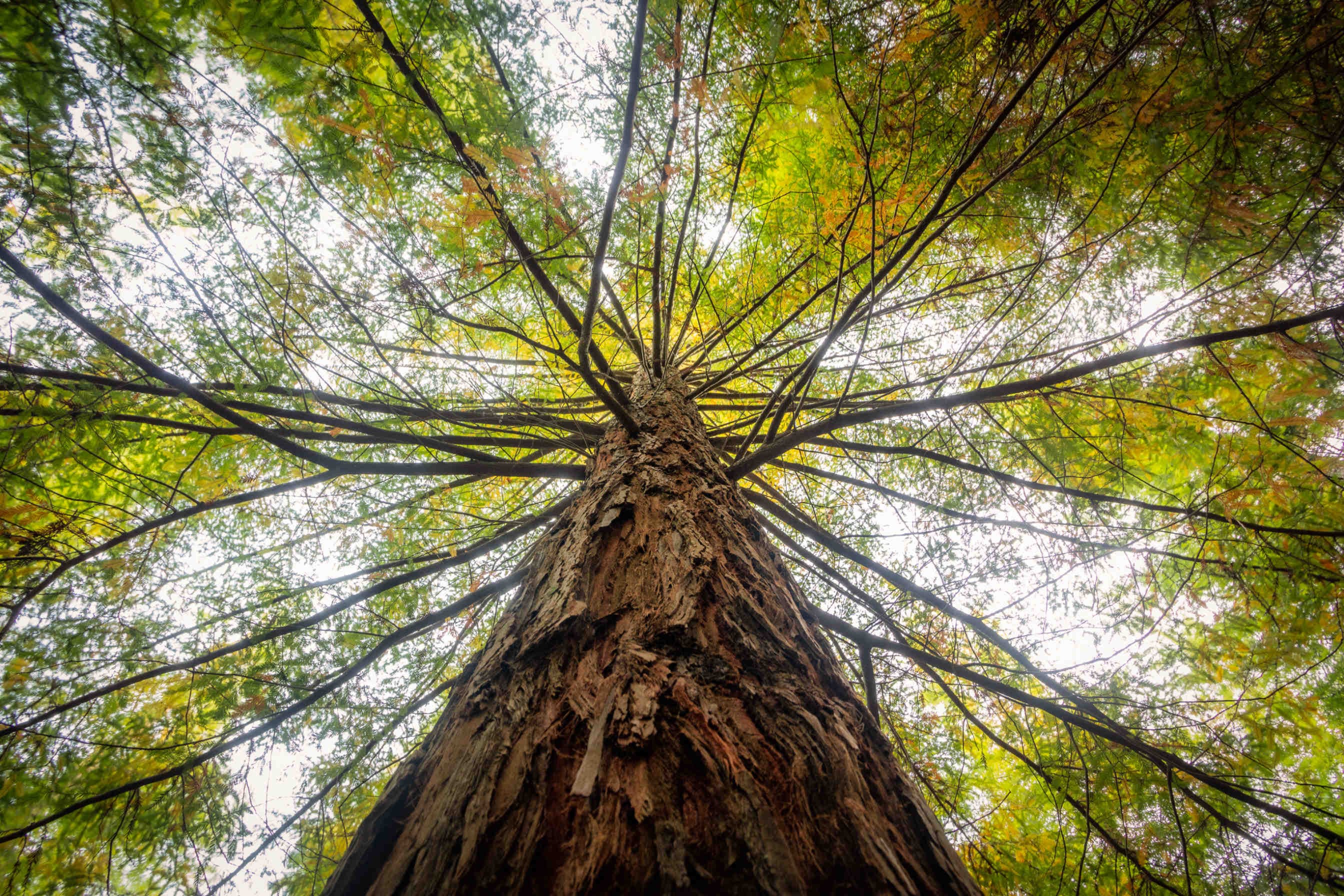
    albero

    The fundamental role of trees in the city

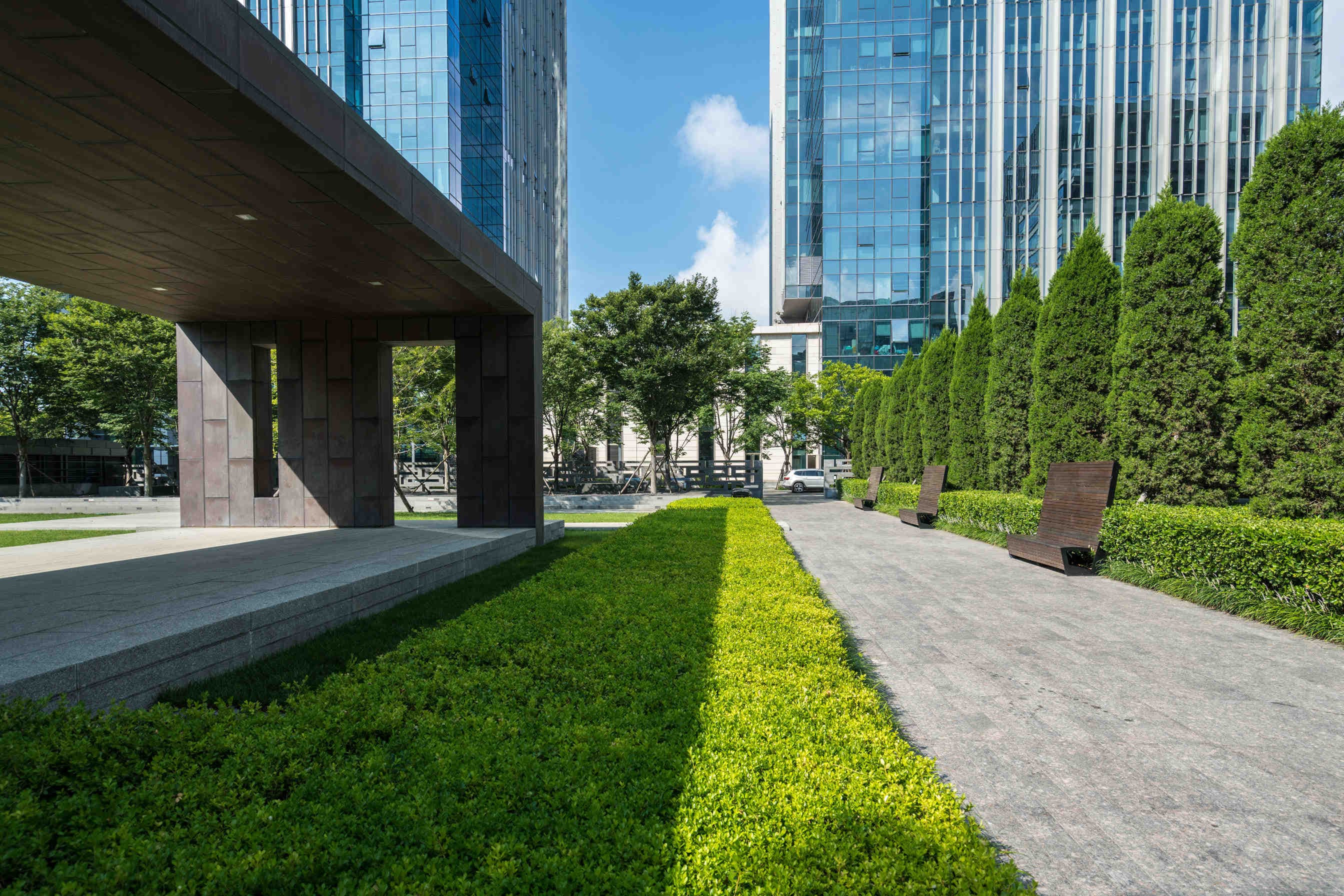
    According to the FAO, by 2050 more than 80 per cent of European citizens will live in urban areas. In this context, it is crucial to understand the crucial role of trees which, with their diversity, represent a more than valuable resource to be safeguarded, protected and enhanced. Trees contribute to improving the quality of the environment and people's lives, especially in densely populated urban and metropolitan areas, "characterised by high human impact and significant emissions of anthropogenic compounds", as stated by ISPRA. To restore air quality in cities, it is therefore important to defend green structures, which bring with them a number of positive effects for the environment and for people.

    verde urbano
    XNatura

    Benefits of urban greenery

    Recent studies emphasise the importance of urban greenery in contributing to the improvement of the environment. Through so-called Ecosystemic Services, trees and vegetation provide numerous benefits to society. These benefits range from landscape enhancement to social and recreational benefits, to more practical functions such as surface water run-off and the storage of carbon and nutrients in the soil. In this way, they enable the reproduction of other plants and improve the microclimate and air quality, aspects that are particularly relevant in urban contexts. According to ISPRA, "in this context, green spaces, better structured and interconnected as Green Infrastructure, can ensure a better water balance between soil and atmosphere by helping to temper the microclimate, saving energy, and also storing within them habitats essential for the survival and reproduction of valuable bird species, small mammals and insects".
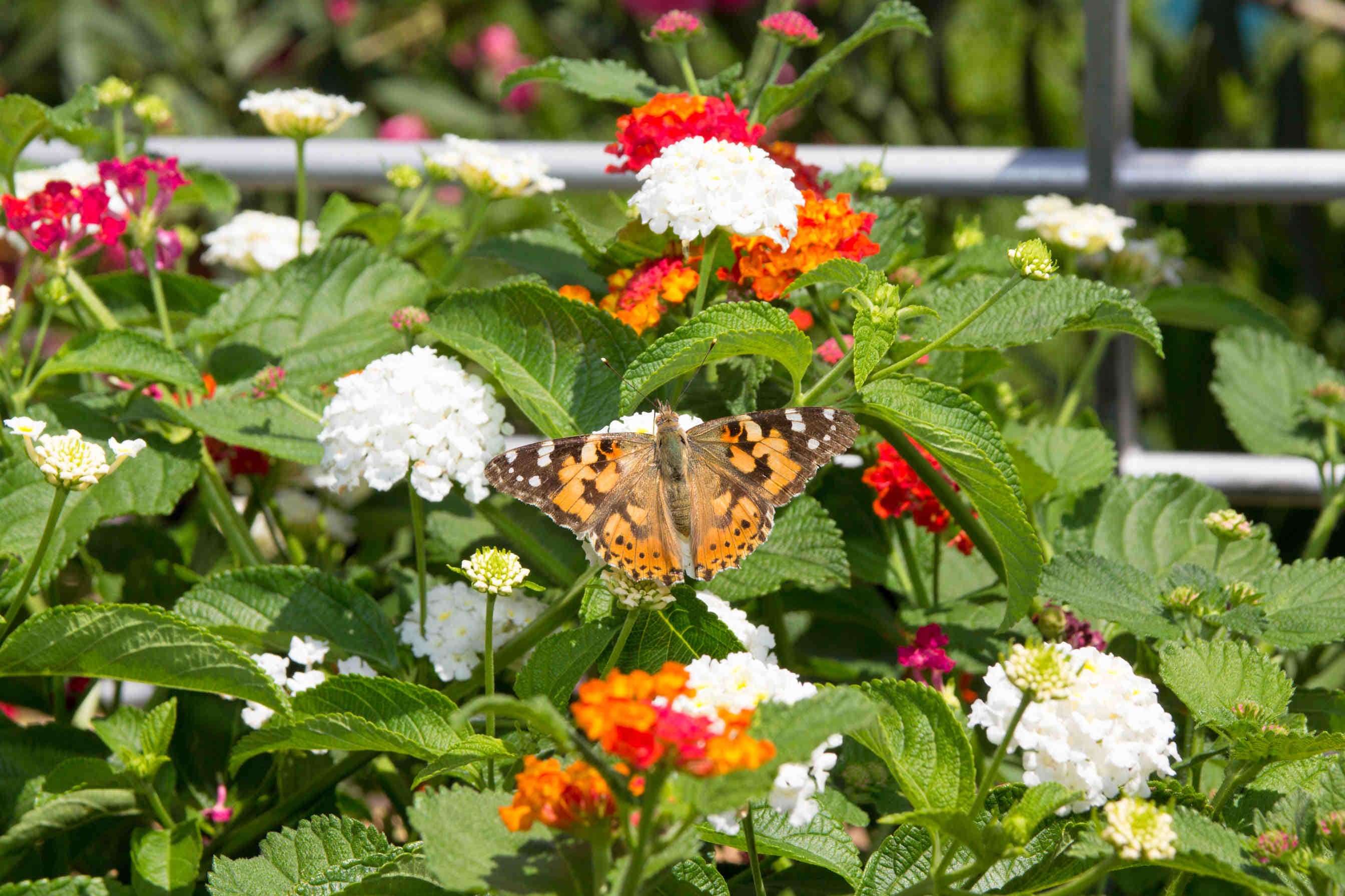
    farfalla in città

    Why trees are important for biodiversity

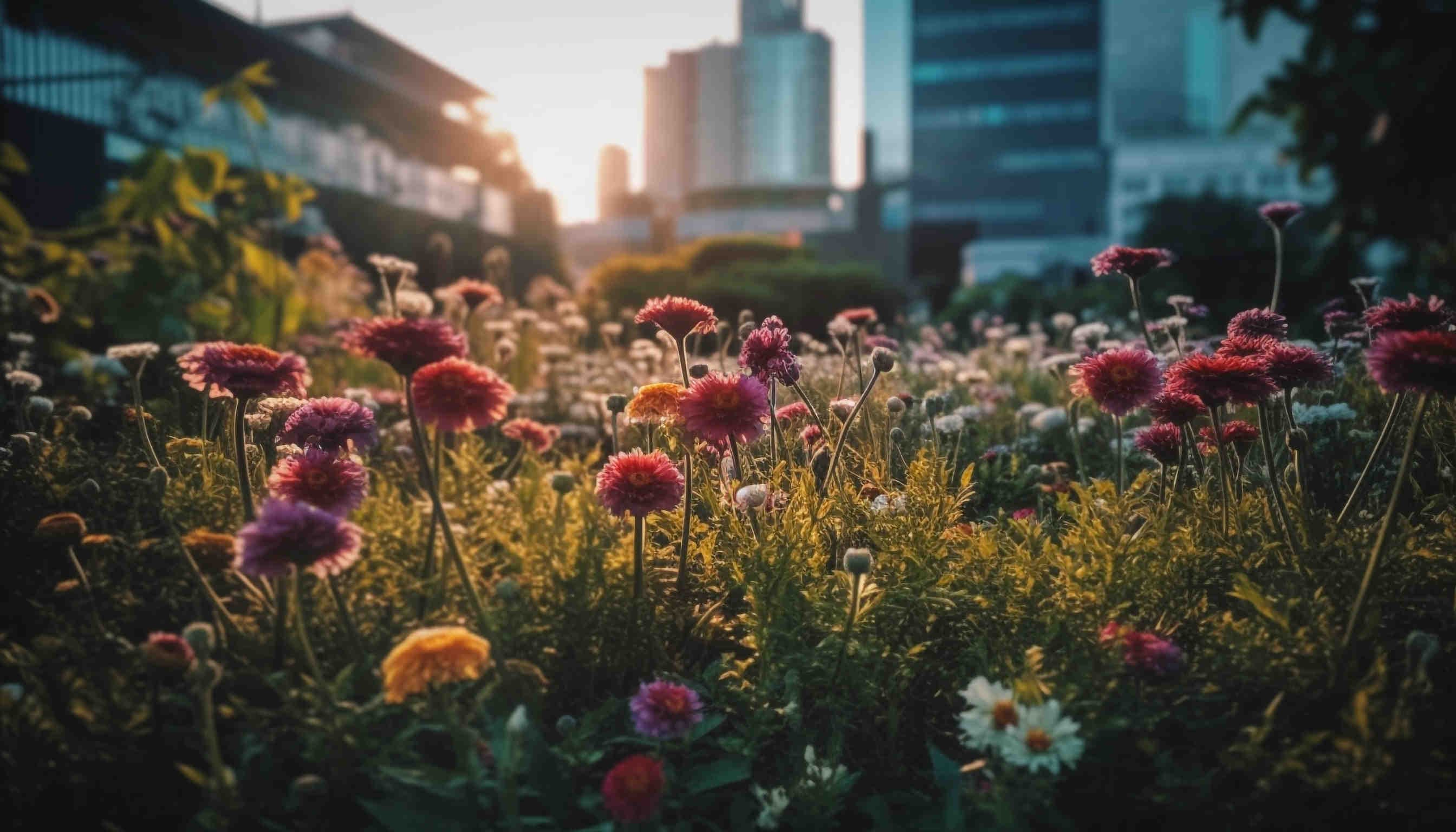
    As stated during the COP15 by Valeriè Plante, Mayor of Montréal and global ambassador of ICLEI for Biodiversity "all cities depend on healthy natural ecosystems, which provide humans with food, clean water, protection and well-being. This is why cities should not be a problem, but part of the solution." Cities occupy only three per cent of the Earth's surface, but are responsible for 75 per cent of global CO2 emissions and are home to some 56 per cent of the world's population. It is therefore crucial to integrate nature within urban planning and to foster biodiversity in our cities. This is where nectariferous trees come in, which bring with them a number of benefits for biodiversity: in particular, they contribute to the regeneration of natural habitats, promote the improvement of soil structure and composition, and create new refuges and feeding sites for wildlife.
    città fiori
    XNatura

    Tree Day: the importance of 3Bee Oases

    Nectariferous trees also contribute to the reduction of the so-called 'heat islands' phenomenon, which results in a warmer microclimate within urban city areas, compared to surrounding suburban and rural areas. Finally, they improve air quality by absorbing CO2. 3Bee is committed to this with the Oases of Biodiversity: urban and agroforestry habitats recreated in areas of low biodiversity. Physical and digital places where technology and nature come together, with the aim of regenerating biodiversity and taking a first step towards climate resilience. Within the oases are the Nectariferous groves, consisting of a minimum of three native species that are planted by professional farmers and after soil analysis with Flora: an essential point that allows for the creation of pastures with scalar flowering, so that the pollinators can find nourishment in all seasons in which they are active. Want to know more?

    3Bee
    21/11/2023Of 3Bee, Elena Fraccaro
    516 Views
    Newsletter
    newsletter
    Subscribe to the Blog about bees and biodiversity

    Frequently Asked Questions

    Do you have any doubts or other curiosities about this article? Here you will find some insights