The Great Meltdown 2 - Milan of Fire: Heat Islands
    TGM 2heat islandsstudicontest

    The Great Meltdown 2 - Milan of Fire: Heat Islands

    The Great Meltdown 2 is the sequel to 3Bee's film with which we aimed to document climate change from the perspective of all human actions-alterations on ecosystems and biodiversity. Discover the first episode dedicated to the 'heat island' phenomenon in the city of Milan.

    Read the article
    31/10/2023Of 3Bee, Elena Fraccaro
    683 Views
    31/10/2023Of 3Bee, Elena Fraccaro
    683 Views

    The Great Meltdown: the climate change film

    The Great Meltdown is the "film" that is before our eyes every day: the real and dangerous effects of climate change, which are affecting everyone. Unlike the first docu-film, which explored environmental disasters caused directly by human actions, this new season focuses on the devastating effects of extreme weather events. The episodes will be 5 and will be released weekly during the month of November 2023.
    - Episode 1: Milan of fire, the islands of heat
    - Episode 2: Vaia, a storm to remember
    - Episode 3: Silent Invasion, Blue Crab and Alien Species
    - Episode 4: Extreme Hail, the New Normal
    - Episode 5: Emilia Underwater - Coming Soon 27/11/2023
    isole di calore milano

    Heat islands: what are they and what are their effects?

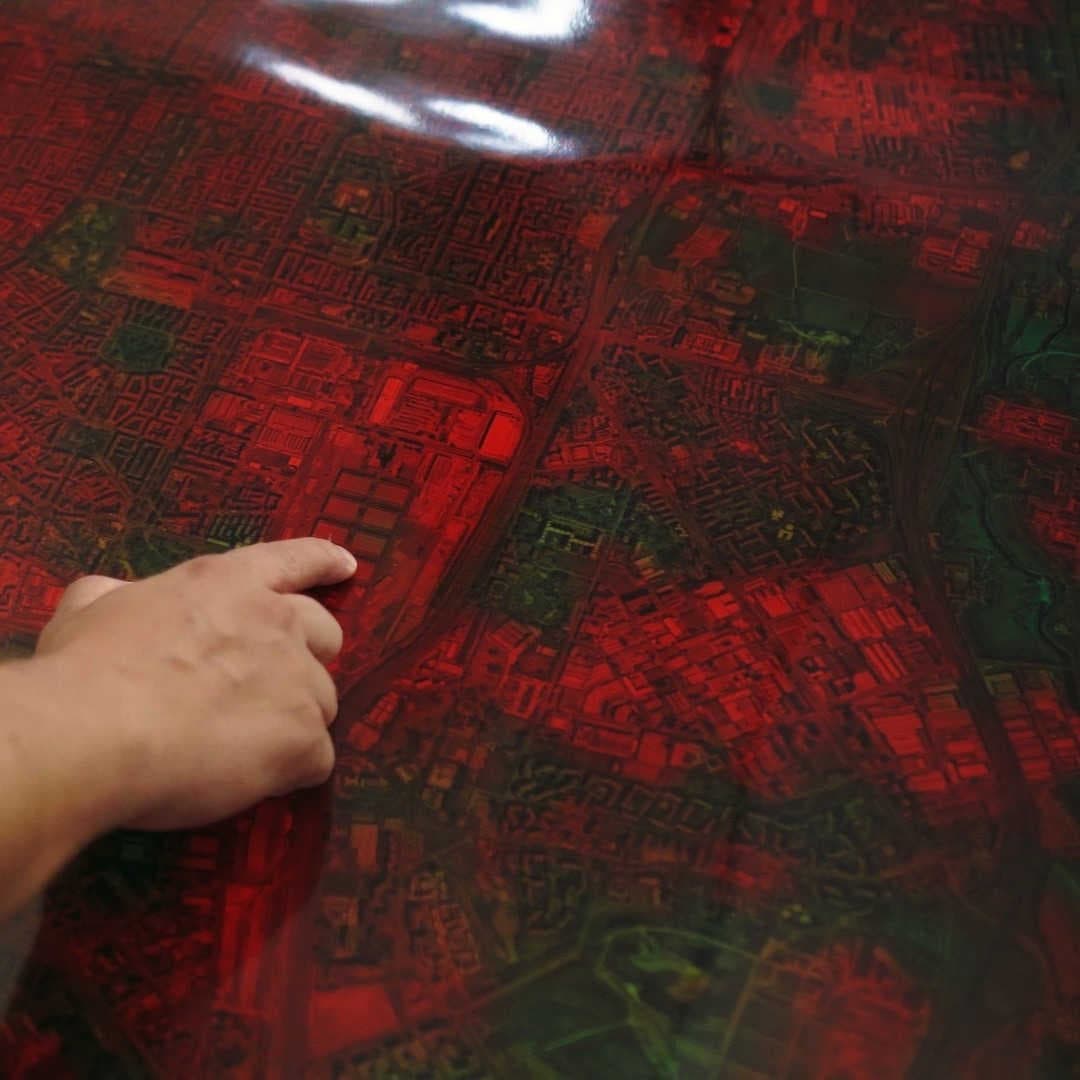
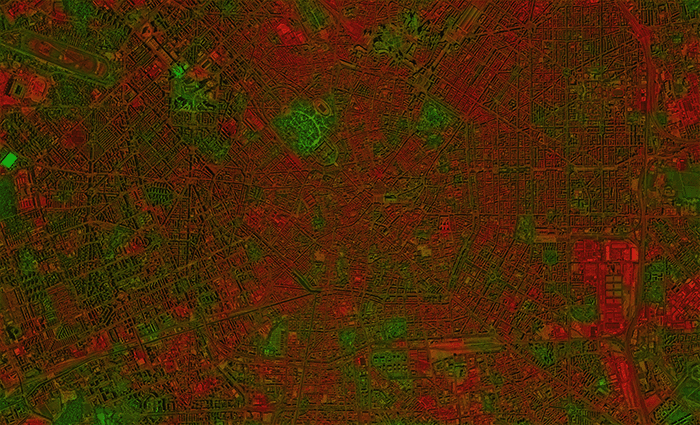
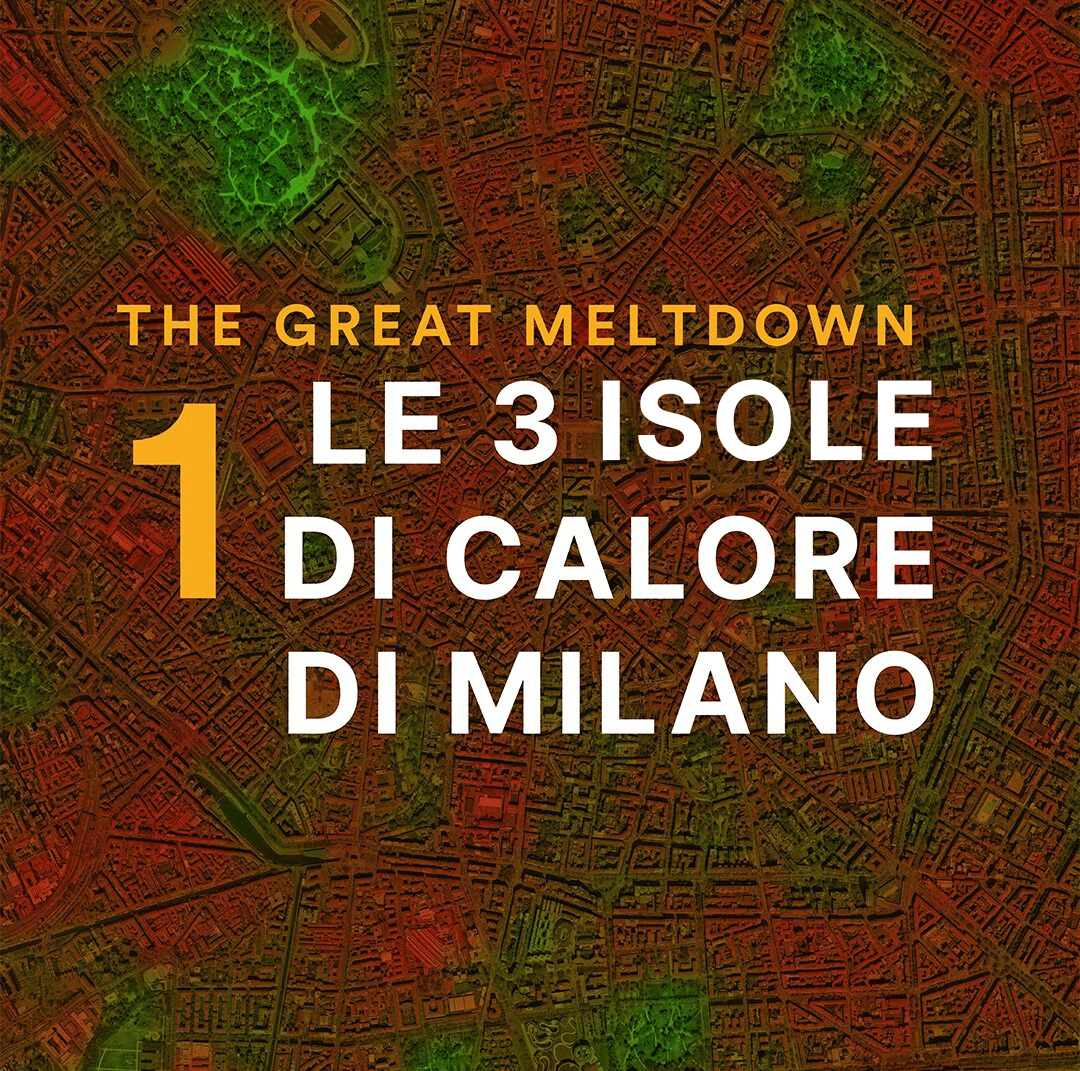
    In Milan, as much as 80% of the urban area is covered by heat islands, a phenomenon that is growing exponentially. Only 13% of the city boasts green spaces such as parks, lawns and gardens, compared to 30-32% in cities such as Rome and Naples. The remaining part is covered with asphalt, concrete and metal, materials that absorb solar radiation but at the same time diffuse it. This creates thermal hotspots with adverse temperatures, so-called heat islands. An analysis of the climate map of Milan shows a drastic thermal gap: in the green areas the temperatures fluctuate between 25 and 30 degrees, while in the red areas they can spurt up to 40-45 degrees, showing a considerable difference of at least 10 degrees. This phenomenon is becoming increasingly serious due to the acceleration of climate change, which contributes to the intensification of both temperatures and the frequency of extreme weather events.

    3Bee isole di calore
    XNatura

    Heat island increase: scientific studies

    Recent research and scientific studies underline the seriousness of the heat island phenomenon in cities. A survey conducted by the University of Bologna and published on ScienceDirect revealed that, between 2003 and 2020, urban areas experienced average temperatures up to 15°C higher than the surrounding rural areas. Equally worrying is what is reported in an article on Nature Communications, which reports 6.4 more days of extreme heat per decade since 1980, with reference to the Mediterranean basin. These data not only emphasise the urgency to act, but also the importance of targeted mitigation strategies. Increasing green areas and adopting sustainable architecture solutions have become actions that can no longer be postponed to mitigate the effect of heat islands and to build cities more resilient to climate change.

    mappa climatica Milano

    The symbolic and provocative contest: The Heat Islands 2023

    As climate change intensifies, heat islands are becoming more and more extreme in urban areas. Milan is no exception and the urgency to adopt resilience measures is evident. Hence the symbolic and provocative contest 'Heat Islands 2023', with which the 3Bee team identified the most critical areas of the city. In third place we find Milano Lambrate, Rubattino area, known for its buildings and commercial spaces, but with a certain degree of mitigation thanks to the river that runs through it. In second place, rank with a ex aequo Dergano and Greco, the latter known for its railroad switches and dilapidated warehouses. But who is the winner of the 'Heat Islands 2023' contest? In first place is the District of Calvairate: with its vegetable market and extensive asphalt areas, this area has a thermal variation of as much as 10 degrees compared to the Milanese average, emerging as the most critical heat island case for the year 2023.

    XNatura

    Oasis 3Bee to reduce heat islands in the city

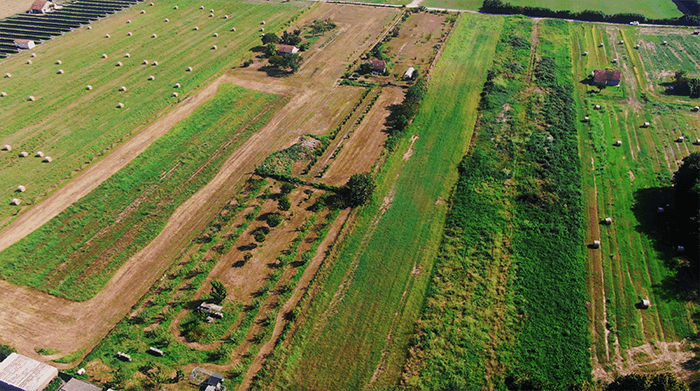
    In order to improve the climate resilience of Milan and its province, 3Bee has launched an important initiative consisting in the creation of 10 Biodiversity Oases: lands ranging from 1 hectare to 10 hectares that aim to recreate habitats for the pollinating-insects, absorb CO2, purify the air and reduce the heat island effect. But our commitment does not stop there: in the next 6 months we will adopt 25 city roundabouts in Milan and on them we will build 'tiny oases' that will replicate exactly these spaces. Often these roundabouts are dry or full of plants and flowers such as roses, which are not useful for pollinators. Our goal is to regenerate these areas to combat the heat island effect and develop a resilient ecosystem to protect us from an uncontrollable future. Want to help us regenerate biodiversity in Milan?

    Oasi 3Bee isole di calore
    3Bee
    31/10/2023Of 3Bee, Elena Fraccaro
    683 Views
    Newsletter
    newsletter
    Subscribe to the Blog about bees and biodiversity

    Frequently Asked Questions

    Do you have any doubts or other curiosities about this article? Here you will find some insights