Tourism and biodiversity under threat: fires devastate Nepal's forests
    Fires NepalBiodiversityTourismPrevention

    Tourism and biodiversity under threat: fires devastate Nepal's forests

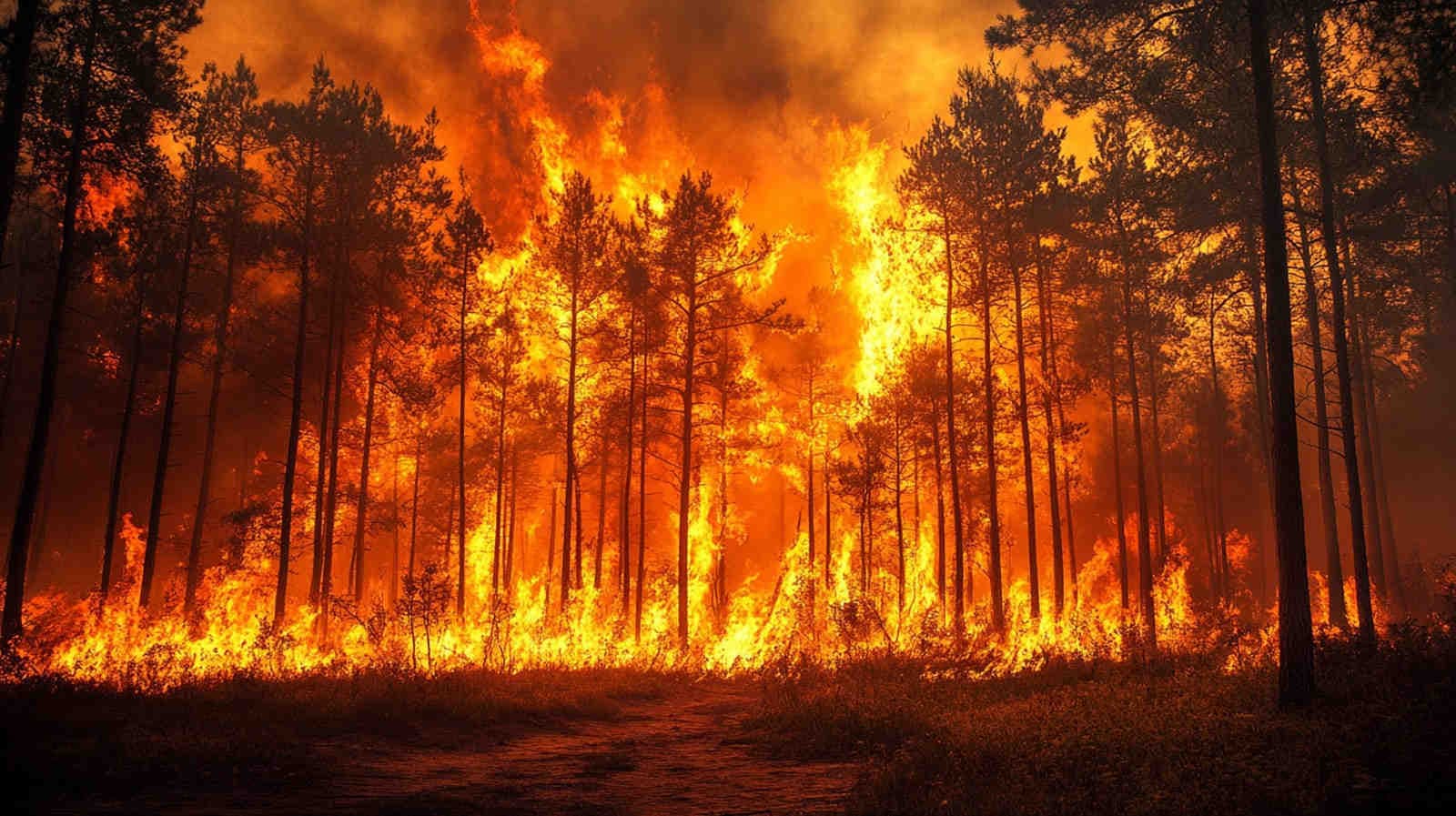
    Forest fires bring Nepal's forests to their knees, with dramatic consequences for biodiversity. According to recent research, the amount of carbon released by these fires is alarming. This situation affects the economy and tourism is the sector that suffers most.

    Read the article
    01/04/2025Of 3Bee, Angelina Tortora
    444 Views
    01/04/2025Of 3Bee, Angelina Tortora
    444 Views

    Fires in Nepal: impacts on forests and biodiversity

    Disclaimer: this is an automated translation from Italian. Go to the original article.

    The fires devastated numerous areas of Nepal, destroying thousands of hectares of forest vital for biodiversity. In Sindhupalchok, 82 hectares of land went up in flames, while in Liping 35 hectares were destroyed. Dolakha was the scene of one of the most serious catastrophes, with as much as 600 hectares burnt in the Gaurishankar Conservation Area, a key habitat for the red panda. Another fire devastated the Timang forests in the mountainous district of Manang, which started on 1 February and continued for days. Experts warn that the situation could worsen, with the peak of the fire season occurring between April and May. The growing threat to ecosystems, public health and air quality is a growing risk that requires urgent solutions to prevent further damage.
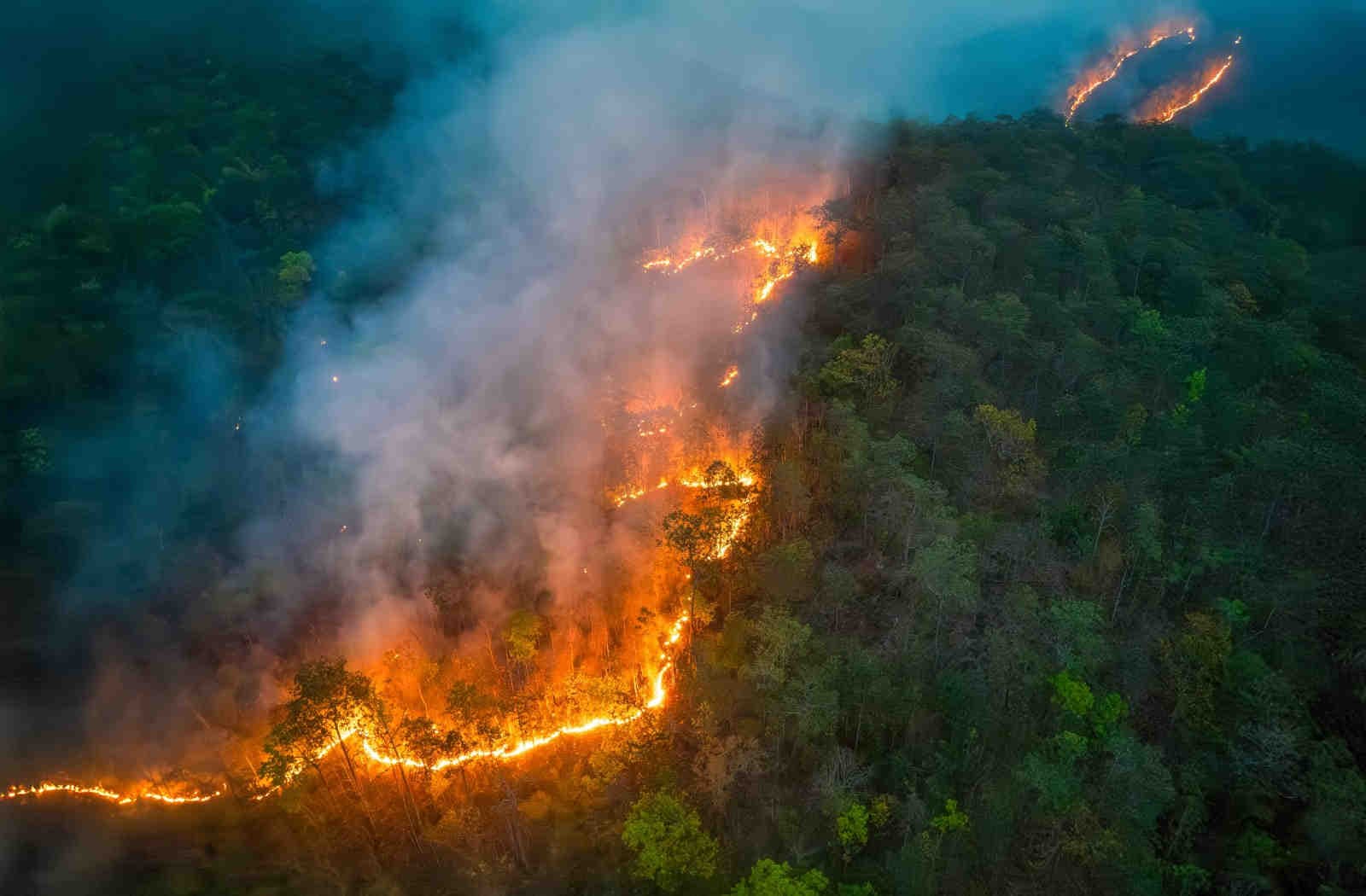
    Le foreste in fiamme: le aree più colpite

    Biodiversity at risk: the most vulnerable areas

    The forest fires in Nepal seriously threaten biodiversity, putting rare species and entire ecosystems at risk. The Koshi Tappu Nature Reserve and the national parks of Chitwan, Banke, Bardiya, Shuklaphanta and Parsa are particularly vulnerable, with crucial habitats for Bengal tigers, Indian rhinos and wild elephants. The southern provinces, including Lumbini and Madhesh, are the worst affected, with six of the country's 20 protected areas at high risk of destruction. Rocky Talchabhadel of the Jackson State University emphasised the increased risks: "Our models show that the risk of forest fires in southern Nepal has been increasing since 2001. Without decisive action, these fires could undo decades of conservation progress and turn vital ecosystems into dangerous sources of emissions."
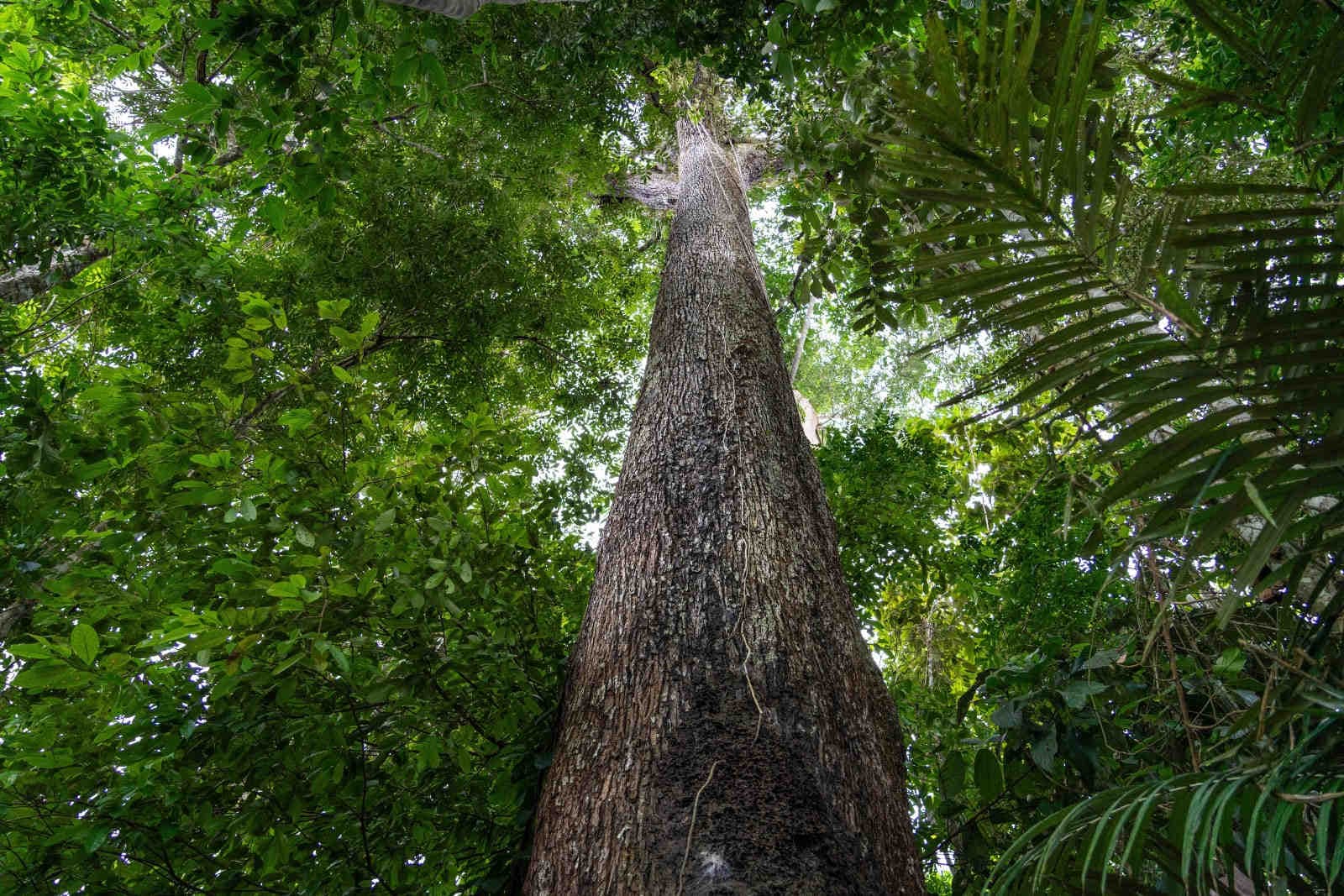
    La biodiversità a rischio: le aree più vulnerabili
    XNatura

    Tourism in crisis and climate impacts

    A study shows that forest fires in Nepal could release more than 495 million tonnes of carbon, 170 million of which comes from the soil and 325 million from burnt wood. Although forests have some capacity for regeneration, full recovery can take up to ten years. The tourism, a key sector for Nepal's economy, is facing severe difficulties because of the fires. Pokhara, a major tourist destination, has suffered weeks of flight disruptions due to thick smoke. In places like Ghandruk, the view of the mountains is often obscured by smog, reducing the appeal for tourists. The Tarai region experienced numerous flight cancellations during the spring season, leading to significant economic losses for local communities.

    Il turismo in crisi a causa del fumo e degli incendi

    Forest fires in Nepal: solutions for prevention

    In 2023, Nepal recorded more than 5,200 fires, the second highest number after 2021 with 6,537 fires. Experts warn of the urgency of effective strategies to prevent and mitigate forest fires. A study by several international universities suggests innovative solutions, such as artificial intelligence-based early warning systems, community patrols and cross-border cooperation to strengthen climate partnerships in South Asia. Prajal Pradhan, from the University of Groningen, emphasised the importance of an integrated approach: "It is not just about stopping fires. Nepal must combine climate action and biodiversity protection in sustainable development projects."

    L'aumento degli incendi e la necessità di azioni concrete
    XNatura

    Protecting natural resources from environmental hazards

    Without immediate action, Nepal risks losing not only its extraordinary natural heritage, but also an important economic resource. The integration of environmental protection into sustainable development strategies is increasingly urgent. Responsible forest management and the adoption of sustainable agricultural practices can be effective solutions to reduce the risk of fire and preserve the fragile balance between man and nature. Global attention to this crisis is essential to protect Nepal's natural resources and ensure a secure and sustainable future.

    Incendi in Nepal: un futuro da proteggere
    3Bee

    3Bee's expansion into international markets

    This article has been realised within the project "Biodiversity services EU expansion" (CUP: E43D22000480009) in the framework of the Lombardy Region's call for tenders "PR FESR 2021-2027 - LINEA INTERNAZIONALIZZAZIONE 21-27", aimed at supporting the internationalisation of Italian companies. 3Bee is the naturetech company that develops innovative technologies for monitoring, protecting and regenerating biodiversity, supporting companies in defining customised climate strategies based on the analysis of their impacts and dependencies on nature. With an established portfolio in Italy, Germany and France and prominent partnerships, 3Bee continues its expansion into international markets to create real impact through technology.

    01/04/2025Of 3Bee, Angelina Tortora
    444 Views
    Newsletter
    newsletter
    Subscribe to the Blog about bees and biodiversity

    Frequently Asked Questions

    Do you have any doubts or other curiosities about this article? Here you will find some insights