Is the violin spider really dangerous?
    Violin spiderWhere he livesBiteEcological role

    Is the violin spider really dangerous?

    Is the violin spider really that dangerous? In this article, we shed light on the violin spider and its danger, exploring its characteristics, habitat, the consequences of its bite and its ecological role. Spoiler: there are more fearsome and dangerous spiders in nature.

    Read the article
    27/08/2024Of 3Bee, Lisa Santillo
    4002 Views
    27/08/2024Of 3Bee, Lisa Santillo
    4002 Views

    What is the violin spider?

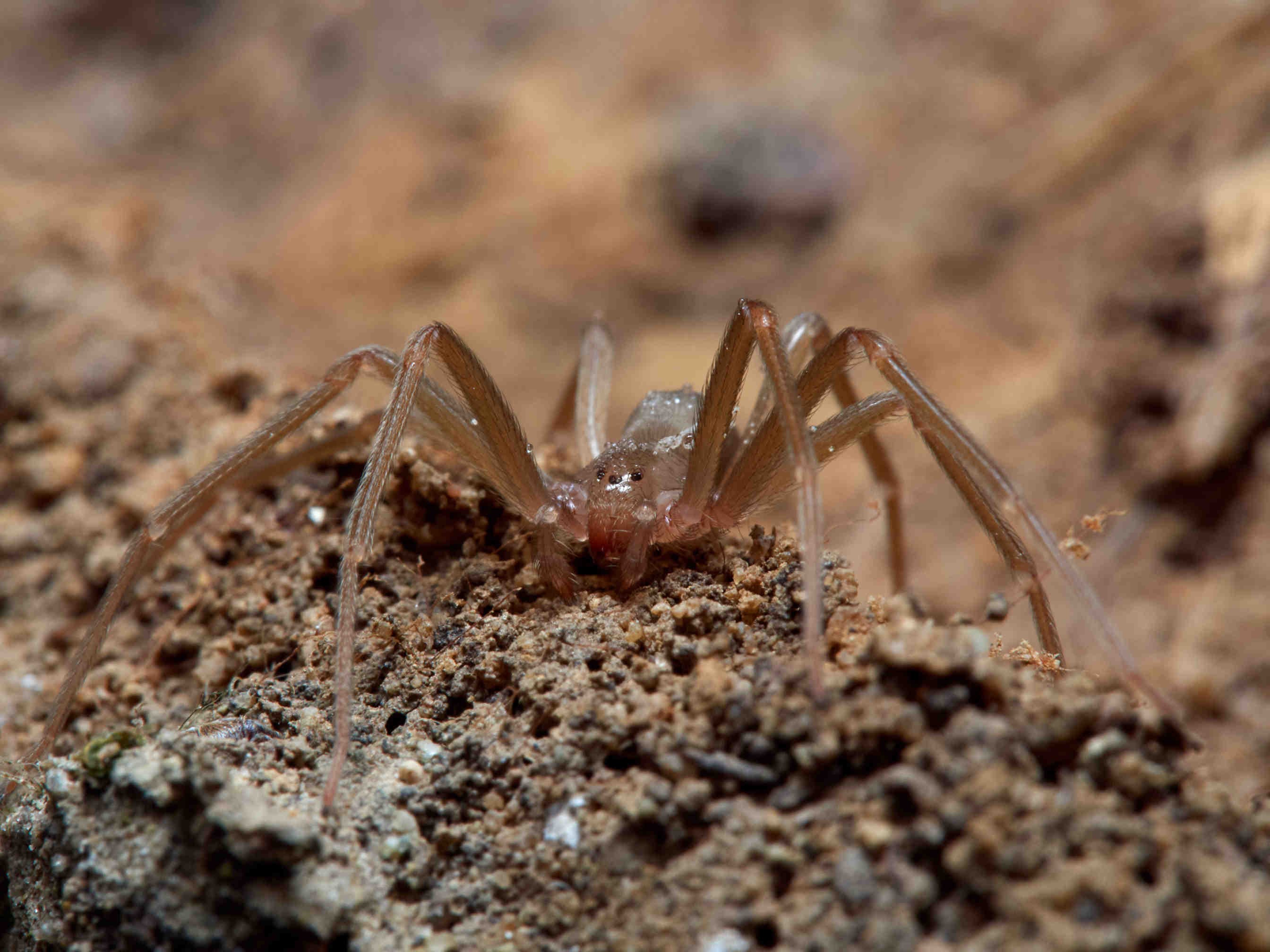
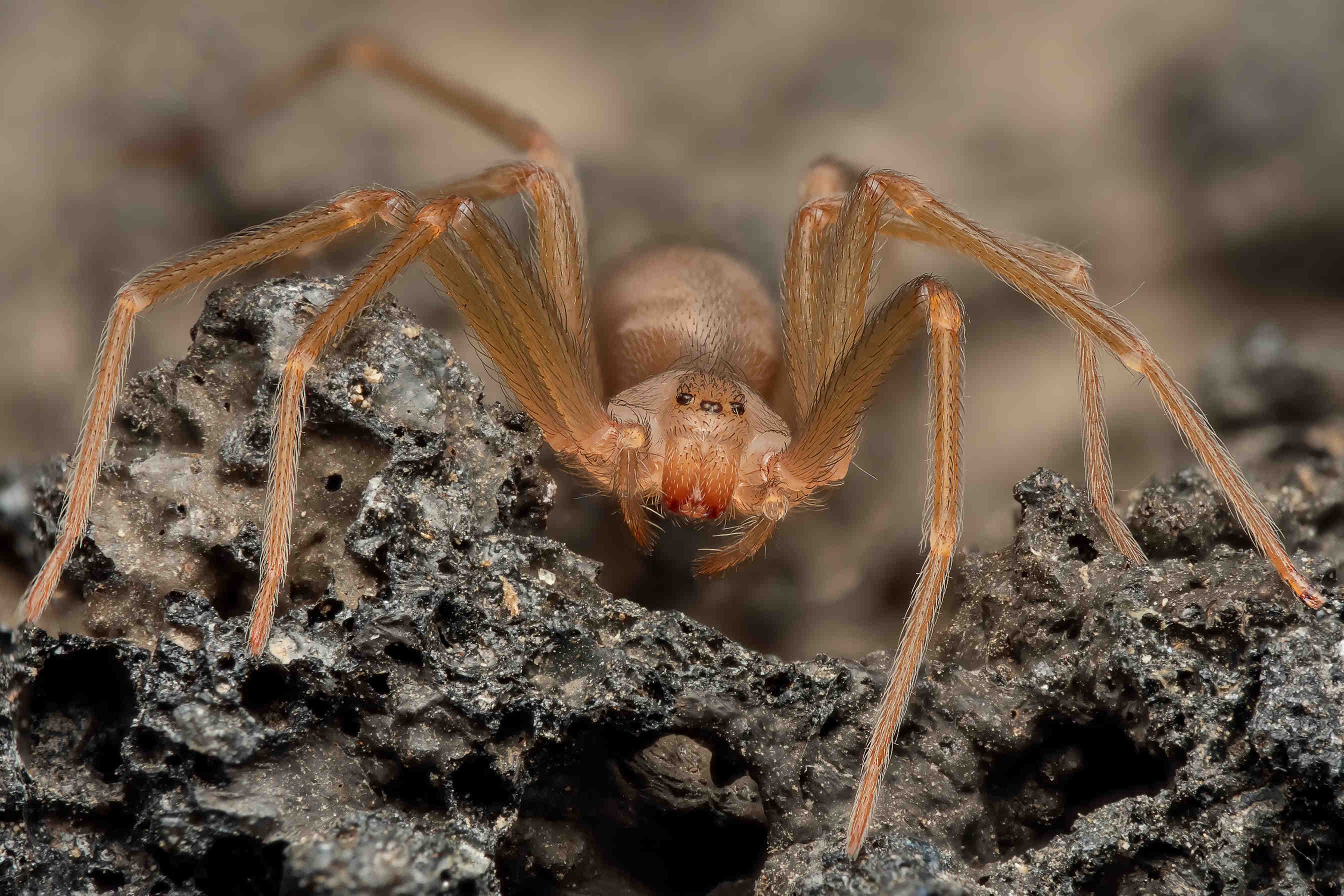
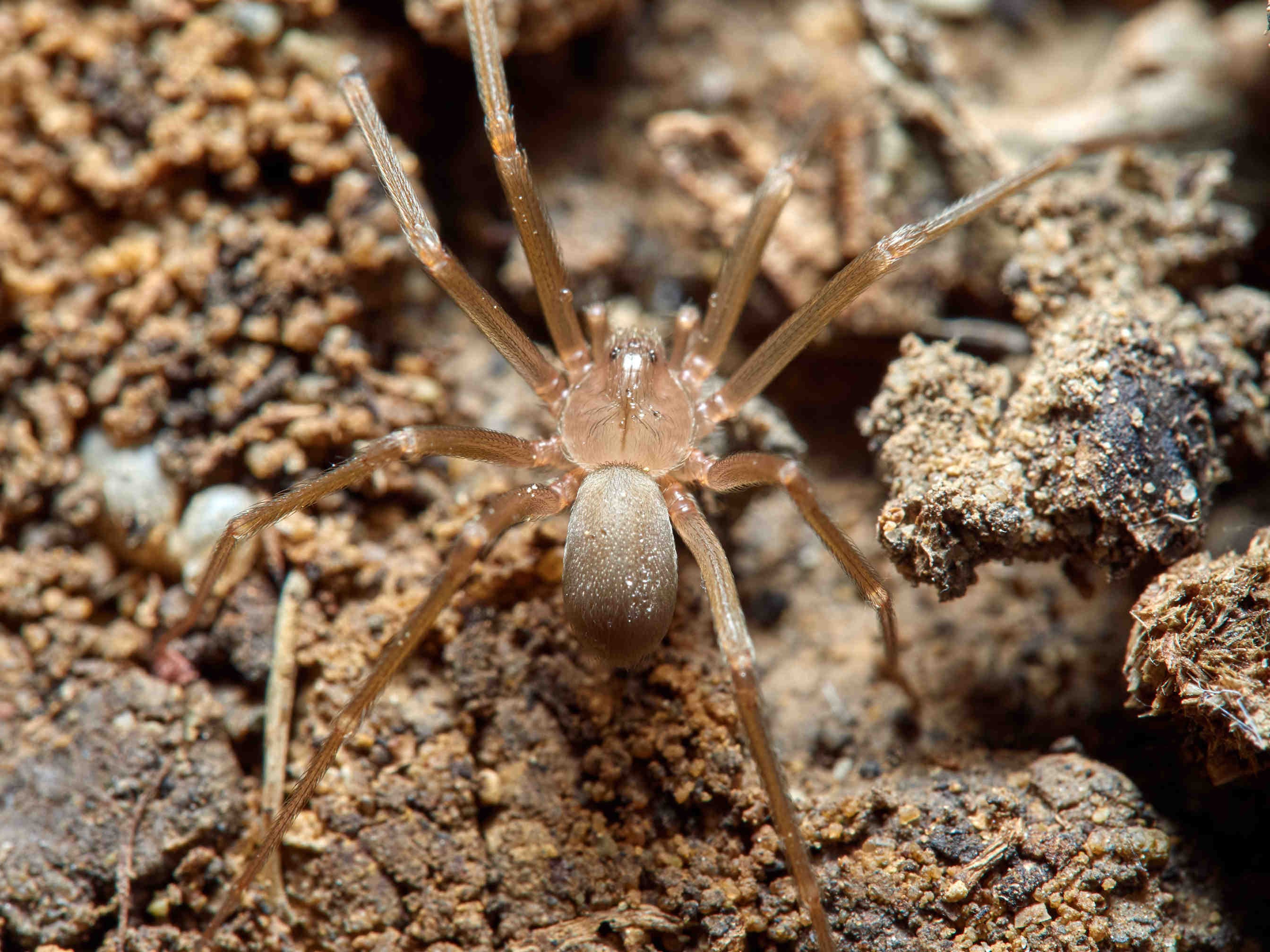
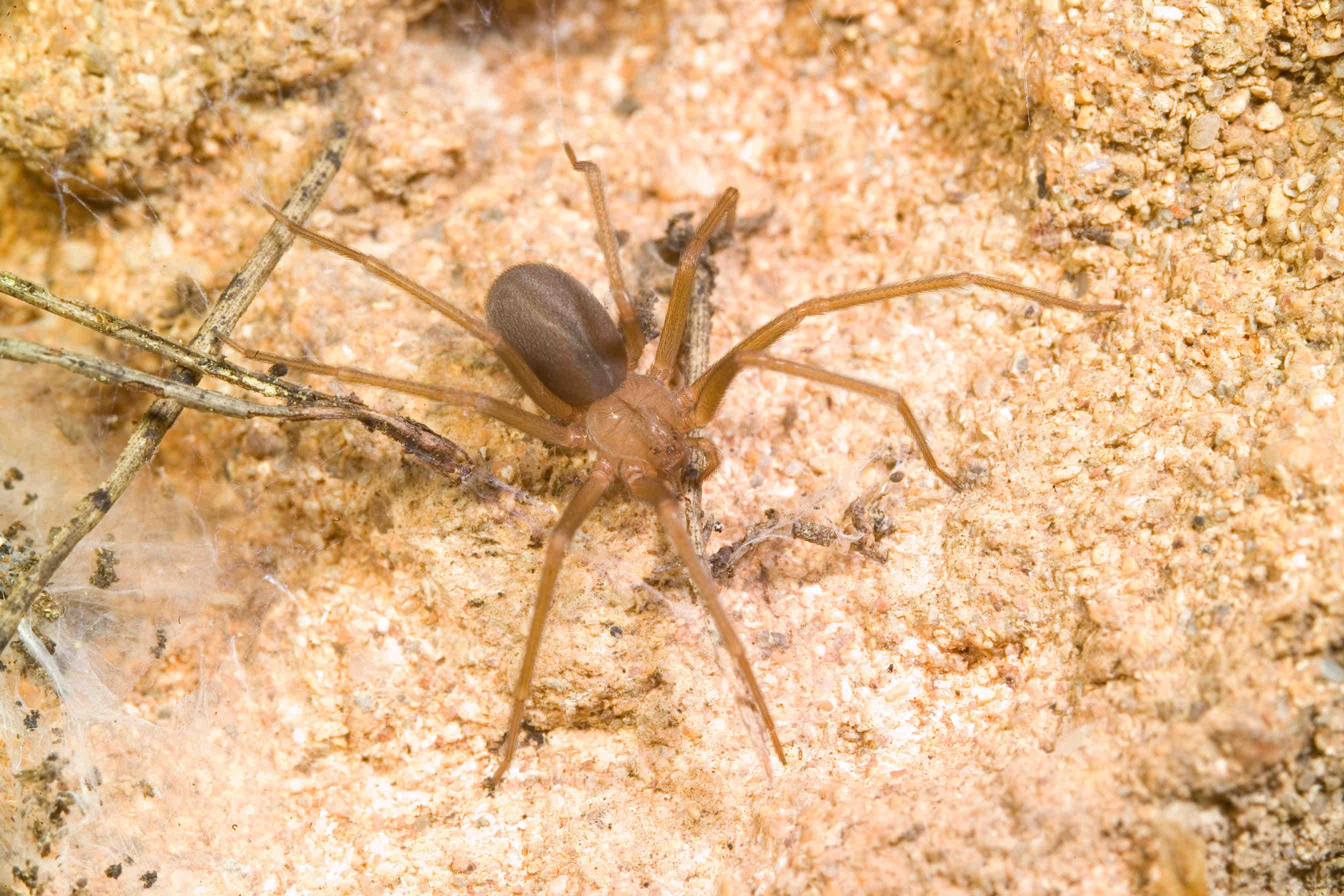
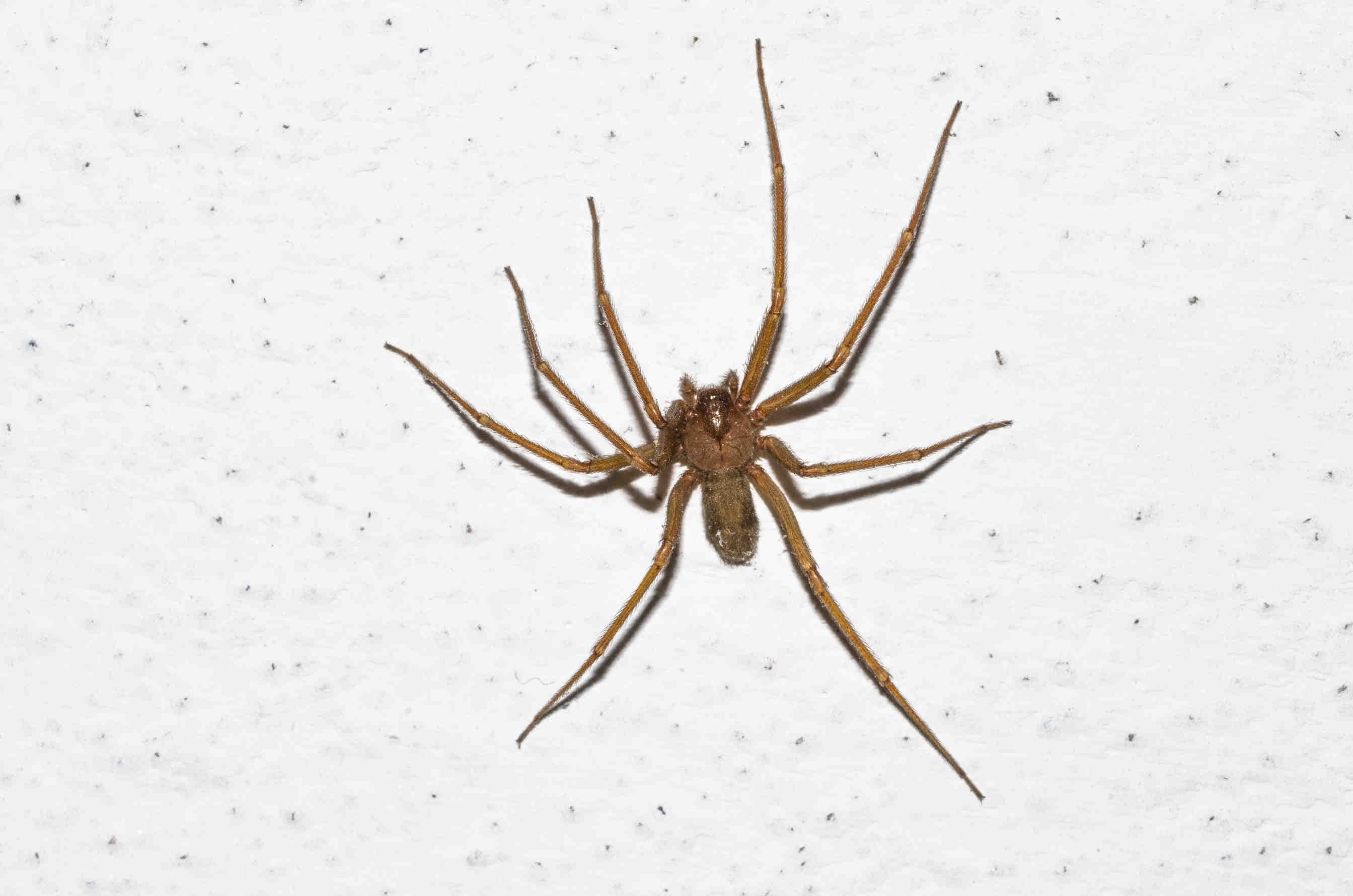
    The Loxosceles rufescens, known as the European 'fiddle spider', is an arachnid native to the Mediterranean regions, belonging to the same genus as the better-known and more dangerous American spiders, such as Loxosceles reclusa and Loxosceles laeta. Small in size, its body measures up to 9 mm, with a pawspan of up to 4-5 cm. It is easily recognisable by its light brown colour and a dark spot on its prosoma that vaguely resembles a violin, hence its name. Another peculiarity of the violin spider is that it only has six eyes, arranged in three pairs, unlike other spider species. Its legs are long, thin and flattened laterally, enabling it to hide in narrow crevices. Rather than constructing extensive webs, the fiddler spider tends to weave cluttered threads in its chosen places of refuge during the day, which it abandons at night to search for food.

    ragno violino 2

    Where does the violin spider live?

    The fiddle spider (Loxosceles rufescens) is native to the Mediterranean regions, where it prefers warm and dry environments, e.g. among rocks. However, it has adapted particularly well to 'domestic' life, finding in our houses an ideal refuge, with year-round favourable climatic conditions. For this reason, the violin spider is widespread throughout Italy, both in the north and south, including the most densely populated urban centres. Being a nocturnal animal and particularly shy, during the day it hides in cracks in walls, behind furniture, fixtures, in closets and in all places where there is little chance of encountering humans. Its habit of remaining hidden makes its presence difficult to notice, and it is often only spotted by chance.

    Loxosceles rufescens
    XNatura

    How dangerous is the bite of the violin spider?

    As reported by the Associazione Italiana di Aracnologia, the violin spider is among the two Italian spider species 'capable of creating problems of medical significance. However, these only occur in a small minority of bites, especially in people who are already debilitated or particularly sensitive to the inoculated toxin. Its poison has a cytotoxic action, thus acting by disrupting tissue around the affected area. In the majority of cases, the bite resolves in the skin with a reddening of the affected area, and possibly a small skin lesion that struggles to heal. In rarer cases, however, the necrotic lesion may become larger, requiring specific treatment to prevent subsequent infection'.
    ragno violino mura domestiche

    What is the ecological role of the fiddler spider?

    The rfiddler shrimp, despite its overtly negative reputation, plays an important role in the ecosystem, even inside our homes. Being a predator, it feeds on a variety of insects and other small arthropods, such as cockroaches, ants, mosquitoes and other invertebrates that may proliferate in domestic environments. Thanks to its ability to naturally control these populations, the violin spider helps maintain a biological balance within homes, reducing the need for chemical pesticides, resulting in benefits for both human health and the environment and biodiversity.

    ragno violino Loxosceles rufescens
    XNatura

    Are there more fearsome spiders?

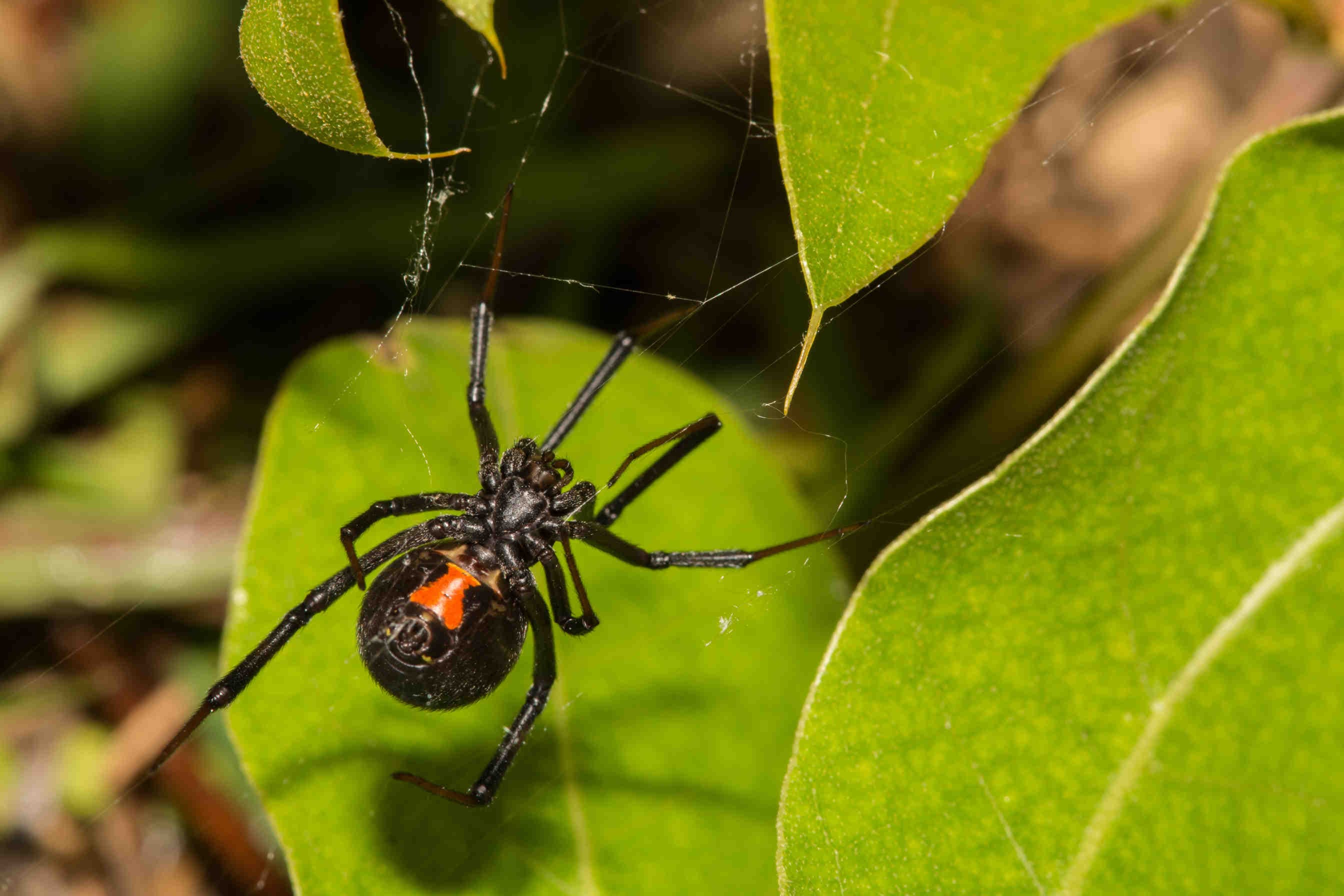
    Especially in recent times, the violin spider seems to be among the most feared, partly due to media reports. However, there are far more fearsome and dangerous spiders, such as the banana spider (Phoneutria spp.) and the black widow spider (Latrodectus spp.). The banana spider, whose name derives from the fact that they are often found on banana leaves, possesses a venom toxic to the nervous system, which, once it enters the bloodstream following a bite, causes severe salivation and irregular heartbeat. The bite of the black widow, on the other hand, can cause severe pain and muscle cramps, as well as nausea and breathing problems. In most cases, however, the bite of the black widow is not fatal. Holding the distinction of 'spiders with the most powerful venom in the world', however, are the funnel spiders, known as funnel-web spiders, of the Atracidae family. Widespread in Australia, they are much-feared spiders, whose bites have caused several deaths.
    vedova nera
    3Bee
    27/08/2024Of 3Bee, Lisa Santillo
    4002 Views
    Newsletter
    newsletter
    Subscribe to the Blog about bees and biodiversity

    Frequently Asked Questions

    Do you have any doubts or other curiosities about this article? Here you will find some insights