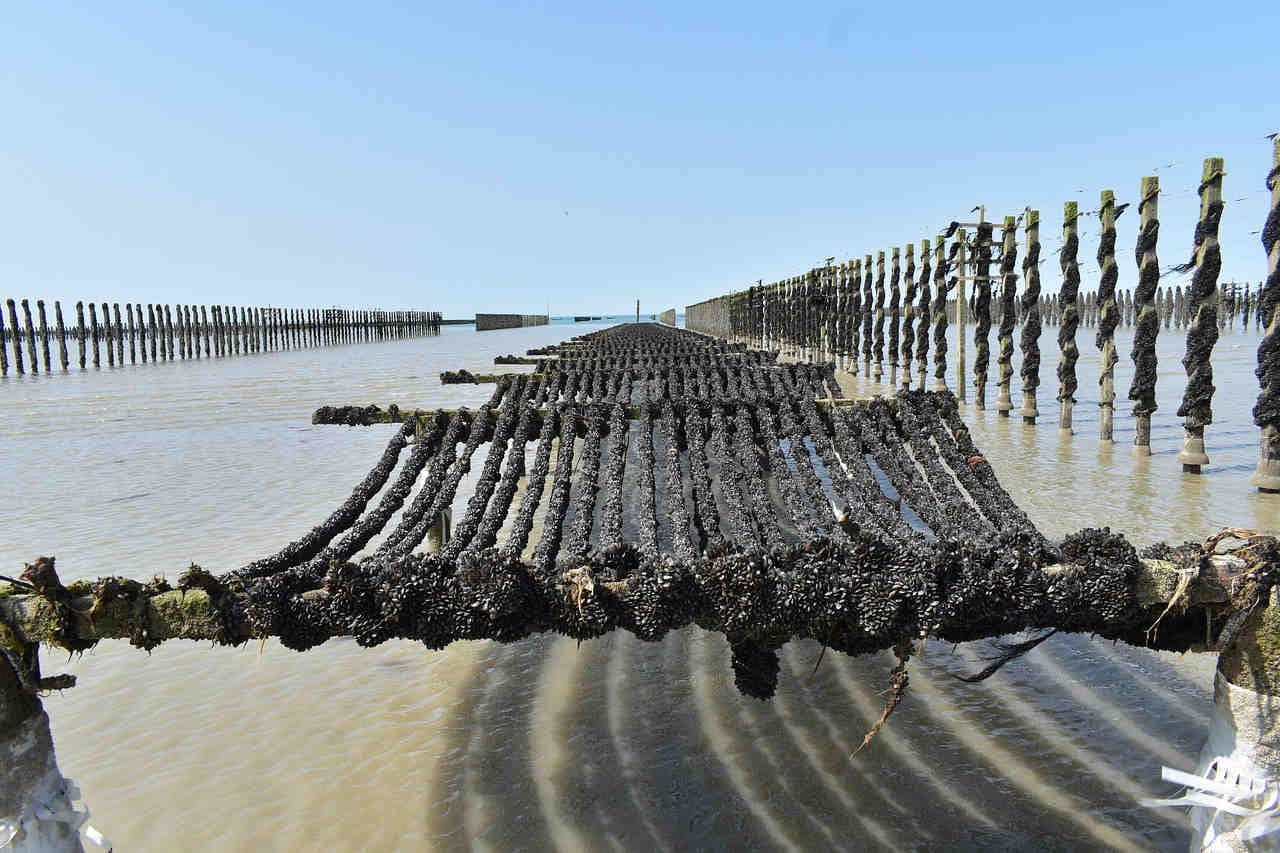
The new climate is choking mussels in the Adriatic Sea
    Die-offAdriaticConsequencesSearch

    The new climate is choking mussels in the Adriatic Sea

    The popular Mediterranean mussels have suffered a collapse. The Adriatic Sea has seen temperature peaks of over 30°C this year, also leading to the production of massive amounts of mucilage. Both phenomena are bitter fruits of climate change.

    Read the article
    29/09/2024Of 3Bee, Lara Vivarelli
    483 Views
    29/09/2024Of 3Bee, Lara Vivarelli
    483 Views

    Mussel mortality due to boiling water

    Disclaimer: this is an automated translation from Italian. Go to the original article.

    After this summer's mucilage alarm, the Adriatic Sea has been hit again by climate change. Fishermen, breeders and citizens have reported a mussel die-off in the Adriatic, particularly in the Marche region. The news came in parallel with yet another record of out-of-normal surface water temperatures, which reached values of 30°C. Indeed, in recent years, the summer surface temperature of the Adriatic Sea often exceeds 28°C, whereas 20-30 years ago it was generally between 26-27°C, reflecting the impact of climate change on the region.

    temperature elevate mar adriatico

    The Adriatic Sea is warming up fast

    The Mediterranean Sea is warming at a very high rate, higher than that of the oceans. Over the past 63 years, the temperature across the Mediterranean basin has increased by 1.1 °C, with peaks exceeding 28-29 °C during the summer. During the month of July 2024, the Euro-Mediterranean Centre on Climate Change (CMCC) recorded a significant surface temperature anomaly, withthe Adriatic being the warmest area. Traditionally regarded as a temperate sea, the Adriatic, due to its semi-closed basin and relatively shallow waters, is subject to faster warming than other basins.
    Mar Adriatico
    XNatura

    Consequences of warming water on mussels

    The warming of the waters is reflected in a dangerous situation for marine and coastal ecosystems, since, in addition to endangering the native species that live there, it sets the stage for the spread and development ofinvasive alien species. Alien species are a serious damage to ecosystems, an example of which is the blue crab, which has spread widely causing disturbance and loss. The resulting decrease in marine biodiversity and the parallel increase in alien species are reflected in a real threat to marine ecosystems and the services they provide.
    riscaldamento dei mari

    Research organisations are at work

    The CNR IRBIM of Ancona, the Institute for Biological Resources and Marine Biotechnology of the National Research Council, is dedicated to the study of ecosystems and biodiversity of the oceans and seas. It has recently observed a serious event of mass mortality of the wild mussel and breeding populations along the Conero Riviera. There are many possible causes for this phenomenon, but it is assumed that climate change, both directly and indirectly, is the main factor involved. This summer, in fact, the Adriatic coasts experienced intense marine heatwaves, with temperatures exceeding 30 degrees, as documented by the CNR-IRBIM buoy network.
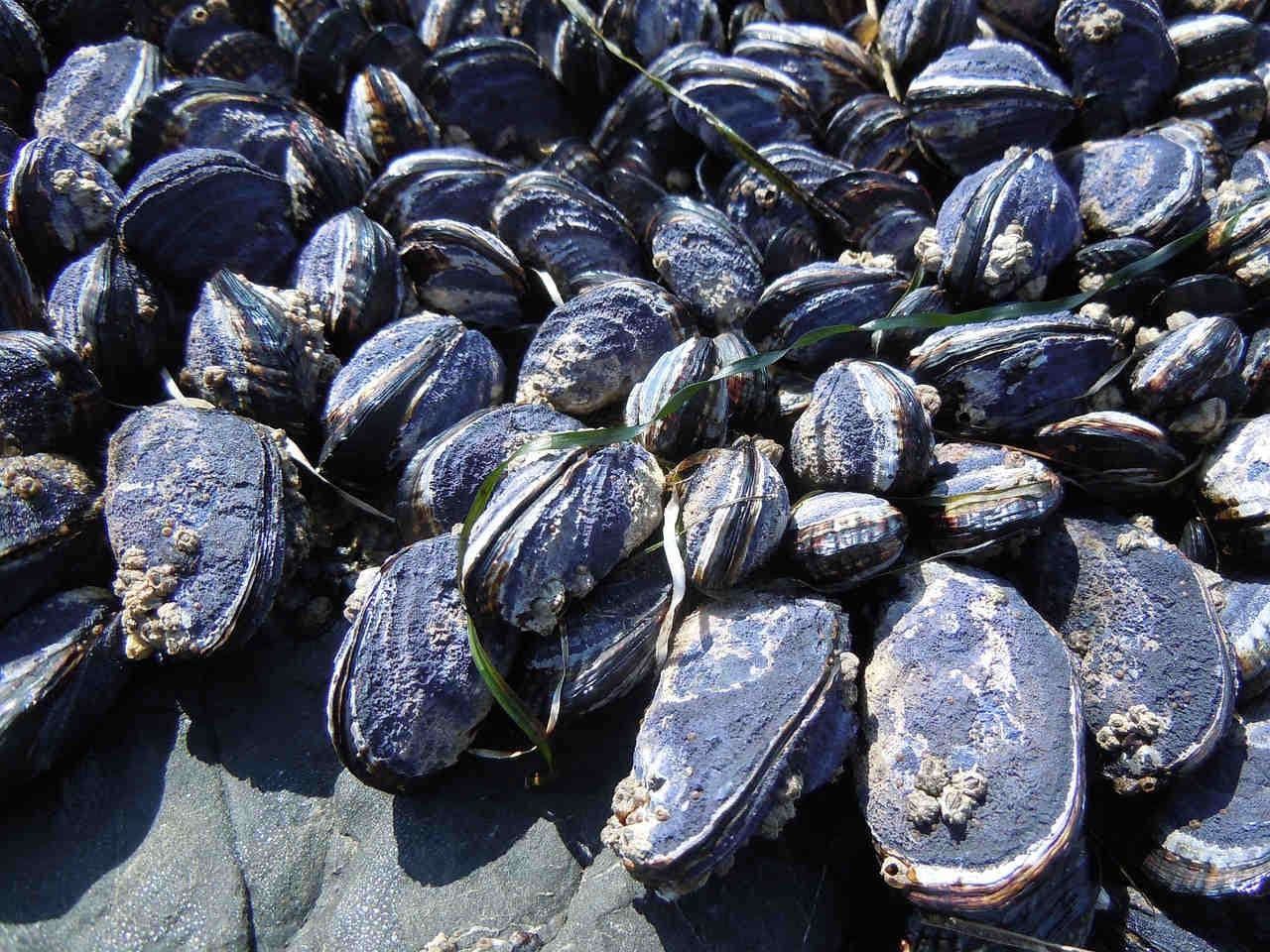
    Moria di cozze mar Adriatico
    XNatura

    Mussel monitoring by CNR-IRBIM

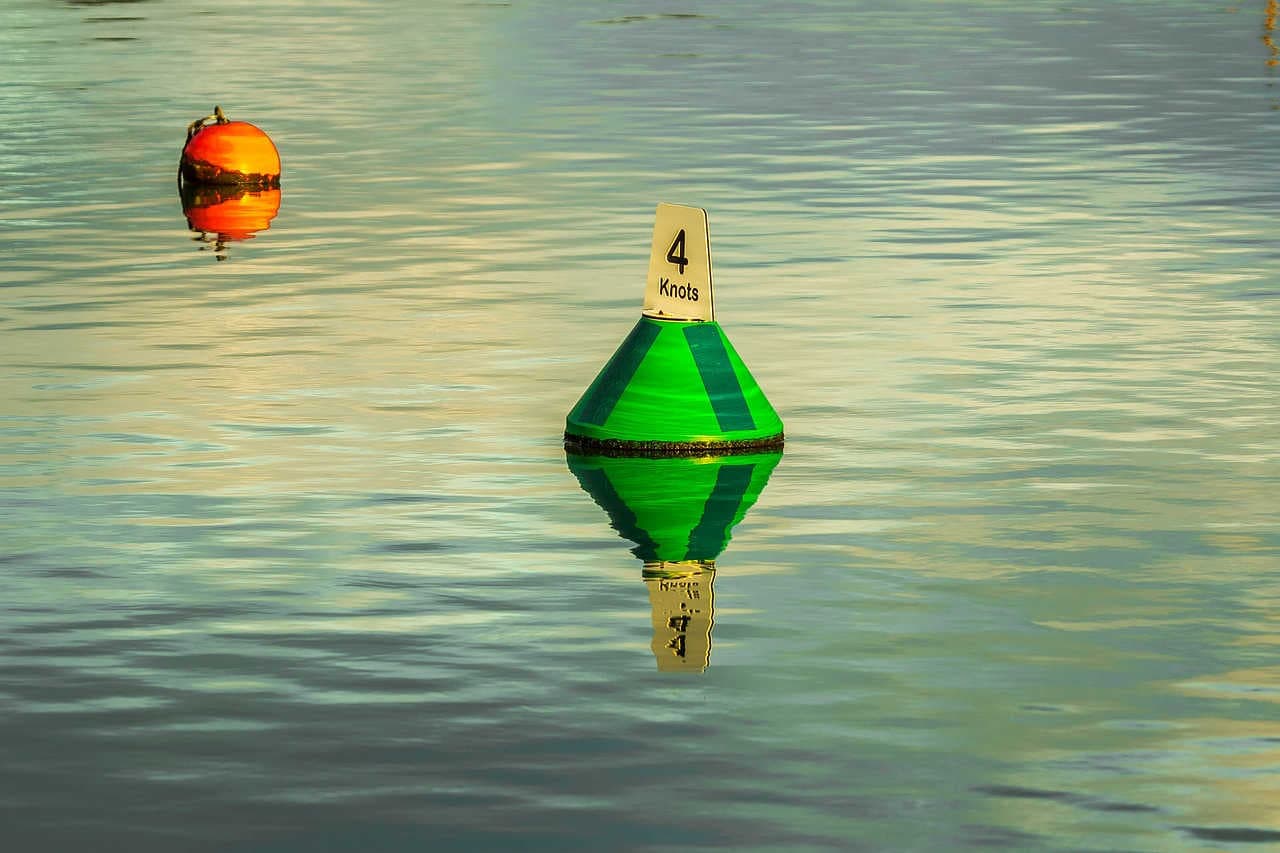
    The CNR-IRBIM uses a sea weather observation network to monitor several variables, such as water temperature, in detail. This network consists of buoys and mede placed in the Adriatic Sea, where this summer saw periods of particularly high temperatures. Monitoring the marine environment is a crucial activity that allows us to assess the health of the sea, detect anomalies, predict possible future developments and understand the consequences of human activities, including climate change. The data collected by the CNR-IRBIM Observational Network are available in real time and can be consulted not only by the scientific community, but also by citizens, who can easily access the sections dedicated to each buoy.
    Boe monitoraggio
    3Bee

    The Mediterranean Sea Mussel

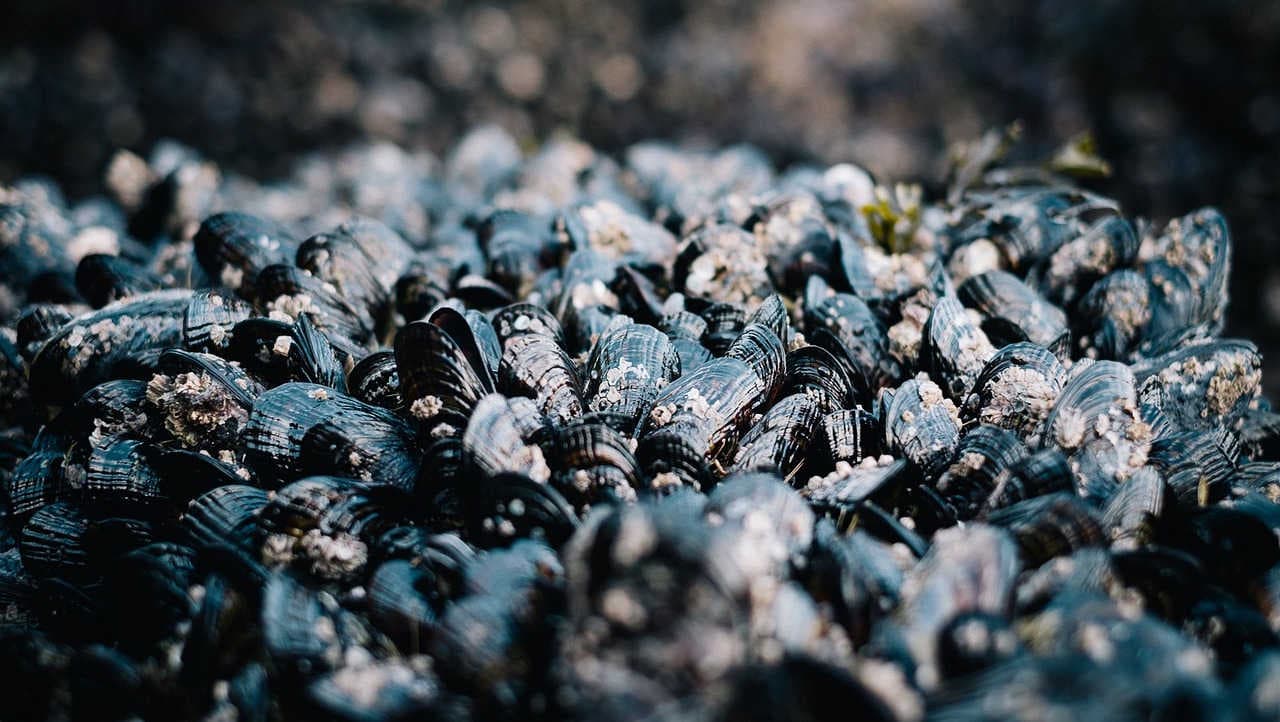
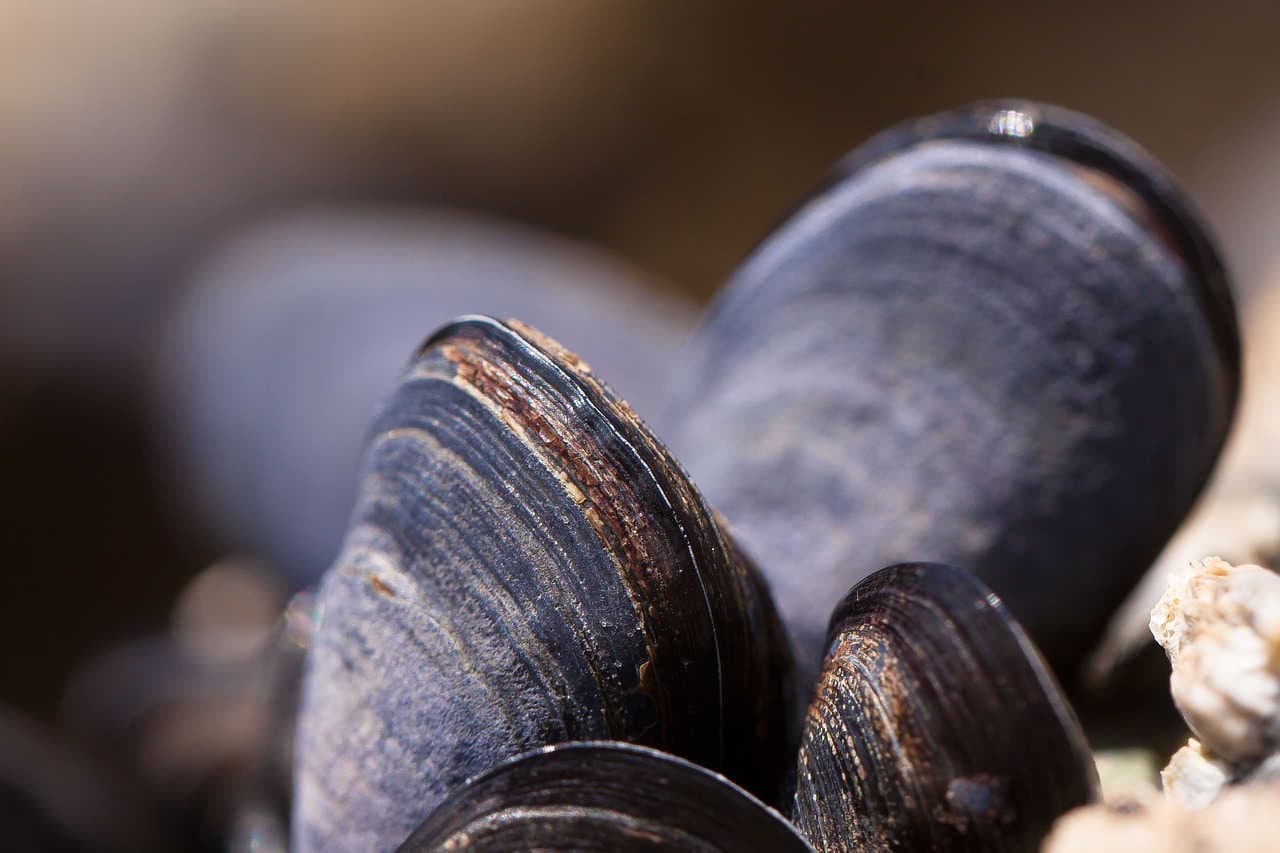
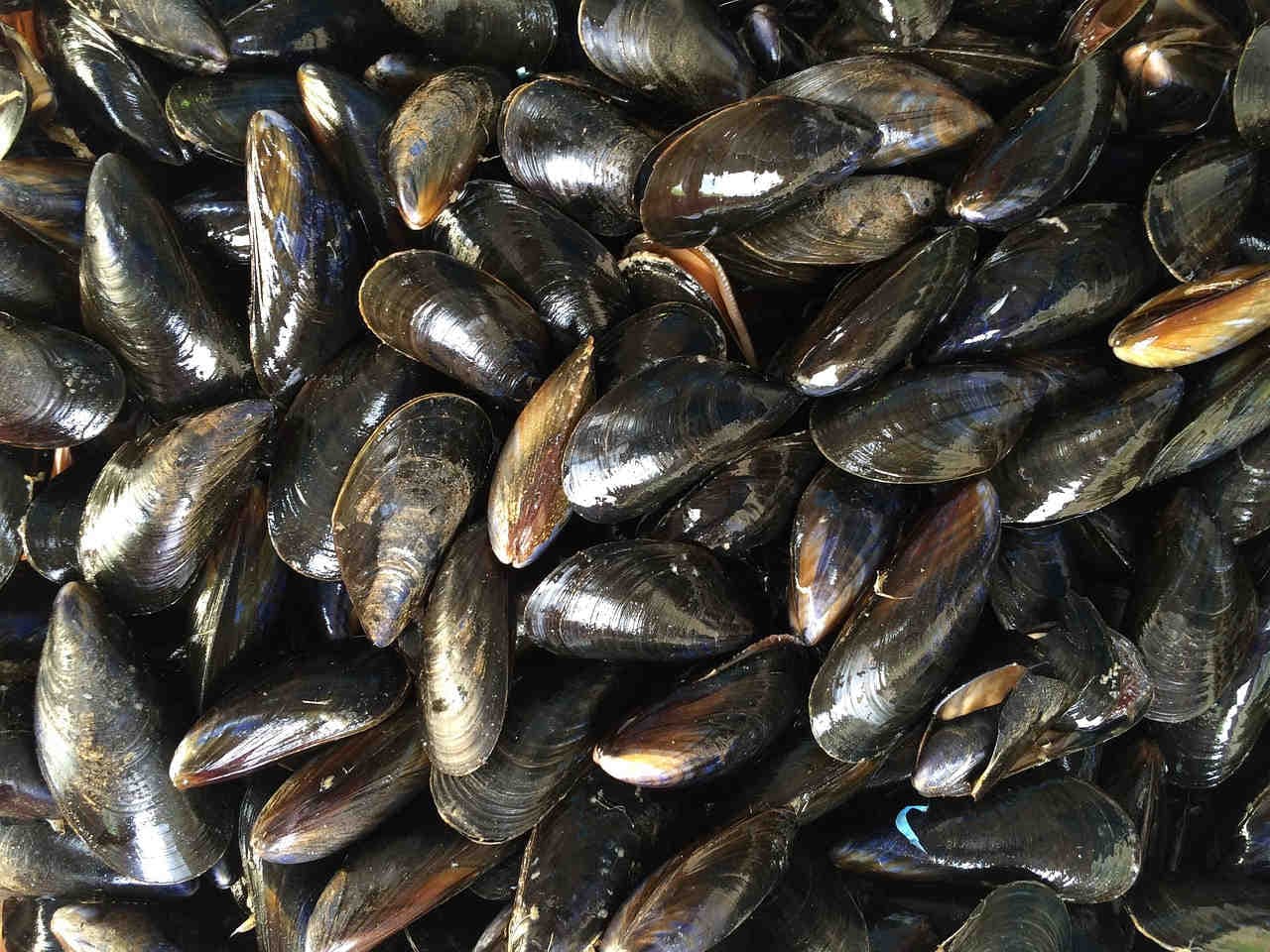
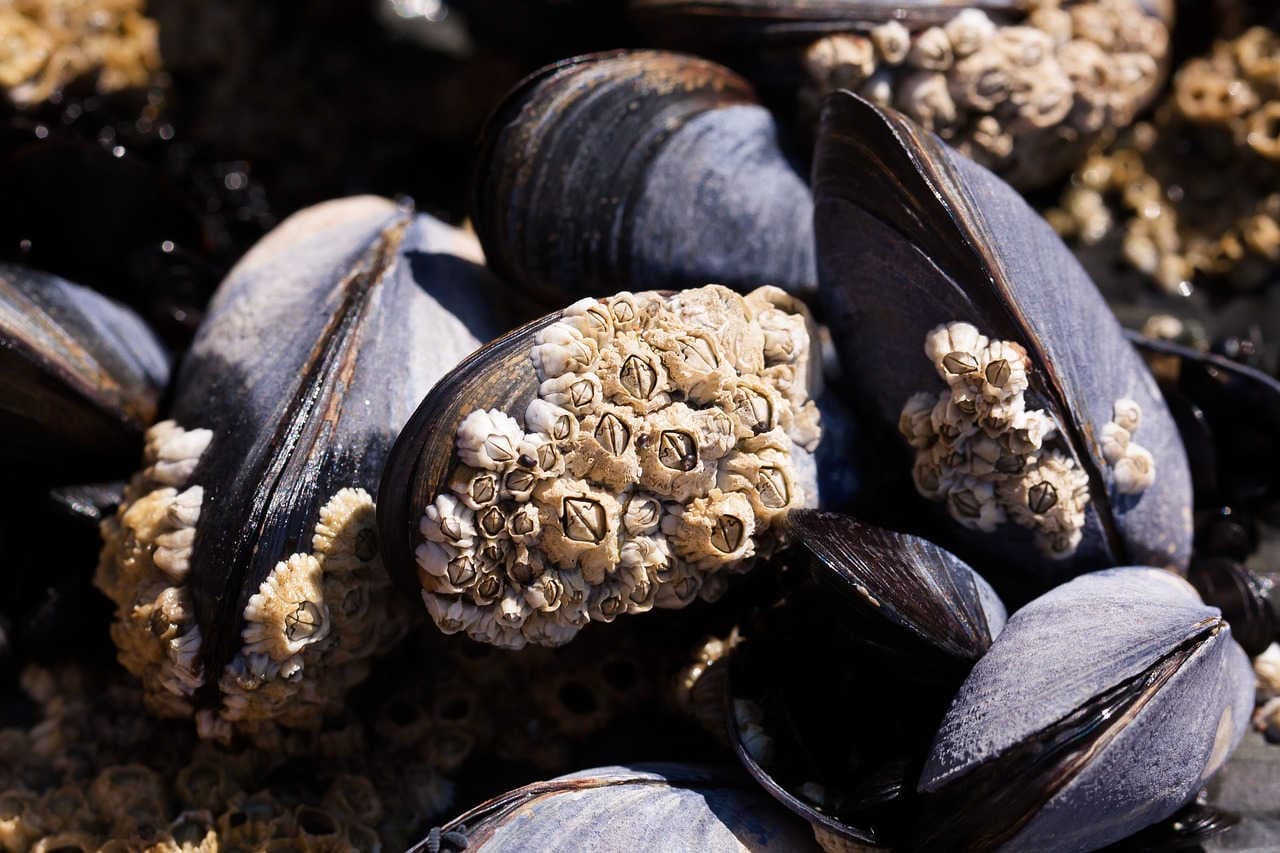
    Mytilus galloprovincialis is the scientific name of the popular mussel of the Mediterranean Sea, also called mytilus or wild mussel. The mussel is a bivalve mollusc, easy to spot on emerged and submerged reefs throughout the Mediterranean. Its distribution, however, is wider, as it can be found on the coasts of the Black Sea and the Atlantic. Mussels, like all bivalves, arefilterers: through their gills they filter a large quantity of water, retaining particles and microorganisms suspended in it, feeding and purifying the water at the same time.

    Cozza del Mar Mediterraneo

    The impact of climate change on mussel mortality

    Each living species has its ownclimate niche, which means that it can live and survive in a specific temperature range. Some species may be more sensitive than others, having fewer tools at their disposal to adapt and protect themselves in the event of adverse conditions. However, for each species there is a limit above or below which survival is no longer guaranteed. In the case of mussels, when the water is too warm, the filament that allows them to remain attached to the rocky substrate weakens, exposing these bivalves to the risk of being carried away by currents and storm surges. In addition, prolonged periods of drought compromise their ability to feed adequately and thus, weakened, they become easy incubators of pathogens and victims of predators.

    moria di cozze per le temperature troppo alte

    The resulting ecosystem damage

    Mussels, being filtering molluscs, play acrucial role in marine ecosystems due to their ability to purify water. Bivalves, such as mussels, are used as bio-indicators, that is, organisms that allow us to assess changes in environmental quality. Indeed, in the presence of stress, whether natural or anthropogenic, these organisms show detectable changes in their natural state. The disappearance of mussels could have significant consequences on biodiversity and on the functionality of coastal ecosystems. Therefore, the death-off of mussels in the Conero area represents a alarm bell that underlines the importance of protecting our marine environment.

    Moria di cozze grave danno ecosistemico

    There is also economic and cultural damage

    Mussels represent a fundamental resource for Italy and many other Mediterranean countries. Although they were once considered an unlimited resource, today they are seriously threatened. The die-off that occurred last summer in the Monte Conero area has led to considerable socio-economic and cultural problems, severely affecting breeding, fishing and the local gastronomic tradition. Indeed, being highly appreciated, oevery year more than 80,000 tonnes of mussels are sold in Italy, leading to a significant source of income, now at risk.

    Allevamenti di cozze danni economici
    29/09/2024Of 3Bee, Lara Vivarelli
    483 Views
    Newsletter
    newsletter
    Subscribe to the Blog about bees and biodiversity

    Frequently Asked Questions

    Do you have any doubts or other curiosities about this article? Here you will find some insights