Rhododendron Honey: Characteristics And Properties
    3Bee approachRhododendronFeaturesProperties

    Rhododendron Honey: Characteristics And Properties

    At 3Bee, honey is a symbol of the hard work of pollination performed by bees and the realisation of their contribution to the ecosystem. Our projects support biodiversity and through our growers ensure a healthy environment for pollinators.

    Read the article
    04/01/2019Of 3Bee, Elena Fraccaro
    3292 Views
    04/01/2019Of 3Bee, Elena Fraccaro
    3292 Views

    3Bee's approach to biodiversity protection
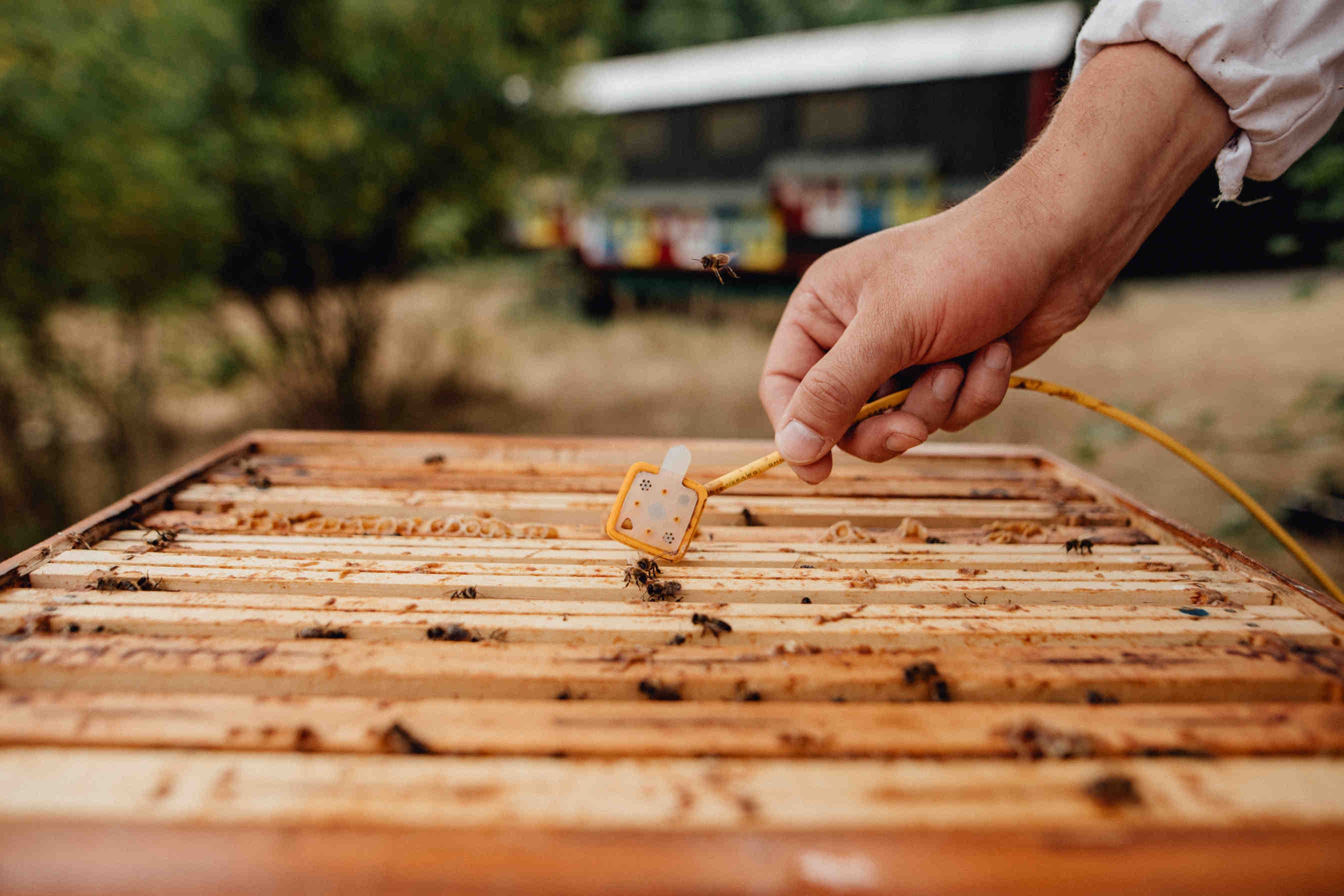
    3Bee is the Nature Tech company that develops technologies for the protection of biodiversity. 3Bee Hive-Tech is 3Bee's first system for analysing the health and 'starvation' status of honeybees, environmental protectors par excellence. Over time, we have developed other technologies to study and monitor all the pollinating insects and created more than 200 Oases of Biodiversity with thousands of nectariferous plants to provide them with nourishment. In this way, we want to create a virtuous circle: our beekeepers are transformed by necessity into Oasis growers and promoters of environmental biodiversity. We do not encourage massive production and intensive breeding, which have a negative impact on biodiversity and pollinators. We do, however, recognise the value of honey as a valuable symbol of the biodiversity of an environment and a tool for disseminating the commitment and protection of an area, to be consumed sparingly and with respect for the life cycle of these insects.

    3Bee Hive-Tech

    Rhododendron honey: what is it and where does it come from?

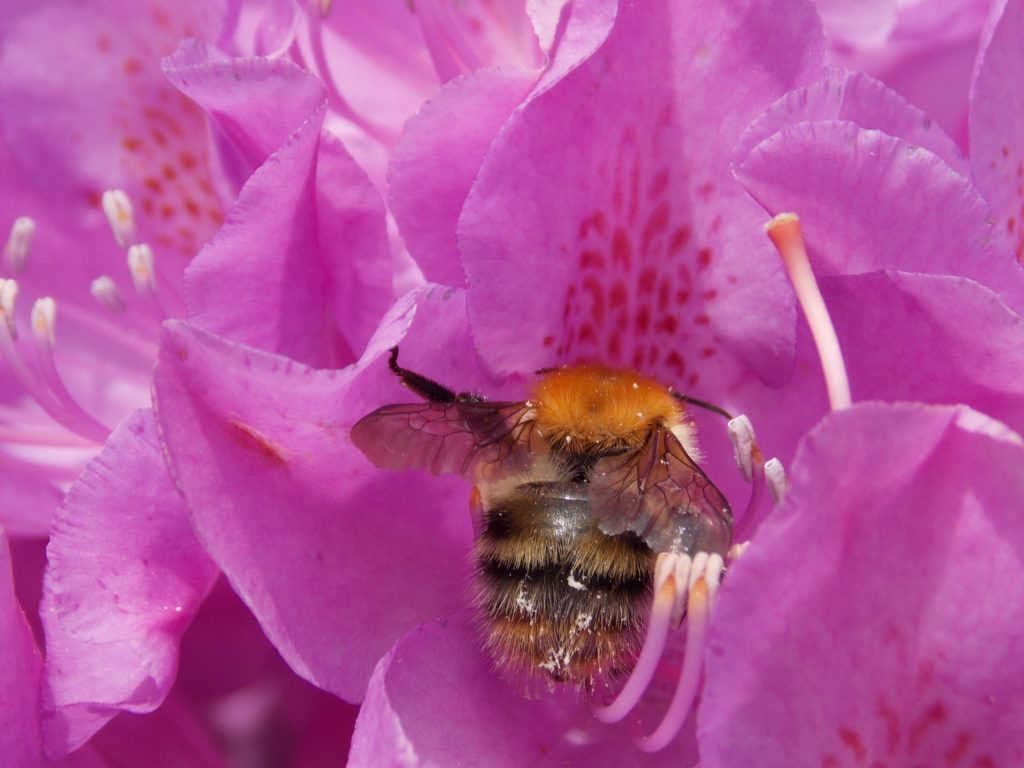
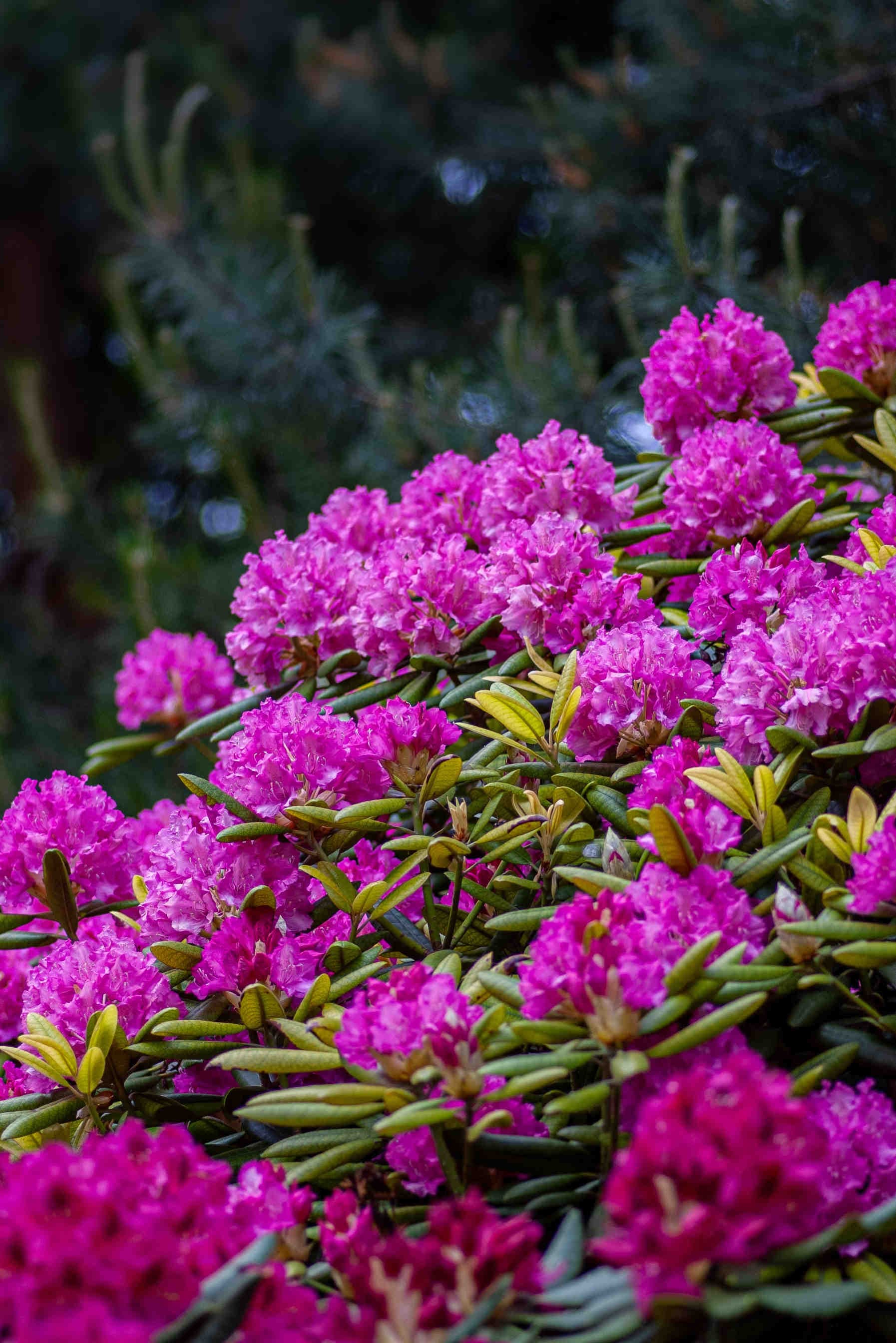
    The rhododendron is a plant that in Italy we find growing spontaneously throughout the Alps. Its name derives from Greek and literally means 'the rose tree'. It is a shrub with more than 500 different species. It grows in sunny areas and flowers between June and July. The difficulty of reaching these plants made it almost impossible to produce rhododendron honey for a long time. Only recently has its production become easier thanks to new means of transport and new communication routes that make it easier to move the hives to high altitudes.

    XNatura

    Rhododendron Honey: Characteristics and Taste

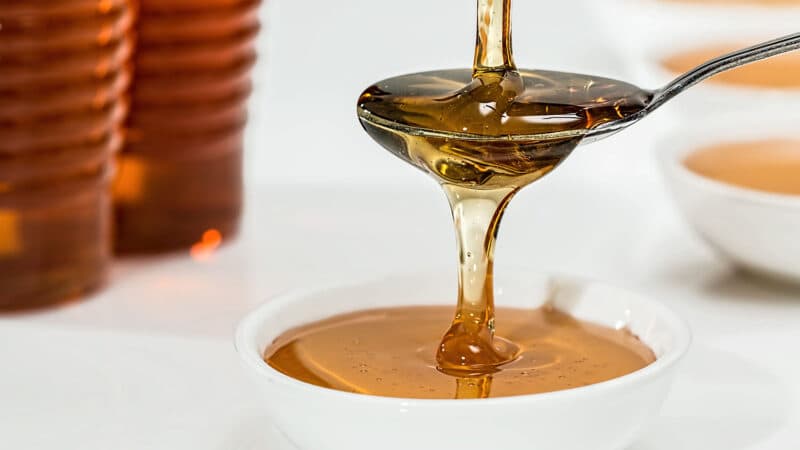
    Rhododendron honey has a very clear colour, ranging from colourless to straw yellow when in a liquid state. The purer it is, the more it tends to crystallise quickly, leading it to take on a whitish or beige colour. It does not have a particularly strong odour; on the contrary, it is described by most as weak or ethereal. The flavour reflects these characteristics being sweet, delicate and not very persistent. However, finding pure rhododendron honey is particularly difficult. Very often it is found mixed with other plant species that modify its aroma. Among the most common, the presence of lampone makes the flavour more fruity, while thyme makes it more pungent.

    Rhododendron Honey: Beneficial and Therapeutic Properties

    Rhododendron honey has so many beneficial and therapeutic properties that make it a delicacy not to be missed. Being produced at high altitude makes it one of the least contaminated honeys around. Rhododendron honey is also believed to have special restorative and calming properties. For this reason, its consumption is often recommended for those under great stress. Finally, it is considered a very important element to include in a purifying diet that aims to eliminate waste and toxins.

    Rhododendron Honey: Beneficial and Therapeutic Properties
    XNatura

    Is Rhododendron honey toxic?

    Perhaps while searching for information about rhododendron honey you happened to hear it described as a toxic honey. We also find evidence of this in the ancient history. It is Xenophon himself who tells us how the Greek army stationed in Turkey went mad after consuming honey from this plant. So is this honey to be considered dangerous? Actually, this depends on the origin of the honey itself. The toxins that can cause rhododendron poisoning are only contained in certain species found in Turkey or the United States. Our rhododendron, which grows wild in our mountains, does not have nectar that is harmful either to humans or bees.
    Is Rhododendron honey toxic?
    3Bee

    Rhododendron honey: where to find it?

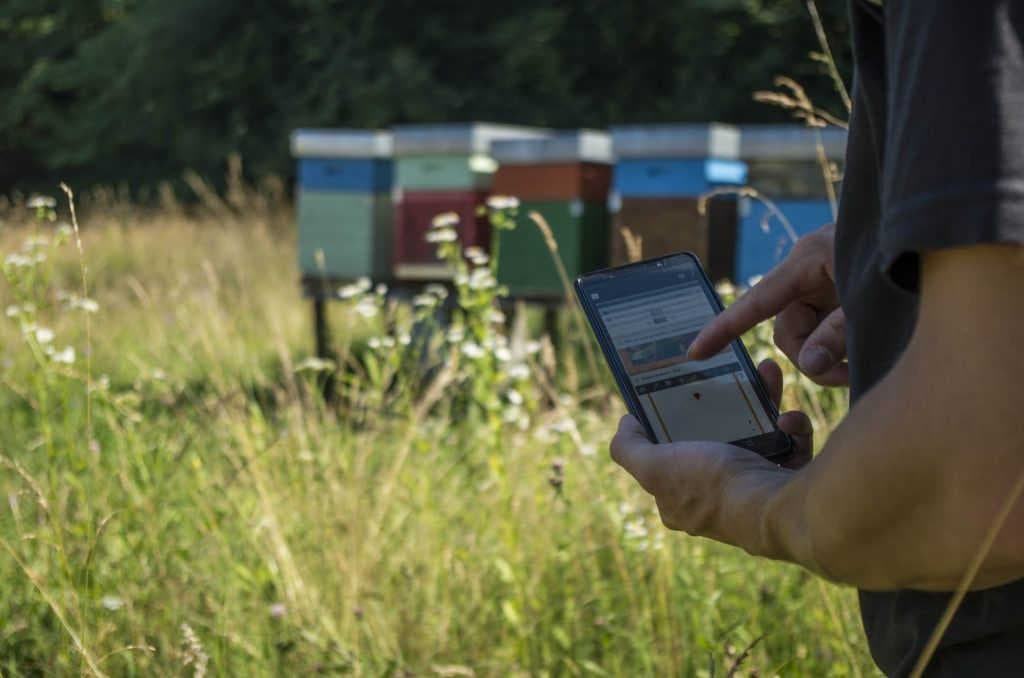
    The important thing, therefore, is to choose the honey you intend to consume well. With 3Bee, you can find even the rarest honeys, such as rhododendron honey. Adopt a 3Bee hive and not only can you receive this honey directly to your home, but you can also follow the development and growth of the bees that produce it, by monitoring the hive from the app. Find out what the project "Adopt a hive" is all about.
    Rhododendron honey: where to find it?

    The importance of honey

    The information contained in this blog concerns theimportance of honey as the fruit of the tireless work of bees that transforms the collected nectar (including extra-floral nectar and honeydew) into a precious food product that encompasses the biodiversity with all the countless facets present in the hive's surroundings. At an environmental level, honey is the symbol of the pollination activity of the bee, which flies from flower to flower to collect the nectar and, in so doing, transports the pollen, becoming the vector for the pollination and reproduction of tens of thousands of plant species. Honey is still a little-known product, often devalued in its quality or sold as a panacea for all ills. Like all foods, however, it must be consumed with moderation and care as it contains a high content of simple sugars. But it is not in its basic values that its most important quality lies.

    importanza del miele come frutto dell'impollinazione delle api

    The importance for the environment

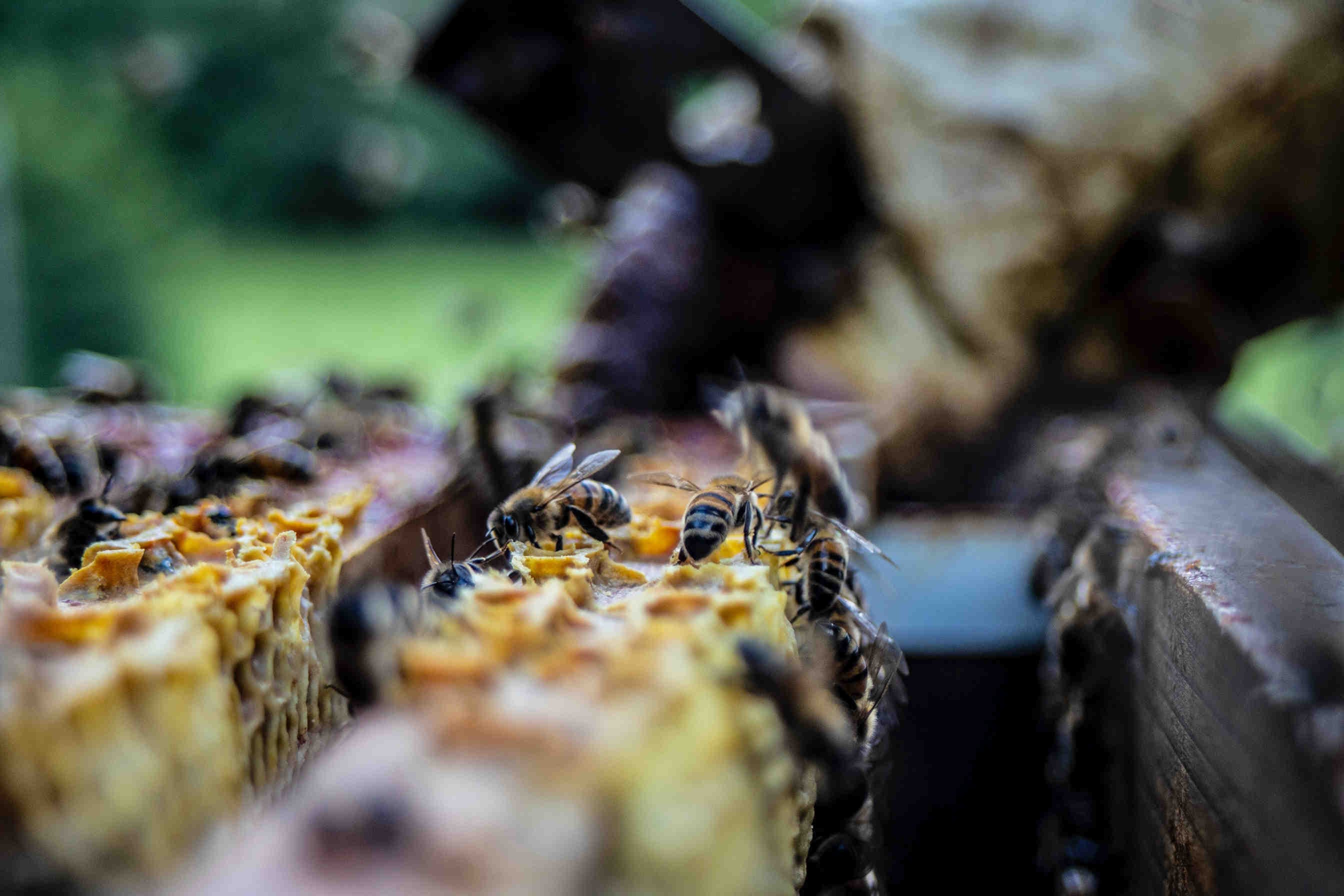
    The aim is to promote and spread a deeper knowledge about the crucial role of bees for the preservation of our ecosystem and for the continuation of scientific research directed towards the identification of more sustainable agricultural practices aiming at the regeneration of entire areas. The choice of honey goes far beyond what is written on the label. The true value of honey is linked to its method of production, whether it is respectful of bees and the ecosystems they inhabit. Favouring non-intensive beekeeping practices and promoting the best actions to support the health of the hive are the cornerstones of our activity. The beekeeper for us is not a breeder, but a true 'Grower': he cultivates, cares for and nurtures true oases of biodiversity, paying attention not only to bees, but also to ecosystems and their balance.
    api e impollinatori per la biodiversità
    04/01/2019Of 3Bee, Elena Fraccaro
    3292 Views
    Newsletter
    newsletter
    Subscribe to the Blog about bees and biodiversity

    Frequently Asked Questions

    Do you have any doubts or other curiosities about this article? Here you will find some insights