Protected areas: a rapidly expanding network
    Protected areaHistoryFranceManagement

    Protected areas: a rapidly expanding network

    Representing more than a third of France's land and sea territory, protected areas are defined geographical spaces whose priority is sustainable development. Find out more in this article.

    Read the article
    14/06/2024Of 3Bee, Fiorila Hell
    738 Views
    14/06/2024Of 3Bee, Fiorila Hell
    738 Views

    What is a protected area?

    The protected areas are geographical zones on land or sea, the contours of which are drawn for sustainable development purposes. Their aim is to offer nature a chance to combat pollution, urbanisation, environmental fragmentation and other man-made activities. In France, they are defined by the Code de l'Environnement. Their main aim is to protect both the natural and cultural heritage of a defined area. This involves the protection of wildlife, landscape, genetic diversity or ecosystems and their functions. Usually, it is national, regional or international government institutions that designate an area and assign it a status. In some cases, indigenous communities and associations may also designate and manage protected areas.
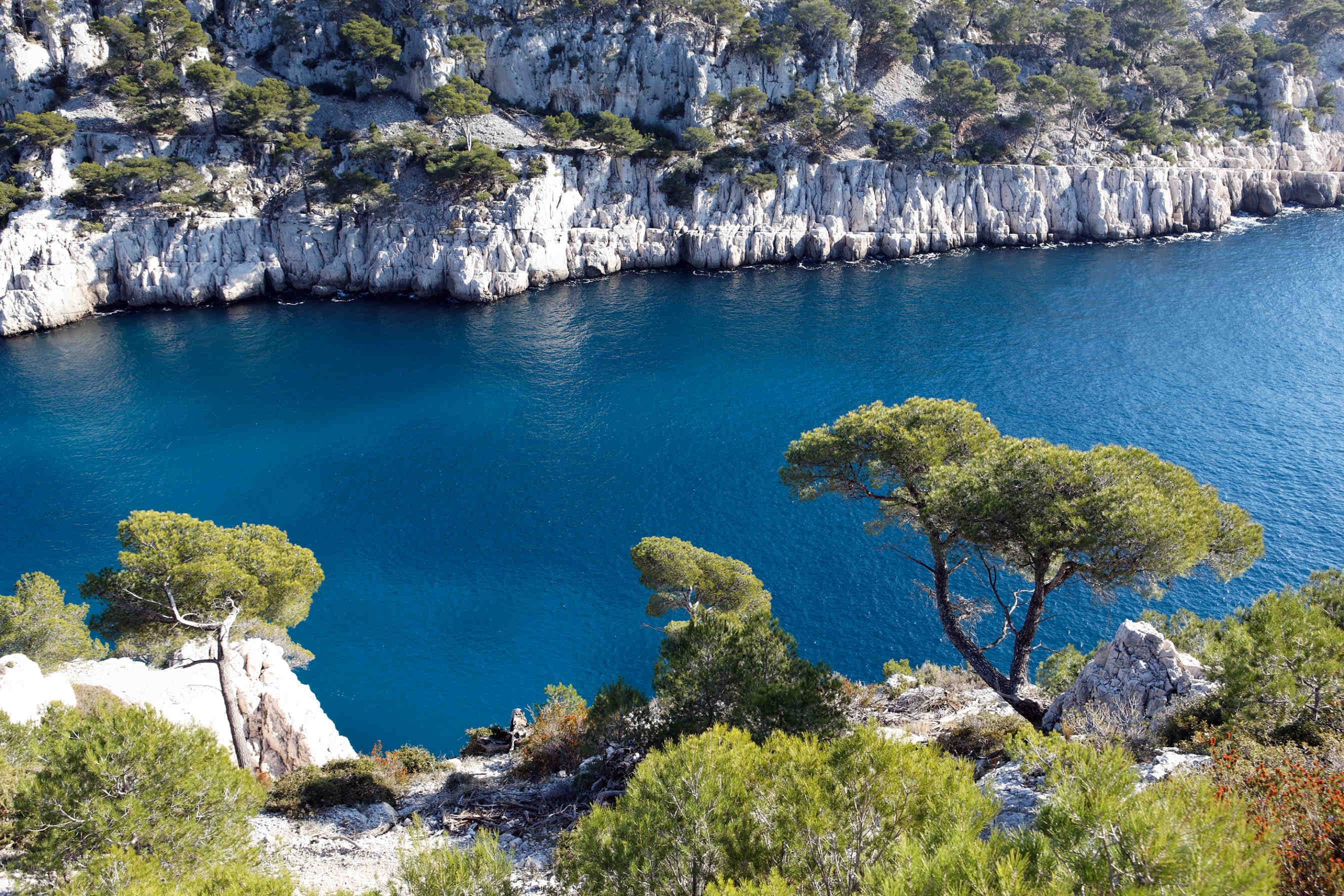
    aire protégée

    The history of protected areas

    The initiative for these protected areas emerged from the International Convention on Biological Diversity (CDB) which took place at the "Earth Summit" in Rio in 1992. Following the CBD, the 196 signatory parties committed to the conservation, sharing and sustainable use of biological diversity. Since then, a number of international agreements have made it possible for these areas to be set aside to protect natural areas threatened by erosion. The 2021 CBD, at COP15 in China, set the international framework for protected areas. In 2020, the European Union (EU) deployed a EU Biodiversity Strategy 2030. This aims to cover 30% of its land surface and 30% of its marine surface with protected area status by 2030. It also calls for 10% of its land and 10% of its seas to be placed under strict protection.

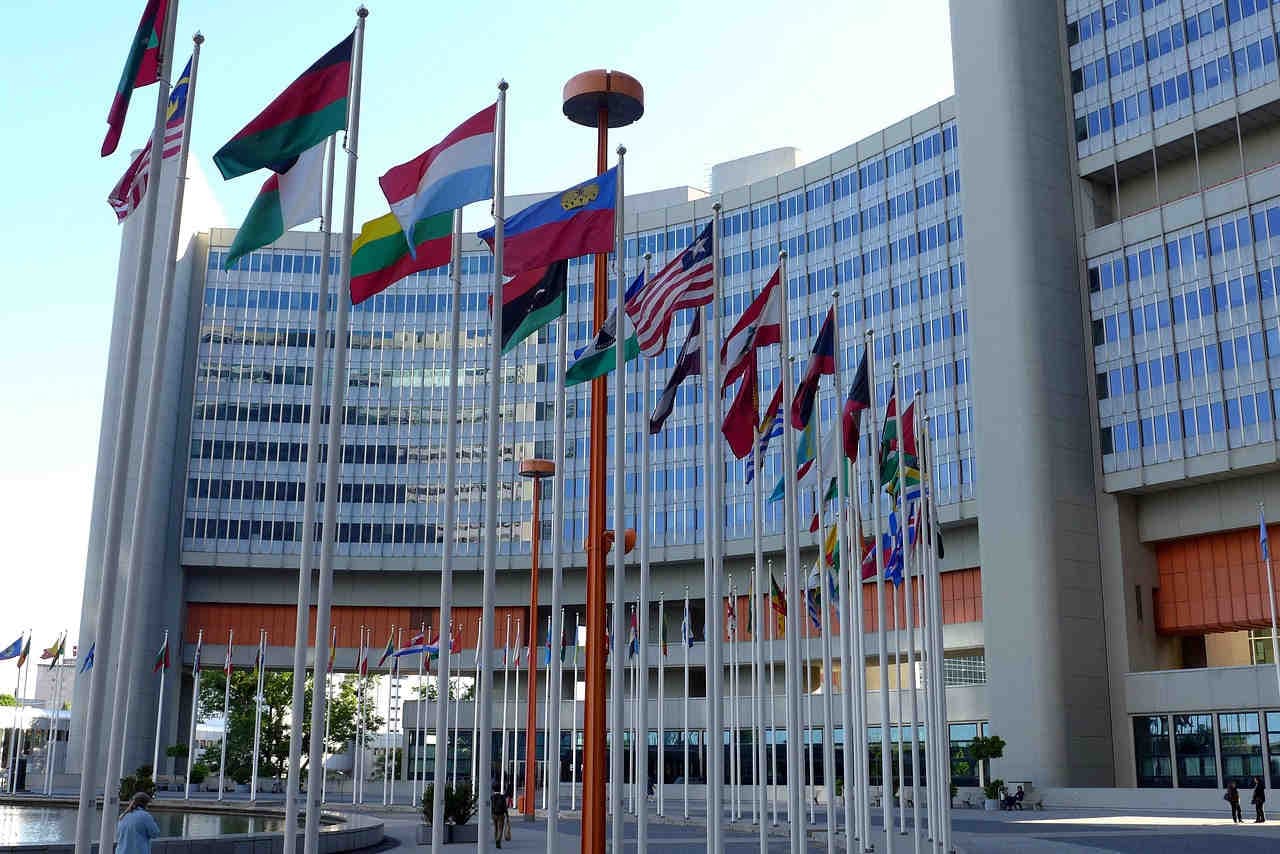
    Drapeaux
    XNatura

    Protected areas in France

    The geographical diversity of France makes it a very specific environmental context. As France has many overseas territories, it is responsible for different areas with widely varying climates and biodiversity. Its territory stretches from the Caribbean to the islands of the Pacific Ocean, via the Indian Ocean, not forgetting mainland France, located at the intersection of European climates, between the North Sea and the Mediterranean. This geographical crossroads includes 4 of Europe's 5 biogeographical zones (Atlantic, Continental, Alpine and Mediterranean). The Ministry for Ecological Transition and the Ministry for the Sea, in collaboration with the French Office for Biodiversity (OFB), is publishing its National Strategy for Protected Areas 2030 (SNAP) in 2021. Divided into 7 clear objectives, modelled on the European strategy, this action plan details the steps to be put in place in order to develop a coherent and effectively managed network of protected areas

    Carte de la France avec une tour Eiffel dessus

    Management of protected areas

    The different types of protected areas vary in legal status, management and degree of protection. There are around ten under different categories, for example marine protected areas, national parks, nature reserves, Natura 2000 sites, Ramsar sites, UNESCO sites, etc. These sites are managed by local managers and supervised by the OFB, the Ministry of Ecological Transition, the EU or UNESCO, depending on the status of the site. Although the regulations differ under each nomenclature, the managers are generally responsible for the regulations in force in the area, welcoming visitors and supervising, or even banning, human activities such as hunting, camping or fishing. Each site is governed by a management plan, drawn up by the managers, detailing the species and habitats present on the site, the pressures that threaten them, and monitoring and management objectives.

    un groupe de gens marchent dans une réserve naturelle
    XNatura

    Legal regulations and procedures

    Two levels of protection are assigned to areas, depending on what is at stake (endangered species, fragile ecosystems, cultural heritage, etc.): protected areas and strong protection zones, which have a stricter regulatory framework. Under French law, there are three legal procedures for protecting nature. The first is land control, which involves the acquisition of land, particularly land threatened by urbanisation, in order to ensure its protection by controlling or even prohibiting urban construction. Secondly, regulatory protection provides a framework for human activities and tempers the damage caused to fauna, flora and ecosystems. The third legal modality is contractual protection, which delegates the tasks of managing the protected area to a third party. Management committees are often made up of local players such as local administrations or associations.

    statuette représentant la justice
    3Bee

    Biodiversity out of breath

    In 2024, the International Union for Conservation of Nature (IUCN) published a report announcing the disappearance of 189 species in France since 2008. By 2024, the report claims that 16.7% of French biodiversity is threatened with extinction. The main pressures threatening biodiversity are climate change, human activity, invasive species and harvesting activities such as hunting, fishing and gathering. Agriculture and urbanisation are also responsible for the fragmentation of ecosystems, which often explains the almost insular isolation of protected areas. One of SNAP's objectives is to professionalise the managers of these areas so that they can respond appropriately to these threats, in collaboration with scientific bodies. For example, the development of "green corridors" links protected areas together and encourages biodiversity to flourish.
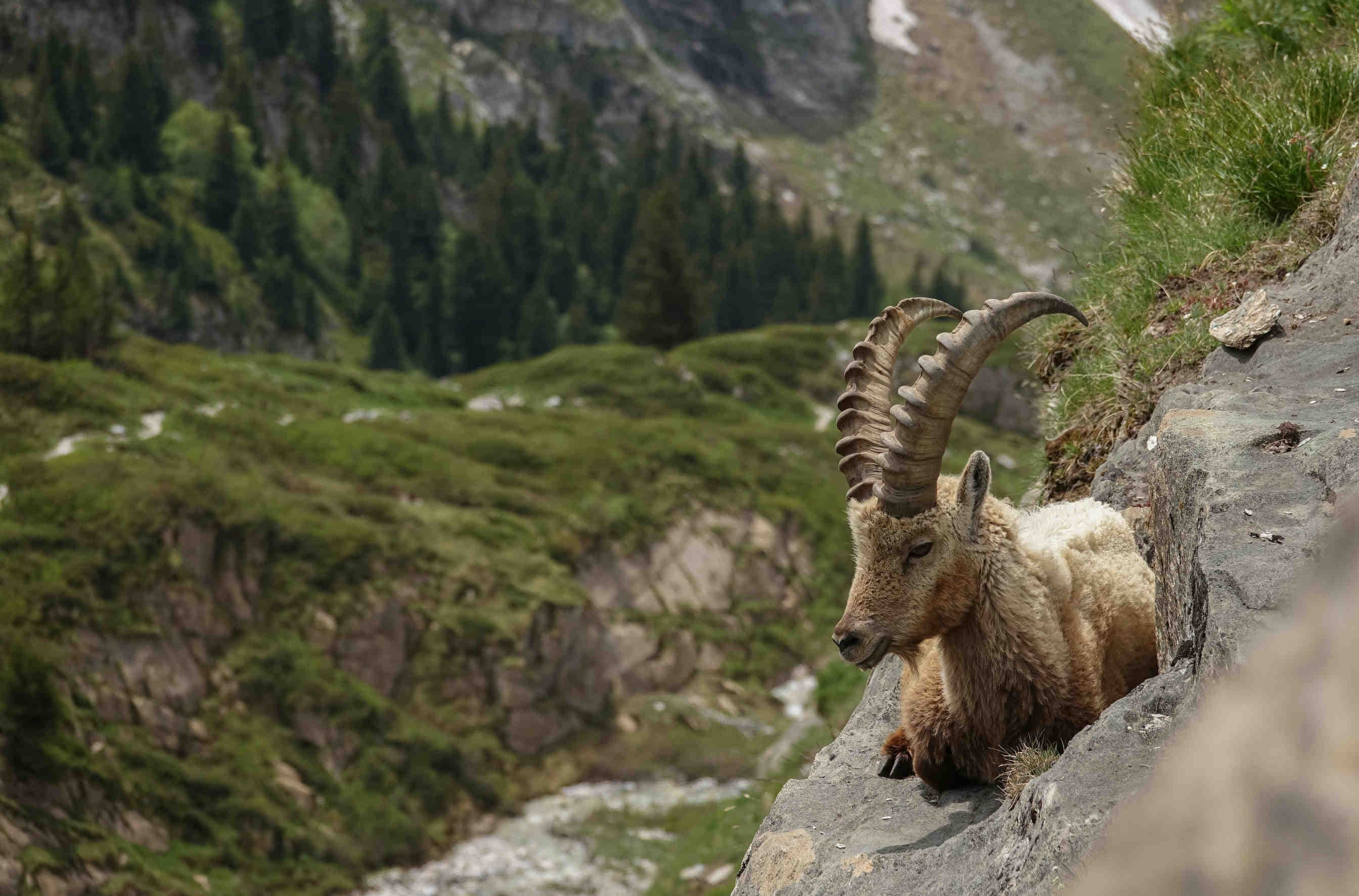
    Un bouc assis dans la montagne

    Protected areas and climate change

    Climate change is one of the main threats to fauna, flora and their habitats. High temperatures and severe weather episodes, such as floods and droughts, are dramatically damaging ecosystems. In response to changes in their habitats, certain species adopt sometimes unpredictable adaptive behaviours. Alpine species such as the Alpine hare and the marmot have moved their usual territories to higher altitudes in recent years. Protected areas enable these species to be closely monitored. Organisations such as the Muséum national d'Histoire naturelle or the Conservatoires Botaniques Nationaux carry out biodiversity inventories within designated areas. Thanks to this monitoring, it is possible to understand and anticipate the behaviour of biodiversity in the face of climate change, and therefore to better protect it.

    Deux marmottes sur un tronc d'arbre

    The threat of invasive species

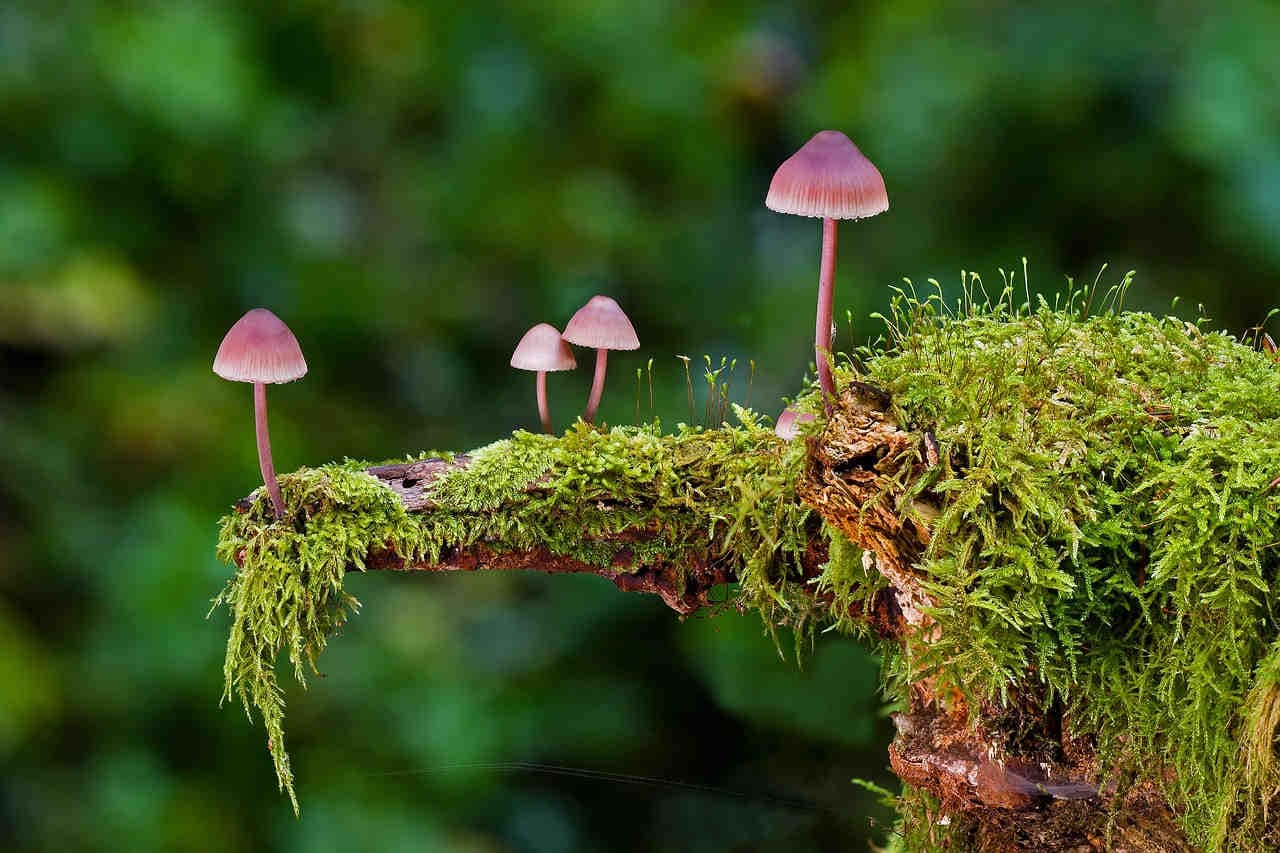
    While endemic species are particularly vulnerable to climate change, exotic species, on the other hand, can benefit from global warming and the resulting ecosystem changes. A study by the Global Invasive Species Programme (GISP) described the combination of these two scourges as a "deadly duo" for local biodiversity, indicating a serious threat. Although a protected area cannot prevent the arrival of an invasive species, the meticulous monitoring of biodiversity in these areas means that its appearance can be noticed early enough for action to be taken in time. Indeed, some fungi have been responsible for dramatic ecosystem changes or diseases in endemic species. Batrachochytrium dendrobatidis, for example, is suspected of having contributed to a mass extinction of amphibians.
    Champignons et mousse

    Sampling activities

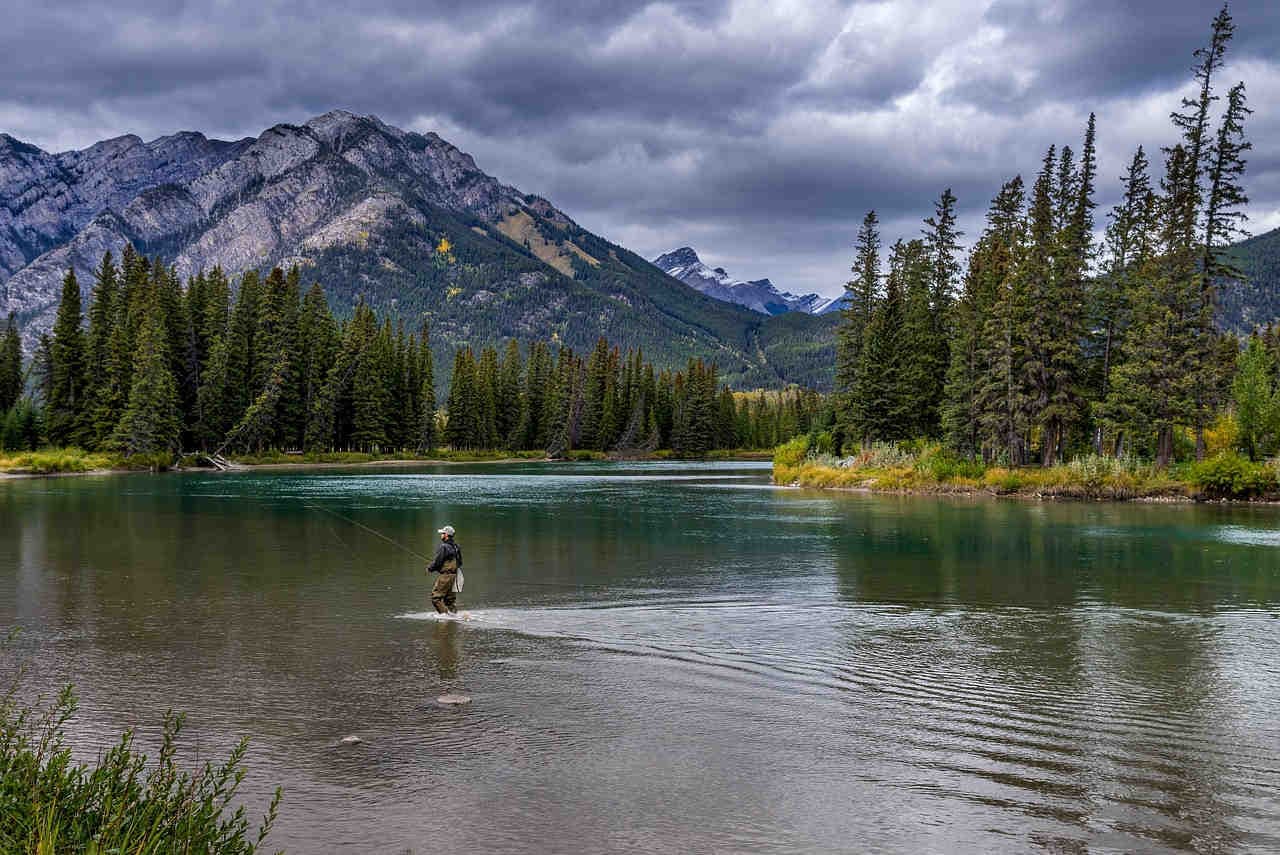
    Hunting and fishing are permitted in most protected areas, subject to certain conditions. Many questions remain about the implementation of regulations concerning the supervision of biodiversity harvesting activities. Since early 2024, Marine Protected Areas (MPAs) in the Mediterranean Sea have been experimenting with the compulsory issue of a fishing permit and an obligation to declare its catches. Although it is still early to say how effective these measures will be, they are a promising regulatory tool. Hunting is also permitted in most protected areas, except under the condition of a biotope protection order, which is temporary and applies to a restricted area. Animal protection associations regularly question governments on this subject, and denounce the lack of regulation of harvesting in these areas, which should provide a safe framework for wildlife and flora.
    un homme pêche dans un lac

    Un bilan mitigé

    Protected areas are, on paper, a promise of ecological conservation and the preservation of biodiversity. However, once put into practice, the regulations remain vague and the results lack probity. The IUCN red lists continue to grow, despite an expanding network of protected areas. Legal means exist for imposing stricter regulations in designated areas, and these need to be developed further. The tool with the greatest impact on biodiversity in these areas is still the monitoring of fauna, flora and habitats. This monitoring allows nature conservation bodies to be alerted early so that they can intervene in the event of an infestation of an invasive species or a sudden decline in a species. When these situations arise, a number of regulatory and legal measures are available to improve biodiversity conservation.
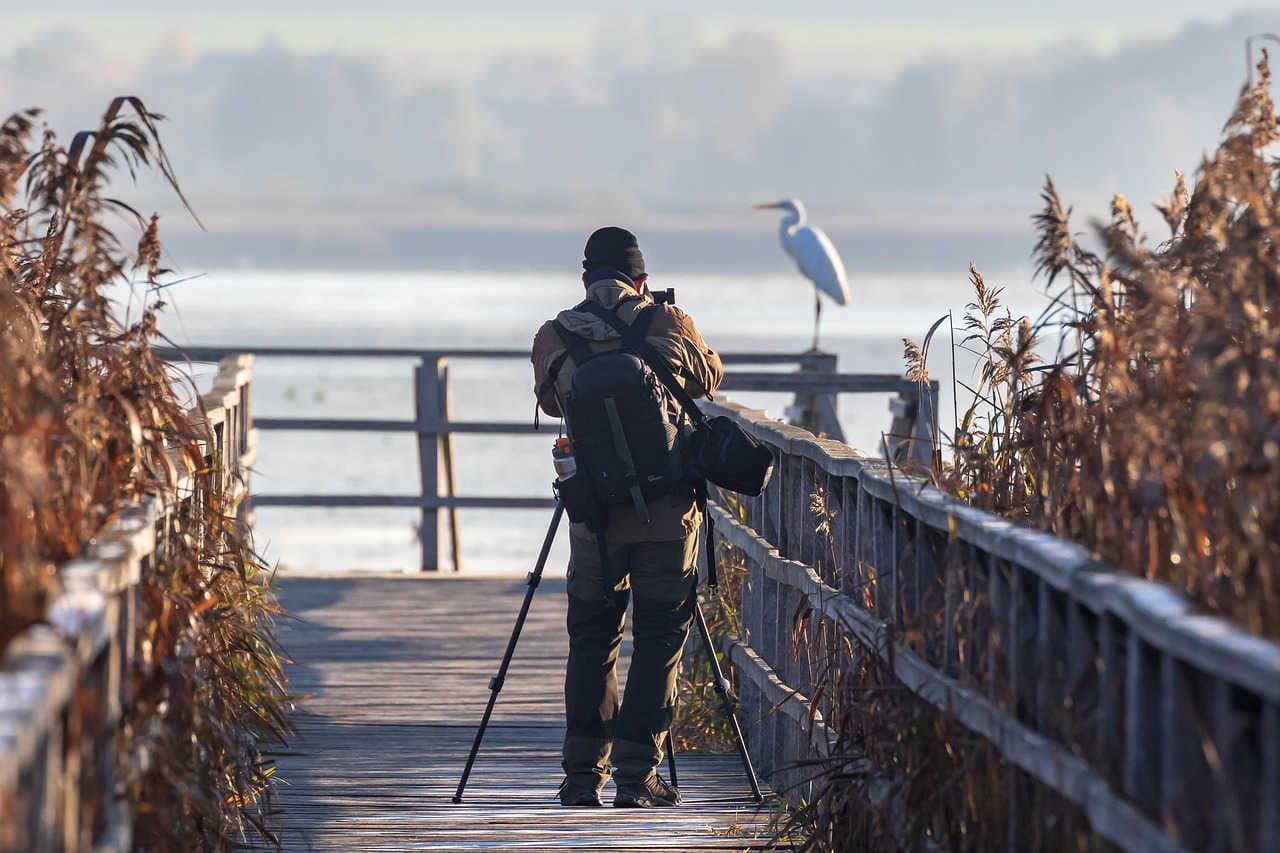
    un pont en bois dans une aire protégée embrumée
    14/06/2024Of 3Bee, Fiorila Hell
    738 Views
    Newsletter
    newsletter
    Subscribe to the Blog about bees and biodiversity

    Frequently Asked Questions

    Do you have any doubts or other curiosities about this article? Here you will find some insights