What if the emotions of Inside Out were pollinators?
    Inside OutAnsiaEmbarrassmentNoia

    What if the emotions of Inside Out were pollinators?

    Associating emotions with a colour is what the creators of the famous film Inside Out did, adding new ones in the sequel Inside Out 2. What if these emotions were pollinators (and more)? Find out in this article which one represents you best, based on your favourite emotion.

    Read the article
    01/07/2024Of 3Bee, Lisa Santillo
    734 Views
    01/07/2024Of 3Bee, Lisa Santillo
    734 Views

    Inside Out: the animated film dedicated to emotions
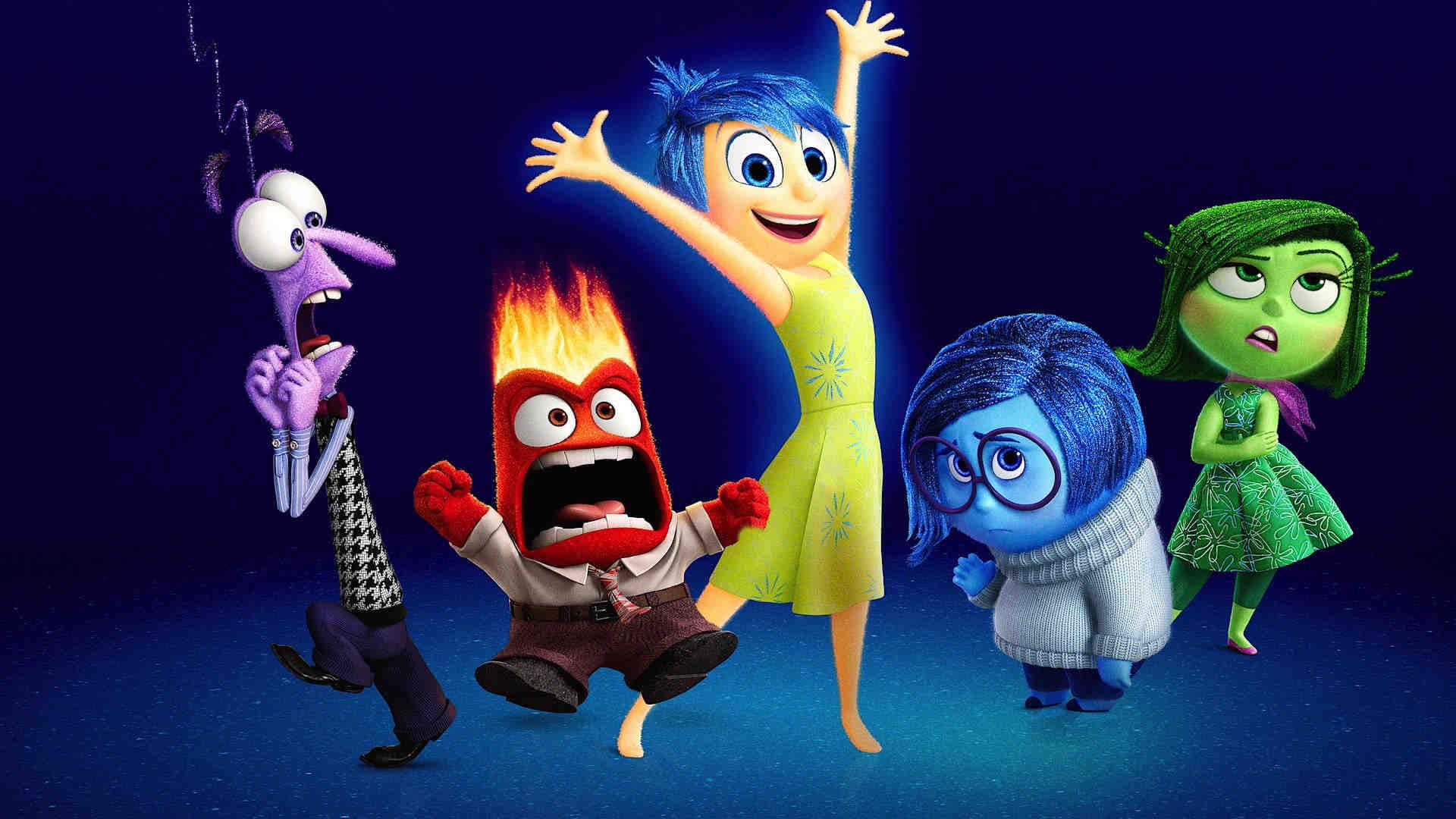
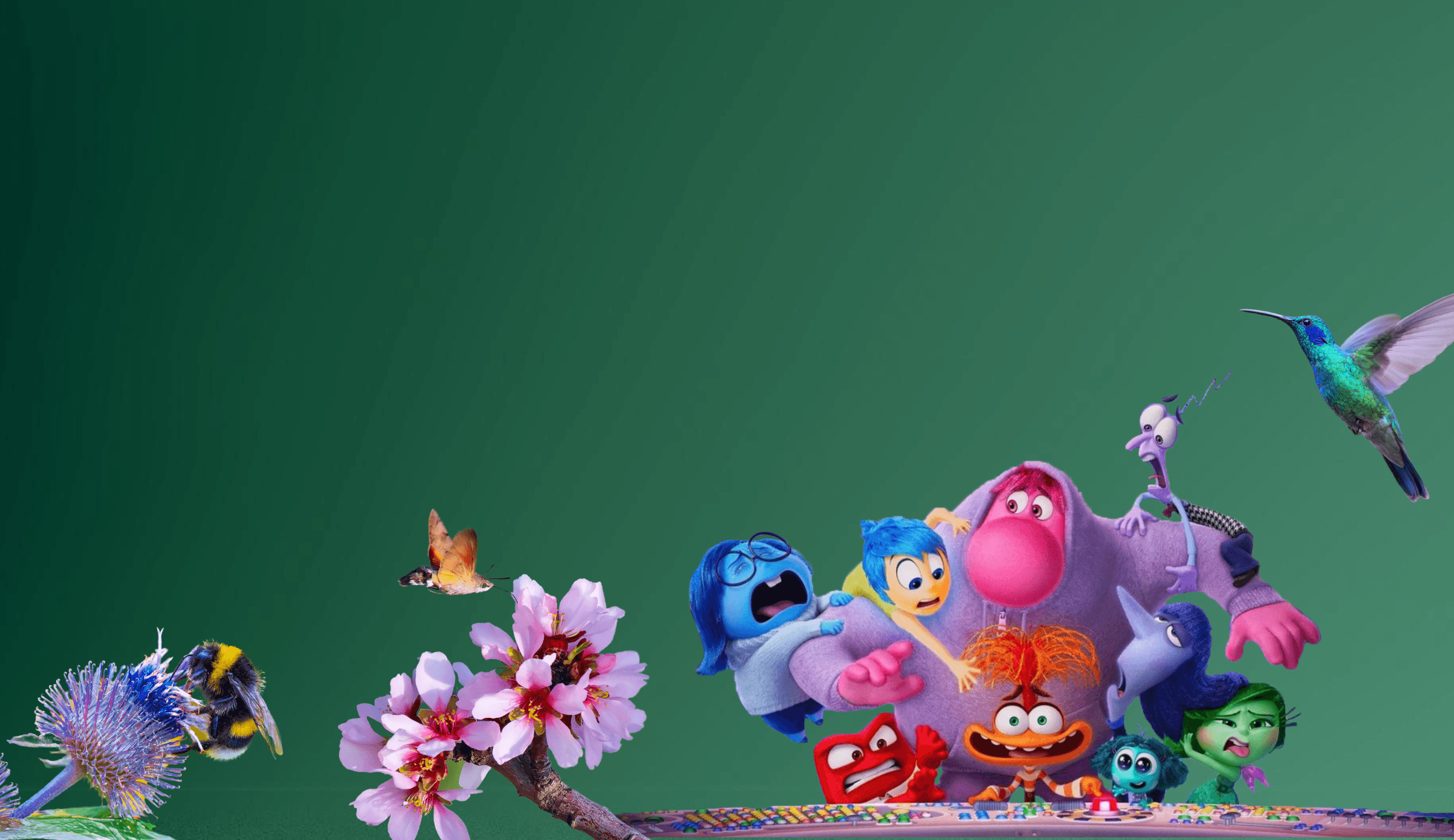
    Inside Out is the celebrated 2015 animated film directed by Pete Docter and Ronnie del Carmen and produced by Pixar Animation Studios in co-production with Walt Disney Pictures. The protagonist is Riley, a little girl driven by her own emotions: Joy Fear, Anger, Disgust and Sadness, which live in HQ, the mind control centre, helping her cope with everyday life. On 19 June 2024, the sequel to Inside Out was released, Inside Out 2, which introduced 4 new emotions: Boredom, Nostalgia, Anxiety and Embarrassment. But what if these emotions were pollinators? At 3Bee, we tried to associate each emotion in the film with a pollinator (and more), based on its characteristics. Ready to discover the one that best represents you, based on your favourite emotion?

    Inside Out

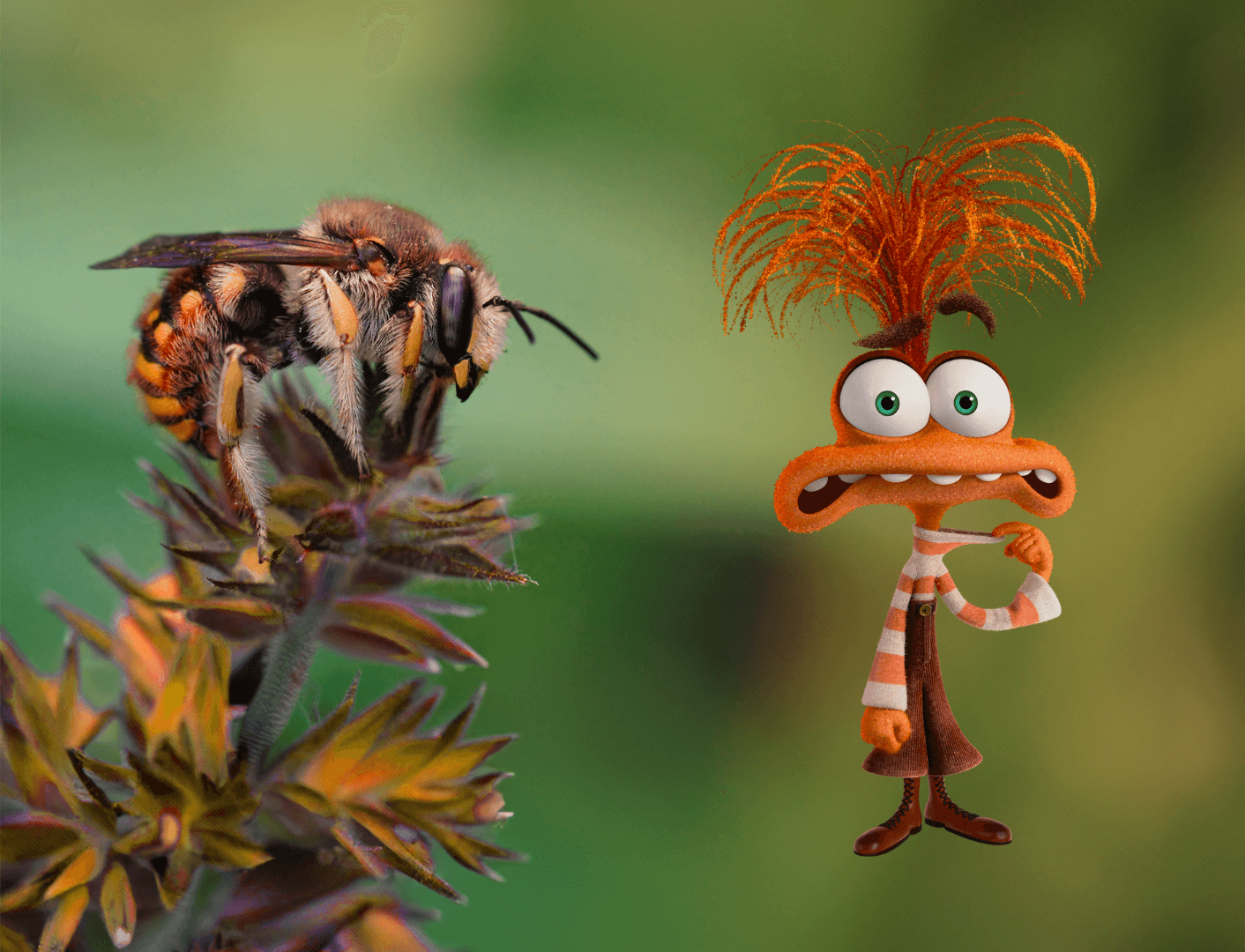
    Ansia: Anthidium sp.

    Anthidium sp. is a genus of solitary bee in the family Megachilidae. Also known as carder bees, a term derived from their peculiar behaviour, Antides tear off the down found on plants, heap it into a kind of ball of 'wool' that they carry under their bodies and finally use it to line the nest. Frenetic and very fast, they never settle for more than a few seconds on a flower. A veritable "anxiety-pollinator", a vortex of energy that best represents the Anxiety of Inside Out 2.

    ansia
    XNatura

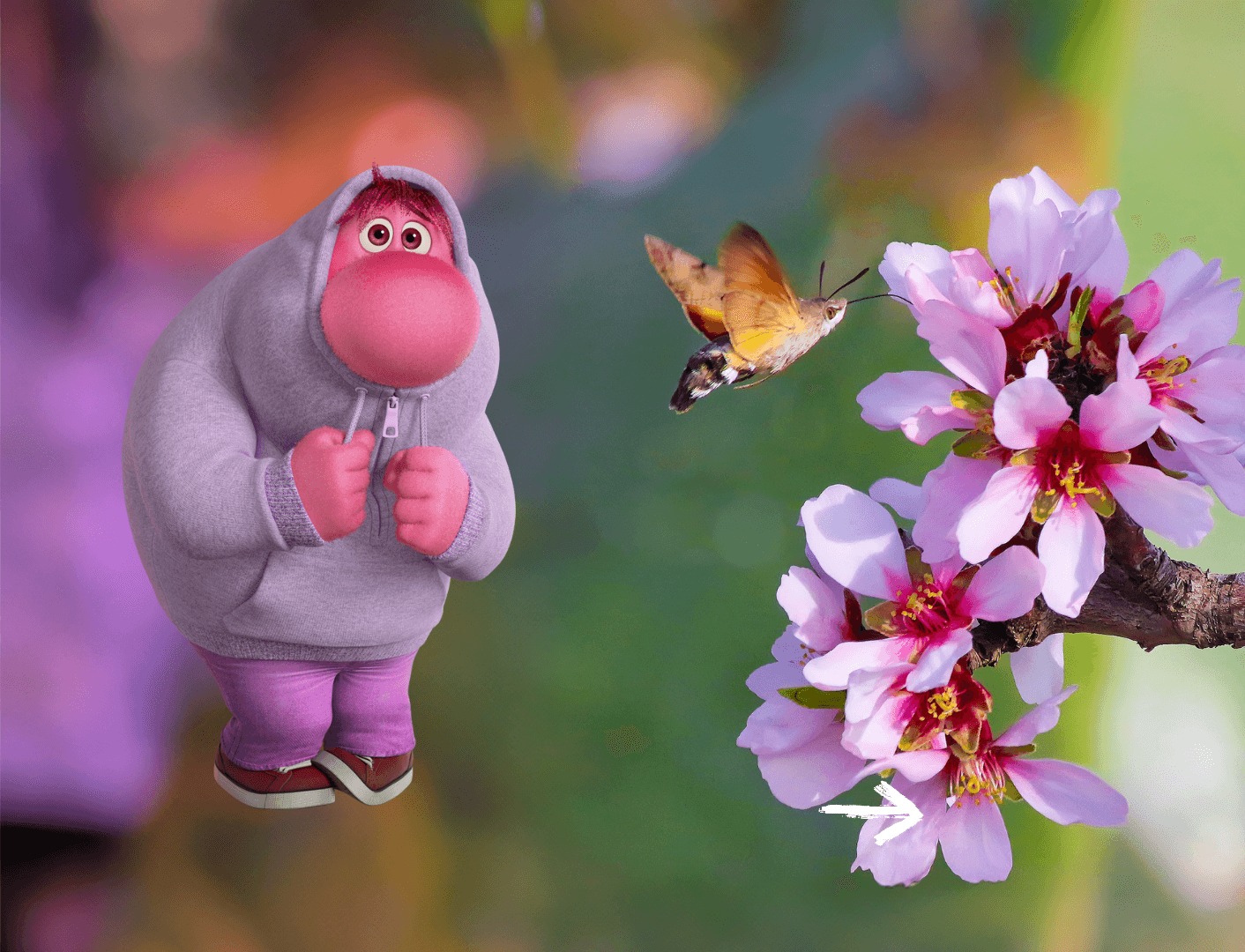
    Embarrassment: Macroglossum stellatarum

    Macroglossum stellatarum is a species of lepidoptera belonging to the family Sphingidae, widespread in Eurasia, Africa and Oceania. This lepidopteran plays a crucial role in the pollination of plants, which occurs via its very long tongue, called the spirotromba. When at rest, the spirotromba remains coiled in a spiral and is only extended at the moment when Macroglossum decides to suck nectar. Moreover, it never rests on the flower, but collects the nectar in stable flight. It is precisely this characteristic that makes it seem embarrassed at feeding on nectar, almost to the point of blushing! This is why this pollinator is representative of the character Embarrassment in Inside Out 2.
    imbarazzo

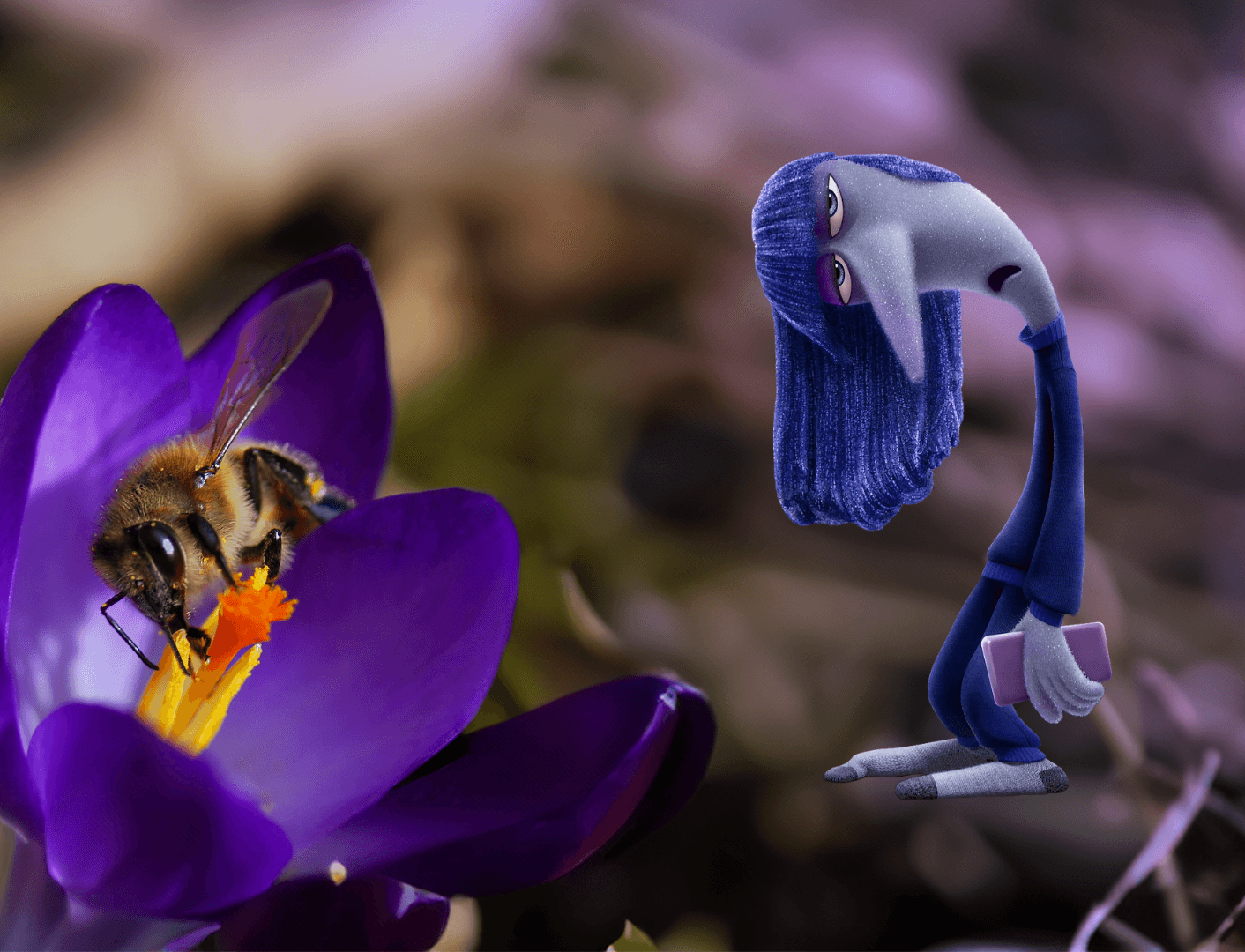
    Boredom: honey bee

    Apis Mellifera, also known as the European honeybee or western honeybee, is the most widespread species of the genus Apis in the world. Honey bees are gregarious, social, in fact they form a hive with a well-defined hierarchical structure. They feed themselves by collecting pollen and nectar from flowers, with a routine that we can say is always the same: back and forth between flowers and hive all day long... This is why we can associate the Honey Bee with the Boredom - called Ennui - from Inside Out 2.
    noia
    XNatura

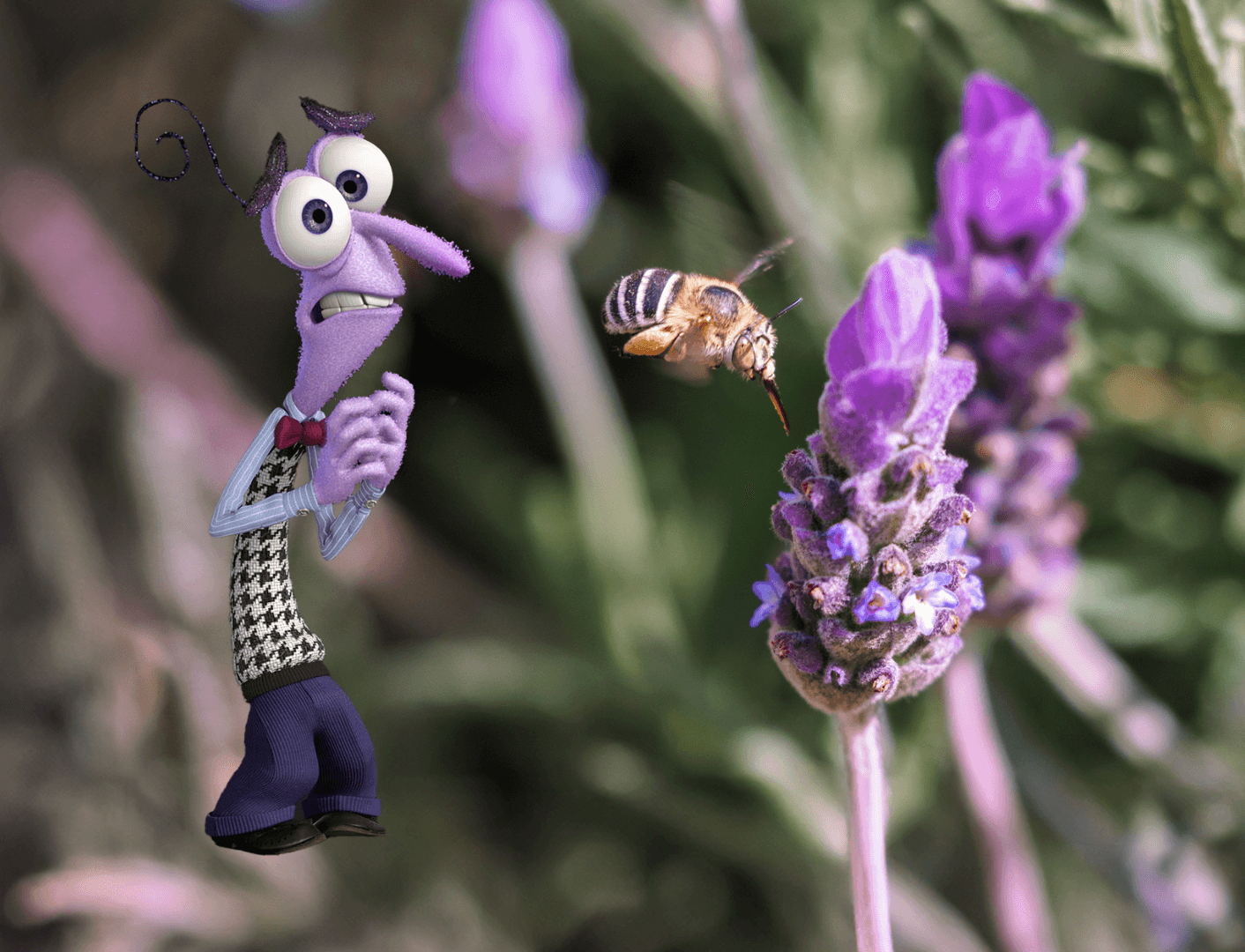
    Fear: Amegilla sp.

    A member of the family Apidae, Amegilla sp. is medium to medium-large in size (7-12mm), characterised by a long ligule that is held everted during flight, which is rapid, frenetic and jerky. Amegilla in fact feeds on nectar often in flight and is characterised by abdominal bands that, in some species, can take on a very beautiful blue colouration. But why is Amegilla associated with the Fear of Inside Out 2? Because not infrequently, males can be observed resting on stems or leaves clinging to them with their jaws, out of fear of falling... Always on the edge!

    paura
    3Bee

    Anger: Honey Badger

    The honeybill (Mellivora capensis) is not a pollinator, but it is one of the most fearsome and aggressive animals in the world, despite its small size and seemingly harmless appearance. Hence, the association with the Rabbit from Inside Out 2. The honey badger is a mammal with a ferocious and indomitable soul, feared even by large predators, such as lions, who sometimes prefer to retreat rather than face the honey badger and fight it. Indeed, the honey badger is not only a very strong animal with sharp claws, but is also very quick and precise in its movements, a characteristic that makes it almost unbeatable in a fight. Not least, it is even immune to snake venom.
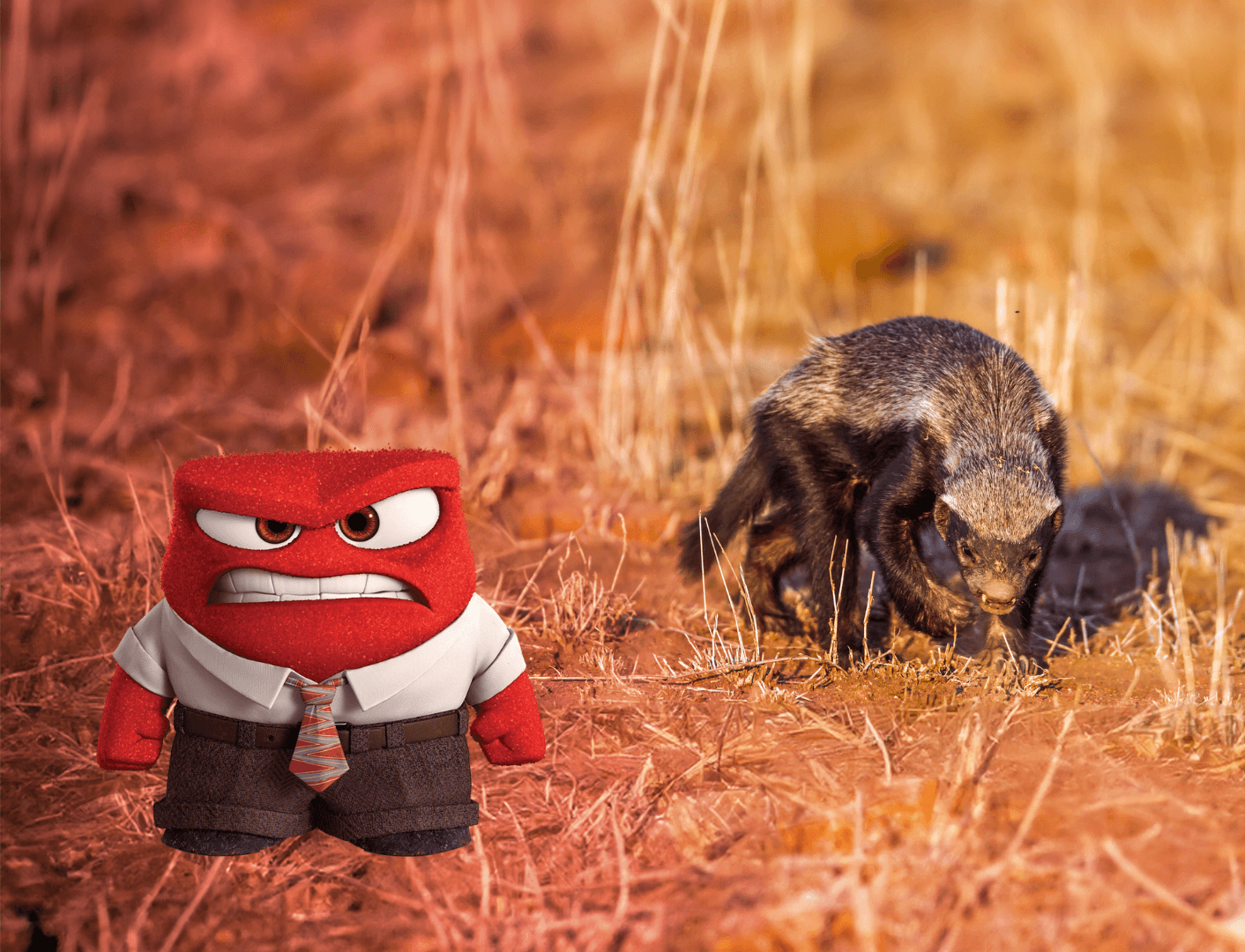
    rabbia

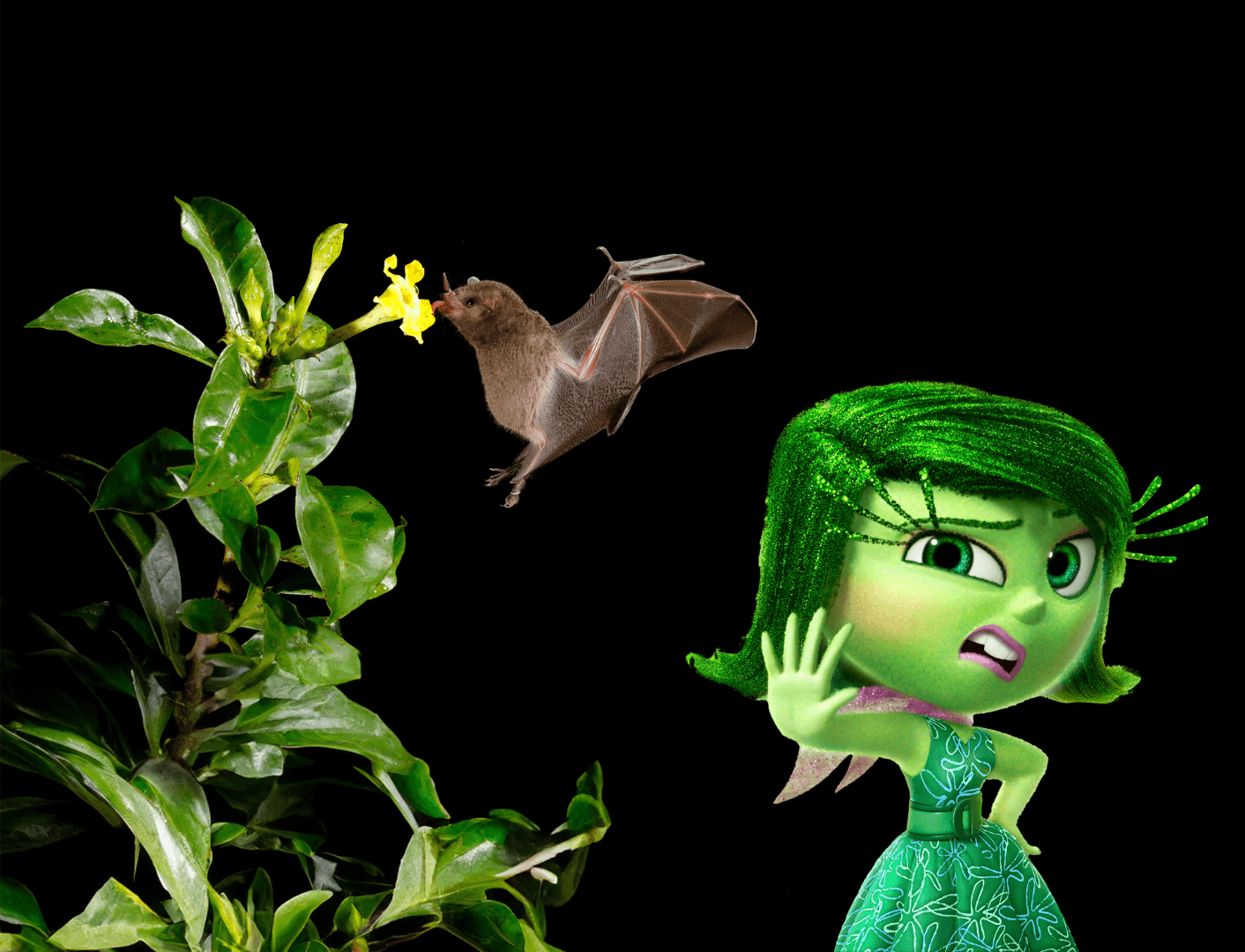
    Disgust: Glossophaga soricina

    Glossophaga soricina is a small bat widespread in Central and South America and the Caribbean. It feeds mainly on insects, fruit and flower parts during the rainy seasons and nectar and pollen in the dry seasons. It is an important pollinator: in some tropical regions, bats also play this crucial ecosystem role for more than 500 plants. Not only insects, therefore, contribute to pollination. Glossophaga soricina is a species characterised by a sulky snout and its manner of feeding is particularly disgusting (here is an explanatory video). For this reason, it is the species selected to be associated with the character Disgust from the film Inside Out.

    disgusto

    Sadness: Fig wasp

    The Blastophaga psenes, better known as the Phicus wasp, belongs to the Agaonidae family, which comprises just over 700 species. Its life is very sad indeed, especially for males. These in fact, never see their partner while fertilisation is taking place, dig like mad to find a way out of the fig tree and, as soon as they see the light after the great effort... They die. Nothing more to add on the reasons why this is precisely the species of pollinator that best represents the emotion of Sadness in Inside Out.
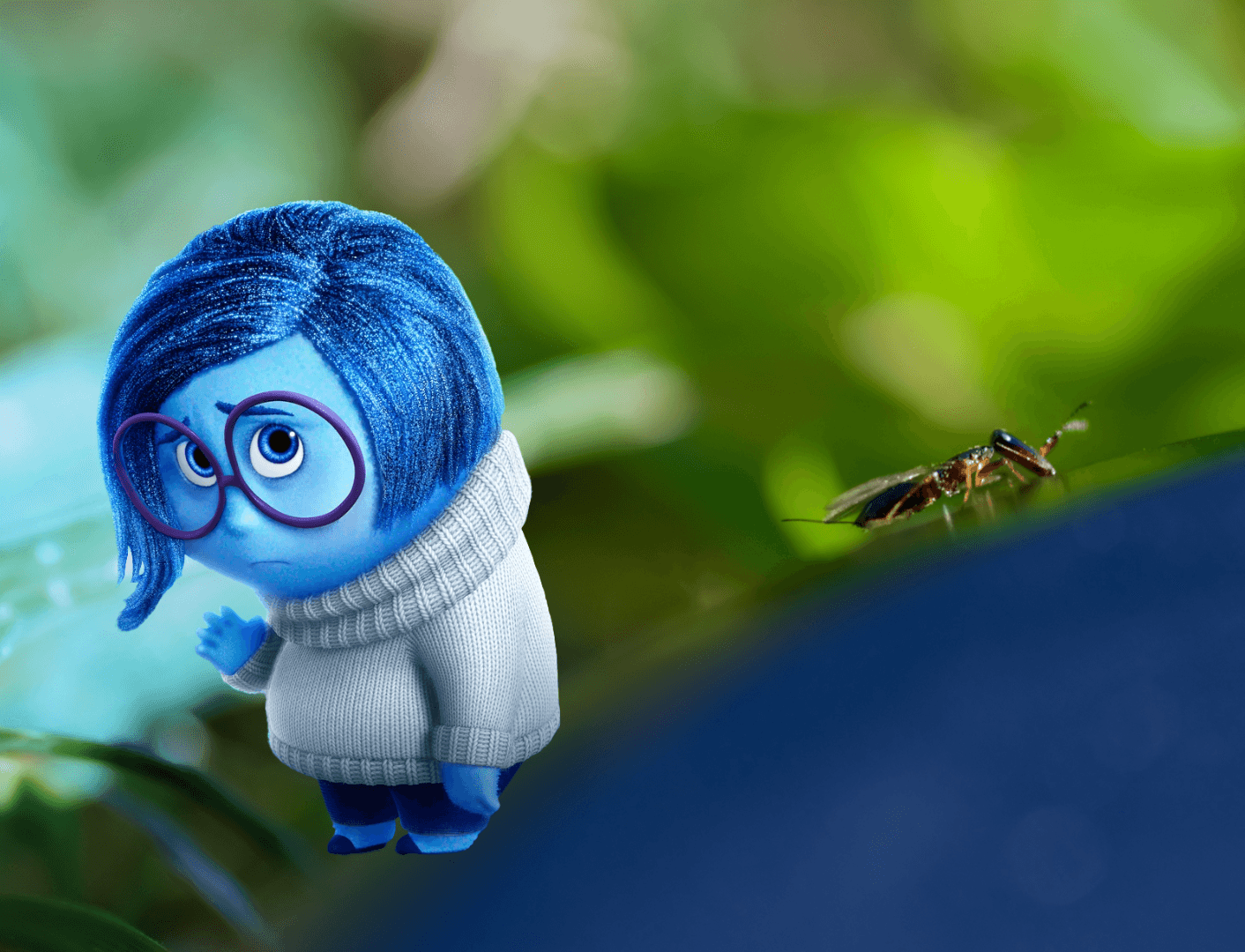
    tristezza

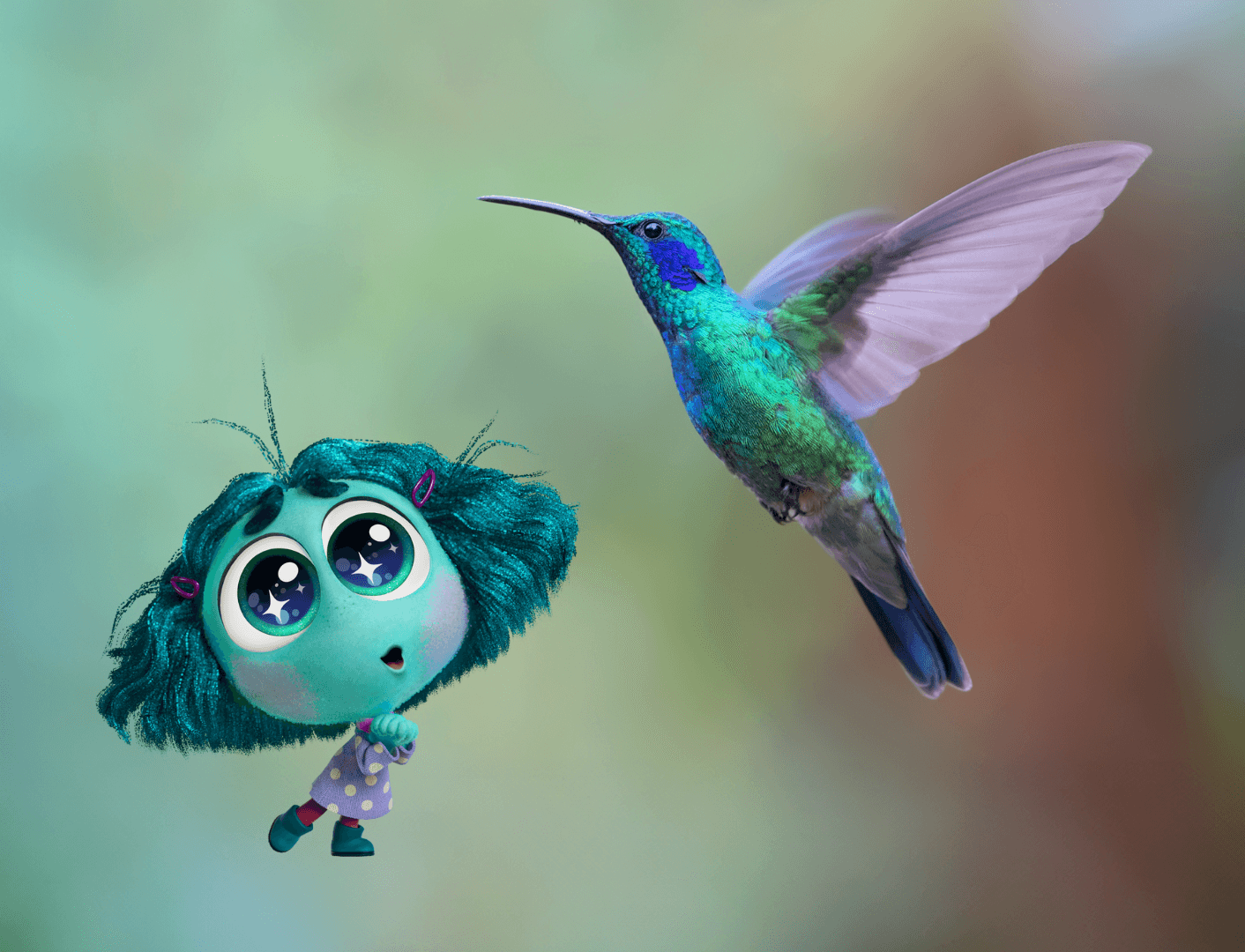
    Invidia: Colibrì

    Small birds of the family Trochilidae, distributed exclusively in North and South America, the hummingbirds are among the pollinator animals. Known for their ability to remain stationary in flight, hovering almost motionless in the air, their wing beat is quick, so much so that it makes all other animals envious (not just pollinating insects). This ability allows hummingbirds to feed on nectar, their favourite food, while in the air. Hummingbirds are also coloured and beautiful, another reason why we have associated them with the envy of the animated film Inside Out.

    invidia

    Nostalgia: Monarch butterfly

    The monarch butterfly, whose scientific name is Danaus plexippus, is a lepidopteran of the Nymphalidae family characterised by a black-orange colouration. Every year, to escape the cold North American winters, this species travelled and flew more than 4,000 km until it reached the forests of Mexico. The spectacle is incredible: millions of specimens soar through the air and when they come to rest, they completely cover all surfaces to the extent that they blend in with the leaves of the trees. But why is the monarch butterfly associated with the emotion of Nostalgia from Inside Out 2? Precisely because of migration, which relates to the concept of nostalgia of home. I wonder if the monarch butterfly actually experiences this feeling?
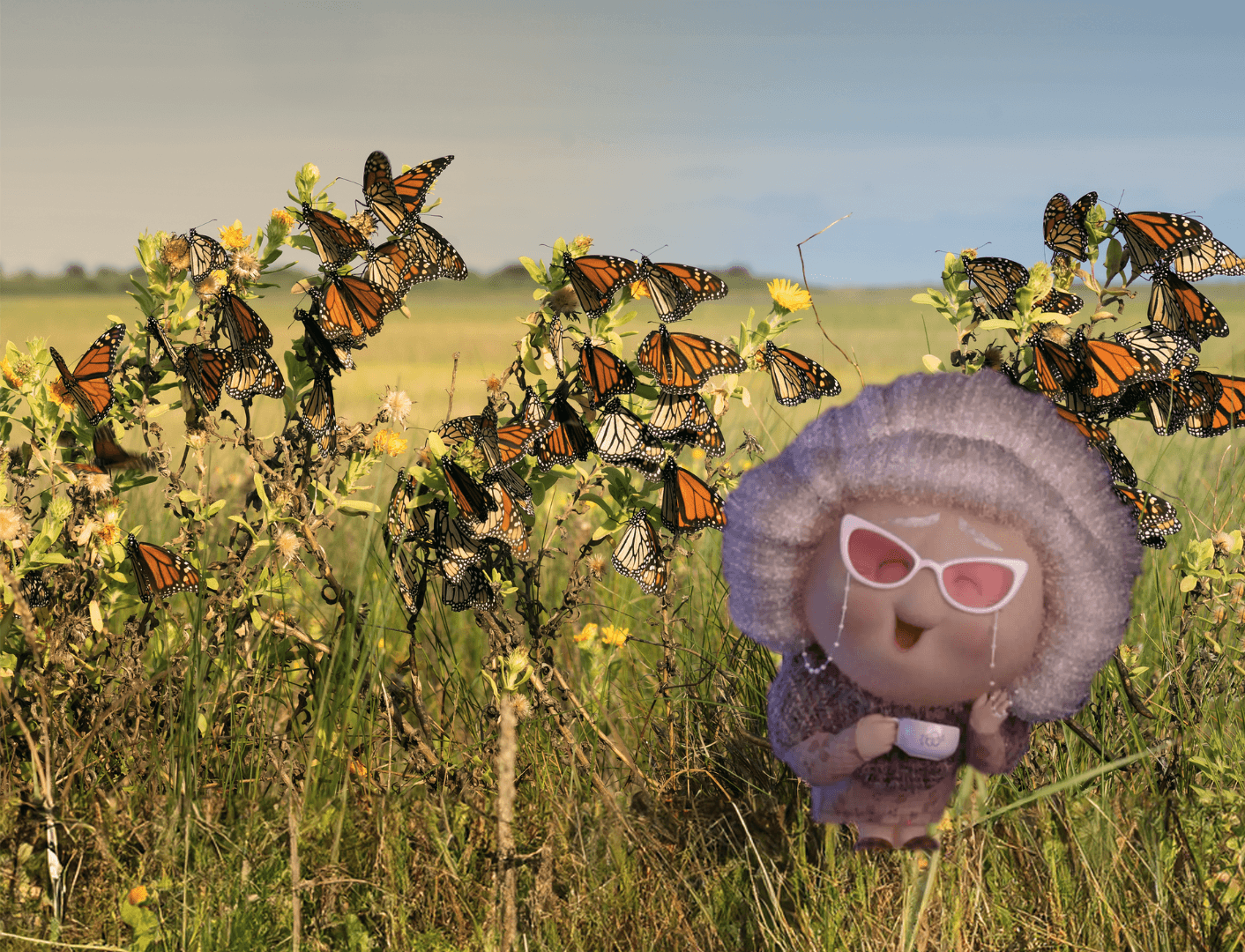
    nostalgia

    Gioia: Bombus sp.

    Bombus sp. is a genus of hymenopterous insects in the family Apidae, commonly known as bombs. They are known for their hairy coat and their characteristic buzzing as they move from flower to flower, collecting pollen and nectar. Bumblebees harbour many secrets and fascinating behaviours: one of these is their ability to warm themselves by rapidly vibrating their muscles, a behaviour known as thermoregulation. Not only that: as demonstrated by some scientific studies, bumblebees are able to experience positive emotions, similar to happiness. A veritable wellspring of 'good vibes', which we just couldn't help but associate with Inside Out's Joy.
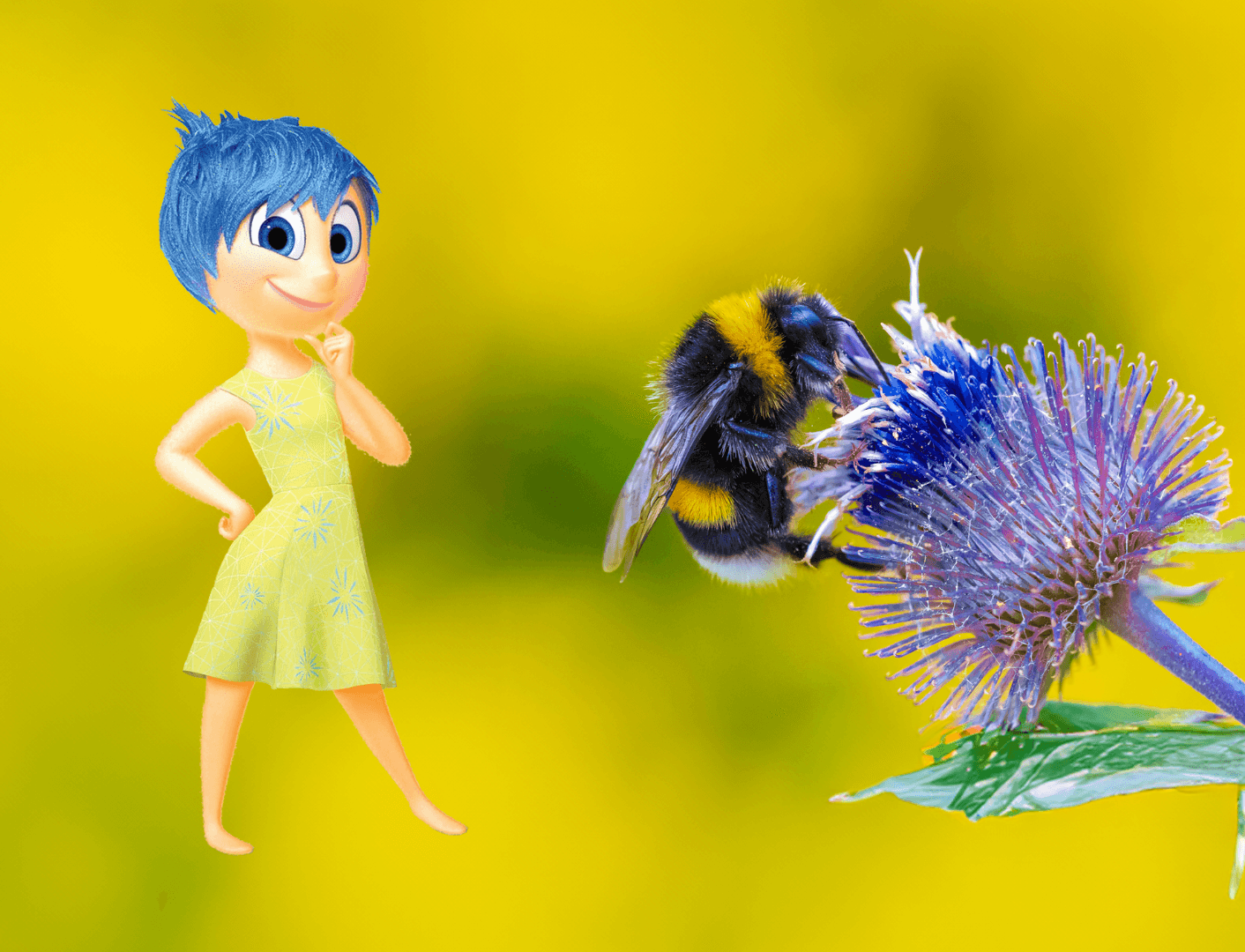
    gioia
    01/07/2024Of 3Bee, Lisa Santillo
    734 Views
    Newsletter
    newsletter
    Subscribe to the Blog about bees and biodiversity

    Frequently Asked Questions

    Do you have any doubts or other curiosities about this article? Here you will find some insights