Ice melting opens the door to alien species
    Alien speciesInvasive speciesSpecie vegetaliCold biomes

    Ice melting opens the door to alien species

    Biological invasions are one of the main drivers of the decline in global biodiversity and, according to a new study, are favoured by the rapid melting of glaciers induced by climate change.

    Read the article
    05/05/2024Of 3Bee, Alessia Mircoli
    545 Views
    05/05/2024Of 3Bee, Alessia Mircoli
    545 Views

    Alien species

    Lately, we hear a lot about "alien species". But who are they and why do they have this name? Alien species (also called allochthonous or exotic) are all those species, animals or plants, that have been transported by humans, either voluntarily or involuntarily, outside their areas of origin. Their expansion can threaten biodiversity, causing profound changes in biological processes, but can also have major socio-economic impacts, for example through direct damage to health or human activities. When such species settle, breed and expand in the territory into which they have been introduced, causing serious damage to local biodiversity and ecosystems, they are referred to as invasive alien species.
    parrocchetto

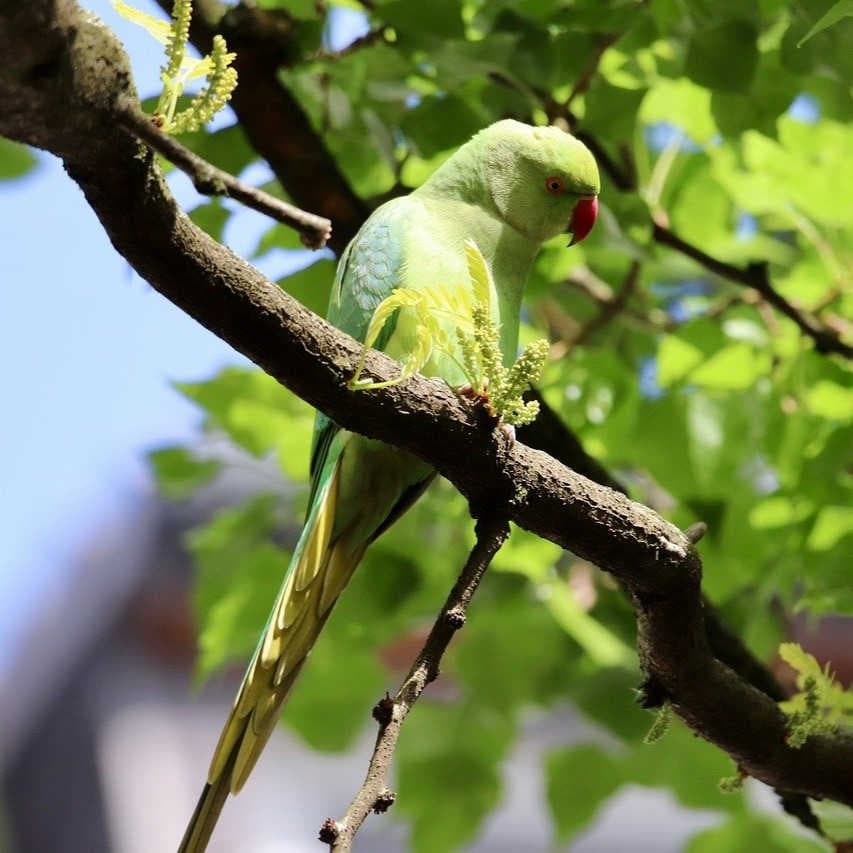
    Some of the most harmful animal invasive species in Italy

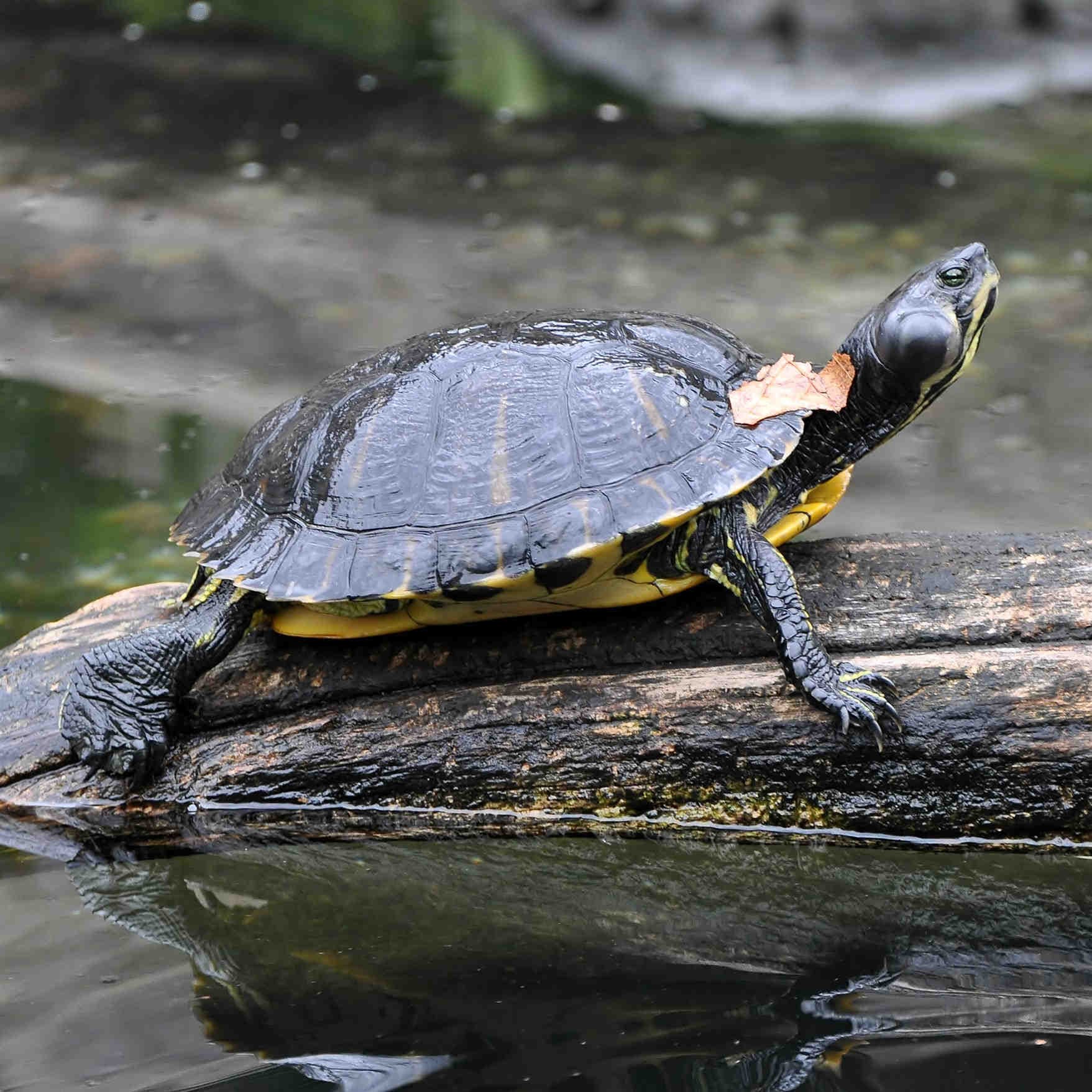
    In Italy, among the various invasive alien species, the Louisiana shrimp is one of the best known. Native to the swamp and riverine areas of the south-central United States and north-eastern Mexico, it was introduced to Spain in 1973 and first sighted in Italy in 1989. Due to its remarkable adaptability, high reproductive capacity and aggressive behaviour, it poses a threat to native flora and fauna. Equally relevant is the American marsh tortoise (Trachemys scripta), ranked among the world's 100 worst invasive species. Being able to prey on a wide variety of animal species, including aquatic insects, crustaceans, fish and amphibians, and also feeding on aquatic vegetation, it can affect the entire aquatic community of colonised environments.

    tartaruga
    XNatura

    Plant species are just as dangerous

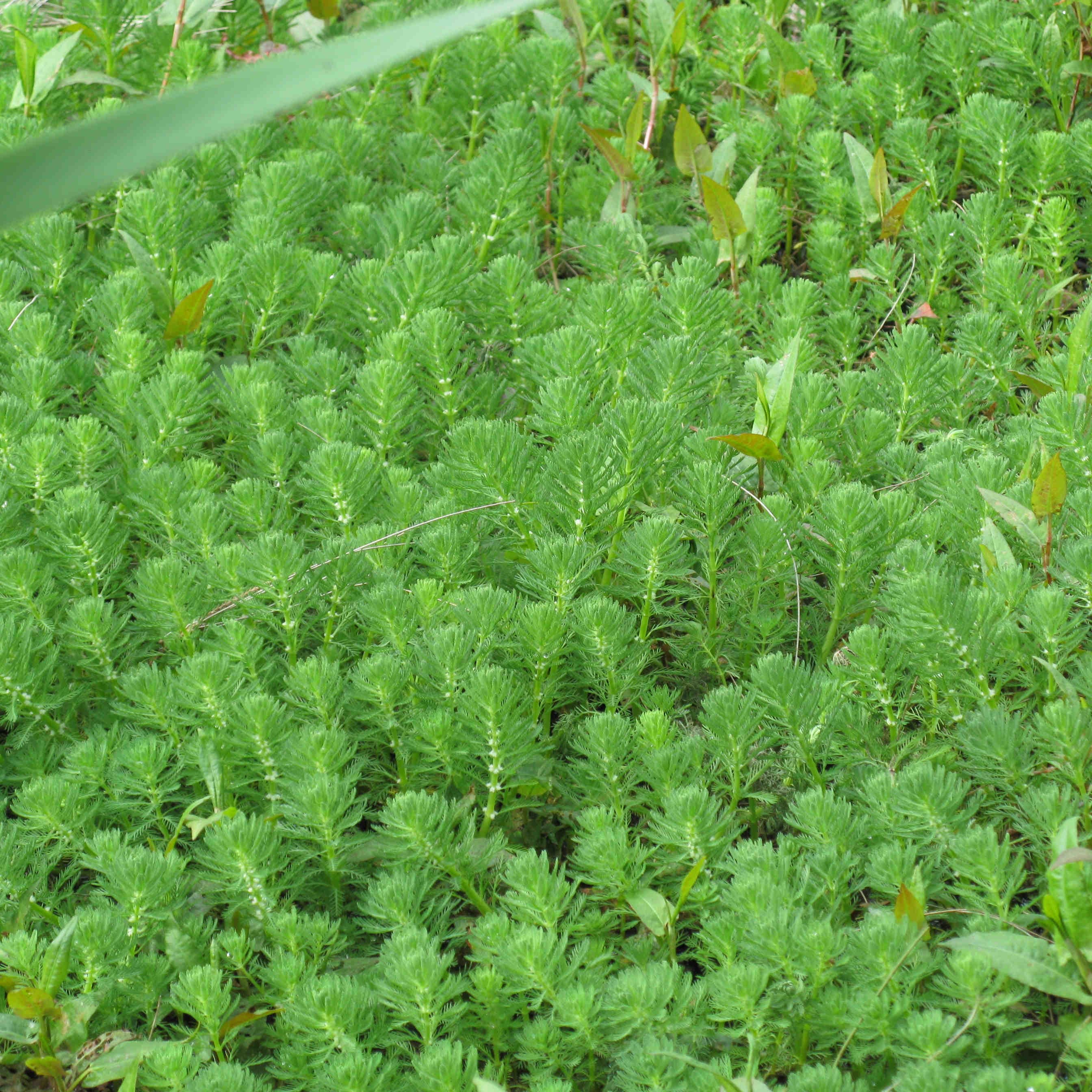
    Animal species are not the only ones causing damage to biodiversity and ecosystems. vegetals are also extremely dangerous and an example of this is Myriophyllum aquaticum, a hydrophyte native to South America and now present in nine regions of Italy. In sites where it is invasive, there is a change in the chemical and physical parameters as well as in the balance and characteristics of the biological component of the ecosystem. The plant can reach considerable densities, constituting very dense and extensive monospecific nuclei, going to interfere with and reduce the luminosity, dissolved oxygen in the water, pH, as well as the available space. Also worth mentioning is Ludwigia grandiflora, a perennial aquatic plant that is dangerous to native plant species. In some cases, its presence has been associated with the reduction of macroinvertebrates and fish and there is evidence to show that it can facilitate the establishment of other exotic plant and animal species.
    Myriophyllum

    The vulnerability of the world's cold biomes

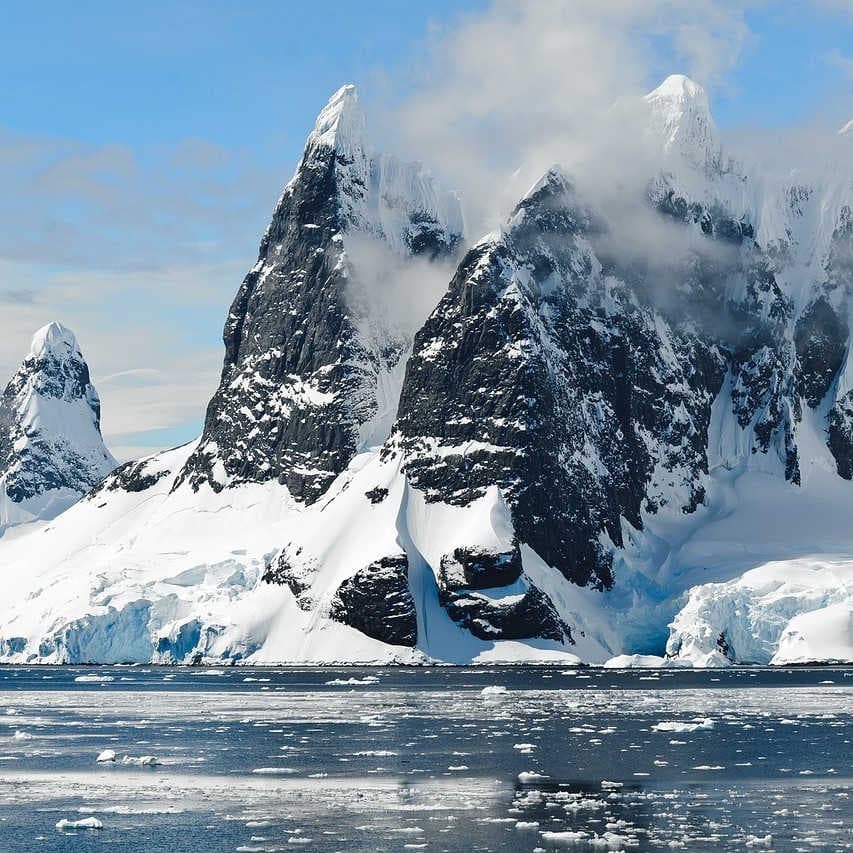
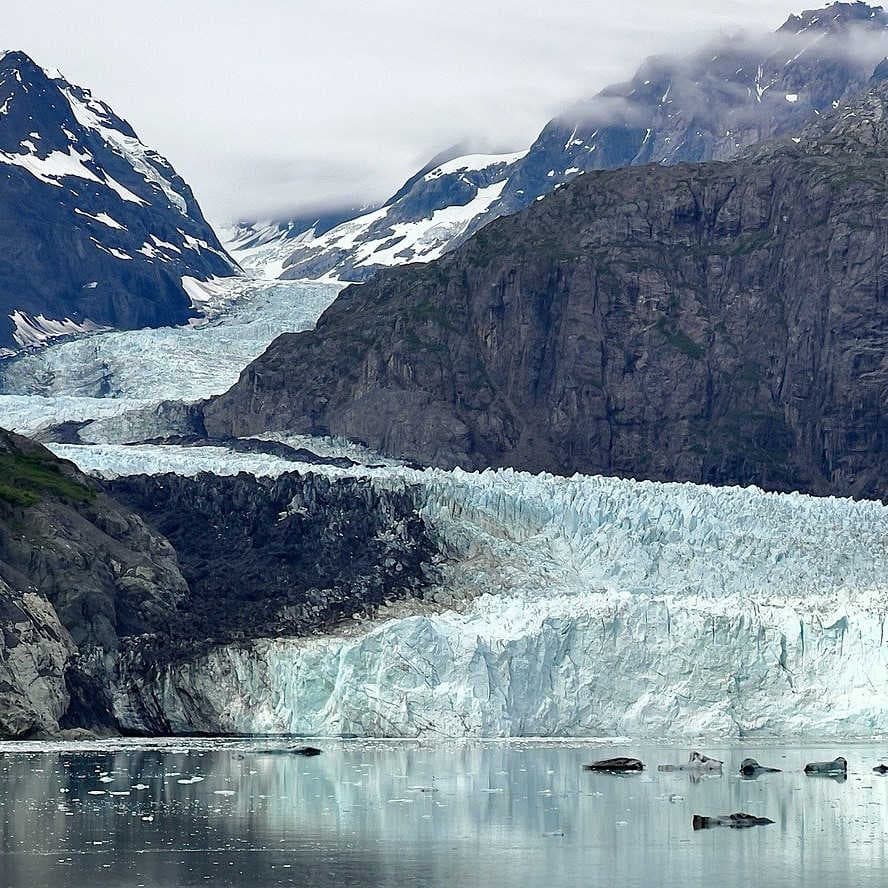
    biological invasions are a key component of global environmental change and pose a serious threat to biodiversity worldwide, especially on islands. Subpolar, polar and mountain biomes are increasingly exposed to the cumulative threat of invasive species and global warming. Indeed, in most of the world's cold biomes, glaciers have been retreating rapidly in recent decades, and it is likely that most of the world's glaciers at mid- and low-latitudes will be lost by 2100. However, the future trajectories of biological invasions in the face of climate change remain unclear. In response to this knowledge gap, a recent study examined the rapid expansion of invasive species into new territories made accessible by melting glaciers on the sub-Antarctic island of South Georgia.

    ghiacciaio
    XNatura

    The tragic situation in South Georgia

    South Georgia is a remote island in the far south of the Atlantic Ocean, which belongs politically to the United Kingdom, of which it is a so-called overseas territory. Unfortunately, it is currently teeming with invasive species that were inadvertently introduced by whalers and sailors in the 19th and early 20th century. The situation has worsened since temperatures began to rise. Climate change, in fact, has led to the dissolution of glaciers, a situation that has allowed many other alien species to settle in these territories. Currently, therefore, the scenario is not the best, which is why the team led by Pierre Tichit of the University of Durham, England, conducted a study to analyse the criticality of the situation.

    valle
    3Bee

    The study

    To conduct the study, the team of researchers focused their investigation on the island's six major glaciers. Specifically, they catalogued all the species present in the surrounding areas, where ice and snow have given way to rocks and gravel. In order to obtain optimal results, they turned over the rocks, set traps and used blanket nets to record the flora and fauna that colonise these areas during the various stages of glacier retreat.
    ghiacciaio

    The results of the study

    The analyses conducted, unfortunately, confirm the researchers' suspicions: there are many invasive species present, taking over niches that would otherwise have been occupied by local ones. Moreover, it appears that indeed their spread in South Georgia will probably occur in tandem with the thawing of glaciers. This does not bode well for the biodiversity of ecosystems which could be severely damaged by the presence of invasive alien species.

    dati

    How did the stabilisation of these species come about?

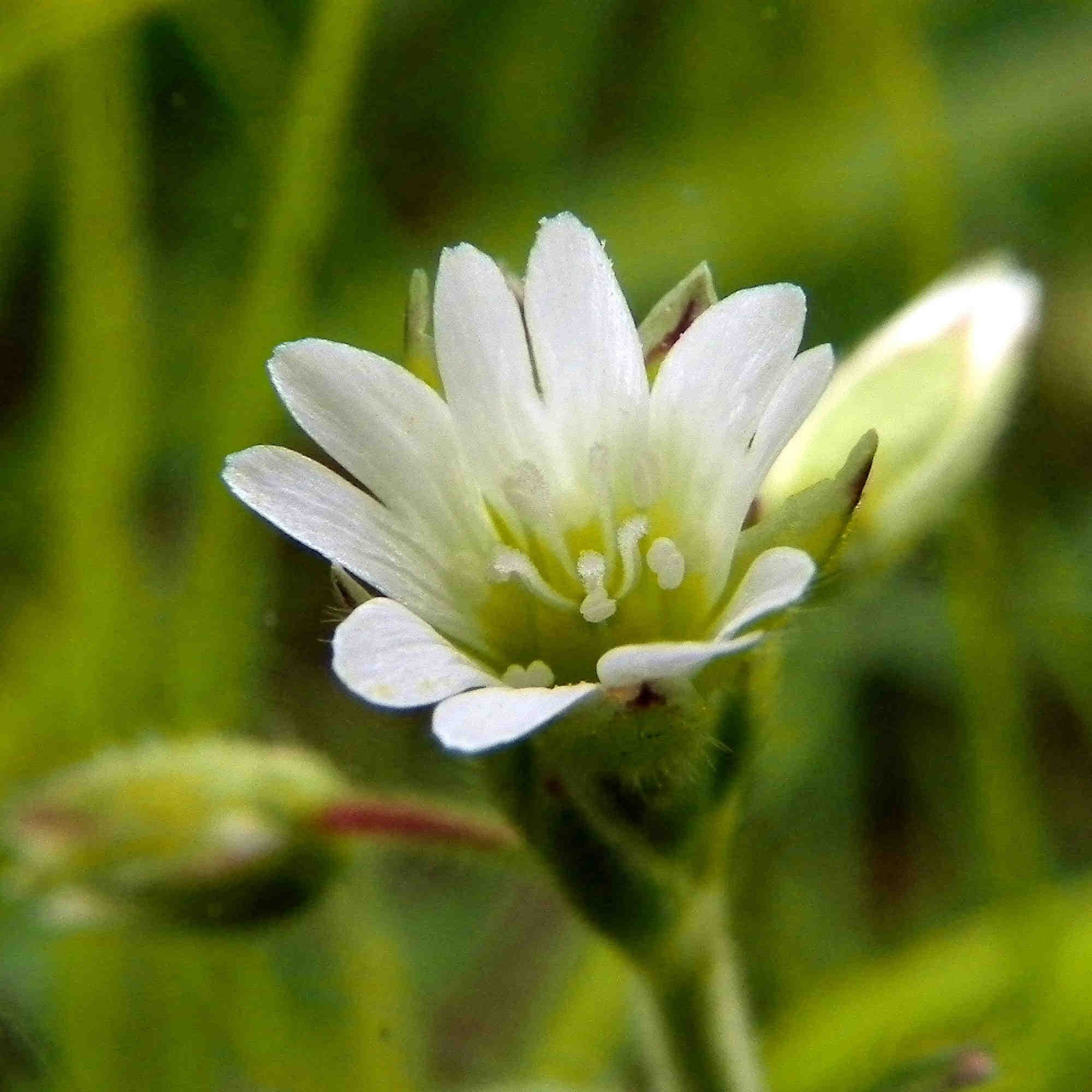
    As the ice melts, new territories are exposed and rapidly colonised by so-called plants or pioneer species. These plants are the first to establish themselves on newly made available land, characterised by their high resistance and low need for resources. Thus a process of progressive occupation of the new environment takes place, followed by the establishment of other species. This phenomenon contributes to the enrichment of biodiversity. The study found that not only native plants, but also exotic plants and invertebrates take advantage of this opportunity. In addition, two species of temperate plants from the northern hemisphere were identified: the blue grass, already present in Italy, and the Cerastium fontanum, native to Europe. Both of these species spread at a much faster rate than native plants, thus reducing the space available for the growth of local species.

    pianta

    Research must not stop

    This study provides an initial insight into the patterns of community assemblages in the sub-arctic following deglaciation. It also highlights how further studies are needed to assess the impact of invasive pioneers in glacier-associated ecosystems. Currently, it appears that invasive species are co-existing with native ones, however, this situation needs to be monitored to determine whether it will persist with the ongoing climate change, the retreat of glaciers and the transformation of the habitat.

    ricerca

    How to eradicate alien species?

    Given the obvious damage that alien species cause to the ecosystems in which they settle, it is good to be able to stem, or even better avoid, their spread. Prevention is the best approach to contain the expansion of invasive species. Since we humans are the main transport agent of such organisms, it is essential to take precautions during our travels in order to limit damage. Subsequently, it is necessary to implement monitoring programmes followed by eradication and suppression actions. However, since it is extremely difficult to completely eliminate a species once it becomes invasive, it is preferable to focus primarily on prevention as the first line of defence.
    cuore
    05/05/2024Of 3Bee, Alessia Mircoli
    545 Views
    Newsletter
    newsletter
    Subscribe to the Blog about bees and biodiversity

    Frequently Asked Questions

    Do you have any doubts or other curiosities about this article? Here you will find some insights