Honeydew Honey: Characteristics and Properties
    3Bee approachWhat it isPropertiesFeatures

    Honeydew Honey: Characteristics and Properties

    At 3Bee, honey is a symbol of the hard work of pollination done by bees and the realisation of their contribution to the ecosystem. Our projects support biodiversity and through our growers ensure a healthy environment for pollinators.

    Read the article
    26/07/2018Of 3Bee, Elena Fraccaro
    10080 Views
    26/07/2018Of 3Bee, Elena Fraccaro
    10080 Views

    3Bee's approach to biodiversity protection
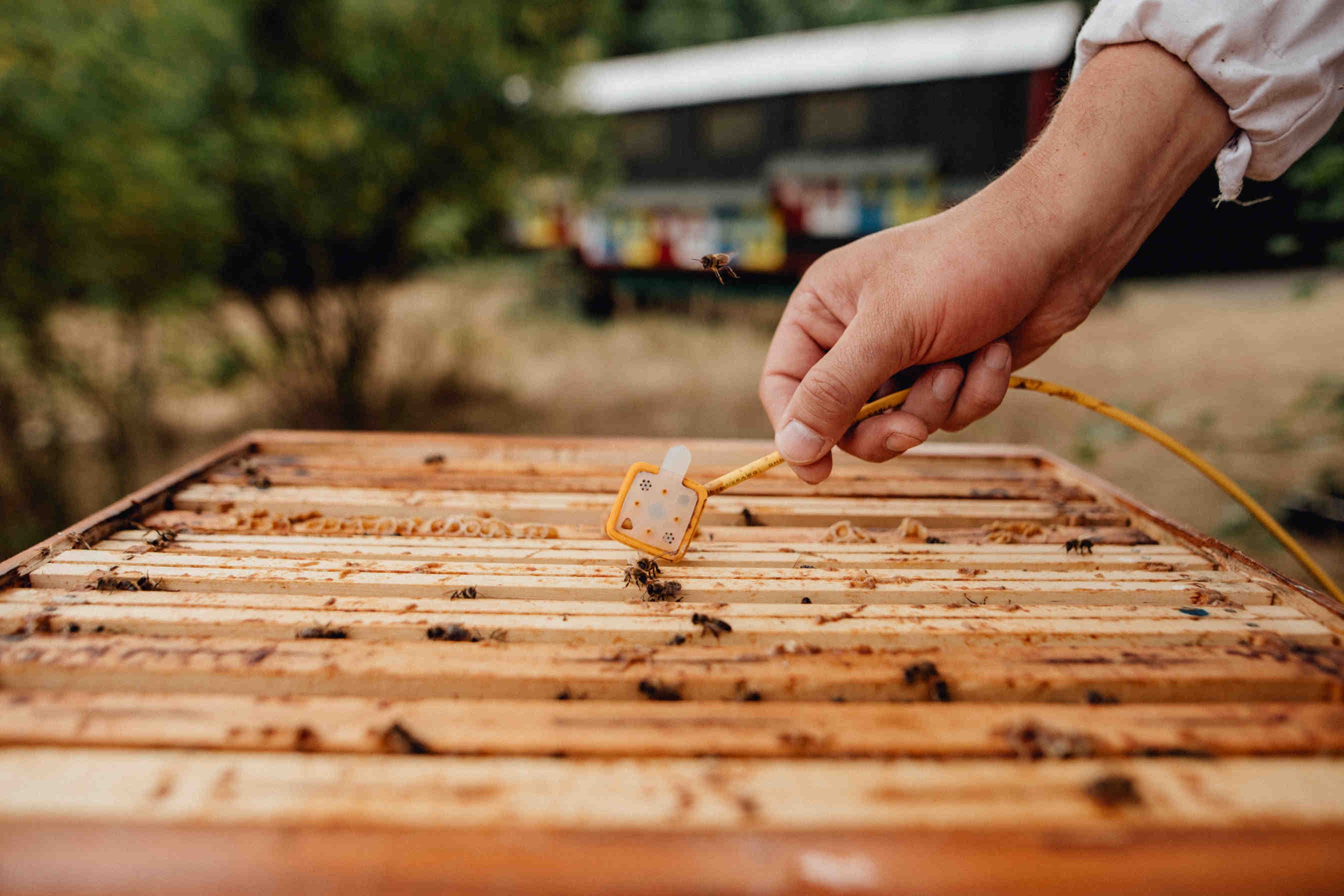
    3Bee is the Nature Tech company that develops technologies for the protection of biodiversity. 3Bee Hive-Tech is 3Bee's first system for analysing the health and 'starvation' status of honeybees, environmental pests par excellence. Over time, we have developed other technologies to study and monitor all the pollinating insects and created more than 200 Oases of Biodiversity with thousands of nectariferous plants to provide them with nourishment. Thus, we want to create a virtuous circle: our beekeepers are transformed by necessity into Oasis growers and promoters of environmental biodiversity. We do not encourage massive production and intensive breeding, which have a negative impact on biodiversity and pollinators. We do, however, recognise the value of honey as a valuable symbol of the biodiversity of an environment and a tool for disseminating the commitment and protection of an area, to be consumed sparingly and with respect for the life cycle of these insects.

    3Bee Hive-Tech

    Honeydew Honey: What is honeydew and where does it come from?

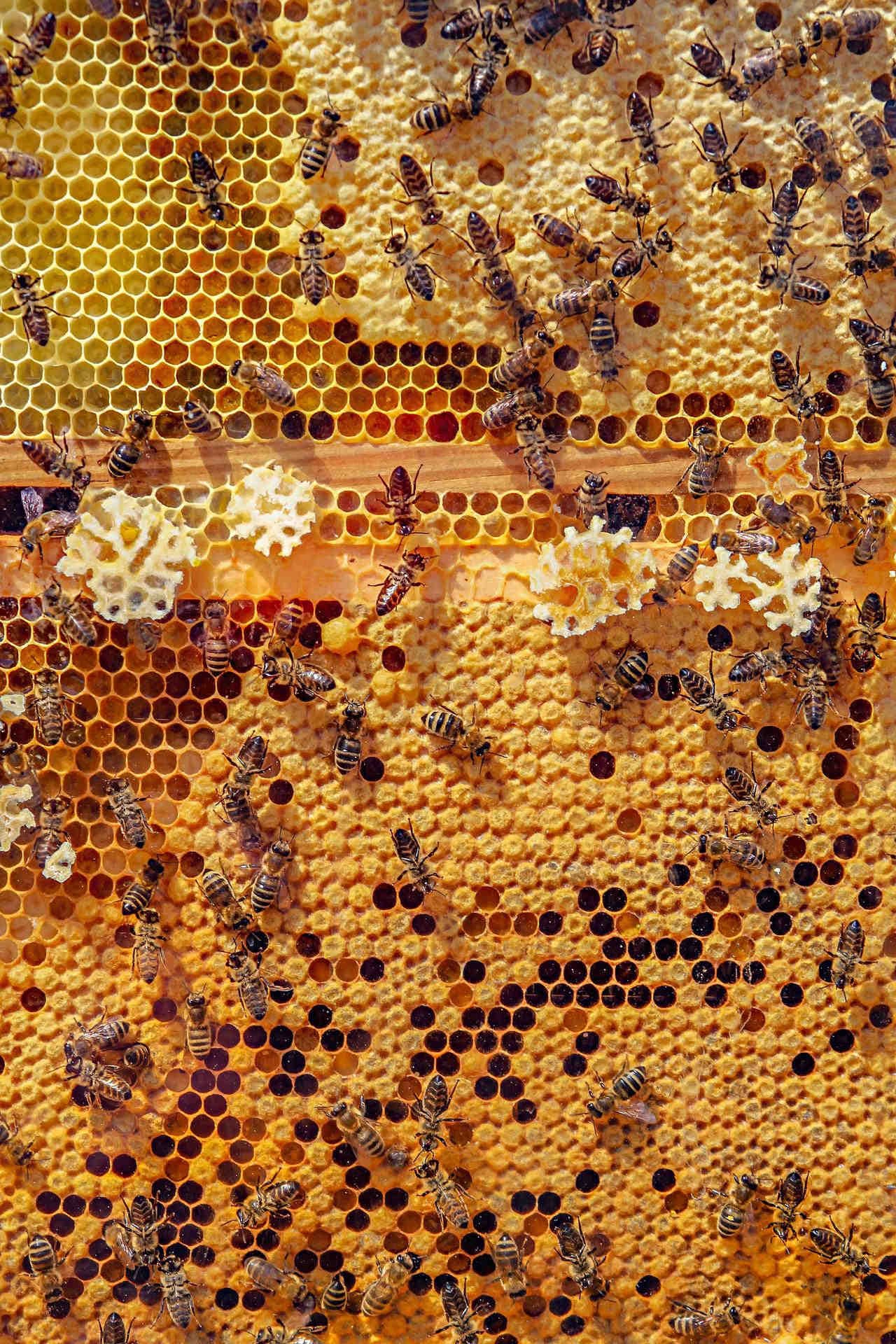
    Let us immediately eliminate one element that may cause confusion: honeydew has nothing to do with apples! Honeydew, in fact, is a sugar-like substance secreted by certain small insects (aphids, mealybugs, psyllids, etc.) that feed on the sap of trees, in particular spruce, pine, oak, linden and maple. These insects, in order to be able to take in all the elements necessary for proper nutrition, are forced to eat enormous quantities of sap, while at the same time eliminating excess water and sugars. Honeydew, effectively a waste product of these insects, is very rich in substances such as mineral salts and sugars and is a useful source of nutrition for ants and bees. For the latter, honeydew is an important resource for their sustenance, especially in areas where nectar sources are scarce.

    XNatura

    Honeydew honey: beneficial properties

    Honeydew honey is rich in beneficial properties, which is why it is a very valuable food for our diet. In particular, it has a strong antiseptic and antibacterial action. In the past, it was often used to disinfect wounds and injuries. Like the other types of honey, it is a strong antibacterial and is particularly recommended for alleviating colds, sore throats, coughs and, in general, diseases involving the respiratory system. It is an excellent source of energy for athletes and can be used to supplement a deficiency of mineral and trace mineral salts. Honeydew honey is a great ally of our brain and strengthens memory and concentration. It also provides numerous benefits for our intestines due to the presence of numerous probiotic bacteria.

    Honeydew honey: beneficial properties

    Honeydew honey: characteristics and nutritional values

    Once this precious sugary substance has been collected, the bees introduce it into the hive and transform it into honey. This results in honeydew honey, also known as forest honey. Firstly, it is much less sweet than other honeys, as it has lower sugar content. It is reminiscent of bark to the taste and leaves a bitter aftertaste in the mouth that may be reminiscent of the taste of loam. In some cases, as with fir honeydew honey, its flavour is traced back to that of caramel. Another immediately visible characteristic is its colour. Honeydew honey, in fact, ranges in colour from dark brown to almost black. Of the various types of honey, it is the one with the most minerals and trace elements: calcium, magnesium, manganese, sodium, potassium, copper, chromium and iron. For 100 g of honeydew honey, we have about 320 kcal.

    XNatura

    Honeydew honey: characteristics and contraindications

    In order to enjoy the many benefits of honeydew honey, it is important to pay attention to two aspects: processing and origin. Raw honey, which has not undergone any industrial adulteration, is the only honey that retains its nutritional values and significantly benefits our organism. Furthermore, it is important to pay attention to the place of origin of honey. Since it is not produced from the nectar of flowers, but from a substance emitted by insects that feed on the sap of plants, honeydew honey may have a higher concentration of heavy metals, resulting from urban and road pollution. This honey has no particular contraindications, like other honeys.

    Honeydew honey: characteristics and contraindications
    3Bee

    Taste and smell of honeydew honey: how to recognise it?

    Have you ever wondered how to recognise honeydew honey and distinguish it from all other honeys? Through a couple of characteristics, apart from its dark brown colour, the factors that help distinguish this honey from another are its smell and taste. The smell of honeydew honey is of medium intensity. For those with a keen nose for odours, it may be reminiscent of tomato puree. The taste of honeydew honey, on the other hand, is not overly sweet, and sometimes a hint of saltiness can be detected, with a very persistent aftertaste.

    The importance of honey

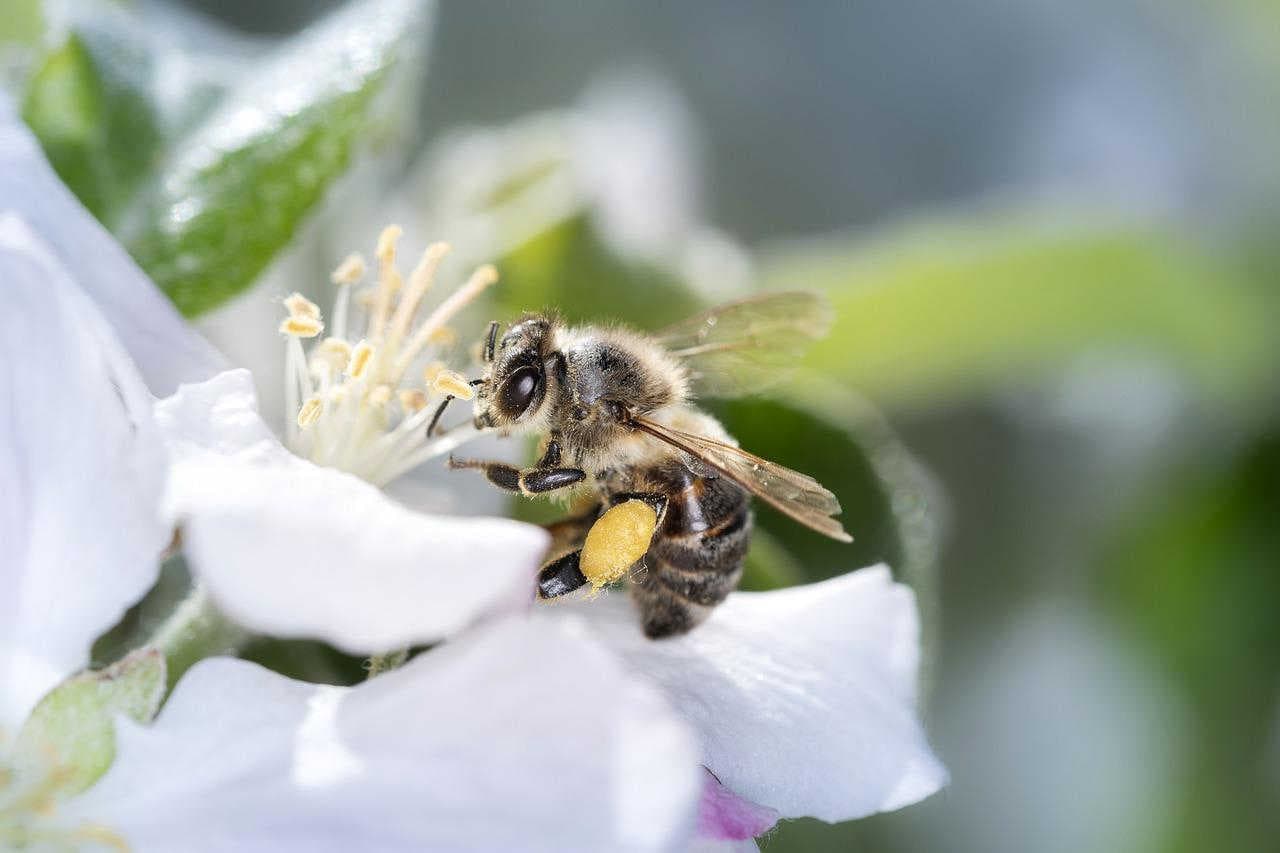
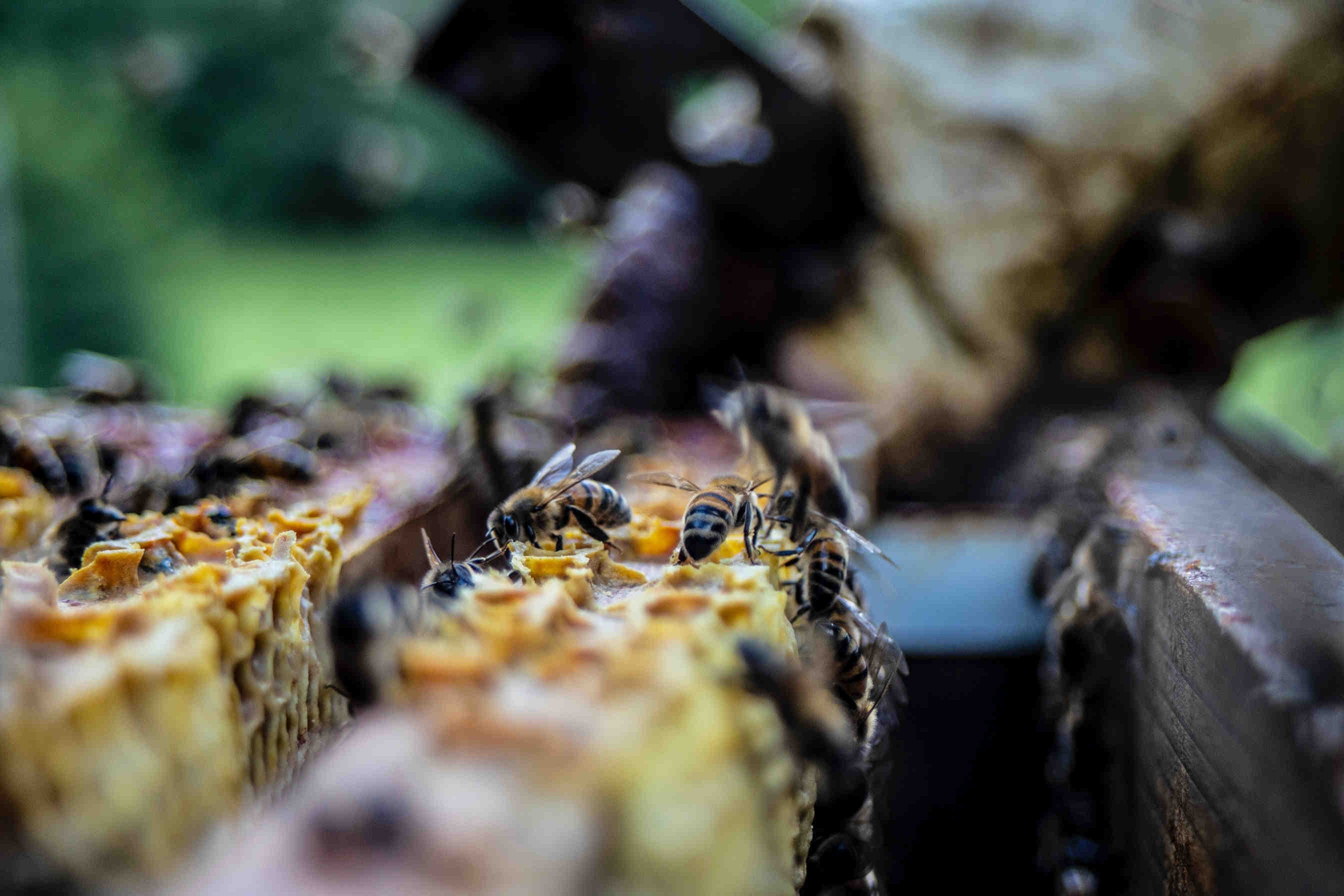
    The information contained in this blog concerns the importance of honey as the fruit of the indefatigable work of bees that transforms the collected nectar (including extra-floral nectar and honeydew) into a precious food product that encompasses the biodiversity with all the countless facets present in the hive's surroundings. On an environmental level, honey is the symbol of the bee's pollination activity, flying from flower to flower to collect nectar and, in so doing, transporting the pollen, becoming the vector for the pollination and reproduction of tens of thousands of plant species. Honey is still a little-known product, often devalued in its quality or sold as a panacea for all ills. Like all foods, however, it must be consumed with moderation and care as it contains a high content of simple sugars. But it is not in its fundamental values that its most important qua
    The importance of honey

    Positive effects on the environment

    The aim of this blog is to promote and disseminate a deeper understanding of the crucial role of bees for the safeguarding of our ecosystem and for the continuation of scientific research directed towards the identification of more sustainable agricultural practices aiming at the regeneration of entire areas. The choice of honey goes far beyond what is written on the label. The true value of honey is linked to its method of production, whether it respects bees and the ecosystems they inhabit. Favouring non-intensive beekeeping practices and promoting the best actions to support the health of the hive are the cornerstones of our activity. The beekeeper for us is not a breeder, but a true "Grower": he cultivates, cares for and feeds true oases of biodiversity, paying attention not only to bees, but also to ecosystems and their balance.
    biodiversità
    26/07/2018Of 3Bee, Elena Fraccaro
    10080 Views
    Newsletter
    newsletter
    Subscribe to the Blog about bees and biodiversity