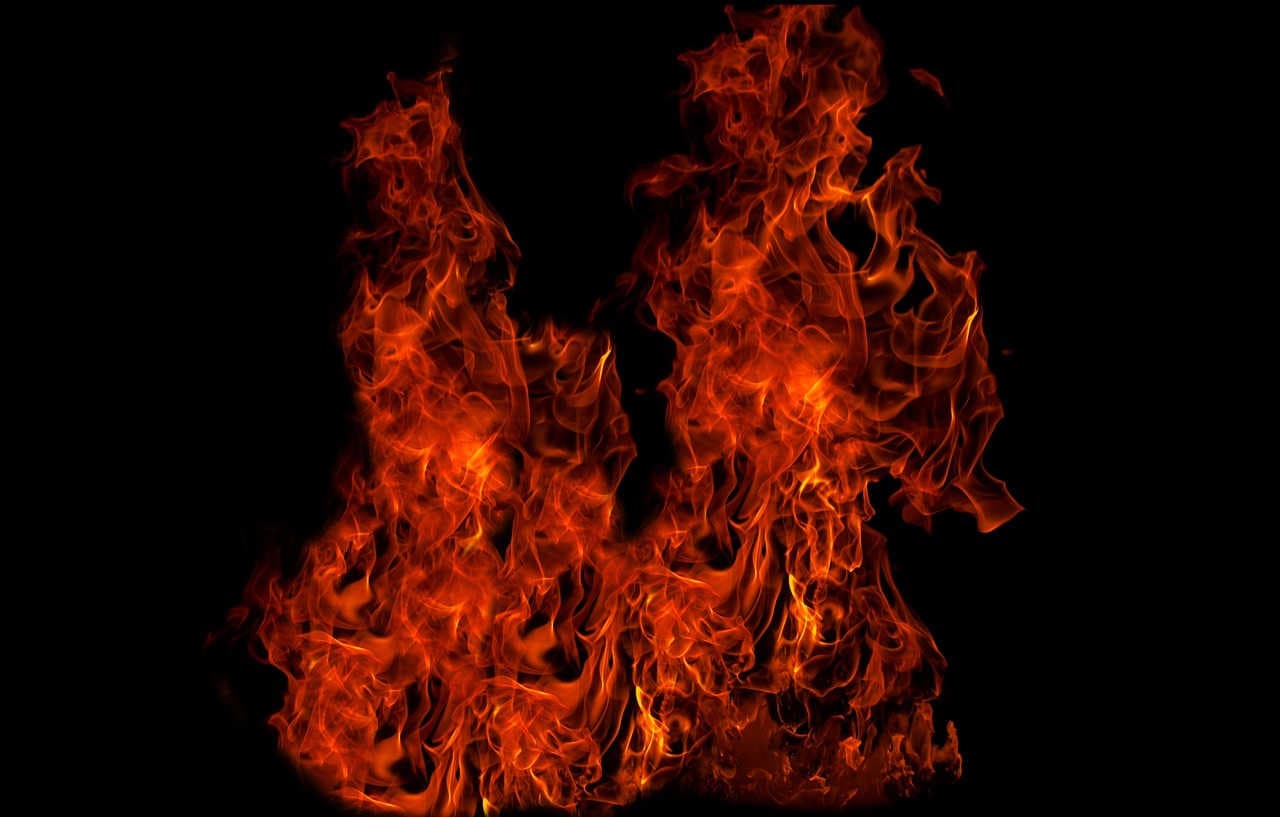
Fires and the regeneration of an ecosystem
    FiresFireSeed dormancyShock termico

    Fires and the regeneration of an ecosystem

    Every ecosystem is a set of evolutionary adaptations established over thousands of years, in constant dynamic equilibrium. Fire is one of the many factors that exerts selective pressure on plant and animal species and determines very interesting adaptations.

    Read the article
    14/08/2024Of 3Bee, Lara Vivarelli
    429 Views
    14/08/2024Of 3Bee, Lara Vivarelli
    429 Views

    The impact of fires

    High temperatures and long droughts favour forest fires, which can negatively alter ecosystems, but can also lead to their regeneration. The effect of fires on the plant population of an ecosystem depends first and foremost on the intensity and duration of the fire itself, but also on the temperature that is reached and the chemical transformations that the fire can cause at ground level. Some plants, found in areas where fire frequency is high, for example in Mediterranean areas, have developed adaptive traits that are directly influenced by fire. One of these traits is the break of seed dormancy, which can lead to regeneration of the affected area.
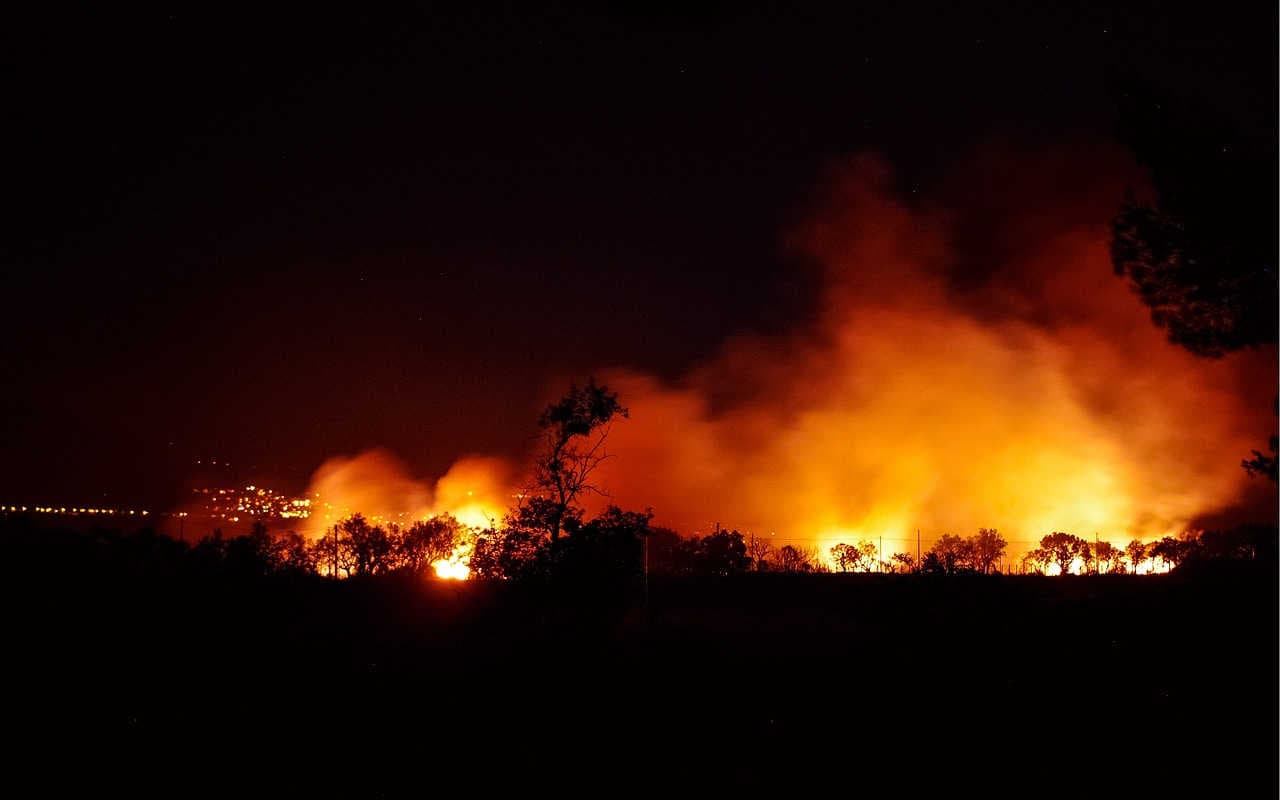
    incendi

    Fire and its selective pressure

    In fire-prone ecosystems, plant species exhibit different traits to cope with these recurring events, such as those related to growth and the stimulation of seed germination. These adaptive traits have evolved because they increase the so-called fitness, i.e. the survival and reproductive success of an individual. In particular, fire, either because of its heat or because of the chemicals it releases, can bring about the break of seed dormancy.
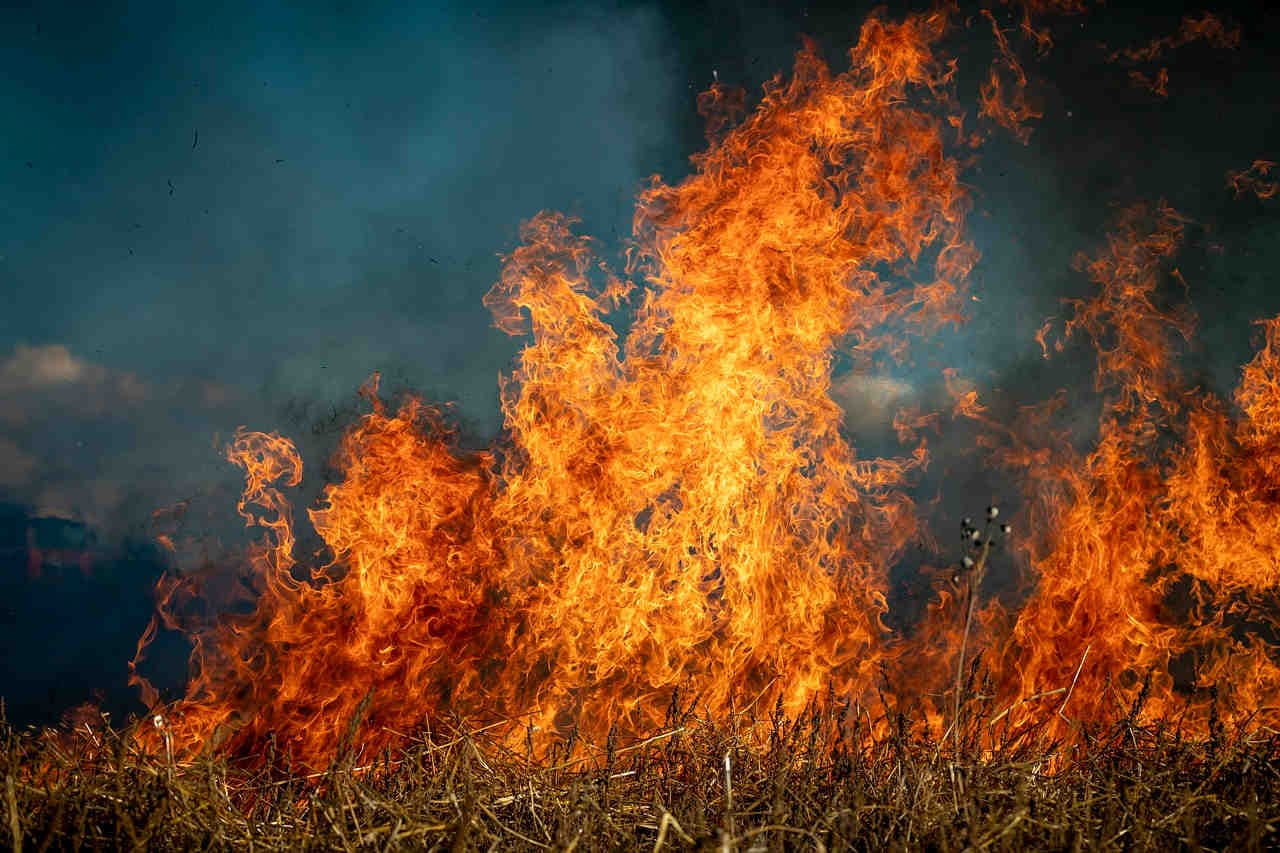
    fuoco
    XNatura

    What is meant by 'seed dormancy'?

    The soil is rich in dormant seeds, i.e. seeds in a state where they are unable to germinate and give birth to a new seedling, since optimal moisture, oxygen and light conditions are required for germination and establishment. In fact, thanks to this adaptive trait, seeds remain stored in the soil, either for a few months, or up to many decades, as a veritable persistent seed bank, awaiting the arrival of ideal conditions.External stimuli associated with favourable conditions lead to the interruption of seed dormancy, and this is the case with post-fire germination, which can be triggered by several mechanisms, among them the heat and smoke given off by fire, which increase the probability of successful establishment.
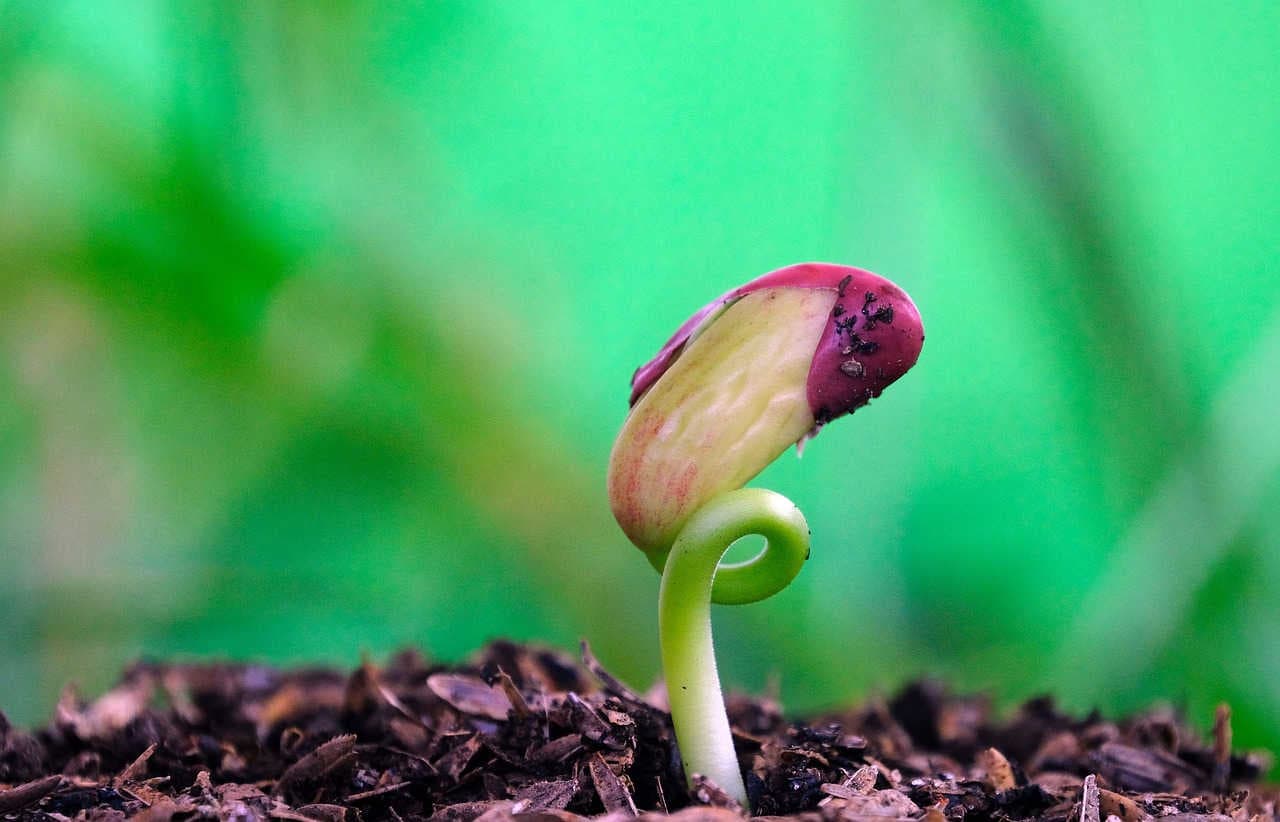
    dormienza dei semi e germinazione

    Thermal shock: the breaking of seed dormancy

    In fire-prone Mediterranean ecosystems, it has been shown that the heat shock given by the disruptive fire breaks seed dormancy and triggers germination; in fact, we speak of heat-stimulated germination. Heat shock, in particular, can promote germination in two ways: by breaking physical dormancy or by making the seeds more permeable to water. In the first case, the seeds are covered with a coat, a kind of impermeable barrier to protect the seed, which can be broken and thus allow water to enter the interior of the seed. Other seeds, on the other hand, are mantle-free, and the high temperature can make them more permeable to water. The water, once penetrated inside the seed, favours its germination.
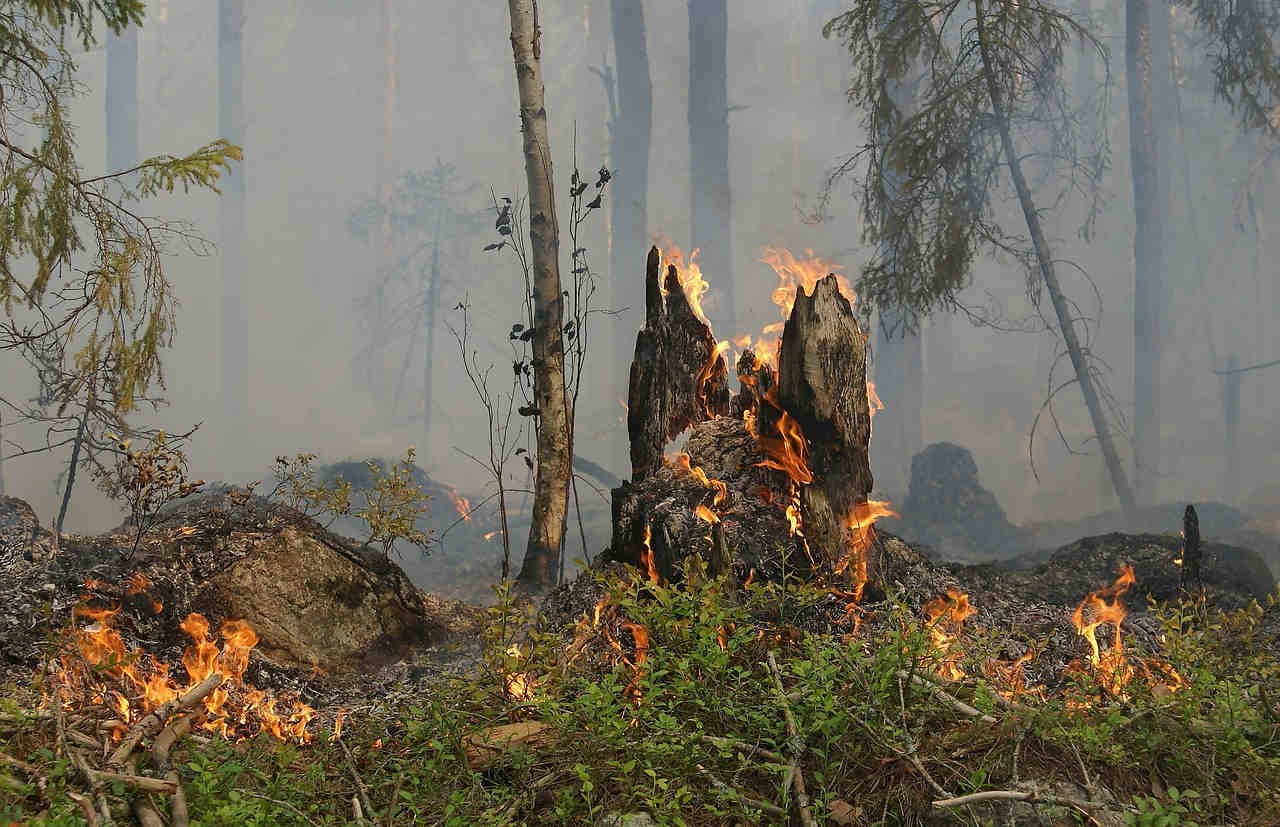
    shock termico degli incendi
    XNatura

    How smoke promotes seed germination

    Another trigger for seeds to break dormancy is the smoke. By smoke, we actually mean a series of chemical compounds, ash and charred wood, which, in addition to stimulating germination, can also promote the growth of new seedlings. These compounds, resulting from the pyrolysis of biomass, are organic or inorganic by-products, which, if in a volatile state, can diffuse into the air, or, after rain, percolate through the soil, where they can reach seeds. Chemical compounds in smoke can behave as cofactors of certain proteins present in dormant seeds, thereby increasing the activity of these macromolecules. Examples are hydrolytic enzymes, which are responsible for breaking seed dormancy. Other compounds, however, can increase the rate of water uptake.
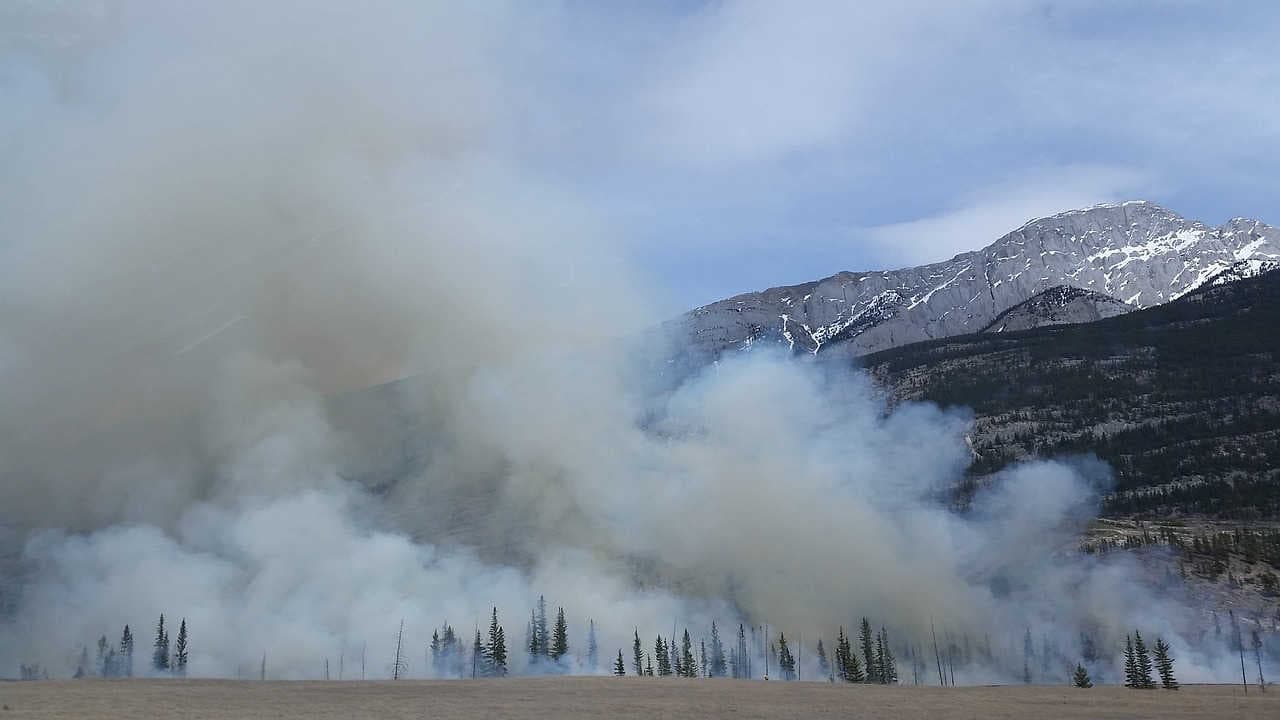
    fumo incendio
    3Bee

    New gates ready to be colonised

    The fire, in addition to bringing about the interruption of physical dormancy or increasing the absorption of water by the seeds, simultaneously creates open watersheds in the vegetation where the soil is bare. By effectively removing the litter, the newly formed expanses of soil can be invaded by the growth of plants that were previously unable to establish themselves. These new openings are rich in nutrients, suitable for germination. Moreover, fires, if recurring above all, can select the most heat-tolerant seeds for regeneration in the affected area. Thus, ideal conditions are created in highly flammable ecosystems, where seeds will germinate if the hydrothermal conditions are suitable, as in the case of the first rainfall after the fire, precisely in the newly opened gaps.
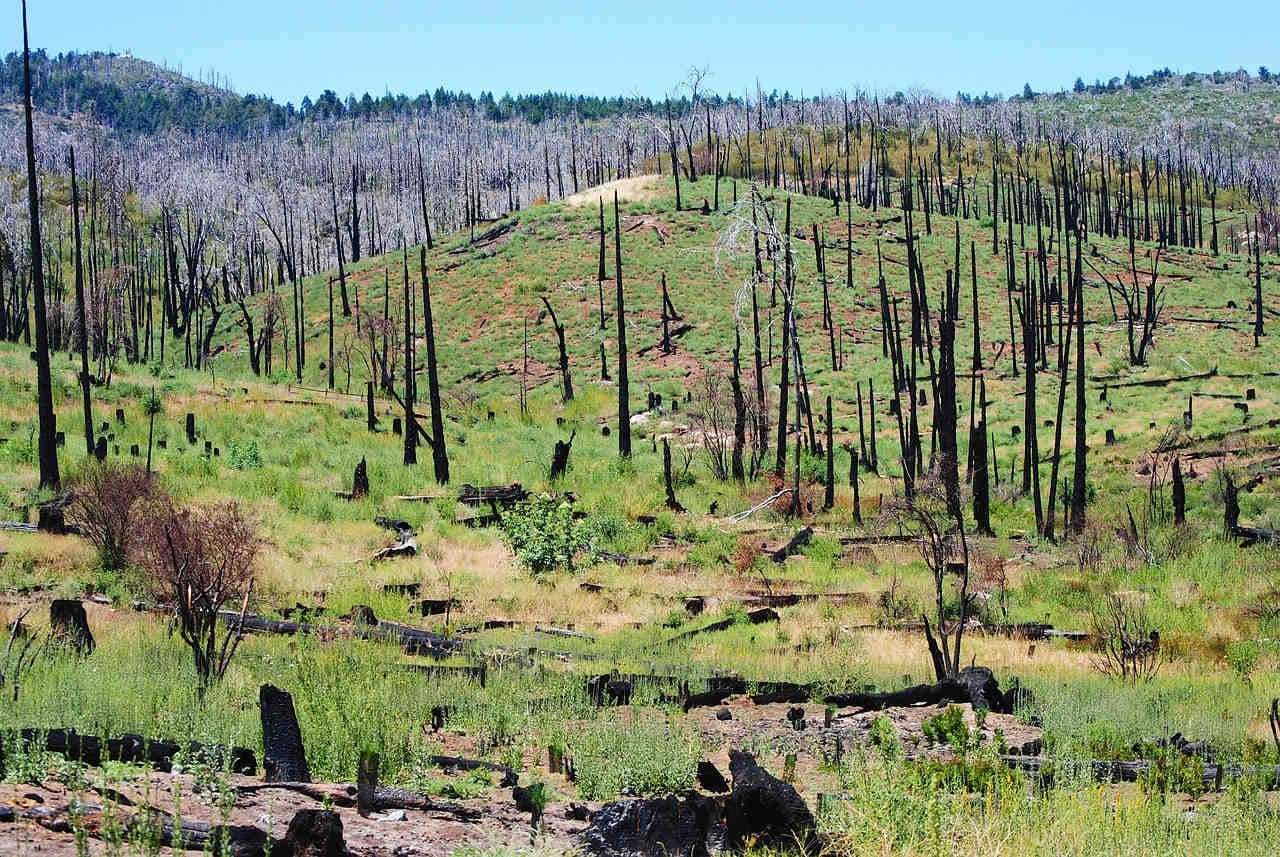
    nuovi varchi aperti per gli incendi

    The help of ants

    The seeds of many plant species with fire-released dormancy possess fleshy, fat-rich appendages to facilitate dispersal, particularly by ants. These structures serve the seed precisely to attract such animals, which use them to feed their larvae. By bringing them to the nest, the ants bury the seeds, placing them at a depth where the concentration of heat and/or smoke is favourable to break the seeds' dormancy and stimulate their germination. Ants, therefore, as suggested by the study by Lengyel et al. in 2010, act as dispersal agents without damaging the seeds, indirectly promoting the regeneration of ecosystems after a catastrophic event such as a fire.
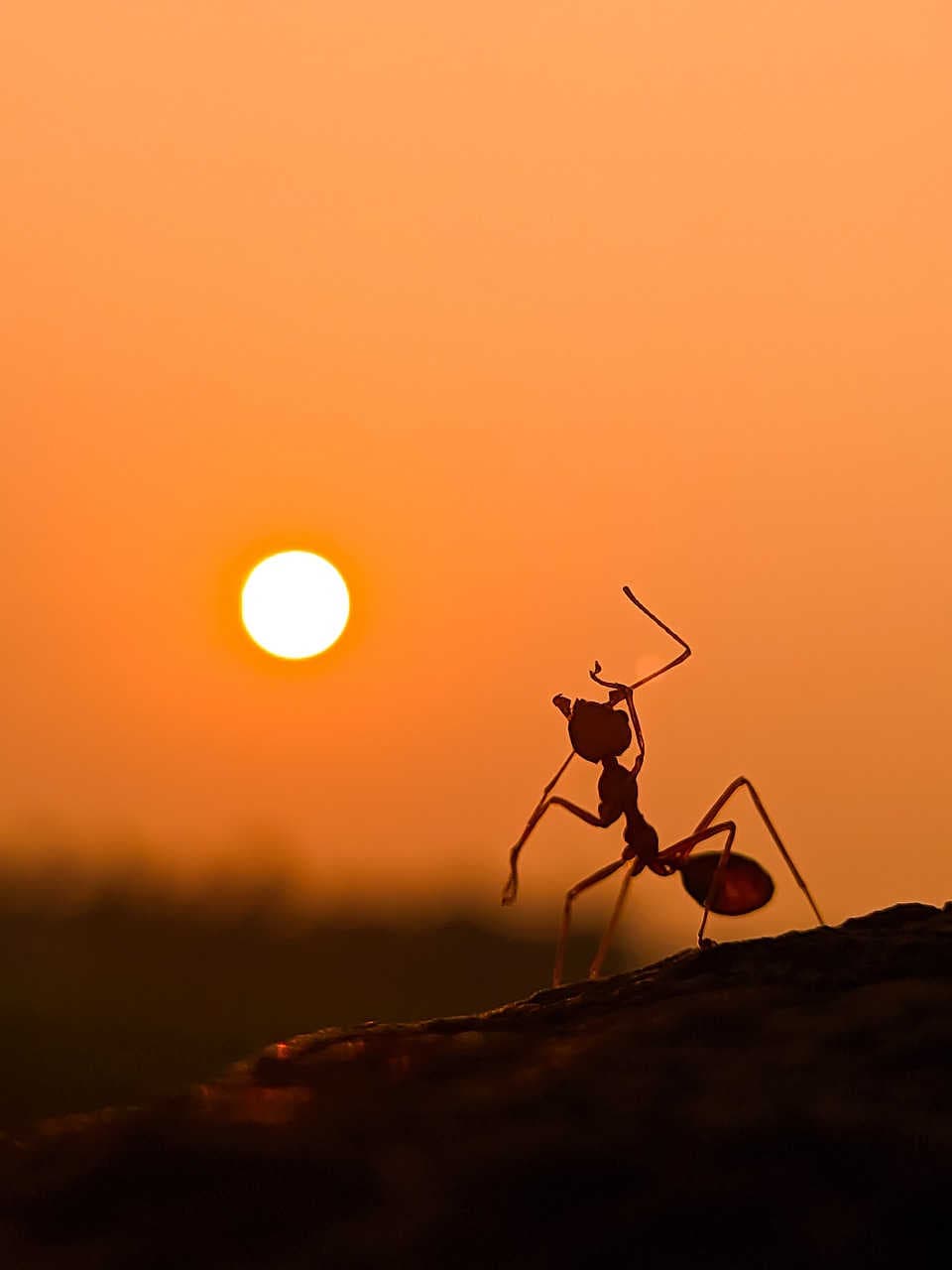
    formiche

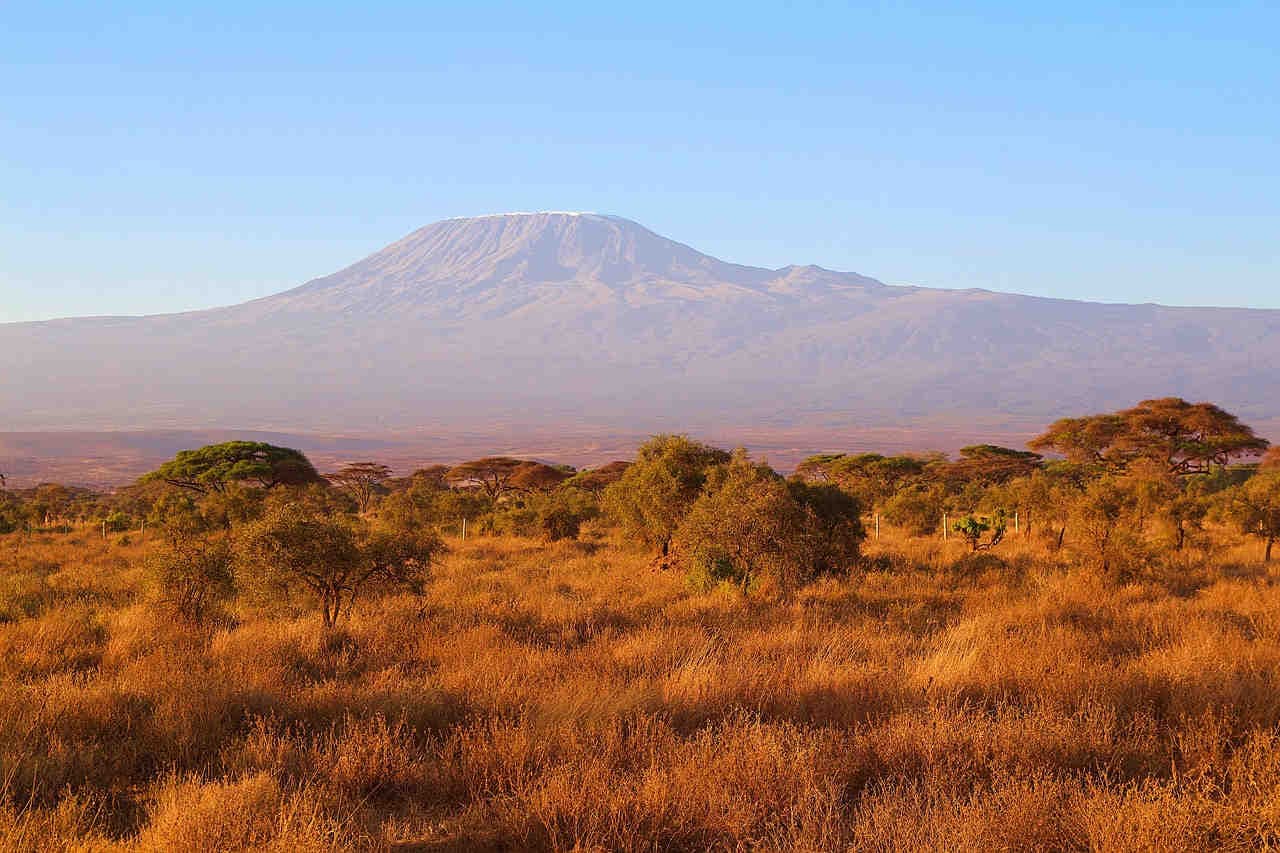
    Grassland ecosystems: the situation changes

    In grassy ecosystems subject to frequent and intense fires, such as savannas, seed dormancy and fire-related seed failure is less common. However, germination rates under normal and post-fire conditions are two times faster in savannas than in Mediterranean ecosystems. These ecosystems and the interaction with fire have recently been studied, and so far it is known that seeds in these areas tolerate fire, but the dormancy released by fire is on average only 23%, as reported by Pausas and Lamont. Several reasons for a different adaptation in these ecosystems have been postulated, including: most perennials in savannas become tolerant to fire before reaching maturity, leading to a decrease in selective pressure on seeds; secondly, such a high frequency of fire limits seed burial and the development of a mechanism for dormancy, breakage and germination.
    ecosistemi erbosi, le savane

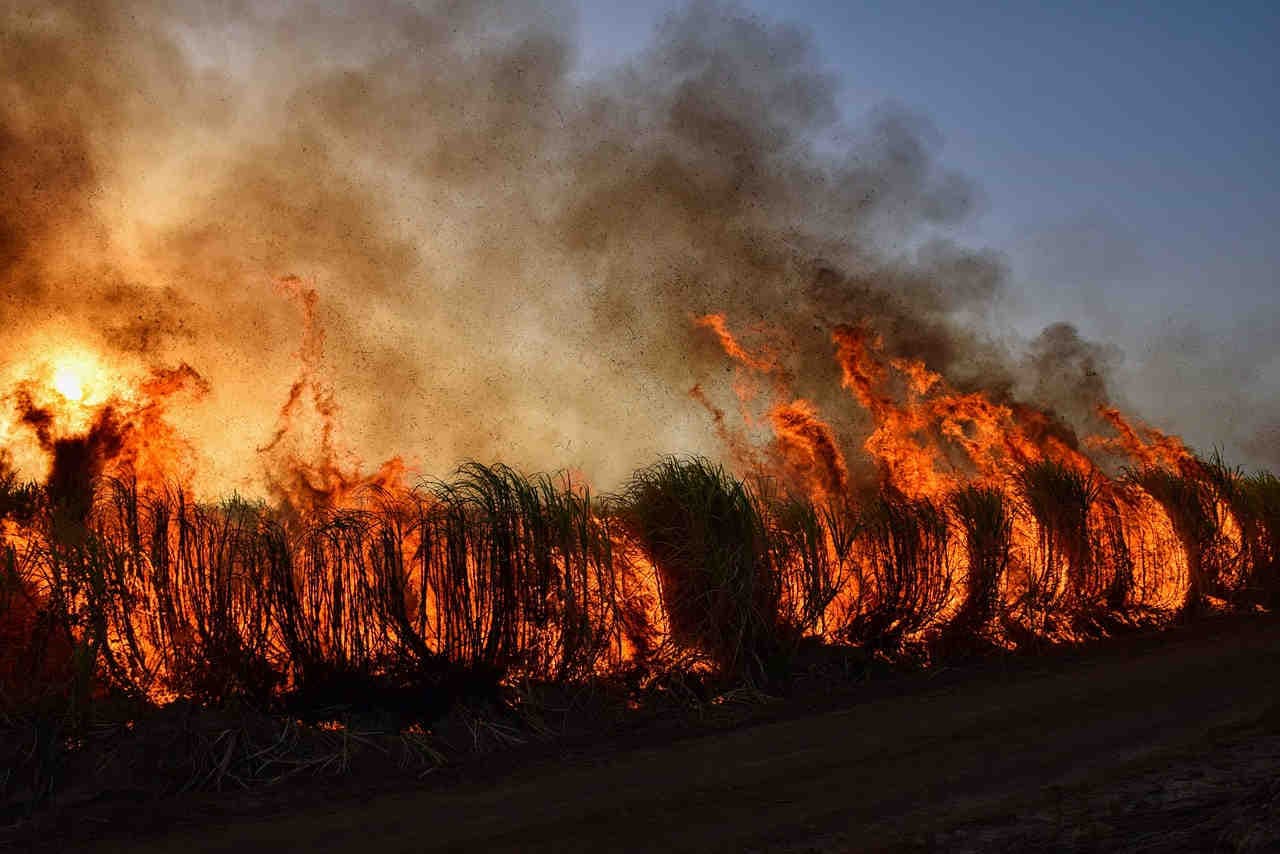
    Fire: key factor in evolution

    Fires, depending on their frequency and intensity, are a key factor in the evolution and maintenance of different types of seed dormancy in many of the world's natural ecosystems. In this way, they enable the regeneration of entire ecosystems subject to periodic fires, which, thanks to these evolutionary adaptations, can continue to exist. However, the increasingly present and insistent anthropic influences are changing the mechanisms of seed dormancy disruption of many plant species, altering the role of fire and the natural balances established.
    fuoco
    14/08/2024Of 3Bee, Lara Vivarelli
    429 Views
    Newsletter
    newsletter
    Subscribe to the Blog about bees and biodiversity

    Frequently Asked Questions

    Do you have any doubts or other curiosities about this article? Here you will find some insights