EU: Nature Restoration Act approved
    LawObjectivesImpactAgriculture

    EU: Nature Restoration Act approved

    The Nature Restoration Act was approved today, 27 February 2024, by the European Union. The new text, the result of a long negotiation process between the European institutions, received significant consensus. Find out all the details and next steps in this article.

    Read the article
    27/02/2024Of 3Bee,
    339 Views
    27/02/2024Of 3Bee,
    339 Views

    The passing of the Nature Restoration Act

    329 votes in favour, 275 against and 24 abstentions: the Nature Restoration Act was approved today, 27 February 2024, by the European Union. A significant consensus for the new text, the result of a long process of negotiation between the European institutions, which today received the green light from the Euro Chamber in Strasbourg. The law on nature restoration responds to the expectations of citizens on biodiversity protection and restoration, as well as representing an important step in the achievement of the EU's goals on climate and biodiversity, in compliance with the global Kunming-Montréal biodiversity framework adopted in 2022 during the COP15.

    farfalla

    The objectives of the Nature Restoration Act

    The background needs no explanation: over 80% of European habitats are in a degraded condition. This is an alarming figure, which highlights the urgency of taking concrete action. Thanks to the Nature Restoration Act, EU countries will have to restore at least 30% of degraded land and marine areas (forests, grasslands, wetlands, rivers, lakes, corals) by 2030, 60% by 2040 and 90% by 2050. It will be important to ensure that restored areas do not deteriorate again by adopting national restoration plans with clearly defined targets and activities. In addition, EU countries will have to give priority until 2030 to Natura 2000 areas. According to the European Commission, the benefits will be both environmental and economic: every euro invested in the restoration of ecosystems will translate into at least eight euros gained.

    ripristino natura
    XNatura

    The impact on agricultural ecosystems

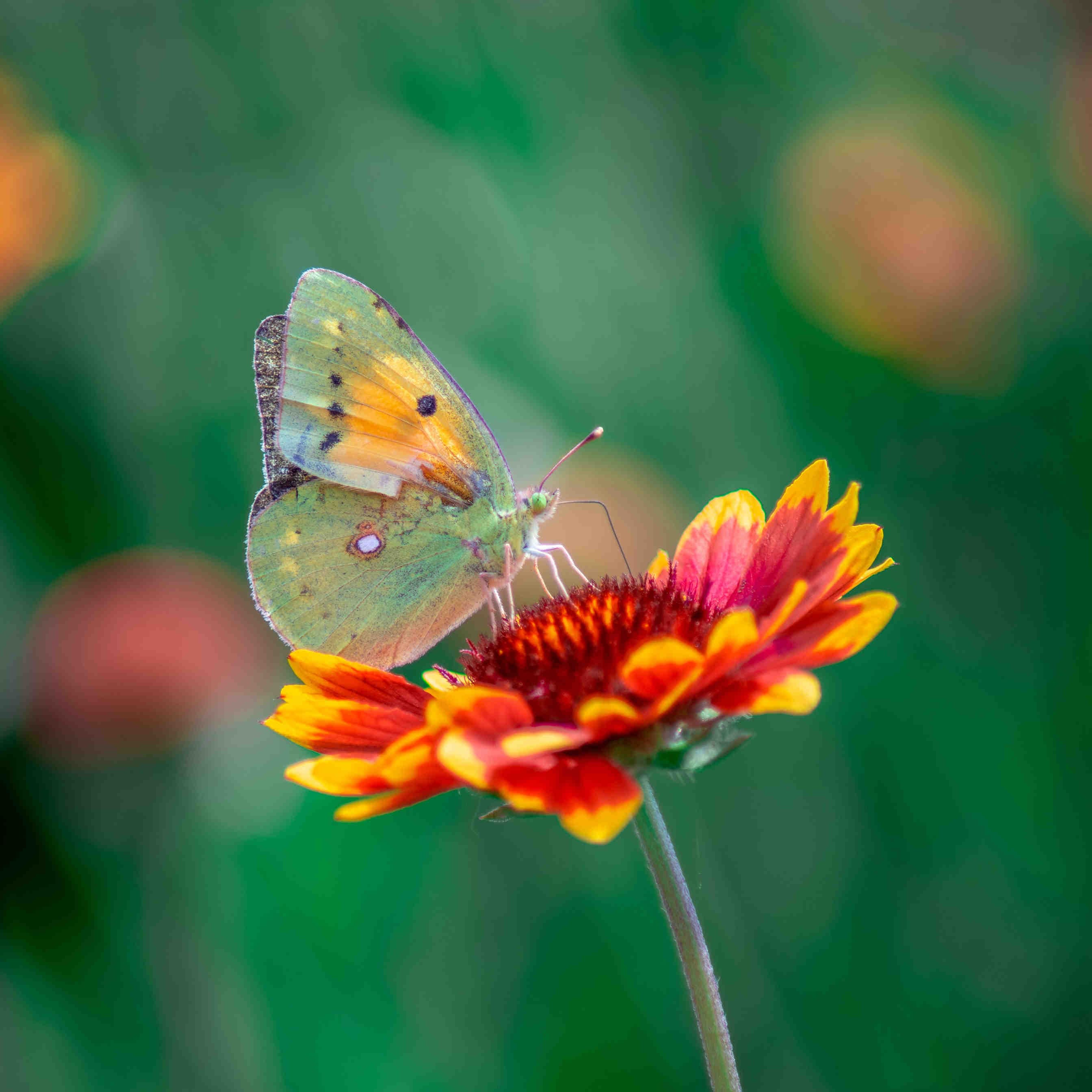
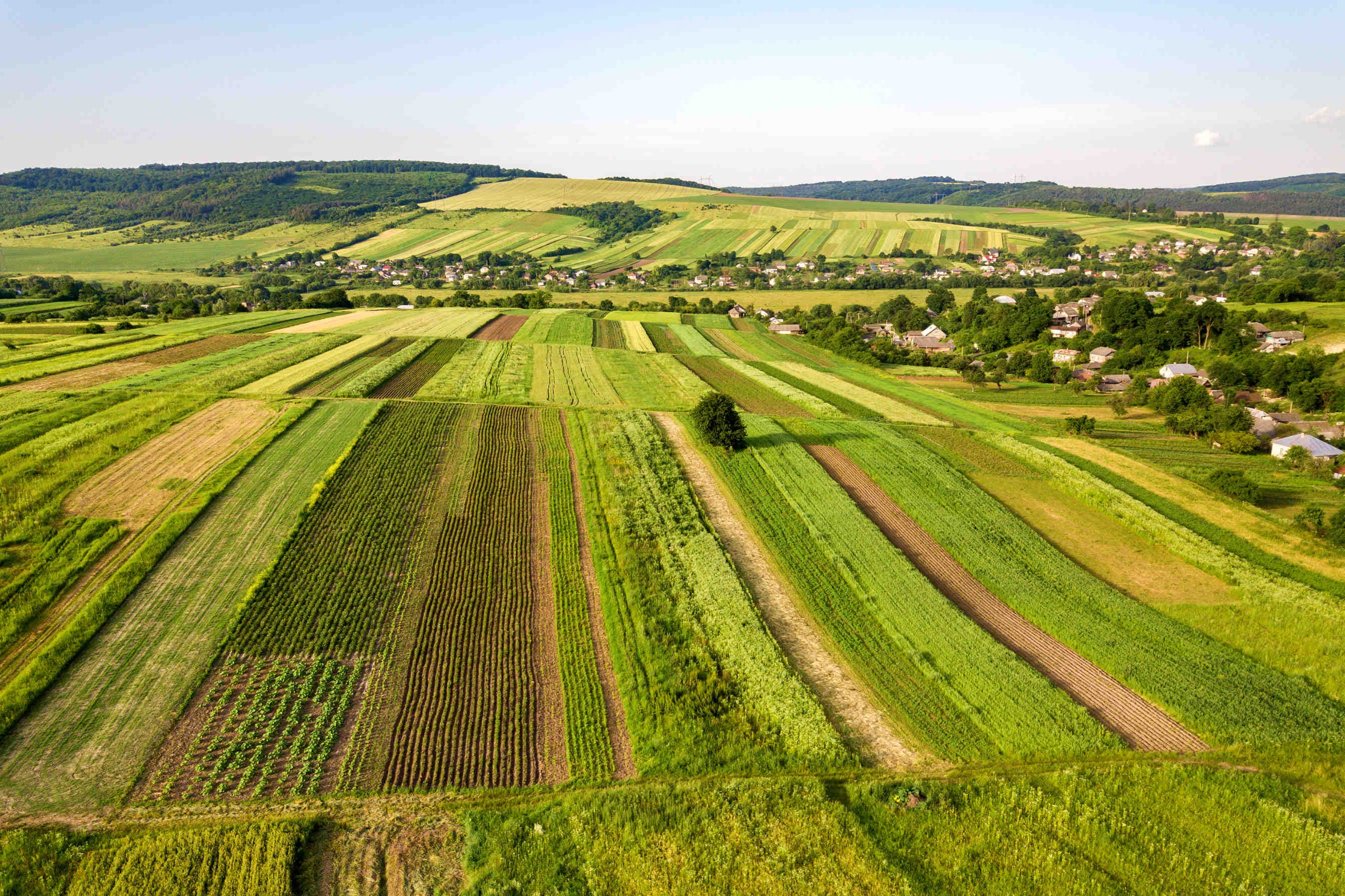
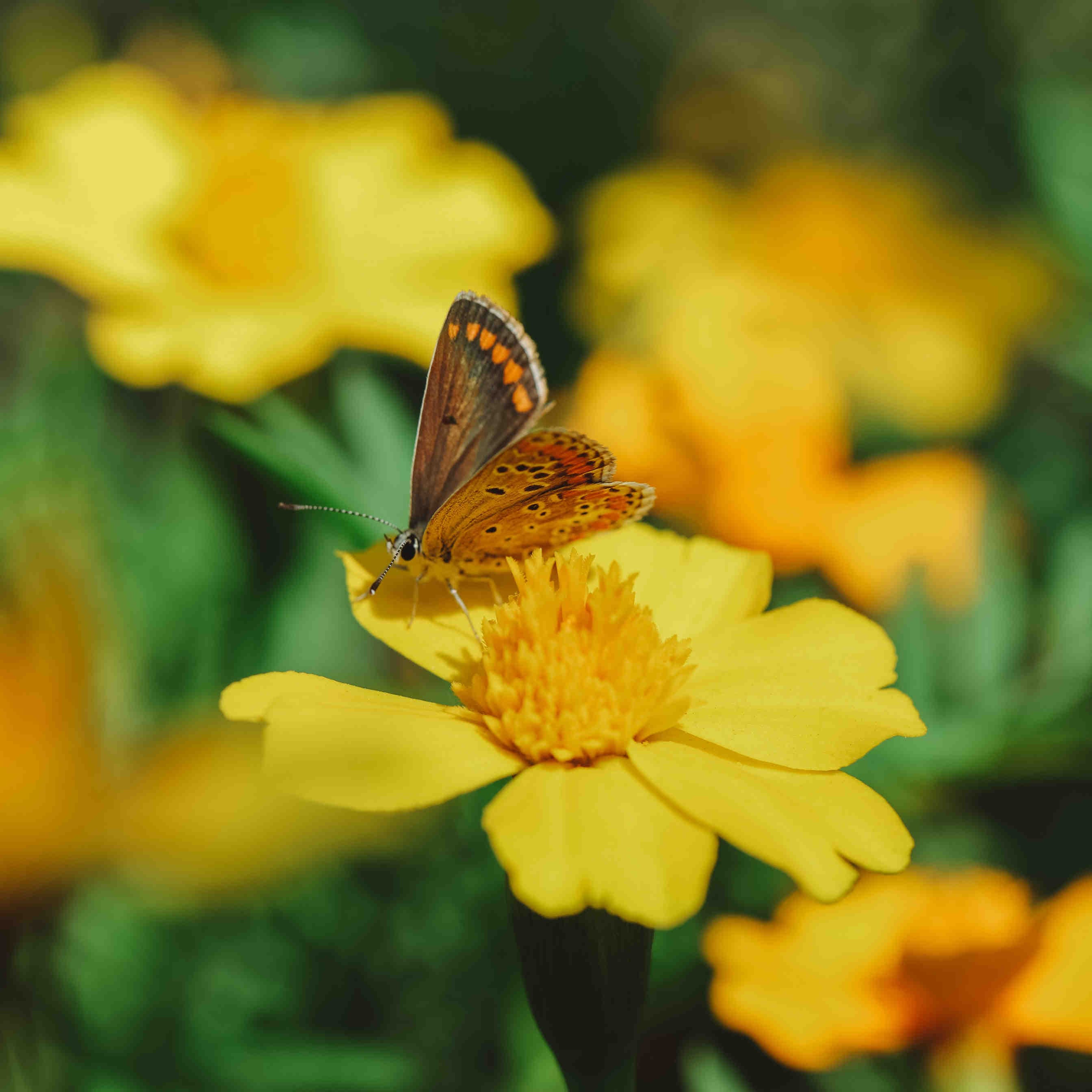
    The Nature Restoration Act requires EU countries to achieve a positive trend in at least two of the following indicators: index of common butterflies, percentage of agricultural area with landscape features with high diversity, organic carbon stock in mineral cultivated soils. The aim is to improve the biodiversity in agricultural ecosystems. "They will also have to take measures to improve the index of common birdlife, as birds are a good indicator of the overall health of biodiversity." Furthermore, member countries will have to restore at least 30 per cent of peatlands - one of the cheapest solutions to reduce emissions in the agricultural sector - drained by 2030, 40 per cent by 2040 and 50 per cent by 2050.
    ecosistema agricolo

    The 'emergency brake' for the agricultural sector

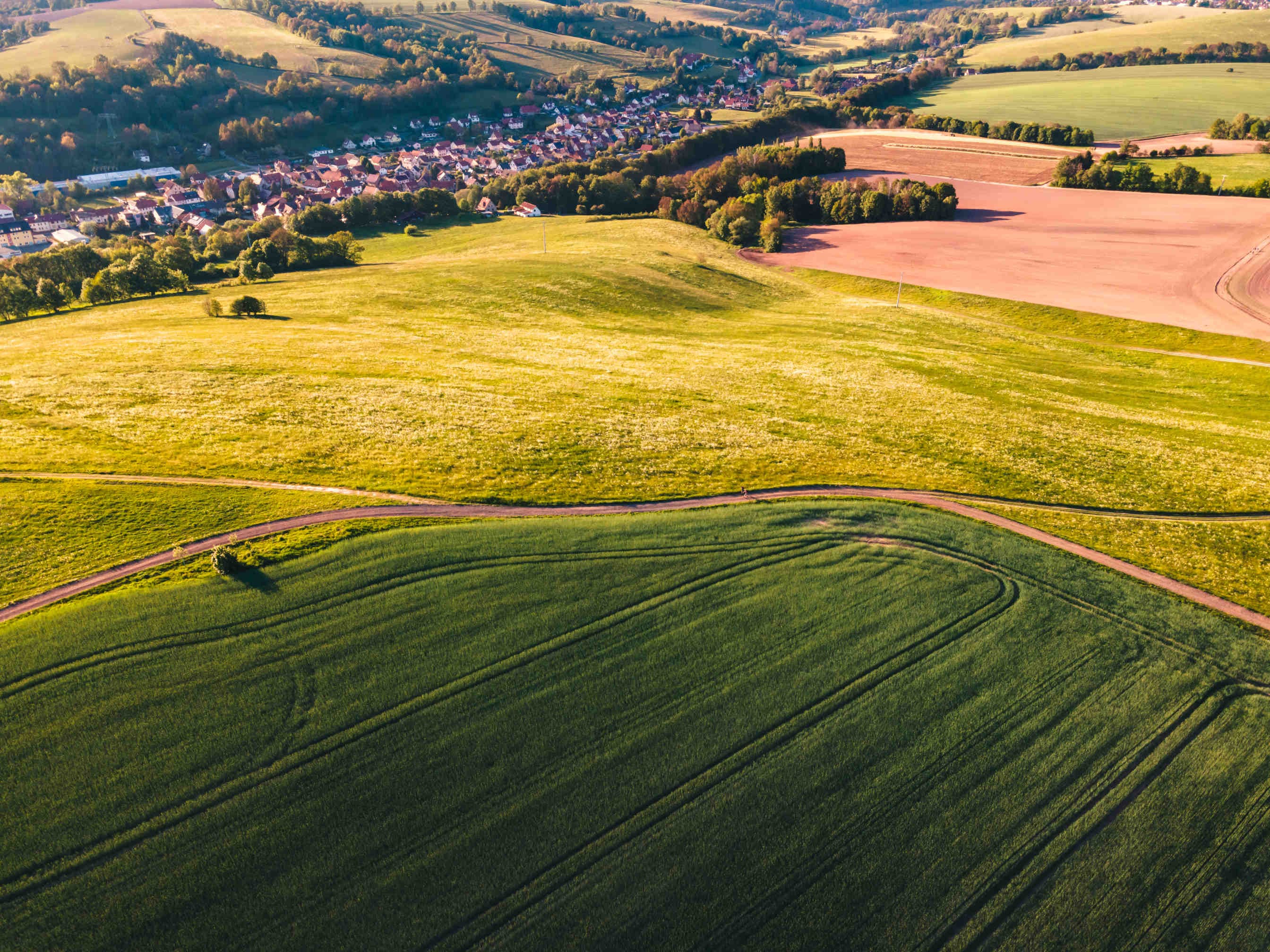
    The European Commission explained that this is the most cost-effective strategy to reduce emissions from the agricultural sector. This in fact accounts for approximately 11% of the EU's greenhouse gas emissions. Also with reference to the agricultural sector, the Nature Restoration Act provides for an 'emergency brake': in exceptional cases, it will be possible to suspend the targets related to agricultural ecosystems. This can happen if there are consequences in terms of cultivated area to such an extent that food production is compromised, making it inadequate for EU consumption.
    agricoltura
    XNatura

    Nature Restoration Act: the next steps

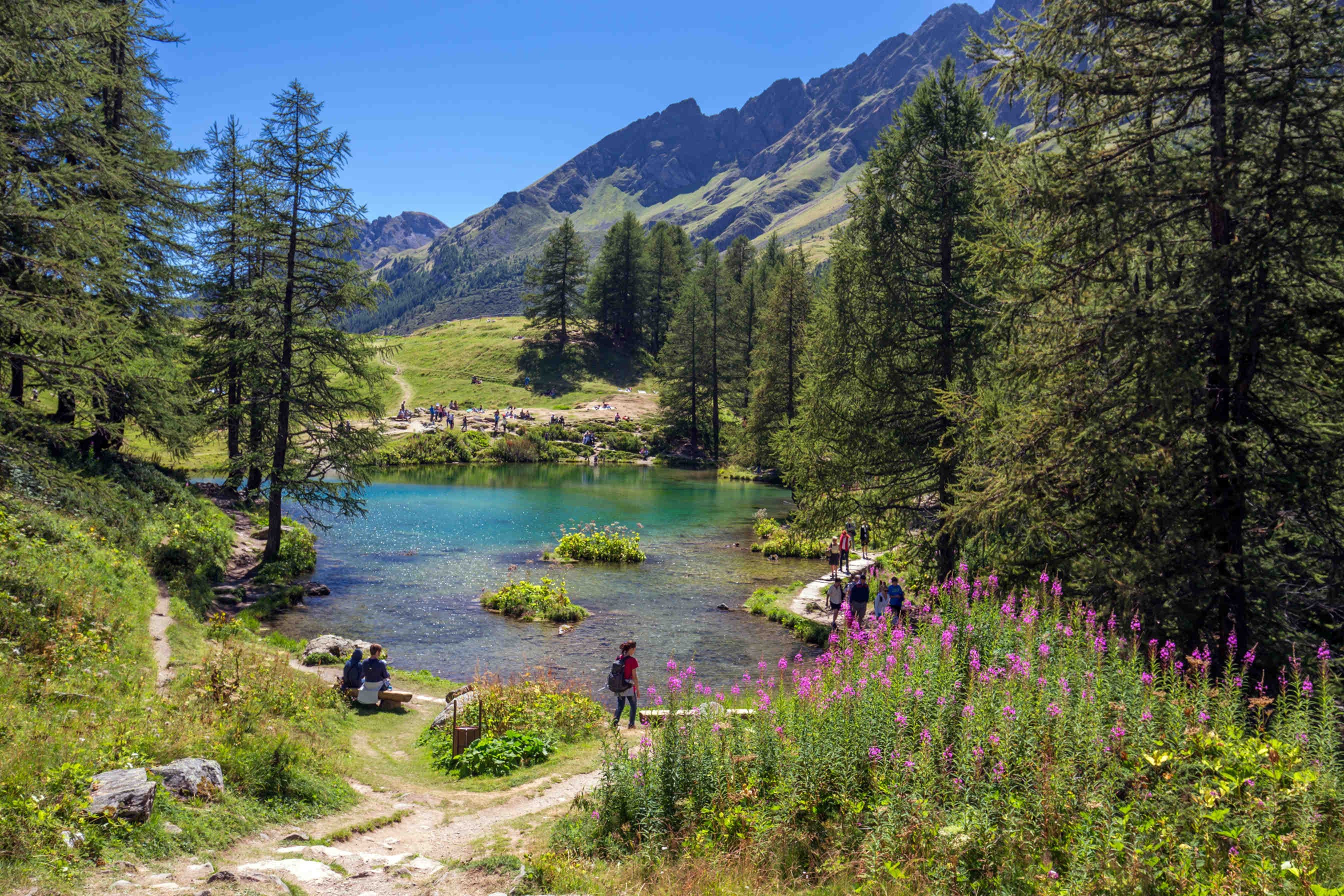
    The Nature Restoration Act obliges EU countries to achieve a positive trend also in several indicators concerning forest ecosystems, as well as to plant three billion new trees. Finally, it will be necessary to restore at least 25,000 km of rivers, transforming them into free-flowing rivers, ensuring that there is no net loss, neither in the total national area of urban green spaces, nor in urban tree cover. But what are the next steps? The text of the law on nature restoration will also have to be approved by the Council, after which it will be published in the Official Journal of the EU and enter into force after twenty days.
    natura prossimi step
    3Bee

    3Bee supports the Nature Restoration Act

    3Bee has always supported the Nature Restoration Law. We are the first company in the industry active in the protection of biodiversity in line with the Nature Restoration Law. As stated after the vote by rapporteur César Luena (S&D, ES): "Today is a great day for Europe, because we are moving from the protection and conservation of nature to its restoration". 3Bee works precisely in this direction: its main pillars are monitoring, regeneration and dissemination and guide the scientific and technological approach to biodiversity protection. On the occasion of the passing of the Nature Restoration Act, we highlight the importance of protecting biodiversity and the possibility for virtuous citizens, institutions and businesses to join tangible and measurable regeneration projects, such as the Oases of Biodiversity.
    farfalla fiore
    27/02/2024Of 3Bee,
    339 Views
    Newsletter
    newsletter
    Subscribe to the Blog about bees and biodiversity

    Frequently Asked Questions

    Do you have any doubts or other curiosities about this article? Here you will find some insights