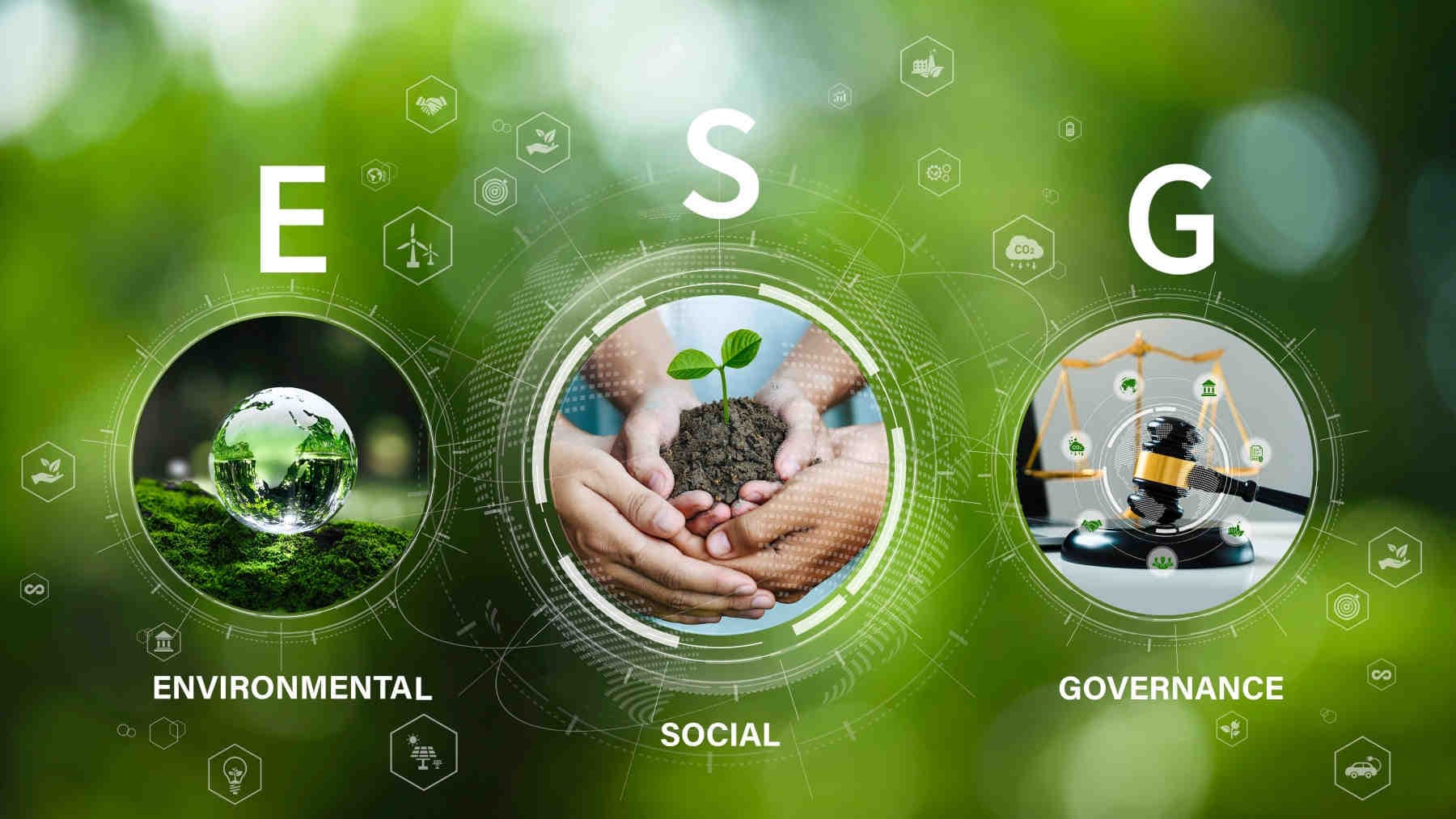
ESG vs CSR: Which Approach is More Effective for the Climate?
    ESGCSRMeasurabilityCSRD

    ESG vs CSR: Which Approach is More Effective for the Climate?

    In the context of corporate sustainability, ESG and CSR represent two distinct strategic visions. But which of the two is truly more impactful in the fight against climate change? This article analyzes differences, effectiveness, and climate impact perspectives.

    Read the article
    31/05/2025Of 3Bee, Angelina Tortora
    120 Views
    31/05/2025Of 3Bee, Angelina Tortora
    120 Views

    ESG: data-driven management of climate risk

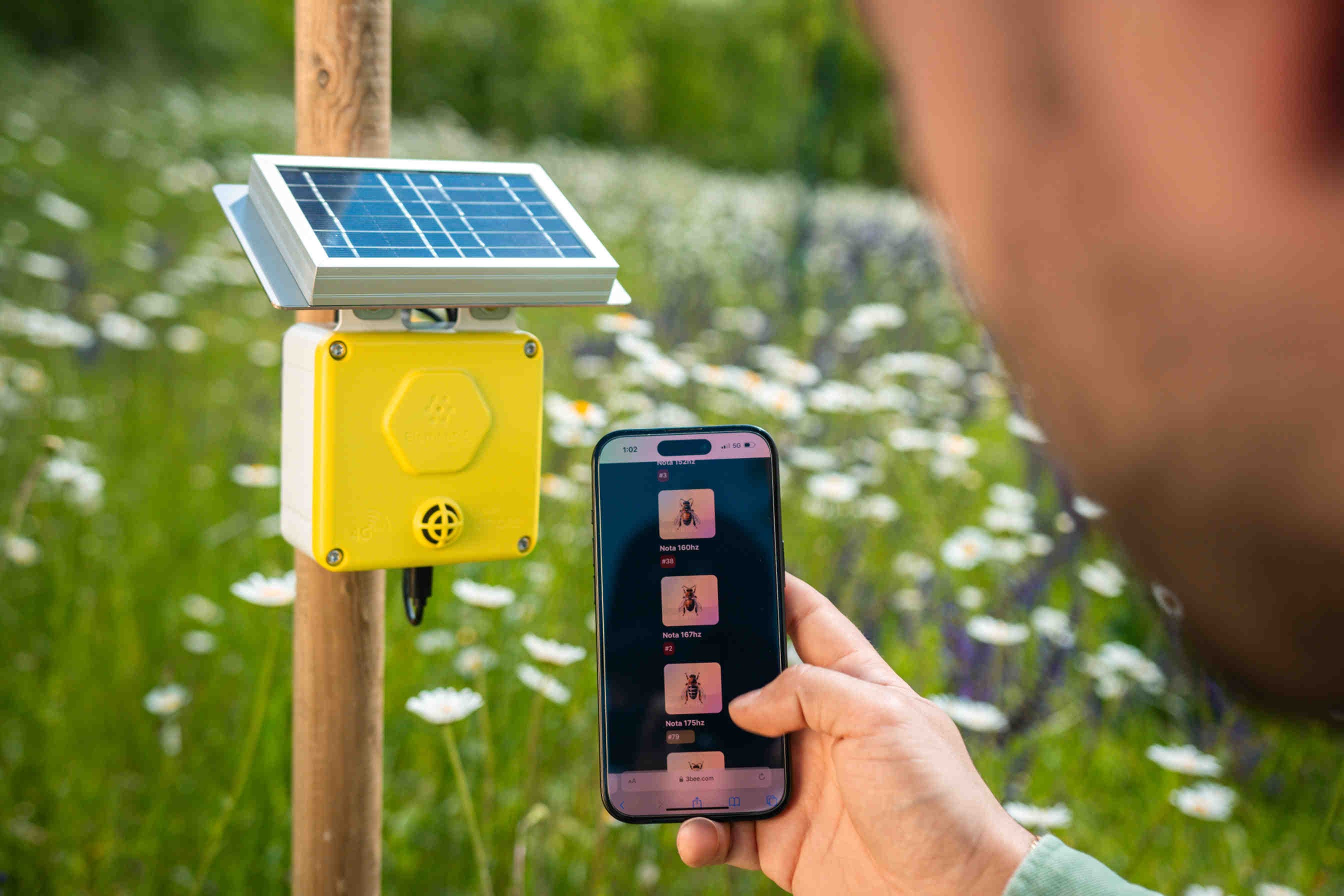
    The ESG approach (Environmental, Social and Governance) is distinguished by its analytical and measurable nature. Unlike CSR, ESG is designed as a structured system for assessing risks and opportunities related to sustainability, with a clear focus on environmental, social, and governance performance. In the climate field, this translates into metrics such as carbon footprint, Scope 1, 2, and 3 emissions, energy efficiency, and resource consumption. Institutional investors, regulatory authorities, and financial markets increasingly rely on these indicators to assess the climate reliability of companies. The adoption of reporting standards like those promoted by the ESRS (European Sustainability Reporting Standards) or GRI (Global Reporting Initiative) has made the ESG model not only transparent but also comparable.
    ESG: gestione dati-driven del rischio climatico

    CSR: the voluntary commitment to sustainability

    CSR (Corporate Social Responsibility) originates as a form of corporate volunteerism oriented towards social and environmental well-being. Although the intent is noble, its effectiveness in the climate realm is often diminished by the lack of regulatory obligations and standardized reporting tools. CSR initiatives include reforestation campaigns, donations to environmental organizations, awareness events, and ethical sourcing practices. However, these actions, while generating reputational value, rarely integrate into the core of corporate strategy. Moreover, without shared parameters, measuring the actual climate impact of a CSR project can be complicated. It is also for this reason that many stakeholders consider CSR a complement, not a lever, of ecological transition. Ultimately, CSR works when it is authentic and consistent, but alone it is hardly a structural driver of climate change.


    CSR: l’impegno volontario per la sostenibilità
    XNatura

    Measurability: the critical advantage of the ESG approach

    The comparison between ESG and CSR revolves around two fundamental dimensions: the integration into business processes and the measurability of impacts. ESG is based on objective data, key performance indicators (KPIs), and certified reporting tools, and it is now integrated into the strategic choices of the most advanced companies. CSR, on the other hand, remains on a more narrative and qualitative level, often relegated to the final pages of sustainability reports or external communications. In a climate context that requires urgent actions based on scientific evidence and traceable decarbonization plans, the ESG approach offers more comprehensive tools to plan, monitor, and correct. This does not mean that CSR is outdated, but that it must evolve toward more synergistic models with ESG, abandoning the logic of spontaneity and adopting that of integrated responsibility.
    Misurabilità: il vantaggio critico dell’approccio ESG

    ESG at the forefront of global strategies

    From the EU directives on sustainability reporting (CSRD) to sustainable investments promoted by funds like BlackRock and BNP Paribas AM, adopting ESG is now a priority for companies that want to lead the ecological transition. This is because ESG sets clear objectives: emissions reduction, circular economy, renewable energy sources, sustainable innovation. Additionally, it allows monitoring progress through certified KPIs, external audits, and industry benchmarks. Conversely, CSR activities remain useful for strengthening the connection with the local community and building a sustainable internal culture, but rarely have a structural impact on the climate. According to the World Economic Forum, companies that integrate ESG practices into their strategies achieve superior results in terms of climate resilience and access to green financing. In summary, the effectiveness of ESG in the climate field is not only perceived but measured precisely.

    ESG protagonista delle strategie globali
    XNatura

    Integrating CSR into the ESG ecosystem

    ESG and CSR are not alternatives, but complementary resources. CSR lights up internal engagement, promotes shared values, and experiments with small innovative solutions. ESG provides the governance structure, certified data, and traceability needed to scale these projects and turn them into quantifiable climate outcomes. Integrating the two means setting annual emission reduction targets, allocating budgets and responsibilities, measuring with KPIs, and communicating progress clearly, avoiding accusations of greenwashing. This convergence allows attracting environmentally sensitive stakeholders, meeting increasingly stringent regulatory demands, and, most importantly, generating measurable and lasting climate impacts. The future of corporate sustainability lies in integrated models that combine profit, transparency, and environmental responsibility, ensuring credibility and long-term competitive success.

    Integrare CSR nell’ecosistema ESG
    3Bee

    3Bee's expansion into international markets

    This article was created as part of the "Biodiversity services EU expansion" project (CUP: E43D22000480009) under the call of Regione Lombardia "PR FESR 2021-2027 – LINEA INTERNAZIONALIZZAZIONE 21-27", aimed at supporting the internationalization of Italian companies. 3Bee is the naturetech company that develops innovative technologies for the monitoring, protection, and regeneration of biodiversity, supporting businesses in defining personalized climate strategies based on the analysis of their impacts and dependencies on nature. With a consolidated portfolio in Italy, Germany, and France and significant partnerships, 3Bee continues its expansion in international markets to create a concrete impact through technology.

    31/05/2025Of 3Bee, Angelina Tortora
    120 Views
    Newsletter
    newsletter
    Subscribe to the Blog about bees and biodiversity

    Frequently Asked Questions

    Do you have any doubts or other curiosities about this article? Here you will find some insights