Earthworms: vital for soil, flora and fauna
    The earthwormMeaningDecreaseWorm and man

    Earthworms: vital for soil, flora and fauna

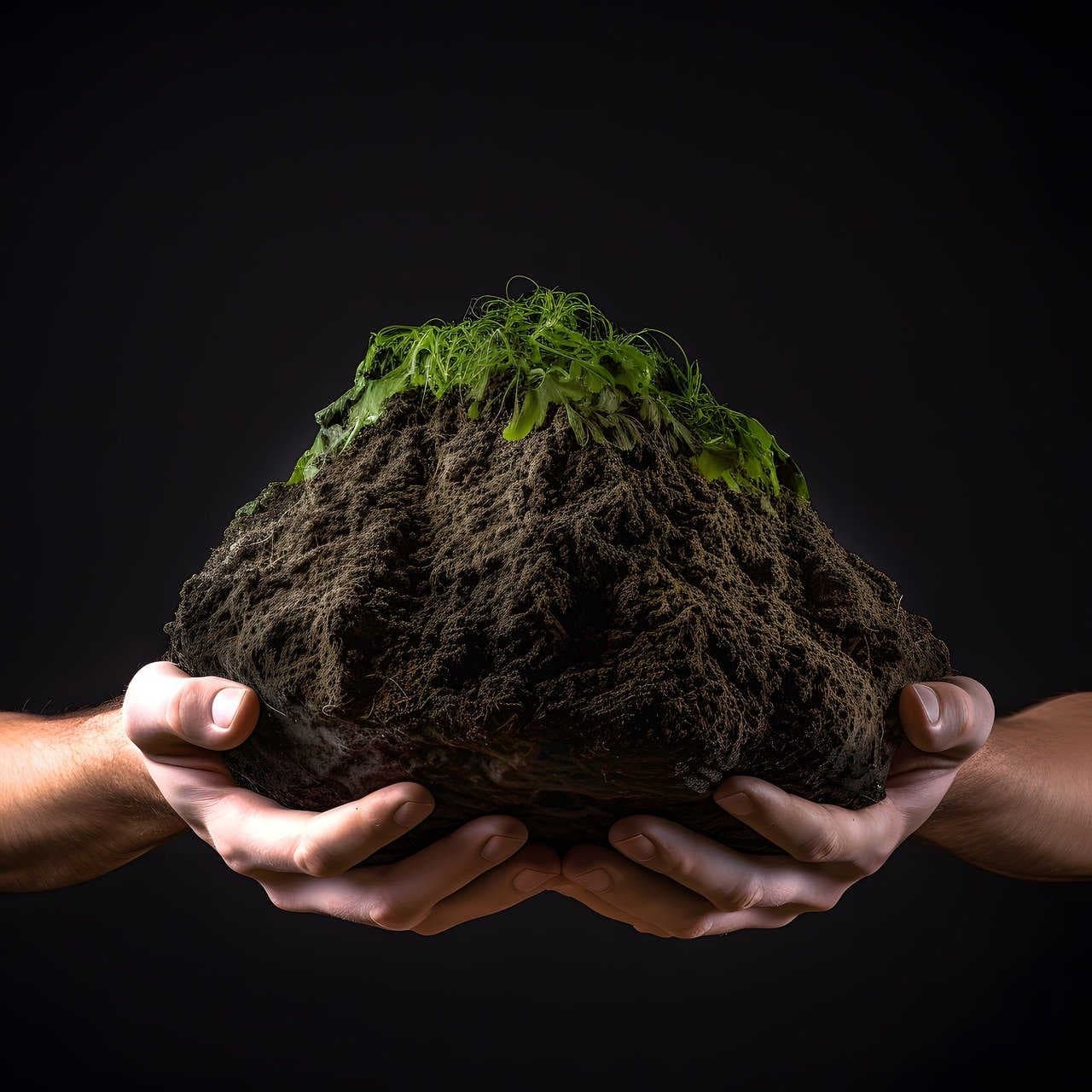
    Charles Darwin was already fascinated by these creatures: Earthworms are vital for healthy soil, which forms the basis of life for many plants, fungi and animals. Only healthy soil can also be the basis for its utilisation for agricultural processes.

    Read the article
    18/07/2024Of 3Bee, Elise Maria Keller Boehm
    1095 Views
    18/07/2024Of 3Bee, Elise Maria Keller Boehm
    1095 Views

    What are earthworms ...

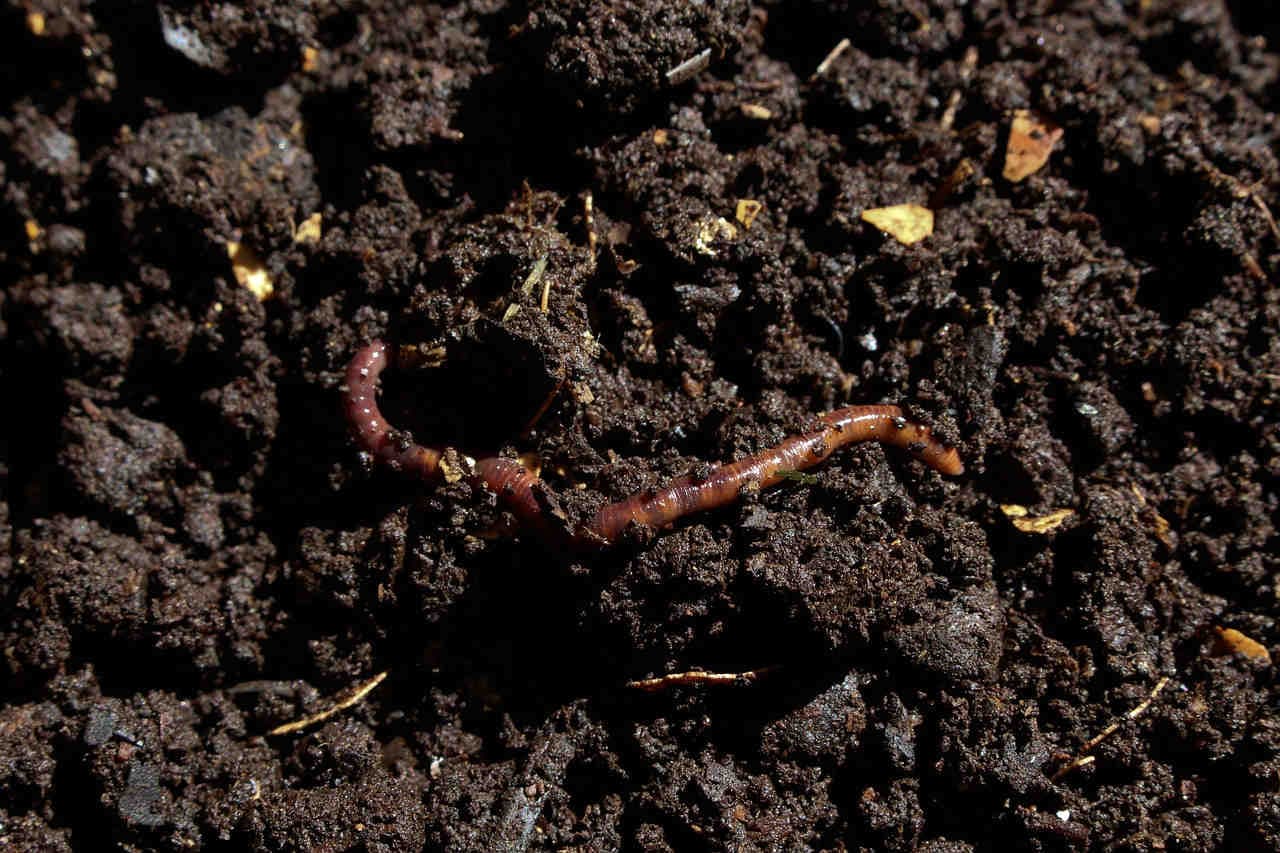
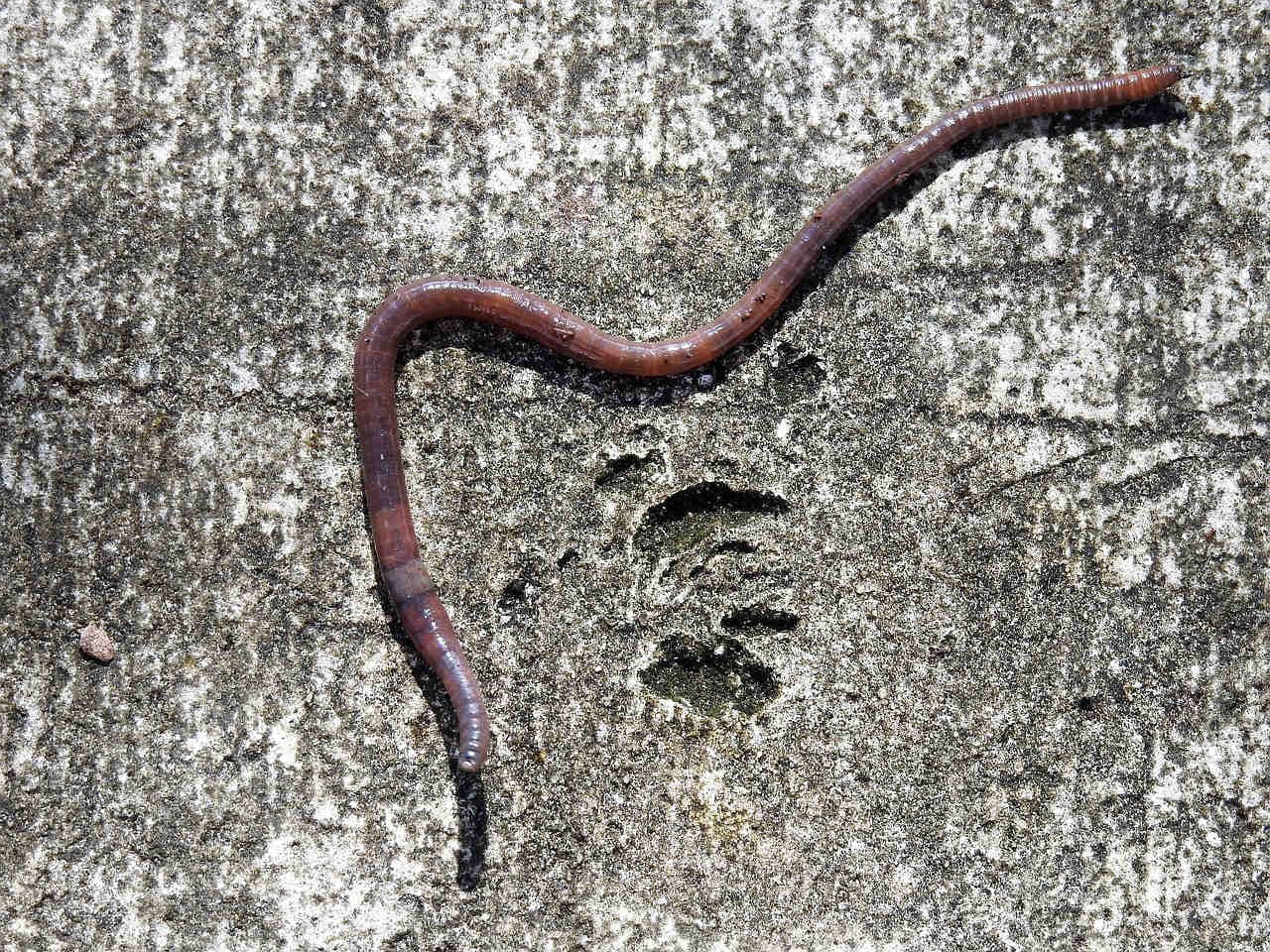
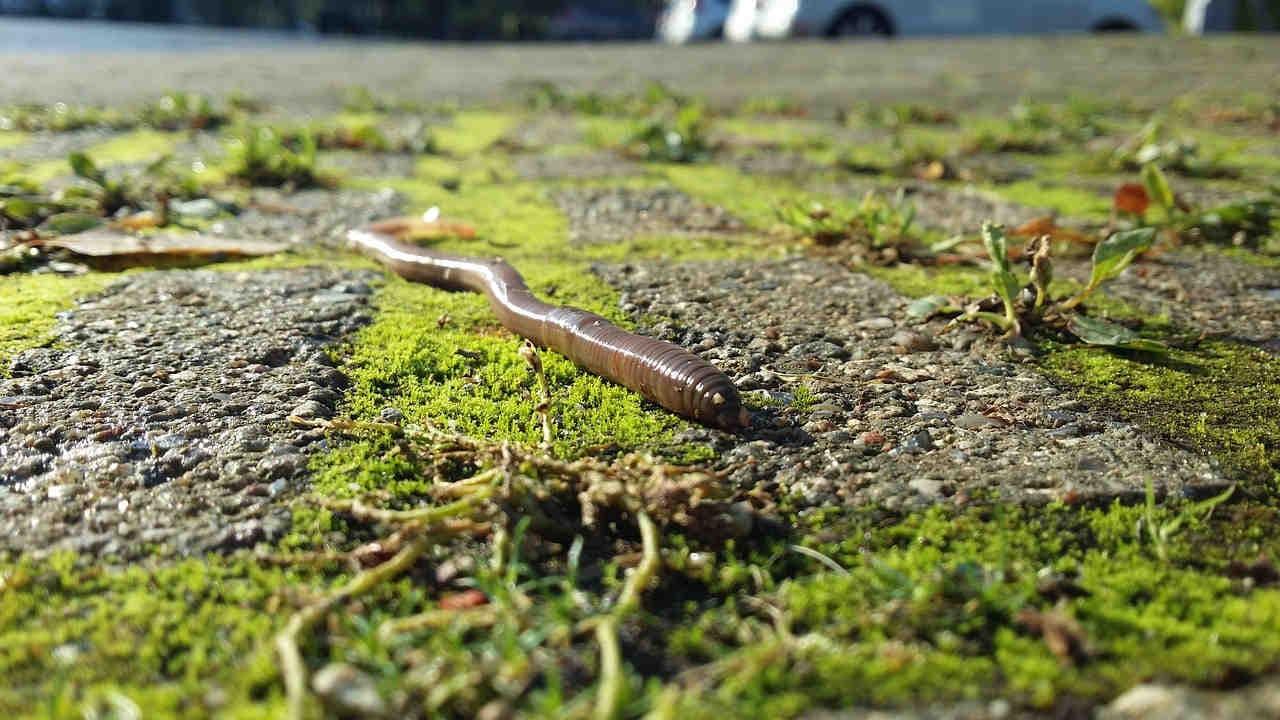
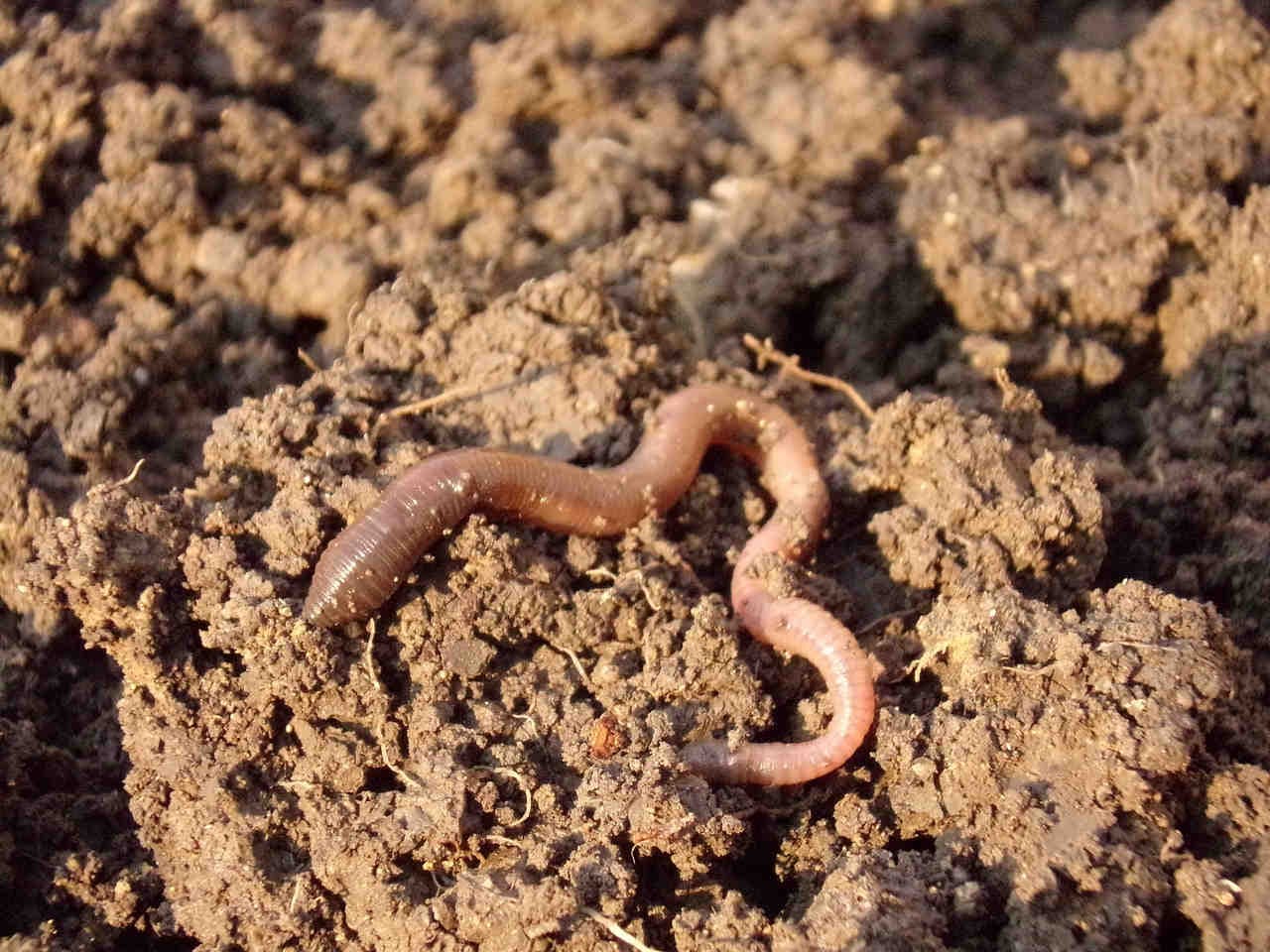
    Earthworms are a specific group within the invertebrates. Earthworms belong to the order of invertebrates, which includes around 500,000 species worldwide. The family of earthworms consists of 670 different species. Earthworms live in the soil, have a permeable skin and must be constantly moist so that they do not dry out. The various species of the earthworm family are incredibly diverse: some prefer to live in compost, dead wood and piles of leaves and occasionally come out into the open, some live very deep in the soil and some live at medium depths and form an elaborate network of tunnels.
    Regenwurm

    ... and why are they so important?

    Earthworms perform many absolutely essential tasks for healthy soil, giving them an important role as ecosystem service providers. They recycle nutrients from dead plant material, fungi or bacteria and convert them into nutrients that make the soil fertile. By burrowing and creating tunnels, they also loosen the soil, allowing rainwater to penetrate from the surface into deeper soil layers. By moving through the soil, they also distribute microorganisms that can decompose toxins in the soil. Finally, earthworms in particular, which live in the upper layers of the soil, are the basis of life for many larger animals such as birds, hedgehogs and frogs.
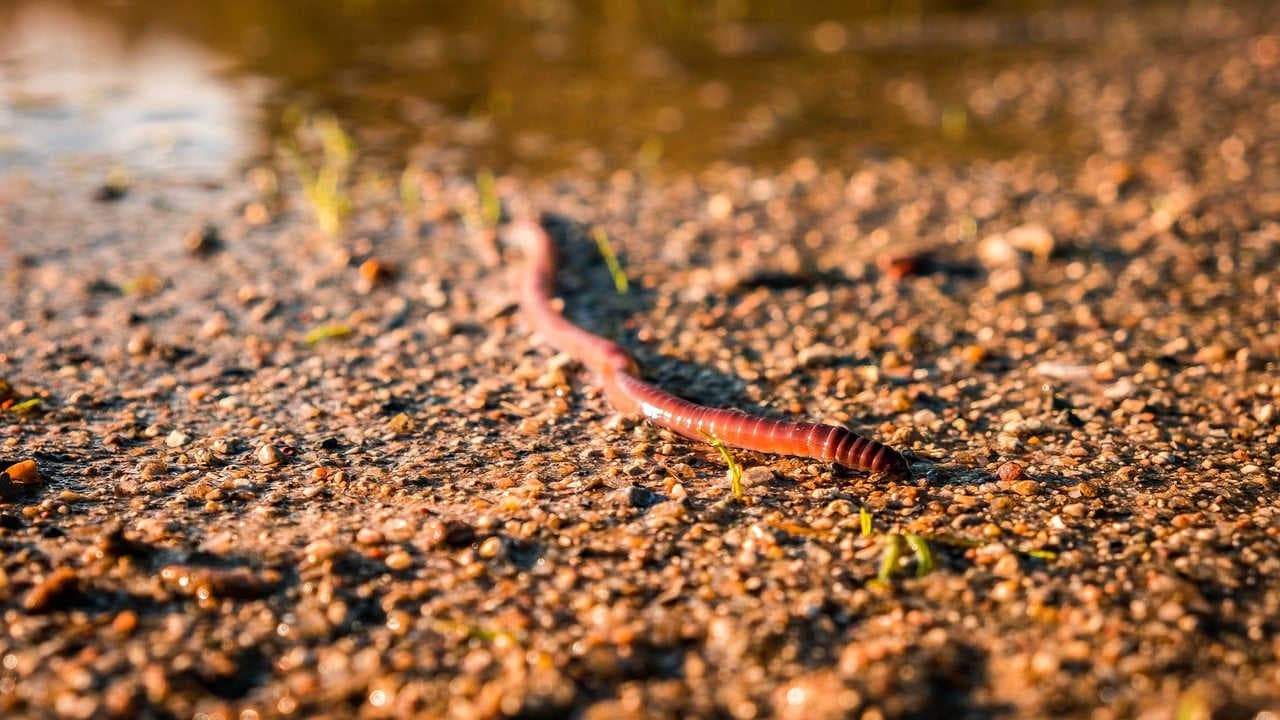
    Regenwurm
    XNatura

    Are there really fewer and fewer earthworms?

    The number of earthworms has actually declined significantly in recent decades, by up to a third (in the UK), as a UK study, which analysed the number of earthworm populations from 1928 to 2018, found and presented in Edinburgh. Prof James Pearce-Higgins from the British Trust for Ornithology described the decline in soil biodiversity, and in particular the decline in earthworms, as being as serious as the loss of a huge amount of insects over the last century - he sees both as a fundamental part of the biodiversity crisis. Like insects, earthworms are both basic building blocks for healthy ecosystems and at the same time incredibly threatened by various factors, including tillage in agriculture, sealed soils (urbanisation), climate change and invasive worm species.

    Regenwurm

    Human activities that harm earthworms

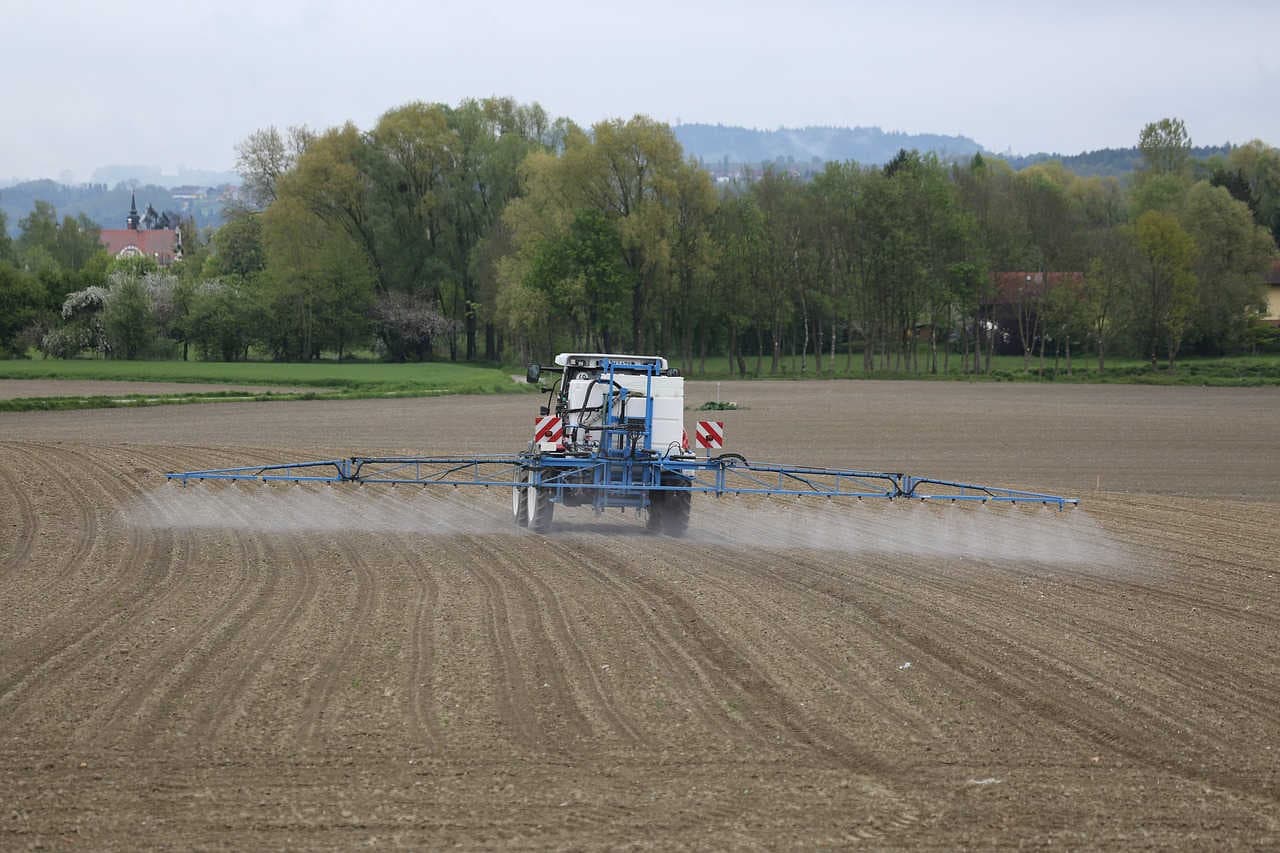
    The greatest threat to earthworms is the tilling of the soil by mechanical means (especially ploughing) and by chemical means (especially pesticides). Pesticides can penetrate deep into the soil, especially during heavy rainfall, and have been shown to affect the lifespan of earthworms. However, climate change is also affecting earthworms. On the whole, earthworms benefit from warmth as long as the soil is sufficiently moist. However, extreme weather events, which are becoming more frequent due to climate change, have a negative effect on the number of earthworms in the soil - especially flood events and periods of drought. The climate change also means that some species can spread in other climate zones, while in other places it means that some species survive less well in their habitats. The question of how climate change affects worms under land-use stress still needs to be researched.

    Human activities that harm earthworms
    XNatura

    Do invasive species also cause problems for earthworms?

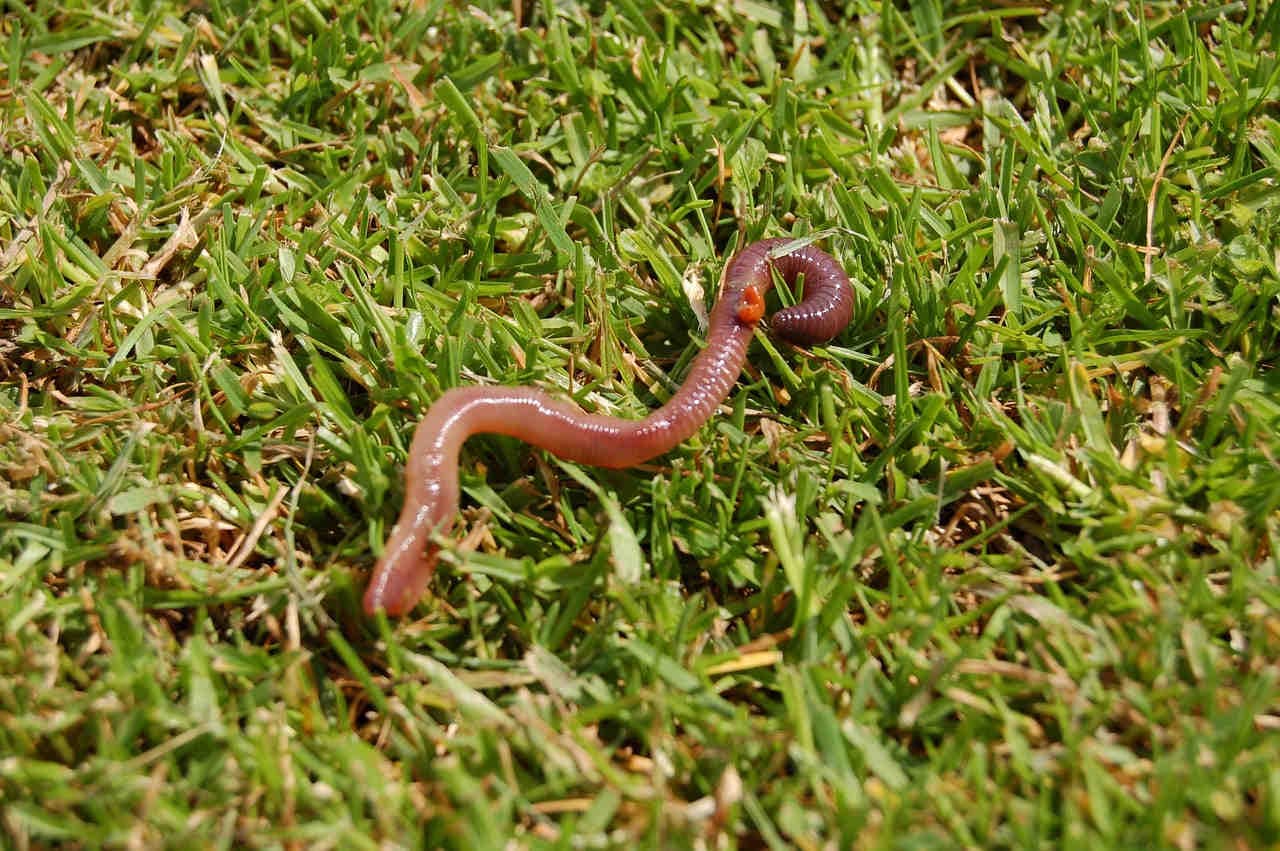
    Non-native earthworms, especially of the species Lumbricus spp. are a particular problem in some North American forests. As the soil there has a different species composition, the introduction of earthworms leads to a change in the vegetation of the soil from herbaceous plants to grasses and sour grasses. These changes lead to a change in the entire ecosystem, which influences the composition of bird communities. For example, in a study published in Landscape Ecology, it was discovered that areas colonised by earthworms in some North American forests greatly reduced the presence of piping warblers. These changes suggest that the introduction or spread of earthworms into pre-colonised or uncolonised areas may affect the overall ecosystem structure to such an extent that it may also endanger some species dependent on certain types of vegetation (such as ground-nesting birds).

    Wurm
    3Bee

    What are the consequences if there are fewer earthworms?

    A national study on the state of biodiversity in the UK, published for the first time in 2023, described a decline in earthworms of around 30% over the last 25 years - this could have serious consequences in some cases. In Germany, the situation is not as dramatic, but around 5% of all earthworm species are threatened. However, a severe decline in the various important species is not only threatening the biodiversity of soils and the plant and animal communities that depend on them. The ecosystem services associated with the soil - i.e. tasks that are in the interests of humans - can also change sustainably as a result. For example, the lack of regulation of the water balance or the lack of maintenance of the soil structure can lead to increased soil erosion. If there are too few earthworms present, the composition of nutrients in the soil also changes.

    Erde

    What nature conservation measures can help?

    The protection of earthworms and, on a larger scale, the protection of healthy soils, is the basic research. There are still knowledge gaps about the distribution and diversity of earthworm species throughout Europe. This is despite the fact that their role in the functioning of terrestrial ecosystems and thus also in agriculture has been known for centuries. Research is also needed into the extent to which the presence of earthworms influences the carbon storage capacity of soils, as targeted measures to improve soil health can also be used to counteract climate change. Once the knowledge gaps have been closed, but even before that, a large part of the nature conservation tasks is the integration of "worm-friendly soil cultivation methods" in agriculture, the creation of protected areas and the adaptation of soil use in parks and gardens.

    What nature conservation measures can help?

    Can I help earthworms in my garden?

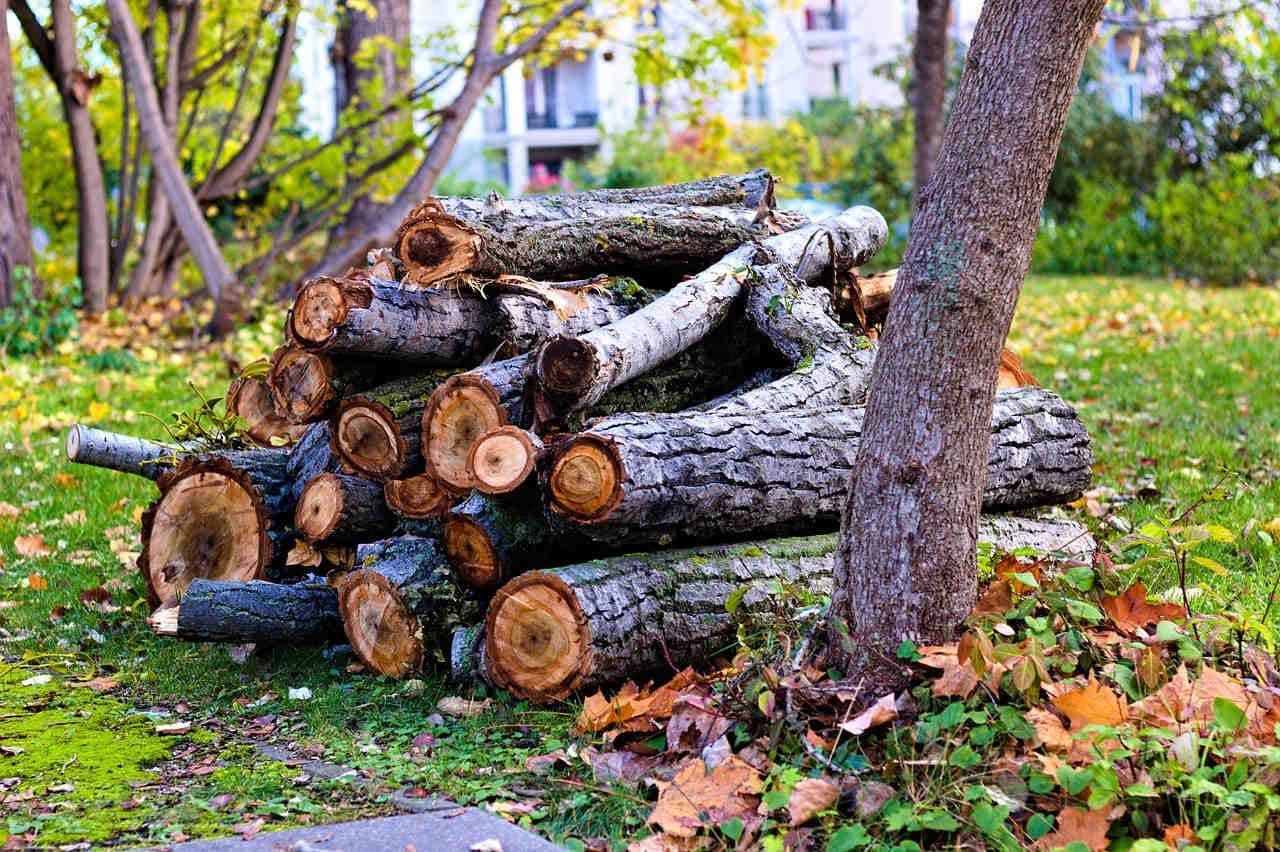
    If you have a garden, there are things you can do to help earthworms. This is for the benefit of the worms, but also for humans, as a healthier, richer soil can provide more plant habitat. Very simple methods are, as is also advisable when dealing with insects, the creation of a pile of old branches, twigs and leaves. This provides worms with the moisture and nutrients they need. Earthworms, which depend on the decomposition of old organic material, can also be helped by creating a compost heap in the garden. The species Eisenia fetida and Dendrobaena veneta in particular love the warm environment and compost the waste. As the compost matures, other worm species can also colonise it and produce a very rich soil that is a good basis for use in flower beds.

    Can I help earthworms in my garden?
    18/07/2024Of 3Bee, Elise Maria Keller Boehm
    1095 Views
    Newsletter
    newsletter
    Subscribe to the Blog about bees and biodiversity

    Frequently Asked Questions

    Do you have any doubts or other curiosities about this article? Here you will find some insights