Earth Overshoot Day 2023
    Overshoot Daytargetanalysisworld

    Earth Overshoot Day 2023

    Overshoot Day is a global warning sign indicating the point at which the Earth runs out of resources it can regenerate in a year. Find out in this article the importance of changing the current trend and how each of us can help move this date, for a more sustainable future.

    Read the article
    31/07/2023Of 3Bee, Elena Fraccaro
    424 Views
    31/07/2023Of 3Bee, Elena Fraccaro
    424 Views

    Overshoot Day: what it is and when it falls

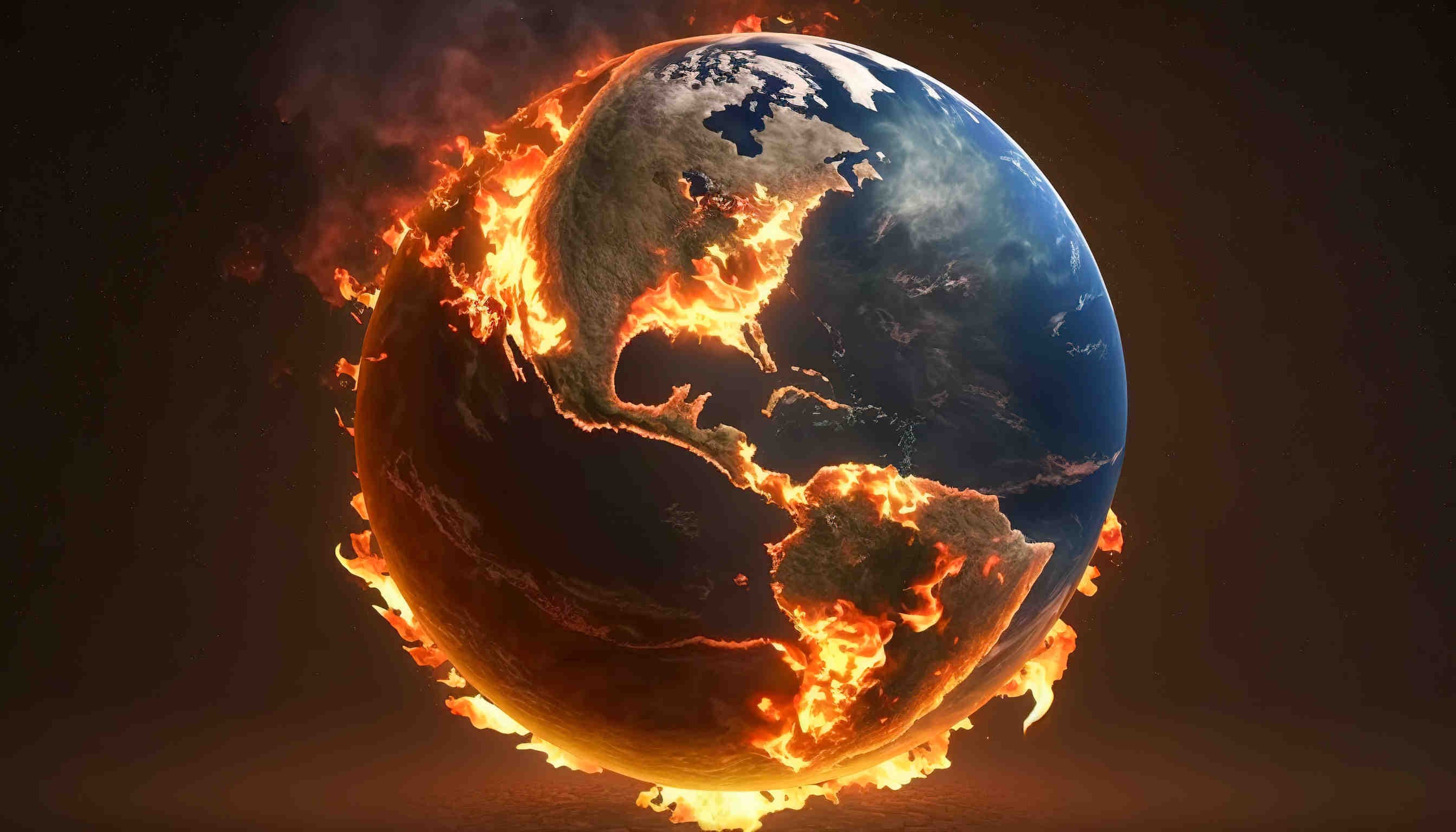
    Overshoot Day, also known as Earth Overshoot Day, represents the point in time when all the renewable resources our planet can regenerate in a calendar year are exhausted. In 2023 this day falls on 2 August, five days later than in 2022. This date is in fact variable and is calculated annually by the Global Footprint Network (GFN), an international authority dedicated to quantifying humanity's eco-footprint. Overshoot Day is an important warning signal, reminding us each year of the critical situation our planet finds itself in.

    overshoot day

    The goal of Overshoot Day: reversing the trend

    The over-accumulation of waste - especially carbon dioxide - and the over-utilisation of natural resources influence the gradual approach of Overshoot Day. The GFN has been collecting data since 1961, sharing an annual report that was first made public in 2023. Each year GFN recalculates the metrics, which is why the date changes from year to year. Important for Overshoot Day is the claim #movethedate: the goal is to communicate that the trend needs to be reversed and we can all help to do so. How? By acting within the areas identified by the Global Footprint Network: the nature preservation, cities, with a focus on architecture and management, energy, food, i.e. the way we feed ourselves, and, finally, population, i.e. the number of people on Earth.

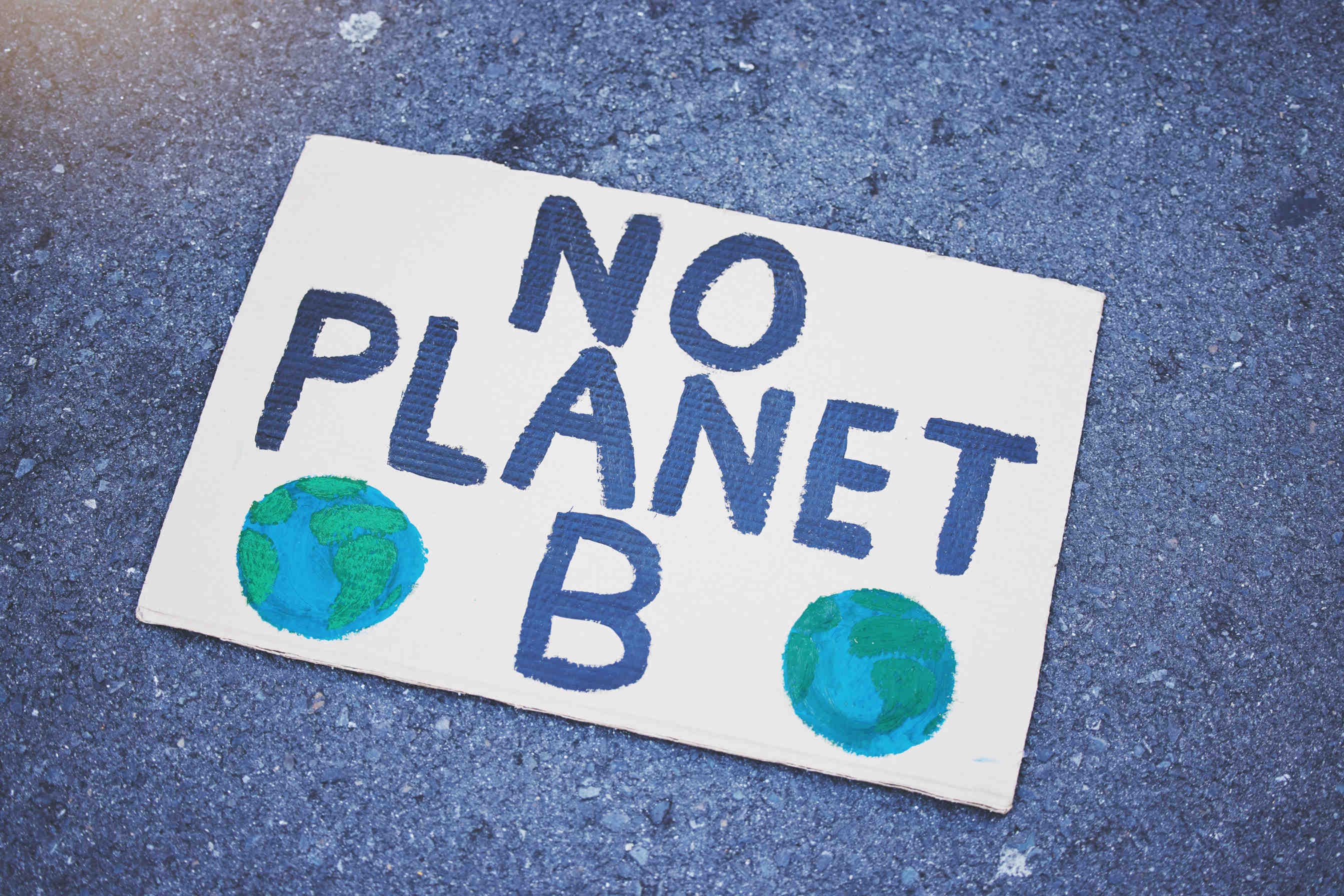
    no planet B
    XNatura

    Overshoot Day: analysis of recent years

    As we have seen, last year Overshoot Day fell on 28 July, a date never seen before. In 2022 this day came much earlier than in previous years. In 2021 Overshoot Day was 29 July, while in 2020 it was 22 August. We can say that in the last five years there have been no substantial differences and that the trend is therefore neither downward nor upward. According to the GFN, "to reach the UN's IPCC goal of reducing carbon emissions by 43% globally by 2030 compared to 2010, it would be necessary to shift Earth Overshoot Day by 19 days a year for the next seven years". Among the most obvious symptoms are unusual heat waves, forest fires, droughts and floods. It is therefore crucial to take action to promote resource security and try to reverse the trend.

    trend overshoot day

    Beyond borders: Overshoot Day in countries around the world

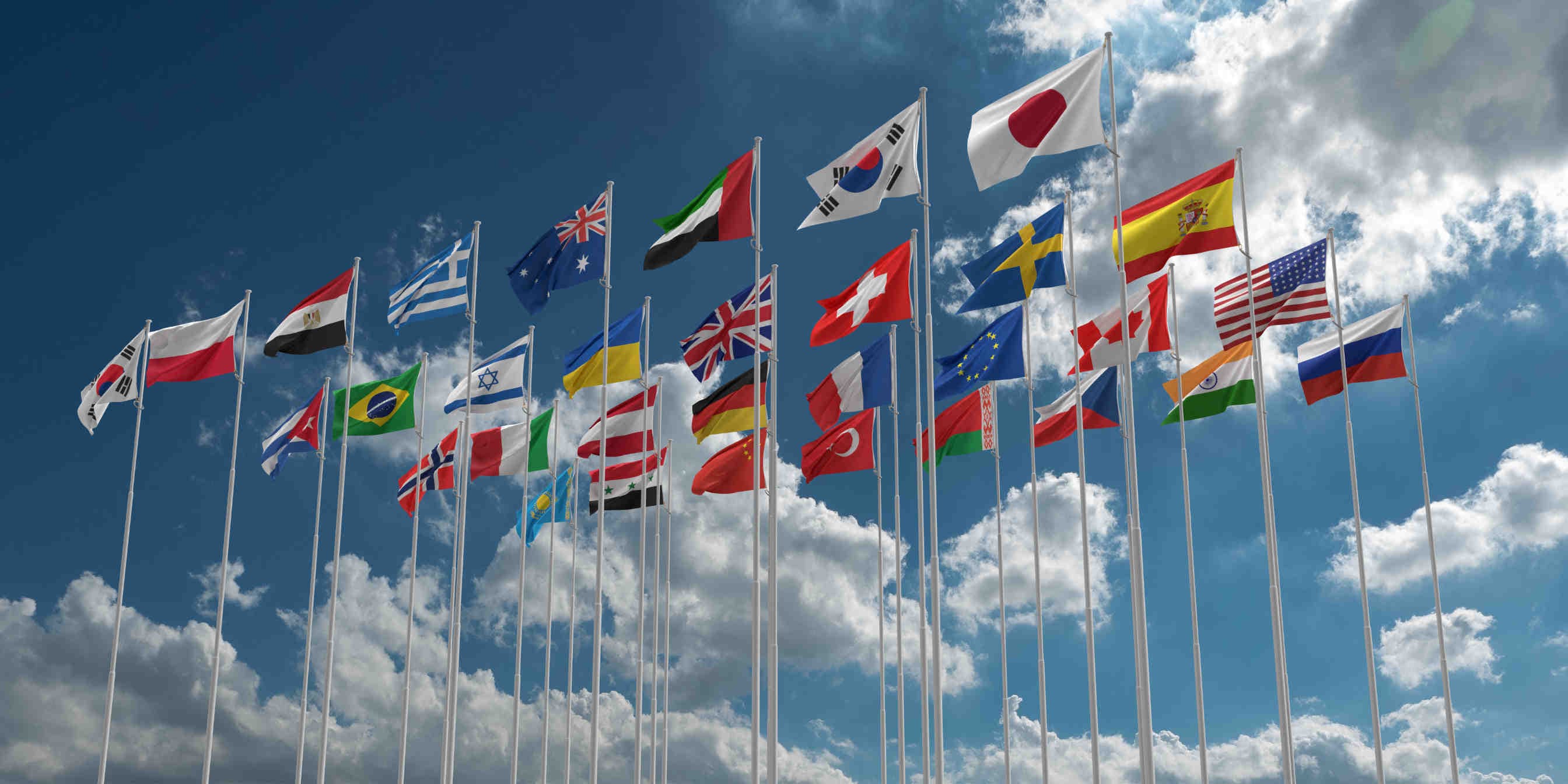
    The resource depletion date is also calculated for individual states. This year, for Italy, Overshoot Day was 15 May: already more than two months ago, therefore, we have been consuming the resources of 2024. As far as other European countries are concerned, Germany, France, Portugal and Spain used up resources before us (on 4, 5, 7 and 12 May respectively). All the others, however, even earlier, between March and April. Interestingly, China and India, despite being newly industrialised states, are not among the worst in this respect. China's Overshoot Day was on 2 June, while India is a case apart: it does not get to exploit all its resources and has a ecological footprint lower than its global biocapacity. The worst country in the world is Qatar, for which Overshoot Day was 10 February. By contrast, the best are, in order, Indonesia (3 December), Ecuador (6 December) and Jamaica (20 December).
    bandiere del mondo
    XNatura

    3Bee's commitment to Biodiversity Oases

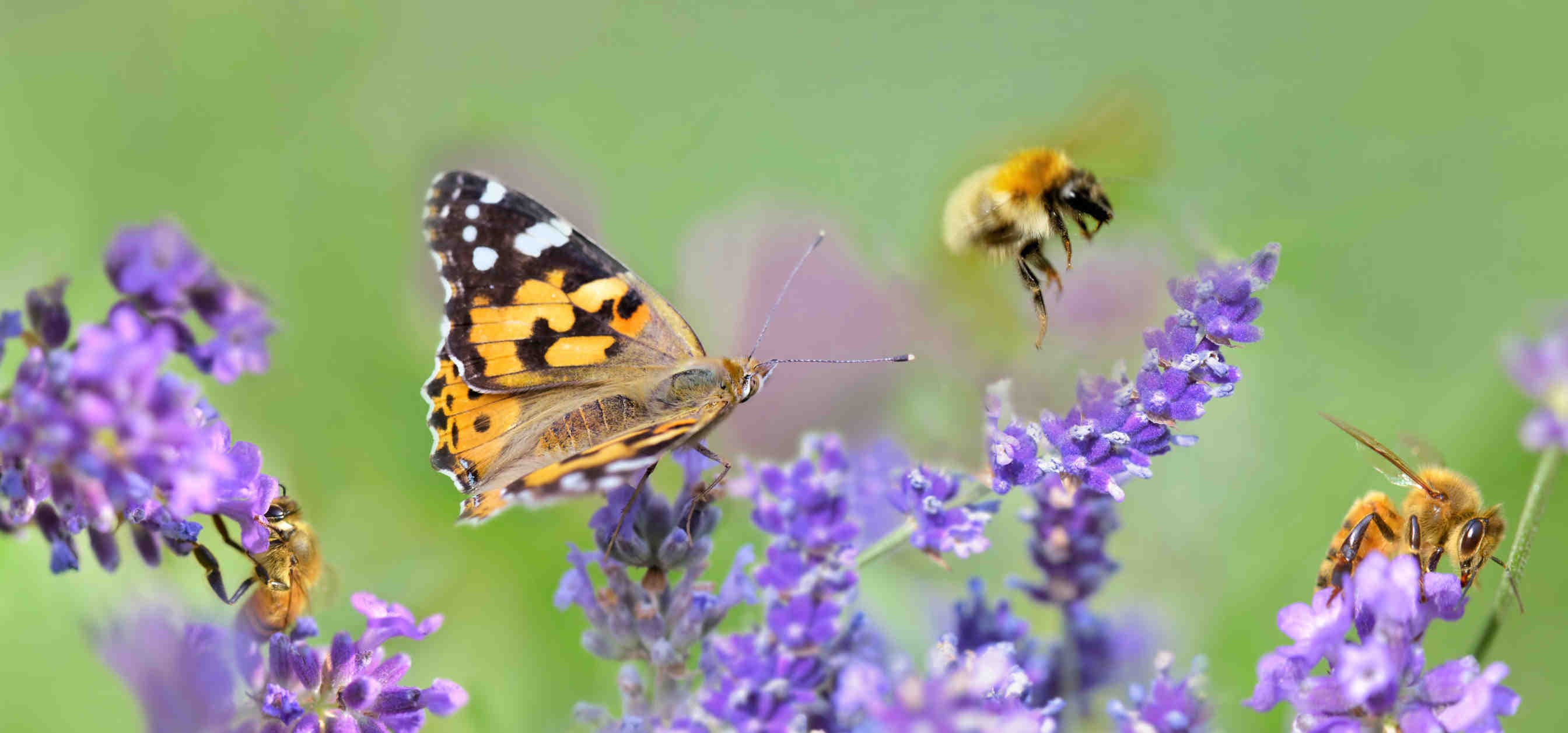
    The Earth Overshoot Day is getting closer and closer, and unfortunately we are already running out of resources. If this is true for us humans, the situation is no different for pollinating insects. At 3Bee, we are committed to the creation of Biodiversity Oases to benefit pollinators, as well as the implementation of awareness-raising campaigns - in parks and other open spaces in the city - that aim to engage as many people as possible on biodiversity issues. The 3Bee Oases are places where the urban world and nature find a meeting point, areas where native flora and fauna thrive, certified places with a traceable impact thanks to technology. These habitats, urban and agroforestry, are created in areas and soils of low biodiversity located throughout Italy and European countries. The aim of 3Bee is to create Europe's largest ecological corridor for pollinators. Want to know more? Contact us to start your journey towards biodiversity.

    api e farfalle
    3Bee
    31/07/2023Of 3Bee, Elena Fraccaro
    424 Views
    Newsletter
    newsletter
    Subscribe to the Blog about bees and biodiversity

    Frequently Asked Questions

    Do you have any doubts or other curiosities about this article? Here you will find some insights