The 'hunger stones' just re-emerged after more than 500 years
    What are they?HistoryDroughtESA

    The 'hunger stones' just re-emerged after more than 500 years

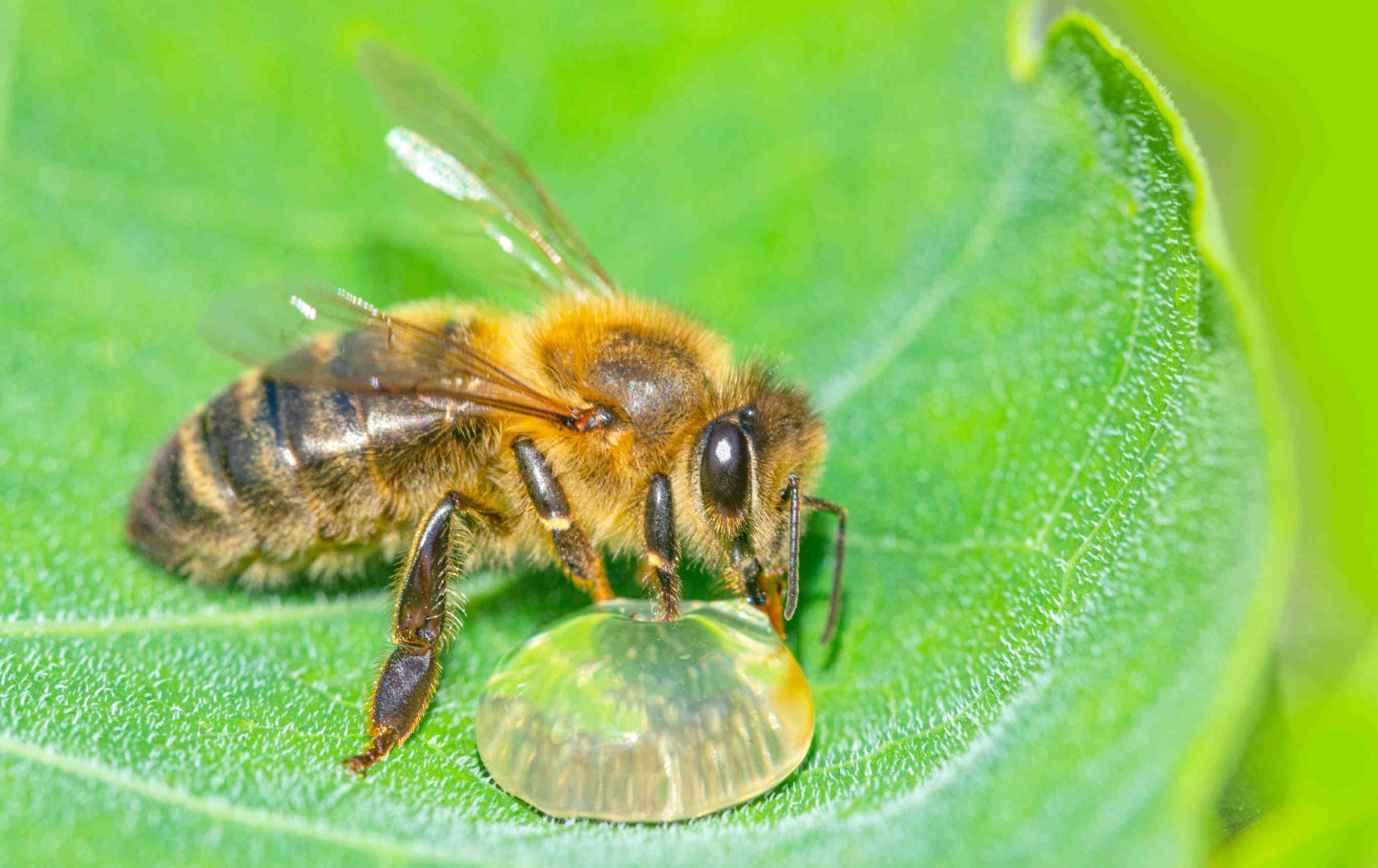
    Spotted along the river Elbe, these 500+ year old inscriptions are frightening and announce drought-related famines: 'If you see me, you are crying'. For four months now, drought has been bringing rivers across Europe to their knees. Bees sounded the alarm back in March.

    Read the article
    23/08/2022Of 3Bee, Elena Fraccaro
    2824 Views
    23/08/2022Of 3Bee, Elena Fraccaro
    2824 Views

    What are hunger stones?

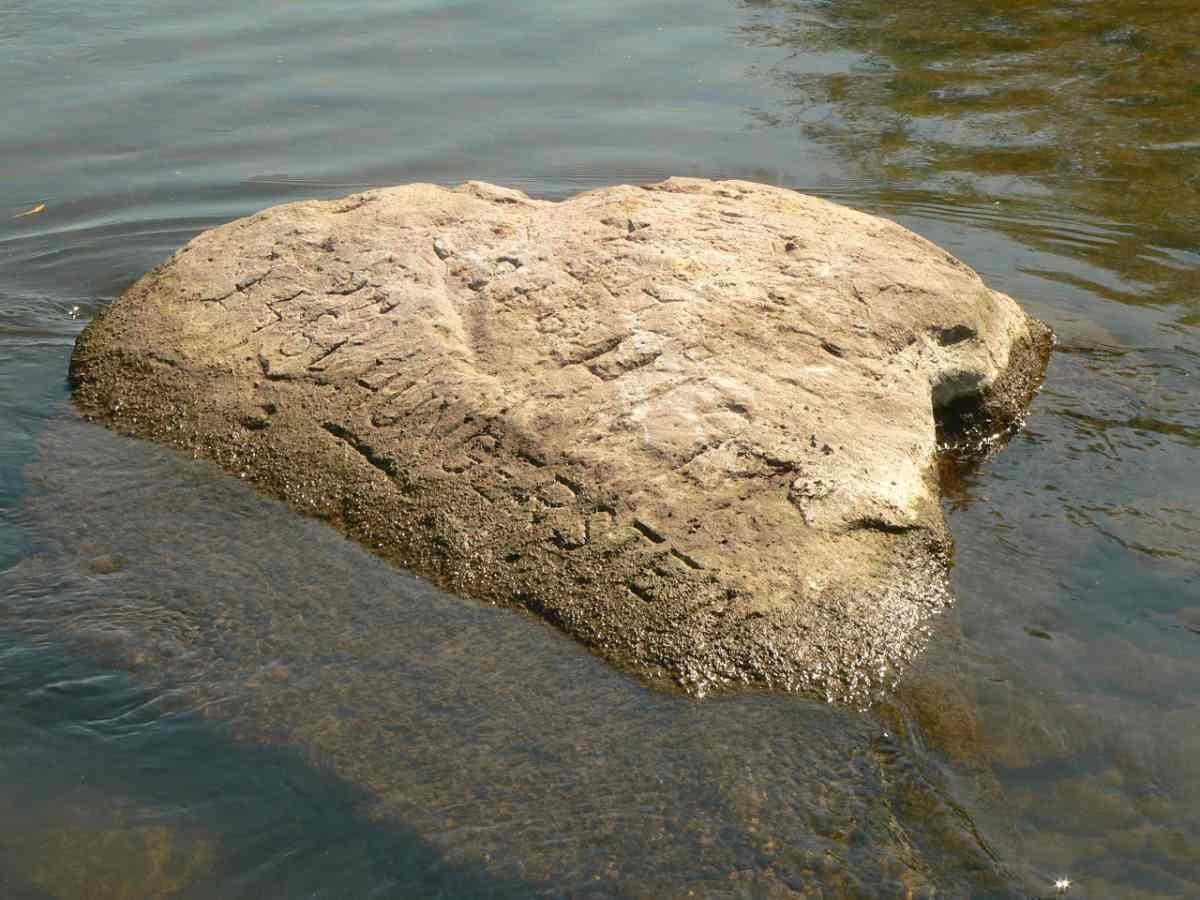
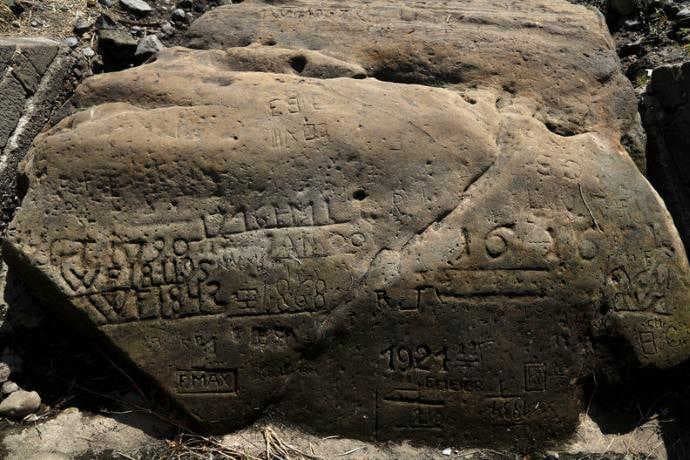
    Carved hundreds of years ago, the 'hunger stones' are river rocks. They are intended to mark the level of the water but above all to warn future generations of the danger. If these stones were to re-emerge and become visible again, it would herald a catastrophic period: irrigation difficulties, lack of agricultural production and famine.They are used throughout central Europe. A few days ago it emerged in the Czech Republic and bears the legible date of 1616: after 500 years. The drought of 2022 is certainly one of the worst in the last 500 years. But then the ecosystems were on our side, now we have destroyed them. Some twelve Hunger Stones have resurfaced in recent weeks, after rivers such as the Rhine fell by more than 30 centimetres in a single day.
    What are hunger stones?

    The first stone of hunger

    The first stone of hunger was discovered in 2018 in Germany. When the Elbe River had its first period of dryness in thousands of years. Carved hundreds of years ago, the oldest date back to the 17th century. Periods of drought were so rare that the only way to keep track of them in the past was to carve huge stones into the beds of Europe's most important rivers. The engravings leave no doubt and were intended to alert and warn of a serious drought problem. Unfortunately, many stones have been lost, destroyed by ship anchors, but those that remain are still clearly legible.

    The first stone of hunger
    XNatura

    The drought of 2022

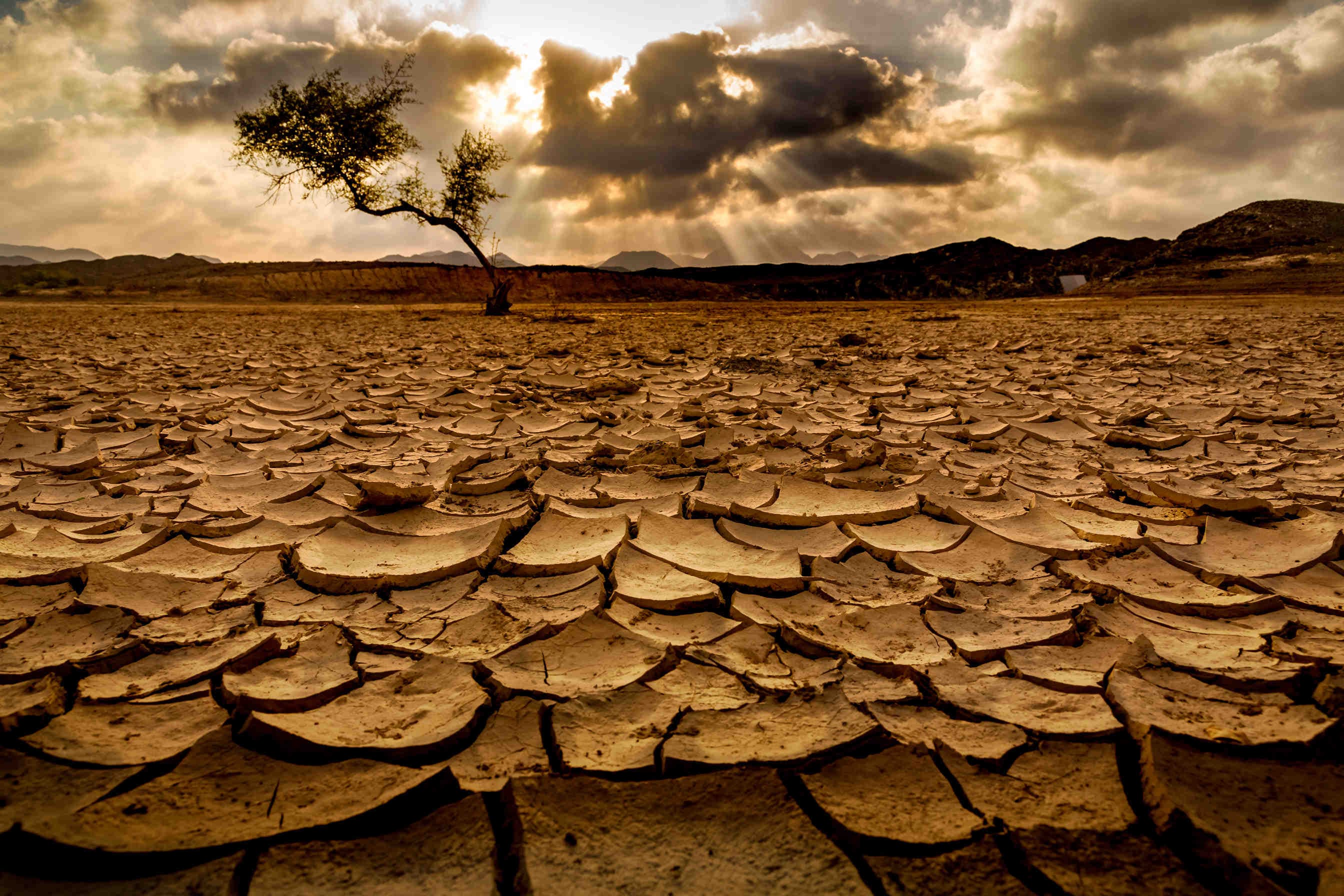
    For Europe, but especially for Italy, 2022 is the driest year ever. Rainfall in northern Italy is reduced by -52% compared to the average and by 42% in the south. Such an intense reduction has never been recorded in modern history since rainfall has been monitored. The year 2022 also ranks as the warmest year ever, with a temperature even 0.98 degrees above the historical average. The most important climatic anomaly occurred in the month of June, when the average temperature was 2.8 degrees higher. A climate variation so intense and 'absurd' that ecosystems, agriculture and livestock cannot adapt.

    Our api have recorded unprecedented starvation (thirst for nectar).

    The drought of 2022

    La partnership con ESA

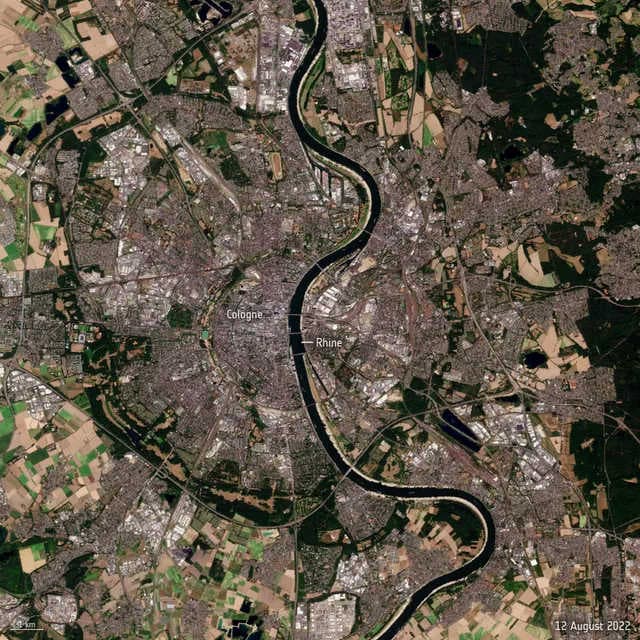
    From June 2022, 3Bee in cooperation with ESA started a project to analyse the biodiversity and nectariferous power of plants. In this powerful image, taken from an ESA satellite, Sentinel-2 of the Copernicus programme, the Rhine river's water crisis is highlighted. The Po River is no different and shows a very strong water anomaly. The great river no longer exists: with a flow rate reduced to minus 100 cubic metres per second, the Po River is in severe crisis. Under normal conditions, its flow is 1053 cubic metres per second. A reduction of almost 100 times. Added to this is the 40-km ascent of the salt wedge, which erodes the water supply for drinking water, putting agriculture and livestock farms in difficulty.

    La partnership con ESA
    XNatura
    23/08/2022Of 3Bee, Elena Fraccaro
    2824 Views
    Newsletter
    newsletter
    Subscribe to the Blog about bees and biodiversity