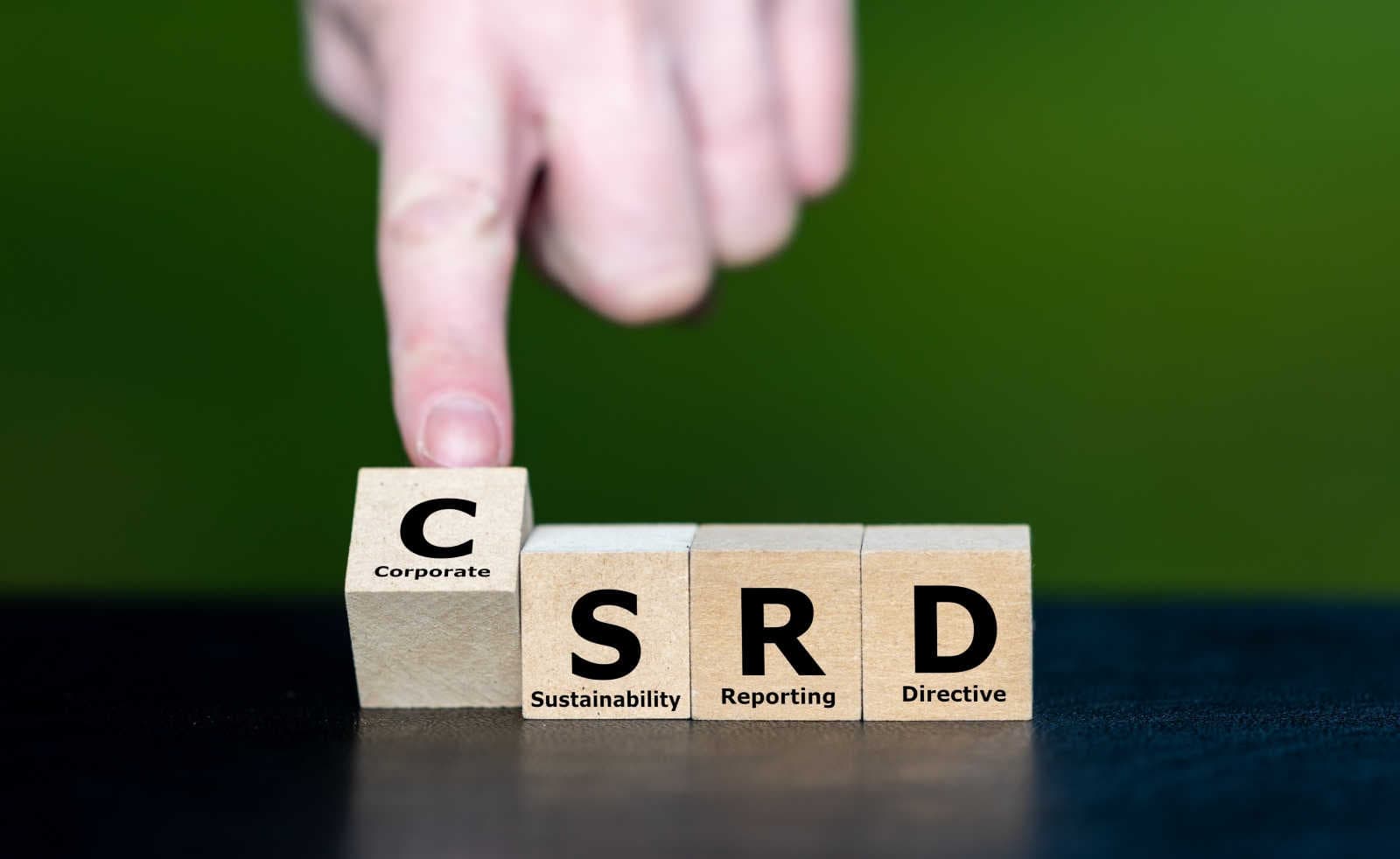
CSRD and Biodiversity: Which Standards to Follow in 2025
    CSRDESRS E4BiodiversityMateriality

    CSRD and Biodiversity: Which Standards to Follow in 2025

    In 2025, corporate sustainability reporting will require the adoption of increasingly precise standards. Discover how CSRD integrates biodiversity and which regulations to follow to be compliant, competitive, and truly sustainable.

    Read the article
    28/06/2025Of 3Bee, Angelina Tortora
    207 Views
    28/06/2025Of 3Bee, Angelina Tortora
    207 Views

    CSRD 2025: a new approach to corporate sustainability

    In April 2025, the European Parliament approved the "stop-the-clock" proposal, included in the Omnibus I simplification package, which postpones the entry into force of the reporting obligations under the CSRD and CSDDD directives to 2028. This delay mainly concerns:
    • Large companies that have not yet started the reporting process required by the CSRD.
    • Listed SMEs, which will be affected by the second and third waves of the directive.

    With the approval of this measure, the new deadlines are set for 2028 and 2029, respectively. Additionally, the one-year postponement also applies to large companies subject to due diligence obligations under the CSDDD. On June 25, 2025, the Council of the European Union adopted the negotiating mandate, which, besides confirming the postponement, proposes raising the threshold to 1,000 employees and 450 million in net turnover, with possible exclusion of listed SMEs.
    CSRD 2025-un-nuovo-approccio-alla-sostenibilità-aziendale

    ESRS E4 Standards after the Omnibus Package

    Following the approval of the Omnibus package by the European Commission, the EFRAG (European Financial Reporting Advisory Group) has presented a detailed operational plan for the revision of the European Sustainability Reporting Standards (ESRS). The initiative aims to lighten and simplify the regulatory framework of sustainability reporting while maintaining its consistency and quality, in line with the objectives of the European Green Deal. The main goal is to provide a technical guide by October 31, 2025, aimed at those involved in drafting sustainability reports. This guide is intended to improve the usability and effectiveness of the ESRS, making them more accessible, particularly for SMEs, and more useful for both internal and external stakeholders of companies.

    Standard-ESRS-E4-dopo-il pacchetto-Omnibus
    XNatura

    Methods to assess biodiversity impact

    Clearly establishing the objectives of a biodiversity assessment is an essential step to properly guide the choice of methods, the scale of analysis, and the expected results. Depending on the context, the objectives may vary: supporting decision-making in land management, measuring the effectiveness of conservation interventions, assessing the environmental impacts of specific projects, or integrating biodiversity into corporate sustainability reports. Generally, three main types of objectives can be distinguished: descriptive, to provide a snapshot of the current state; predictive, to develop future scenarios; and decision-making, to provide a solid basis to support actions to be undertaken. The objectives help in selecting consistent indicators, engaging stakeholders in a targeted way, and ensuring that the entire assessment produces concrete, usable, and easily communicable results.

    Metodologie-per valutare-l’impatto-sulla-biodiversità

    Double materiality obligations and environmental governance

    The CSRD introduces the principle of double materiality: companies must report both the impact of their activities on the environment and the risks that environmental changes pose to their own operational continuity. This approach requires evolved governance, with clear roles and responsibilities in sustainability management. Boards of directors must be involved in defining ESG strategies, overseeing objectives, and managing biodiversity-related risks. It is advisable to establish internal ESG committees, train staff, and integrate environmental criteria into decision-making processes. The materiality assessment must be dynamic and participatory, involving both internal and external stakeholders, to ensure a comprehensive and shared vision.

    Obblighi-di-doppia-materialità-e-governance-ambientale
    XNatura

    Biodiversity: competitive and reputational

    Integrating biodiversity into business strategy represents an opportunity for innovation and competitive advantage. Consumers and investors increasingly reward companies that demonstrate a commitment to protecting natural capital. Companies that anticipate the application of the CSRD standards and adopt transparent and verifiable practices can differentiate themselves in the market, access sustainable financing (e.g. green bonds, ESG loans), improve their reputation, and attract new talent. Additionally, biodiversity is directly linked to the security of supply chains, resource availability, and environmental risk management.

    Biodiversità-competitiva-e-reputazionale
    3Bee

    3Bee's expansion into international markets

    This article was created as part of the "Biodiversity services EU expansion" project (CUP: E43D22000480009) under the Lombardy Region call "PR FESR 2021-2027 – LINEA INTERNAZIONALIZZAZIONE 21-27", aimed at supporting the internationalization of Italian companies. 3Bee is the naturetech company that develops innovative technologies for monitoring, protecting, and regenerating biodiversity, supporting companies in defining customized climate strategies based on the analysis of their impacts and dependencies on nature. With a consolidated portfolio in Italy, Germany, and France and significant partnerships, 3Bee continues its expansion into international markets to create a tangible impact through technology.

    28/06/2025Of 3Bee, Angelina Tortora
    207 Views
    Newsletter
    newsletter
    Subscribe to the Blog about bees and biodiversity

    Frequently Asked Questions

    Do you have any doubts or other curiosities about this article? Here you will find some insights