What does 3Bee expect from Cop15?
    DefinitionObjectivesfuturePromesse

    What does 3Bee expect from Cop15?

    Canada hosts the 15thConvention on Biological Diversity (COP15). The UN has been committed to protecting biodiversity for decades, but the little space devoted to it during COP27 and the previous failure of the 2011-2020 Plan threaten the future of the new agreement.

    Read the article
    13/12/2022Of 3Bee, Elena Fraccaro
    199 Views
    13/12/2022Of 3Bee, Elena Fraccaro
    199 Views

    What is meant by biodiversity?

    We hear a lot about biodiversity. But how many know its true meaning? From the Greek 'bios' life and the Latin 'diversitas' variety or diversity, biodiversity is a term coined in 1988 by the scientist Edward O. Wilson, the 'father of biodiversity', famous for discovering hundreds of new living species. Several years later, the United Nations Convention on Biological Diversity (or CBD) defined biodiversity as the richness of life on earth, that is, the variety and variability of living organisms and the ecosystems in which they live. The CBD is one of the main agreements signed by the 193 countries that gathered in Rio de Janeiro in 1992 for the first world conference on environment and sustainable development. The CBD pursues three objectives: conservation of biodiversity, sustainable use of biodiversity and fair and equitable sharing of the benefits arising from the utilisation of genetic resources. In other words, it is an agreement for a more sustainable future.
    farfalla

    What are the premises and objectives of COP15?

    The governing body of the CBD is the Conference of the Parties (or COP). There are three COPs in 2022: the COP15 for Biodiversity, the COP27 for Climate Change and the COP19 for Wildlife. The numbers next to the acronym COP indicate how many times the parties (the signatory countries of the agreements) have met. After some postponements due to the pandemic, the first part of COP15 was held online in 2021. The second part will be held in Montreal (Canada) in a few weeks. The intention is to define and approve the post-2020 Global Biodiversity Framework. The Strategic Plan for Biodiversity 2011-2020 approved by COP10 expired in 2020. The Plan included20 targets - or Aichi Biodiversity Targets - to halt biodiversity loss and ensure resilient ecosystems by 2020. The Report published by the UN shows that none of the 20 targets have been fully met. COP15 will, therefore, have to build on the many failures of the 2010-2020 Plan.
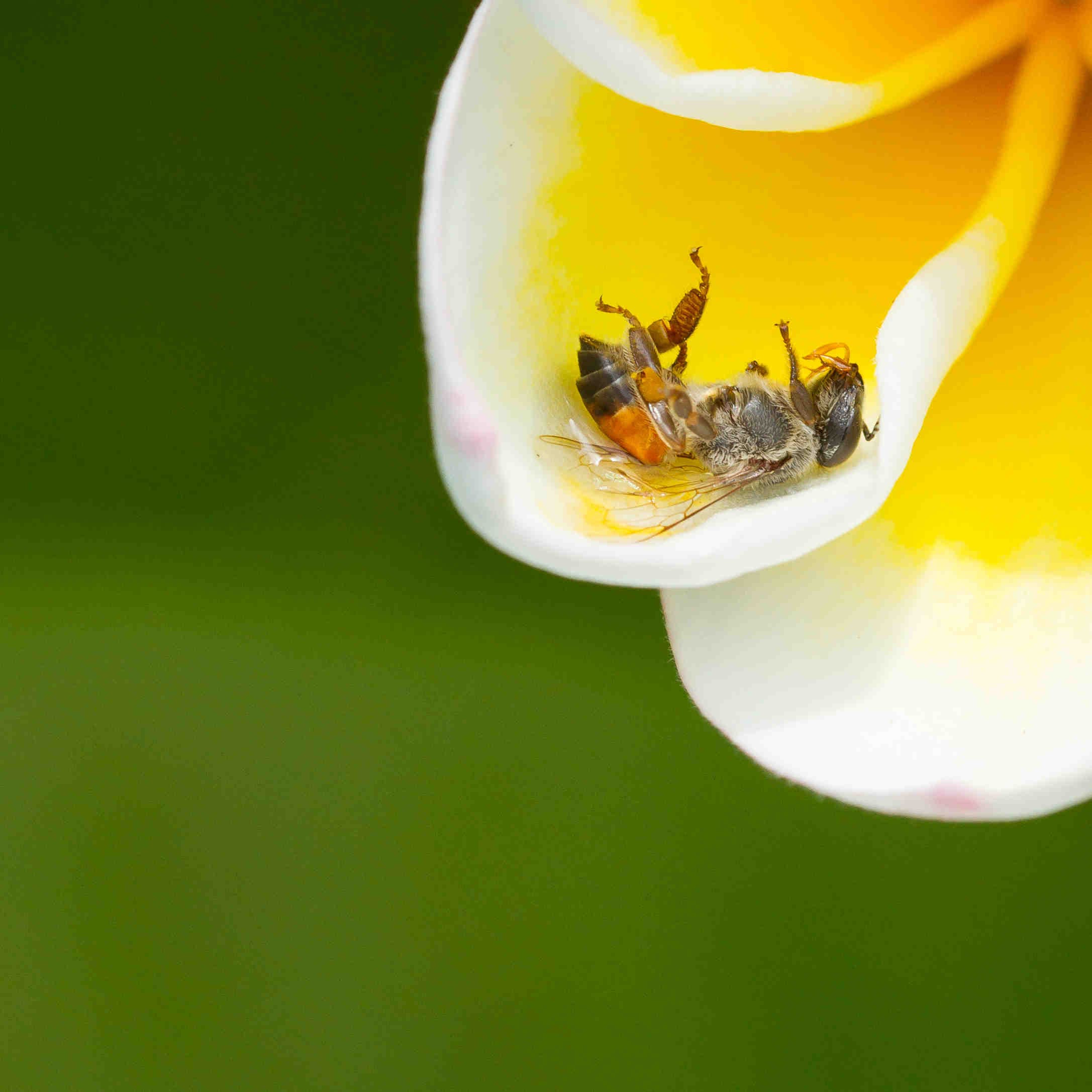
    ape morta su fiore
    XNatura

    COP15 and the future of biodiversity: what to expect?

    As mentioned, the COP15 in Montreal is the last stage of a journey that began in 2021 and continued with two working sessions in between. These three instalments laid the foundations for the new Global Biodiversity Framework post-2020. Although the final version will be published after the conference closes, a draft of the agreement that the UN is expected to sign in less than a month has already been made available. Broadly speaking, we know what we can expect. First, the UN wants to commit tocomply with the agreements already in place to halt and reverse, or at least stem, the loss of biodiversity. The agreement will then be divided into long-term goals to be completed by 2050 and medium-term targets to be reached by 2030. These include protecting and enhancing the integrity of all ecosystems, reducing the proportion of endangered species and maintaining or enhancing genetic diversity.
    ape su fiore bianco

    Will the promises be kept?

    COP15 will pick up a very heavy legacy that does not bode well. On the one hand, there are the goals of the 2011-2020 Plan that have not been met. On the other, there is the disappointing outcome of the COP27 that ended a few weeks ago in Egypt. There, world leaders devoted an entire day to discussing biodiversity conservation. But it all ended in a deadlock. A pity, the premises were there. As we know, the importance of biodiversity for humanity has been amply demonstrated. If we do not act now, we will soon have to face food and energy insecurity, we will be more vulnerable to natural disasters and our level of health will decline more and more. COP27 was the ideal opportunity to lay a concrete foundation for the defence of biodiversity to build on during COP15. What can I say, it was definitely a golden opportunity wasted. We expect the UN to take a firm stand in Montreal.
    terra secca
    XNatura

    Bees and the consequences of biodiversity loss

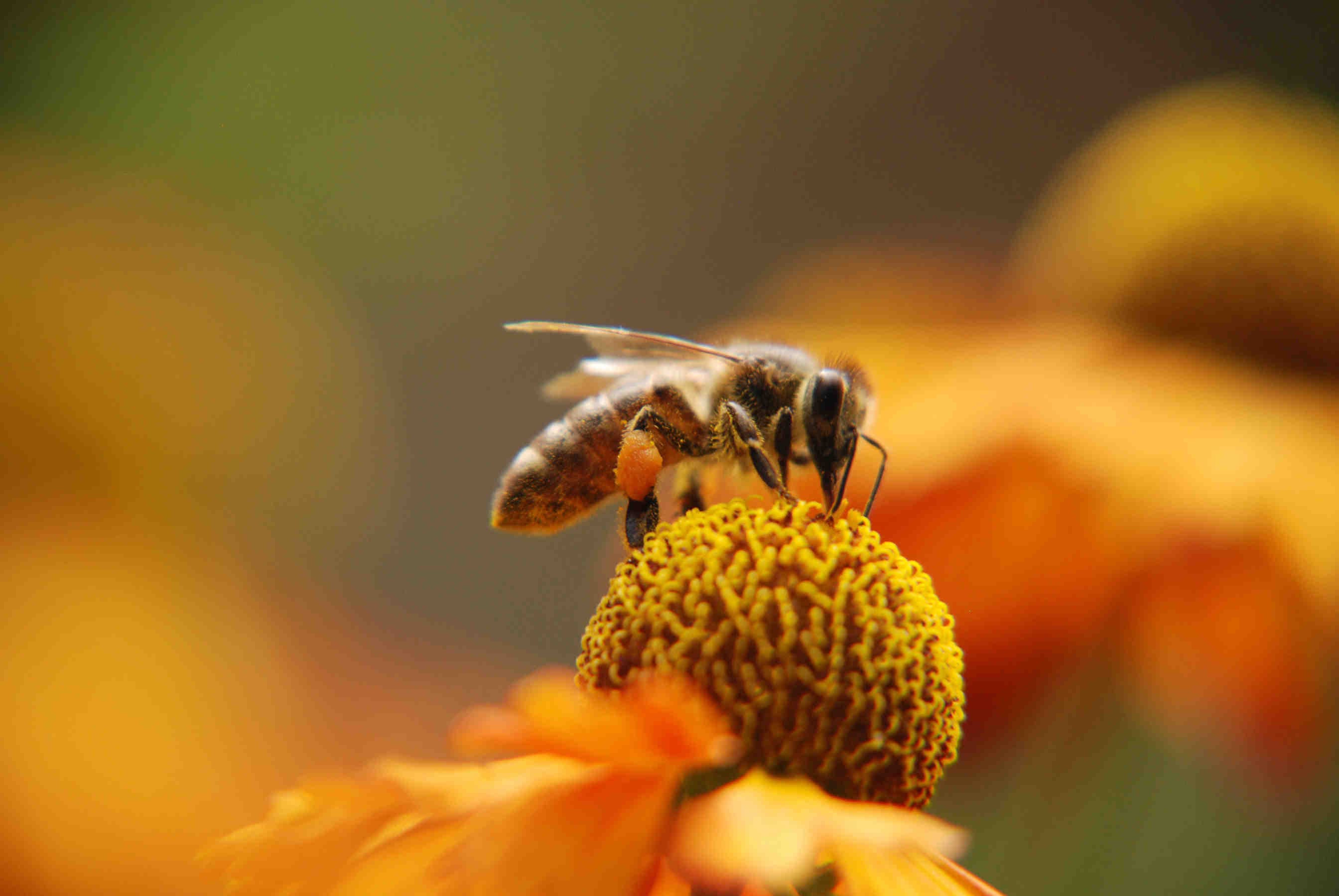
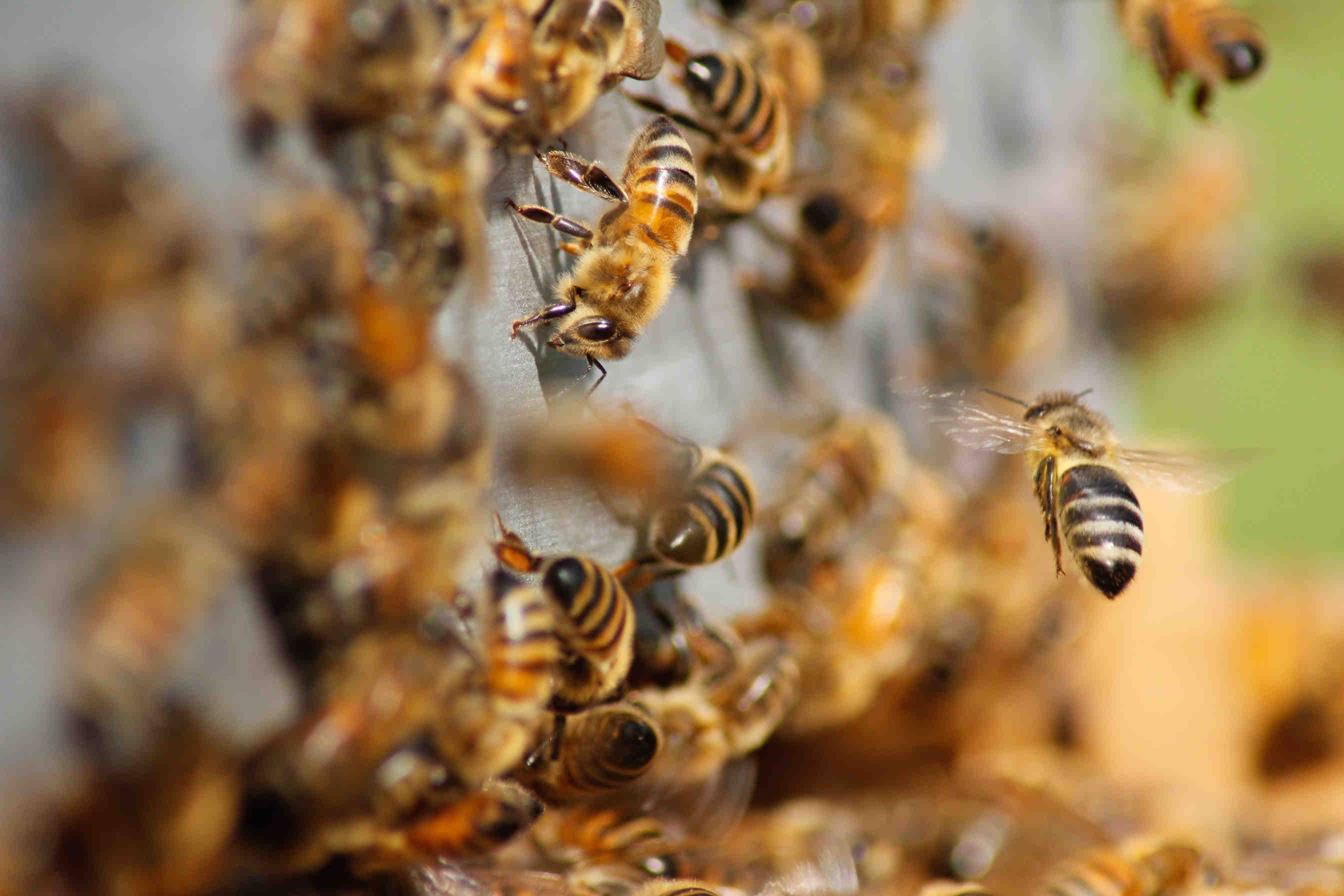
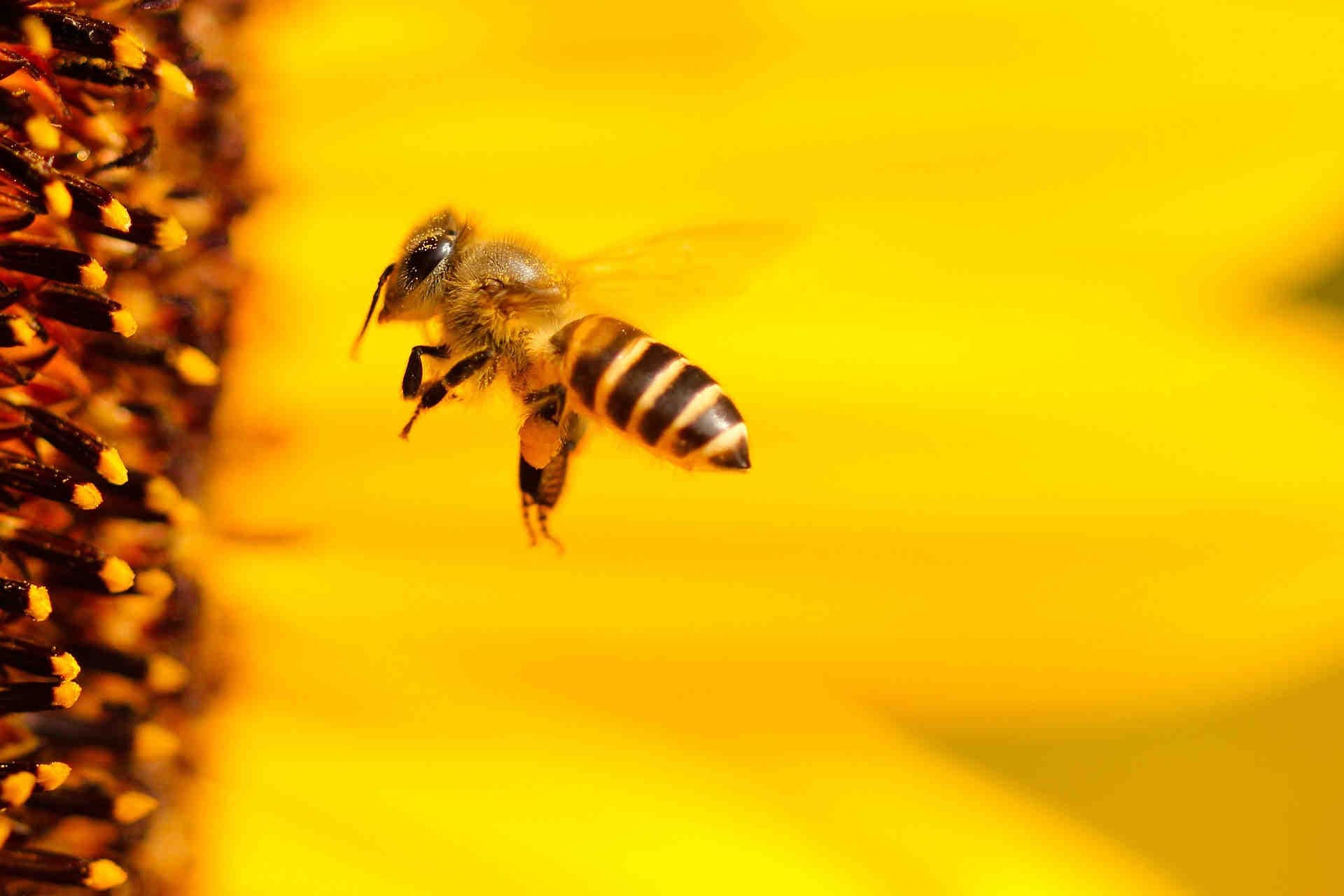
    Our survival depends on biodiversity. Yet it is precisely human activities (pesticide use, deforestation, urbanisation, etc.) that compromise the health of ecosystems. The Wildlife Conservation Society estimates that human impacts have grown faster in recent years than at any time in the previous 12,000 years. Among the most threatened species are bees and pollinators. Over a third of food for human use would not exist without pollinators (bees, butterflies and flies etc.). In particular, thebees are responsible for 75% of food crops and 90% of wild plants. We cannot take the risk of losing them. It is time for governments to take note and make a serious commitment to decisive action. We hope that COP15 is only the beginning of a path towards a more sustainable future.
    ape con girasole
    3Bee

    3Bee's expectations

    3Bee's mission is to protect and regenerate biodiversity through the help of technology. It is important to understand how ecosystems are all interconnected. Niccolò Calandri, CEO of 3Bee, shared the team's vision and thoughts on this sensitive issue and fundamental international political appointment: "COP15 will have the important objective of defining guidelines for the protection of biodiversity. Currently, planting and Co2 generation policies have created the market for fish and ambiguity. Precise rules are needed to prevent companies from stumbling intogreenwashing communications about biodiversity protection and carbon credits (as happens now in too high a % of cases)."

    3Bee's expectations
    13/12/2022Of 3Bee, Elena Fraccaro
    199 Views
    Newsletter
    newsletter
    Subscribe to the Blog about bees and biodiversity