COP27 and bees: where do we stand?
    ExpectationsThe PastApiBackground

    COP27 and bees: where do we stand?

    A real commitment to climate change and biodiversity protection can be expected from the 197 countries gathered in Egypt for COP27. The up and down trend in the implementation of the Paris Agreement, however, does not bode well. Time will tell, but bees have little time.

    Read the article
    15/11/2022Of 3Bee, Elena Fraccaro
    209 Views
    15/11/2022Of 3Bee, Elena Fraccaro
    209 Views

    What can we expect from COP27?

    "I deeply believe that COP27 is an opportunity to show unity against an existential threat that we can only overcome through concerted action and effective implementation." These are the words of Abdel Fattah Al Sisi - the Egyptian President - on COP27. From the English 'Conference Of Parties', COP27 is the United Nations Conference on Climate Change now in its 27th year and started on 6 November 2022 in Sharm el-Sheikh. By 'existential threat' Abdel Fattah Al Sisi refers, of course, to climate change and the catastrophic effects this has (and will increasingly have) on our Planet and all of us. The solution? Act now. Among the much needed and ambitious goals of COP27 are the need to accelerate global climate action through emission reductions, the need to adapt to the changes already taking place and the need to protect biodiversity.
    Sostenibilità 3Bee

    But where were we?

    In 2021, COP26 was held in Glasgow. On that occasion, the United Nations renewed its commitment to fulfilling what was signed in 2015 in the Paris Agreement, an agreement that none of the countries - with the sole exception of The Gambia - has put into practice. The most challenging goal is, once again, to reduce the use of and dependence on fossil fuels (oil, coal and gas), in order to keep the temperature increase within +1.5°C. COP27 comes to life precisely because of the negative effects that continued non-compliance with these agreements could cause, first and foremost the loss of biodiversity. According to research published in Nature, 15% of animal and plant species are at risk of extinction by 2100. We can only hope, therefore, that on 16 November - the day on which the work of COP27 will focus on biodiversity - the UN will decide to take drastic measures to limit the impact of climate change on ecosystems.

    estrattore di petrolio
    XNatura

    COP27 and climate change: what do bees have to do with it?

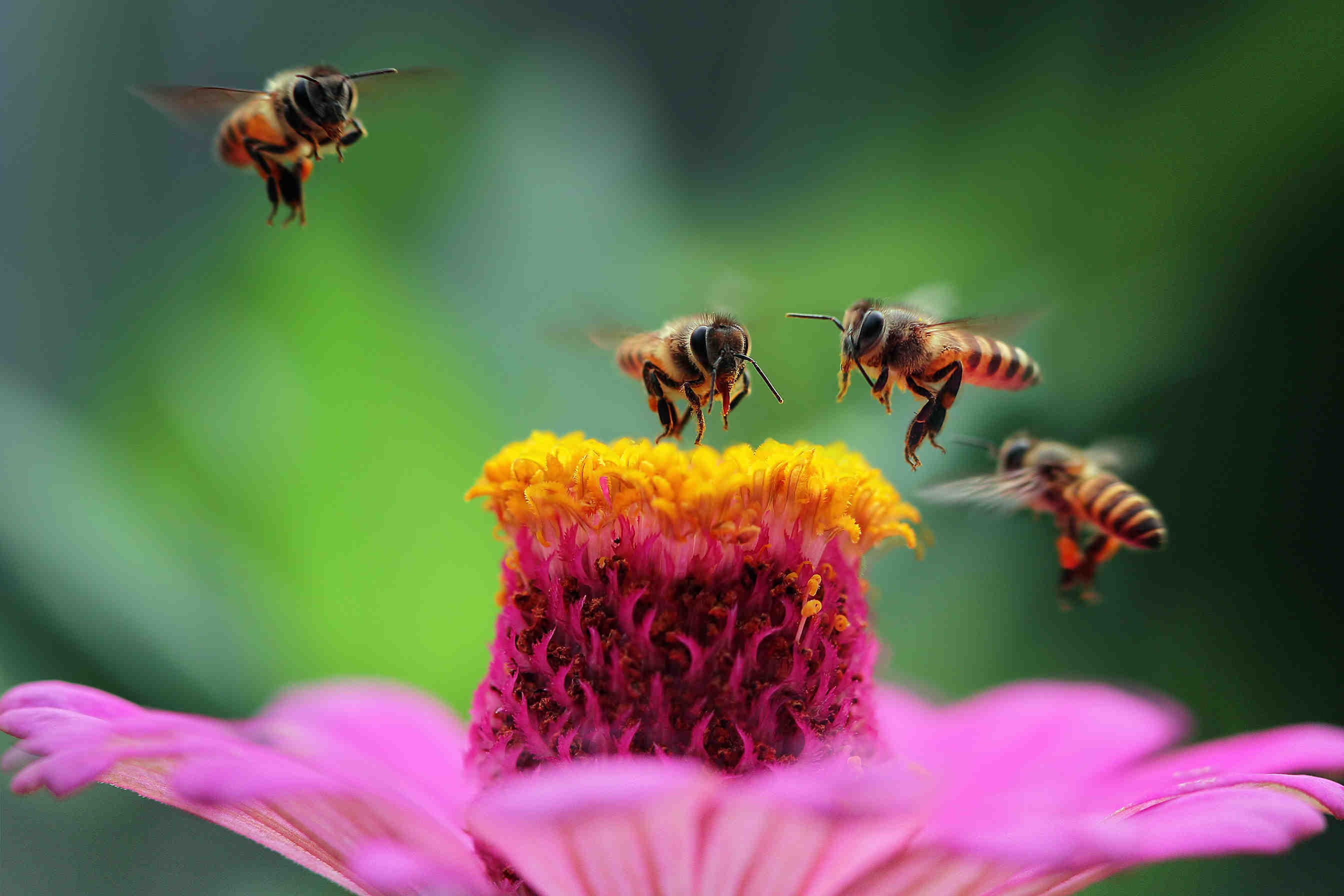
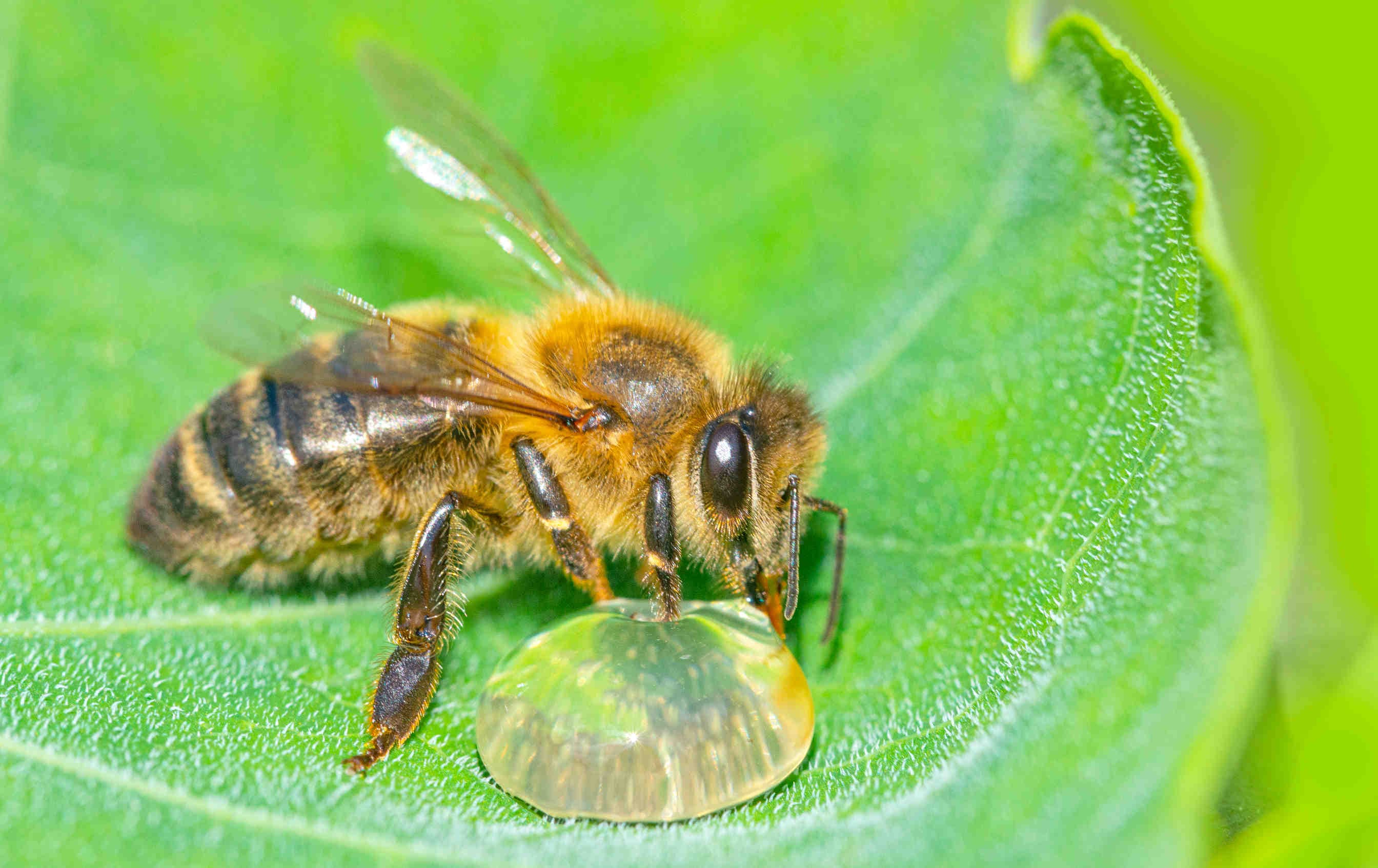
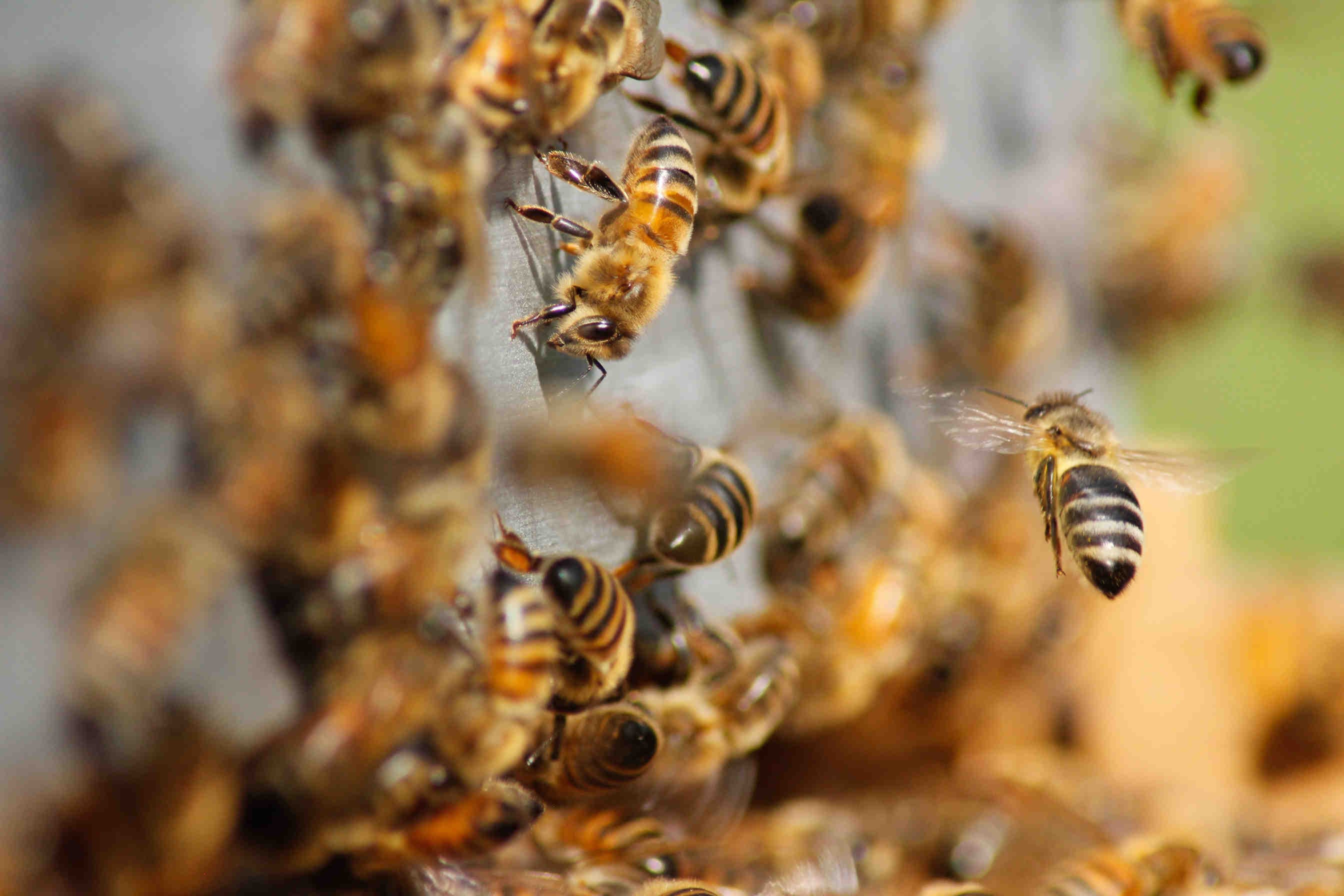
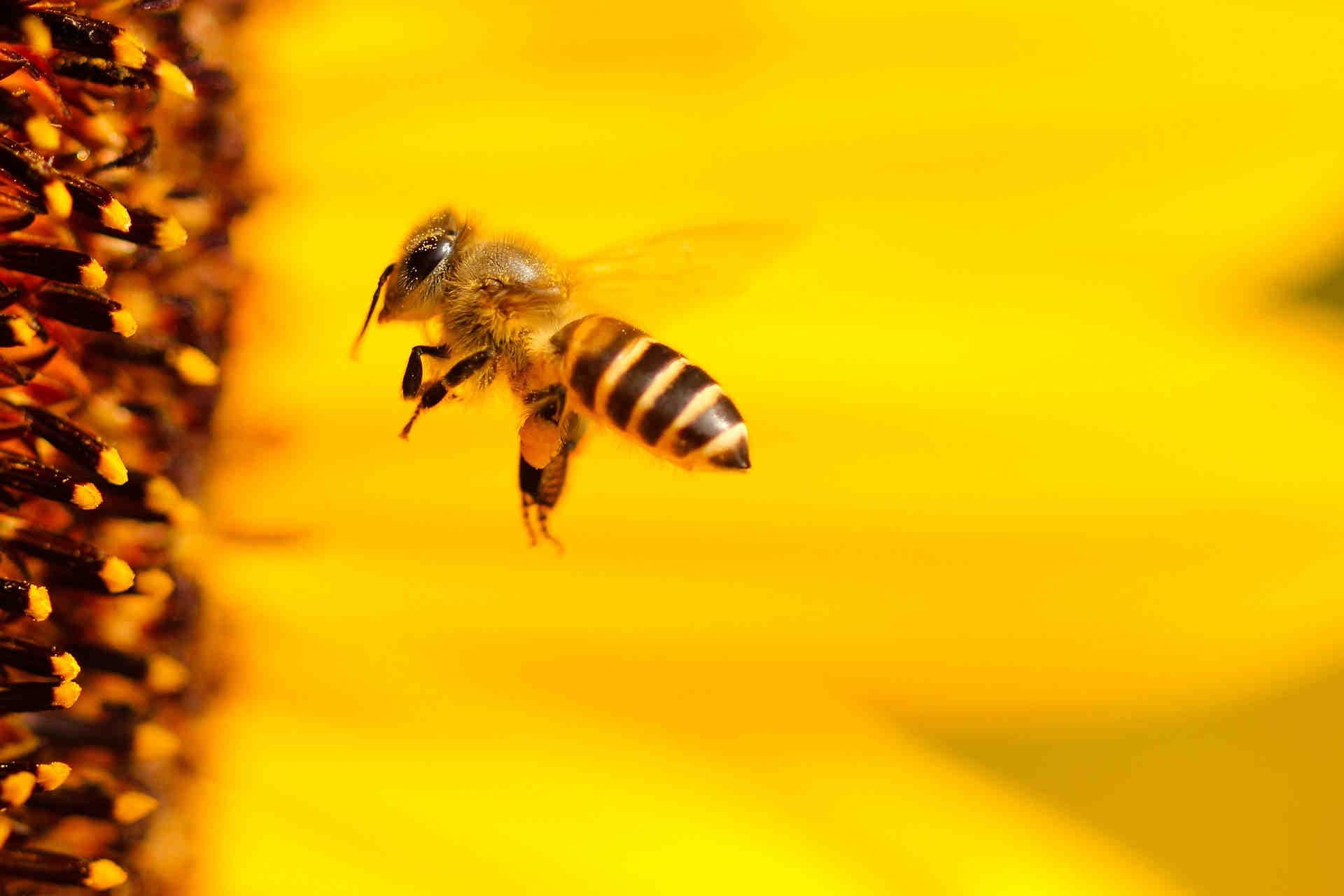
    We know: our survival and that of most ecosystems on planet Earth depends on bees. Suffice it to say that 35% of global food production depends on their pollination work. Unfortunately, bees and pollinators in general are among the species most threatened by climate change. This has been known for some time now. The number of bees has declined dramatically in recent years and, in Europe alone, their population has halved in 30 years. And the FAO estimates that 40 per cent of pollinators - mostly bees and butterflies - are threatened with extinction in the coming decades, due in part to the reckless use of pesticides and extensive farming. This explains, in short, why bees should be at the centre of any environmental protection programme. There is no way to stem the effects of climate change without putting in place real bee protection actions..

    Ape con goccia 3Bee

    COP27 and bees: the premises are there

    As anticipated, the discussion of the impacts of climate change on biodiversity is a crucial item on the COP27 agenda (and we'd better be there!). We know that the latest scientific evidence on the worrying relationship between climate change and biodiversity will be presented. In the face of these facts, world leaders will have to discuss the means and actions that, on a global level, can slow down the impacts of climate change and pollution, but also - and above all - halt the loss of biodiversity. It has been stated that the goal of the meeting (to be fair, the word used on the official conference programme is not "goal", but "hope") is to address the biodiversity and climate crisis and to focus on the urgency and scope of actions by policymakers, institutions and all stakeholders.
    Api 3Bee
    XNatura

    ... but will words be followed by deeds?

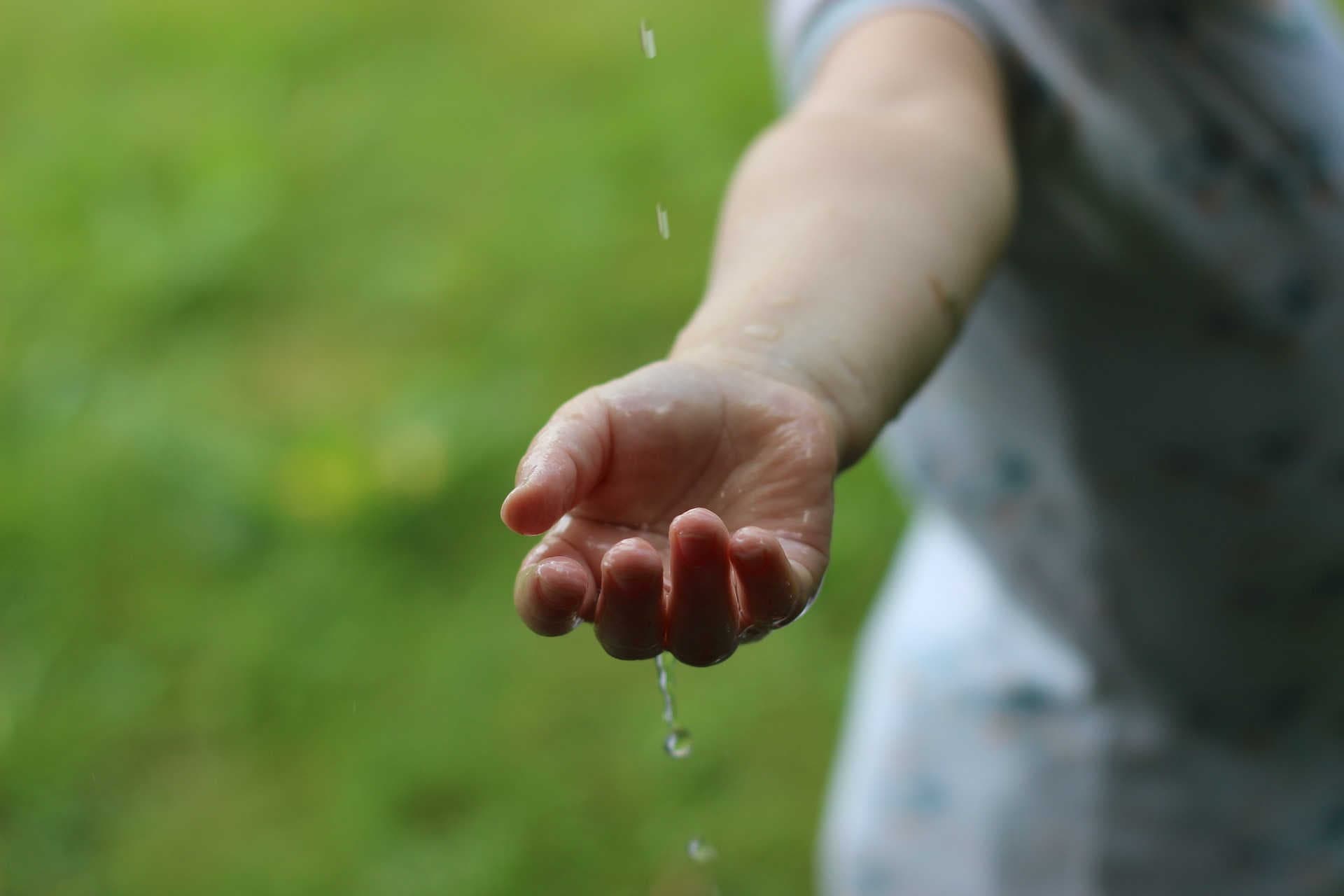
    The premises are there. Certainly at COP27, the necessary actions will be determined to ensure the protection of biodiversity and the climate. But the question we cannot help but ask ourselves is: will words be followed by deeds or will it all remain a 'hope'? The slow and unsuccessful implementation of existing agreements makes us fear that, once again, other interests will take over. If we continue to ignore the alarming signs coming from everywhere - for example, while in the summer of 2022 Europe was being brought to its knees by the worst drought in 500 years, Pakistan was being ravaged by floods - at some point we will not be able to make up for the mistakes we have made. Bees and our planet have very little time left before we reach the point of no return. As we write this article, humanity still has 6 years, 253 days, 6 hours and 10 minutes to act. And, you know, time flies (for the countdown click here)
    Siccità
    3Bee

    UN commitment to bees does not start with COP27

    We have seen what attention will be paid to bees during COP27. But the UN's commitment does not start here, in 2022. In 2015, 193 UN member countries put their concern about biodiversity loss on paper. Not that they hadn't done so before - in '92, in Rio de Janeiro, world leaders agreed for the first time on a global sustainable development strategy - but in 2015 they signed up to the 2030 Agenda, a programme encompassing 17 Sustainable Development Goals to be achieved by 2030. The goal dedicated to biodiversity is number 15, "Protect, restore and promote the sustainable use of the Earth's ecosystem", and includes reducing the degradation of natural environments, halting the destruction of biodiversity and, by 2020, protecting endangered species. Unfortunately, due to the pandemic, the war in Ukraine and other interests, we are still far from this.
    Ape 3Bee
    15/11/2022Of 3Bee, Elena Fraccaro
    209 Views
    Newsletter
    newsletter
    Subscribe to the Blog about bees and biodiversity