Climate Change's Impact on UK Migratory Birds
    OverviewBirds in the UKDepartureClimate change

    Climate Change's Impact on UK Migratory Birds

    11th May 2024 marked “World Migratory Bird Day”, the annual event dedicated to raising awareness about the conservation of migratory birds and their habitats. This year’s theme “insects”, aims to highlight the important relationship between migratory birds and insects.

    Read the article
    04/06/2024Of 3Bee, Navodi Kuruppu
    666 Views
    04/06/2024Of 3Bee, Navodi Kuruppu
    666 Views

    Overview

    Beside the shifts in temperatures and the life cycles of leaves on trees, the changing seasons are also signalled by the arrival of migratory birds. Bird migration refers to the regular, seasonal movements of birds between different geographical locations. These movements are typically driven by the availability of resources at the destinations, including food, mates and nest sites. The seasonality of the northern summer, with its regular cycles in plant growth and invertebrate abundance, has led to largely predictable patterns of bird migration. Spring migration brings birds to their breeding grounds, timed so that their chicks hatch when food is most abundant.
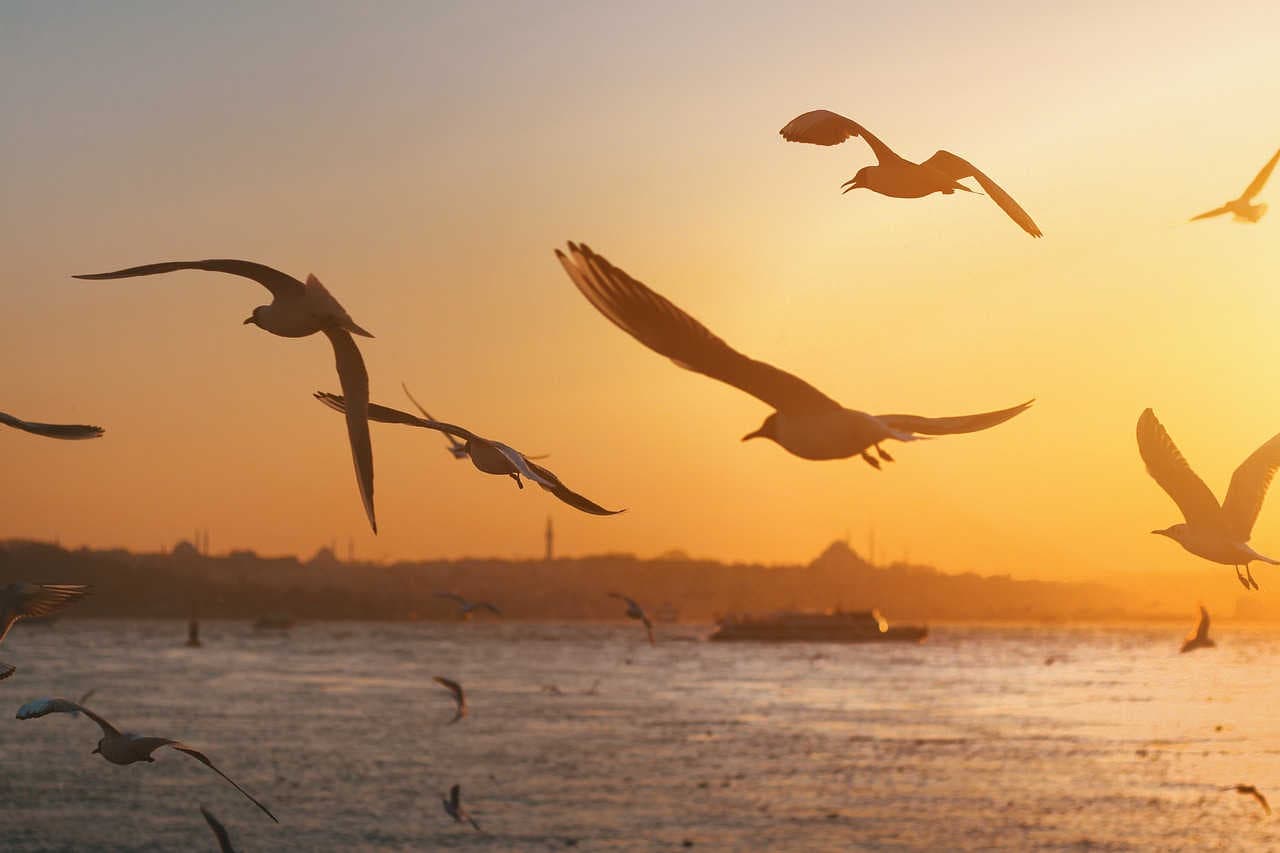
    Seagulls flying

    Bird migration in the UK

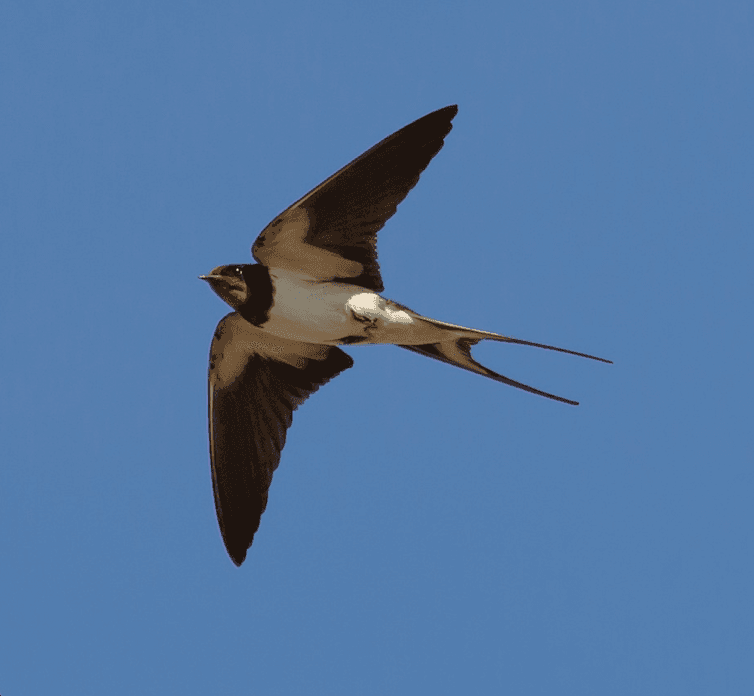
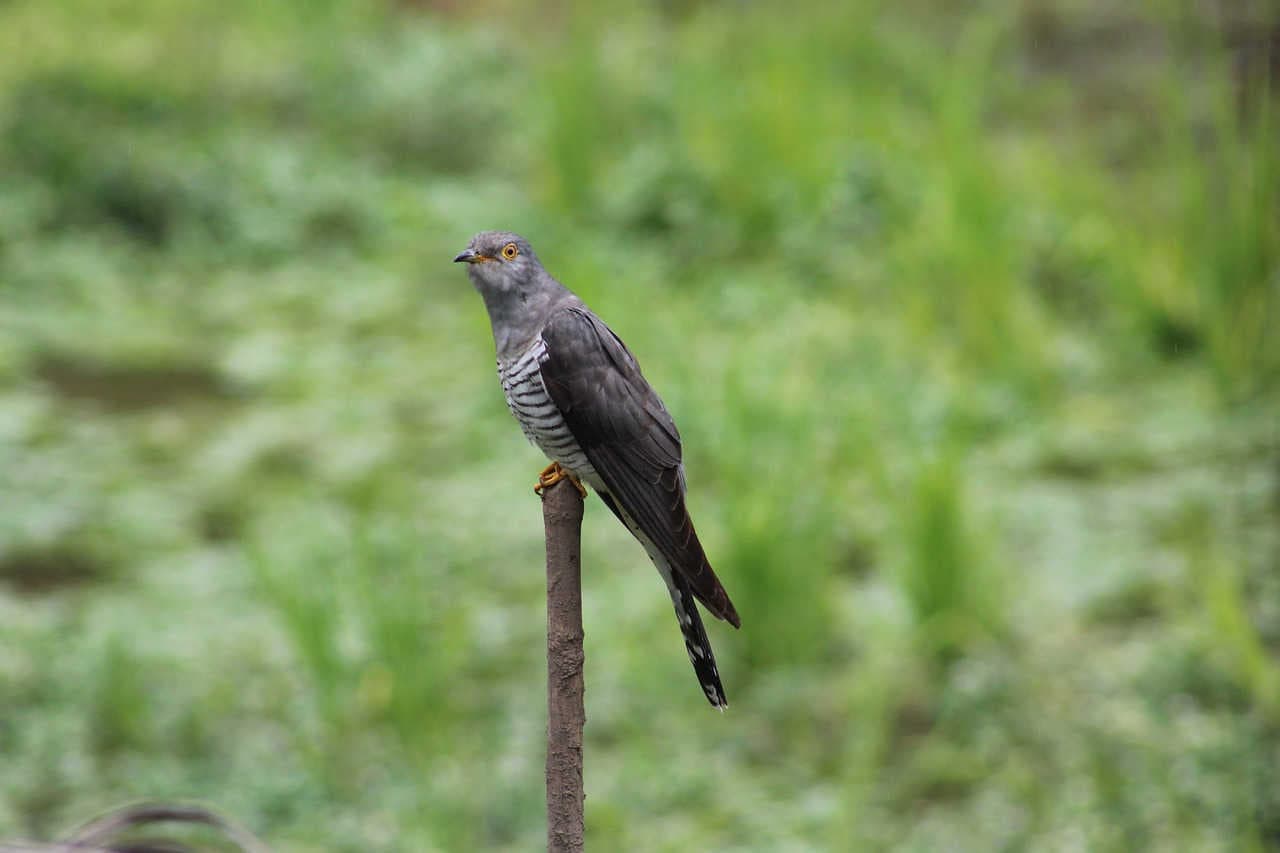
    In the UK, bird migration peaks during the spring, with the arrival of summer visitors like Swifts and Cuckoos. The following surge takes place again in the autumn, when waders, wildfowl and a whole host of other winter visitors return, and summer visitors take their leave. Birds use a wide range of techniques to navigate. They use physical landmarks such as rivers, coastlines and mountains. They also navigate using the sun, the stars, the Earth’s magnetic field, their sense of smell, or even just by following other birds’ routes. Among the best-known migrating birds are Swallows, a species that covers very long distances. Additionally, the Blackbirds, that can often be spotted in a home garden in January, may well be winter visitors from northern Europe. Many of the birds that can be observed in the UK breed in the far north. In these regions, birds find environments that are relatively predator-free, including boreal forests, and the expansive tundra.

    A cuckoo sitting on a wooden pole
    XNatura

    Departure process

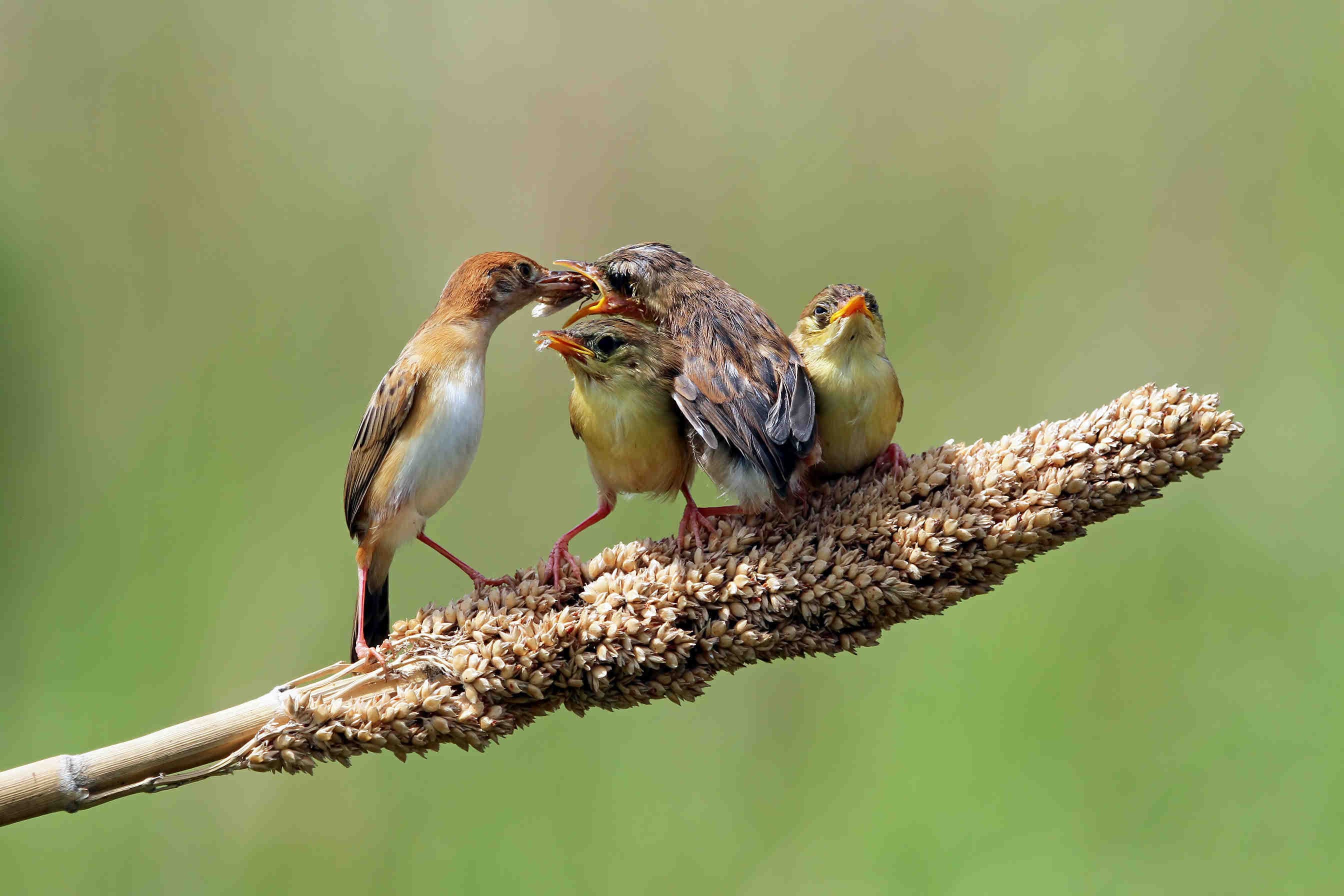
    When departing from their origin sites, birds are unaware of conditions on their breeding grounds or the exact time to set off for migration. Instead, their departure time is likely regulated by an innate mechanism. Evidence indicates the existence of an internal clock, which manifests itself in migratory restlessness (also called zugunruhe) in captive birds during the period when their wild counterparts would be migrating. Among the several adaptation mechanisms, pre-departure fuelling is one that aids long-distance migrants. During this process, the size of internal organs may be altered, where flight muscles and heart increase in size, while stomach, liver and intestine shrink. For instance, an 18g garden warbler can more than double its weight to 37g before departure. During the journey the warbler may lose 3–3.5g for every 1,000km travelled, burning off fat and protein, the latter primarily from the digestive tract but also the liver and leg muscles.
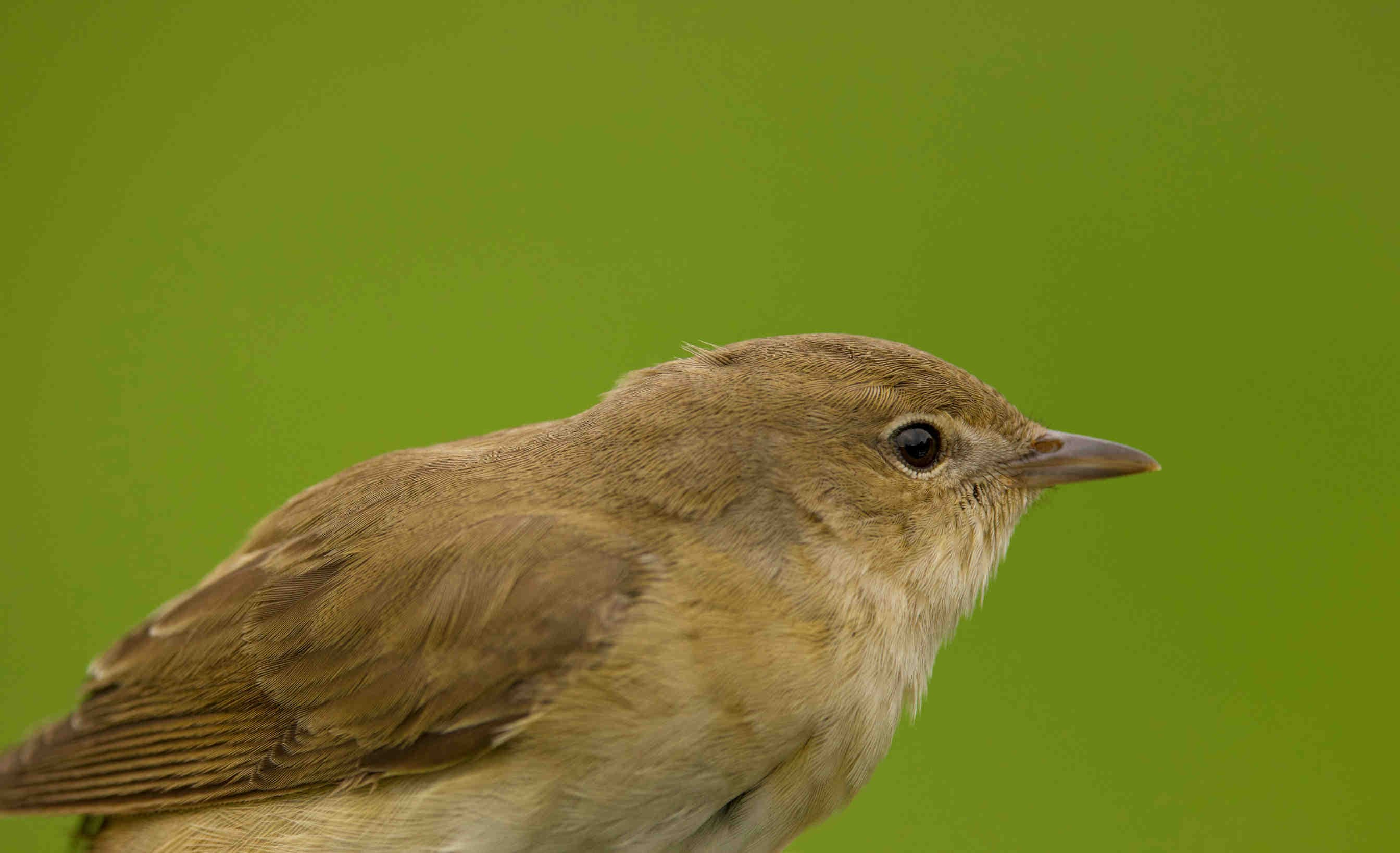
    A garden warbler

    The impact of climate change

    With migratory bird populations declining widely around the world, these types of birds may be particularly exposed to the effects of climate change. An increasing body of research demonstrates the impacts of climate change on bird species around the world, revealing various outcomes. For example, the timing of bird breeding and of migration have both become earlier, averaging a change of one to three days per decade. In terms of space, climate change is driving a consistent poleward shift in the species distribution with an average of 17 km per decade. Bird species are experiencing a rate of change exceeding 11km per decade. Also, populations of long-distance migrants are influenced by weather conditions of origin and destination locations.

    there is no planet b sign
    XNatura

    Present-day status

    According to the British Trust for Ornithology, since 1970, the number of wild birds in Britain has fallen by 73 million. Scientists have expressed their concerns regarding birds, who appear to be struggling to adjust their internal clocks and cope with the changes in the seasons. The BBC has also reported that approximately 50% of Britain’s bird species are in decline, due to depletion of nature, ranging from loss of meadows, hedgerows, and other natural habitats’ degradation and the use of pesticides. Additionally, cuckoos’ populations are in “free fall” in the UK due to wildlife’s struggling to cope with a variety of pressures.

    birds
    3Bee

    UK government policies

    The UK government has a set of policies in place for protecting and promoting animal welfare, including birds. The 1954 Protection of Birds acts states that anyone killing or injuring a wild bird or takes or damages a nest or an egg of a wild bird is guilty of an offense and is liable to a special penalty. Also, birds are classified under Special Protections Areas (SPAs), providing additional safeguards for their habitats. However, no specific policies have been found on addressing climate change’s impact on birds. The RSPB and other nature charities have raised concerns over current UK government plans, which involve relaxing planning laws in investment zones around England. This means abandoning a scheme that rewards farmers for protecting wildlife. Also, Carbon Pulse reported that UK environmental watchdogs have announced investigations into governments across the UK for possible failures to comply with bird protection laws and to implement recommendations from public bodies.

    Sign of Downing Street

    The role of pesticides

    The high use of pesticides and fertilisers is another cause of the shrinking of bird populations in Britain. Data was gathered by the RSPB from a study examining the responses of 170 bird species to major human-induce pressure, such as climate and land use changes. Data was collected and analysed from 20 000 monitoring sites across 28 countries, including the UK, over a period of 37 years. It has been recorded that between 1980 and 2016, common bird species in Europe declined in abundance of around -25.4%. One of the study’s key findings is the negative effects brought by modern intensive farming practices on bird species across Europe. It was discovered that intensification, which is measured by the high use of pesticides and fertilisers, has caused the decline of Swifts, Yellow Wagtails, Spotted Flycatchers. These are types of bird populations that rely on invertebrates for food, highlighting the importance of insects within the ecosystem.
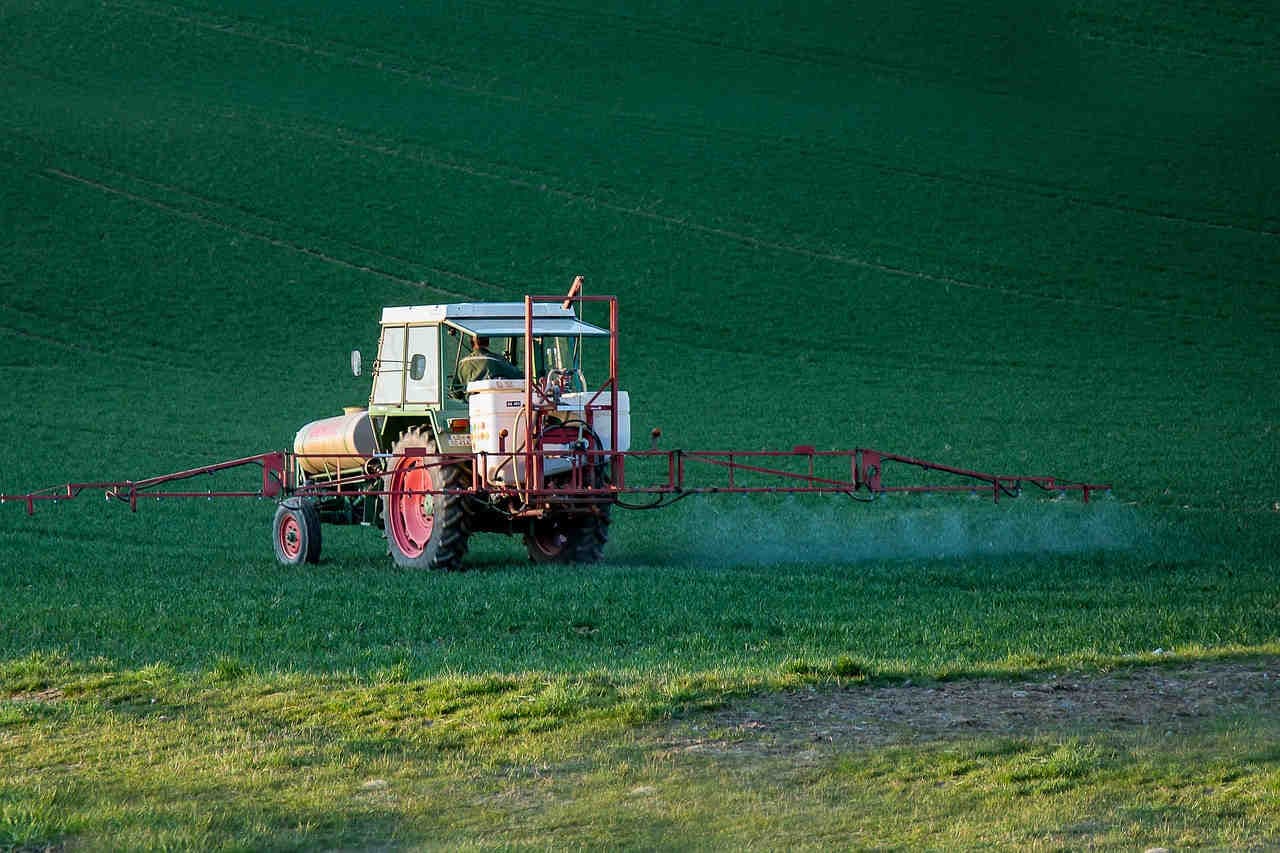
    Spray mist of pesticides

    The future ahead

    World Migratory Bird Day served as an occasion to learn about the complex journeys of migratory birds in Britain, explore the where and how, and the important role they play in the ecosystem. However, the declining numbers of birds and anomalies around their migratory patterns indicate a pressing need for further action. Despite the alarming situation, the UK government is falling short in addressing the problem. To fix this, it is essential for governments to bring targeted interventions through policy change. Conservation efforts must prioritise maintaining habitats and reducing anthropogenic action to ensure the survival and well-being of migratory birds and biodiversity.
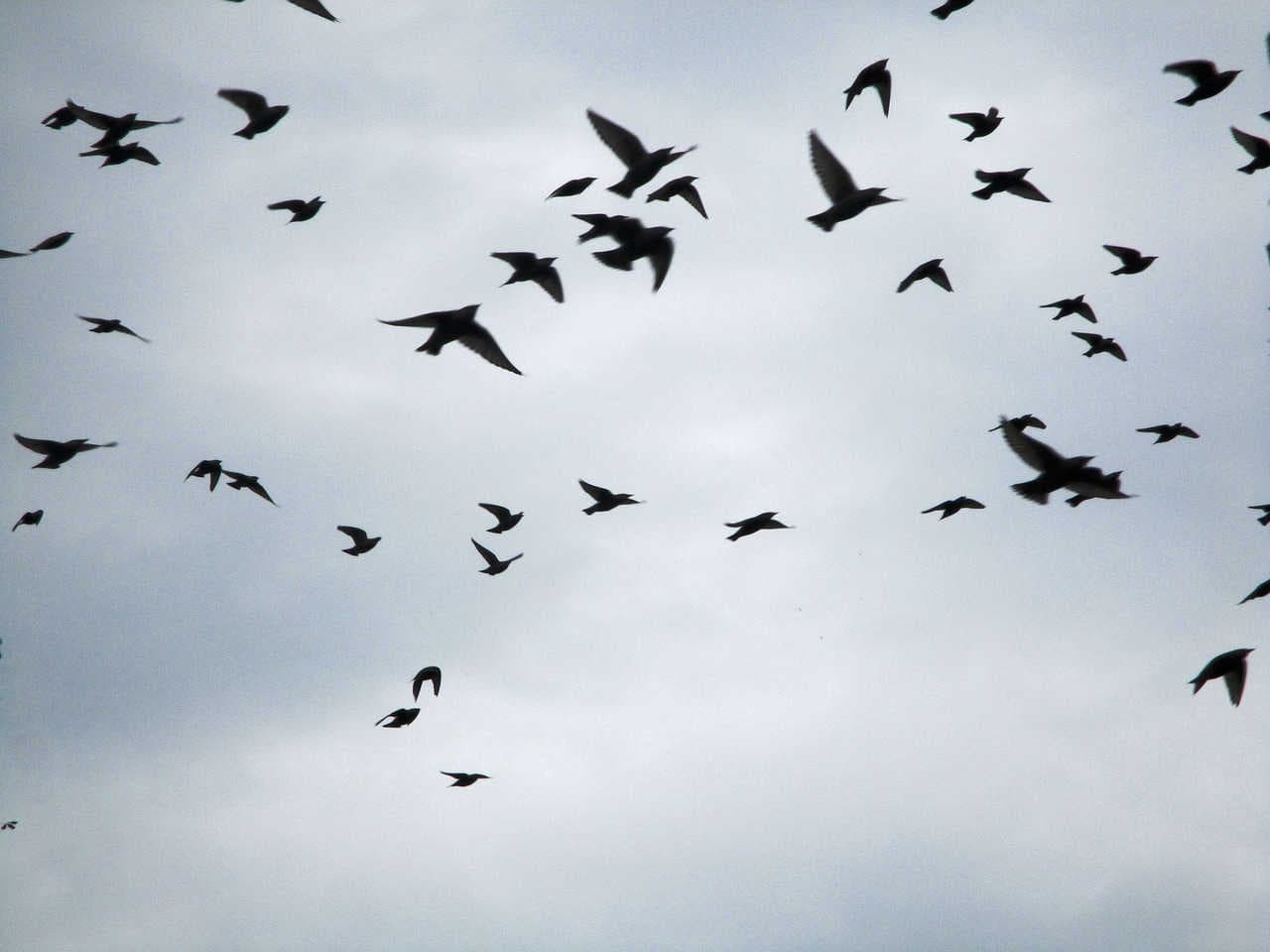
    Birds flocks
    04/06/2024Of 3Bee, Navodi Kuruppu
    666 Views
    Newsletter
    newsletter
    Subscribe to the Blog about bees and biodiversity

    Frequently Asked Questions

    Do you have any doubts or other curiosities about this article? Here you will find some insights