Carbon credits: what they are, advantages and criticalities
    impactmarketscreditiadvantages

    Carbon credits: what they are, advantages and criticalities

    How does the carbon credit system work? Find out in this article about emission reduction and offsetting credits, what the advantages and critical issues are. Learn more with Pills from the Oasis, 3Bee's Digital Academy for Sustainability Professionals.

    Read the article
    15/08/2023Of 3Bee, Elena Fraccaro
    2722 Views
    15/08/2023Of 3Bee, Elena Fraccaro
    2722 Views

    From impact measurement to claims

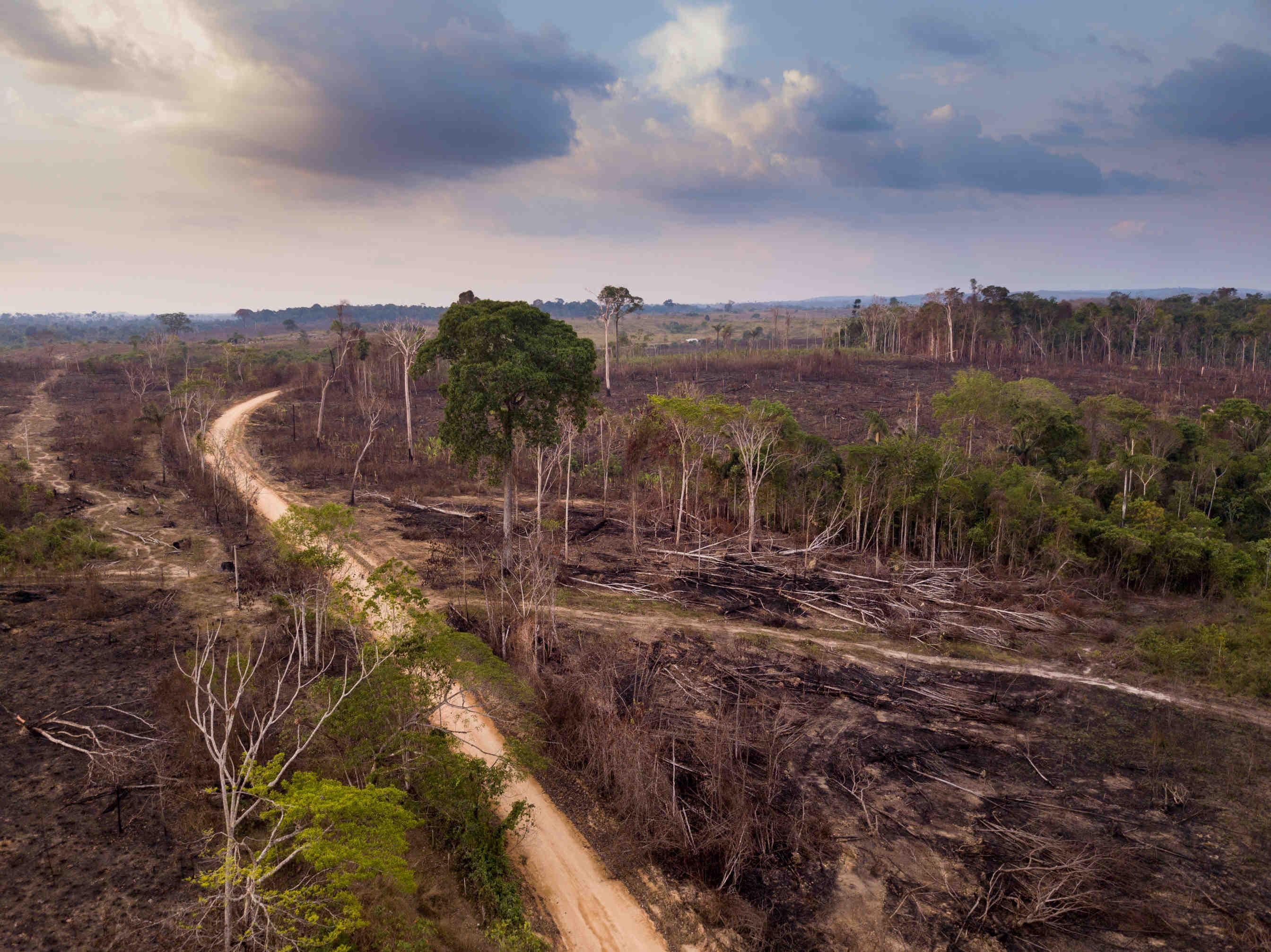
    Measuring impacts is the first fundamental step every organisation must take within its sustainability strategy. Measuring impacts allows one to understand which areas are most responsible for environmental damage and to identify targeted actions to mitigate these impacts. There are, however, impacts (a certain level of emissions, a certain amount of biodiversity affected or water withdrawn) that are intrinsic to the nature of business, and for this reason cannot be cancelled or reduced further. This is where credits come into play: the most common are the carbon credits.

    impatto crediti

    Carbon credits and markets

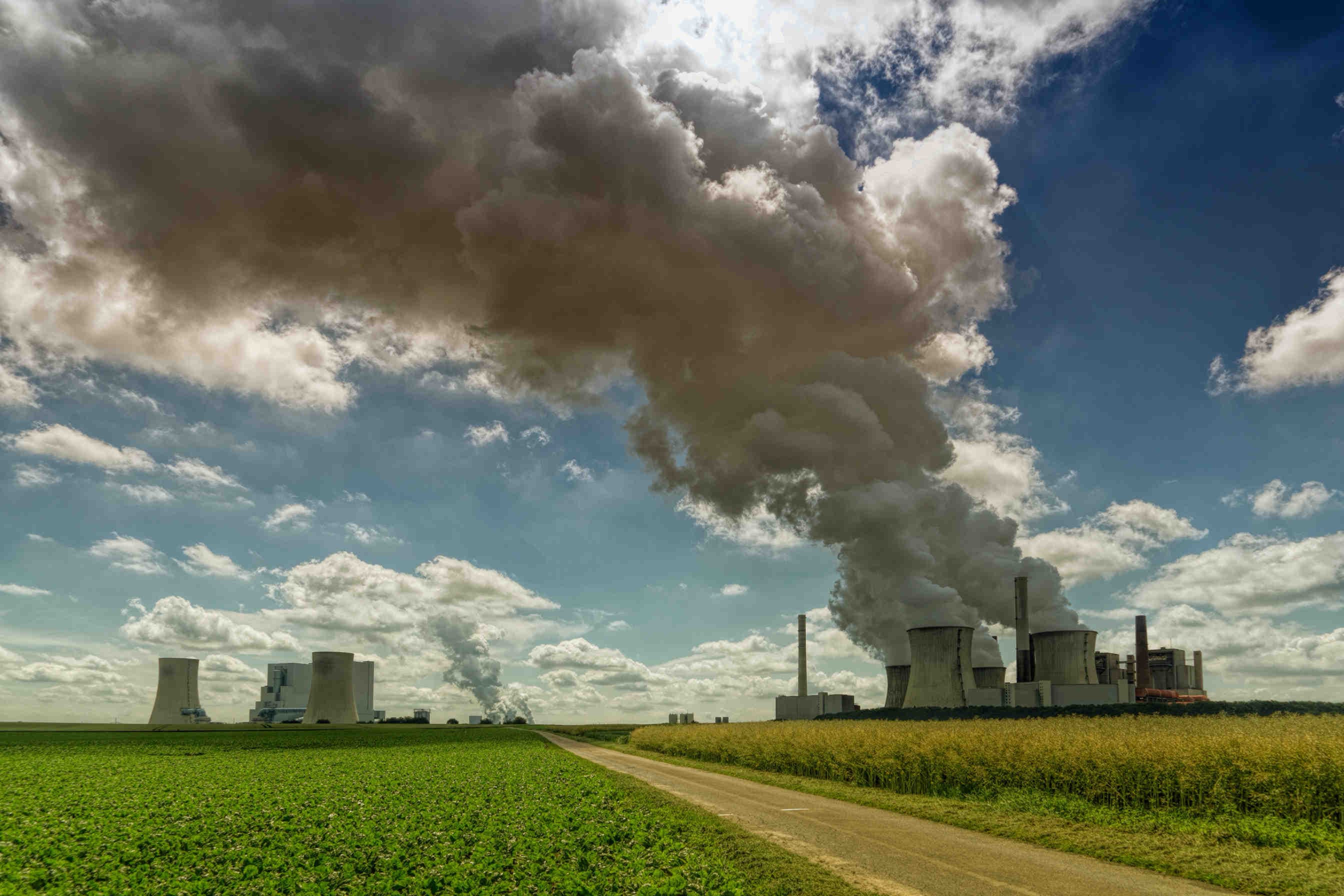
    A carbon credit is a tradable certificate, equivalent to one tonne of CO2 not emitted or absorbed as a result of an environmental protection project carried out with the aim of reducing global emissions of CO2 and other greenhouse gases. Carbon credits are traded within two types of markets: voluntary markets and mandatory markets. The voluntary market is a market where organisations and individuals can voluntarily buy and sell carbon credits to offset their greenhouse gas emissions. This market is separate from the mandatory carbon credit market, which involves joining a system of limitation and trading of emissions (e.g., the European Emissions Trading Scheme, ETS), in which large companies from particularly polluting sectors, such as steel mills, CHP plants, refineries, chemical industries, operate.

    crediti di carbonio mercati
    XNatura

    Emission reduction and offset credits

    Another distinction between carbon credits is that between emission reduction credits and emission offset credits. The Emission Reduction Credits represent an actual reduction in greenhouse gas emissions compared to a baseline activity because they are generated by projects that implement actual actions to reduce emissions, such as energy efficiency improvement projects. Emission Offset Credits, also known as "offsets", are credits that are purchased to compensate for unreduced GHG emissions directly from a specific organisation or activity. CCEs are generated by projects that absorb or remove carbon dioxide (CO2) from the atmosphere or reduce emissions of other greenhouse gases in order to offset emissions produced elsewhere. By purchasing CCEs, companies can offset part or all of their greenhouse gas emissions, contributing to climate balance.

    crediti di riduzione e compensazione

    The benefits of carbon credits

    Carbon credits bring with them significant benefits in several areas. In terms of climate action, they allow companies to offset greenhouse gas emissions, providing an incentive to reduce emissions through sustainable projects. The conservation of biodiversity is another potential benefit of carbon credits. Projects that aim at forest protection or sustainable land management can preserve critical habitats, animal and plant species, and promote ecosystem services. Carbon credits can also play a role in financing sustainable projects. Through the sale of carbon credits, emission reduction projects can receive funding that supports the development of clean technologies and low-carbon practices. This contributes to the promotion of sustainable development models and the achievement of long-term sustainability goals.

    vantaggi crediti di carbonio
    XNatura

    The criticality of carbon credits

    Among the criticisms associated with the use of carbon credits is the risk of greenwashing: some companies might use carbon credits as a marketing tool without a real commitment to reducing emissions. It is therefore important to adopt uniform standards and strict certification criteria to ensure transparency. To date, there are different standards and certification initiatives, which makes it difficult to assess the quality and effectiveness of carbon credits. Finally, quantifying the actual benefits can be complex. Accurately measuring the actual emission reductions and environmental impacts of carbon credit projects can be a challenge and lead to an incorrect quantification of the benefit actually generated. Addressing these critical issues requires the adoption of uniform standards, the promotion of transparency and the establishment of effective regulatory mechanisms in the credit market.

    criticità crediti di carbonio
    3Bee

    Pills from the Oasis - 3Bee's Digital Academy

    What are carbon credits? What are the advantages and critical issues associated with their use? How does the market of credits work? To answer these questions, and more, we launched the project Pillole dall'Oasi: la Digital Academy by 3Bee for Sustainability Professionals, realised in collaboration with Neutralia and Italian Tech Academy. A course composed of 12 modules dedicated to training on topics related to business sustainability, with the involvement of 23 experts from the world of research, innovation, business and finance. An opportunity not only for training, but to join an exclusive community to receive monthly updates on news from the world of sustainability. Do you want to make your commitment to protecting the environment tangible and ensure the best training for your employees?

    15/08/2023Of 3Bee, Elena Fraccaro
    2722 Views
    Newsletter
    newsletter
    Subscribe to the Blog about bees and biodiversity

    Frequently Asked Questions

    Do you have any doubts or other curiosities about this article? Here you will find some insights