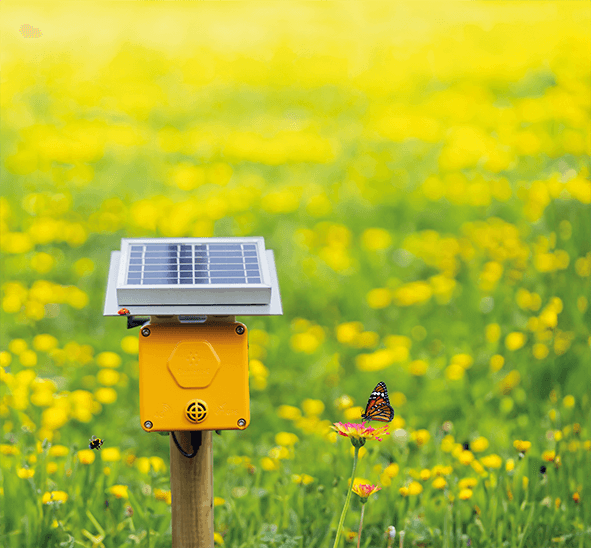
Bobsleigh track in Cortina: the impact on biodiversity
    Bob's trackLarchesBiodiversityEcosystem

    Bobsleigh track in Cortina: the impact on biodiversity

    What is the environmental impact of the construction of the bobsleigh track in Cortina, ahead of the 2026 Olympics? Find out in this article what the consequences on biodiversity are and how an analysis is conducted in this area, thanks to technology.

    Read the article
    28/03/2024Of 3Bee, Lisa Santillo
    629 Views
    28/03/2024Of 3Bee, Lisa Santillo
    629 Views

    The bobsleigh track in Cortina and the larch tree cutting

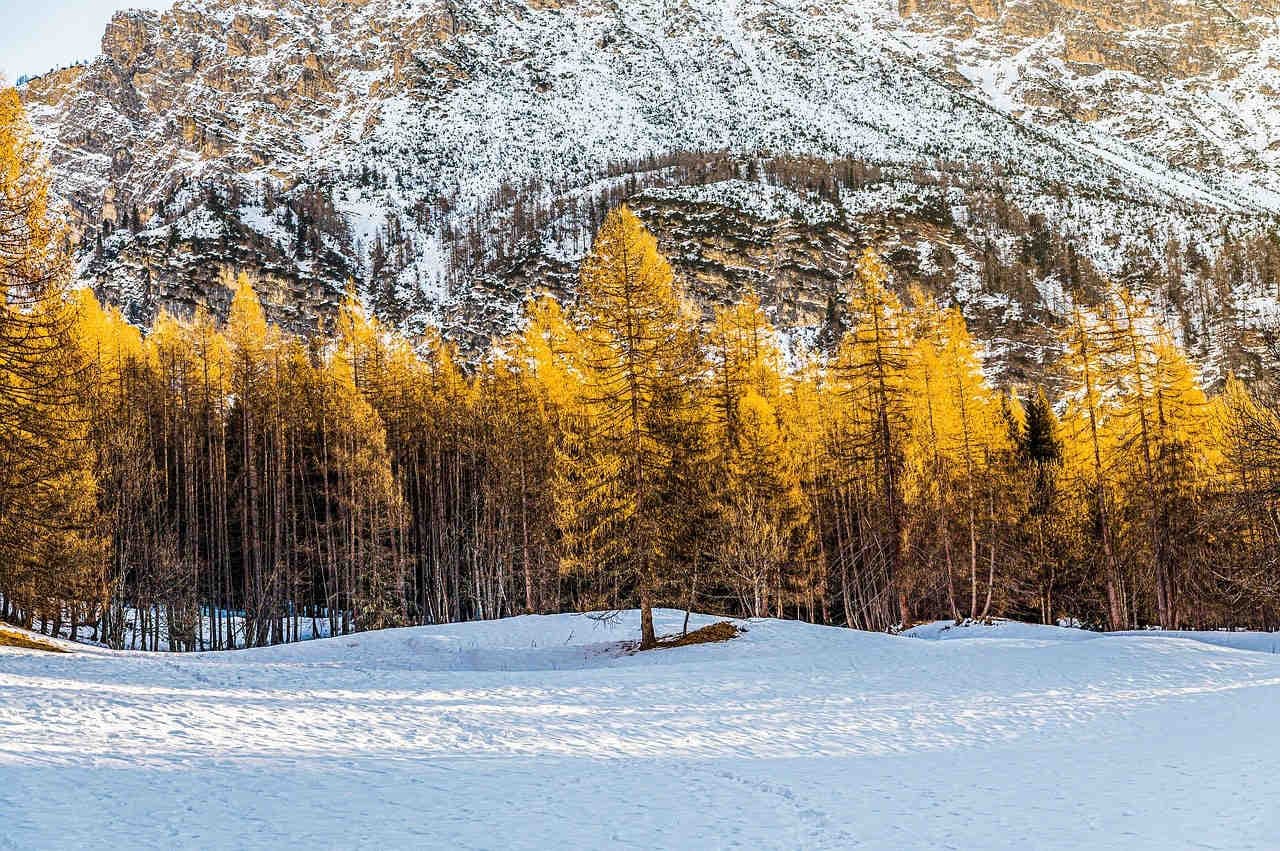
    On 22 February, work began on the new Sliding Centre in Cortina, ahead of the Winter Olympics 2026. Here, a runway will be built, which will host skeleton, luge and bob competitions. In the locality of Ronco, between 500 and 600 centuries-old larches have therefore been felled, which has caused a stir not only among environmentalists. On social media, the councillor of Europa Verde of the Veneto Region Cristina Guarda, expressed her concern about the success and sustainability of the plant, stating "this larch grove is more than 2000 years old, but it is worth less than a temporary bobsleigh track". But what is the ecological damage of this project?
    larici

    The role of larches and the benefits for biodiversity

    Generally, one considers the ability of trees to absorb CO2 as their main environmental contribution. This view, however, greatly reduces the broad spectrum of ecosystem services provided by plants, whether trees or shrubs. Among these benefits, the larice plays a fundamental role in the natural succession dynamics of forest ecosystems. In fact, this tree is a pioneer species, i.e. it is one of the first species capable of establishing itself in newly formed soils, such as landslides and slopes devoid of vegetation: here it contributes to enriching the soil with the annual fall of its leaves, thus favouring the creation of organic substrate for the establishment of secondary species. Furthermore, its open structure allows the sun to penetrate as far as the undergrowth, ensuring the sustenance of various herbaceous species that attract and support a wide faunal diversity.

    cortina larici
    XNatura

    The consequences for biodiversity

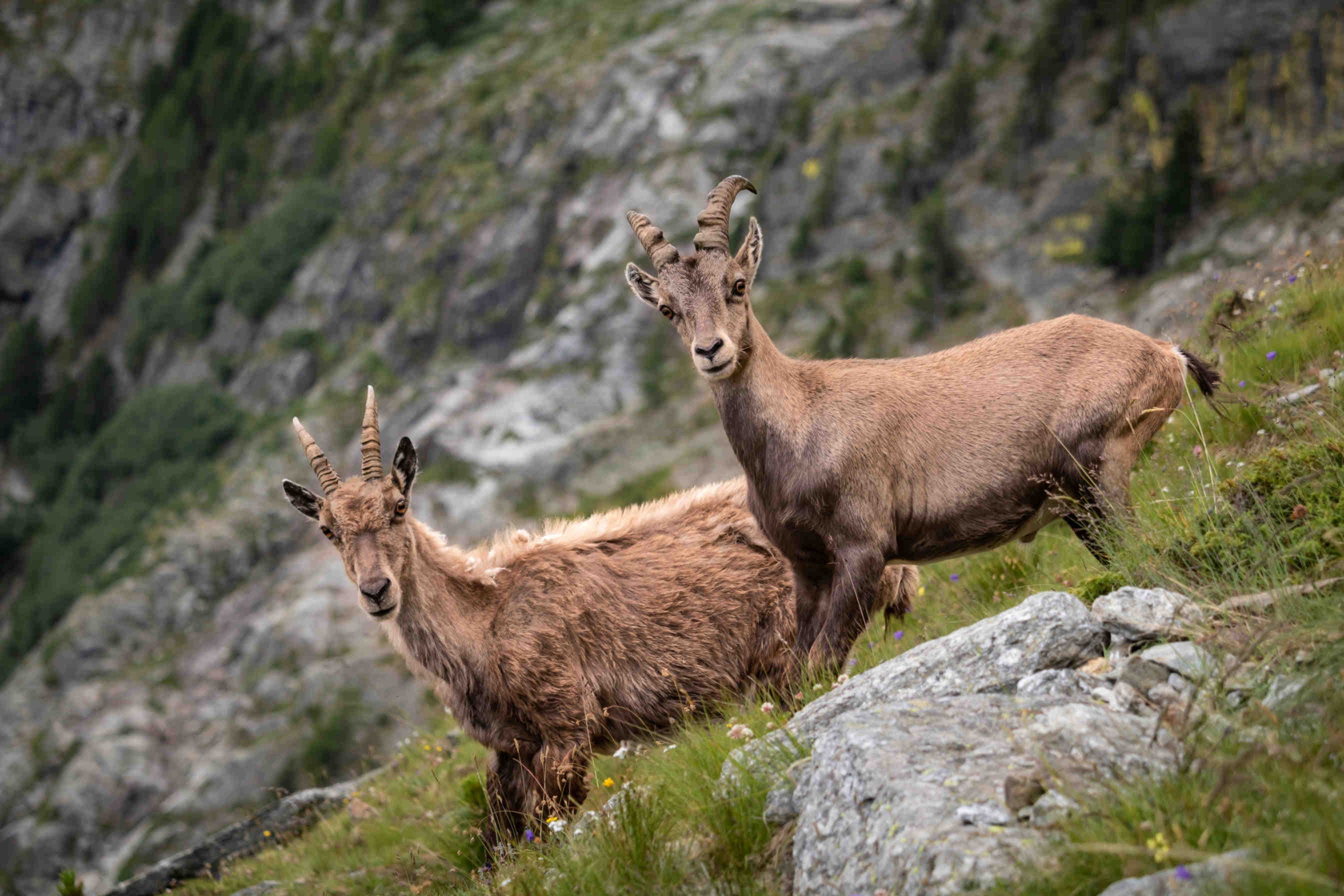
    This biological complexity not only increases the resilience of the ecosystem, but also supports greater biodiversity, improving the quality of air and contributing to water regulation and soil erosion. A well-managed lariculture should have a naturally diverse structure, enriched by the presence of various plant species, including spruce, fir and stone pine. This is the perfect habitat for chamois, ibex, roe deer, black grouse and woodpeckers. The consequences of a project such as the Cortina bobsleigh track are therefore not only in terms of emissions, but also in terms of local biodiversity.
    stambecchi

    The importance of an ecosystem approach

    Adopting an ecosystem approach to assess the environmental sustainability of a project such as this, means embracing a holistic view that takes into account the intricate relationships between the various components of a ecosystem. This method allows for the recognition and valorisation of the many ecosystem services provided by natural habitats, including the regulation of climate at the local level; the purification of water and air from pollutants, as forests, stable meadows and wetlands act as natural filters; protection against extreme events, such as hurricanes, floods, landslides, thunderstorms; natural pollination, an essential process promoted by biodiversity; sustainability of resources, through the maintenance of healthy ecosystems, to allow future generations to benefit. An ecosystem approach therefore preserves biodiversity, ensuring the survival of animal and plant species and their coexistence in dynamic equilibrium.

    ecosistema
    XNatura

    A project with a non-negligible impact

    In the context of the sledding slope project in Cortina, it appears that the number of laric felled will rise to over 2,000, contrary to what was assumed in the project estimation phase. This increase is causing a great deal of controversy. In terms of ecological balance, it is important to remember that every human activity inevitably affects the environment, although in many cases nature is able to absorb these events without significant alterations. However, when the alterations lead to a significant reduction in the biodiversity of the area, if one considers, for example, the Mean Species Abundance Index (MSA) with GLOBIO model, which examines the main causes of loss such as habitat fragmentation or the destruction of entire forest areas, the impact becomes non-negligible.

    bombo
    3Bee

    The importance of scientific data for the environment

    The felling of 600 trees, occupying about one hectare of land in an already fragmented habitat, and the subsequent expansion to almost three hectares, equivalent to about five football fields, result in a significant environmental change. Therefore, decisions concerning the environment should always be based on accurate scientific data rather than assumptions. In order to quantify the actual impact and the magnitude of the changes experienced, it is essential to calculate quantitative indices (such as Mean Species Abundance MSA) of the affected area, both before and after the intervention. This data-driven approach makes it possible to determine the actual environmental impact, emphasising the importance of basing ecosystem management decisions on factual evidence rather than opinion.

    farfalla

    The need for a detailed impact study

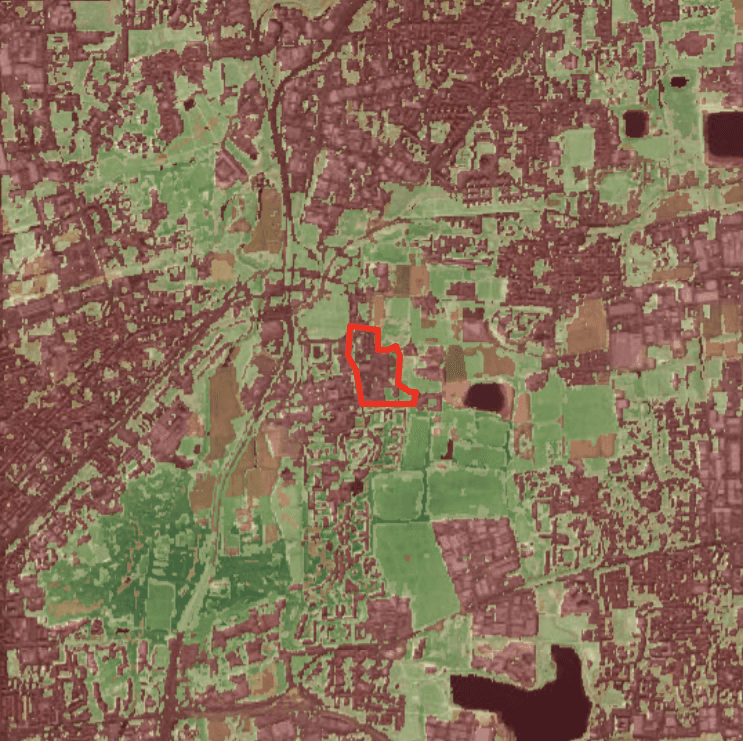
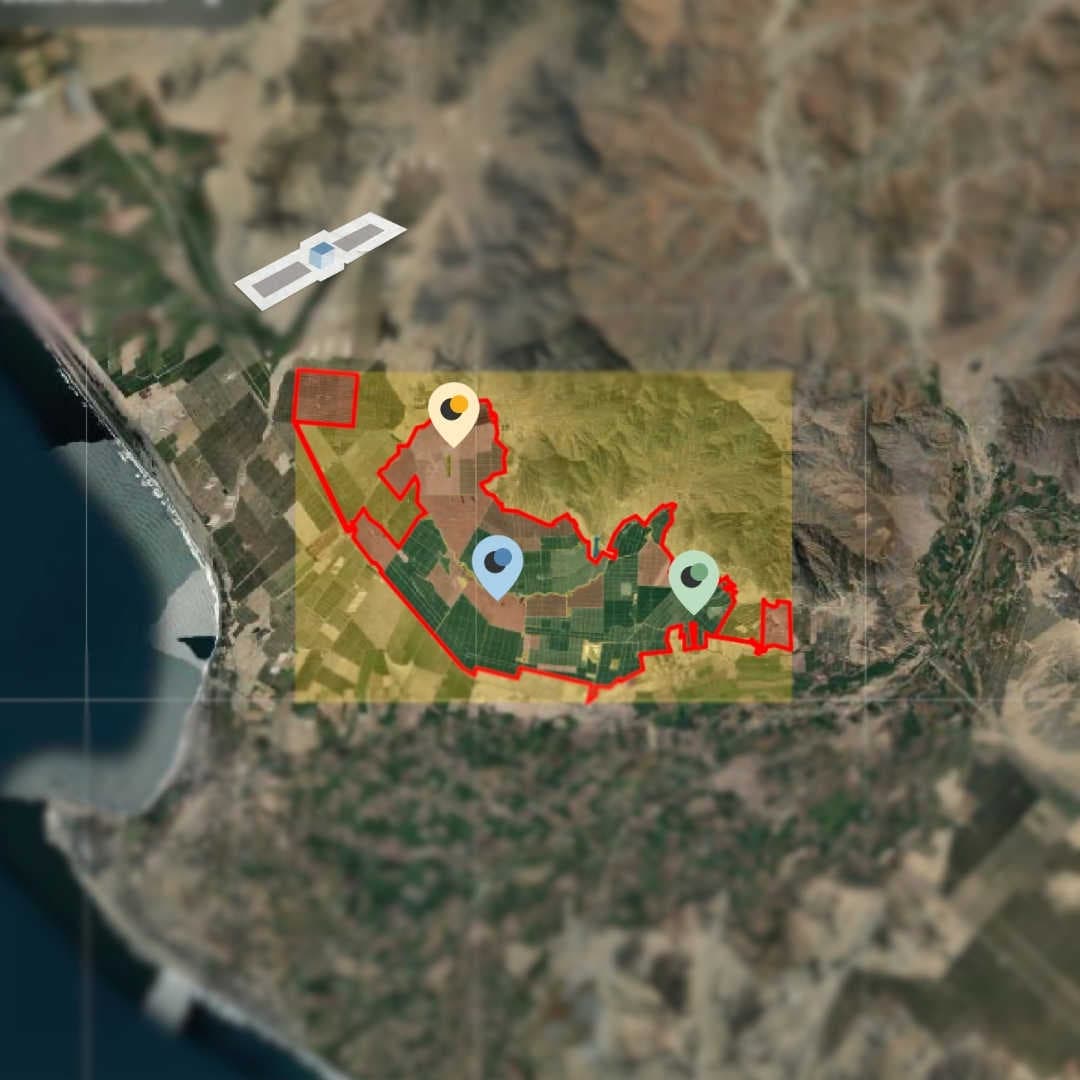
    In the absence of a detailed impact study, precisely defining the consequences of an intervention such as the construction of the Bobsled run in Cortina remains complex. It is therefore essential to undertake in-depth analyses, both through satellite observations and field surveys, before, during and after the construction work. Extensive monitoring of this process contributes to minimising ecological risks, ensuring that environmental changes are evaluated with the utmost care.

    Mappa

    How to conduct a biodiversity analysis

    The indicators related to biodiversity are essential for assessing the health of ecosystems and range from specific to more generalist measures. Among these, the pollinator abundance pollinators (PA, Pollinator Abundance) is a specific indicator, crucial for understanding the wellbeing of pollinators in a given area. In contrast, the Mean Species Abundance (MSA) index offers a broader perspective, quantifying the abundance of native species in relation to their presence in undisturbed ecosystems. A MSA of 0% indicates a ecosystem completely degraded, devoid of all its original species, thus reflecting the degree of environmental alteration or conservation. This spectrum of indicators allows for a detailed and comprehensive view of the impact of human activities on biodiversity and to guide efforts towards its protection and restoration.

    xylocopa violacea

    The crucial role of technology

    The technology can therefore make an enormous contribution, continuously providing data from satellites, which can then be analysed using algorithms to monitor how an area is evolving. In addition to ecosystem-level assessments, it is also worth considering the collection of information on the actual presence of species in the area of interest. Technology is taking several steps forward on this issue, providing new possibilities for collecting data in a scalable manner and with minimal disturbance to the areas under examination. One example is the use of bioacoustics-based sensors, which collect information on the presence of certain species over a wide time interval, making it possible to assess the impact of possible anthropogenic activities. It is precisely in this context that the XNatura biodiversity monitoring protocol, developed by 3Bee, based on bioacoustics and remote sensing, fits in.
    monitoraggio

    XNatura Score: the biodiversity monitoring protocol

    The XNatura Protocol is part of a site-specific approach identified by 3Bee, which includes the assessment of the habitat and biodiversity of the site, the subsequent identification of targeted actions for regeneration, the communication of the results obtained and the drafting of the biodiversity report in line with the relevant taxonomy ESG and in line with international standards. An approach that allows companies with an impact on soil to gain important insight from technology, enabling them to identify and design targeted interventions to mitigate any negative effects on the environment and actively engage in biodiversity protection, contributing to long-term environmental sustainability. Want to know more?

    Element-E
    28/03/2024Of 3Bee, Lisa Santillo
    629 Views
    Newsletter
    newsletter
    Subscribe to the Blog about bees and biodiversity

    Frequently Asked Questions

    Do you have any doubts or other curiosities about this article? Here you will find some insights