Why are butterflies colourful?
    AliColoriPigmentsExamples

    Why are butterflies colourful?

    What are the colours on butterfly wings for? It is not just an aesthetic fact, colour is a real communication, defence and adaptation tool for these insects. We delve deeper into this topic in this article.

    Read the article
    14/11/2023Of 3Bee, Elena Fraccaro
    3807 Views
    14/11/2023Of 3Bee, Elena Fraccaro
    3807 Views

    Butterflies: the colour functions of wings

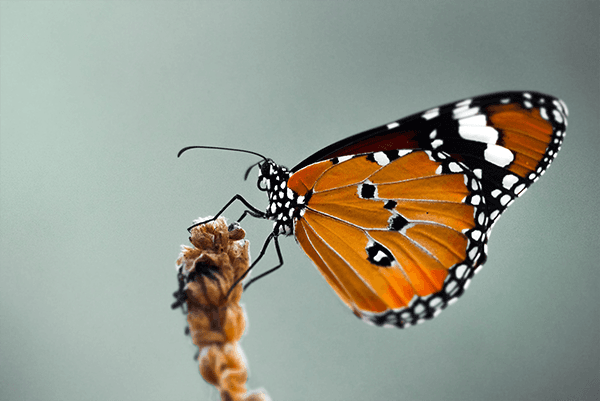
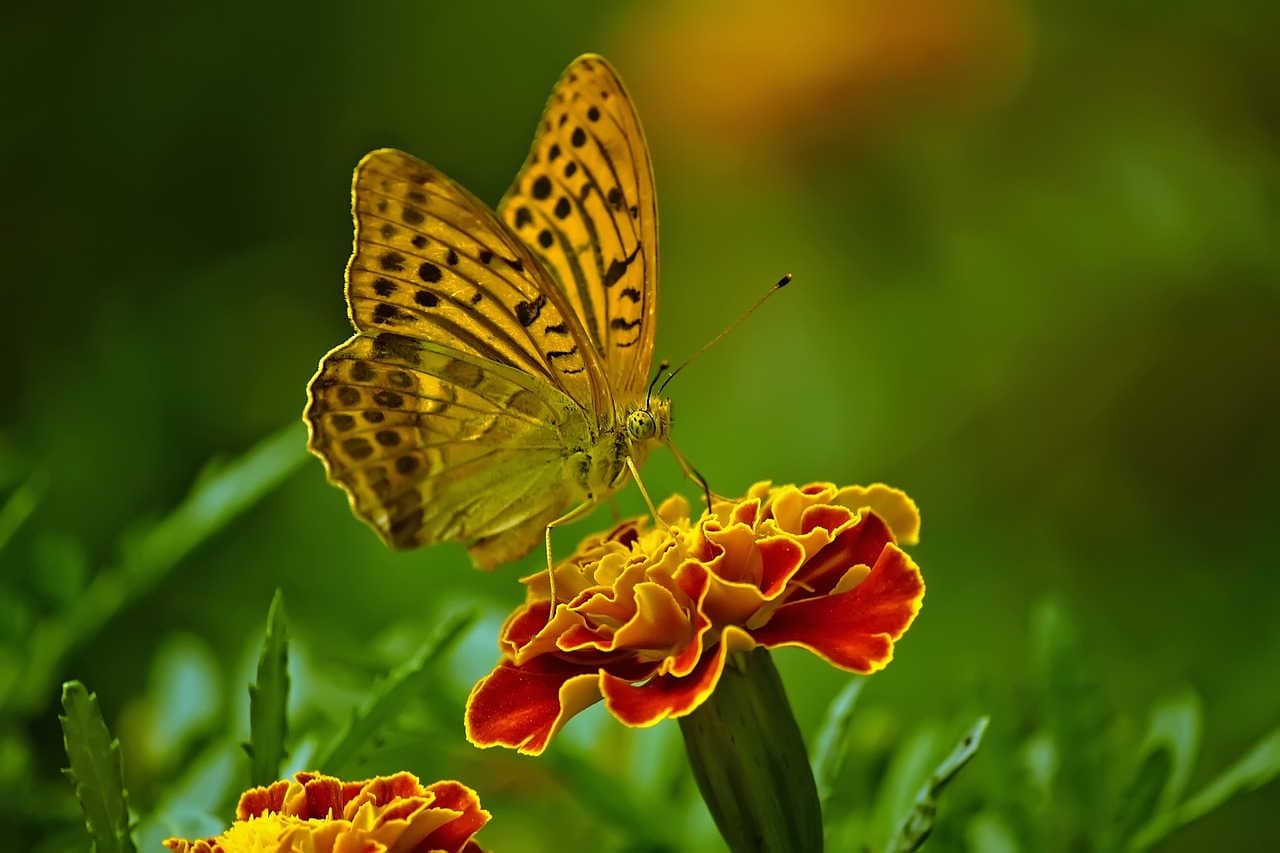
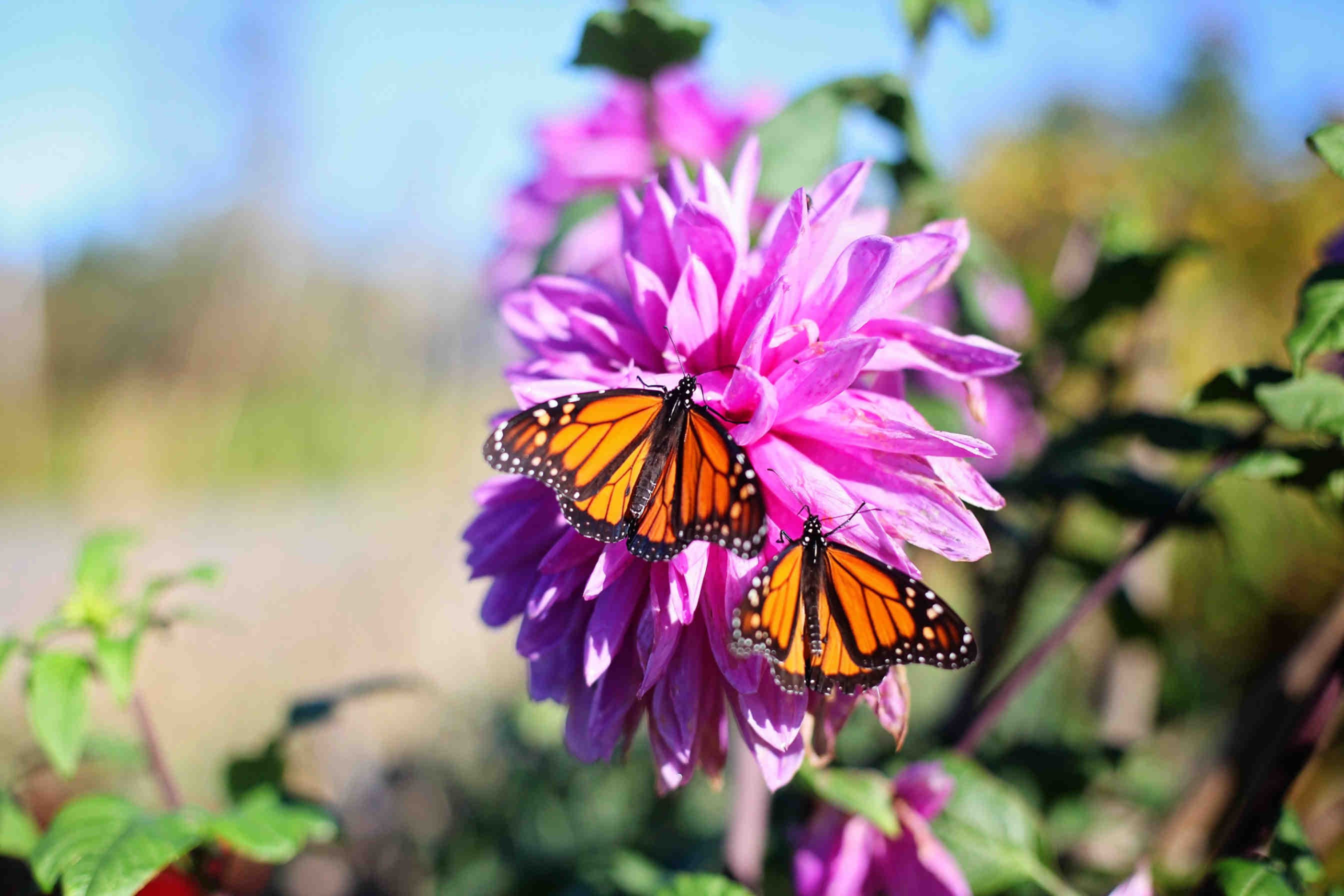
    The butterflies give us the most astonishing colour spectacles to be found in nature. As they fly from flower to flower to collect the nectar, their brightly coloured wings seem to glow and sometimes even change colour. But why are butterflies colourful? Is there a specific reason? The colours on butterfly wings have a variety of functions, from communication to mimicry, from thermoregulation to warning. While these colourations are useful for humans to recognise species, they are used in courtship, camouflage and evasion of predator attack. Almost every species has a different colour pattern that often also differs between fore and hind wings and between dorsal and ventral wing surfaces. Sometimes these differences are associated with a sexual dichromatism, particularly in diurnal butterflies: males have bright colours, while females have less intense coloured liveries.
    farfalla

    Colours and sexual selection: the Swedish study

    In this regard, Swedish research has shown that the driving force in the evolution of colour may well be sexual selection. In fact, females tend to prefer the more brightly coloured males, hence the enormous variety of butterfly colours. The study, published in the magazine Evolution Letters, was conducted by scientists from the universities of Stockholm, Lund, British Columbia and Marbur, who reconstructed the relationships between European butterflies and then scanned the drawings of the species and used the information obtained to estimate the evolution of their liveries. The research shows that colour alterations in males are twice as evolutionarily important as those in females, so sexual - and not natural - selection could be the driving force in the evolution of colour.

    farfalle
    XNatura

    Pigments and structural colours

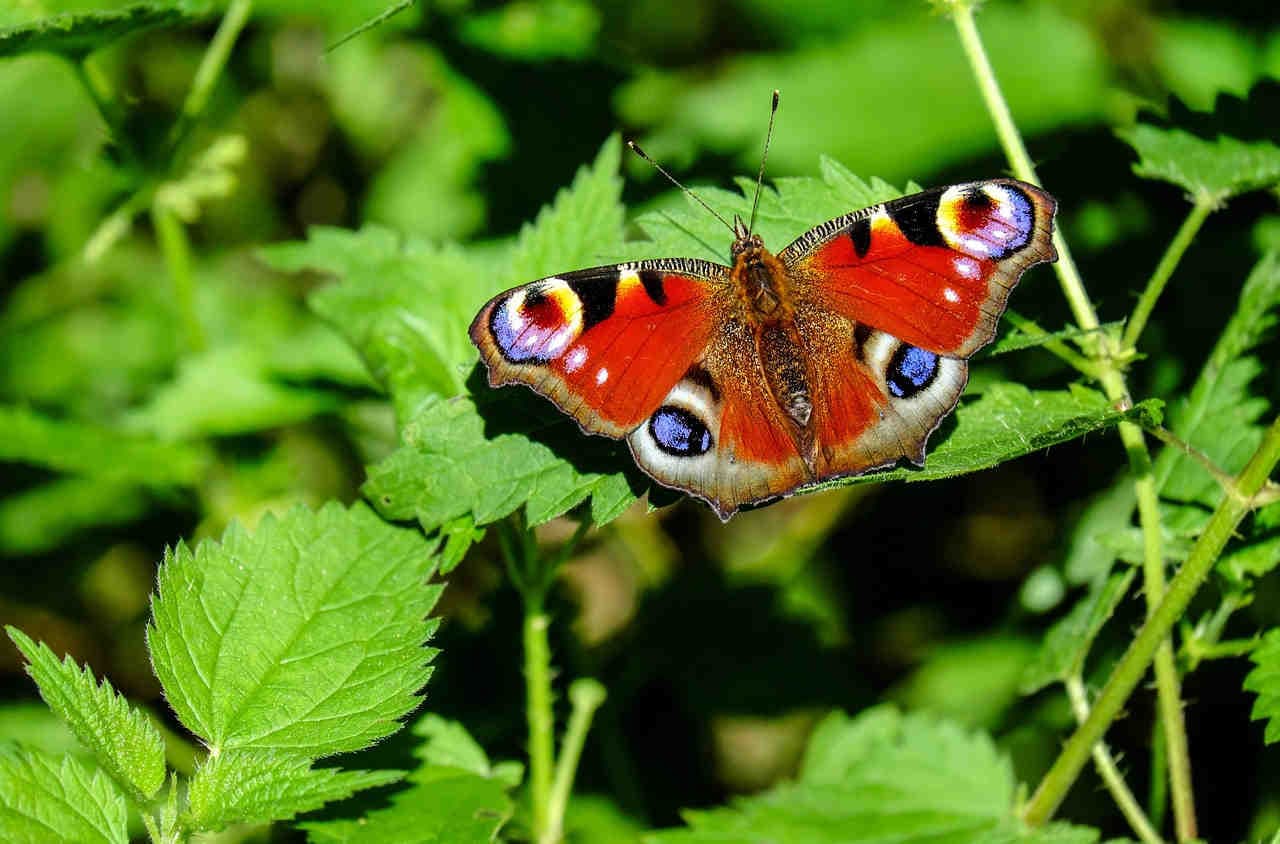
    The wings of butterflies are coloured not only because of the pigment, but also because of the structure of the scales covering the wing membranes and the way they reflect light. The colours given by the pigment are orange, black and yellow, while the colours given by the structure are blue, white, green and violet. This was also demonstrated by a study by the University of Berkeley, published in eLife, which revealed that colours such as green and blue are not given by pigment but are due to an optical effect that depends on the way light is reflected off the pattern of scales that line the wings of butterflies. Thanks to the work of a butterfly breeder, who through a series of crosses during mating was able to select blue-winged insects from simple brown wings, the team of expert scientists was able to investigate the properties of each wing colour.

    farfalla

    Single-coloured and coloured butterflies: examples

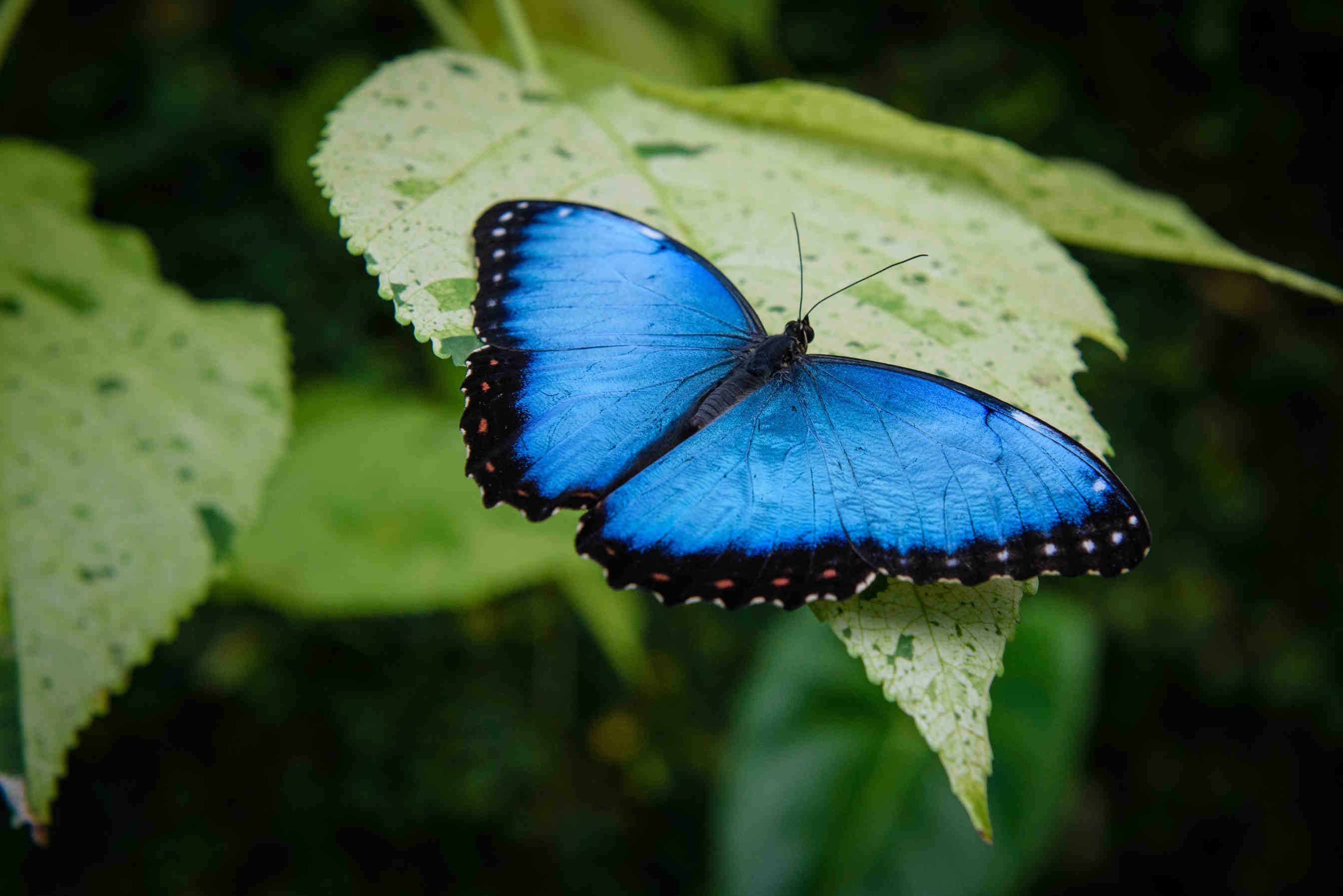
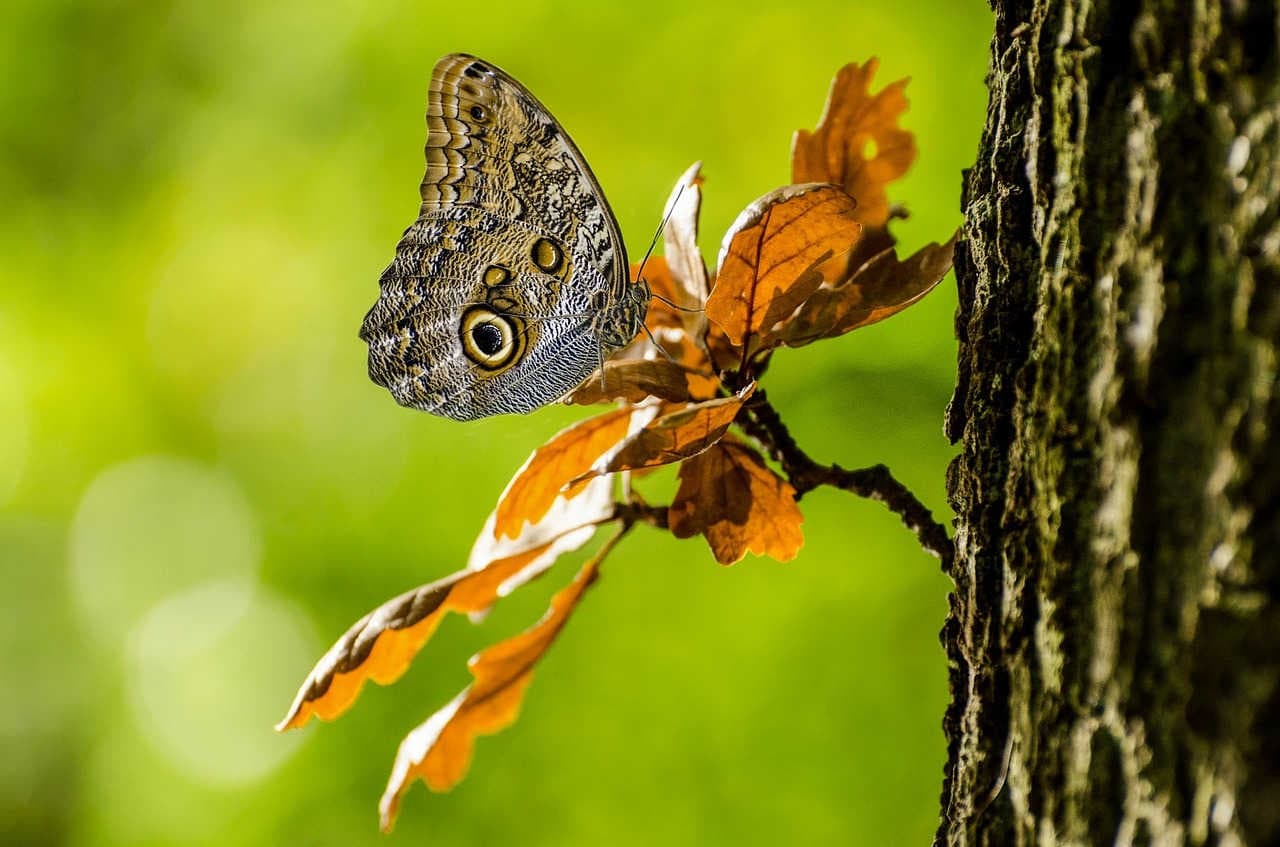
    In addition to the very colourful butterflies, mainly found in open fields, there are the single-coloured butterflies, often brown, which are mainly found in forests and need to enhance the camouflage effect. In this context, the Blue Morpho (Morpho menelaus) falls into both categories: on the one hand, it has brown wings that allow it to camouflage itself when stationary; on the other, its upper part is electric blue, which acts as a sexual lure. In addition, some species of butterflies have geometric shapes on their wings that resemble large eyes, such as the owl-head butterfly (Caligo idomeneus), with the aim of scaring or distracting predators. The latter are butterflies with smaller ocelli: in this way the predator is convinced that it is aiming at the head of its prey, but actually hits the ocelli and the butterfly somehow manages to escape.

    Morfo Blu
    XNatura

    The rapid colour evolution of butterflies

    Interestingly, the colouration of some butterfly species can change over time. They have a great ability to adapt to environmental changes. A research conducted by Yale University on the African brown butterfly found that it is able to completely change colour within just one year. Given the two-month life span of a butterfly, those examined changed wing colour from brown to purple in just six generations. Human pollution can also act as a livery colour selector. The most emblematic case is that of the cousin of butterflies Biston betularia. This moth, whose individuals are almost entirely light-coloured, during the industrial revolution due to the dark dust generated by coal combustion was seen to select a dark variant called carbonaria which, by blending in better with the blackened bark of trees, escaped predators more easily.

    farfalla testa di gufo
    3Bee
    14/11/2023Of 3Bee, Elena Fraccaro
    3807 Views
    Newsletter
    newsletter
    Subscribe to the Blog about bees and biodiversity