Azalea: characteristics, dissemination and impact on the environment
    AzaleaDisseminationLife cycleRododendri

    Azalea: characteristics, dissemination and impact on the environment

    Azaleas, which include several species of the genus Rhododendron, are known for their vibrant blooms but are not native to Italy. In this article, we explore their characteristics and the crucial role of rhododendrons in the conservation of Alpine ecosystems.

    Read the article
    21/10/2024Of 3Bee, Lisa Santillo
    4018 Views
    21/10/2024Of 3Bee, Lisa Santillo
    4018 Views

    Azalea: characteristics, flowers and fruits

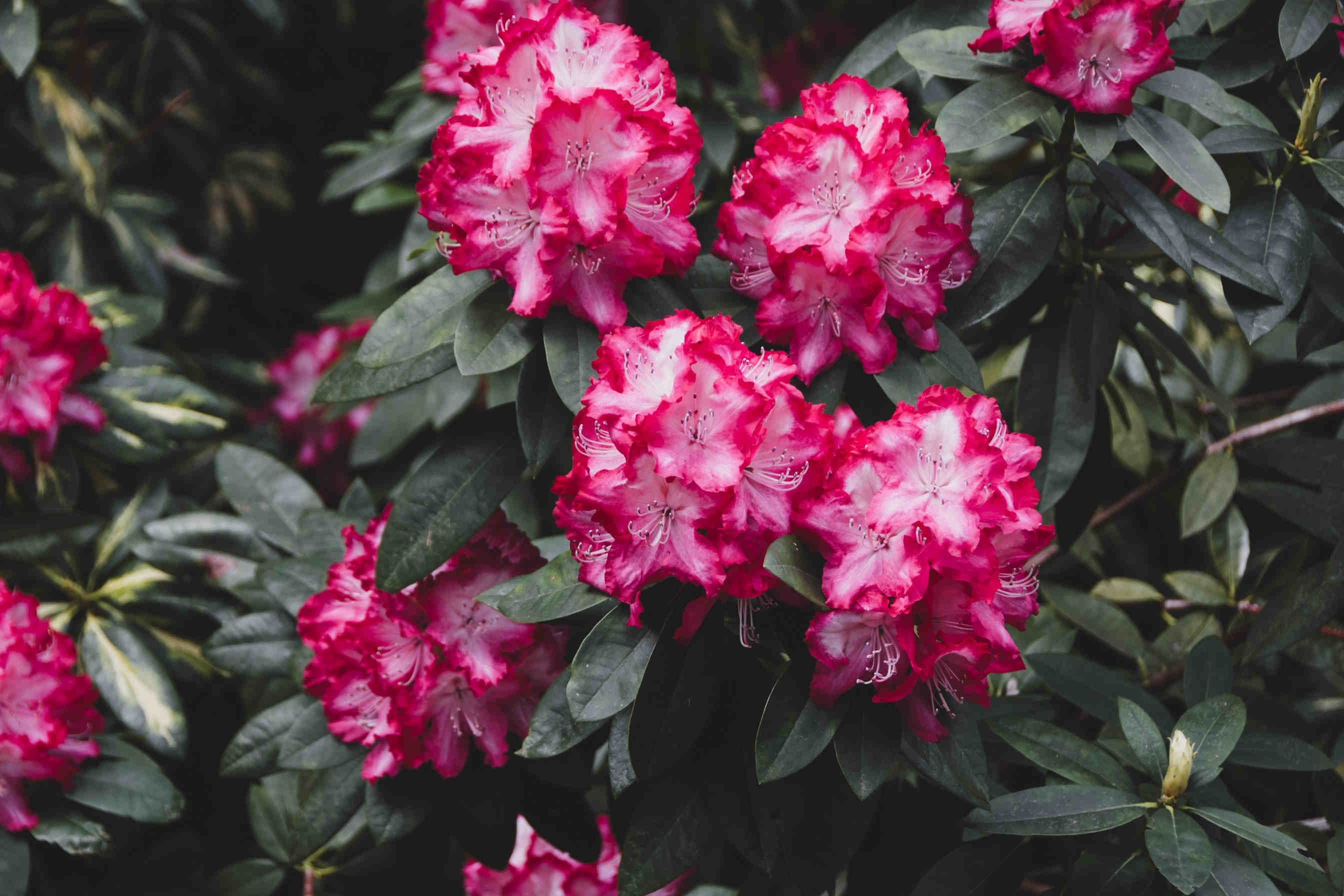
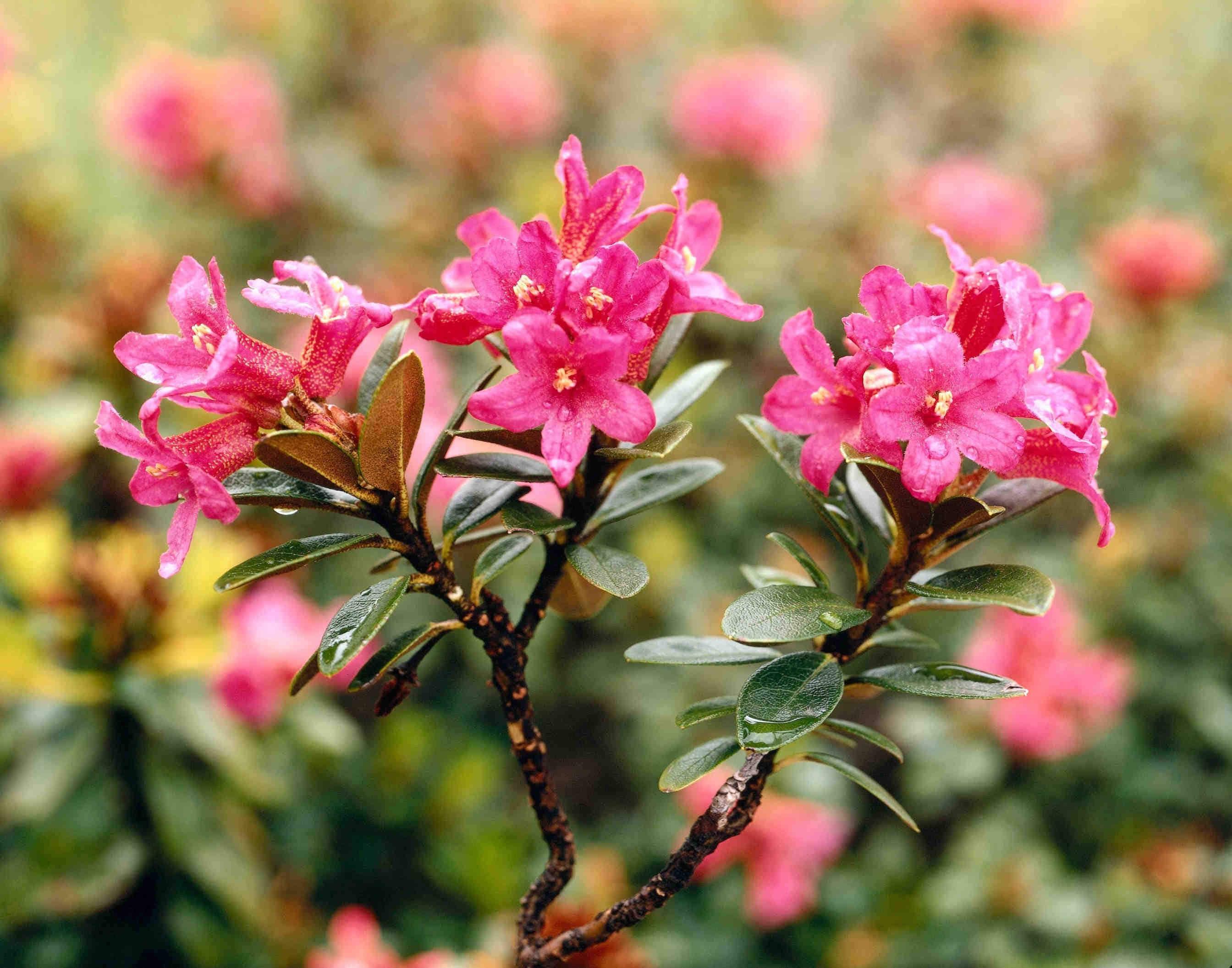
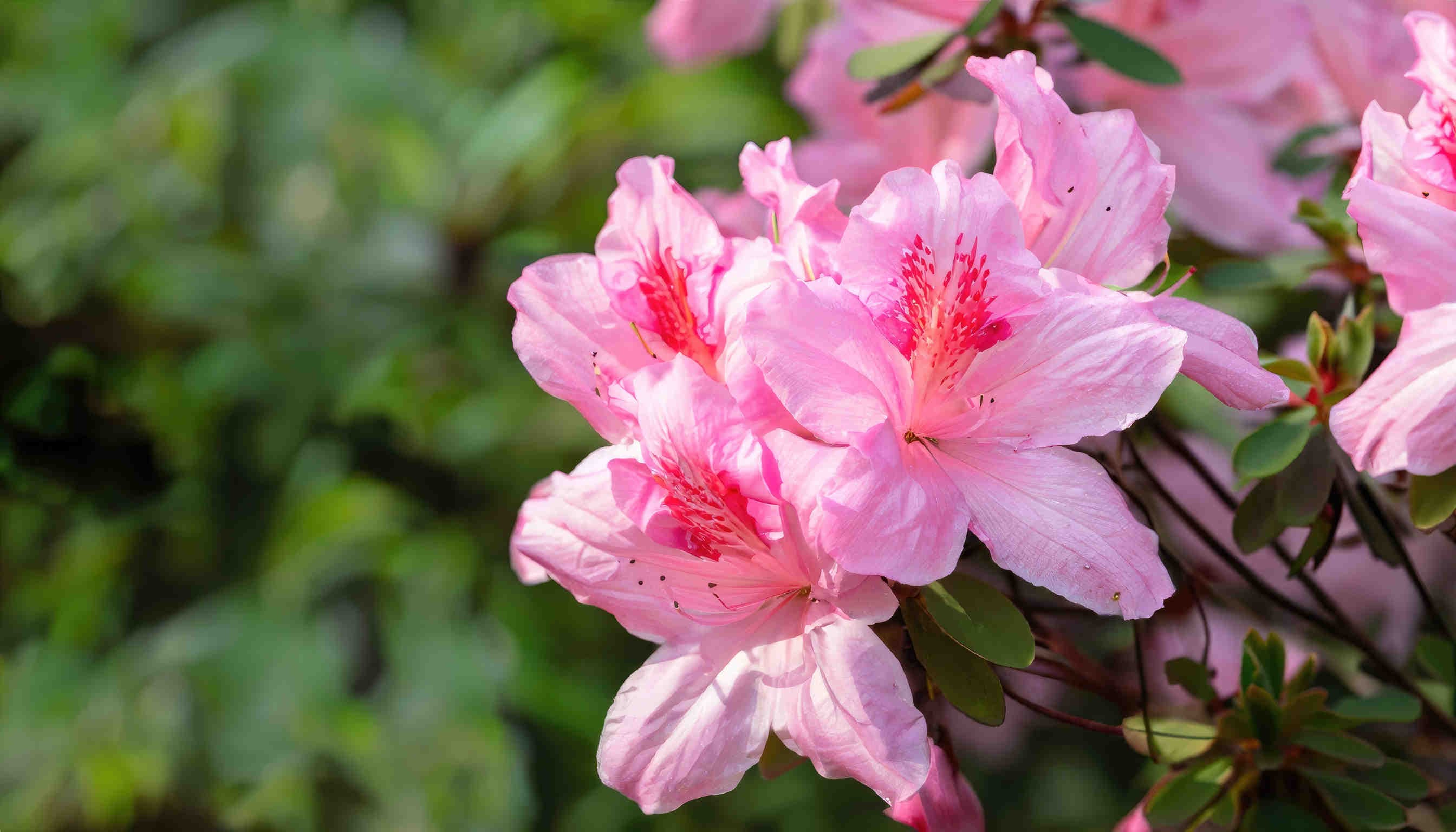
    The azaleas belong to the Ericaceae family and are in the genus Rhododendron, which includes more than 1,000 species. The term 'azalea' is commonly used to refer to Rhododendron species or varieties with specific characteristics, such as smaller size and the flowering of a single blossom per stem, in contrast to 'rhododendrons' proper, which often have flowers grouped in inflorescences. Azaleas tend to have thin, densely branched stems, rounded or elongated shrubs, and dark green, oval leaves. The flowering usually occurs in spring, between March and May, with trumpet-shaped flowers that bloom before the new leaves appear, characterised by bright colours such as white, red and pink. Although azaleas produce capsule-shaped fruits containing seeds, fruiting is rare in ornamental settings.
    azalea fiore

    Spreading the azalea

    Native to the mountainous regions of East Asia and North America, the azalea was introduced to Europe in the 17th century as an ornamental plant. In Italy, it is mainly found in regions with a temperate climate, such as Tuscany, Liguria and Piedmont, where it is cultivated for the beauty of its flowers. However, being an native species, its spread represents an ecological challenge. Competition for resources with native species can reduce the biodiversity, especially in undergrowth areas. Furthermore, some azalea species have shown an invasive capacity, being able to colonise natural areas to the detriment of native plants. For example, the introduction of exotic species into mountain forests could negatively affect the composition of the local flora, altering the habitat of various animals and insects that depend on native species for food and reproduction.

    azalea
    XNatura

    Azalea life cycle

    The azalea is a perennial plant with an annual growing cycle. In spring, the plant starts to develop new shoots and flowers, taking advantage of the higher temperatures and greater availability of light. The flowering continues until early summer, when the flowers begin to fade and make way for leaf growth. In autumn, deciduous varieties, such as the Azalea mollis, lose their foliage, while evergreen species, such as the Azalea japonica, retain their foliage. During winter, the azalea enters a state of dormancy, reducing its metabolic activity to resist the cold. This cycle allows the plant to survive in environments with marked seasonality, but can be adversely affected by climatic changes, which alter flowering times and the duration of dormancy.

    rododendro

    Why prefer native rhododendrons

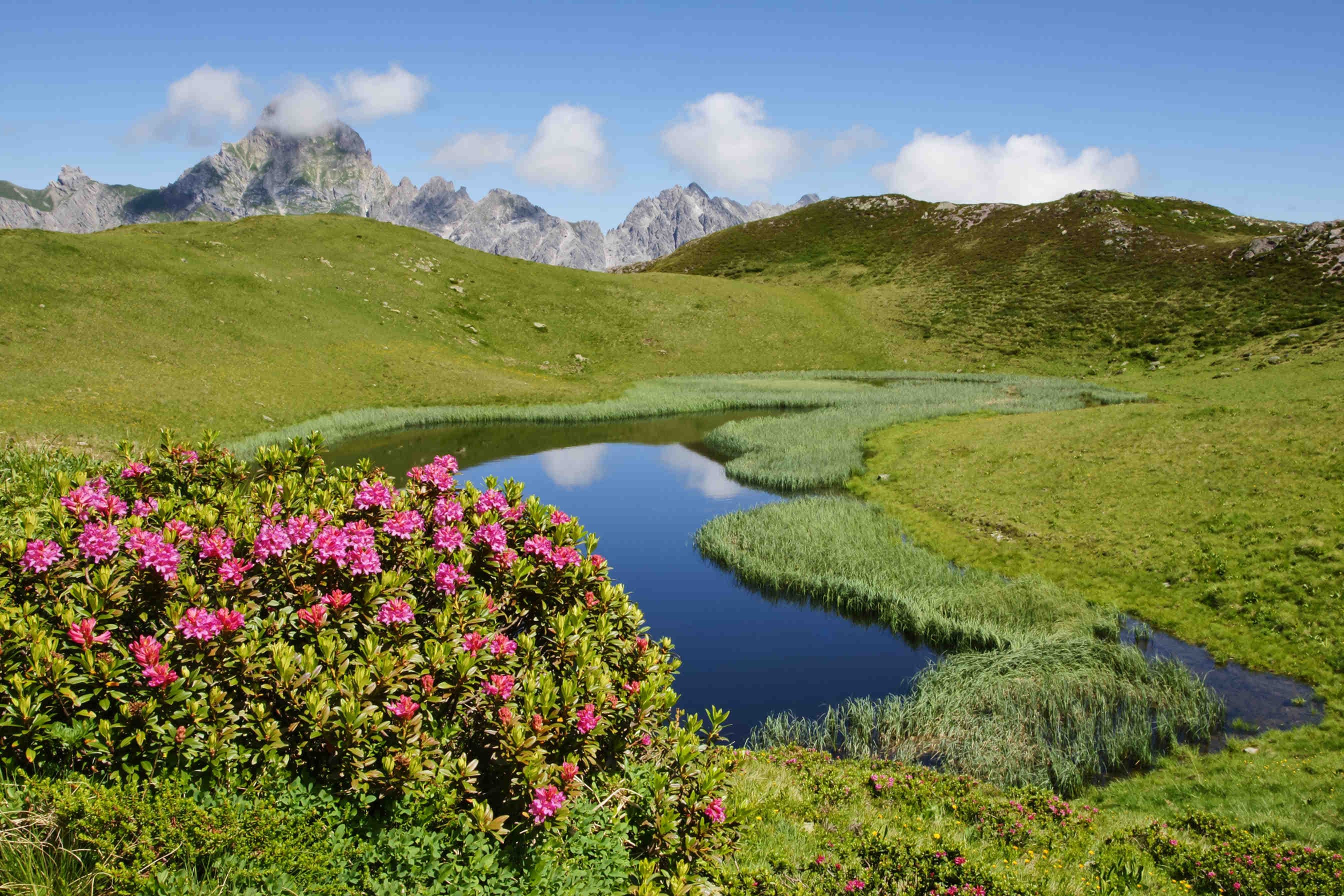
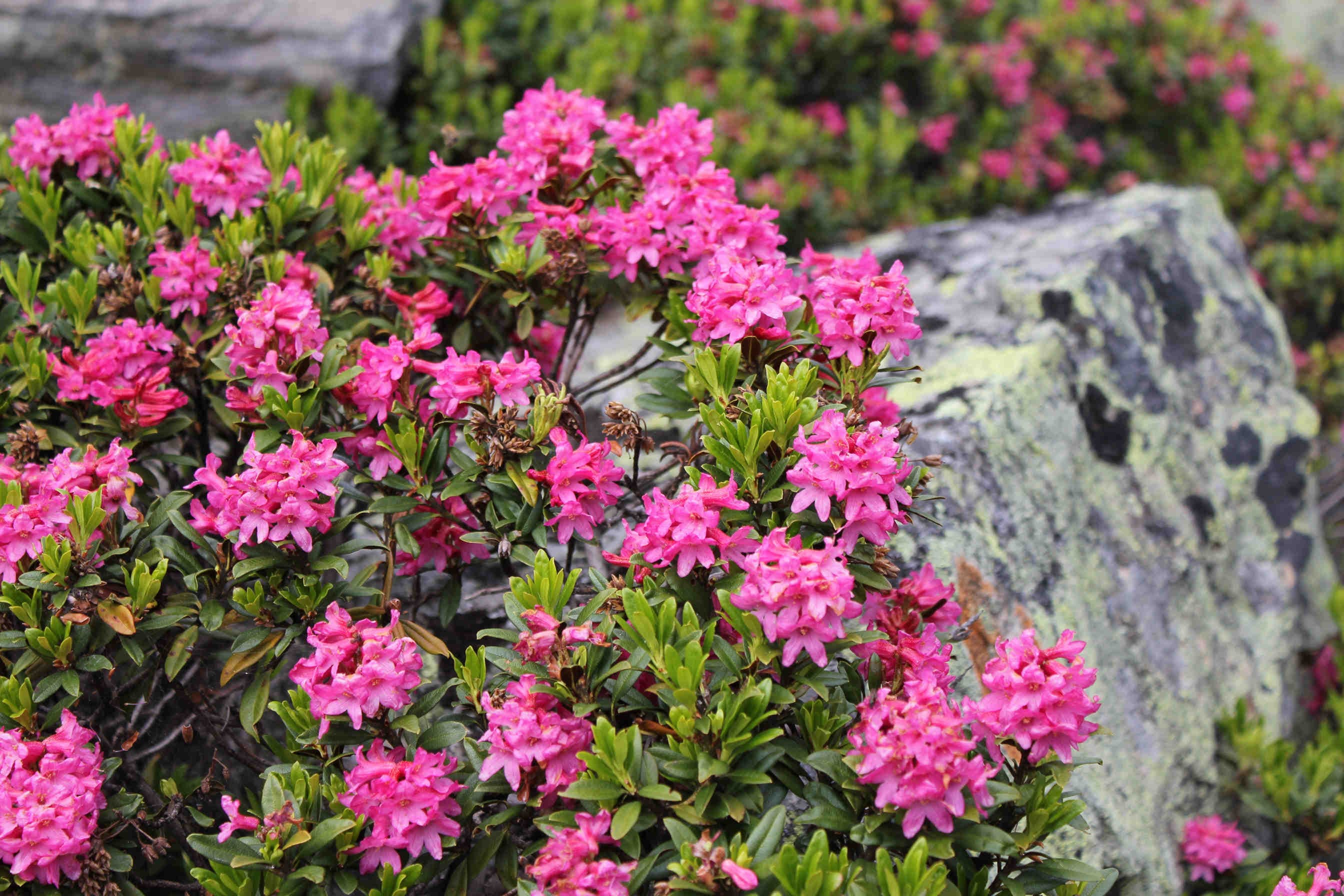
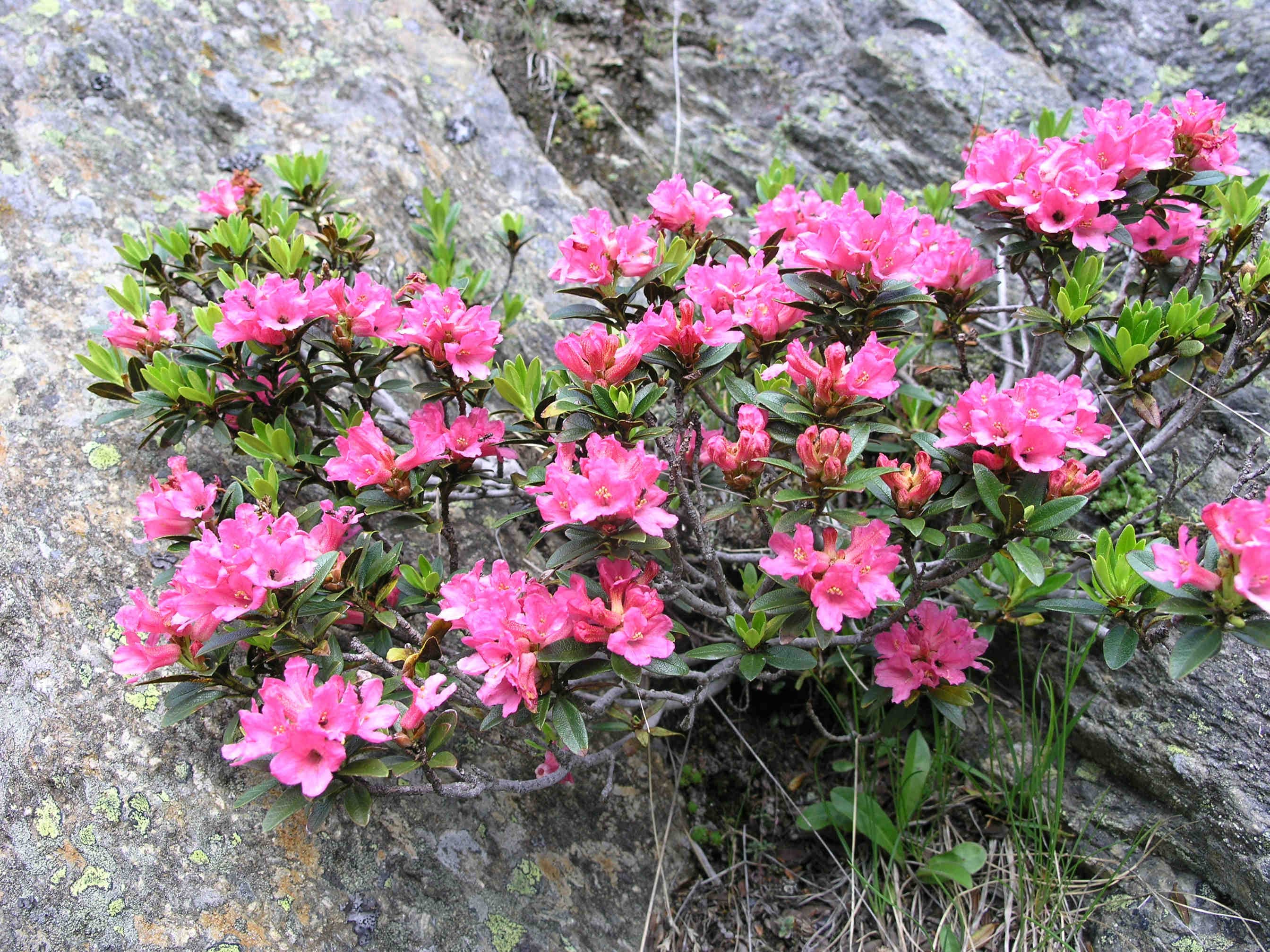
    In the Italian context, native rhododendrons such as Rhododendron hirsutum and Rhododendron ferrugineum represent an important element of the mountain biodiversity. R. hirsutum (hirsute rhododendron) grows mainly in the Alps, where it forms dense vegetation patches in forests and high-altitude meadows. Its leathery leaves and soft pink flowers, which bloom between May and July, provide essential nutrient resources for pollinating insects. R. ferrugineum (ferruginous rhododendron) is another alpine species distinguished by its bright red flowers and leathery leaves with ferruginous hairs on the underside. These plants not only provide habitat for various animal species, but also contribute to soil stabilisation in mountainous areas, reducing the risk of erosion. Unlike exotic azaleas, native rhododendrons integrate seamlessly into local ecosystems, promoting the conservation of biodiversity.

    rododendro autoctono
    XNatura

    Azalea: how to recognise the leaves

    The leaves of the azalea may vary slightly depending on the species, but are generally oval or elliptical in shape, with smooth or slightly toothed margins. The surface is often shiny and dark green on top, while the underside may be paler. The leaves of the evergreen species are more leathery, adapting better to colder and drier climates. In comparison, the leaves of native rhododendrons tend to have a more robust texture, with a surface often covered with hairs or scales, adaptations that help reduce water loss. The arrangement of the leaves along the branches is another distinguishing feature: in the azalea, they are alternated, which makes them recognisable compared to other plants in the undergrowth.

    fiori rododendro
    3Bee

    Azalea: origin and meaning of the name

    The name 'azalea' is derived from the Greek 'azaleos', meaning 'dry', in reference to the plant's preference for well-drained soils. On the other hand, the term 'Rhododendron', which identifies the genus to which it belongs, derives from ancient Greek and means 'rose tree', a tribute to the beauty of the flowers. In the language of flowers, the azalea represents fragile and delicate love, reflecting its short but intense flowering. In Eastern culture, it is often associated with symbols of prosperity and good luck, and is widely used in traditional Japanese and Chinese gardens. However, it is important to remember that its introduction into non-native contexts can pose ecological risks, making a conscious approach to biodiversity management essential.

    app Biodiversa

    Biodiversa: the 3Bee game app to monitor biodiversity

    Biodiversa is the free game app for monitoring biodiversity and protecting ecosystems that allows you to 'collect' and easily identify the plants you come across during an outdoor walk. An ambitious citizen science project aims to create a cooperative archive dedicated to flora in Europe, involving player users with challenges to catalogue species, some of which are rare or endangered. Available for iOS and Android, Biodiversa has a dynamic similar to that of some well-known free-to-play video games that encourage moving and travelling in the real world to 'collect' characters. As of 9 September 2024, the "Biodiversa Heroes" sweepstakes will start: each new and different plant photographed and captured earns a point and climbs the leaderboard, to try to win fantastic prizes. The aim is to reward the most 'biodiverse' nature explorers.

    21/10/2024Of 3Bee, Lisa Santillo
    4018 Views
    Newsletter
    newsletter
    Subscribe to the Blog about bees and biodiversity

    Frequently Asked Questions

    Do you have any doubts or other curiosities about this article? Here you will find some insights