Animal Intelligence: A Journey Through Different Minds
    Human mindsIntelligenceCrowsFish

    Animal Intelligence: A Journey Through Different Minds

    Animal intelligence manifests in surprising ways, allowing adaptation to the most diverse environments. From communication to problem solving, from tool use to spatial memory, we explore the cognitive abilities of different species to understand their evolution, uniqueness, and value.

    Read the article
    17/02/2025Of 3Bee, Anna Beretta
    735 Views
    17/02/2025Of 3Bee, Anna Beretta
    735 Views

    Human intelligences, some among many

    Disclaimer: this is an automated translation from Italian. Go to the original article.

    Intelligence is an elusive concept and not immediate to define. We humans naturally assess the intelligence of other animals through our lens and measure it in relation to ours. But this perspective risks reducing the complexity of intelligence in the rest of the animal kingdom. After all, even in the human realm, there isn't one type of intelligence. According to Gardner's multiple intelligences theory (1983), every human being is capable of eight relatively independent forms of information processing, with individuals differing from each other in the intelligence profile they exhibit. So, if the human landscape is already multifaceted, we can imagine how vast the entire animal kingdom could be. To truly understand what it means to be intelligent, therefore, we must adopt a broader and more inclusive perspective, beginning to better understand what intelligence is.

    Intelligenze_multiple

    A possible definition of intelligence

    With the term intelligence we refer to many things: the ability to learn from experience, acquire and apply knowledge, think in abstract terms, tackle and solve new problems. All of this is aimed at enabling living beings to adapt to their environment. We can therefore consider intelligence as an evolutionary trait, akin to a pair of wings, a long neck, or gills: a provision by natural selection to survive optimally. Among the abilities we will explore, we find the use of tools, which demonstrates understanding and manipulation of the environment, and numerical skills, useful for making strategic decisions. Problem-solving that allows finding new solutions and then memory, essential for learning and navigation. Finally, we will see some complex communication systems and how some animals are able to learn to perform new tasks from the simple observation of their peers.

    Intelligenza
    XNatura

    Tool use: New Caledonian crows

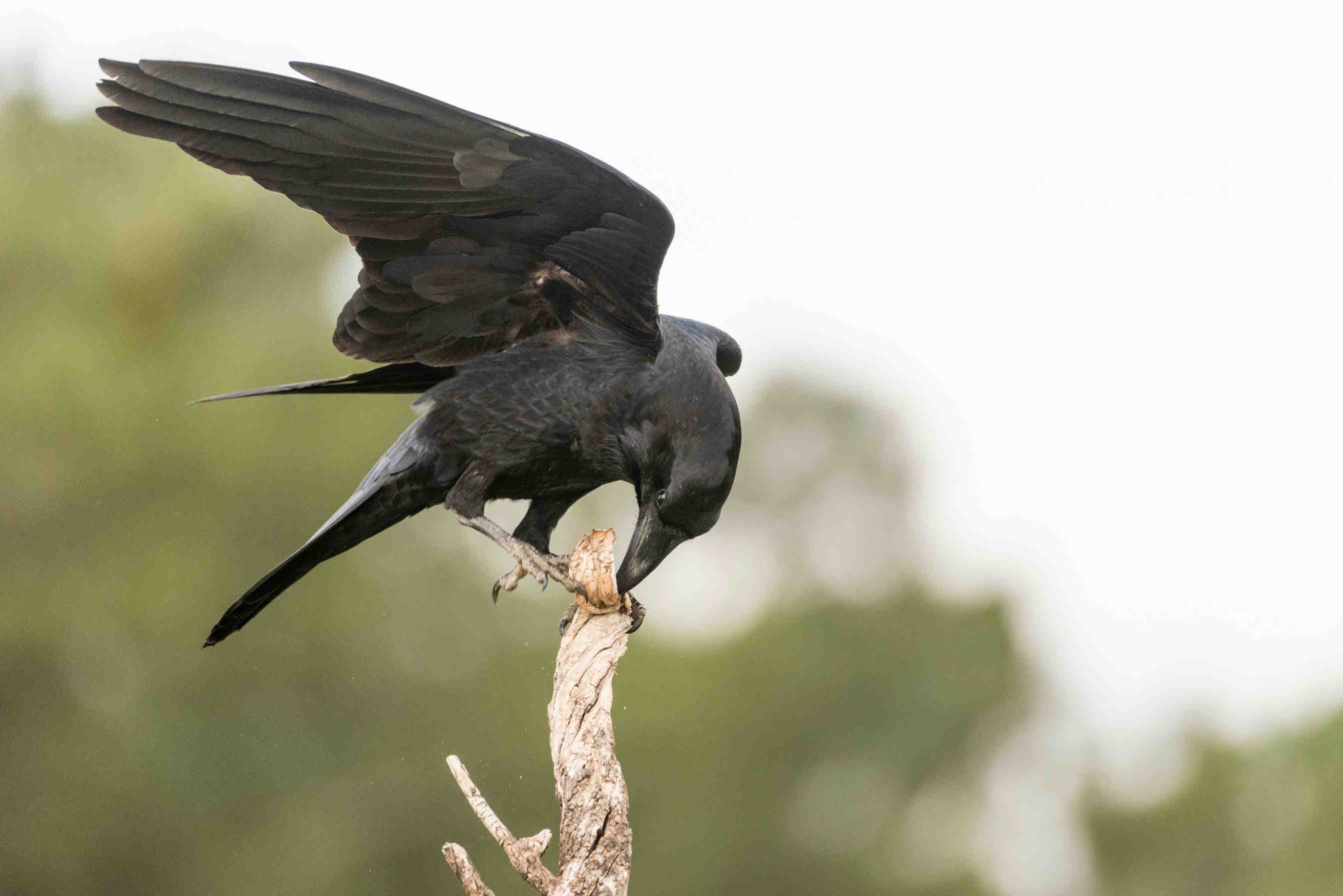
    The use of tools to perform actions is not a human prerogative. This phenomenon has been observed in various animal groups, mostly primates. The use of stones is an example: from Thai macaques that use them to open oysters to Ivorian chimpanzees or capuchins that open nuts with them. However, there is a peculiar example among birds, represented by the New Caledonian crows Corvus moneduloides. Individuals of this species frequently make use of tools crafted ad hoc to obtain food, extracting insect larvae nestled in holes or crevices of wood. But beyond the skill in creating and using tools, it has also been observed that these birds can combine pre-existing objects to create new ones and even improve their making over time, performing a process defined as progressive cultural evolution.
    Corvo_nuova_caledonia

    Numerical abilities: the case of fish

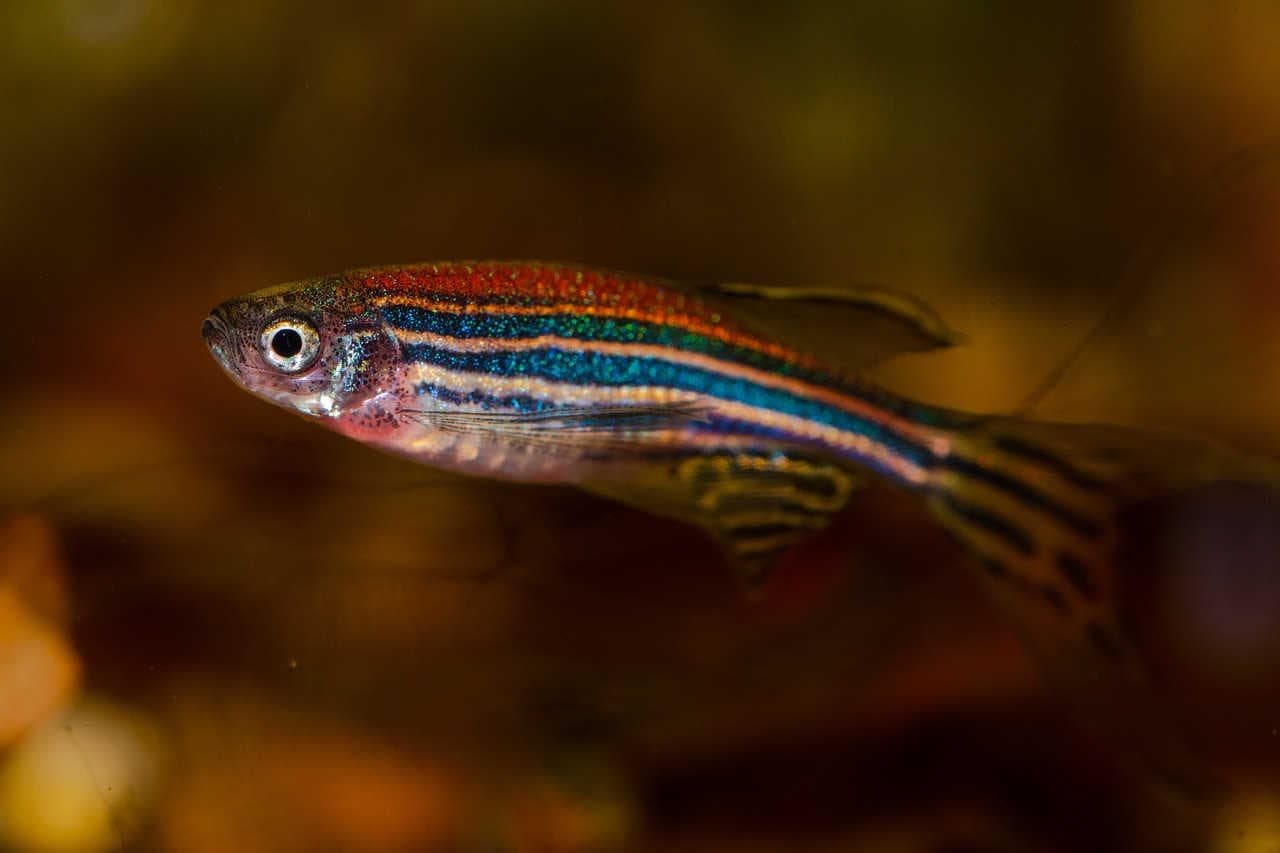
    That fish can count might seem incredible, but various studies support this claim. In different groups of fish, both the ability to distinguish between greater and smaller quantities and the ability to perform simple arithmetic operations have been observed. The zebrafish Danio rerio (a widely used animal model in research) is capable of discriminating between larger and smaller groups of fish, preferring to join large shoals to protect themselves from predators. This strategy, optimal for survival, implies a sense of quantity evaluation which involves a non-trivial numerical evaluation capability. There are also fish that, after a period of training, have shown to be able to add and subtract quantities. This is the case with freshwater rays (Potamotrygon motoro) and African cichlids (Pseudotropheus zebra) as reported in a study conducted in 2022 by a group from the University of Bonn.

    Zebrafish_Danio_rerio
    XNatura

    Problem solving: octopuses

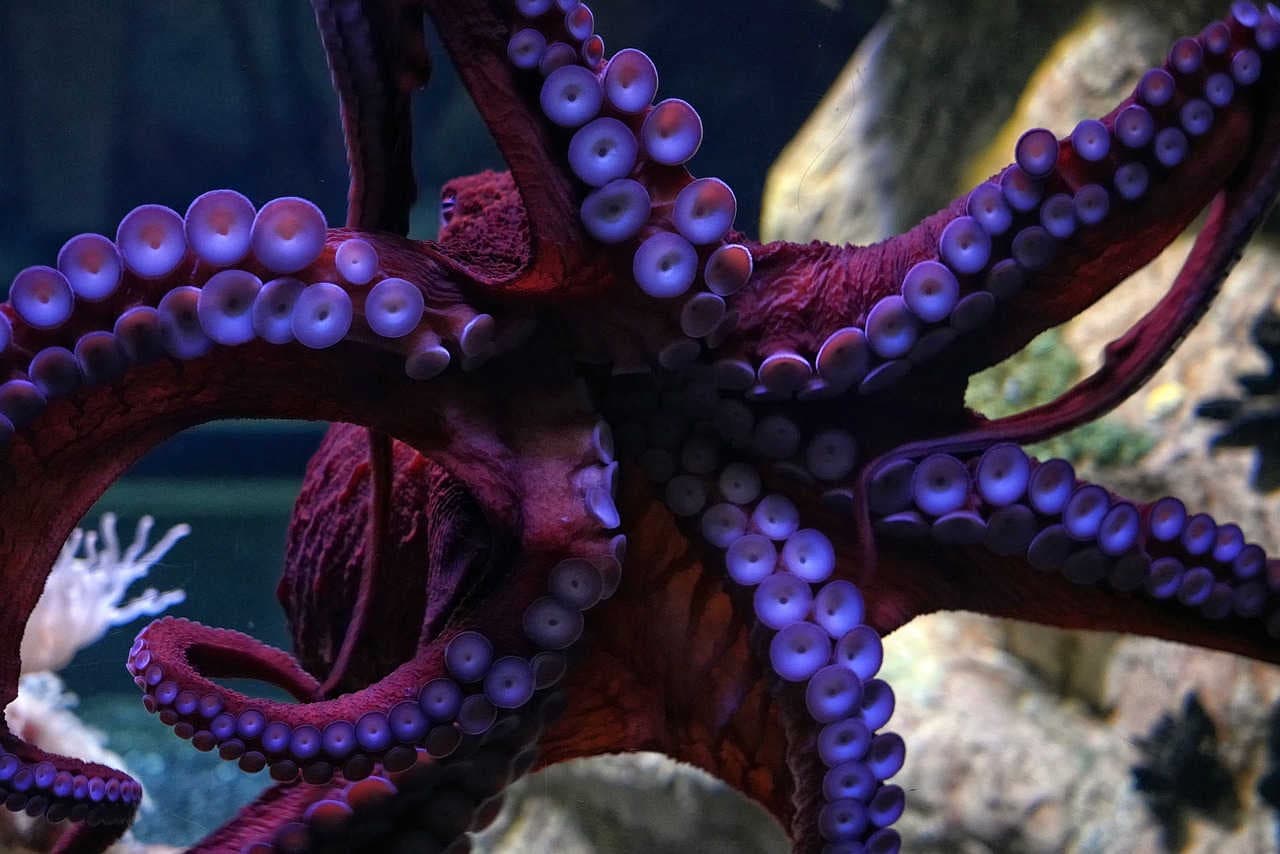
    The notion that only vertebrates possess complex cognitive abilities is refuted by a cephalopod invertebrate: the octopus. Endowed with keen problem-solving abilities, these animals can brilliantly solve puzzles: they open jars, solve puzzles, and navigate mazes. The nervous system of these animals, capable of such feats, is very large and structured to allow precise movements. Each tentacle moves independently of the others, almost as if it had its own nervous system, and a recent study attributes this ability to the structure in which their neuronal cells are organized, arranged in segments separated by septa. Although still under study, it seems that the octopus evolved its complex cognitive abilities and large nervous system as a consequence of needing to defend itself from predators after losing the protective shell, a distinctive feature of the cephalopod class.
    Polpo
    3Bee

    Memory: Clark's Nutcracker

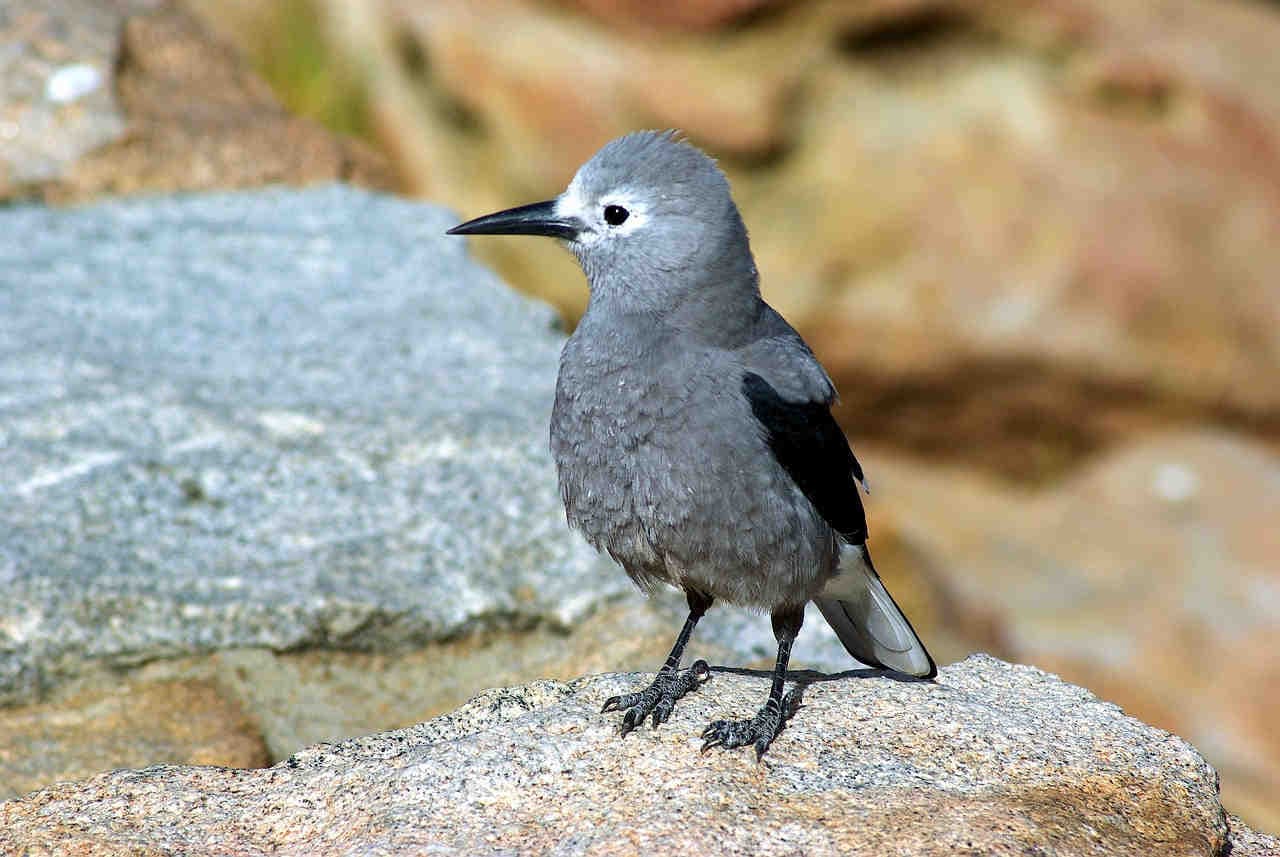
    Memory is an essential cognitive ability for adapting to the environment, and it manifests in surprising forms in the animal kingdom. The Clark's nutcracker (Nucifraga columbiana), a small North American corvid, possesses extraordinary mnemonic ability: it can hide up to 30,000 seeds before winter and find them accurately even months later. This exceptional spatial memory depends on the particularly developed size of the hippocampus, the brain area related to memory, which is larger in species that hoard food. A very curious phenomenon, which interests this area of the brain, has also been observed in humans: a study conducted on London taxi drivers showed that their hippocampus is more developed compared to that of other workers, probably due to the intense navigation activity required by their job.

    Nocciolaia_di_Clark

    Communication: The Whistles of Dolphins and the Dance of Bees

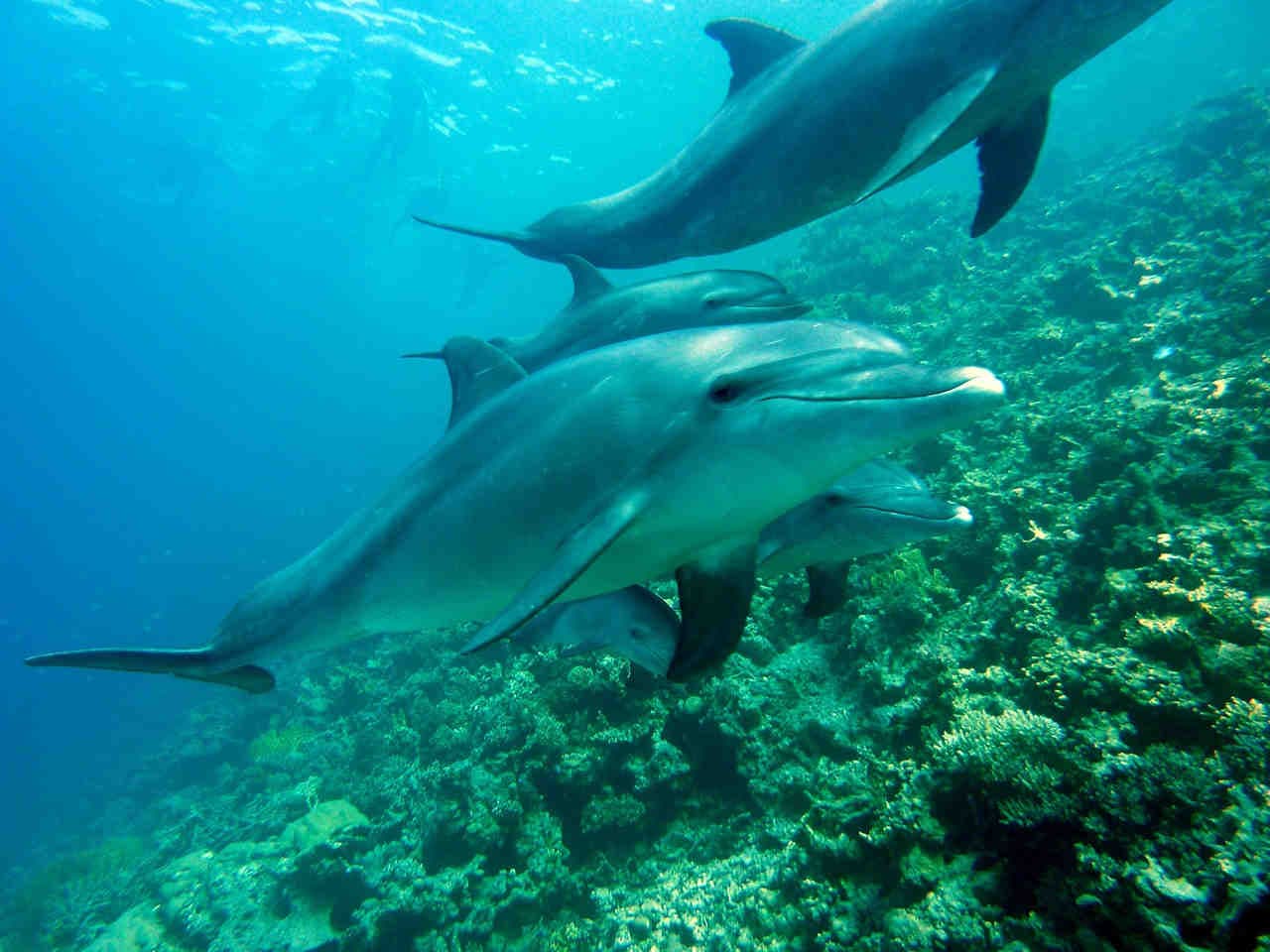
    Animal communication is expressed in surprisingly sophisticated forms among very different species. Dolphins, for example, use signature whistles, unique acoustic signals that individually identify each individual, just as if they were proper names. These whistles allow them to call each other, interact, and cooperate, and they develop from a young age. Then there are those who are very different from a cetacean but still capable of very sophisticated communication, such as the honeybee and its dance. Through circular or figure-eight movements performed on the surfaces of the hive's combs, worker bees communicate detailed information to their nestmates about the distance and direction of a food source. Translating spatial information into a symbolic language, bees demonstrate the ability to have an incredible orientation system and a high level of social cooperation.
    Delfini_fischi_firma

    Social learning: bumblebees

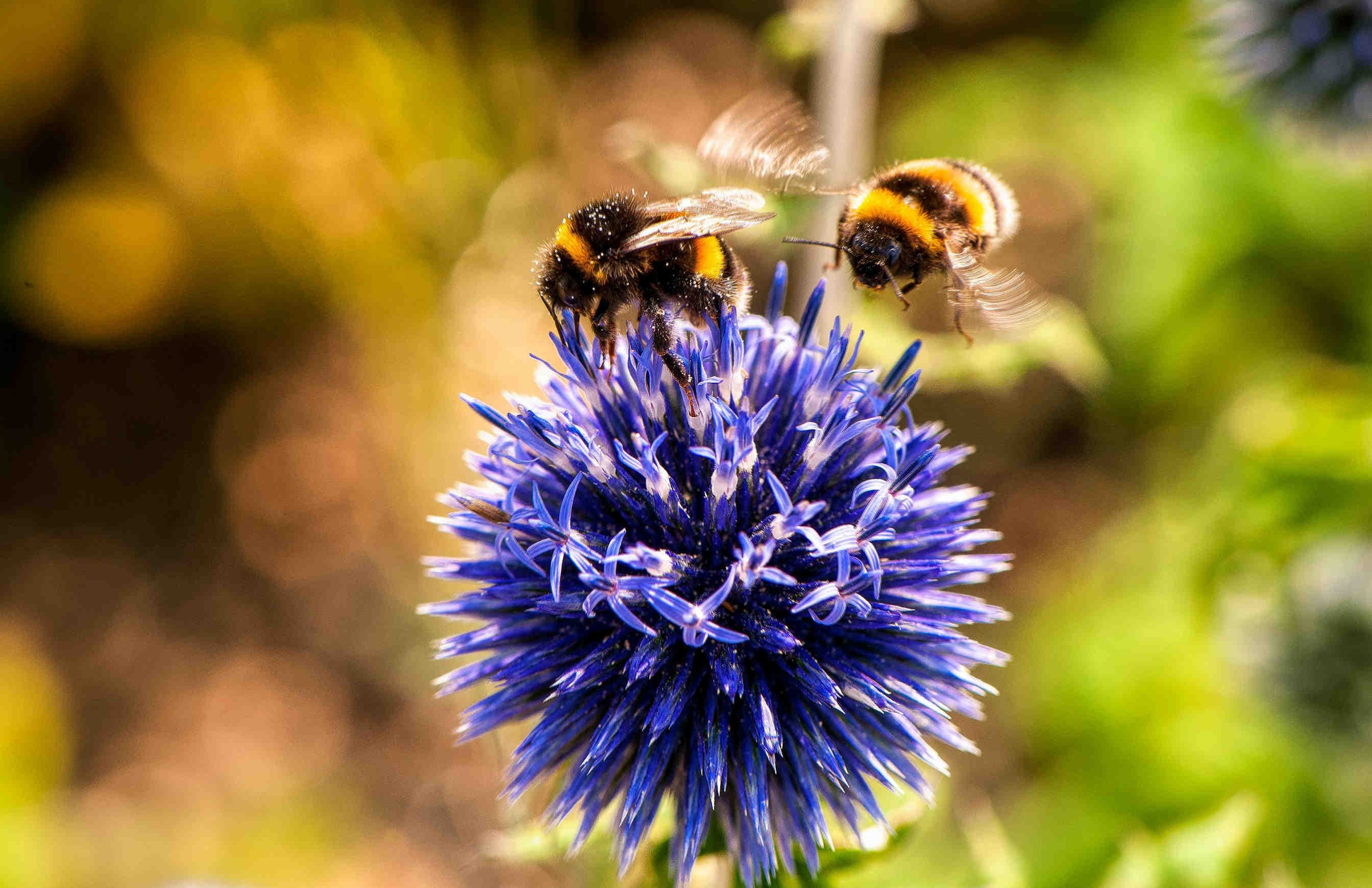
    Social learning is a process in which an individual acquires behavior by observing others of the same species, without experiencing it directly. Often associated with mammals and birds, it has recently been documented in bumblebees as well. A study from 2023 conducted by researchers at Queen Mary University demonstrated that these insects can learn complex tasks simply by observing their peers. In the experiment described in the study, a group of bumblebees watched some conspecifics engaged in solving a puzzle and, without directly engaging themselves, learned the solution technique. This discovery is surprising because it suggests the presence of a cultural transmission mechanism, that is, the spreading of behavioral traditions within a population, in a group of invertebrates!

    Bombus_terrestris_bombo

    Intelligent because adapted to its environment

    At the conclusion of our journey through different abilities to interact with the world, it becomes clear that intelligence is not a unitary skill, but a set of specialized abilities that have evolved in response to specific problems. Each mind has dealt with its context and developed, thanks to evolution, a kit of effective cognitive adaptations to live in it at its best. Therefore, there are no more intelligent species than others, but different solutions to different environmental challenges, whether ecological or social.
    Gorilla
    17/02/2025Of 3Bee, Anna Beretta
    735 Views
    Newsletter
    newsletter
    Subscribe to the Blog about bees and biodiversity

    Frequently Asked Questions

    Do you have any doubts or other curiosities about this article? Here you will find some insights