Alpine vegetation and climate change
    CustomisationCompetitionClose to the glacierClimate change adaptation

    Alpine vegetation and climate change

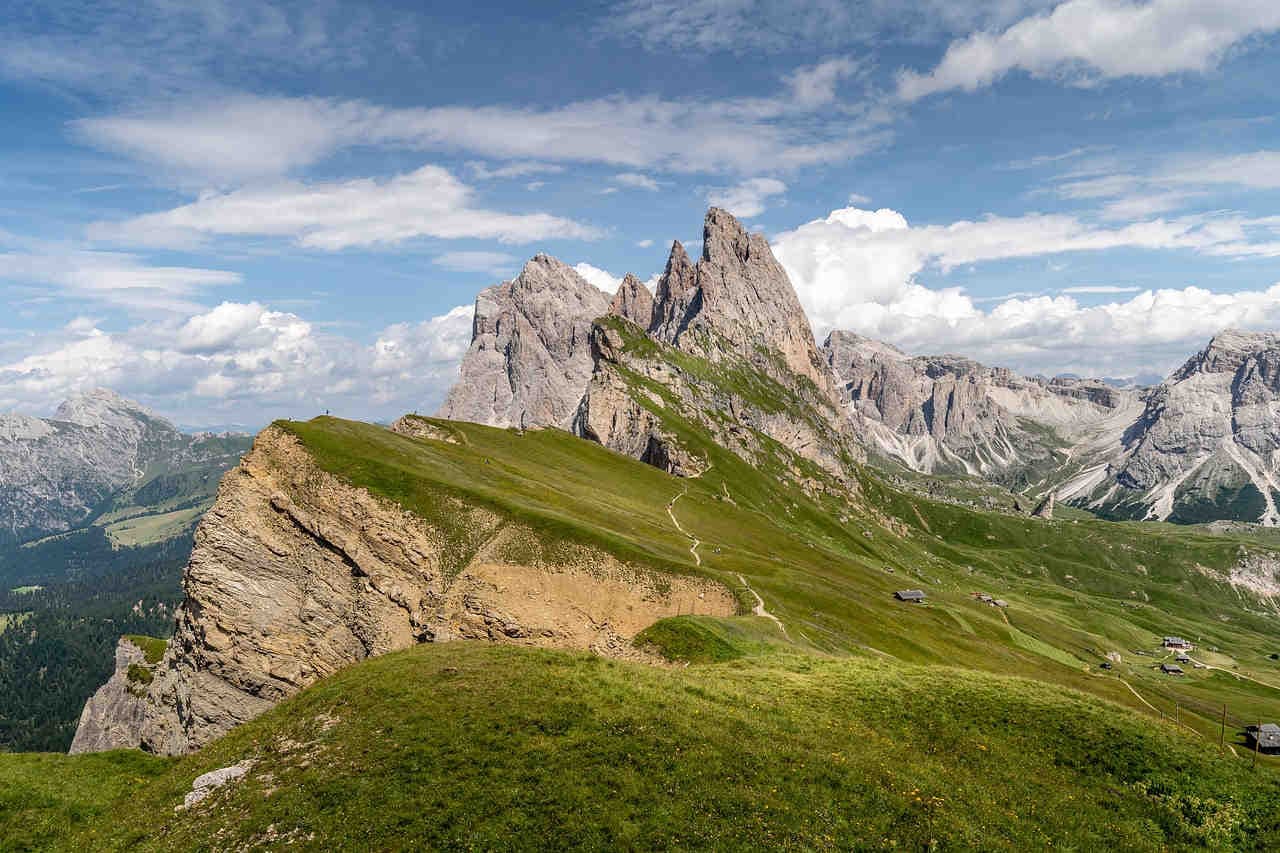
    Mountain regions and their specific climatic conditions react particularly early and strongly to global climate change. Changes in temperature, precipitation, meltwater and permafrost, as well as soil movements, have a lasting effect on the distribution of plants.

    Read the article
    25/06/2024Of 3Bee, Elise Maria Keller Boehm
    400 Views
    25/06/2024Of 3Bee, Elise Maria Keller Boehm
    400 Views

    Adaptations to climate change in plants
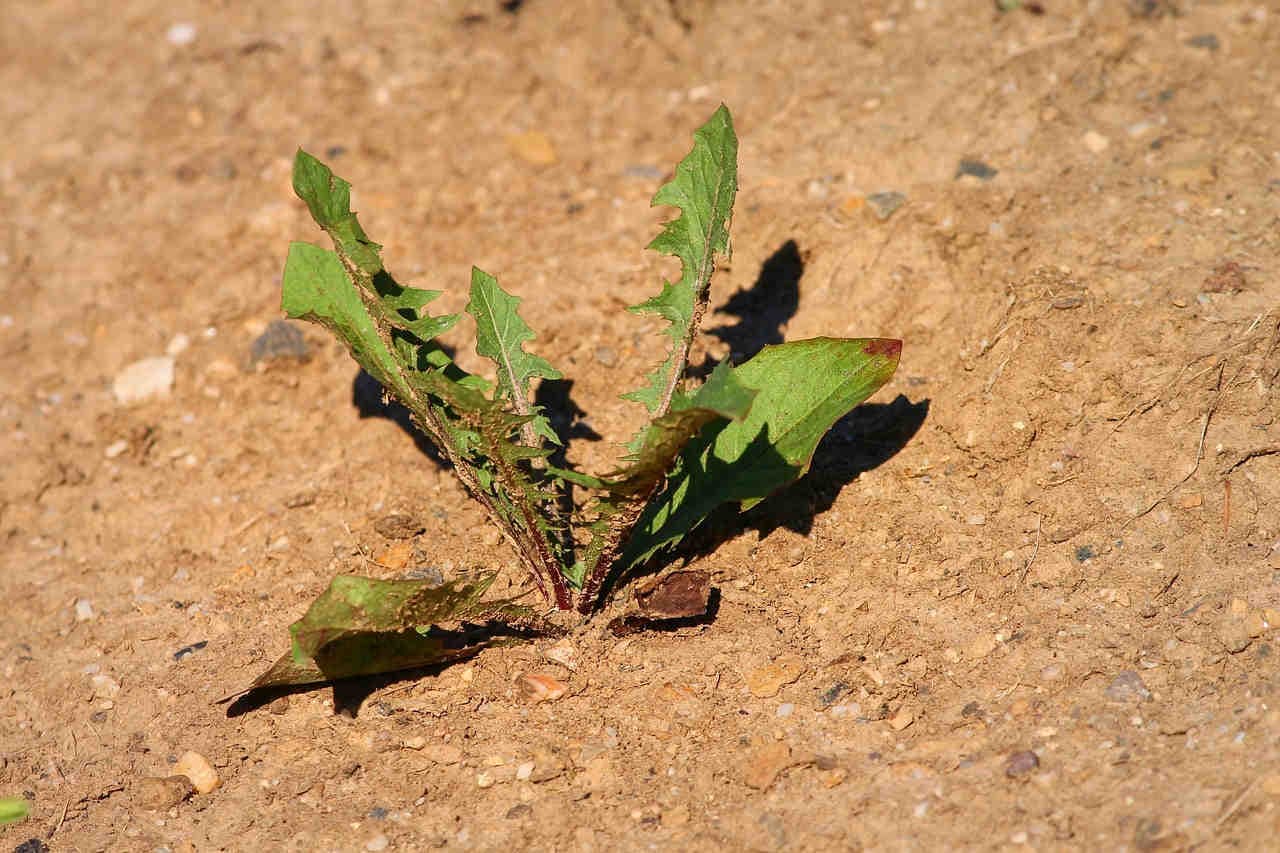
    Plants, just like animals, can also suffer from heat stress. Water scarcity, dry soils and unfavourable conditions for seed germination can put plant populations under pressure. In mountain regions, one of the zones that undergo the greatest and fastest climatic changes, plants are sometimes exposed to such strongly altered conditions that they seek new or higher distribution areas or plant communities are fundamentally restructured. As temperatures are sometimes milder at higher altitudes, this is also possible. At the same time, the thawing of glaciers enables the development of new zones by plant communities. The question is: Can soil organisms favour these adaptations and which species and communities are the winners and which are the losers of these changes?

    Plant in dry conditions

    Competition for habitat

    Various research projects have been carried out to study the effect that climate change has on mountain plants. For example, during a study of plants in high mountains, it was discovered that 118 species of the species studied, such as Galium rotundifolium and Sorbus aria migrate to higher altitudes as temperatures rise. The results suggest that climate warming interacts with nitrogen deposition in the air and thus drives the observed dynamics. Dmost species were able to spread more widely, but the "losers" of this dynamic are overrepresented in the group of plants from high mountain locations that are adapted to lower temperatures. It is thus evident that high mountain sites could become increasingly susceptible to the invasive spread of some species.
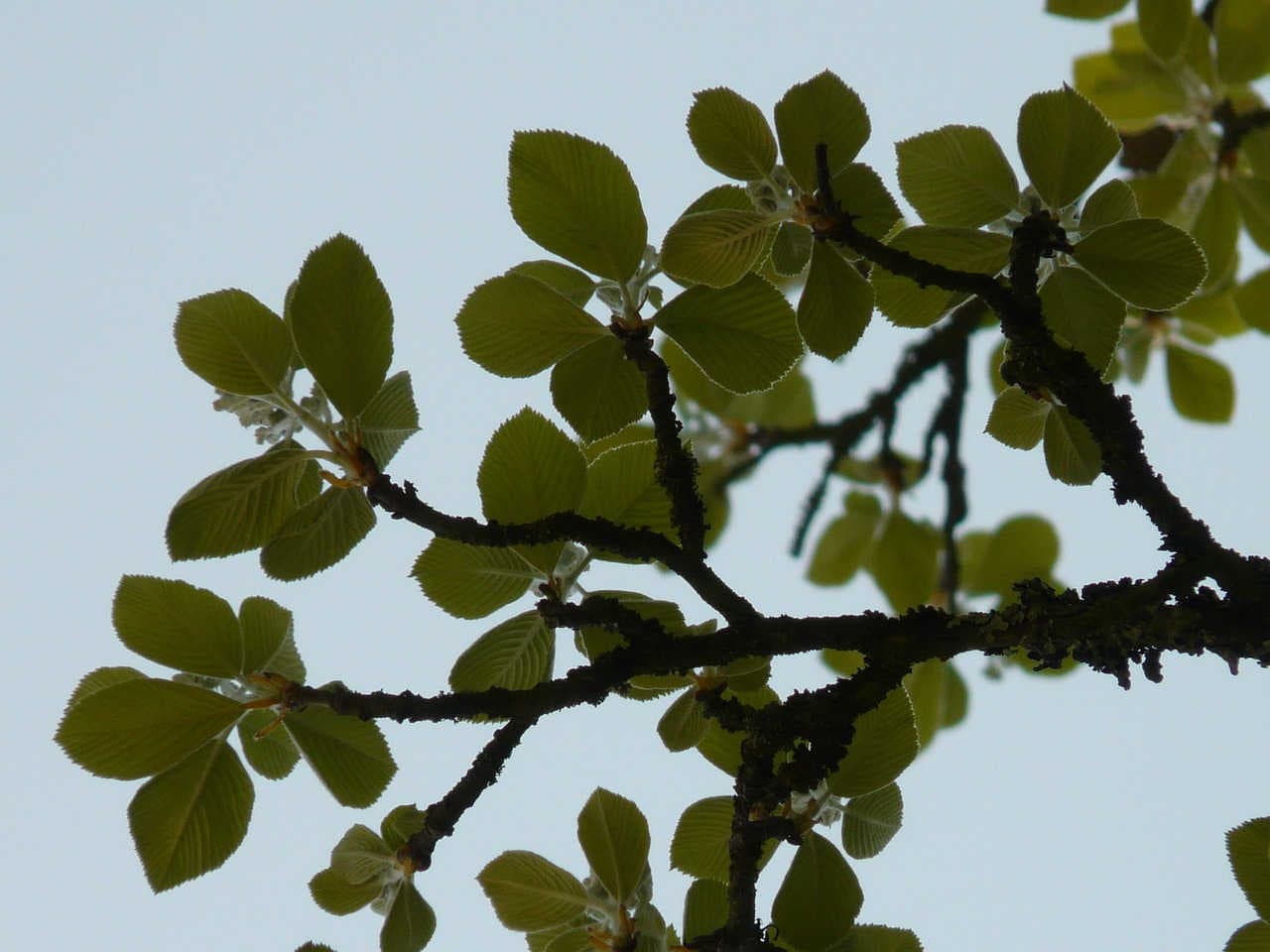
    Mehlbeere
    XNatura

    Plants near the glacier

    What has become possible in recent years due to the large-scale retreat of glaciers is the colonisation of previously icy areas by microorganisms, mosses, lichens and plants. This has the effect that the Alps above the tree line are becoming increasingly green. Plants react above all to the extended vegetation period through higher temperatures and probably also through changes in precipitation. Unfortunately, biodiversity is not benefiting from this, as species that can live at various altitudes are now also spreading above the tree line and increasing the competition for habitat from high alpine species, as can be observed, for example, in the European Alps with the saxifrage.
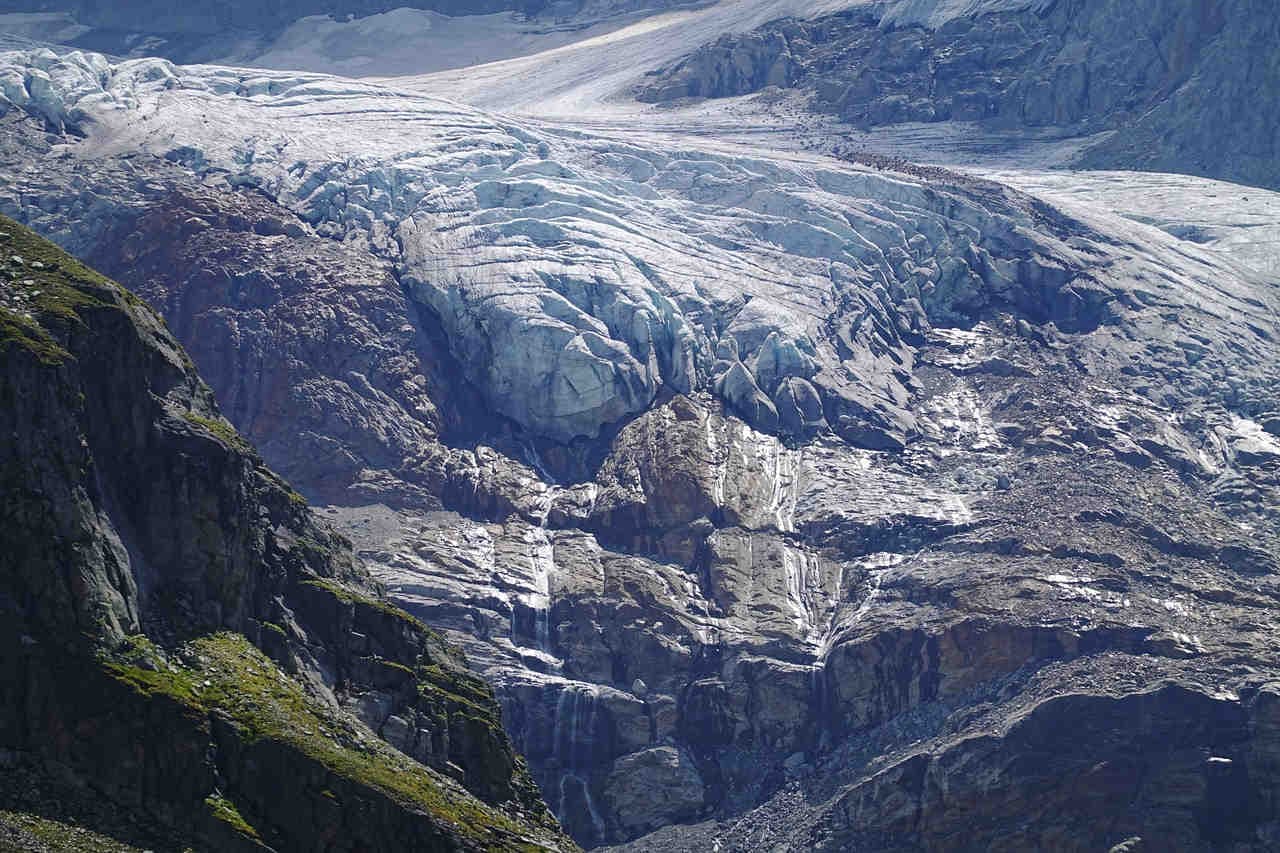
    Gletscher

    Adaptation to the high mountain climate

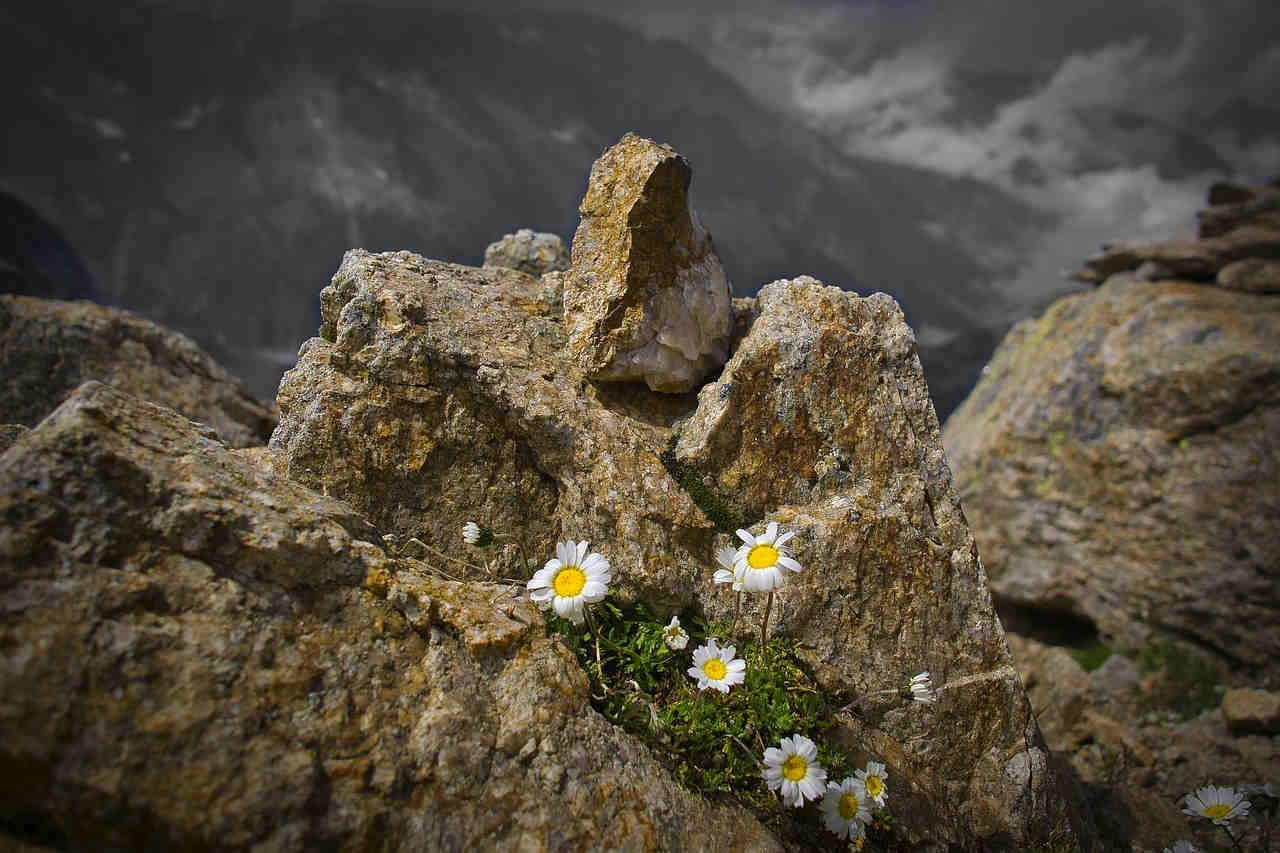
    Every plant, every animal, simply every organism has its geographical and ecological niche in which it lives because it has adapted to the conditions of its environment. If these conditions change, plants and animals are sometimes forced to change their habitat or they have the opportunity to spread further than before. This is the case for plants in mountainous regions. While some species move to higher altitudes, other species spread out or colonise areas that were previously covered in ice or snow. This can become a problem when plant species have adapted to a very high altitude in high mountains and have no place to go due to climate change. In this case, it can happen that plants spread from lower altitudes into their habitat. The only option for high mountain plants that cannot colonise lower altitudes would be adaptation, but this usually takes too much time.
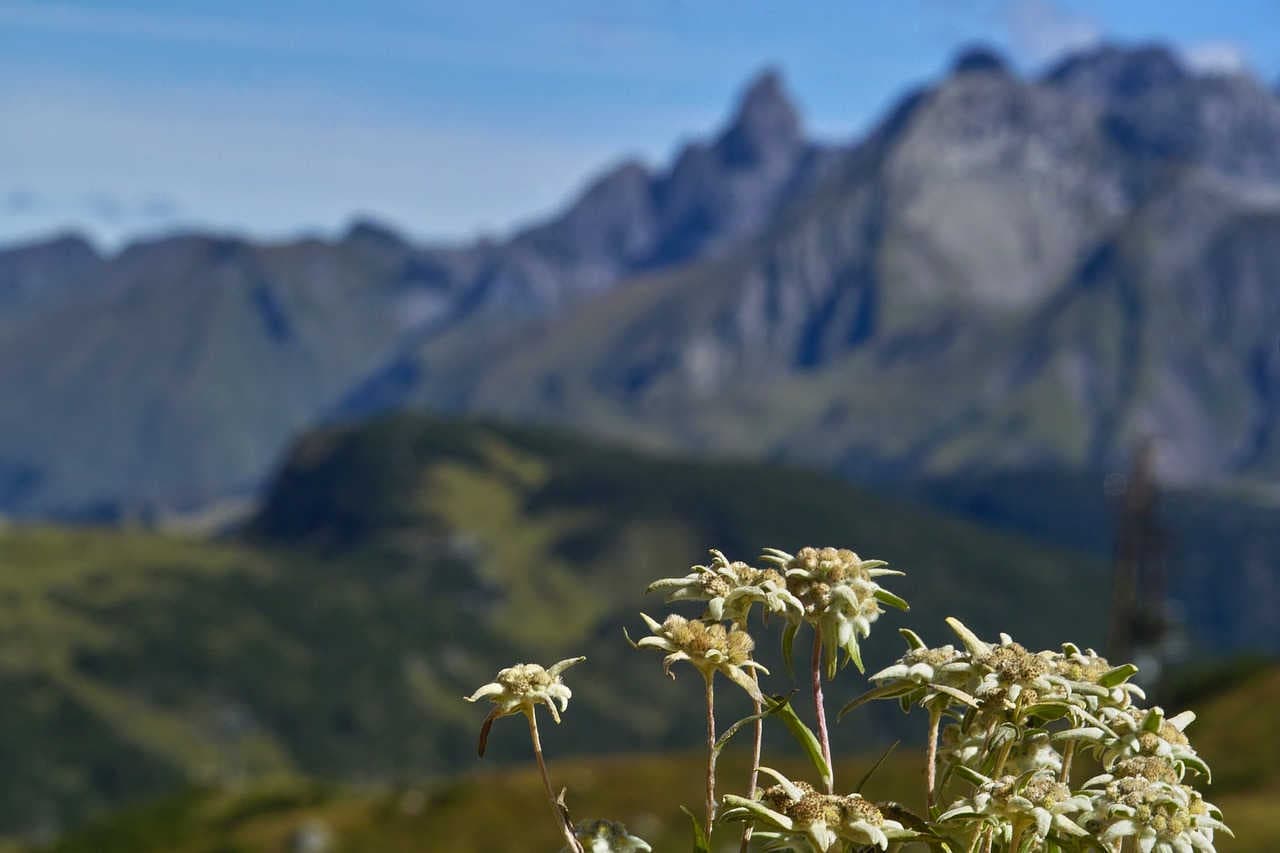
    Adaptation to the high mountain climate
    XNatura

    Alpine pasture utilisation and scrub encroachment

    In the Alps, mats and alpine pastures are largely used for agriculture - a very specific alpine flora has developed in these areas over the centuries. Due to global warming, however, some changes are also occurring here, which are based on changes in pasture management and the reaction of plants, and above all tree species, to climate change. If grazing areas are free of snow earlier, but cattle have to be removed from the pastures earlier due to severe summer heat and drought, for example, more bushes and trees can colonise pastures at high altitudes due to changing temperature conditions. This leads to a decline in the utilisation of alpine pastures and the bush encroachment of these cultivated landscapes. The flora and fauna adapted to these areas is thus increasingly being lost.

    Almbewirtschaftung
    3Bee

    Are there solutions?

    What is now important for researchers and practitioners in nature and species conservation is not to focus on maintaining the status quo. It is important to consider which species will be able to survive in a rapidly changing habitat in 30 years or more and where highly specialised species, especially plants, need to be protected against the spread of invasive species. The EU regulation on the restoration of natural areas in Europe, which will be adopted in 2023/2024, also stipulates that at least 20% of the land area should be renaturalised by 2030. This would provide more space for some species if the pressure to adapt is not exacerbated by other man-made factors. In addition, changes in biodiversity can be observed and analysed in these areas, which can provide important information on how plants and insects in mountain regions can be helped.
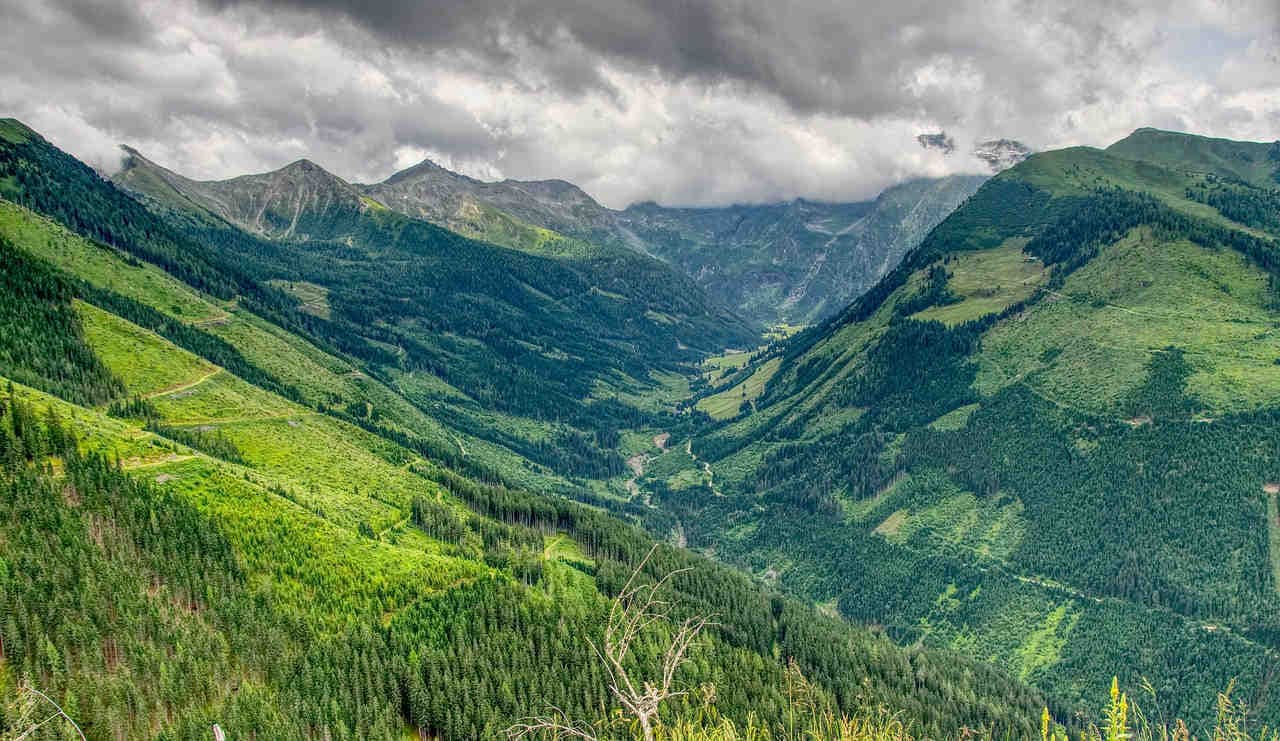
    Berge

    Effect of plant movements on insects

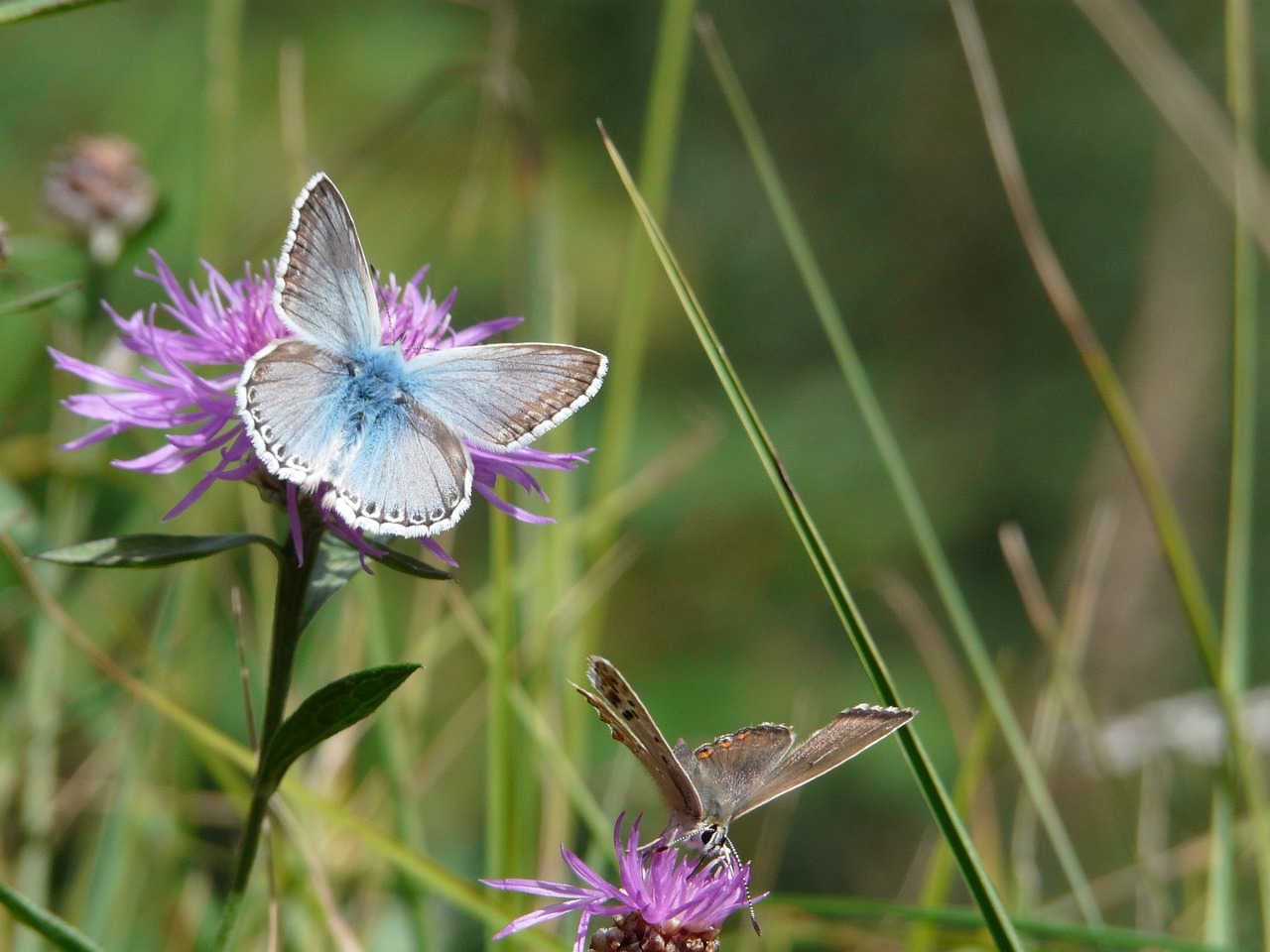
    Various studies have shown that many animal species react similarly to temperature and climate changes in high mountains. In some species, the migration movement to higher altitudes is even very rapid. Bumblebees in the Pyrenees, for example, have shifted their habitat to higher altitudes faster than 1 metre per year. Animals that colonise a large number of different habitats in one part of their distribution area generally make the change more frequently and more quickly than species that are highly specialised in one habitat. Even if species that are adapted to several habitats can react more quickly to temperature increases, the problem for insects at least is that they cannot find the plants that form their basis of life at higher altitudes. For example, bumblebees often have to fly low at higher altitudes to reach their nectar sources. This effect throws up to 60% of all plant and insect species out of balance.

    Bläuling
    25/06/2024Of 3Bee, Elise Maria Keller Boehm
    400 Views
    Newsletter
    newsletter
    Subscribe to the Blog about bees and biodiversity

    Frequently Asked Questions

    Do you have any doubts or other curiosities about this article? Here you will find some insights