Alien species: impacts and management strategies
    Alien speciesFeaturesWorldAlien plants

    Alien species: impacts and management strategies

    Currently, invasive species are widely recognised as a major contributor to the decline in biodiversity, occupying a position of secondary importance only to habitat loss. But who are they and why are they so harmful?

    Read the article
    23/06/2024Of 3Bee, Alessia Mircoli
    398 Views
    23/06/2024Of 3Bee, Alessia Mircoli
    398 Views

    Alien species

    Invasive Alien Species (IAS) encompass all those animal or plant species whose presence in a given place is due to voluntary or involuntary release by humans, allowing them to cross biogeographical barriers. They are extremely dangerous because they cause innumerable damage to ecosystems: they change trophic networks, alter animal behaviour, alter the supply of resources, alter the nutrient cycle, and affect the richness and abundance of native species, thereby increasing the risk of their extinction.
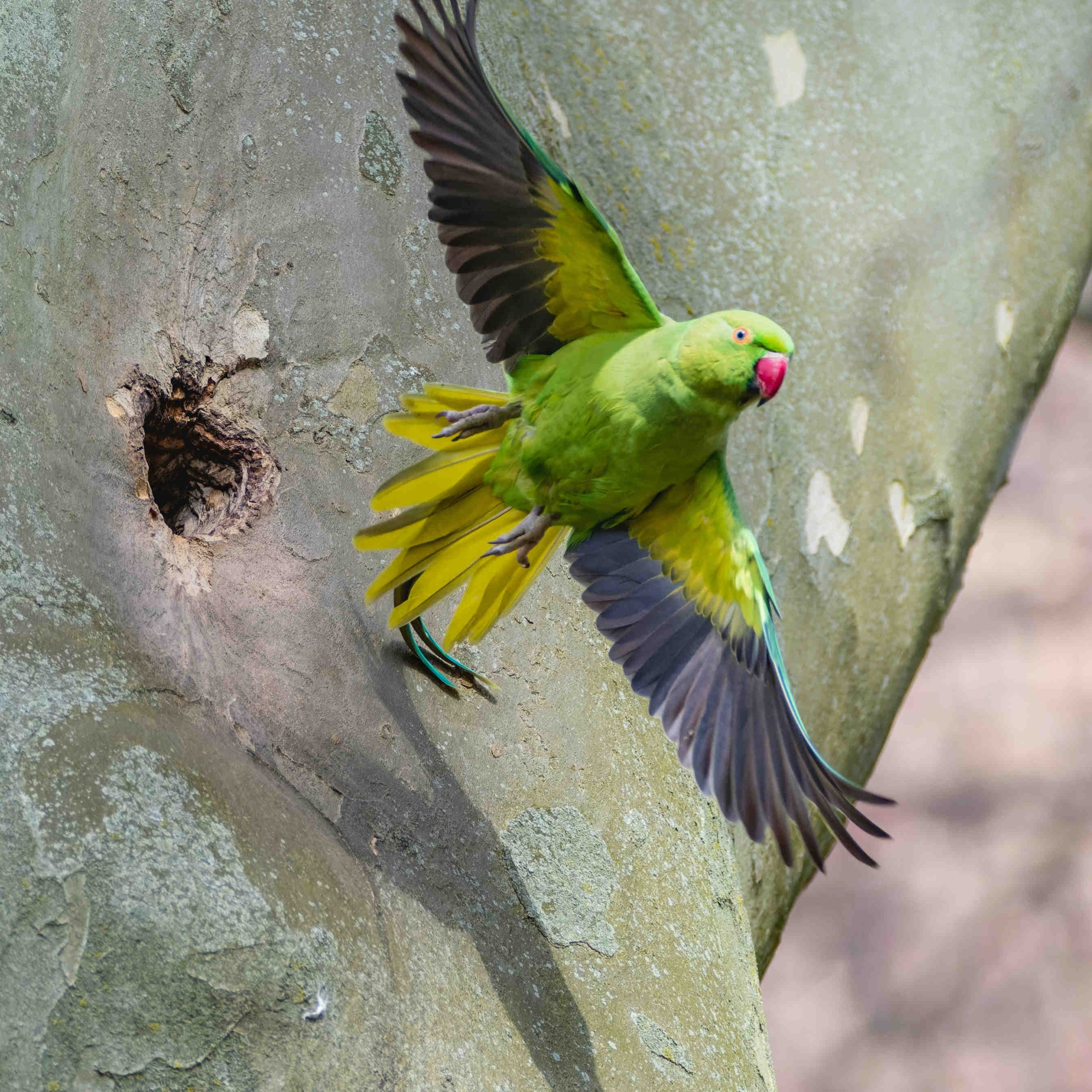
    parrocchetto dal collare

    The characteristics of alien species

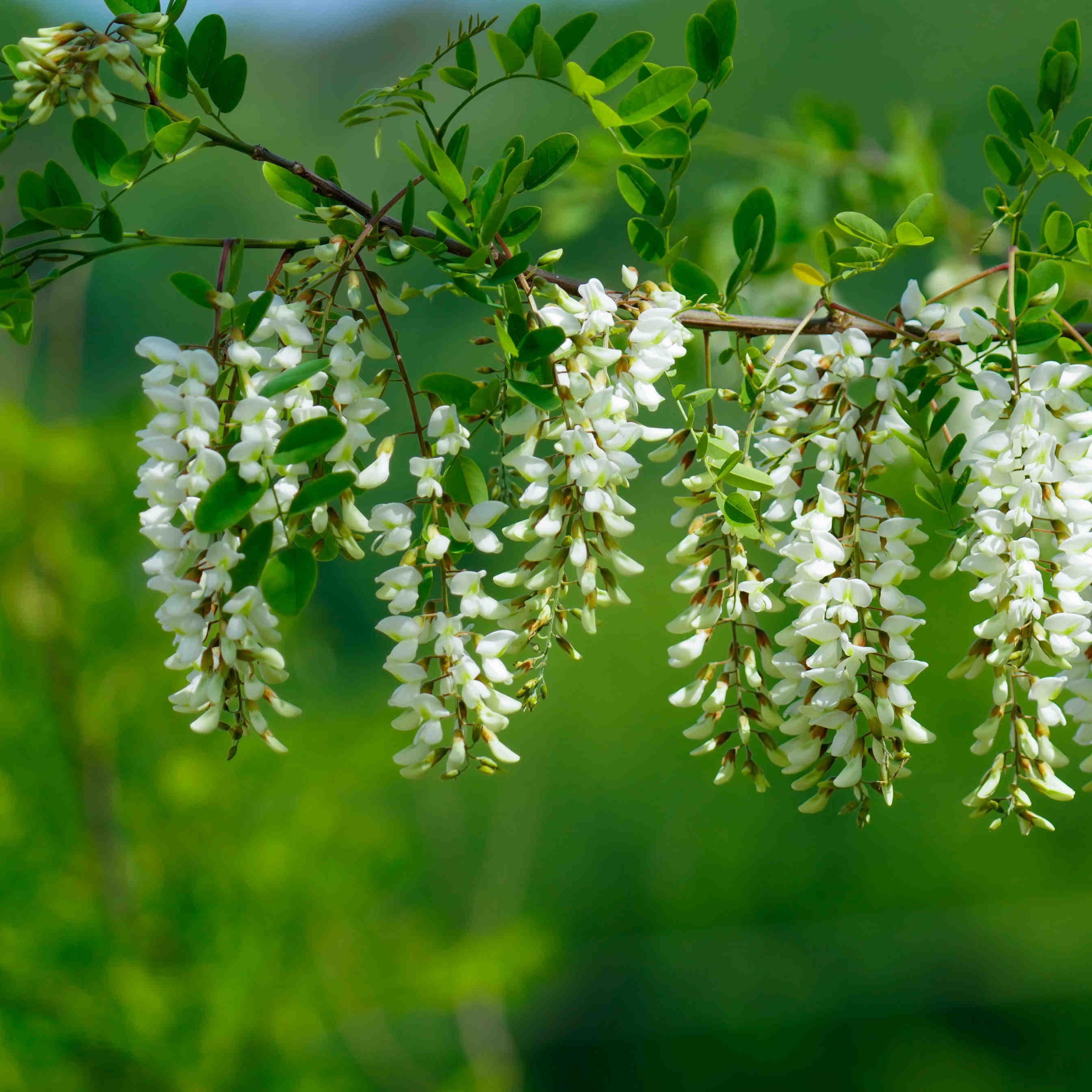
    Due to the complexity of the subject, there is often confusion between alien species and invasive alien species. The presence of the former is due to human introduction and can have either positive or negative effects or a combination of both. The latter are a subset of the former and always have negative effects on the environment into which they have been imported. There are also general characteristics that a species must have in order to successfully occupy a new habitat such as the ability to grow, expand and adapt to new environments. For example, a successful vascular plant requires little germination, is fast growing and produces seeds in large quantities or can reproduce vegetatively. For vertebrates and invertebrates, adaptability, varied diet, tolerance of climatic variations and genetic diversity are decisive. These peculiarities favour the colonisation of new habitats, with negative impacts on the ecosystem.
    robinia pseudoacacia
    XNatura

    Alien species in the world

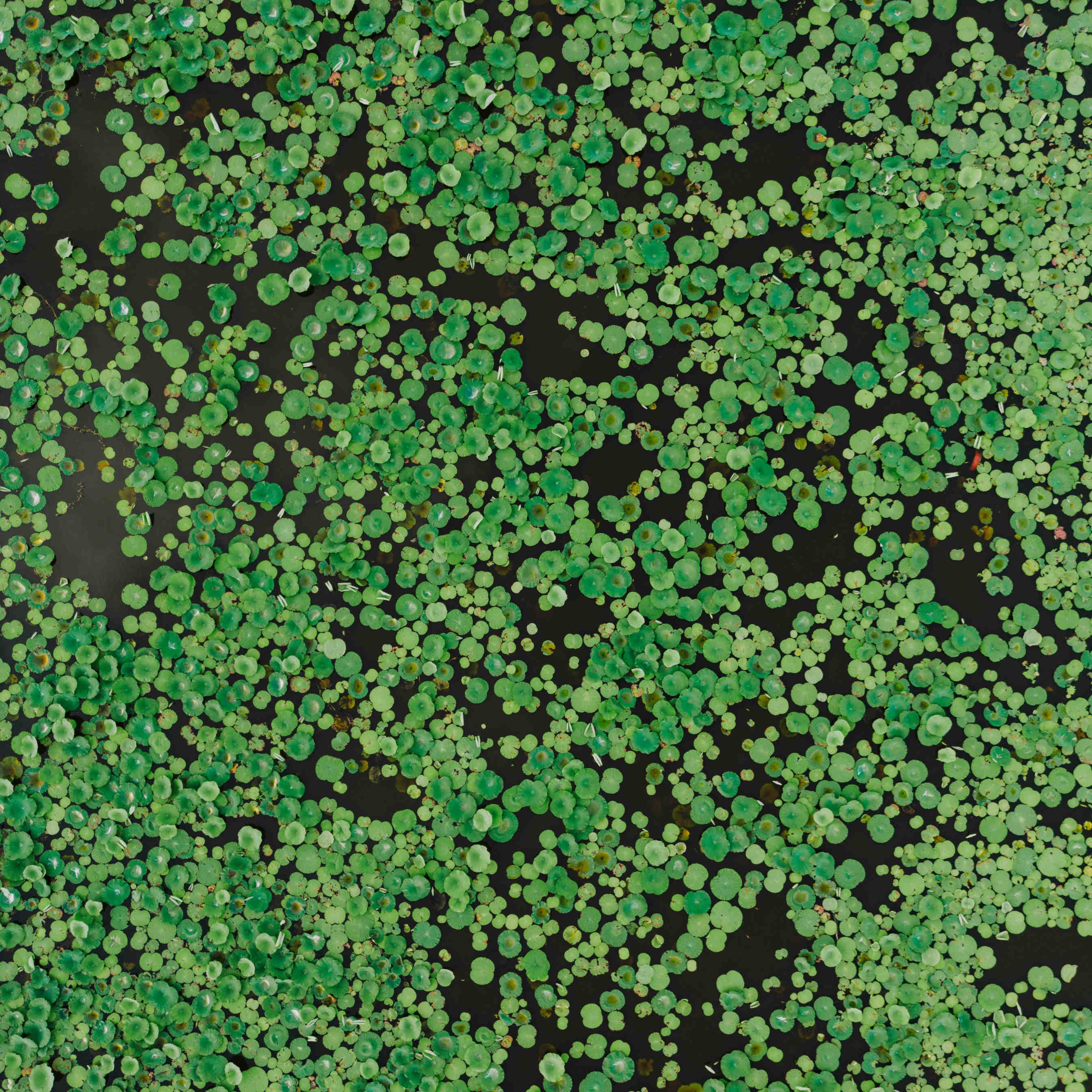
    As mentioned earlier, invasive species are one of the main reasons why biodiversity is currently declining. In fact, they are present in all taxonomic categories and no environment is immune to risk from them. Thanks to the worldwide research and sampling work in recent years, it has been possible to create comprehensive databases and reports on the status of the spread of alien species: this has made it possible to analyse the situation in a more specific and targeted manner. It thus emerged that among the hundred worst high-profile species in need of immediate solutions, the most numerous are plants (terrestrial and aquatic), followed by invertebrates (terrestrial and aquatic) and mammals.
    lenticchia d'acqua

    Alien vascular plants in the world

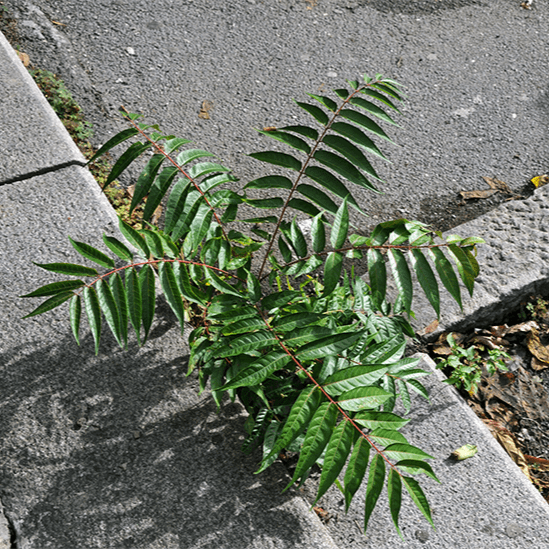
    In relation to vascular plants, the latest data show that some 14,000 species have established alien populations in at least one area different from their native range, representing approximately 4% of the world's flora. In Italy, one of the most invasive species is Ailanthus altissima, introduced mainly by collection in botanical gardens and later by substitution for gelso for breeding Philosamia cynthia. It is native to China and North Vietnam, but is now present on all continents except Antarctica. It is a pioneer plant, therefore able to adapt very quickly as it has few environmental requirements. It has the ability to grow even with very little light and can grow undisturbed even in degraded areas and in contact with disturbing factors linked to urbanisation. Its presence leads to a deterioration of the landscape, a lowering of plant biodiversity and even risks to human health.

    alianto
    XNatura

    Alien invertebrates in the world

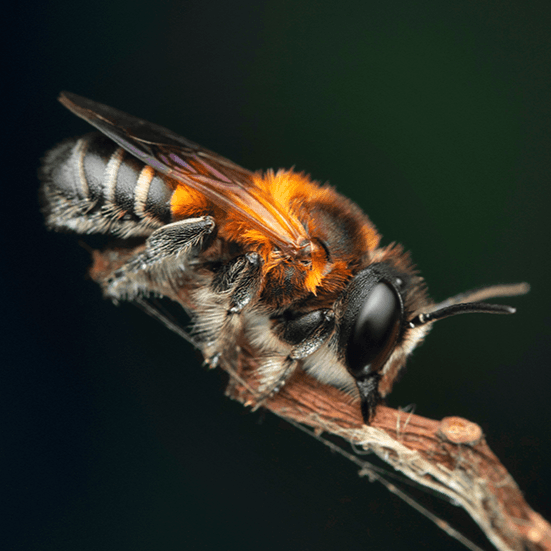
    Terrestrial invertebrates can cause significant ecological and economic impacts when they spread into new habitats. They can act both as parasites of agricultural crops and forests, as predators of native species, and as vectors of human and animal diseases. These negative effects can damage agricultural resources, ecosystems and human health, requiring management and control measures. In Italy, for example, an invasive insect is the resinaceous bee (Megachile sculpturalis), native to Japan and south-east Asia, now present in the United States and Europe. This species may nest in cavities already used as a nesting site by other native solitary bees: in this case, it removes the larvae of others present there to lay its own eggs, going so far as to, in the most extreme cases, block the exit of the future adults of these species.
    ape resinosa
    3Bee

    Alien mammals in the world

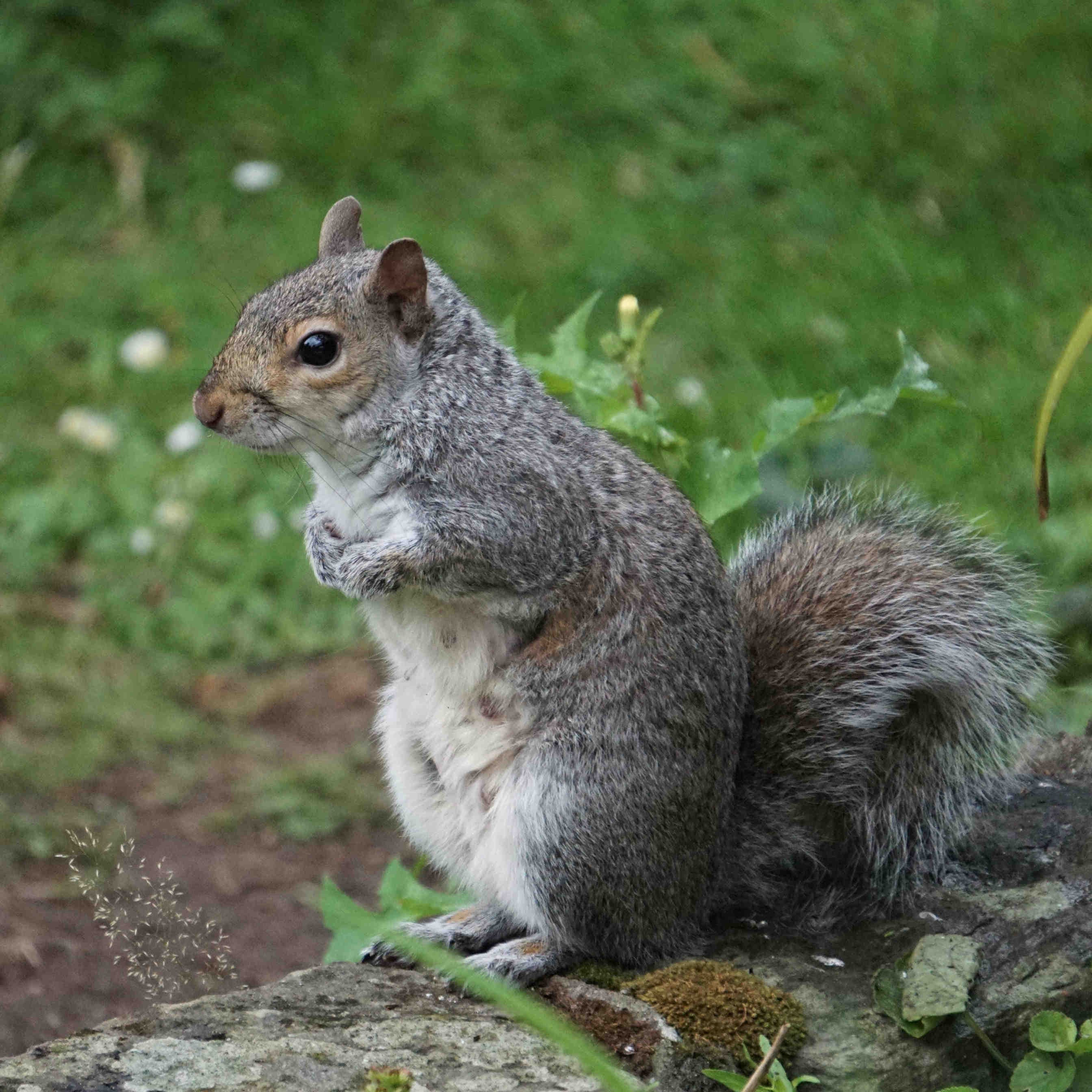
    Out of a total of 4816 living terrestrial mammal species, both domestic and wild, there are 124 species (2.6% of the total) that can be classified as IAS. The introduction of mammals into new areas was mainly driven by the search for food resources, hunting opportunities and recreational purposes. The fur industry and the pet trade have contributed to this, with consequent negative impacts on agriculture and native fauna. One of the best known invasive mammals is the North American squirrel (Sciurus carolinensis), native to North East America. Imported into North America, Europe and South Africa for ornament and companionship, it damages crops, trees and timber. It also competes with the European common squirrel over space and resources, even contributing to its decline through the transmission of a harmful virus, especially lethal to the latter.

    scoiattolo

    Analysing the future of alien species

    Data analysis reveals a constant increase in alien species over the past two centuries. Despite extensive research efforts, there remains great uncertainty about the potential impact of these species on newly colonised habitats. The spread of these species is fuelled by population growth, expanding global trade and environmental changes, which favour unpredictable establishment of invasive species. Without prevention, trade will continue to transport new species, paving the way for a possible increase in ecological threats. It should be emphasised that many of the potentially invasive species have already been introduced, but have not yet shown a significant impact on ecosystems. Furthermore, the climate change will further exacerbate this situation, affecting the rates of introduction, establishment and spread of invasive species, with potentially very damaging consequences for global ecosystems.

    Futuro

    The factors on which future invasions may depend

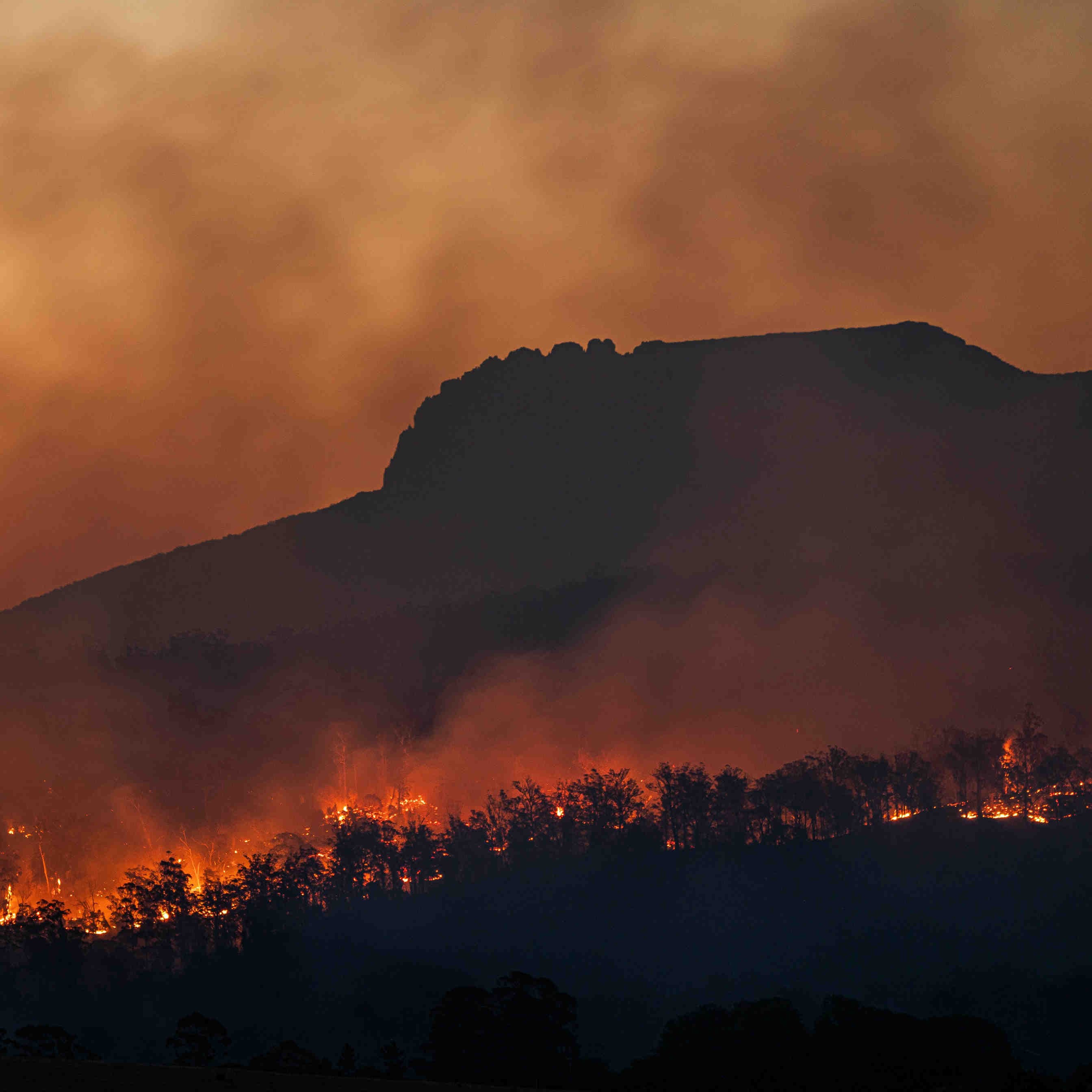
    The three main factors shaping biological invasions are the transport of goods and people, socio-economic changes and climate change. These phenomena are the main drivers of the arrival of new alien species where trade and transport play a predominant role, with the exception of polar regions. Additional relevant factors include demographic changes, migration dynamics and phenomena such as eutrophication and pollution. Similarly, socio-economic changes can influence the spread of these species. Finally, climate change can also favour the expansion of species that previously could not survive in certain environments. It is therefore important to understand and monitor these processes in order to protect biodiversity and ecosystems.
    incendio

    Urgency and limits in dealing with invasive alien species

    Considering the distribution of the alien species in various parts of the world, the ways in which they have managed to move and expand, and the damage they have caused to the environment, economy and health, it is clear that it would be necessary to implement appropriate measures to eradicate their populations or, at the very least, keep them under control. It should be borne in mind that the current data are underestimated because in some countries studies on this subject have not been carried out or are small and, therefore, not representative enough. Furthermore, many of the studies carried out so far analyse species by species, not taking a more general view of the situation. In this way, it is not possible to draw conclusions concerning entire groups of organisms (mammals, amphibians, reptiles, etc.) and, therefore, to make future predictions that are broader and not relative to the individual species.
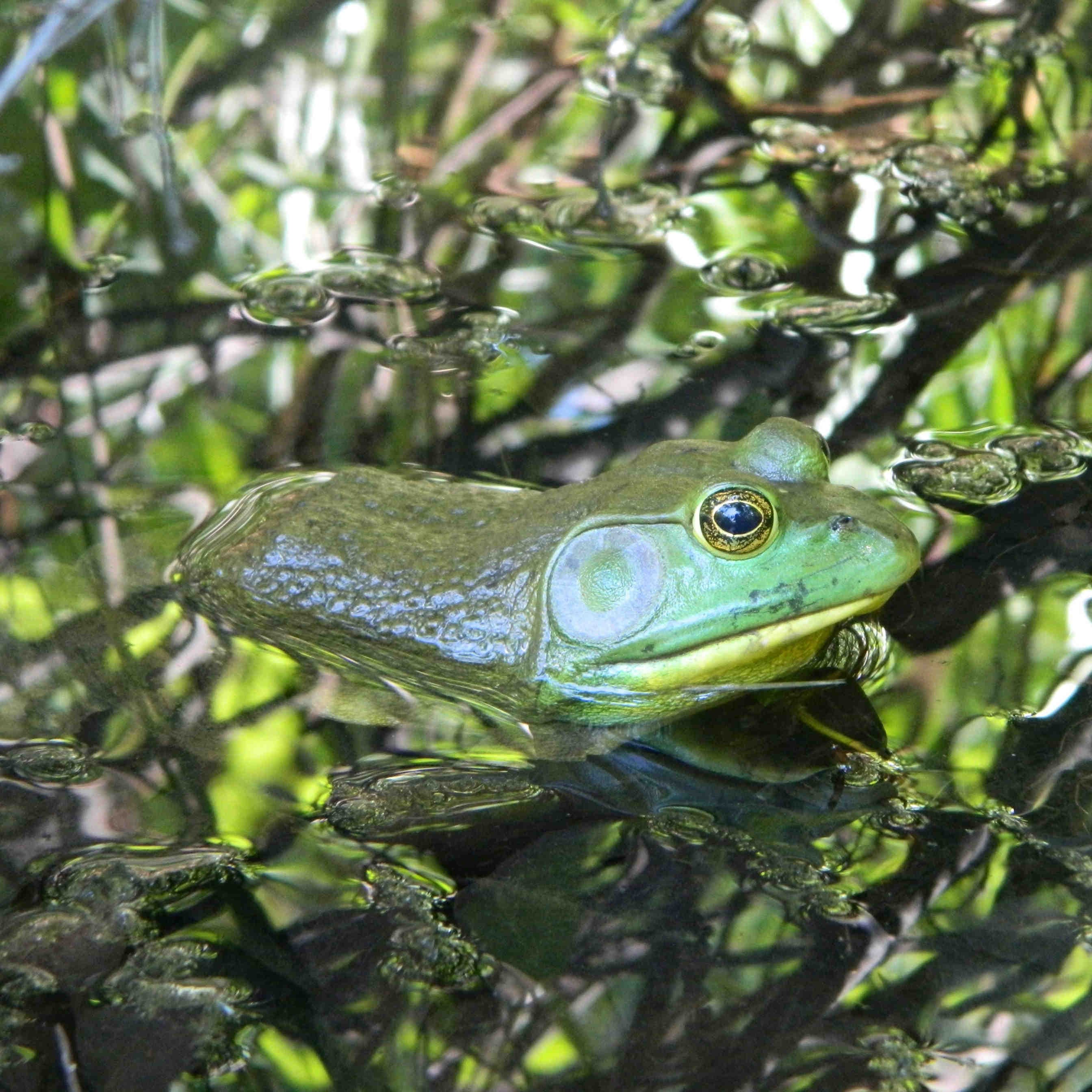
    rana toro americana

    Strategies for managing invasive alien species

    Prevention is the priority action to prevent the establishment of potentially invasive species in an area. Strengthening border controls is essential to prevent illegal trafficking of animals, plants or goods that could introduce these species. Furthermore, habitat management is crucial: maintaining and restoring habitats in a wild state reduces susceptibility to invasion by alien species. International collaboration is equally essential. By exchanging information and developing common policies, it significantly improves the ability to address the problem. Finally, involving citizens of different countries is equally important to raise awareness of the issue. This makes it easier to detect the presence of alien species and to spot new individuals or populations in places where they have not been observed before.

    Collaborazione
    23/06/2024Of 3Bee, Alessia Mircoli
    398 Views
    Newsletter
    newsletter
    Subscribe to the Blog about bees and biodiversity

    Frequently Asked Questions

    Do you have any doubts or other curiosities about this article? Here you will find some insights