The Arctic Fox: Master of Survival in Extreme Climates
    Arctic FoxAdaptationsCoatDiet

    The Arctic Fox: Master of Survival in Extreme Climates

    Slender and fascinating, the Arctic fox tells us a story of unique adaptation and resilience in the planet's most hostile landscapes. Learn more about the curiosities and characteristics of this small Arctic predator.

    Read the article
    03/01/2025Of 3Bee, Chiara Pertile
    1226 Views
    03/01/2025Of 3Bee, Chiara Pertile
    1226 Views

    The Arctic Fox: A Habitat Between Tundra and Ice

    Disclaimer: this is an automated translation from Italian. Go to the original article.

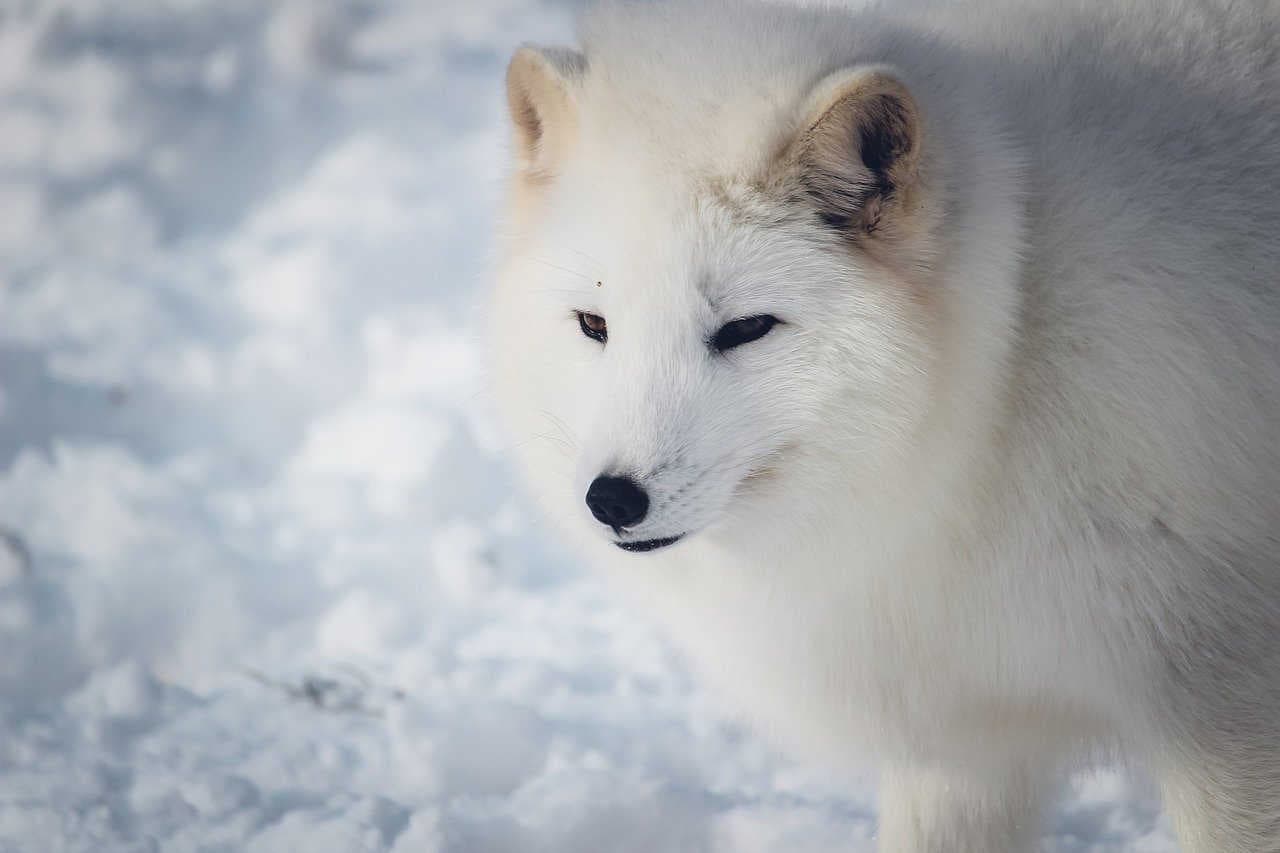
    The Arctic fox (Vulpes lagopus) is a small mammal native to Arctic regions, distributed in circumpolar areas including Russia, Canada, Greenland, Iceland, and the mountain areas of Scandinavia. It prefers habitats such as tundra and ice-covered coasts, environments characterized by short summers and long, harsh winters, with temperatures that can drop to -50°C. In these extreme conditions, the Arctic fox has developed incredible adaptations that allow it to survive and thrive.
    volpi artiche

    The Incredible Cold Adaptations of the Arctic Fox

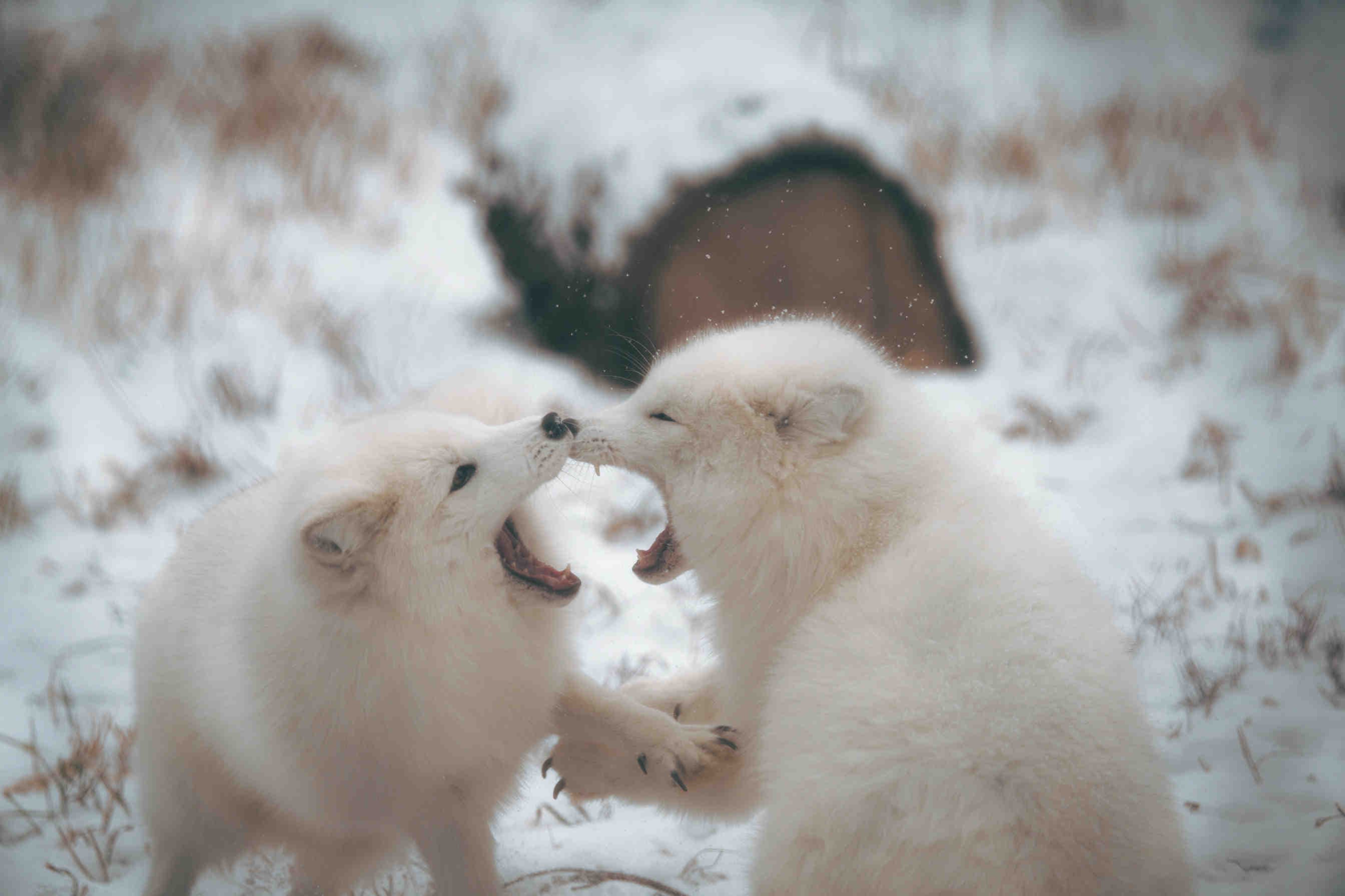
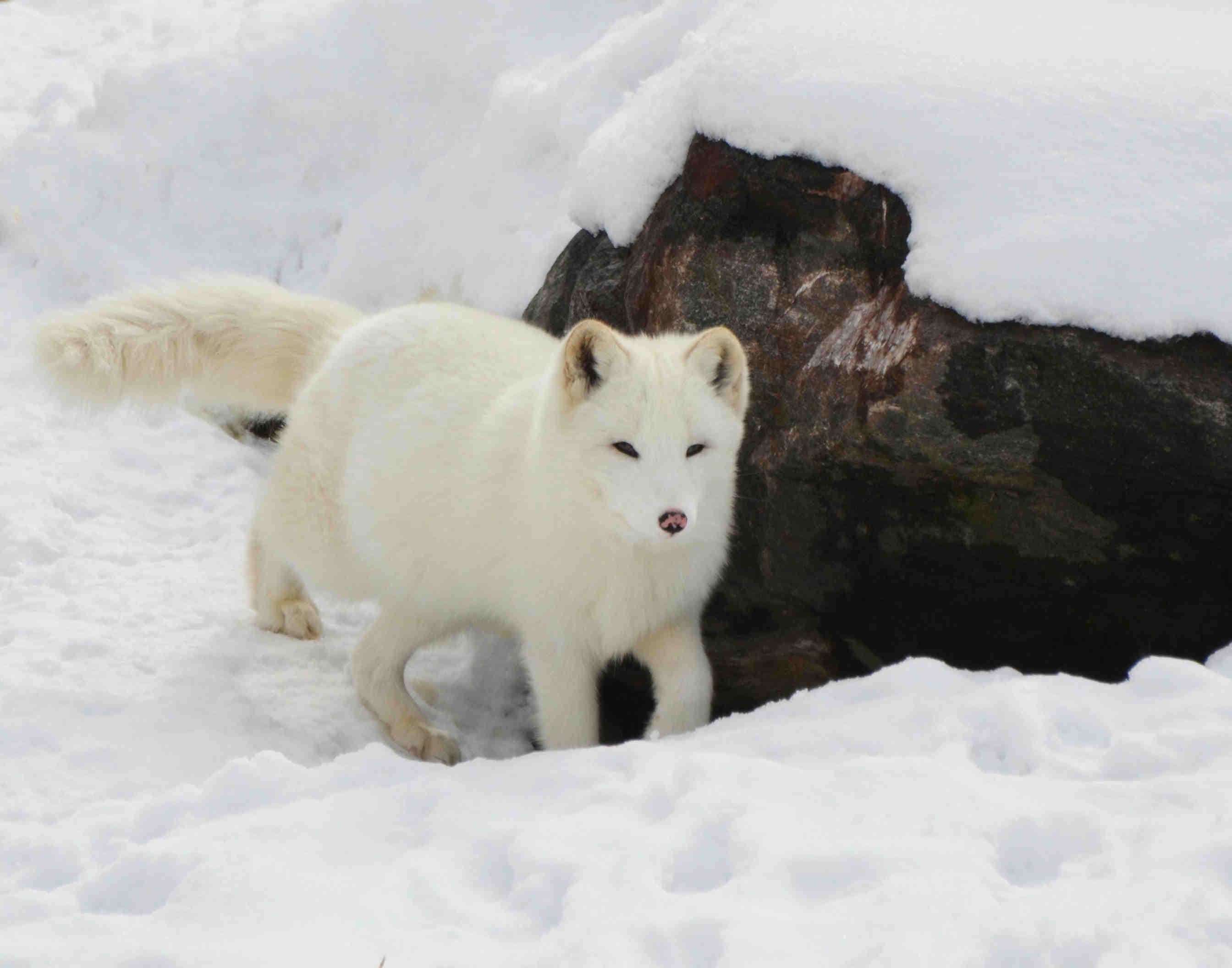
    The Arctic fox's adaptation to the cold is extraordinary. Its thick coat is among the most insulating in the animal kingdom, protecting it from both low temperatures and wind. The fur consists of two layers: a dense undercoat and an outer layer of long hairs that repel moisture. The small, rounded ears, along with short, fur-covered legs, reduce heat loss and allow the fox to move easily on snow and ice without risking frostbite. The long, bushy tail is used as a blanket during sleep, wrapping around the body to retain heat.
    volpe artica
    XNatura

    Arctic Fox: A Chameleonic Coat

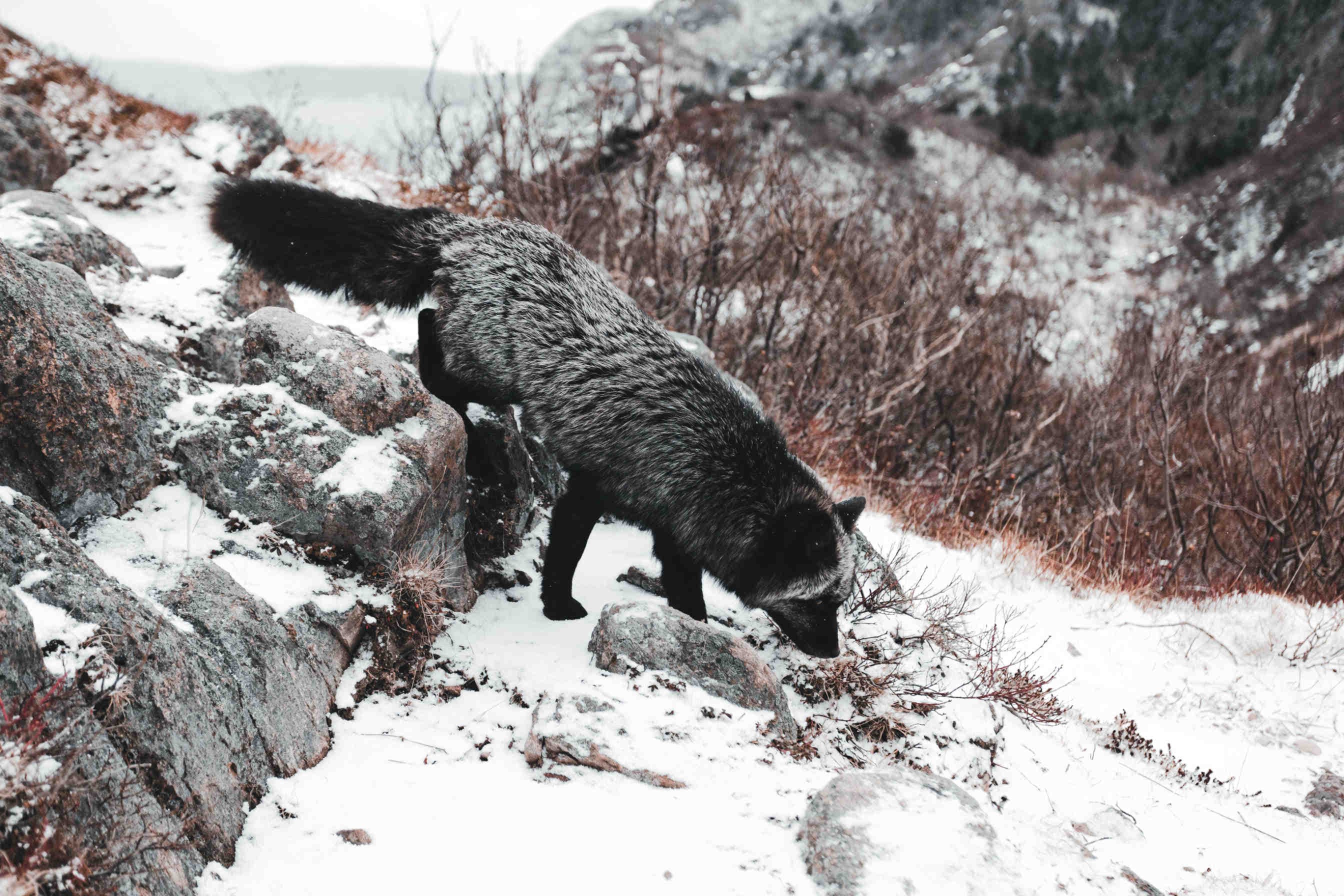
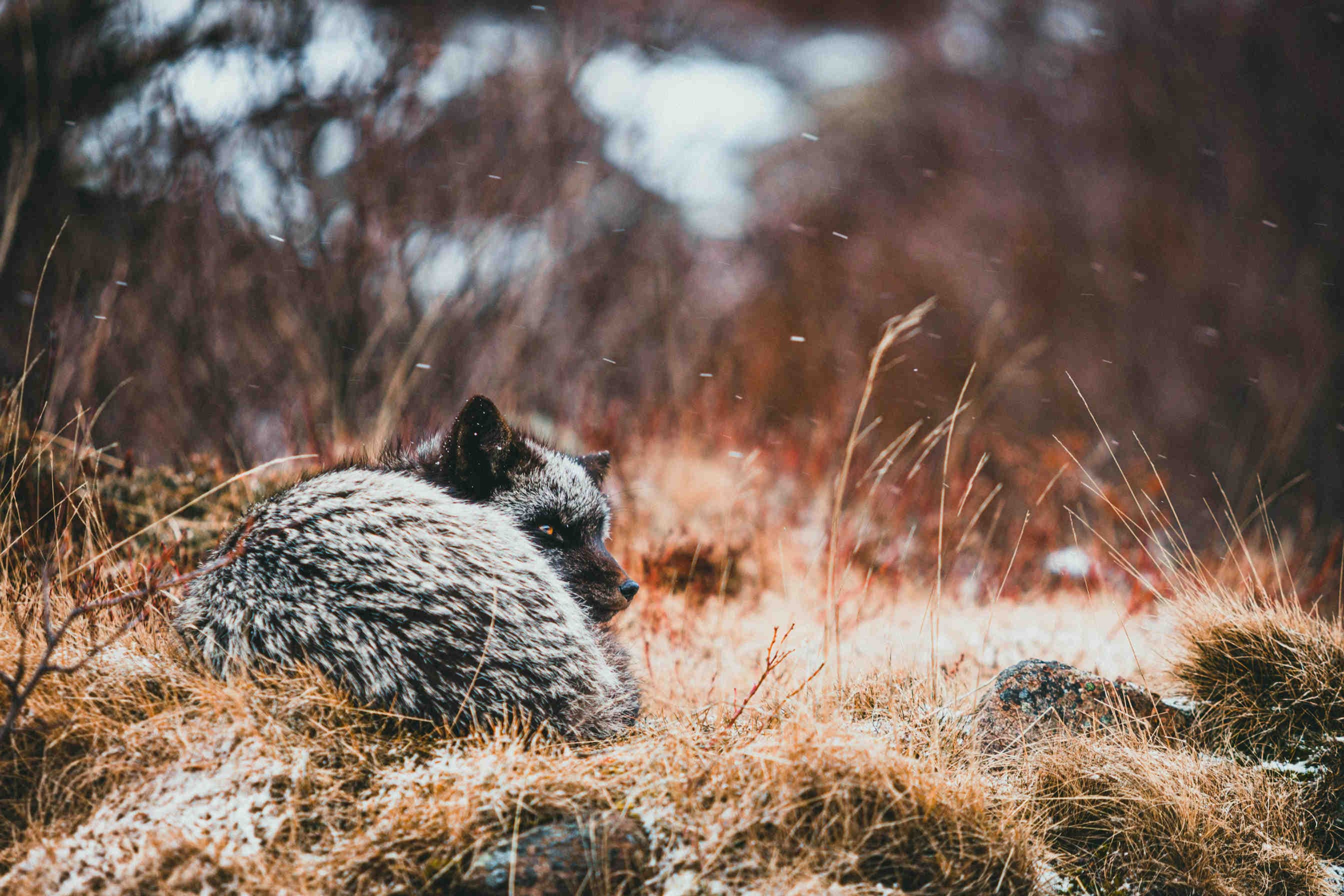
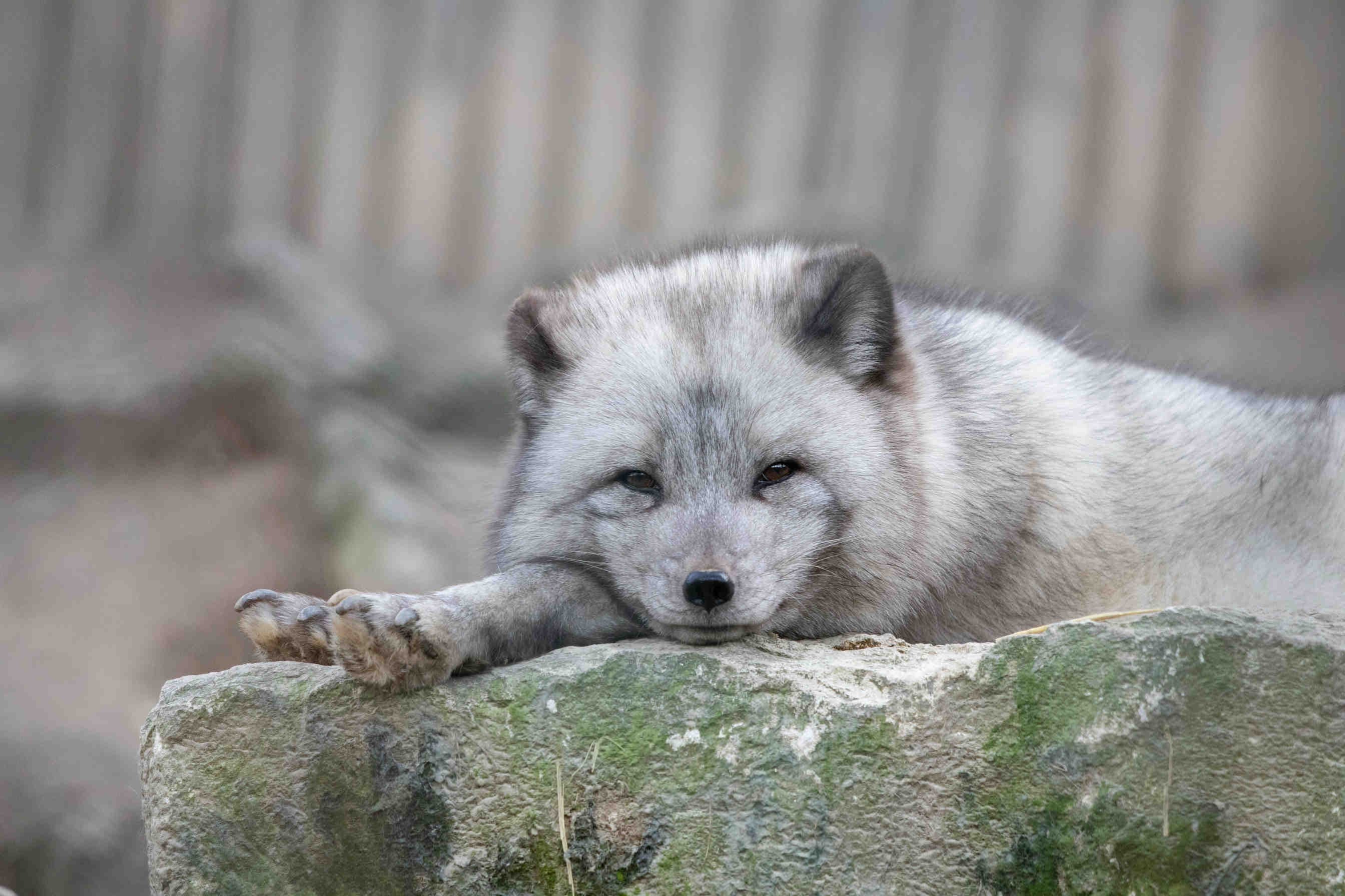
    One of the most surprising features of the Arctic fox is the seasonal color change of its coat. In winter, the white fur camouflages it in the snow, helping it evade predators and hunt more effectively. In summer, the fur becomes brown or grayish, an adaptation that allows it to blend in with the rocks and vegetation of the tundra. This cycle of seasonal molt is regulated by changes in daylight duration and hormonal changes affecting fur growth and pigmentation. These adaptations are crucial for the survival of the Arctic fox in the extreme conditions of its habitat, making it a perfect hunter.
    volpe artica colore

    The Arctic Fox: Predator of the Arctic

    The Arctic fox is indeed an omnivorous predator with a varied diet that includes small rodents like lemmings. It can also feed on Arctic hares, birds, eggs, berries, mollusks, or carrion left by larger predators such as the polar bear. During winter, when food is scarce, it often travels long distances, up to 1,000 kilometers, following the migrations of prey, tracking polar bear routes or moving to less inhospitable areas. Additionally, it digs dens in the snow or ground that serve as shelters against intense cold and predators.
    volpe artica
    XNatura

    The Arctic Fox Hunts by Diving into the Snow

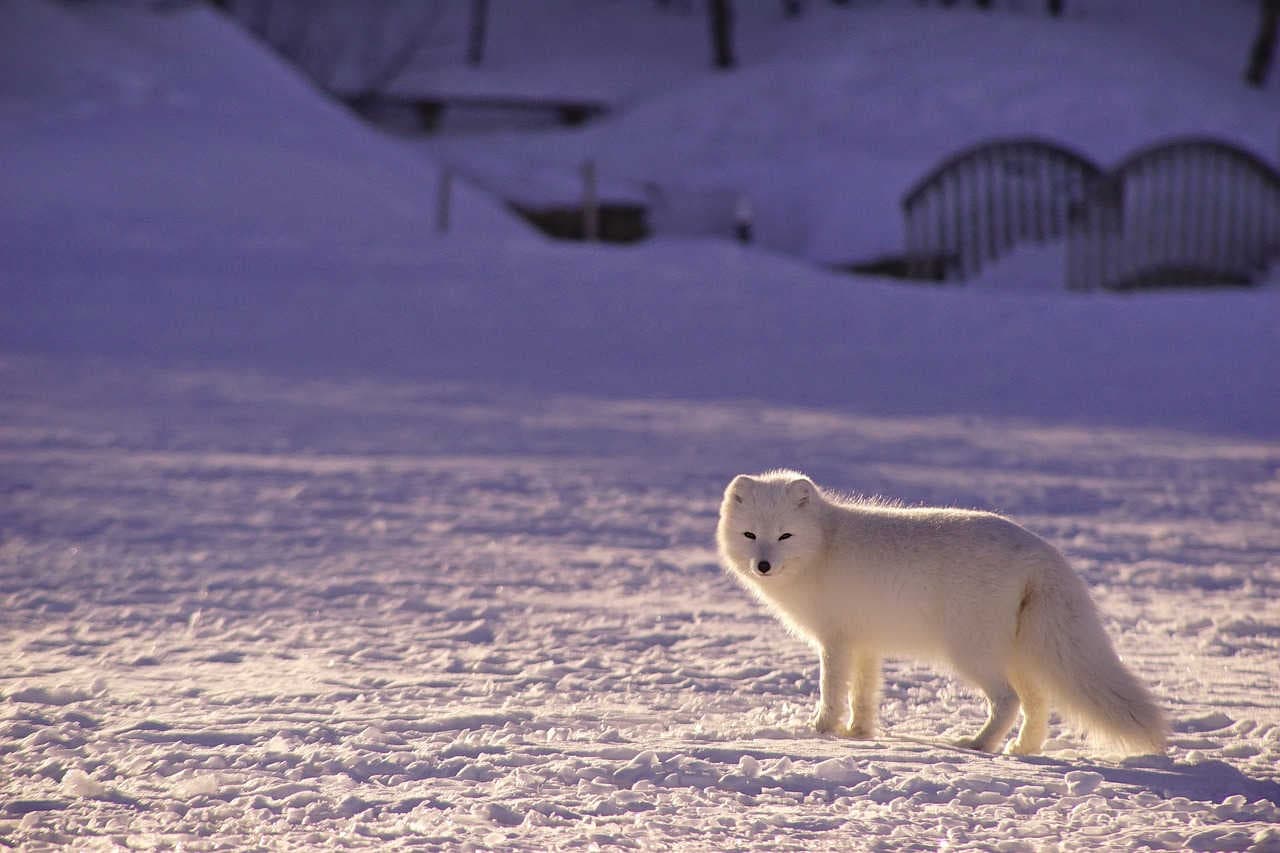
    In harsh environments, where small rodents often live under the snow, Arctic foxes - along with red foxes (Vulpes vulpes) - use an extraordinary hunting technique called "mousing". Thanks to their excellent hearing, these foxes accurately pinpoint hidden prey and once they find the spot, they jump into the air and dive into the snow, driving their head at speeds up to 4 meters per second. In a study published in PNAS, Jisoo Yuk and colleagues wondered how foxes could use this hunting technique without hurting themselves: after analyzing the skulls of various fox species and other mammals, such as lynxes and pumas, researchers found that these two species have a much longer and pointed snout, less suited for bite power, but able - during mousing - to gently push the snow aside, preventing it from compacting and thus reducing impact damage.
    volpe artica su ghiaccio
    3Bee

    Habitat Loss and Threats to the Arctic Fox

    Despite its adaptability, the Arctic fox faces growing threats indirectly caused by human activity. Climate change is profoundly altering its habitat. In recent decades, Arctic temperatures have risen at a much faster rate than the planet as a whole, endangering the stability of the entire ecosystem. To safeguard biodiversity and ensure the survival of the Arctic fox, it is essential to promote new conservation projects and pursue the ambitious goal of limiting global temperature increase to less than 1.5°C. For a sustainable future, the goal must be to achieve climate neutrality by drastically reducing greenhouse gas emissions and the impact of anth
    volpe artica
    03/01/2025Of 3Bee, Chiara Pertile
    1226 Views
    Newsletter
    newsletter
    Subscribe to the Blog about bees and biodiversity

    Frequently Asked Questions

    Do you have any doubts or other curiosities about this article? Here you will find some insights