World Frog Day: when was it established?
World Frog Day was established in
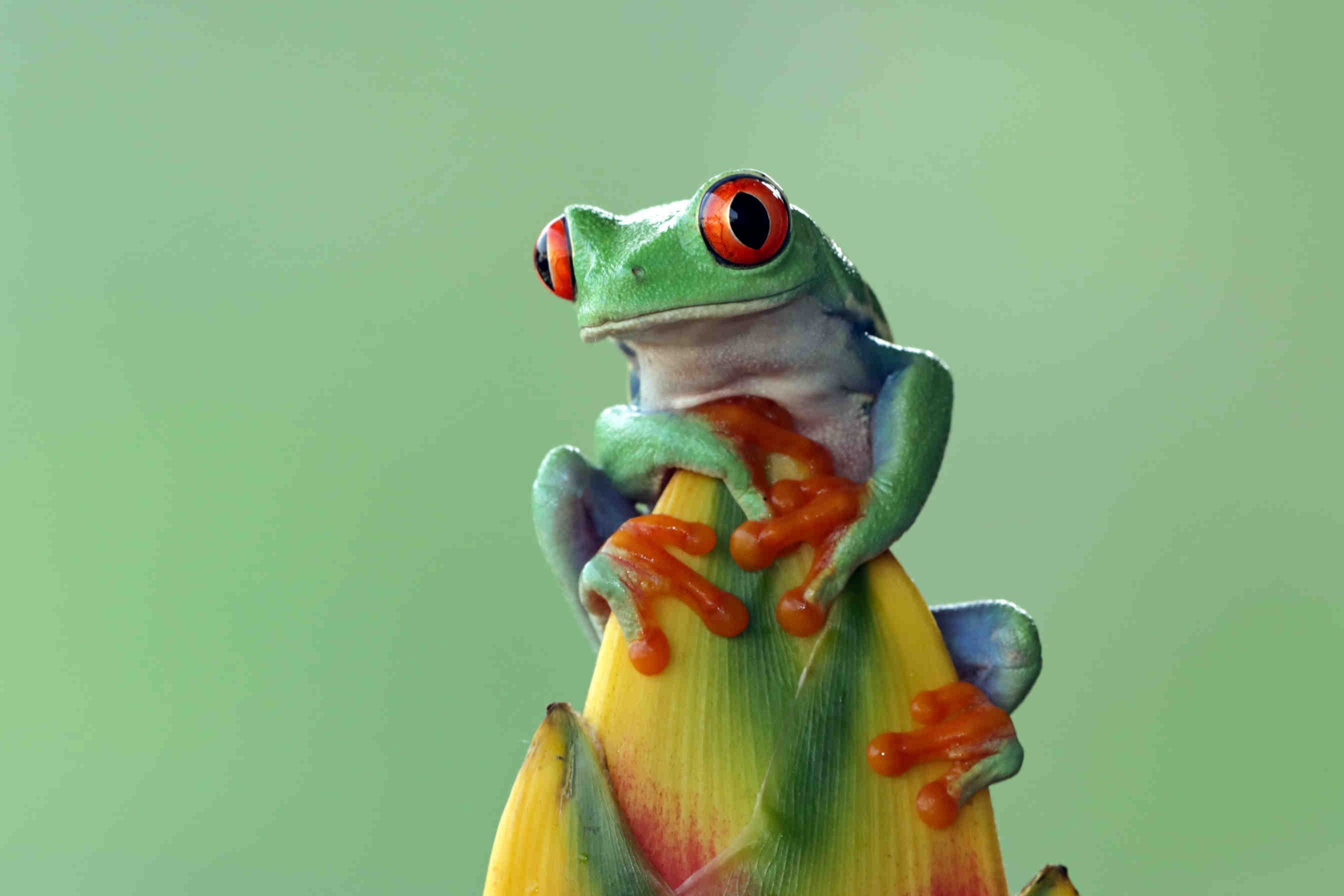
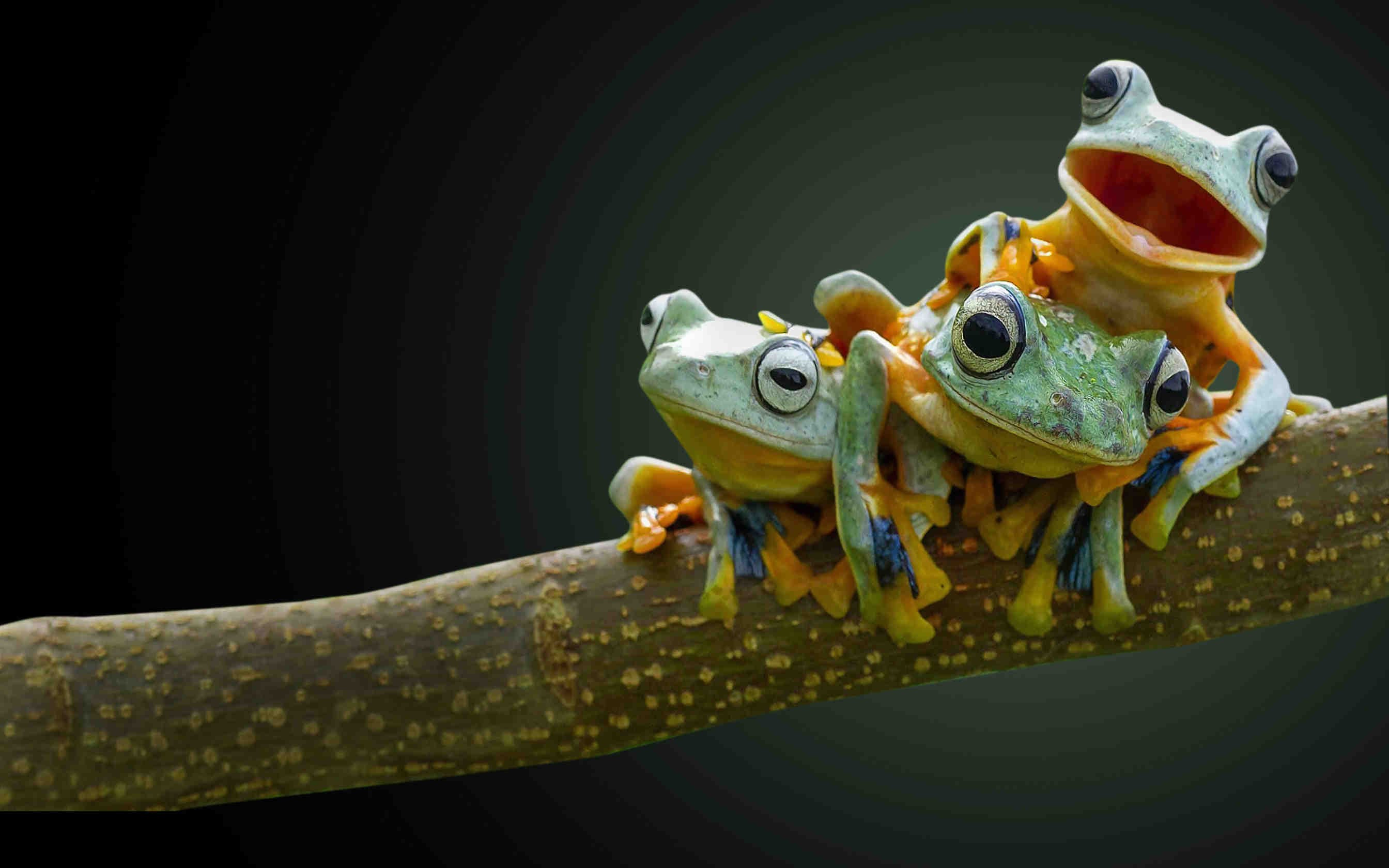
April 28 marks World Frog Day, an opportunity to raise awareness about the crucial role these amphibians play in our ecosystems. In this article, discover the threats they face and the importance of taking concrete actions to protect them.
Read the articleWorld Frog Day was established in
Amphibians, including frogs, are one of the most vulnerable animal classes to environmental changes due to their permeable skin, which makes them particularly sensitive to pollution, climate change, and habitat loss. Protecting amphibians is crucial not only to preserve these species but also to maintain ecosystem balance. Frogs, for example, are natural predators of insects, particularly mosquitoes, and thus contribute to population control and the prevention of vector-borne diseases. Additionally, amphibians are indicators of environmental health: their presence or absence signals changes in the ecosystem, such as water quality and surrounding environment. Protecting amphibians, therefore, means preserving the entire ecosystem they inhabit, ensuring the well-being of many other species, including humans.
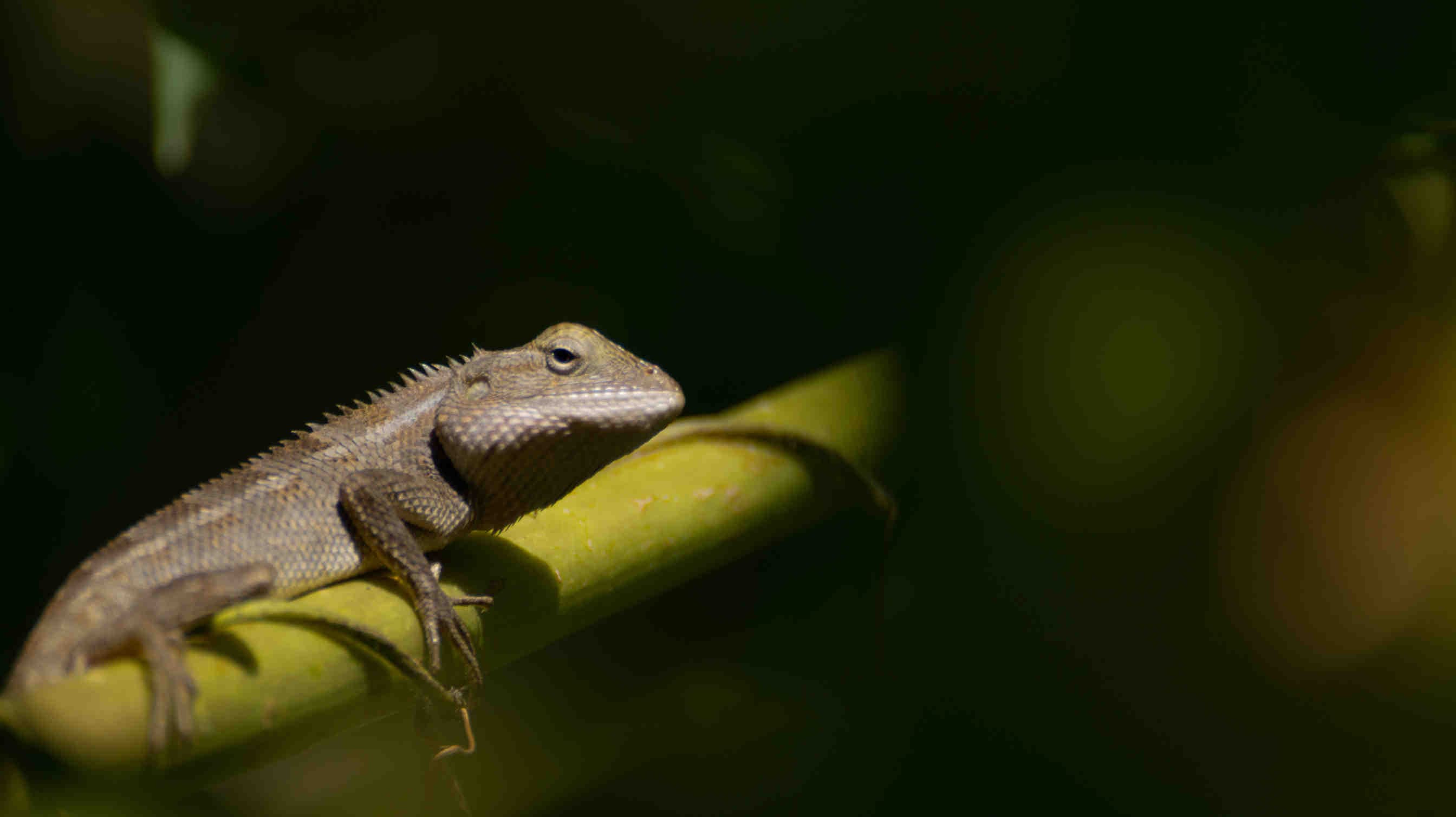

Climate change, habitat destruction, and pollution are the main threats to the survival of amphibians. Today, about 40% of amphibian species are at risk of extinction, according to the International Union for Conservation of Nature (IUCN). This phenomenon is alarming, as amphibians perform vital functions such as nutrient recycling and insect population control. Major threats to amphibians include habitat loss due to urban expansion and agriculture, water pollution, and the introduction of diseases like Batrachochytrium dendrobatidis, which has caused severe declines in many frog populations worldwide. It is therefore essential to adopt protection policies for aquatic and terrestrial environments to safeguard amphibian populations and prevent their extinction.

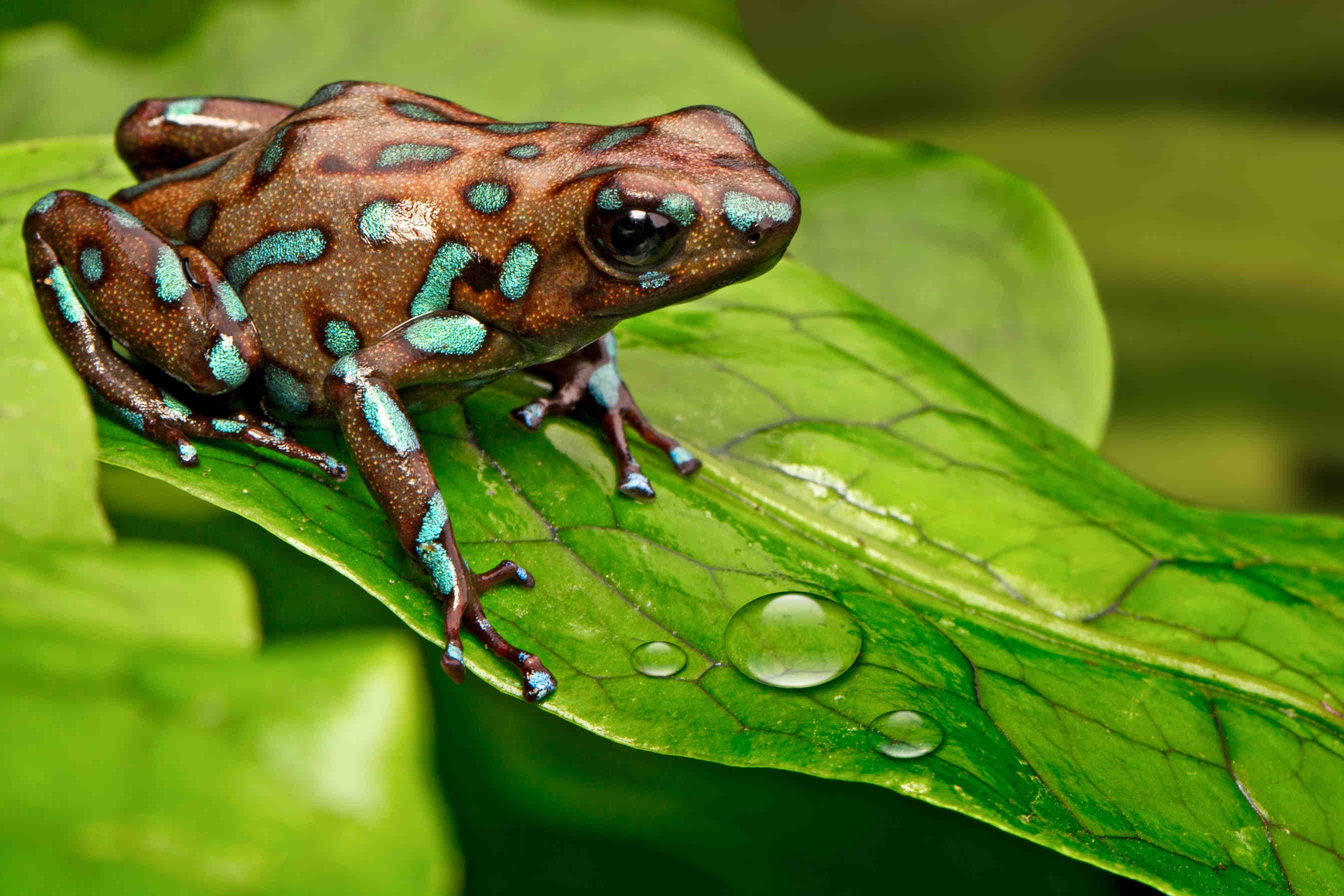

The protection of frogs and other amphibians requires a


Do you have any doubts or other curiosities about this article? Here you will find some insights