Surviving the cold: hibernation, hibernation and other strategies
    EvolutionSearchHibernationLetargo

    Surviving the cold: hibernation, hibernation and other strategies

    Surviving in cold temperatures is a problem that wild animals have had to face since early on, developing certain strategies that have enabled them to slow down their vital functions during the colder seasons, such as hibernation and hibernation.

    Read the article
    12/11/2024Of 3Bee, Marta Depetris
    724 Views
    12/11/2024Of 3Bee, Marta Depetris
    724 Views

    Evolving strategies to survive the cold

    Disclaimer: this is an automated translation from Italian. Go to the original article.

    There are many physiological processes that species animals have developed in the course of evolution that are still difficult for us to understand. For modern humans, the difficulty of surviving cold temperatures does not arise, because we can warm ourselves with the clothes we wear and keep warm in our homes. For wild animals, this is not possible and they are therefore forced to find some alternatives to survive the winter. For this reason, they have evolved the ability to slow down their metabolism and vital functions, even giving up feeding, without harming their bodies and being able to resume their habits as soon as temperatures become more favourable. The best known examples of this type of mechanism are certainly hibernation and the lethargy</c

    Evolving strategies to survive the cold

    The gene that regulates hibernation

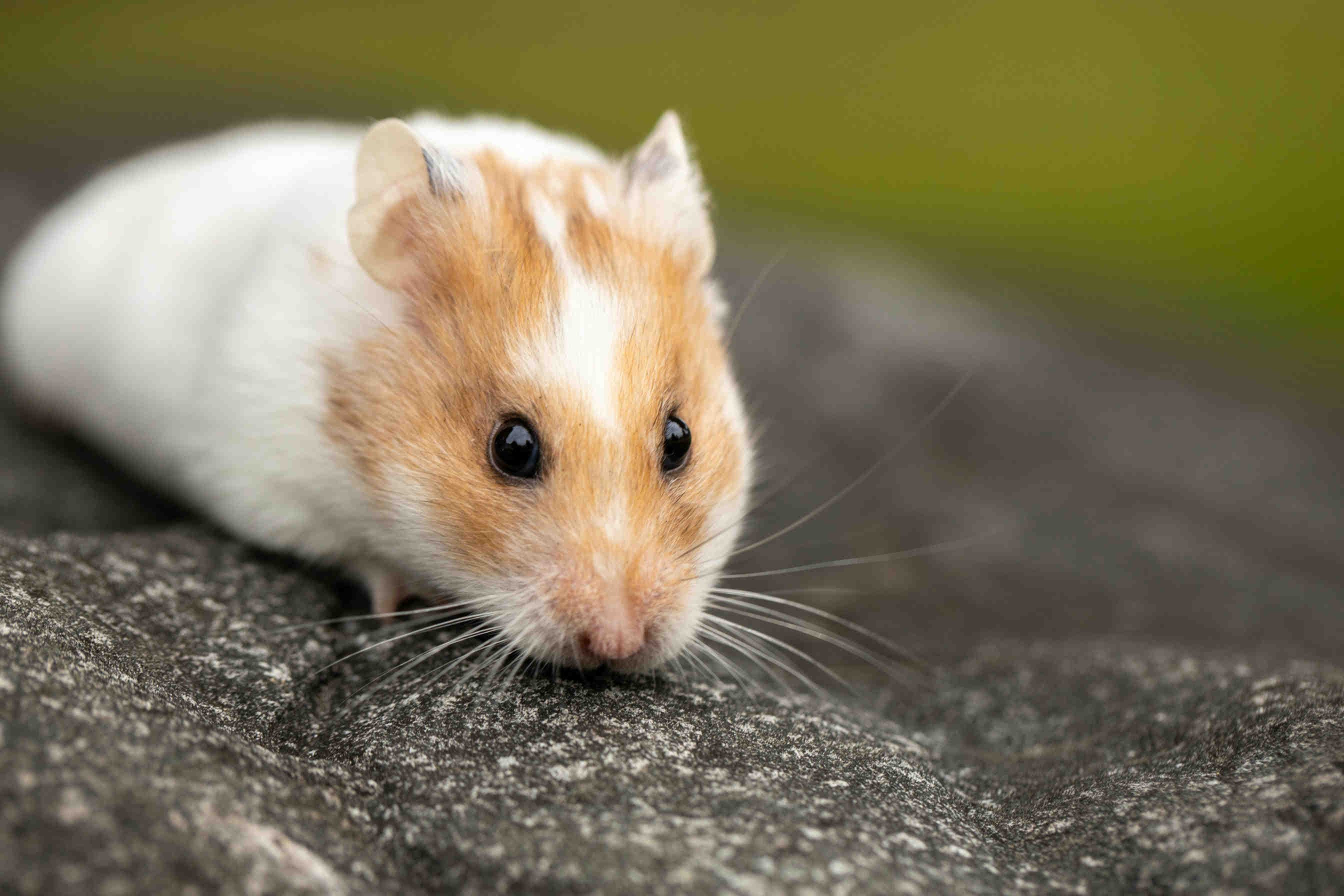
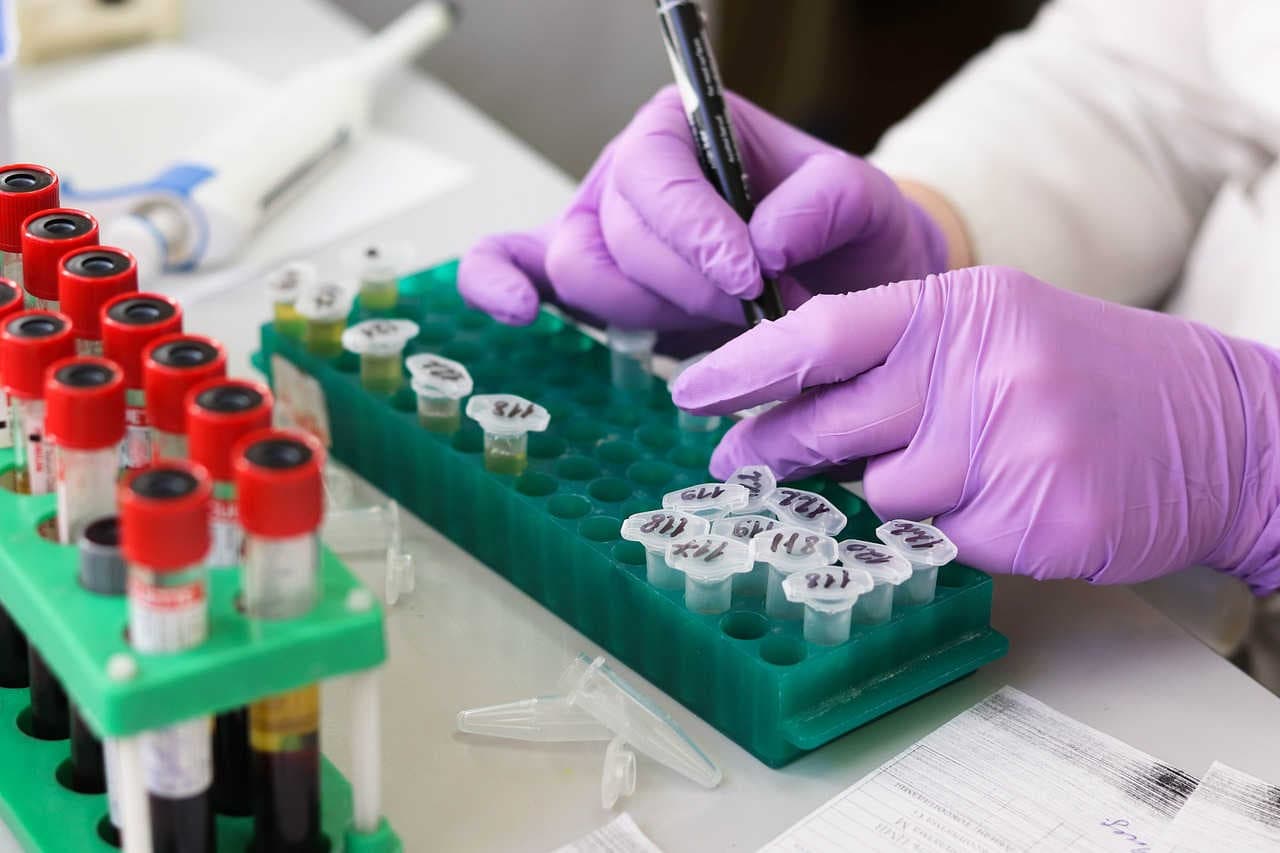
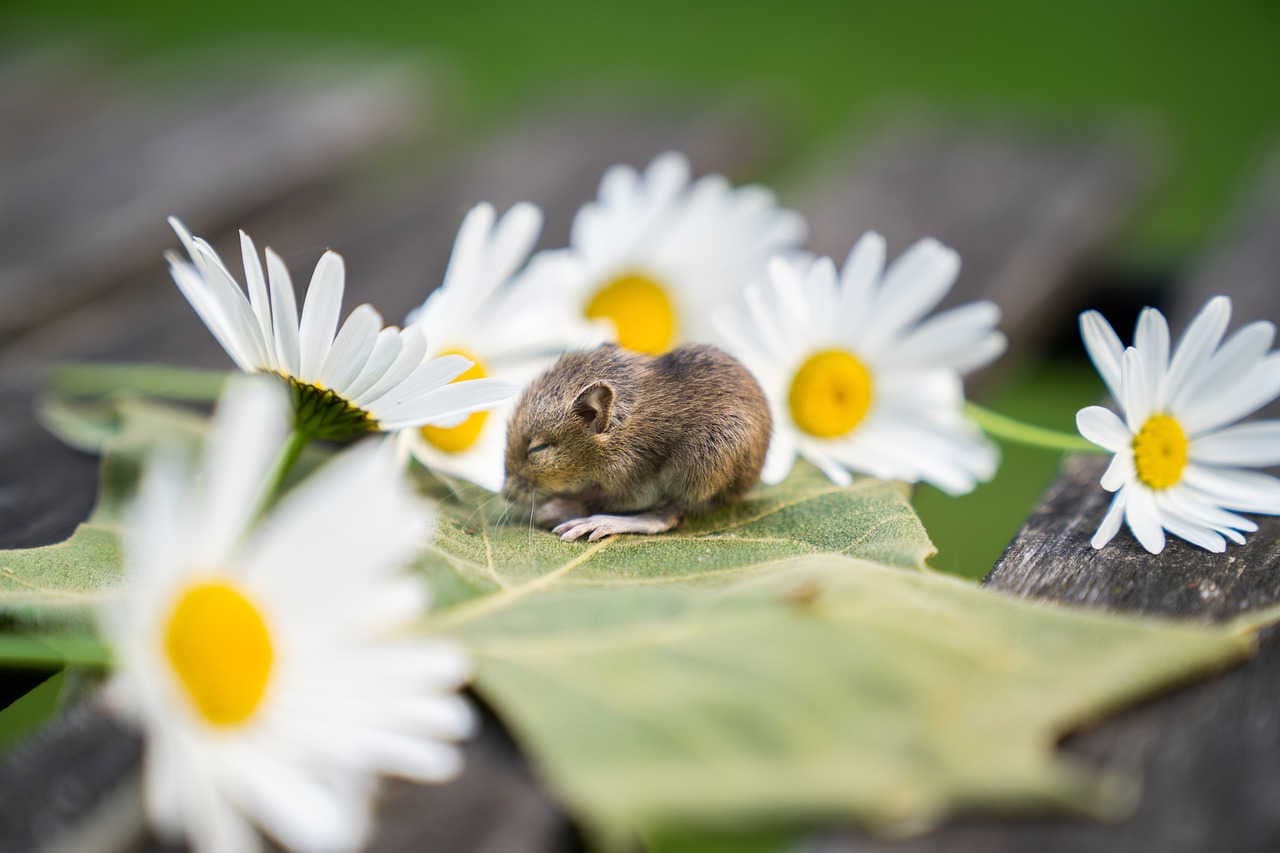
    Only recently, a scientific study conducted by a team of researchers at Hokkaido University has shed light on the genetic mechanism behind the process of hibernation in mammals. Taking the golden hamster (Mesocricetus auratus) as a reference, a gene has been discovered that appears to be one of the people responsible for hibernation in mammals. The question they asked was how it was possible for some mammals to enter this state of quiescence without the organism suffering cellular damage. Indeed, if we take humans as an example, they are unable to suspend their vital functions during the cold months without their cells suffering damage, which is not the case in other mammals. The newly discovered gene, called Gpx4, would act on certain stages of metabolism by preventing some of the processes that would lead to cellular damage resulting from a high drop in body temperature.

    The gene that regulates hibernation
    XNatura

    The hibernation mechanism

    The scientific study uncovered one of the mechanisms underlying hibernation. But what does this process consist of in practice? The term hibernation identifies a phenomenon that mainly affects certain mammalian species and that involves a drastic reduction of metabolic functions for a prolonged period, during which we can consider the animal in a kind of "stand-by". During hibernation, the vital functions of the animal are reduced to a minimum: the heartbeat, respiration and body temperature drop considerably, thus decreasing energy consumption. This process allows the animals to survive without feeding, exploiting the fat reserves accumulated during the warmer months of the year. The body temperature of hibernating animals can drop many degrees, even as low as 5°C, well below the normal average temperature of 37°C found in mammals when they are active.

    The hibernation mechanism

    Hibernation and hibernation are not really synonymous

    The words hibernation and lethargy are often used as synonyms even though they do not describe exactly the same adaptation. While hibernation implies an extreme decrease of vital functions, the lethargy is generally a less profound form of slowing down of metabolism. A first major difference certainly lies in the temperature reached by animals adopting this strategy: in hibernating species, body temperature drops, but not as much as during hibernation. Moreover, hibernating animals may sporadically wake from their torpor to feed or move.

    Hibernation and hibernation are not really synonymous
    XNatura

    Which animals adopt these strategies

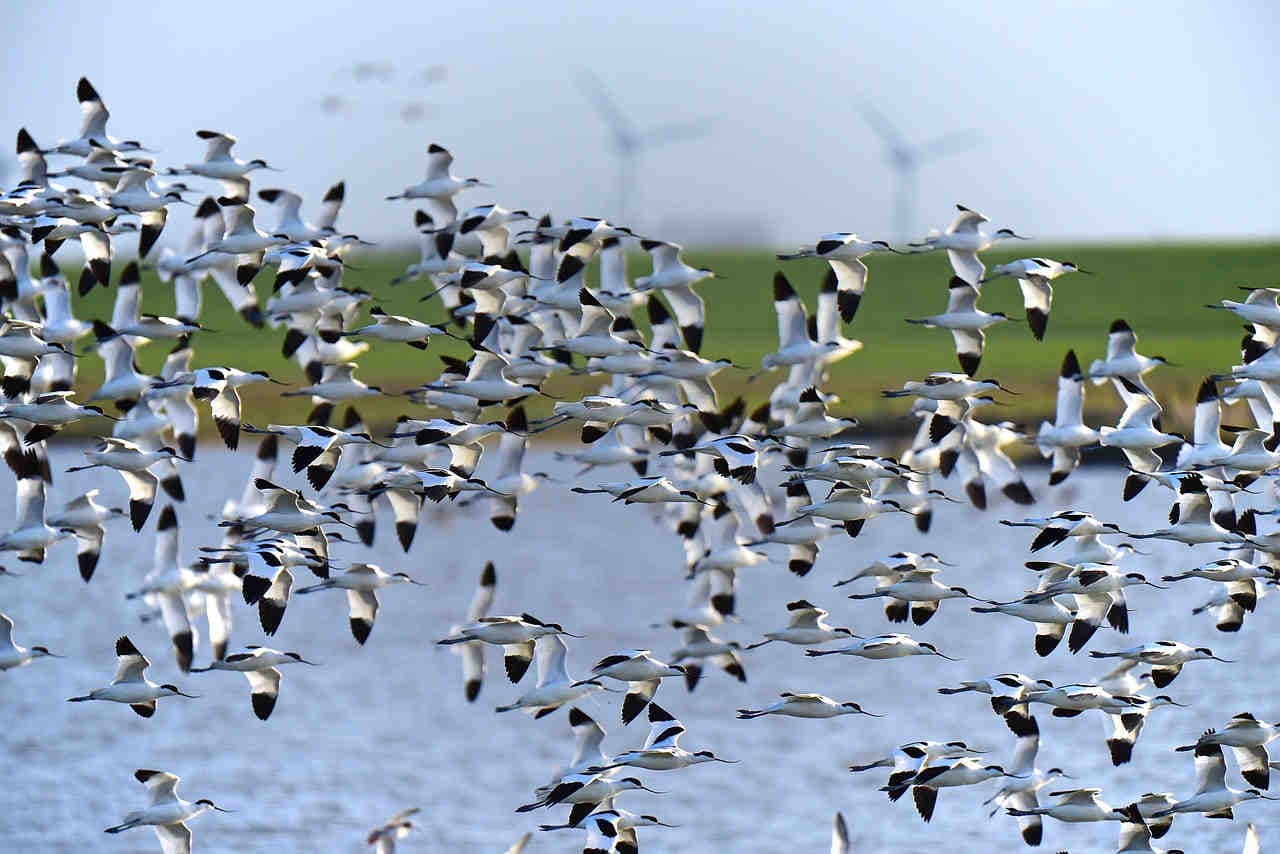
    Not all animals are capable of hibernation or hibernation. Only homeothermic animals, commonly referred to as 'warm-blooded', have the ability to put these mechanisms in place to survive the harshest months, because they are able to regulate their body temperature independently of the environmental one. Homeothermic animals are the mammals and birds, but among them, only the former resort to hibernation because winter temperatures would require a great deal of energy to regulate body temperature and the difficulty in finding food would make them expend much more energy than they would obtain. Instead, birds in the winter period may slow down their daily movements or migrate to areas with a warmer climate. The only known exception among birds to date is the Nuttall's Nightjar.

    Which animals adopt these strategies
    3Bee

    The bear's sleep

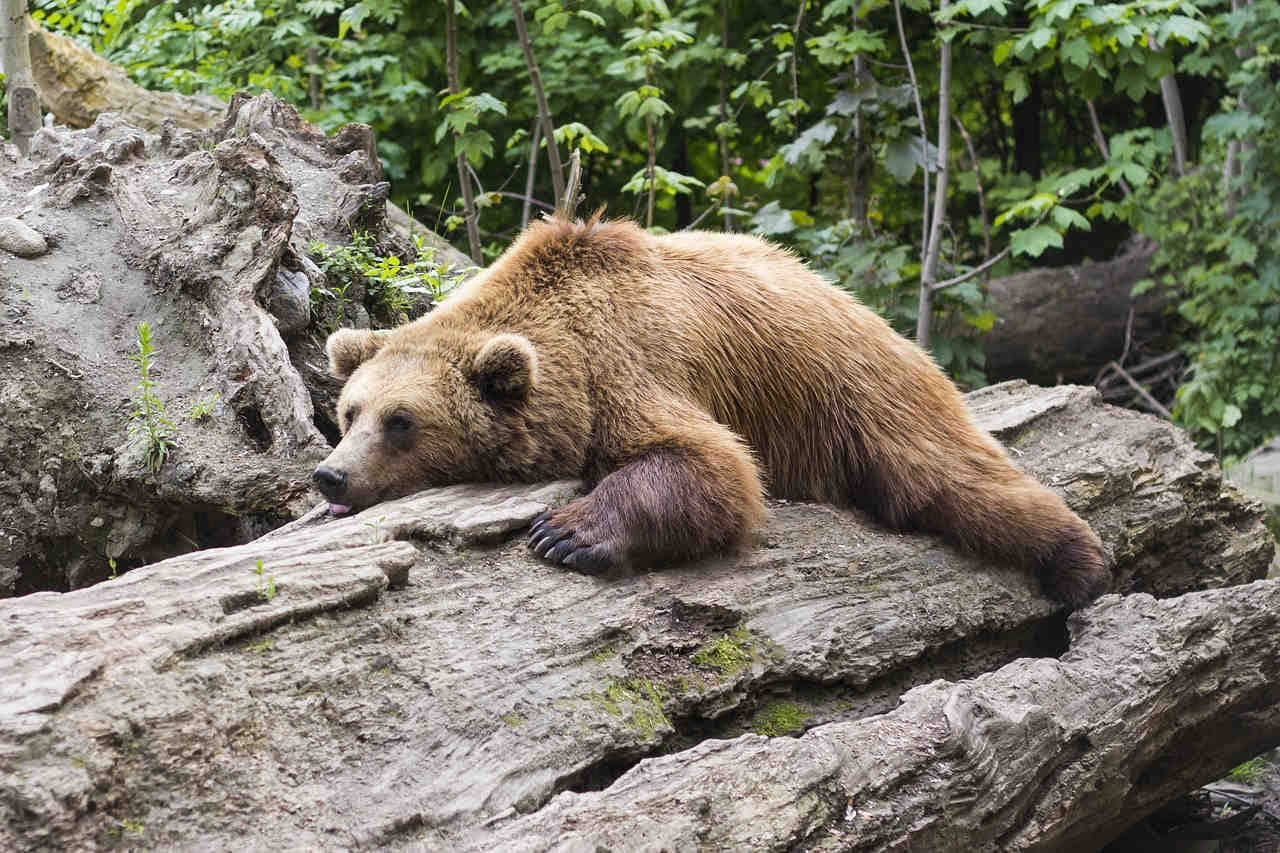
    When we think of hibernation, probably the first animal that comes to mind is the bear (Ursus arctos marsicanus). This animal is a classic example of a mammal that makes use of this strategy during winter. In fact, when the first cold weather begins and food starts to become scarce, the orsi set out in search of a shelter to spend the winter. During the hibernation periodthe only energy reserve these animals can draw on is the adipose layer accumulated during the autumn period (hyperphagic period). During hibernation, bears remain quite reactive to external stimuli, which is why it is best not to approach likely wintering areas. Furthermore, bears have been shown to activate during hibernation a control mechanism of insulin, the hormone that regulates the glucose balance within the body, preventing so that metabolic imbalances may occur in the animal due to the considerable accumulation of fat.

    The bear's sleep

    Hibernation in rodents such as marmots and dormice

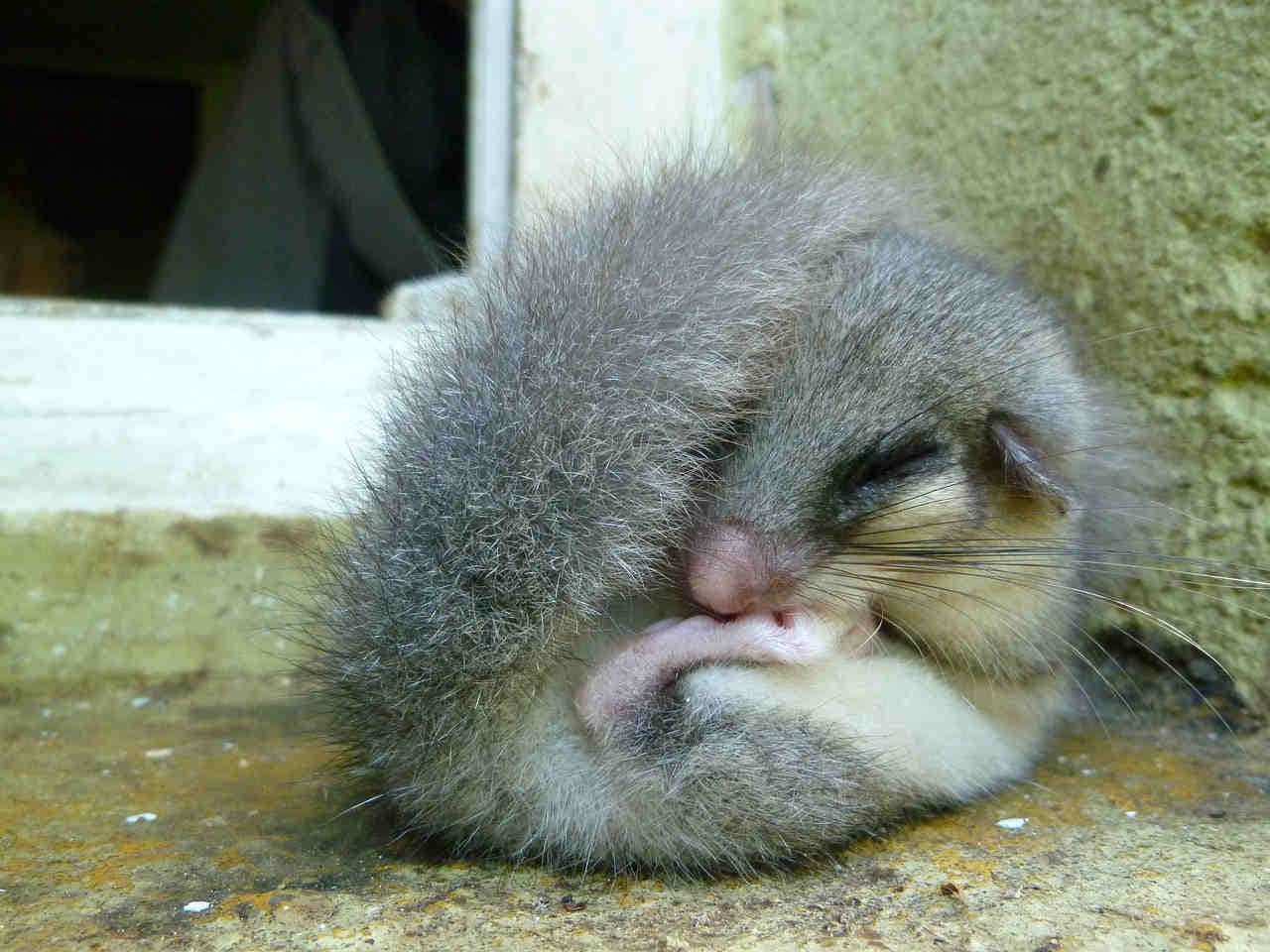
    If we are frequenters of the mountain, we will have come across a marmoth (Marmota marmota) at least once. We may have noticed that these animals during the autumn seem much larger than when we see them during the summer period. This is because groundhogs are animals that hibernate and use the last months before winter to accumulate as much energy as possible, feeding on plant parts rich in sugars and nitrogen and the larvae of insects and other invertebrates. They spend their hibernation inside burrows closed at the ends by earth and stones, where the wintering chamber is shared by adults and younger individuals, thus increasing the warmth within the shelter. The same behaviour is adopted by the ghiro (Glis glis), well known for its hibernation ability, characterised by an uninterrupted sleep spent inside tree cavities, but also wall crevices and rocks and attics.

    Hibernation in rodents such as marmots and dormice

    Mammals also active during winter

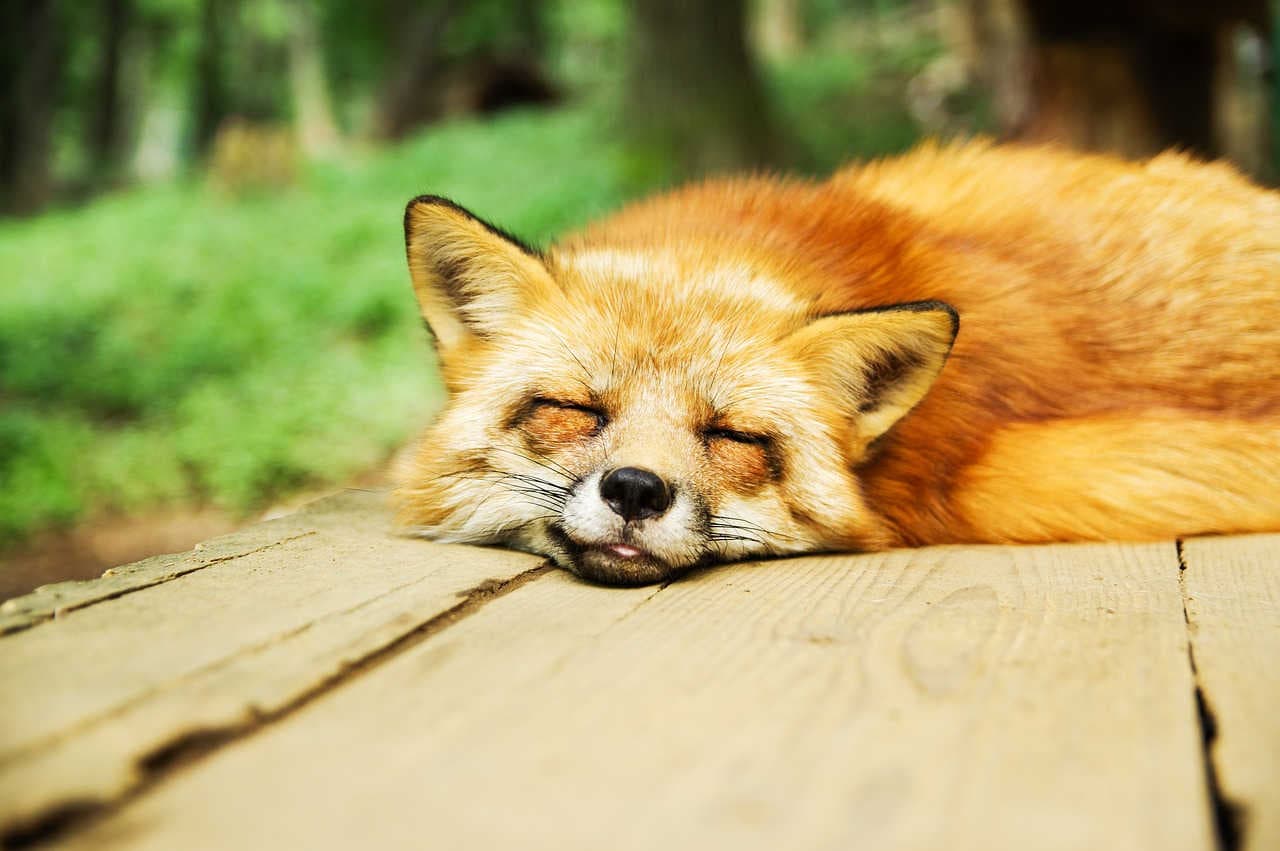
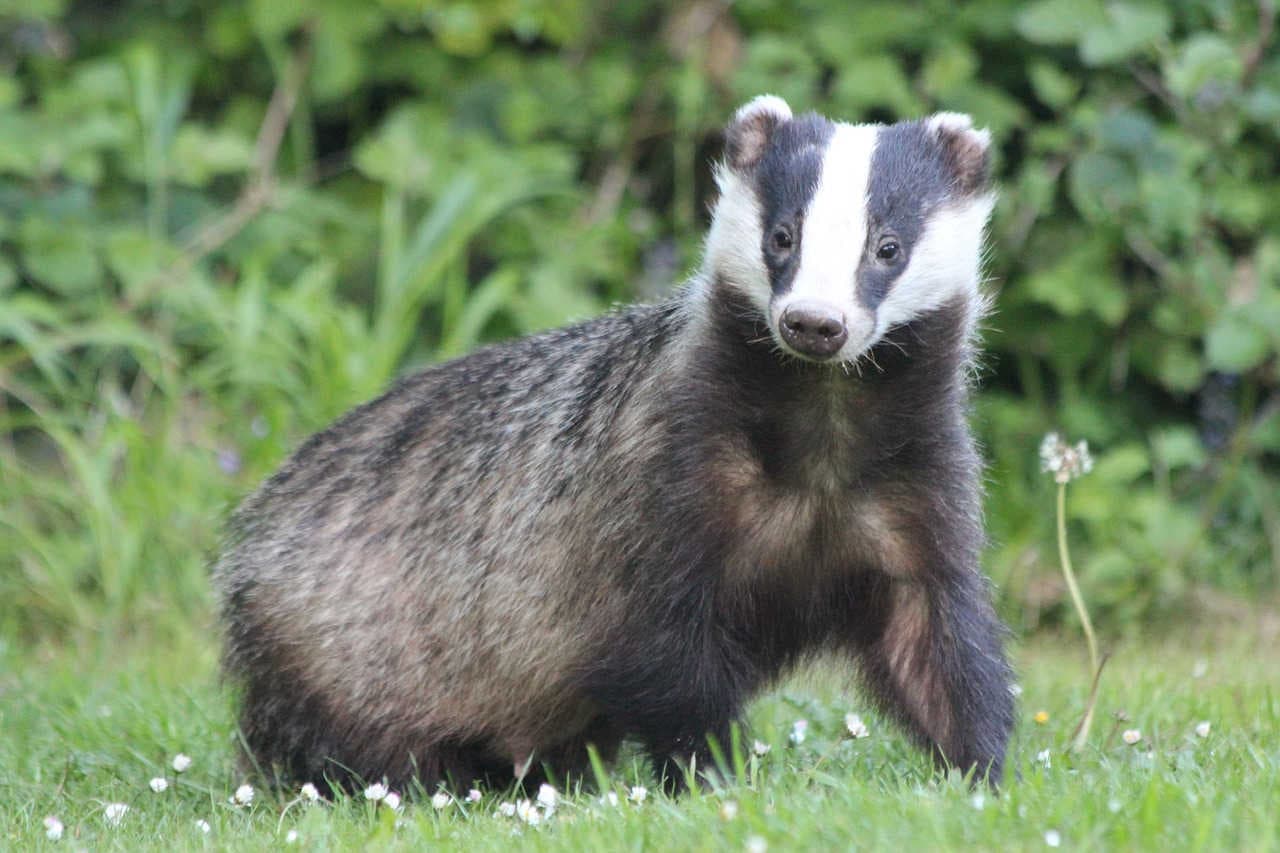
    Although hibernation or hibernation are excellent strategies for surviving the winter months, some mammals prefer to continue their habits even as temperatures drop. This is the case, for example, of some carnivores such as wolves (Canis lupus) and voles (Vulpes vulpes) that do not slow down their physiological functions and revert to certain stratagems to find food even in the winter months, such as feeding even on wild and domestic animal carcasses or rubbish. Other examples are the bearer (<i<Meles meles) and the different species of squirrels that do not stop their daily activities, but reduce them by spending most of the day in their burrows. The squirrels may also bury food reserves, such as dried fruits or seeds, in anticipation of using them during the cold season when food resources will be scarcer.

    Mammals also active during winter

    The hibernation of cold-blooded animals

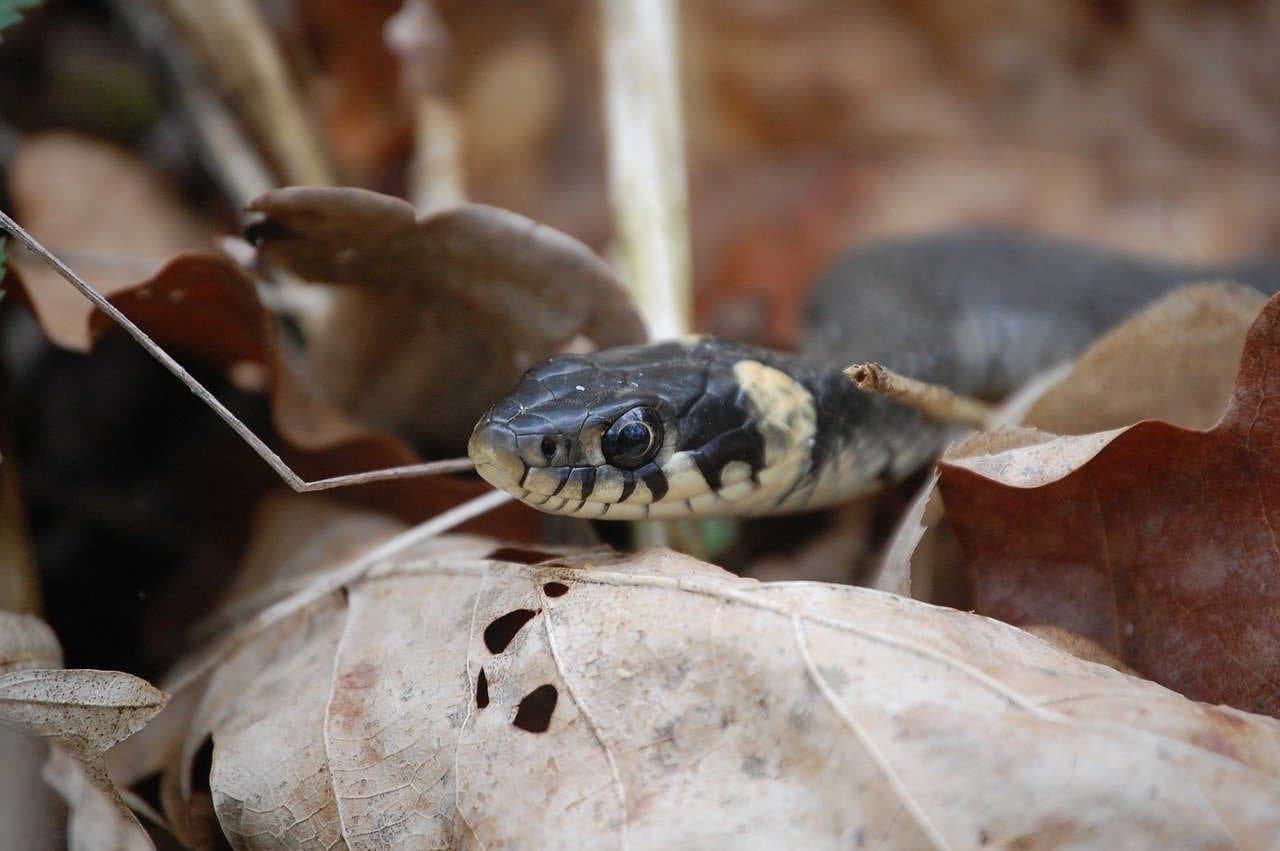
    In addition to the warm-blooded animals seen so far, there are also animals that are referred to as heterothermic or also called 'cold-blooded'. Included in this category are species belonging to groups such as amphibians, reptiles, fish and invertebrates. These animals are not able to regulate their body temperature, which therefore varies according to the environmental temperature. For this reason, they can adopt different forms of hibernation, to overcome periods of stress caused by cold weather or lack of resources, but with mechanisms of action that differ from those of homeothermic animals. The reptiles, for example, enter a state called brumation, very similar to hibernation, but have no fat reserves stored in the preceding months and on warmer days may emerge from their shelters to drink.

    The hibernation of cold-blooded animals

    Studying hibernation to understand ageing

    The neurological and genetic mechanisms underlying the processes of hibernation and hibernation have always fascinated researchers. In particular, many have wondered whether by investigating these processes we might be able to find the secret to counteract ageing. Indeed, some scientific research suggests that lethargy may be associated with increased longevity in some species of mammals. Furthermore, it is thought that knowing more about the molecular mechanisms of hibernation and of hibernation may have important medical implications, such as possible solutions in the management of diabetes and other metabolic diseases, preventing the effects of certain diseases such as stroke, allowing survival with reduced blood flow, and counteracting the atrophy of muscles following prolonged periods of forced bed rest or other diseases.

    Studying hibernation to understand ageing

    The importance of research into these complex mechanisms

    Surviving cold temperatures is not a trivial problem for wild animals. Winter is a time that can also be deadly if one does not prepare oneself in the best possible way for it. The processes of hibernation and hibernation reflect the extreme complexity of the molecular, genetic and neurological mechanisms that allow the mammalian body to function. It would be unthinkable for us to be able to extremely slow down all our vital functions for a period as long as months, yet certain genes that play a role in activating hibernation are also present in the human body, but are silenced. Deepening our knowledge of these mechanisms is important not only to better understand the wild species that inhabit the Earth, but can also have interesting implications for the lives of human beings.

    12/11/2024Of 3Bee, Marta Depetris
    724 Views
    Newsletter
    newsletter
    Subscribe to the Blog about bees and biodiversity

    Frequently Asked Questions

    Do you have any doubts or other curiosities about this article? Here you will find some insights