Human intelligences, some among many
Disclaimer: this is an automated translation from Italian. Go to the original article.

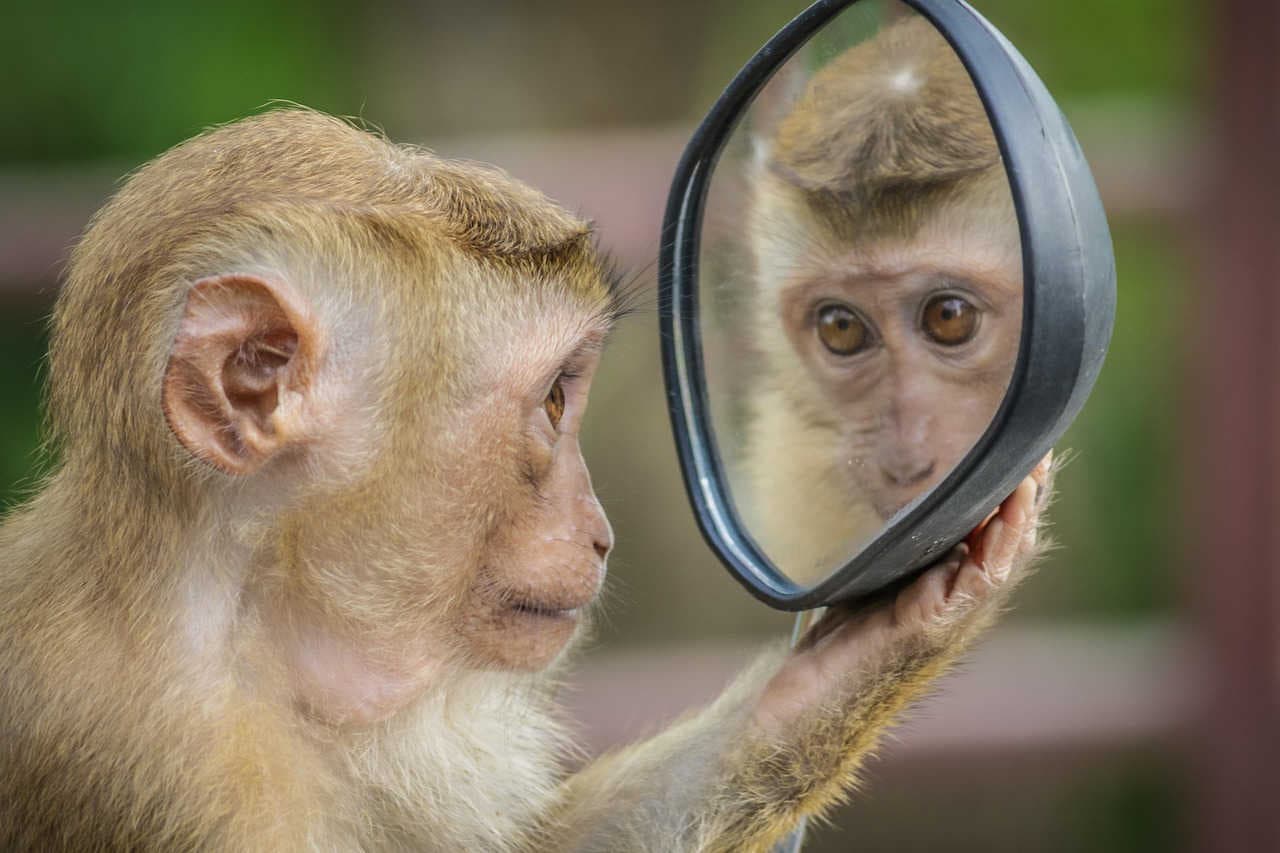
Animal intelligence manifests in surprising ways, allowing adaptation to the most diverse environments. From communication to problem solving, from tool use to spatial memory, we explore the cognitive abilities of different species to understand their evolution, uniqueness, and value.
Read the articleDisclaimer: this is an automated translation from Italian. Go to the original article.
With the term intelligence we refer to many things: the ability to


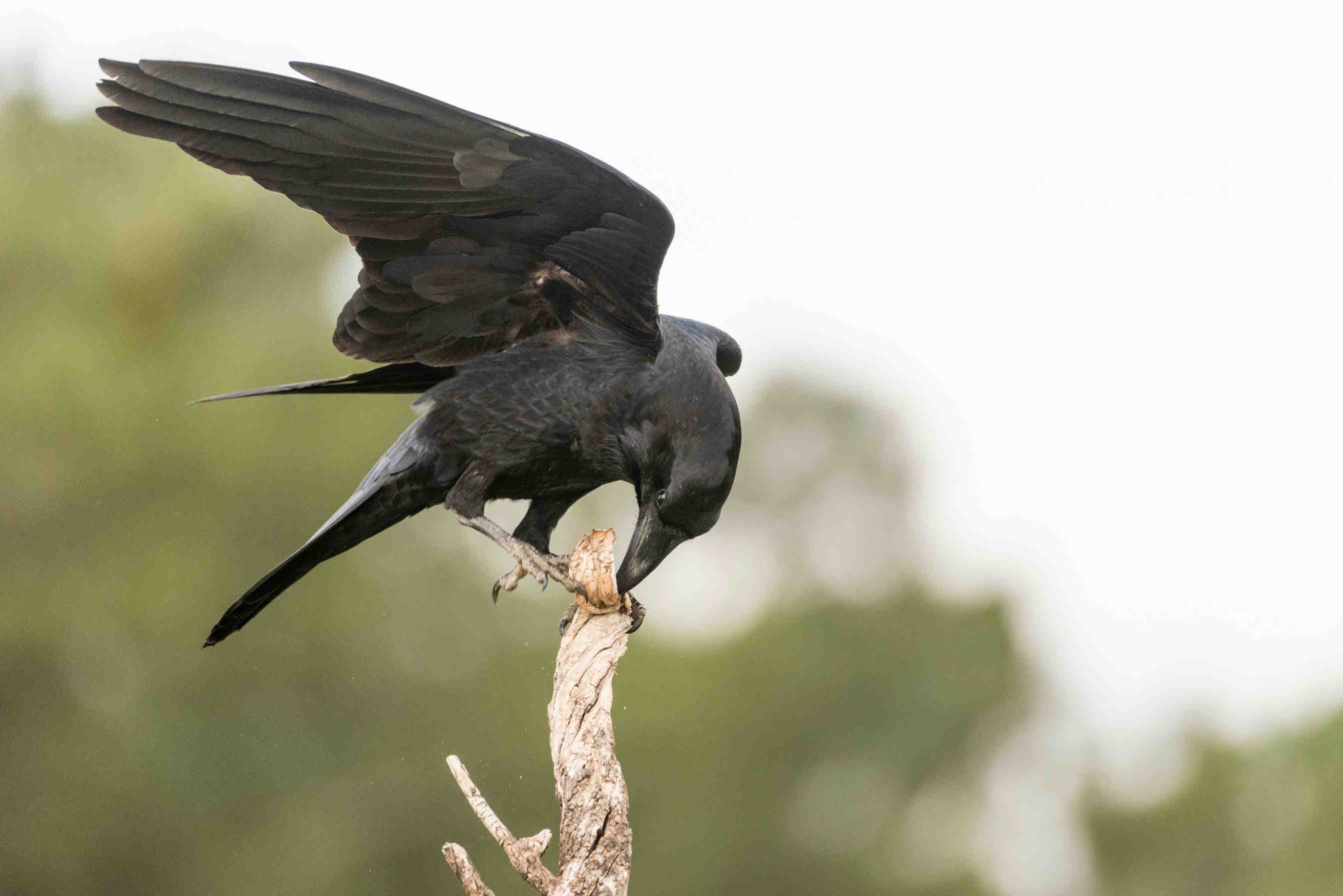
The use of tools to perform actions is not a human prerogative. This phenomenon has been observed in various animal groups, mostly primates. The use of stones is an example: from Thai macaques that use them to open oysters to Ivorian chimpanzees or capuchins that open nuts with them. However, there is a peculiar example among birds, represented by the New Caledonian crows Corvus moneduloides. Individuals of this species frequently make use of tools crafted ad hoc to obtain food, extracting insect larvae nestled in holes or crevices of wood. But beyond the skill in creating and using tools, it has also been observed that these birds can combine pre-existing objects to create new ones and even improve their making over time, performing a process defined as progressive cultural evolution.
That
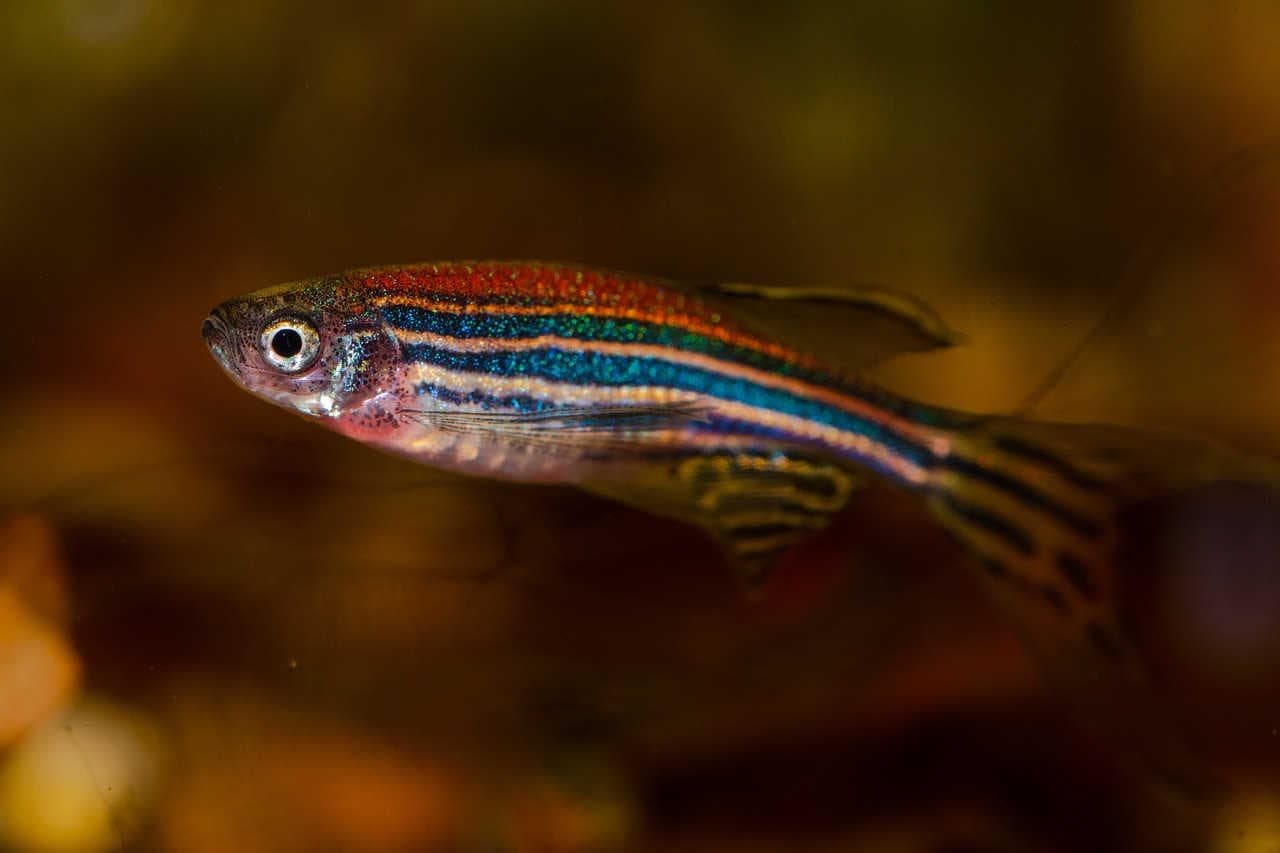

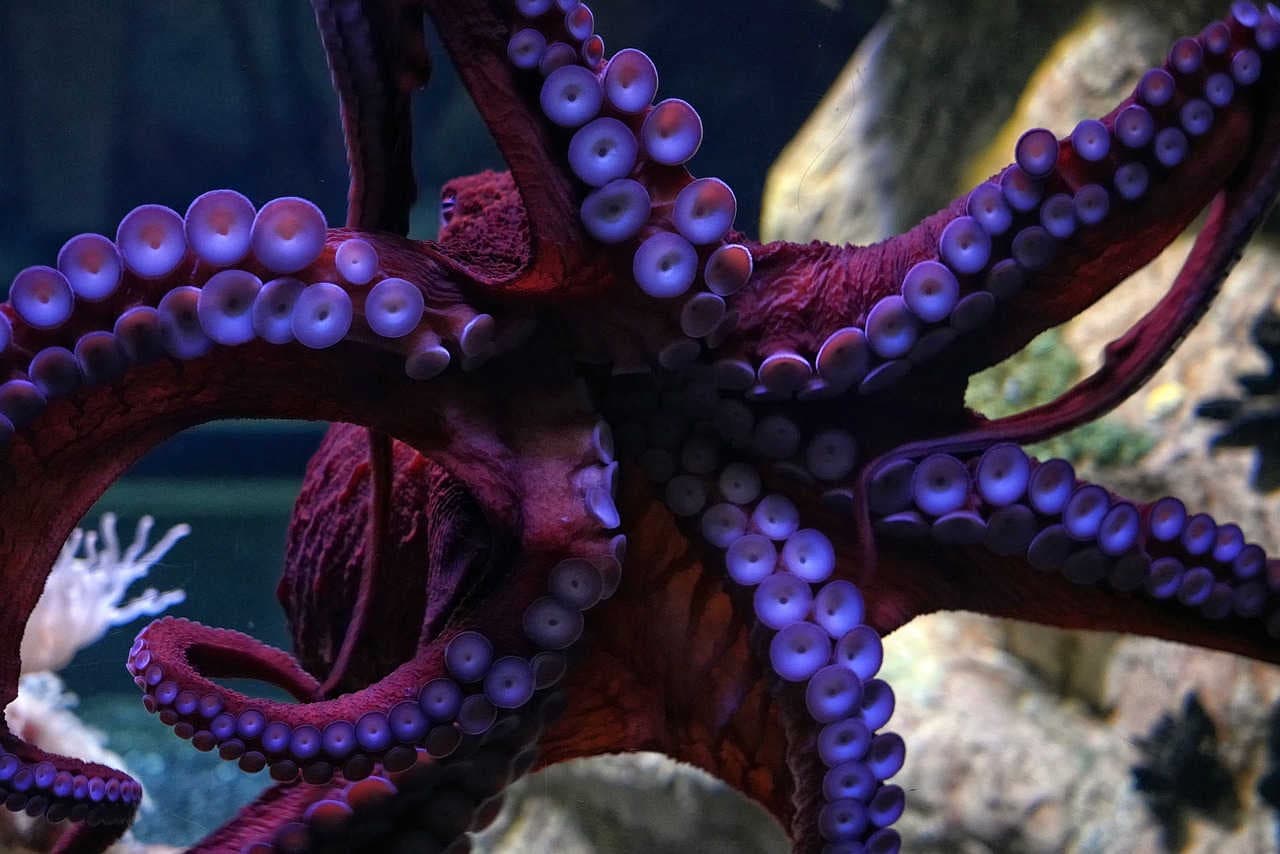
The notion that only vertebrates possess complex cognitive abilities is refuted by a cephalopod invertebrate:

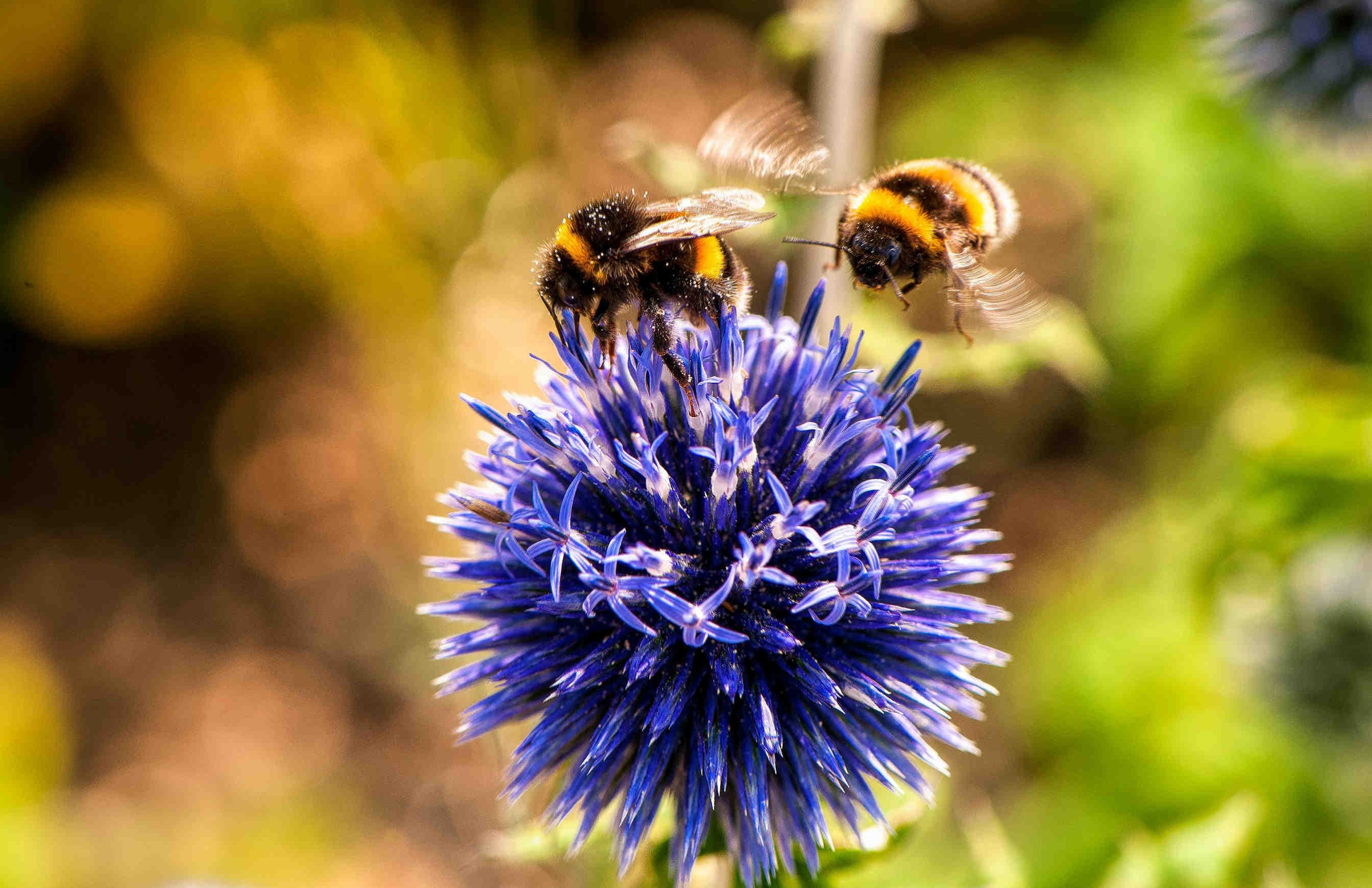
Animal communication is expressed in surprisingly sophisticated forms among very different species. Dolphins, for example, use signature whistles, unique acoustic signals that individually identify each individual, just as if they were proper names. These whistles allow them to call each other, interact, and cooperate, and they develop from a young age. Then there are those who are very different from a cetacean but still capable of very sophisticated communication, such as the honeybee and its dance. Through circular or figure-eight movements performed on the surfaces of the hive's combs, worker bees communicate detailed information to their nestmates about the distance and direction of a food source. Translating spatial information into a symbolic language, bees demonstrate the ability to have an incredible orientation system and a high level of social cooperation.

At the conclusion of our journey through different abilities to interact with the world, it becomes clear that

Do you have any doubts or other curiosities about this article? Here you will find some insights